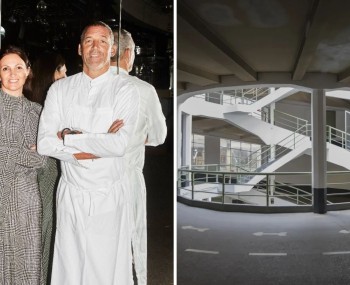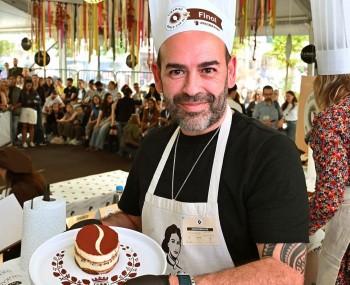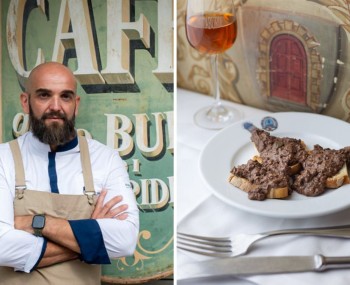
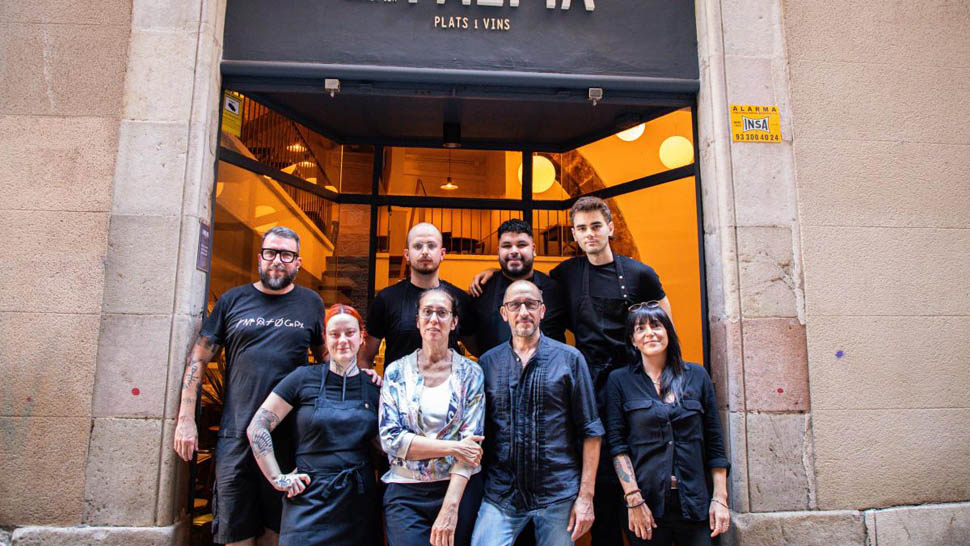
One of the most outspoken is Jordi Parramon, chef at the Bellafila restaurant in Barcelona's Gothic Quarter: “A restaurant is a party. It's your home. And when you invite someone over and want them to feel comfortable, you don't tell them what time they have to leave.”
Cover photo by Alex Vall
The opinion
The pace of urban dining is accelerating. Cities are growing vertically, rents are rising, restaurant sizes are shrinking, and the equation of eating out is being loaded with new variables: overlapping reservations, shifts spread out in close succession, tables that change skin over the course of the same evening. It is a silent transformation that is changing, without saying so openly, the habits of customers and the structure of restaurants. This change affects not only gastronomy but also the very idea of time, because a meal still has an emotional and social value that is difficult to compress between the appetizer and dessert. The double shift—at 7:30 p.m. and 9:30 p.m., if not an additional late “round”—is the most common response to an urban context that does not forgive margins. In the meantime, customers have learned to live with it, sometimes without enthusiasm, sometimes with resignation, and sometimes with surprising willingness. The debate is far from over, as demonstrated by the words of restaurateurs, who are divided on this issue between almost philosophical positions and pragmatic analyses.
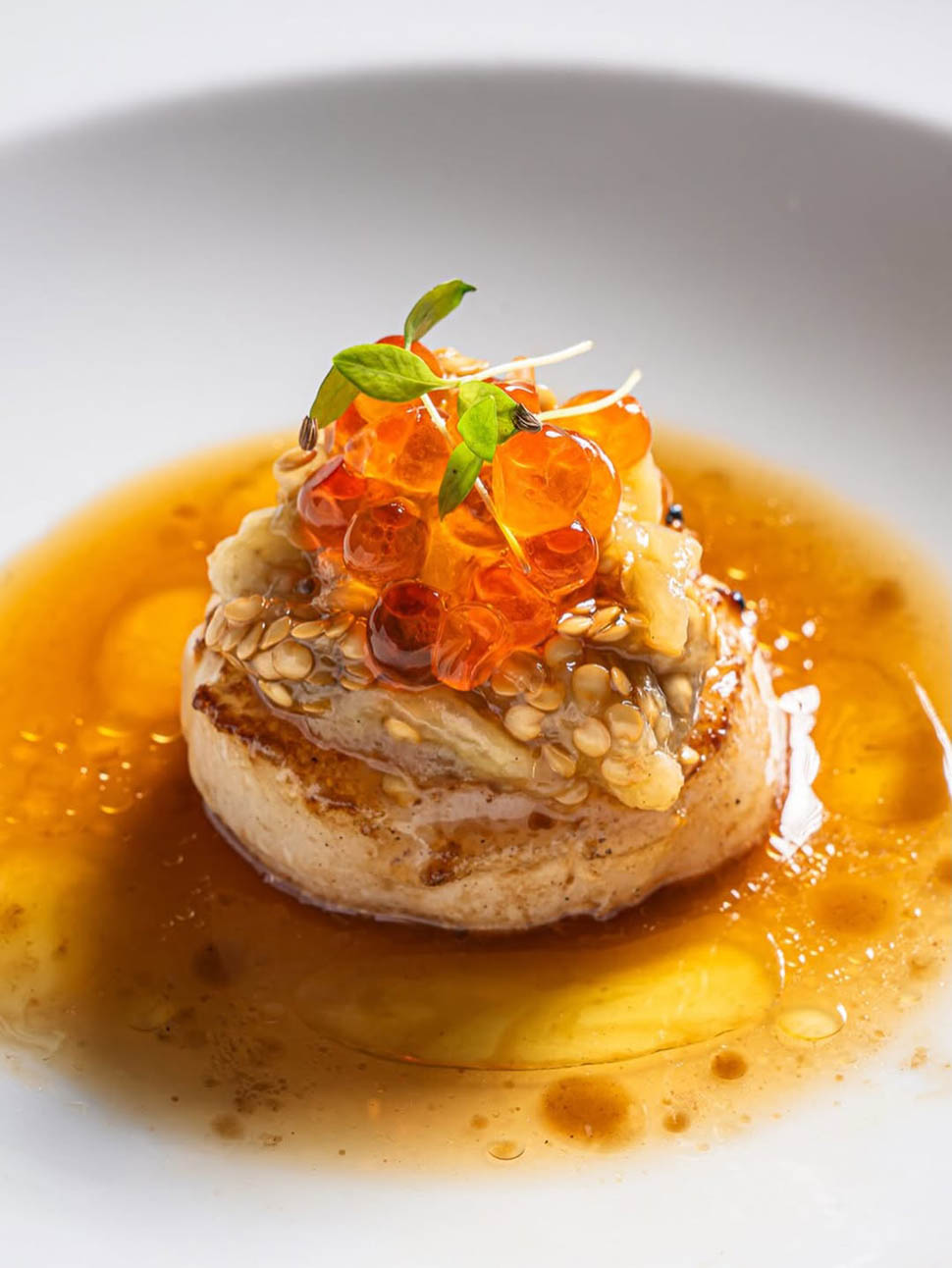
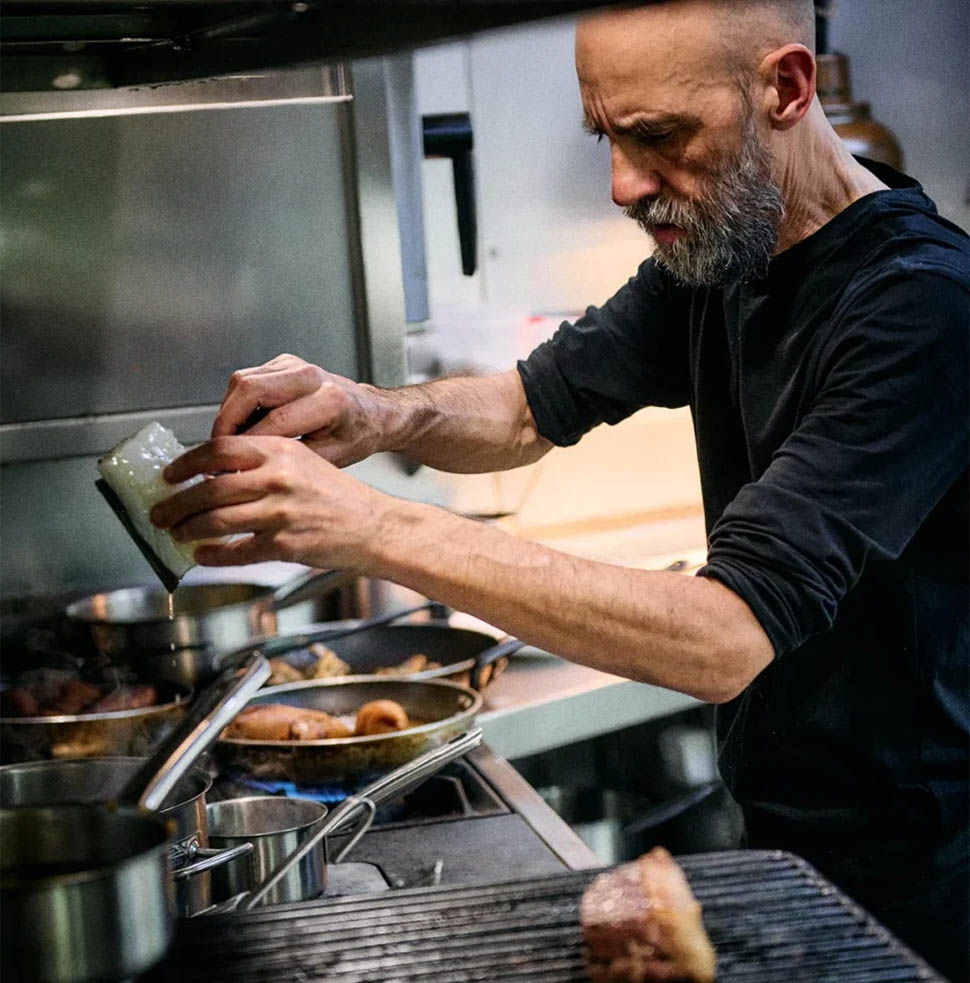
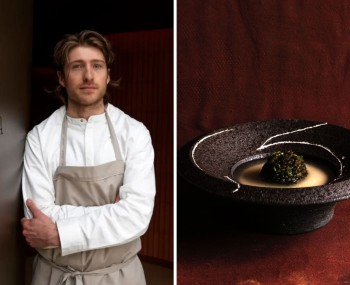
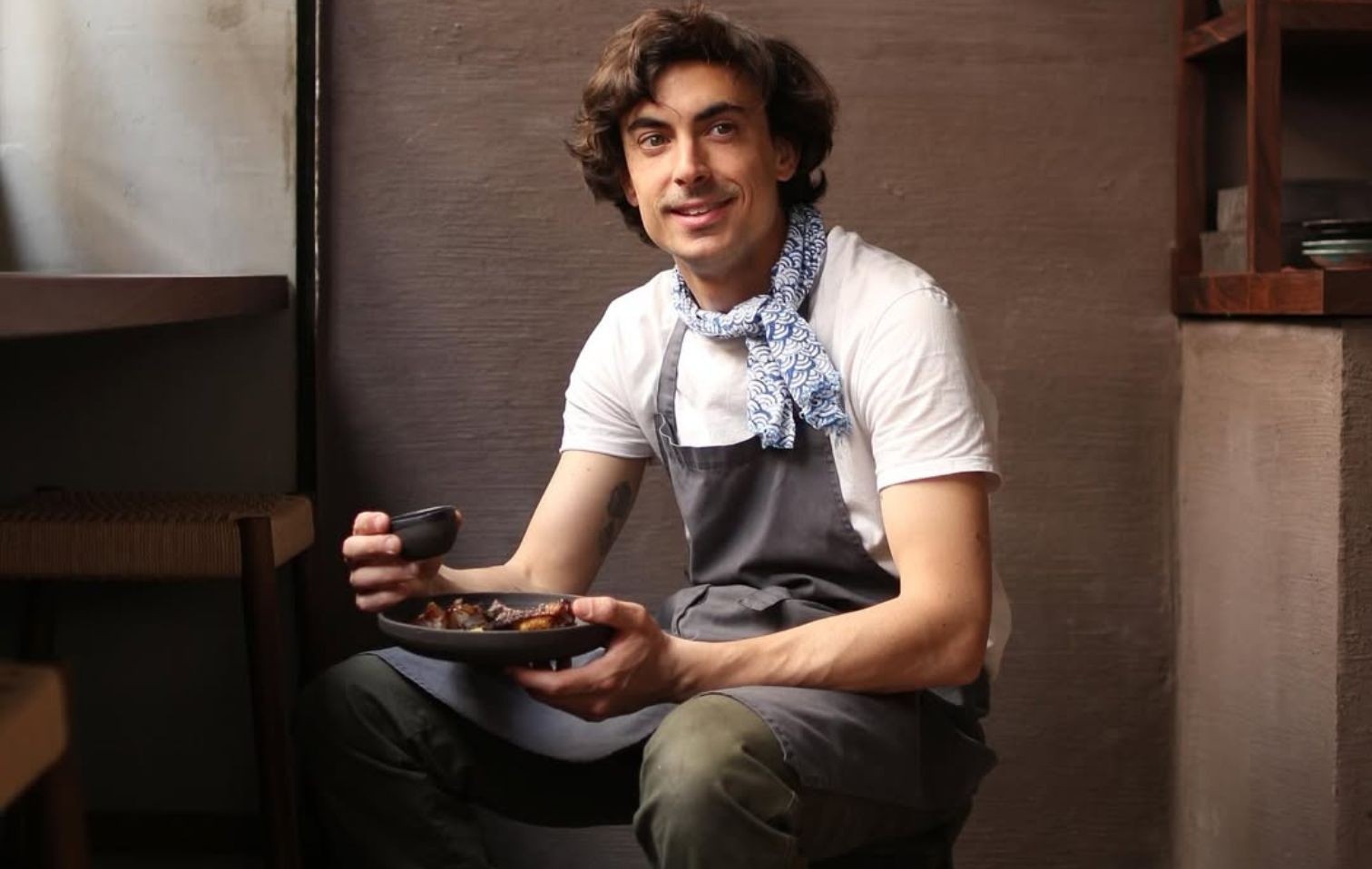
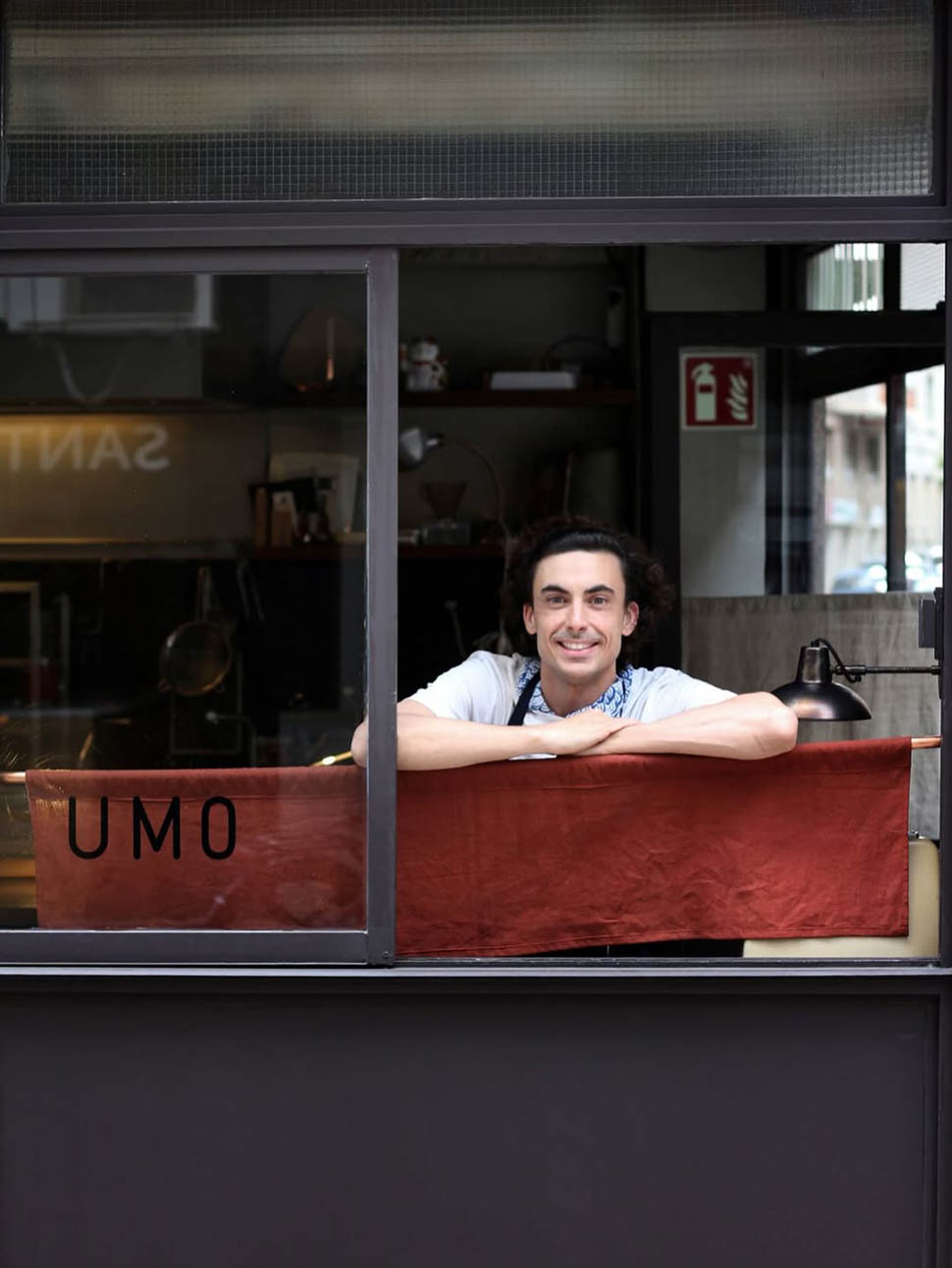
Among the most outspoken was Spaniard Jordi Parramon, chef at the Bellafila restaurant in Barcelona's Gothic Quarter, who considers double shifts to be a violation of the essence of shared meals: "A restaurant is a party. It's your home. And when you invite someone and want them to feel comfortable, you don't tell them what time they have to leave," he told La Vanguardia in an investigation on the subject. For Parramon, going to a restaurant means creating a bond with the dining room, lingering, conversing, and breathing in the atmosphere. It is a ritual that cannot be reduced to the need to eat and that must keep time in a relaxed dimension, not marked by the minutes of a subsequent reservation. He himself avoids restaurants that systematically apply double shifts, while recognizing that the practice has become so normalized that he even nonchalantly accepts schedules that are far from traditional habits: “Today I have a dinner at 9:45 p.m.,” he confesses. Àlex Vall's idea, on the other hand, takes shape in reality as UMO, a hidden omakase bar in the Sant Gervasi neighborhood, where time is not divided but shared. Here, the experience takes place simultaneously: few customers, the chef's gestures at the center of the scene, the possibility of interaction, and an ideal extension of the dinner that descends into an underground space dedicated to music, sofas, and drinks. The chef emphasizes the intention: "We like people to come to UMO to enjoy the evening. That's why we designed a separate space with music, sofas, and drinks, so they can go downstairs after dinner while we tidy up and prepare the restaurant for the next day. We like to listen to them as we close." It's a way of understanding catering in which the customer is not a number on a table, but a chapter in an evening.
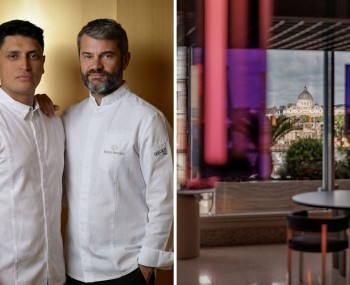
For Parramon, this type of experience is impossible when the next shift is knocking at the door. But he is well aware that the numbers do not always allow for the luxury of a single service. In his opinion, the crucial variable is the price, which must be appropriate for the service and the time allowed. “The public understands that this kind of time has a cost,” he says. This concept takes shape in practice at Bellafila: those who stay beyond the theoretical closing time for lunch service are never asked to leave, and sometimes their conversation overlaps with the preparations for the evening, creating an unexpected continuity between shifts that, on paper, should be separate. In line with this vision is Mariano Gonzalvo, the soul of the Lo Paller del Coc restaurant in the village of Surp (Lleida). He also avoids double shifts and considers the restaurant a place dedicated to calm and conversation. “We only open once a day, for lunch or dinner, and we like to sit down and chat if the opportunity arises,” he says. As a customer, he does not like to book restaurants that turn tables quickly, and while he recognizes that this logic can improve the lives of staff, he points out a technical issue that is often overlooked: compressing time means giving up long and complex preparations. “In some cases, double shifts mean a more limited menu and only being able to do the final part of some preparations,” he observes. Then he brings everything back to economic reality: “Customers want quality time at the restaurant, but often they don't want to pay for it.”
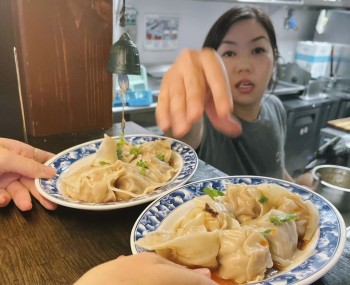
When it comes to restaurateurs who double shifts, the issue becomes more complex. Chiara Bombardi, from the Rasoterra restaurant in the Gothic Quarter, talks about balance. "We don't double all tables, but we do double some. Otherwise, the numbers don't add up.“ Out of about twenty tables, five or six are managed in double shifts, always with a certain margin of flexibility. If the evening deviates from the plan, intelligent moves of customers to free tables come into play. ”We make adjustments," she summarizes, emphasizing the importance of advance notice: the customer is informed at the time of booking and upon arrival. This is not a trap, but an agreement. In the background, restaurants such as Cresta Colorada, run by Cayetano Zertuche, emerge, describing their reality in a different light: an informal offering, dishes that require speed, rotation as an intrinsic part of the model. In this case, speed is not a compromise but a defining feature. “It's a luxury that not all of us can afford,” he comments, referring to high-end establishments that know the number of covers in advance and can control the duration of service more precisely. The debate closes with a surprising reflection: “It used to be worse,” says Gonzalvo. Because, as he recalls, the recent past of European restaurants was characterized by exhaustingly flexible hours, customers who showed up at 11 p.m. and were served anyway, and kitchen and dining room staff forced to work endless days. In this interpretation, double shifts are not just a constraint: they are also a tool for civilized working practices, a form of order in a sector that has too often sacrificed people's well-being on the altar of service.
Whether it's philosophy, logistics, economics, or gastronomic culture, the question of time remains open and delicate. Because a restaurant is still measured by intangible parameters: atmosphere, gestures, listening, slowness or speed, intimacy or turnover. The space is small, the city is hungry, the accounts must balance, and customers arrive with diverse expectations. Meanwhile, the table continues to tell stories that cannot be wrapped up in an hour or an hour and a half.