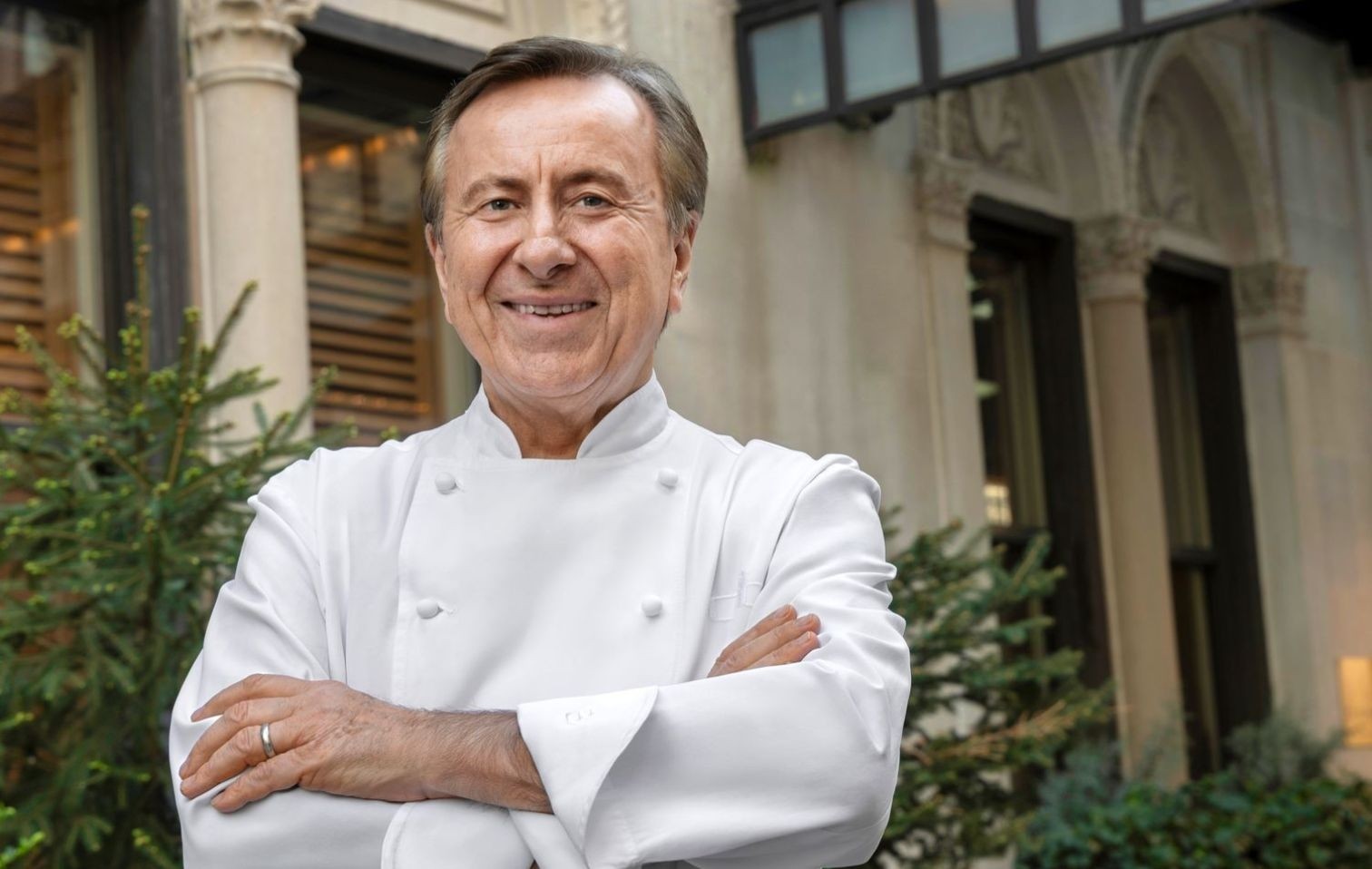
“It's okay to be creative, but creativity isn't the only thing that determines success. Many chefs want to reinvent iconic dishes, without considering that it's already difficult enough to create something classic and perfect,” confessed the great chef. “When preparing a dish, 50% should be identity, a basic element that people can identify with. Then 25% is seasonality and 25% is creativity.”
The chef: Boulud's culinary revolution
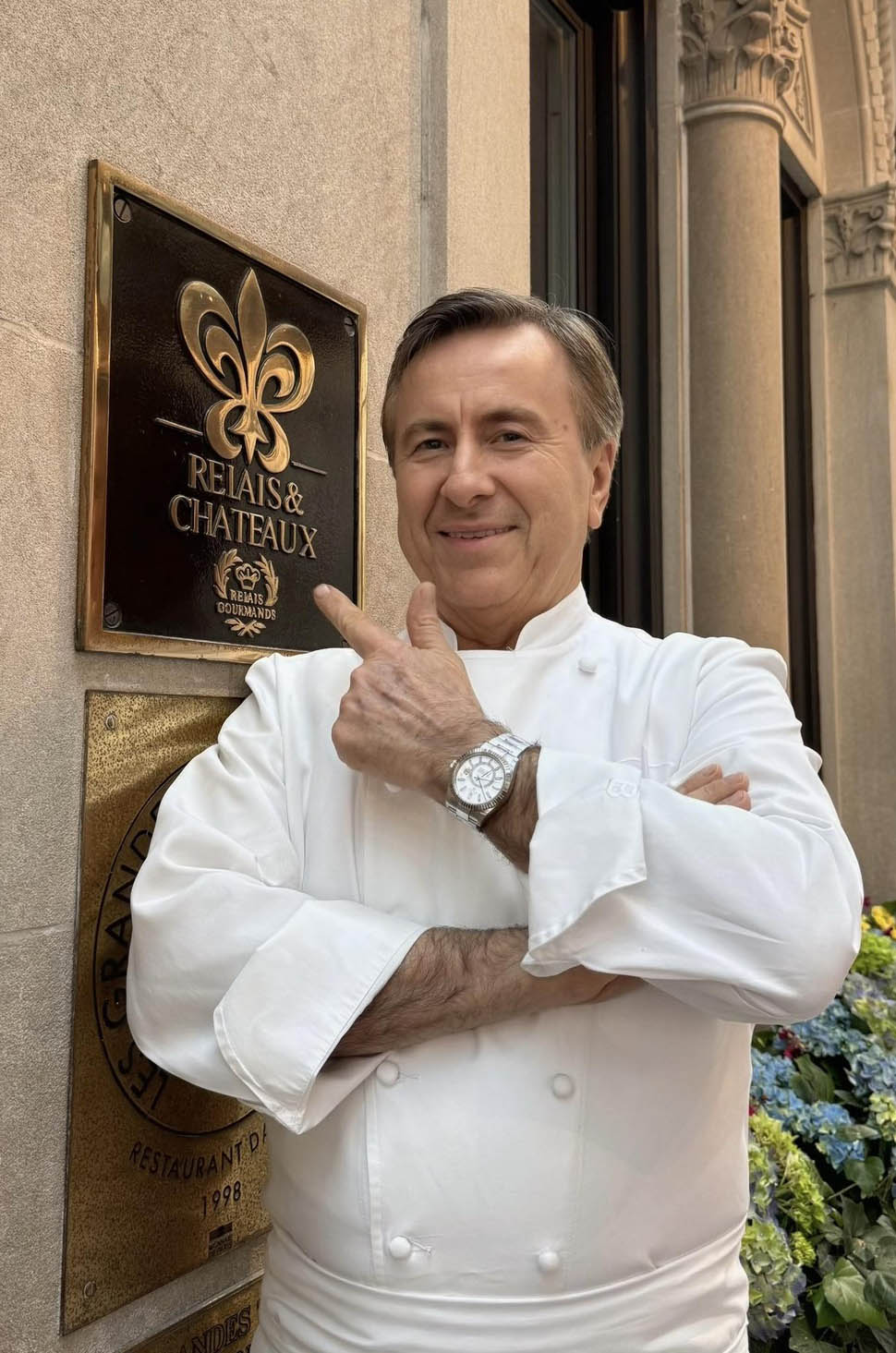
Daniel Boulud's strength? Transforming cuisine into a global narrative, where each dish becomes a piece of a story that spans continents, cultures, and flavors, without ever losing sight of French tradition. Born on the outskirts of Lyon, on a farm surrounded by fields and silence, the chef breathed in the essence of the land even before learning the secrets of the great European restaurants. His consecration came in 1988, when he was executive chef at the legendary Le Cirque in New York. Critics welcomed him with a four-star review in the New York Times, and it was the beginning of a series of accolades that would define his career, including the first of many James Beard Awards. In 1993, he opened his eponymous restaurant, Daniel, on Manhattan's Upper East Side, a place destined to become a global benchmark, not only for the quality of its dishes, but also for its obsessive attention to consistency, harmony between front of house and kitchen, and respect for guests and staff.
Today, almost forty years later, his influence extends far beyond New York. The Dinex Group, of which Boulud is the founder and driving force, operates restaurants such as Café Boulud at Maison Barnes, Brasserie Boulud in New York, Café Boulud in Toronto and Palm Beach, alongside innovative projects such as the French steakhouse La Tête d'Or and the omakase sushi restaurant Jōji in Manhattan. In each location, the chef leaves his mark: precision, harmony, and attention to detail, a language that conveys his culinary identity with discreet elegance.
The philosophy
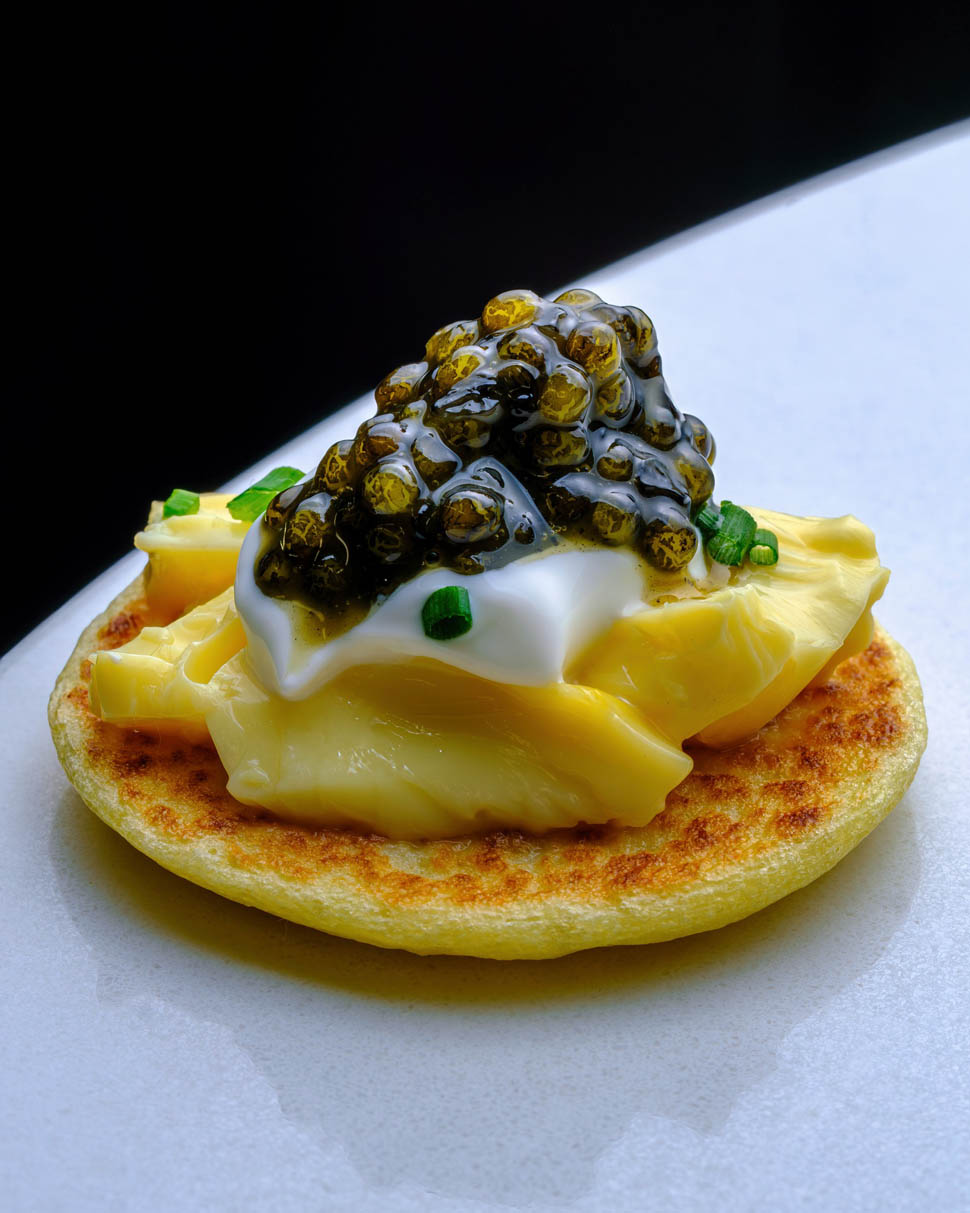
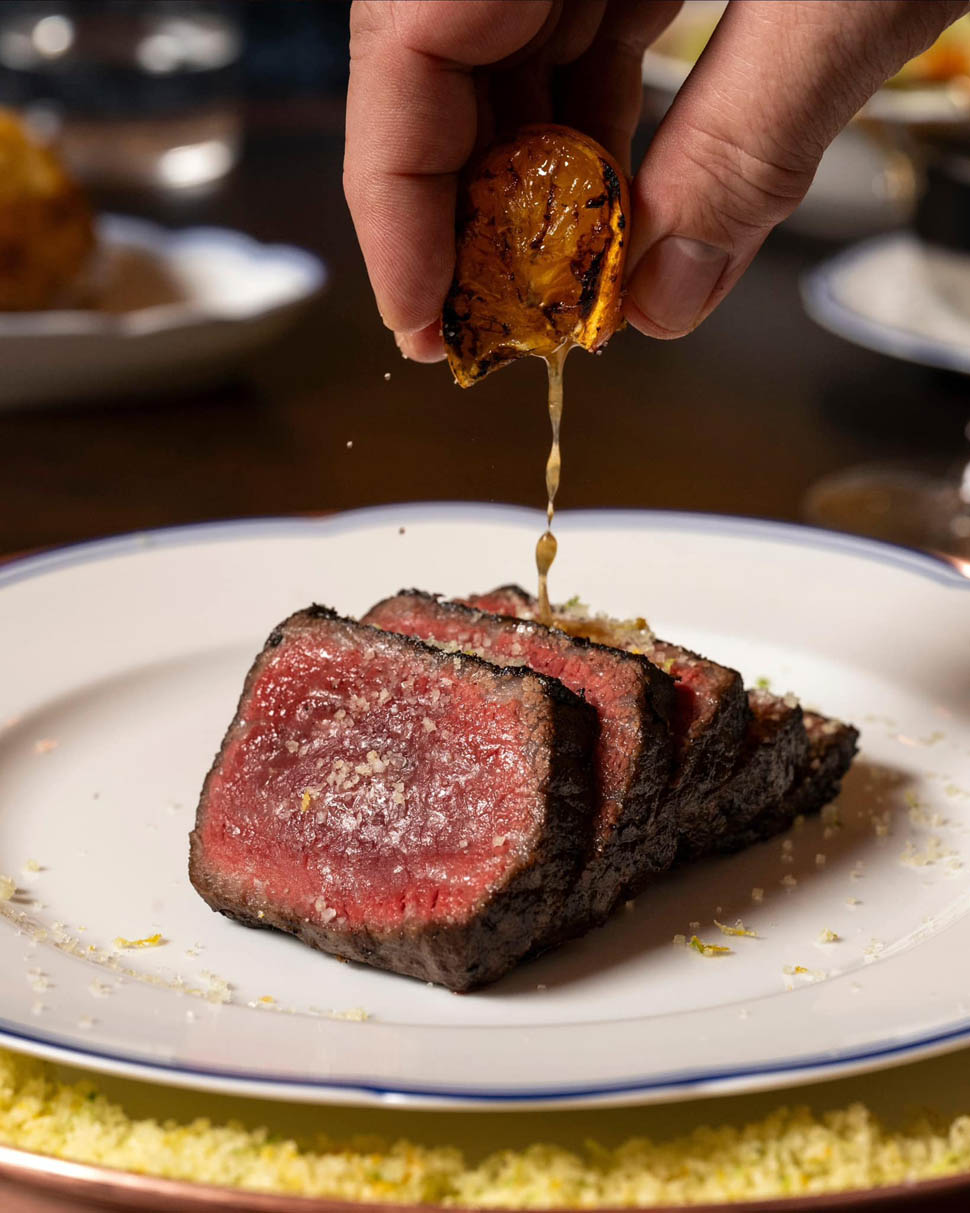
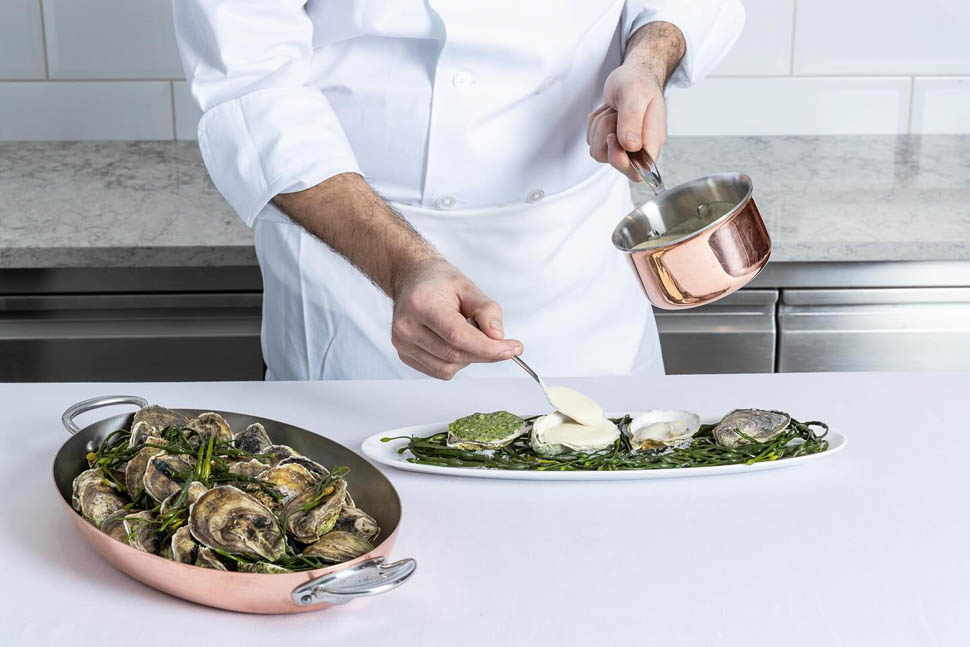
“I hope that the essence of who I am is felt in every restaurant, giving them the chance to thrive over time,” Boulud told Business Traveller, a motto that combines respect for tradition with the desire to leave a lasting mark. "You have to make sure that people are attracted to and appreciate what you do. It's okay to be creative, but creativity isn't the only thing that determines success. Many chefs want to revisit iconic dishes, but it's hard enough to create something classic and perfect. It's much harder to do something creative and consistent at the same time and keep people coming back. When you prepare a dish, 50% should be identity, something people can relate to. Then 25% is seasonality and 25% is creativity“. This philosophy is reflected in the dishes that come out of his kitchens: from rich onion soup with Alpine cheese feuilleté to lobster bisque thickened with potatoes to a selection of the finest cuts of meat, each dish is prepared according to his famous ”triple S" philosophy: soul, seasoning, and sauces. Soul, seasoning, and sauces become the invisible framework of a cuisine that speaks to the palate but also tells the story of those who create it.
The projects
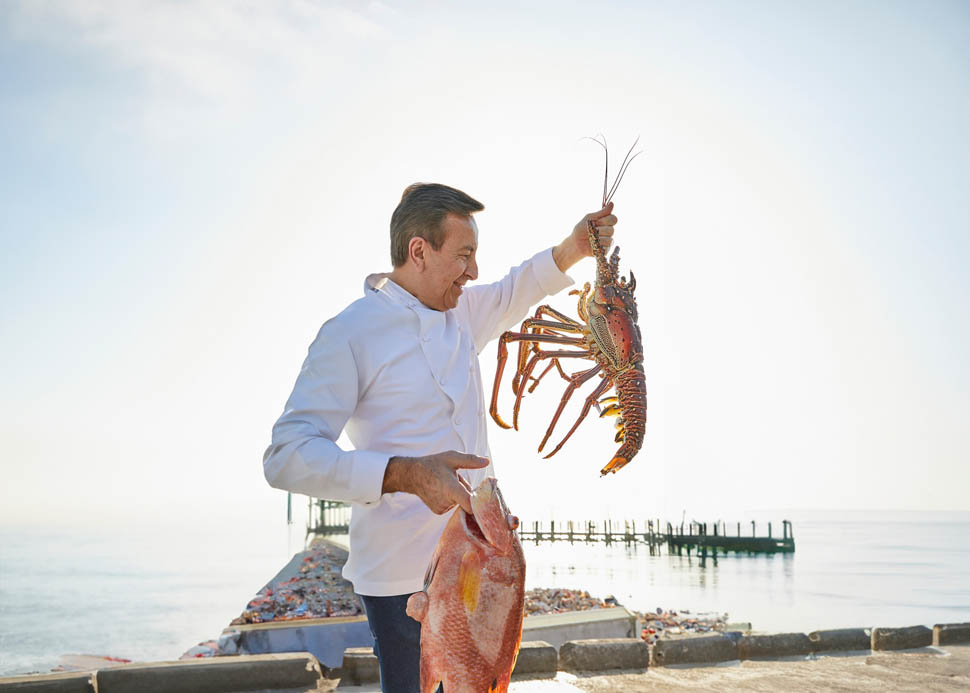
Boulud doesn't just enchant diners in his restaurant: his collaborations with Air France and Celebrity Cruises take his cuisine to the skies and the seas, transforming a flight or cruise into a gastronomic experience. “Every time a friend flies Air France, they tell me, ‘I'm having dinner with you tonight,’ and I ask them to take a photo because I want to see how each course is plated.” The challenge is twofold: adapting complex dishes to the logistics of travel while maintaining the texture and elegance of the flavors, without the distance between the kitchen and the diner betraying the original vision. Alongside his work in high-end restaurants, Boulud devotes time and resources to training young talent and social causes. He is chairman of Citymeals on Wheels, a foundation created by Gael Greene and James Beard to bring meals to elderly people in need, and annually hosts the Sunday Supper fundraiser, which has raised over $20 million. With Ment'or, he offers scholarships and practical training to young chefs, alongside other big names such as Thomas Keller and Jérôme Bocuse. “It's important to give opportunities and guide those who come after us,” he says, emphasizing that cuisine, in addition to delighting, must educate and support.
Among his protégés are now famous names such as Alex Guarnaschelli, David Chang, Michael Anthony, and Andrew Carmellini, who learned from Boulud the precision and discipline necessary to excel, but also the sense of identity and consistency that distinguishes a great chef from any other. No less important are his collaborations with the world of luxury and travel: the Blue Box Café by Daniel Boulud, inside Tiffany & Co., offers a gastronomic experience in keeping with the luxury of Fifth Avenue, while Le Voyage, a restaurant aboard Celebrity Cruises ships, recounts the journey through global cuisines, from Mexico to Thailand, from India to Louisiana, adapting each dish to the seasonality of the places visited.
Yet, at seventy, Boulud has no intention of stopping. Between the imminent opening of Café Boulud in London and Terrace Boulud at the Mandarin Oriental in Hong Kong, his goal is no longer to collect awards, but to continue practicing excellent and consistent cuisine, maintaining the quality and passion that have made him a global benchmark. “I don't care so much about awards. I want to be as good as my chef friends Eric [Ripert] and Jean-Georges [Vongerichten]. I've been in New York for forty years and survived fourteen different Times critics, and I'm still here.”