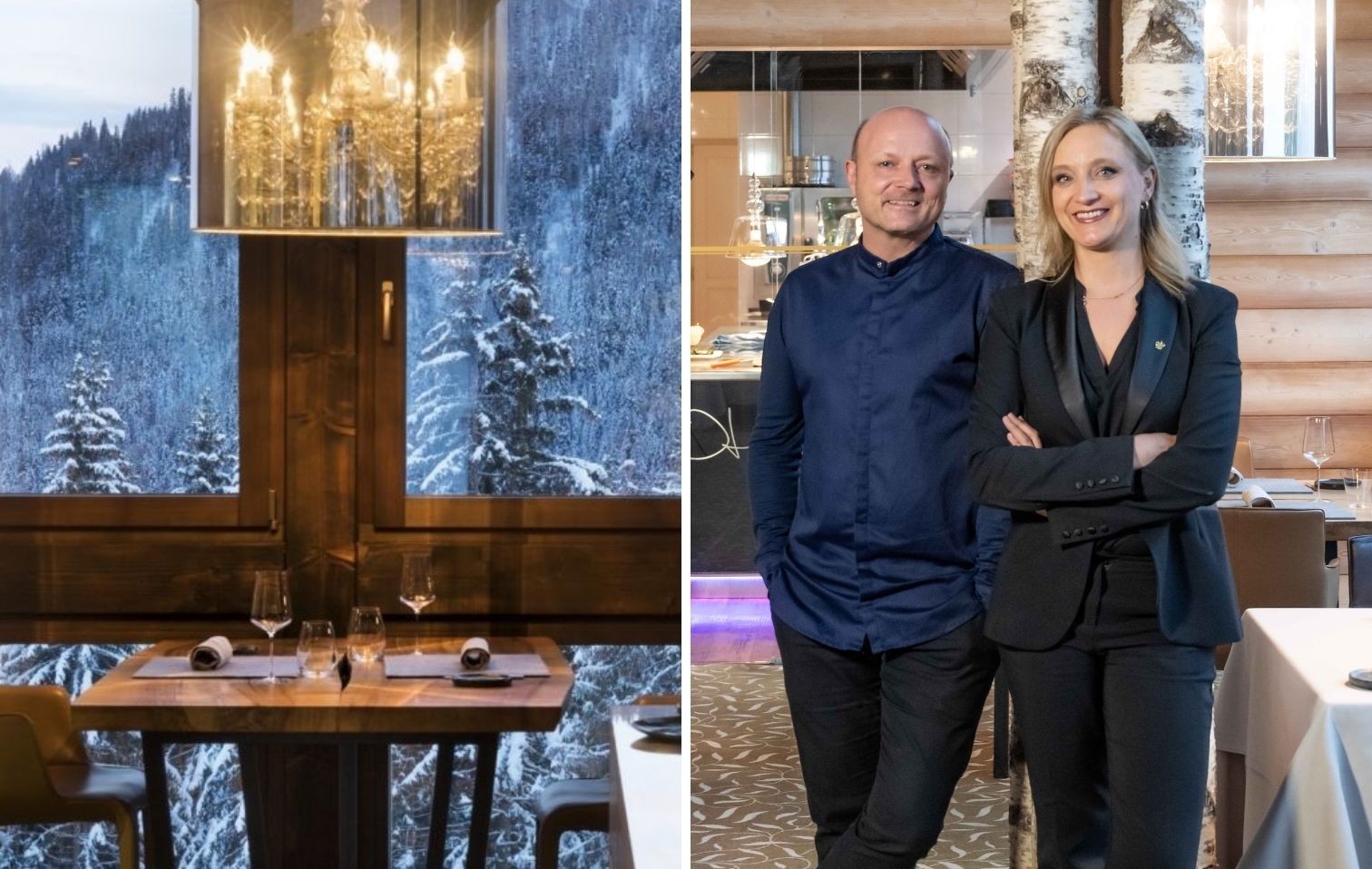
Entering Terra is not like entering a restaurant, but rather stepping into a story: the story of two brothers who transformed an “impossible” place into a gastronomic experience that originates in the woods and speaks the language of the earth, family, and respect.
The story
There is a place in the Dolomites where silence is not absence, but raw material. A restaurant born in the middle of nowhere, in a place so remote that in the harshest winters even the water stopped flowing. It was here, long before the world talked about foraging, fermentation, and Nordic cuisine, that two brothers started a silent revolution: Terra.
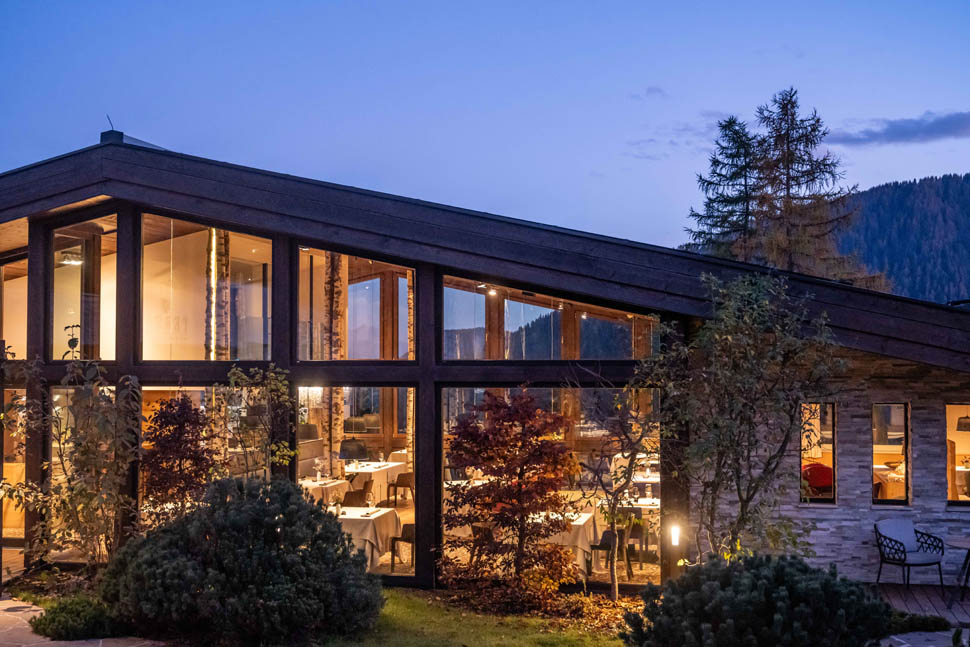
Their story began in 1975, when their parents built a small hotel far from the tourist trails. There were many difficulties: skyrocketing construction costs, interest rates above 18%, frozen pipes that turned every morning into a battle against the lack of water. But those woods, those wild meadows, that sense of absolute freedom became not a limitation for Heinrich and Gisela Schneider, but their identity. A childhood spent in nature made them, as they like to describe themselves, “deeply rooted and free.”
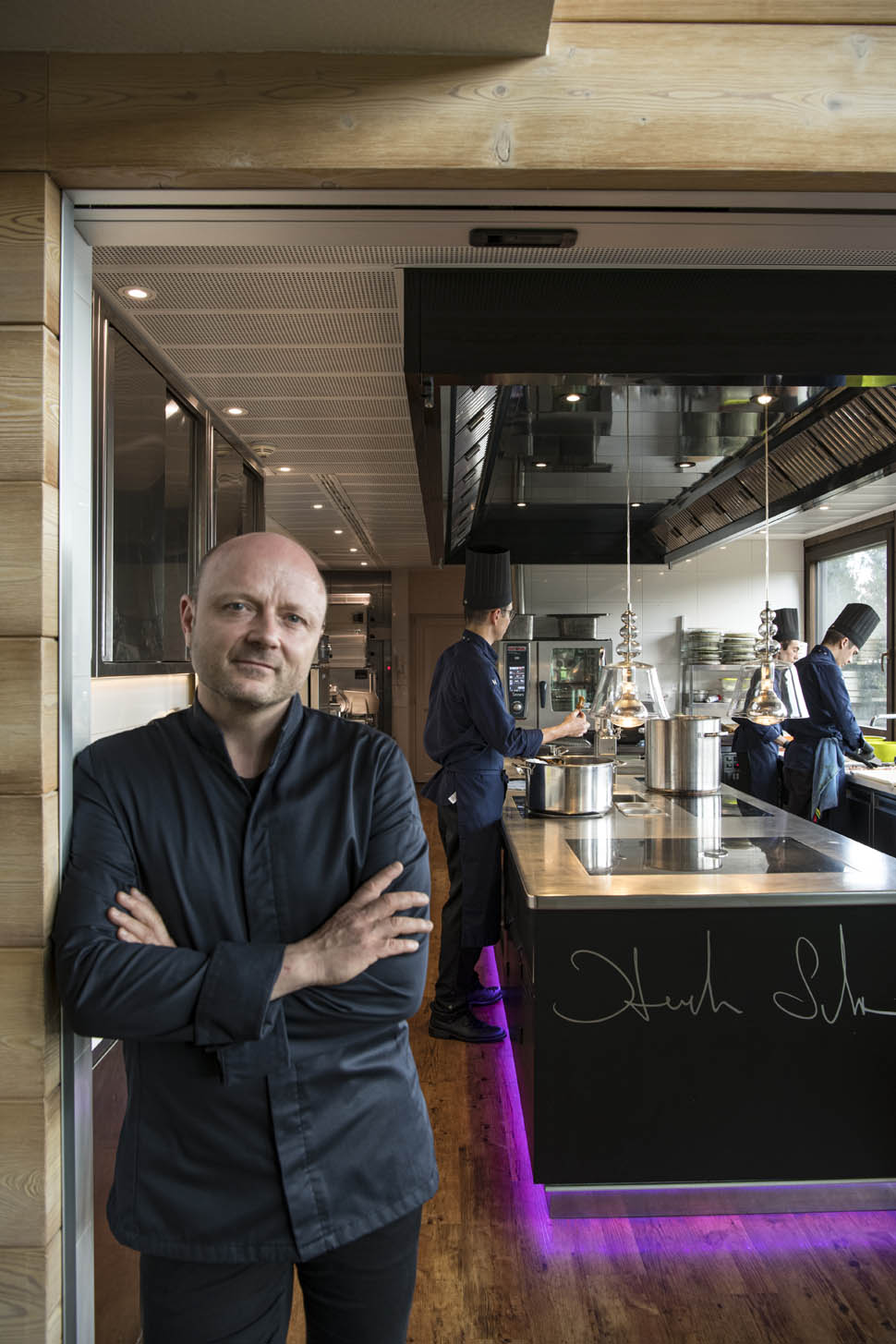
When they took over the family business in 1998, still young, they had none of what we would now call a competitive advantage. Heinrich had not been able to train in the great European kitchens: it cost money, and there was too much work to do at home. However, it was precisely this lack that drove him to create his own unique gastronomic language. With no famous masters to emulate and no imposed traditions to respect, he found his school in the woods and in the wild herbs that his mother had taught him to recognize as a child.
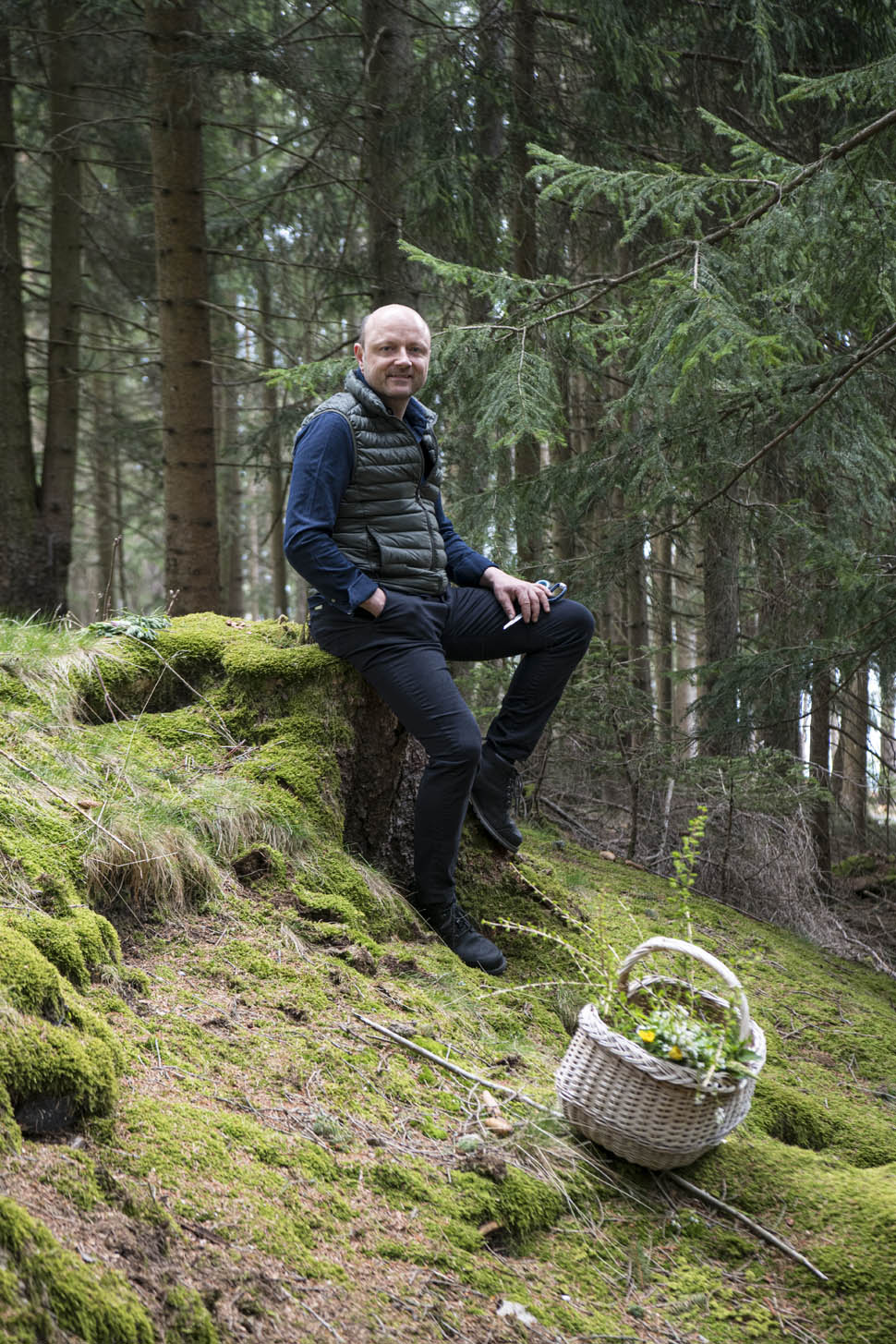
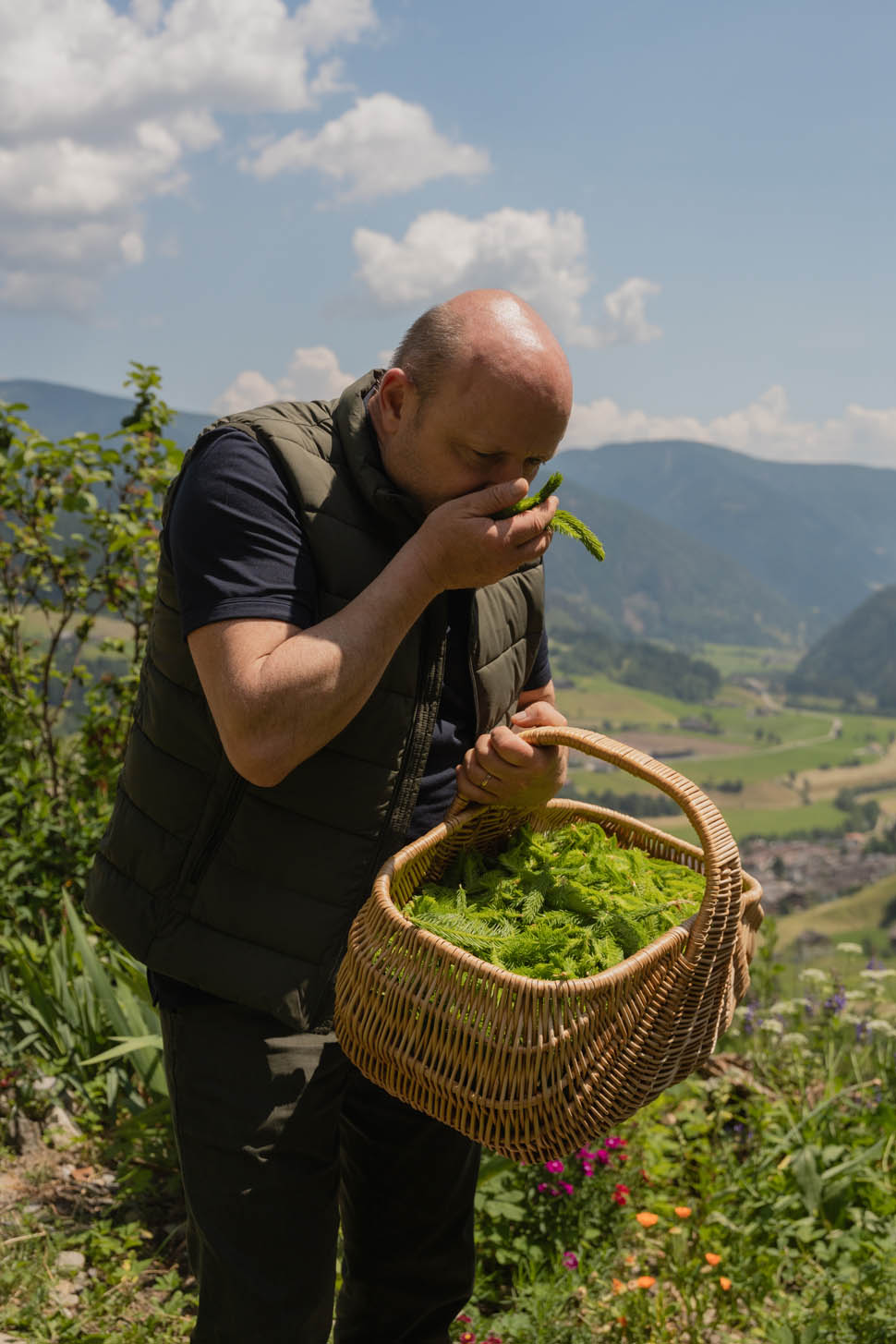
This is how, even before wild herbs became fashionable, Heinrich began to develop a radical yet delicate mountain cuisine, capable of transforming lichens, sprouts, and alpine aromas into dishes that seem to recount the very geography of the place. Today, he is the only Italian Michelin-starred chef trained as a wild herb specialist—a title that does not come from prestigious academies, but from a life spent in the woods.
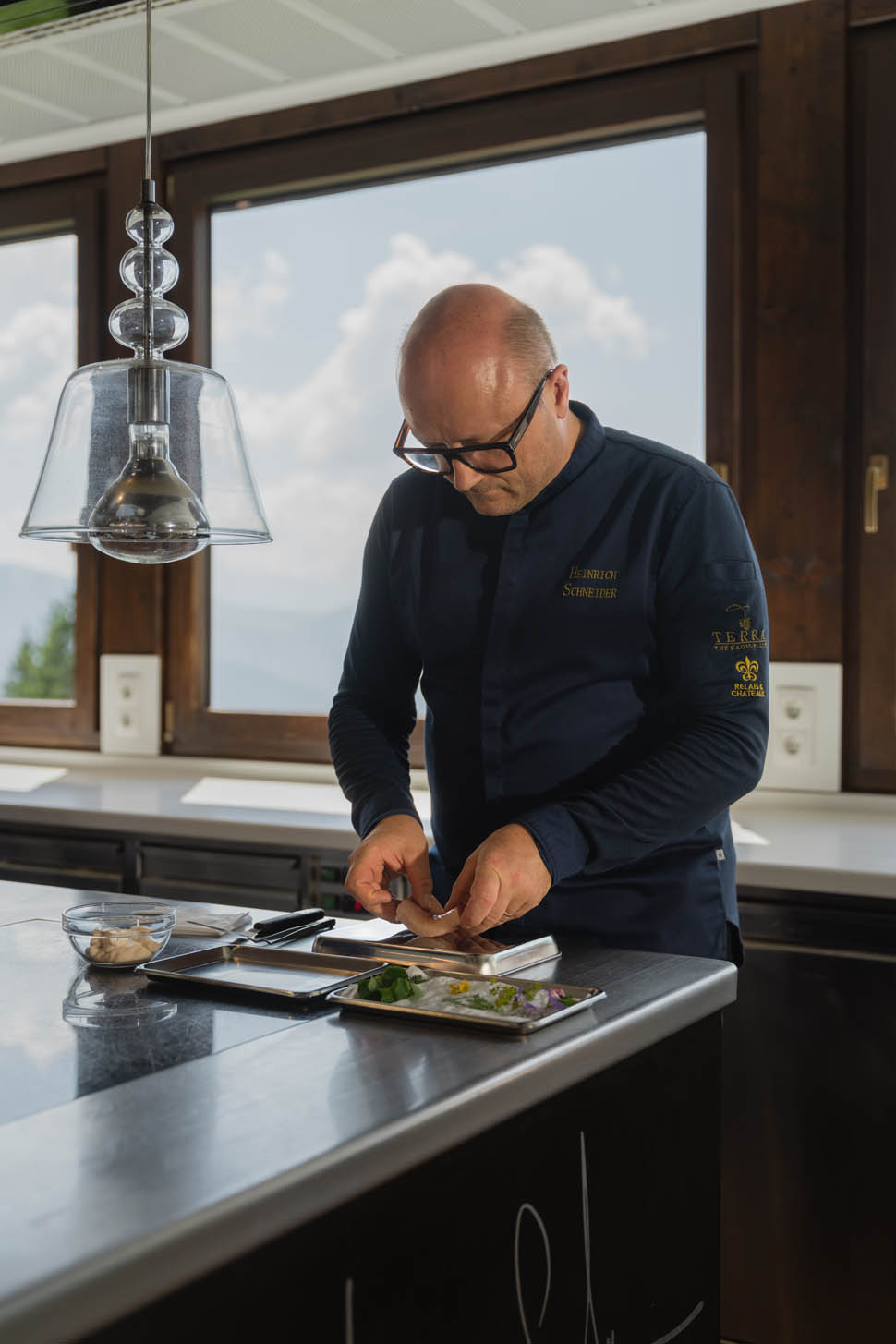
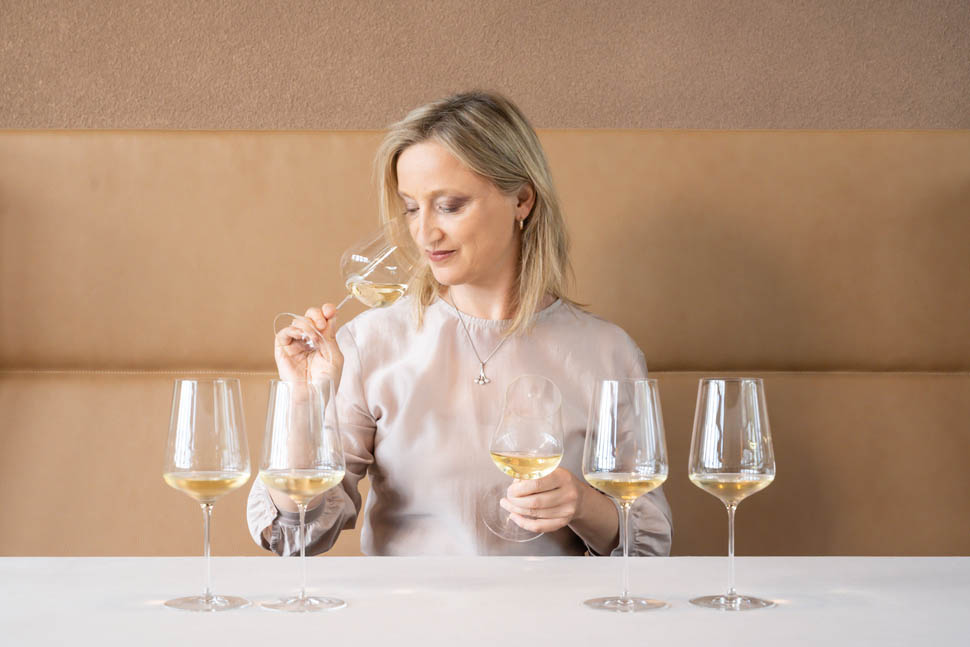
Next to him is Gisela, his sister, the welcoming soul of the restaurant. A refined sommelier, fluent in four languages, with a WSET Diploma completed in London, she is the bridge between mountain cuisine and the world. Her service is like a hug: elegant but never stiff, professional without losing warmth. In 2010, her husband Karl joined the team, expanding this small “family business” that functions as a perfect ecosystem.
The philosophy
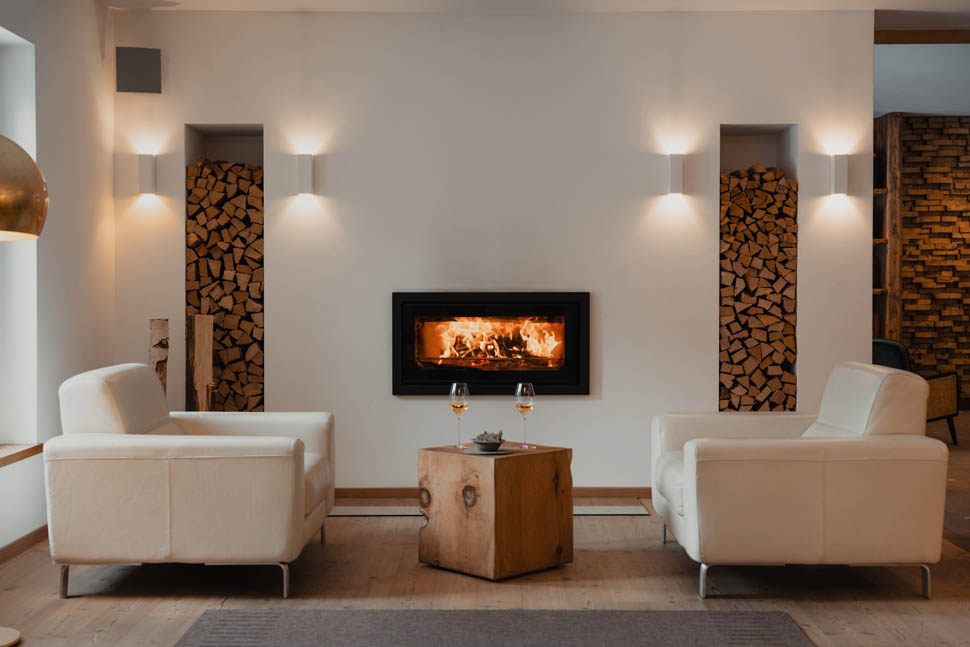
What sets Terra apart, however, is not just talent. It is the profound harmony between cuisine, location, and everyday life. Sustainability here is not a label on a website, but the natural result of their history: energy-efficient buildings, photovoltaics, pellets; a breakfast served to avoid waste; a close relationship with small producers in the valley; sincere attention to all guests: in short, a gentle luxury that is not shown off, but lived.
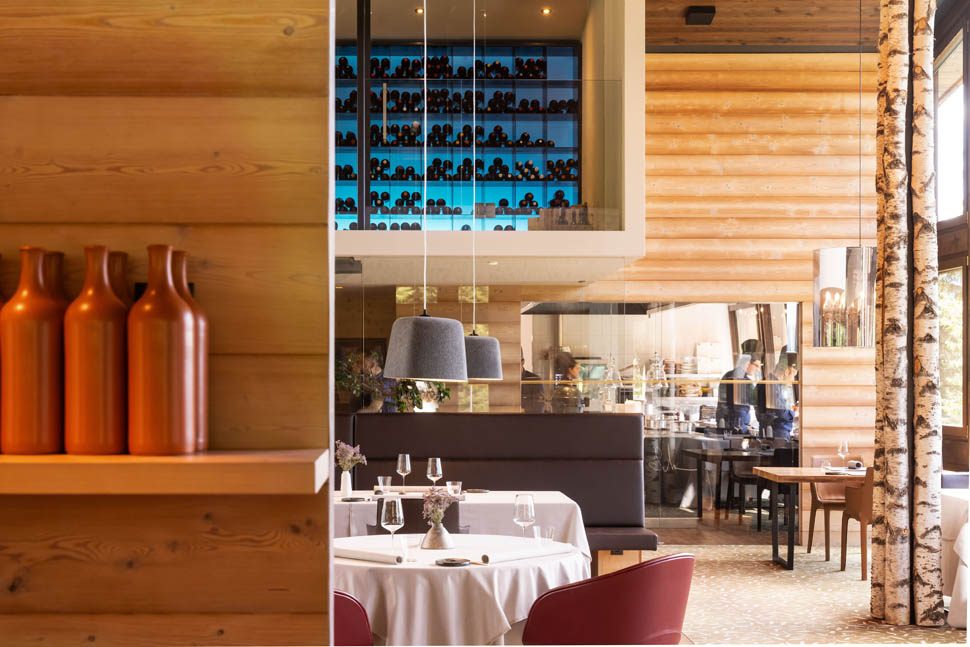
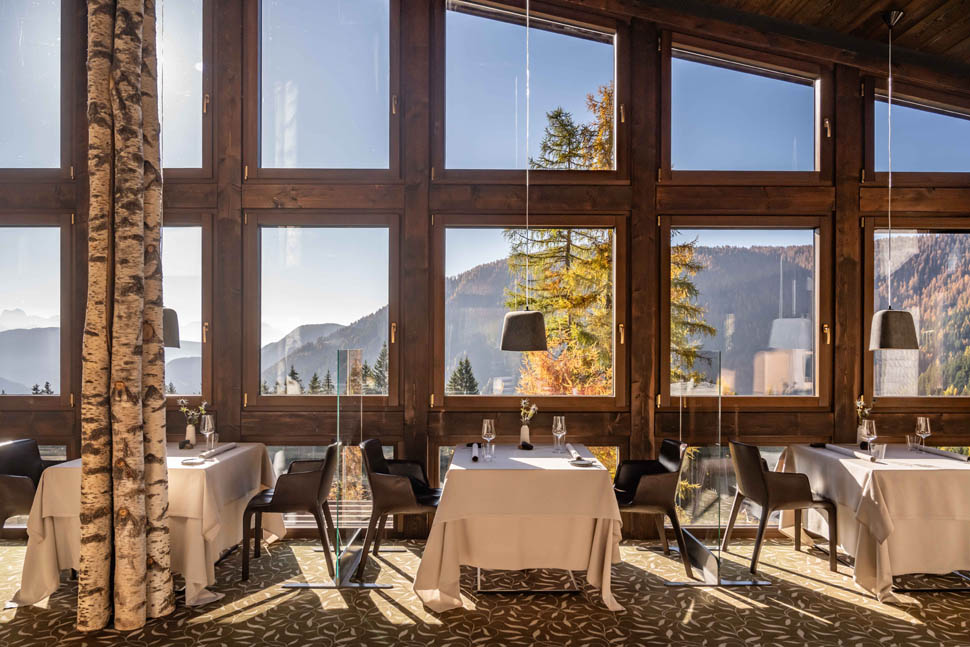
Entering Terra means becoming part of this family's life. It is a place where haute cuisine is not ostentatious, but shared; where every dish comes from the same mountain you see from the windows; where silence is not frightening, but allows you to hear what we have often forgotten: the rhythm of nature, the depth of roots, the power of simple and true stories.
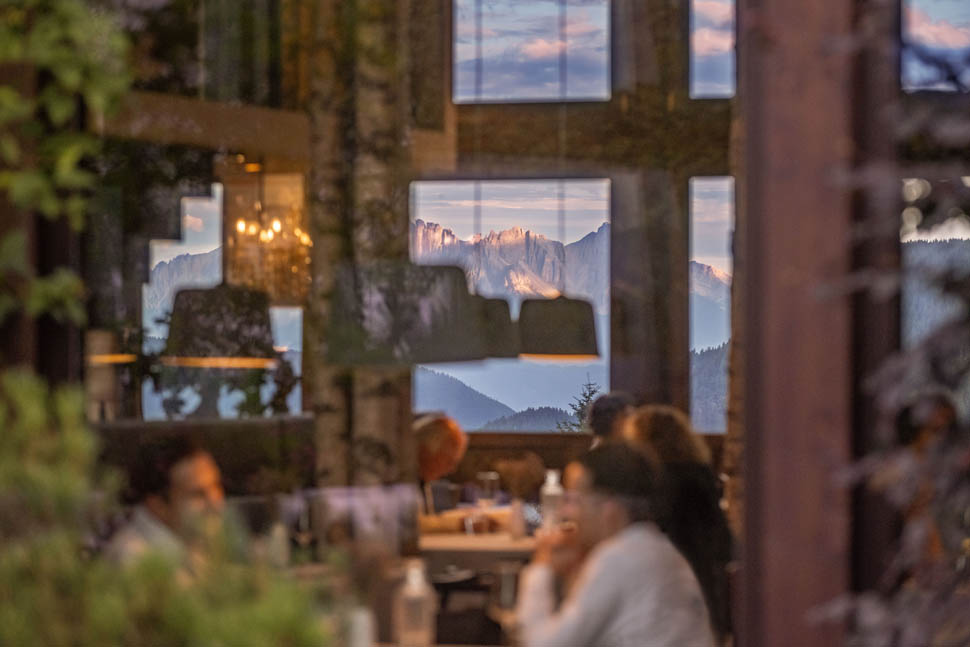
The dishes
Heinrich's challenge is precisely to untangle the web of the “land” that surrounds him and skillfully piece together reality through dishes that resemble paintings. Herb toast with carrot and ginger gel, mini sandwiches with mushroom herb, and oven-baked bread with black trumpet mushroom cream and fried cladonia lichen, for example, whet the guest's appetite, foreshadowing an intense “walk” in the forest.
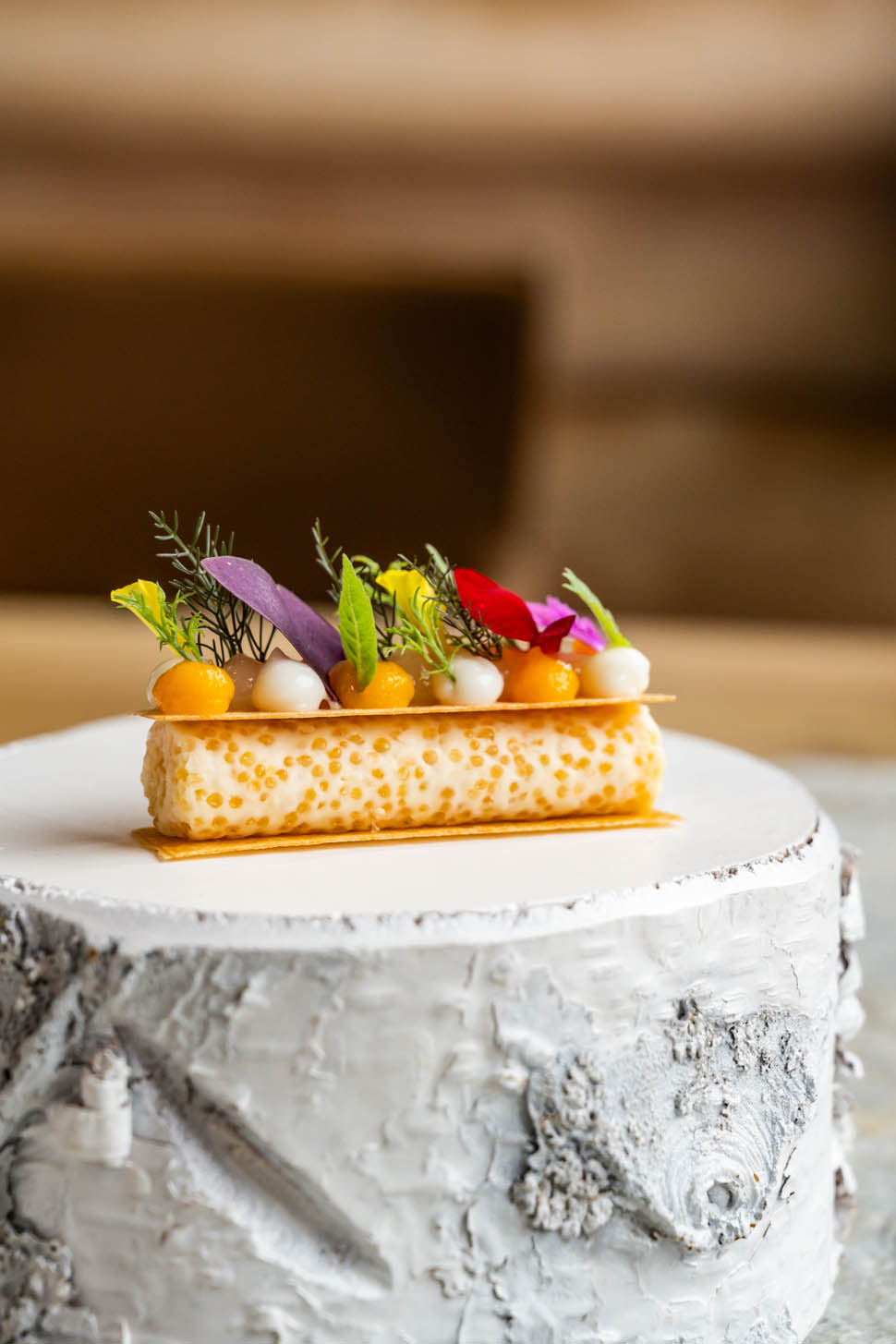
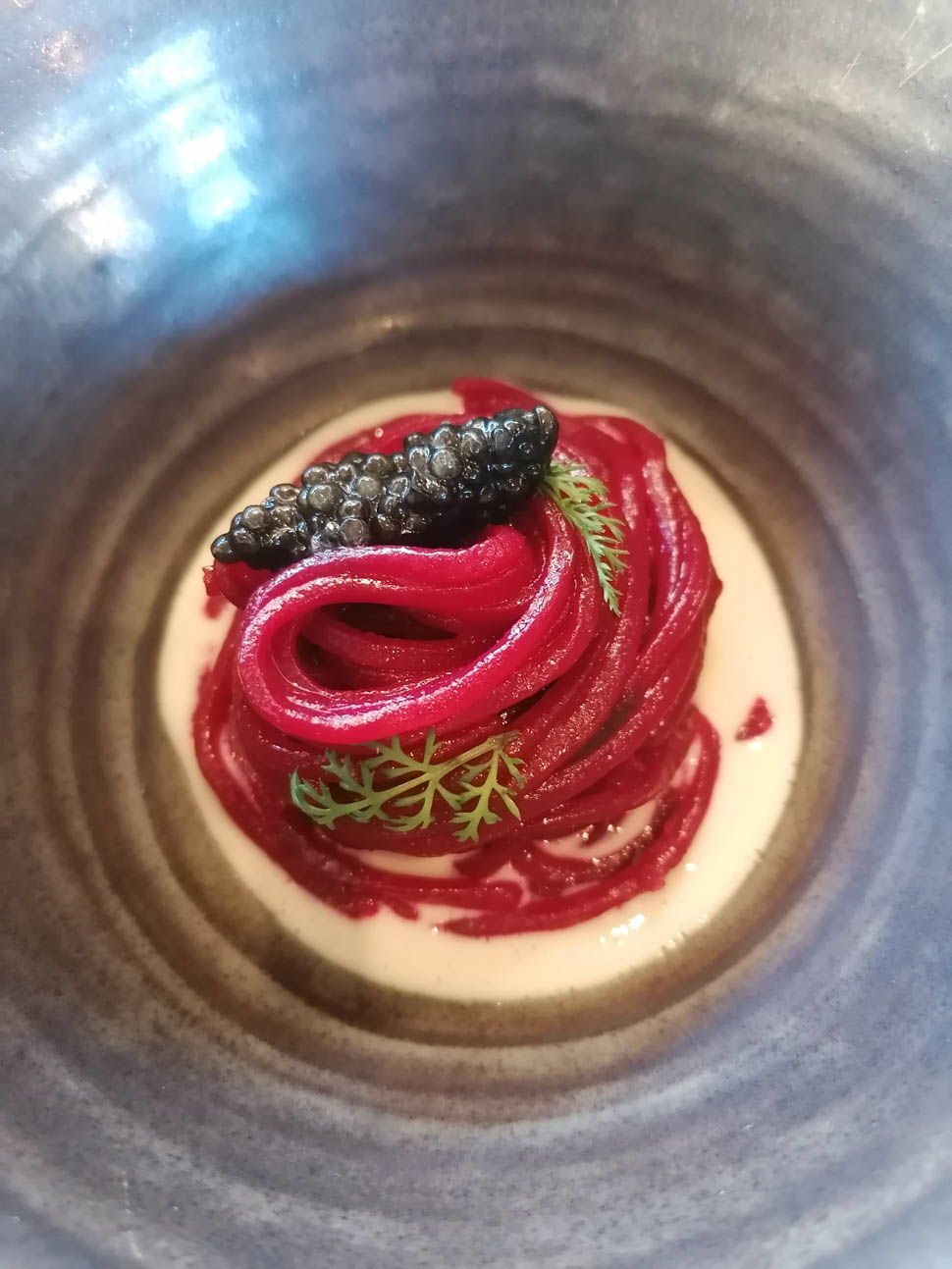
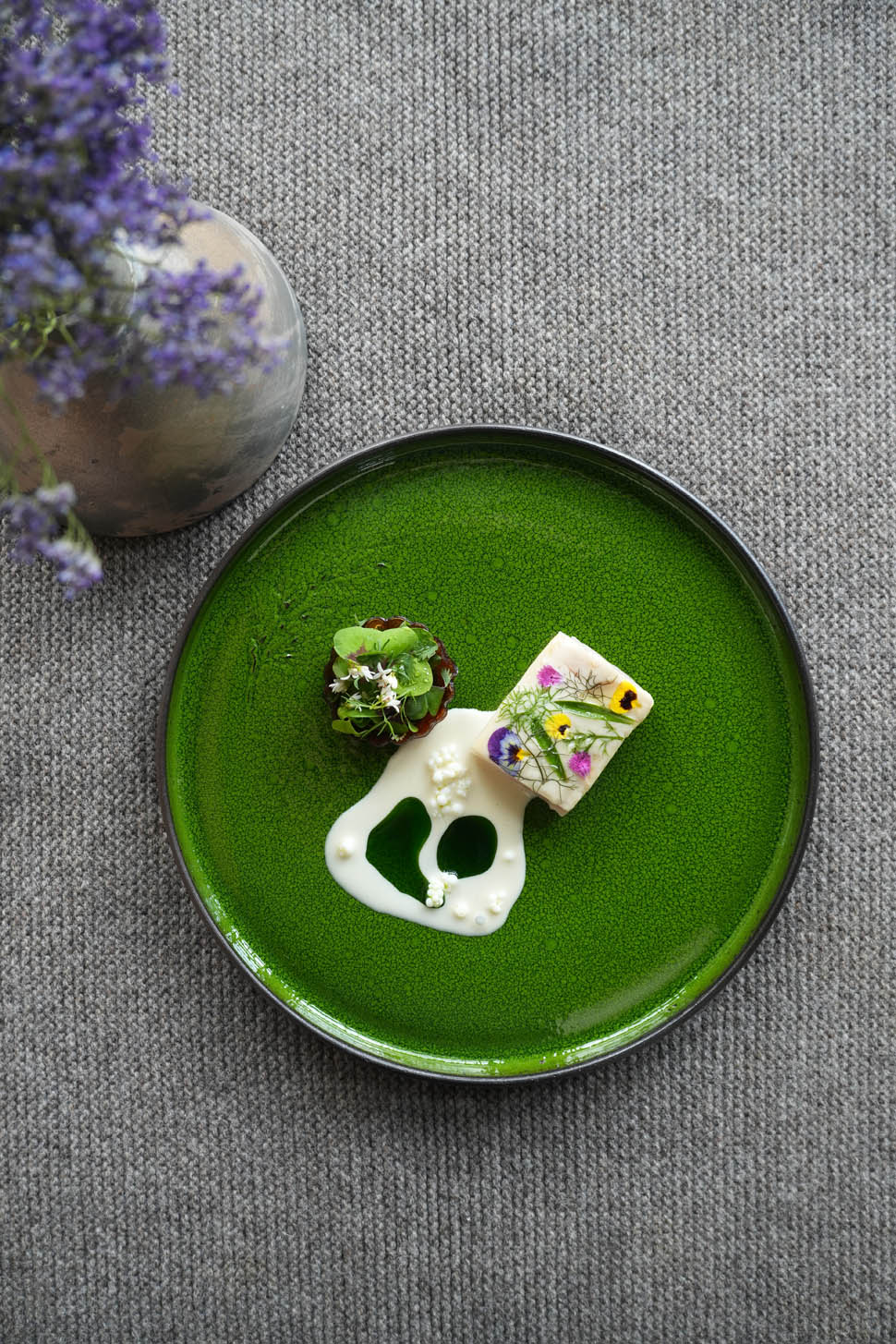
The brown trout emulsion with brown trout jelly with dill, chamomile, and heather creates elegant fruity acidity on the palate, while leaving the texture enveloping. The spaghetti with red turnips, caramelized yeast cream, and yarrow is an authentic explosion of flavors that chase each other and complement each other perfectly. The char with white lemon balm infusion, wheatgrass oil, and gelled tartlet with five wild herbs highlights a harmonious combination of aromatic delicacy, where the exquisite acidity enhances the purity of the fish.
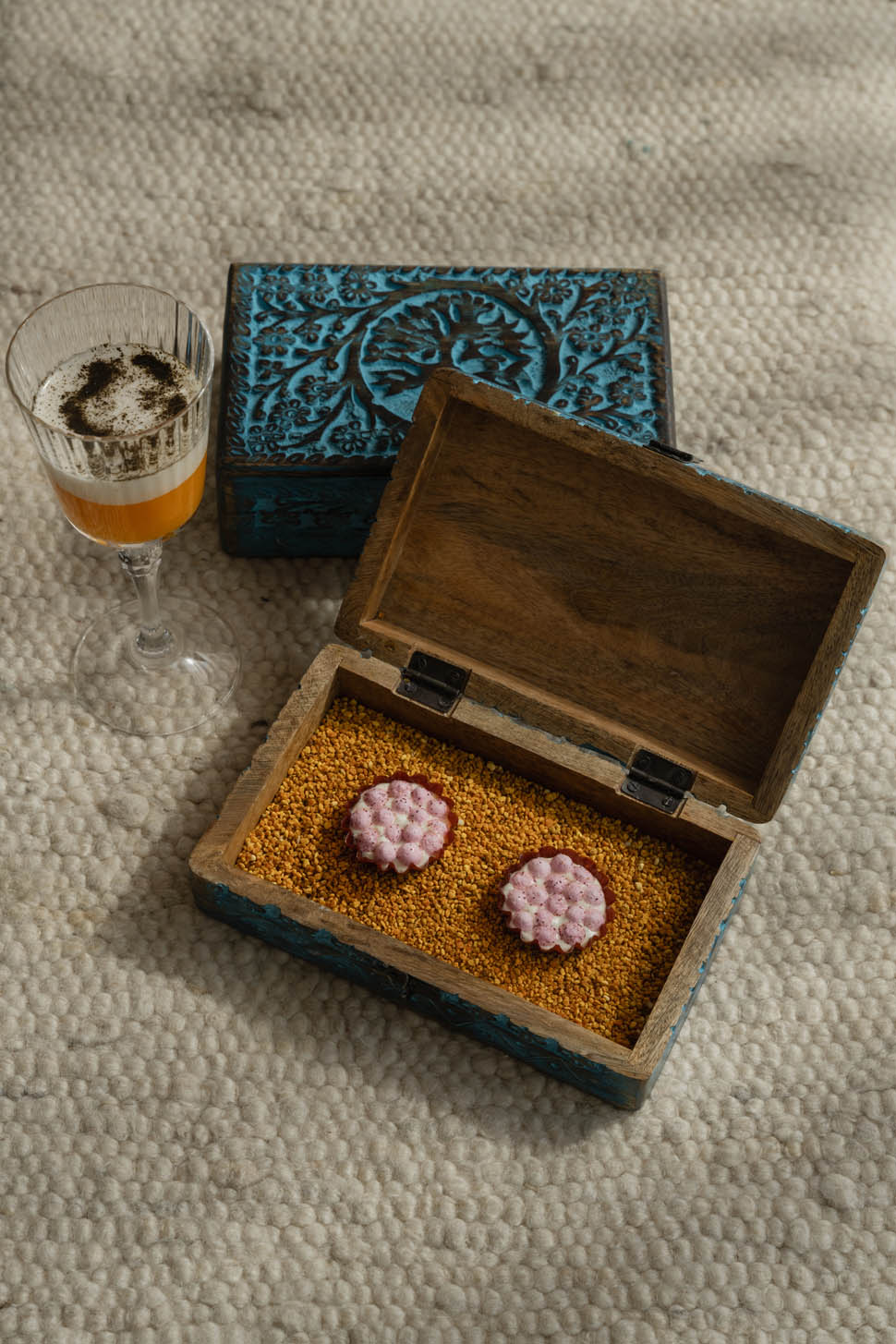
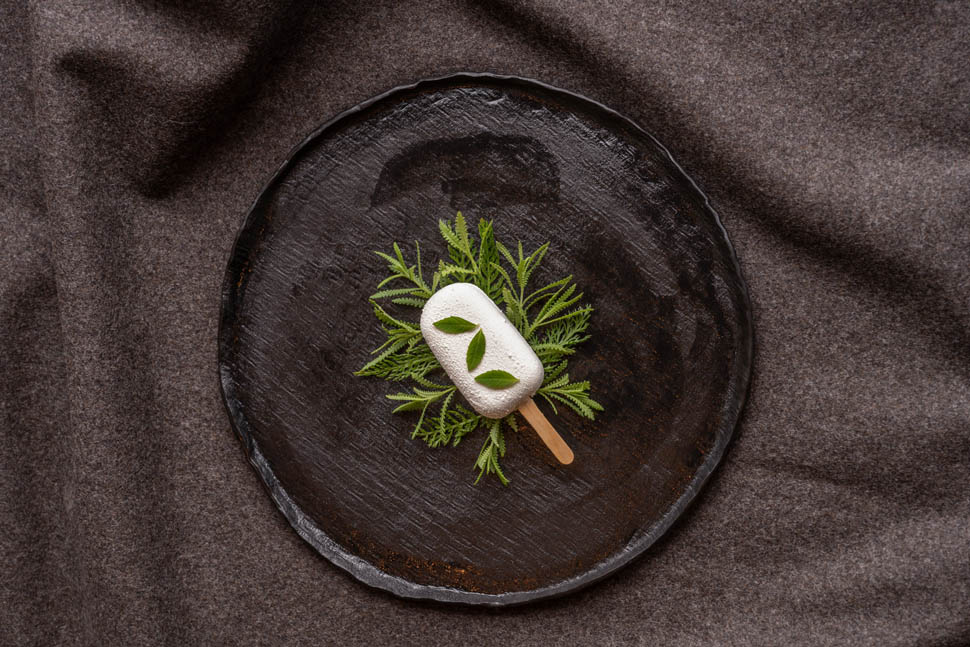
The blue box: sea buckthorn and fennel drink with elderflower foam, raspberry tartlet, fir cream, and dried rose meringue introduces a dialogue between fruit and resin, ending with a lingering, fragrant finish. Finally, the wild herb gelato with flower wafers, ground ivy, berry sauce, and vanilla oil enhances a rather fresh sensation of undergrowth.
In a fast-paced gastronomic world, Terra continues to speak softly. And perhaps that is precisely why it is heard.
Contacts
Terra The Magic Place
Phone: 0471 623055