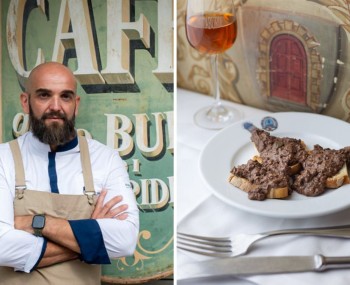
Ferrara, city of courts and enlightenment, could only welcome this anniversary as a ritual. Over the centuries, the Este court had turned the city into a laboratory of arts and letters, the beating heart of Italian humanism. Today, Makorè carries on this symbolic legacy, transforming the culture of the table into an artistic and choral act.
The restaurant
The name Makorè has an ancient ring to it. It is an African wood, red and resistant, which was once used to build boats capable of crossing distant seas. It is a word that speaks of travel, roots, and matter. And just like those ships that set sail from the ports of the Gulf of Guinea, the Makorè restaurant, in the heart of Ferrara, sets sail every evening on an ideal journey between land and sea, between reason and passion. To mark its tenth anniversary, Makorè opened its doors to a select audience for a dinner that was not only a celebration but also a declaration of intent: a manifesto of awareness, harmony, and identity.
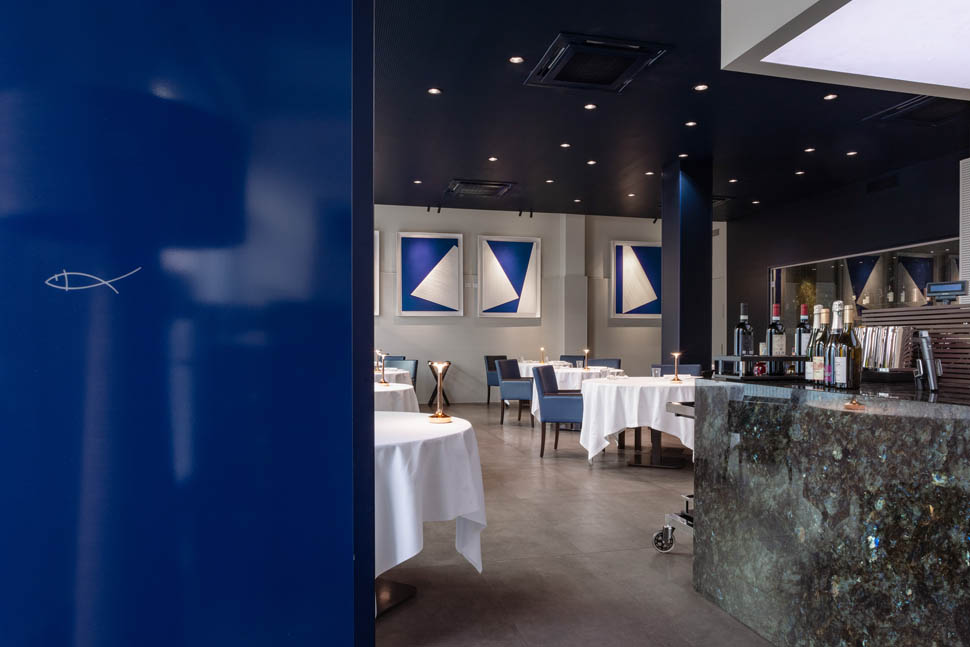
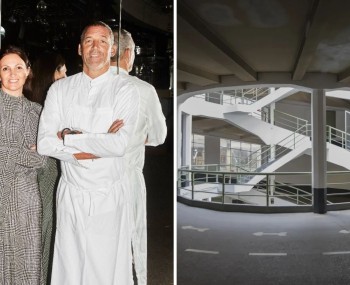
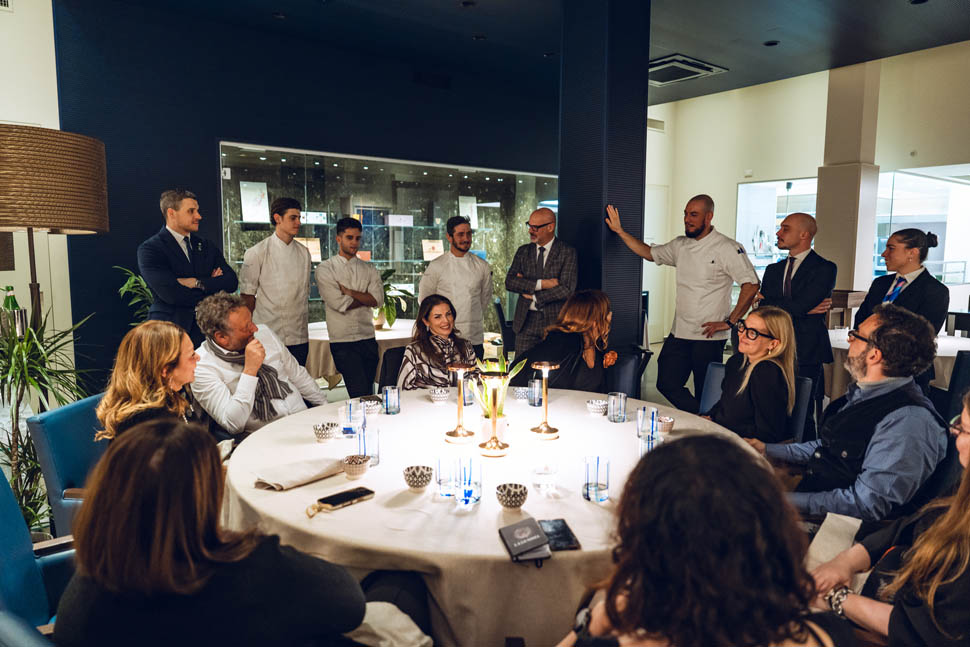
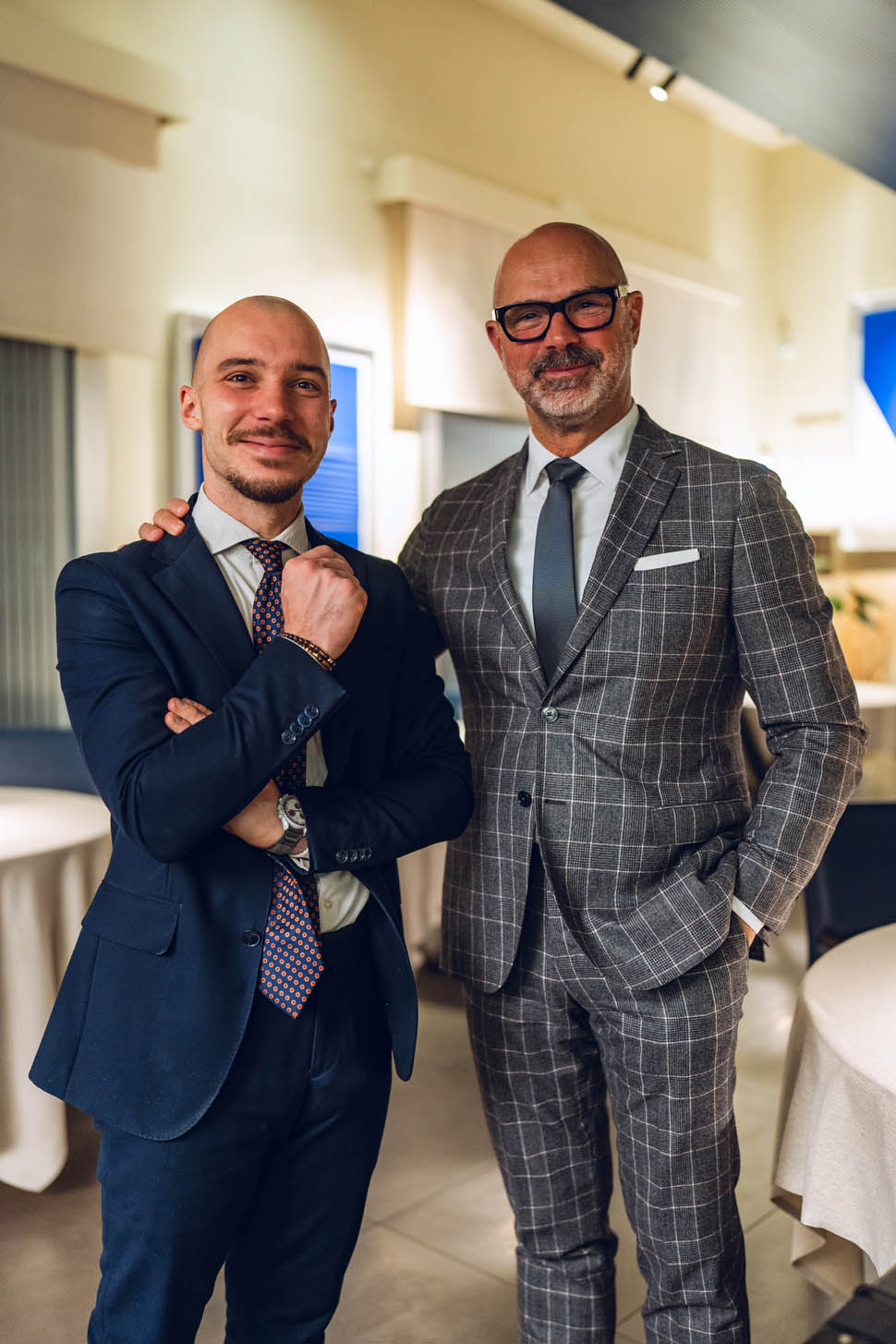
Ferrara, city of courts and lights, could only welcome this anniversary as a ritual. Over the centuries, the Este court had made the city a laboratory of arts and letters, a beating heart of Italian humanism. Today, Makorè collects its symbolic heritage, transforming the culture of the table into an artistic and choral act. Federico Fugaroli, owner and founding mind, has the pace and vision of a Renaissance prince: he gives space to his young talents, letting them act, create, and invent—but he observes every gesture, watching over them with intelligence and moderation. Like a patron who does not impose, but guides. Nothing escapes him, yet everything moves freely. It is his form of gastronomic humanism.
A balance of hands and eyes
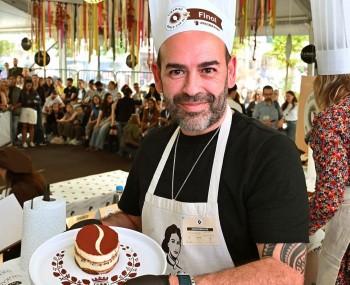
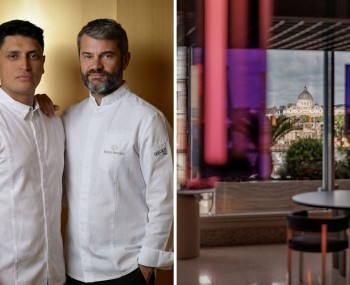
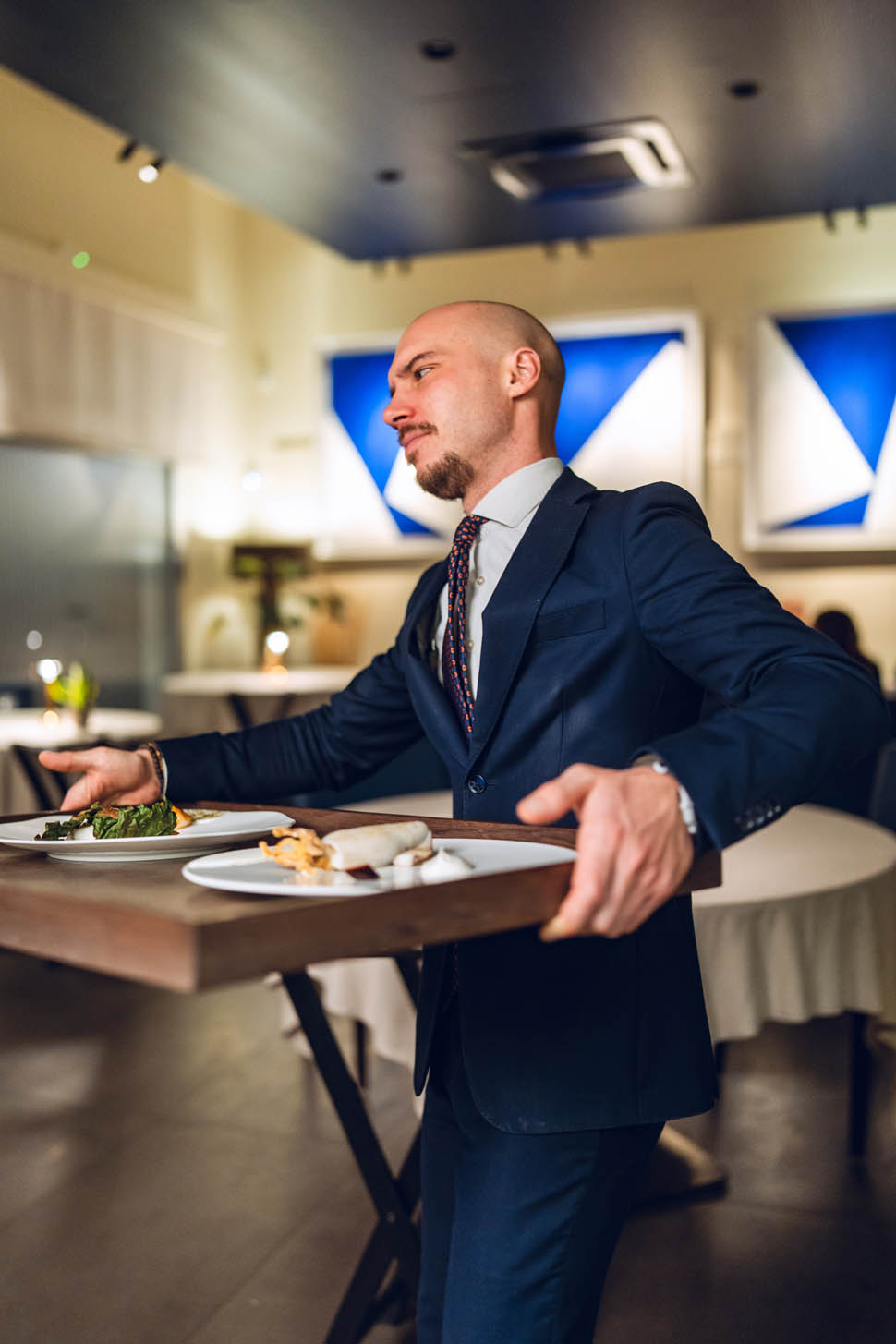
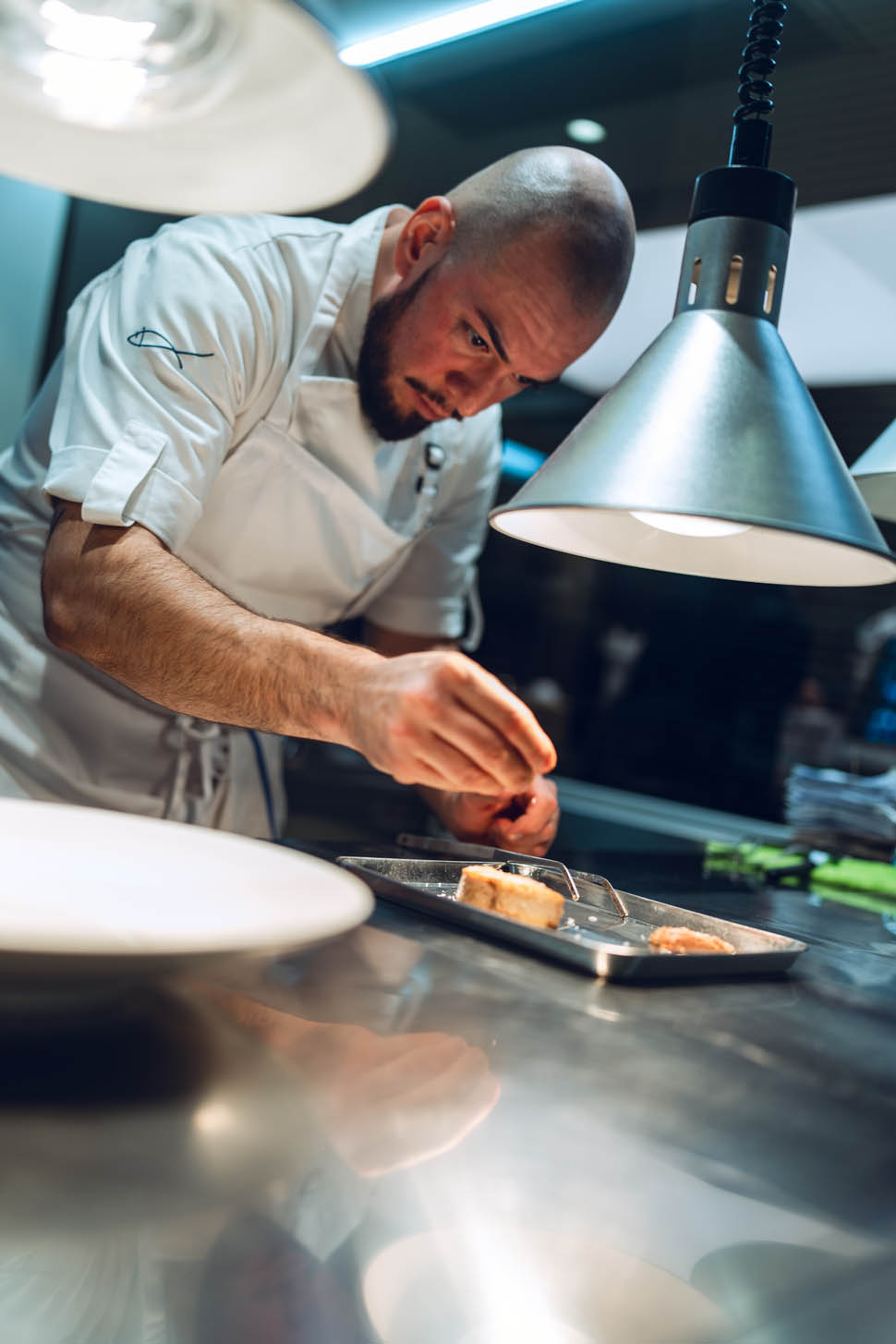
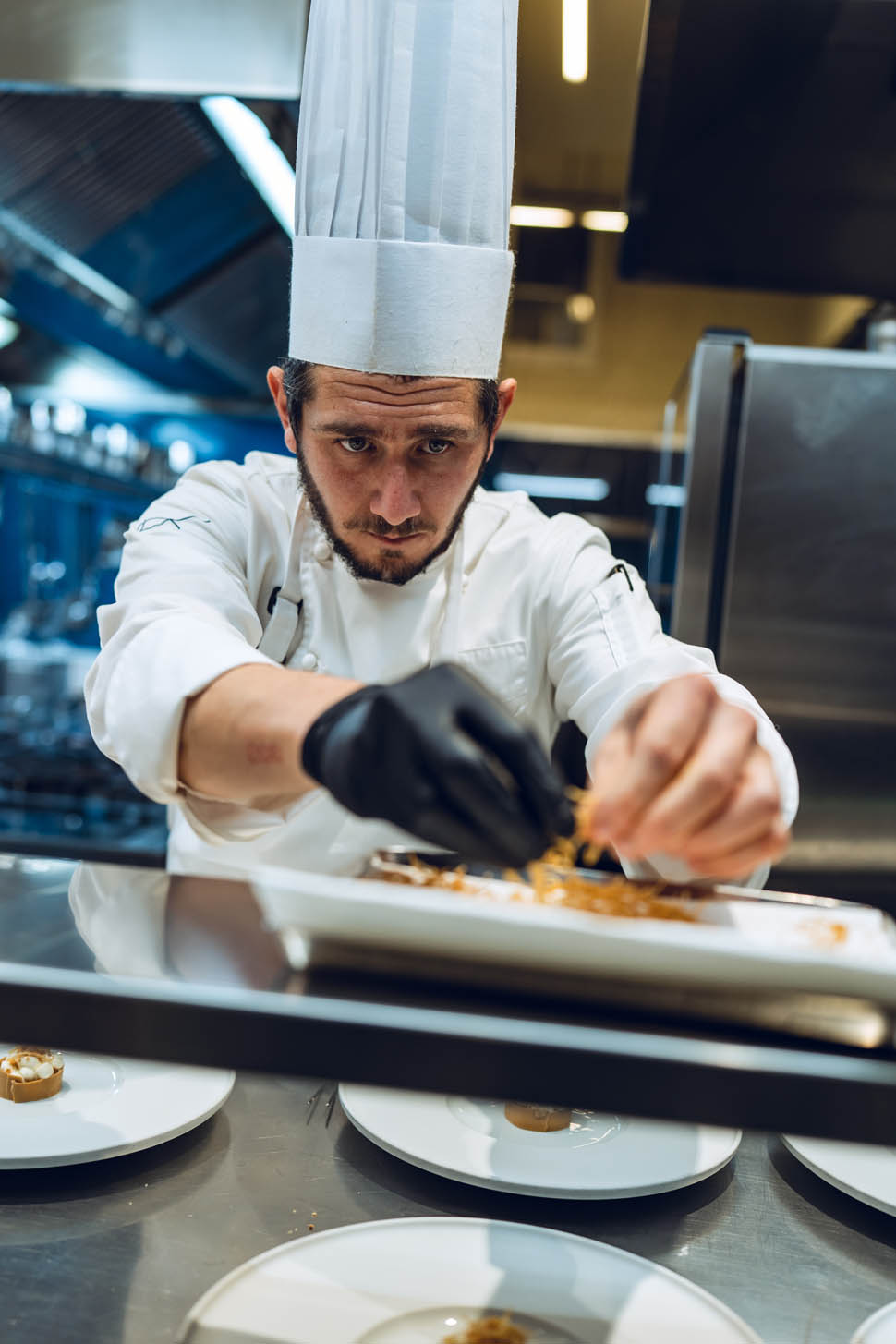
The kitchen brigade is orchestrated with grace. Chef Denny Lodi Rizzini is the captain of this ship of taste, capable of combining technique and sensitivity. At his side, chefs Mattia Fabbri and Stefano Ostoich move like two perfectly tuned instruments, between fires and steam, while pastry chef Valerio De Santis designs the finishes like a poet of sweetness. In the dining room, the harmony is palpable: Nicola Mantovani, an experienced and intuitive maître d', guides the rhythm of the welcome, while chef de rang Elisabetta Holzl moves with elegance, managing every detail as if it were a musical gesture.
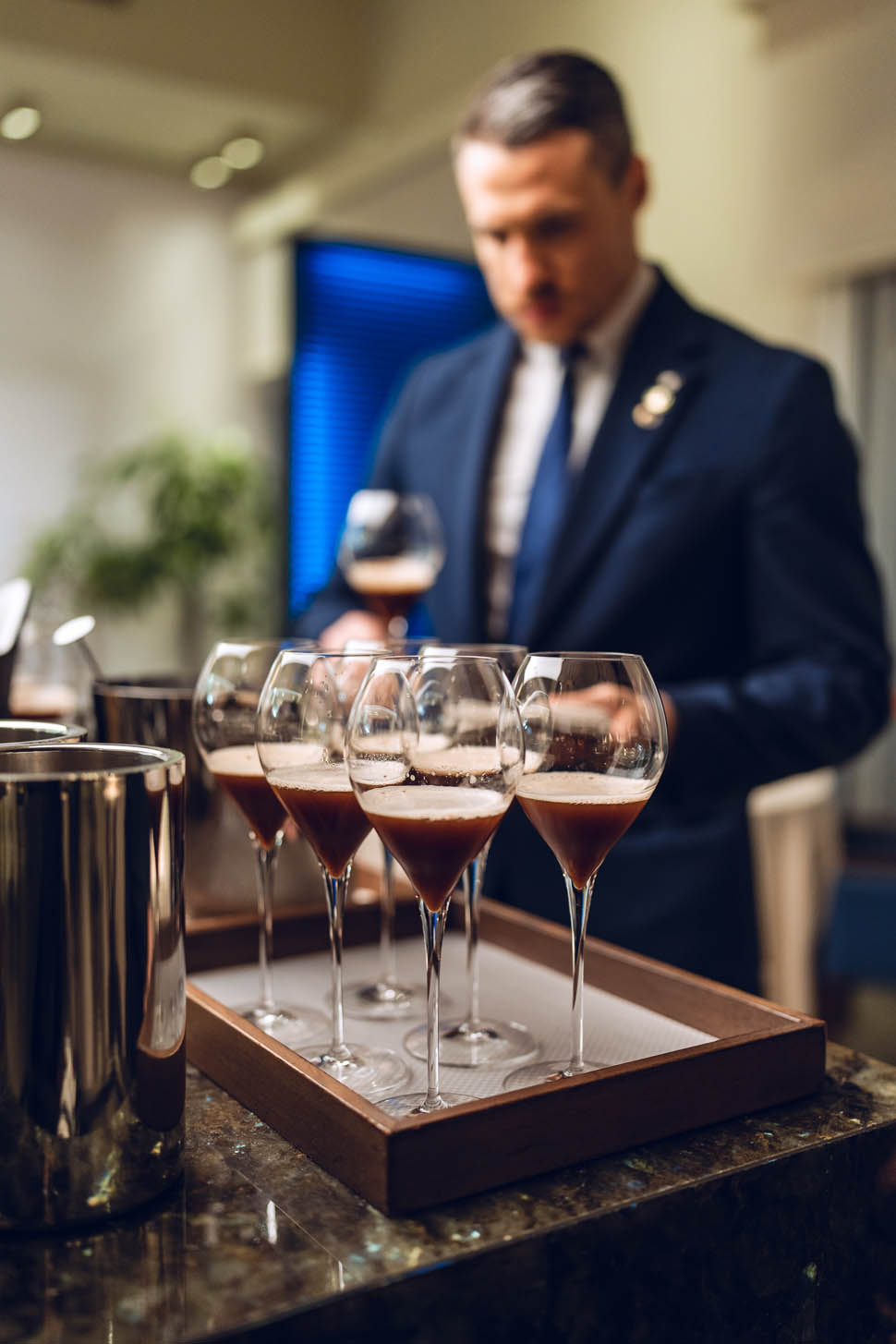
Sommelier Isacco Giuliani, with his cultured and sensitive curiosity, accompanies the courses with unexpected pairings in addition to wine: infusions, light cocktails, and drinks prepared with the same care as a liquid work of art. Between the kitchen and the dining room, there is a silent harmony: no contrasts, no excesses. Only harmony. A collective awareness that sets the pace for the entire experience.
Amuse-bouche: the journey begins
The first sign is a cracker made from polenta taragna flour, topped with a mousse of “Adriatic cacciucco.” A bite that encapsulates the very geography of the restaurant: sea and land, tradition and lightness, humility and refinement. Accompanied by a clear glass of classic method sparkling wine and a sip of balance. It is the prelude to a journey that promises not spectacle, but truth.
Bread as time and patience
Then comes the first serving of bread: ciriola delle campagne romane, kneaded with ancient Enkir wheat and left to mature for twenty-four hours. The aroma is warm and authentic. Bread is not a complement, but a voice in the choir: it will return later, in different forms, to mark the time of the meal like a musical basso continuo.
The sea and memory
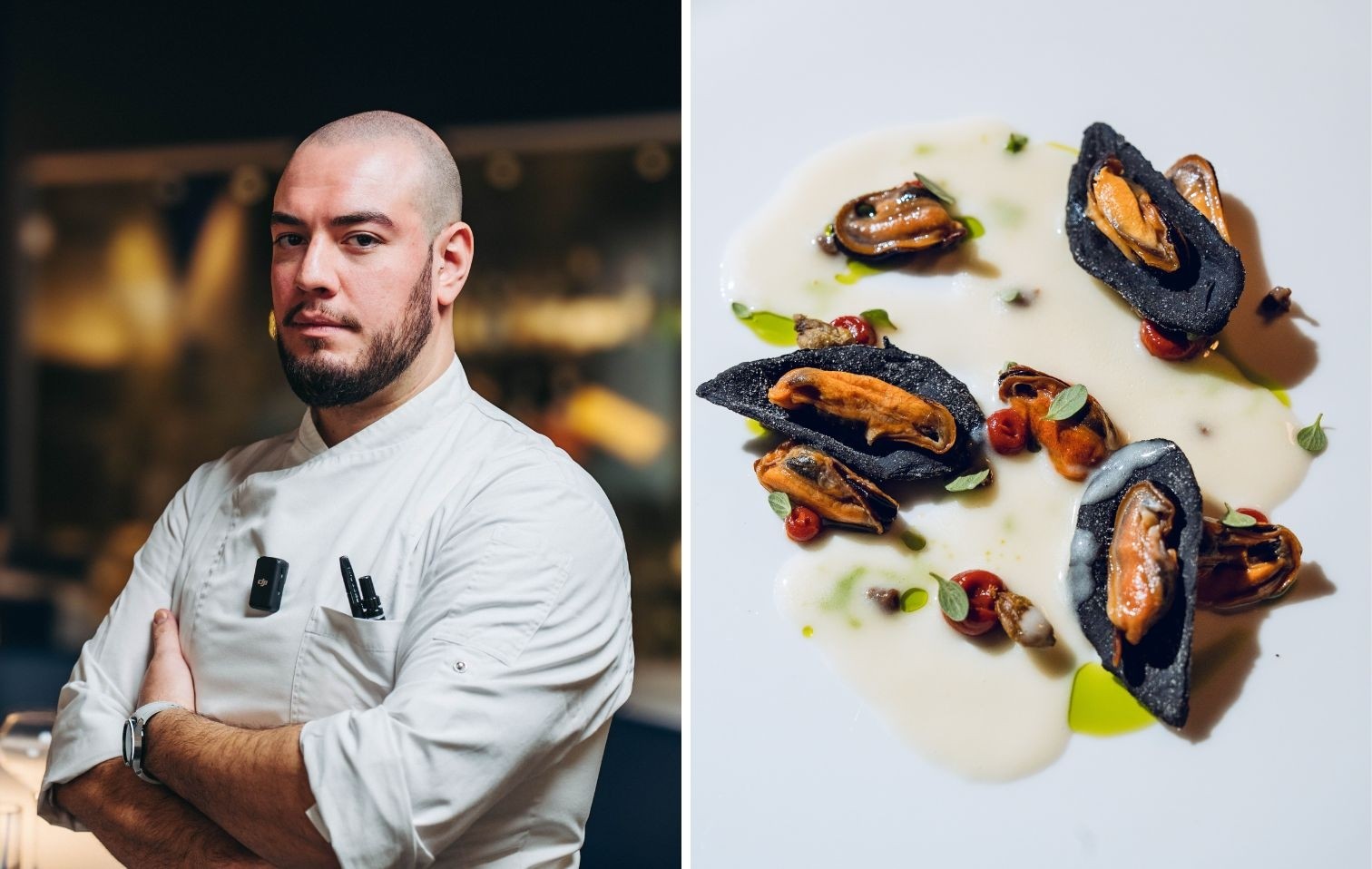
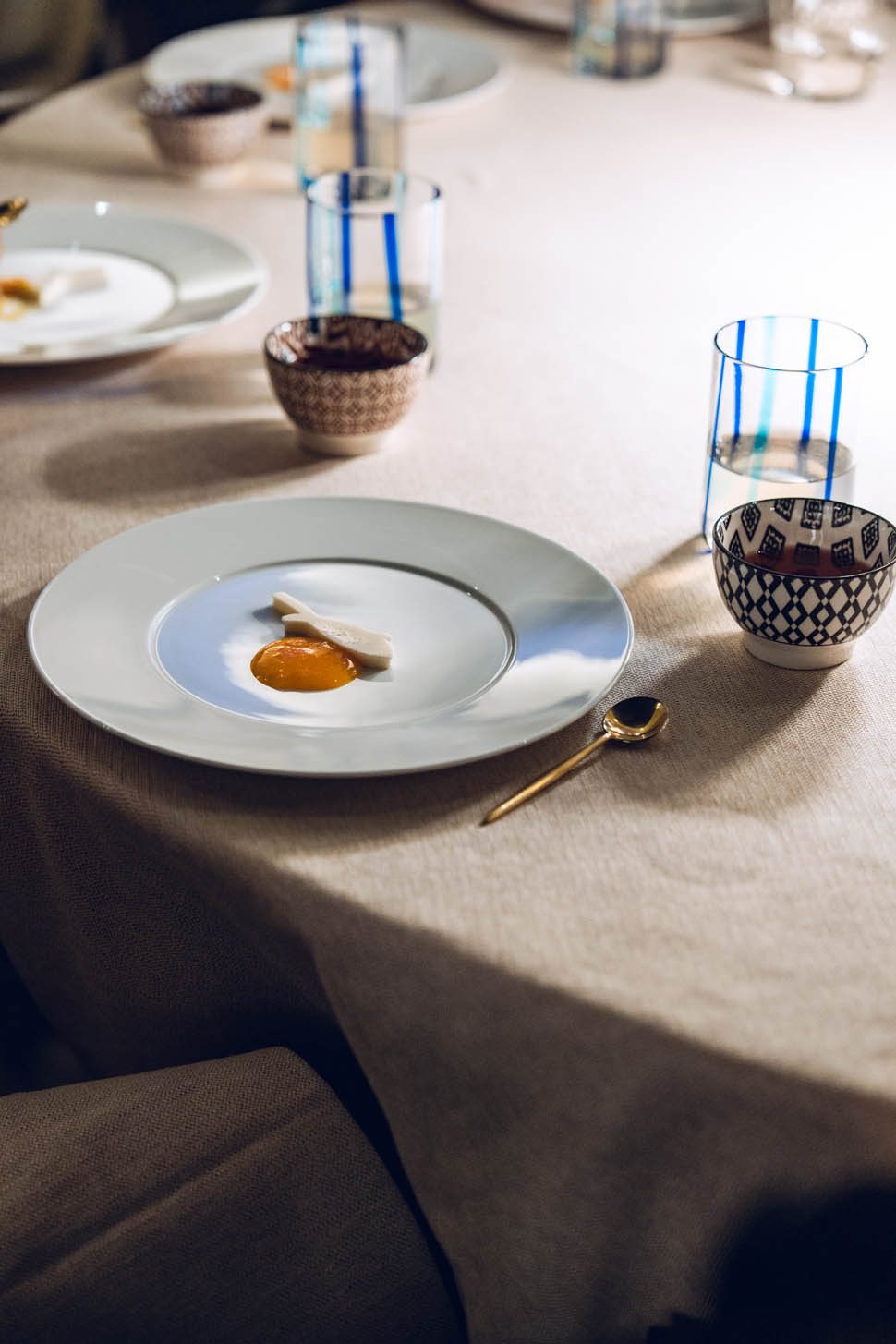
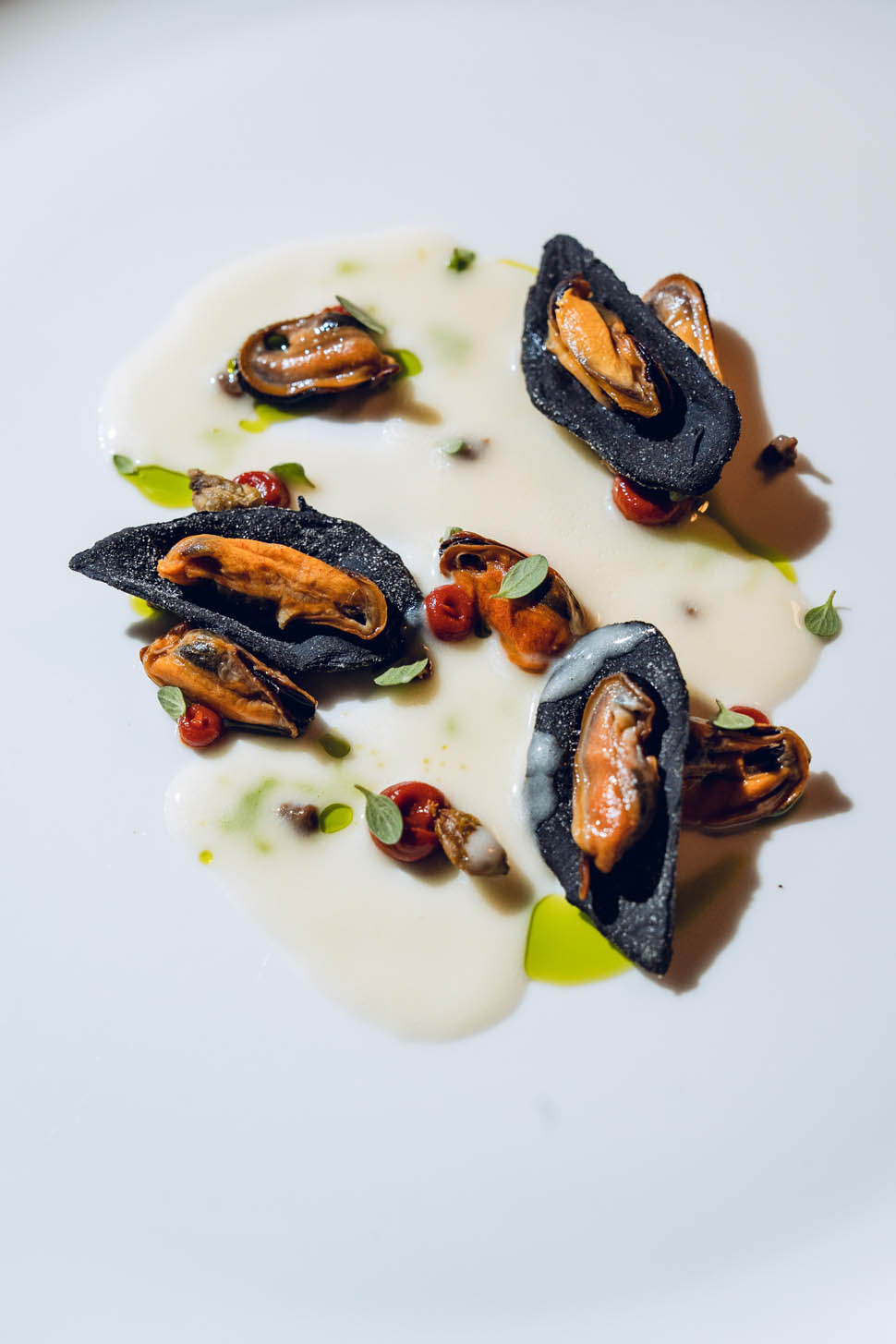
The first appetizer: Delta oyster, resting on a bed of chicory water, with raw mantis shrimp, foie gras cream, and a touch of balsamic vinegar and gin. It is a balance of contrasts: sweetness and iron, sea and land, elegance and rusticity. The next dish is a painting, bringing another voice from the sea: mussels from the Venetian Lagoon, accompanied by fried capers, anchovy paste, tomato concentrate, marjoram, and a Voghiera garlic cream—wrapped in an edible shell of charcoal focaccia. It is a bite that tells of calloused hands and salty waves, but also of study and precision. Each element speaks of the place, the season, the supply chain. Nothing is random, everything is thought out.
Bread as a story
The second part of the bread service becomes a ritual: a reinterpreted Ferrara-style coppietta, a Roman focaccia with Maldon salt and fresh oil, and a long-rise biga bread, seasoned at the table with a drizzle of oil from the Imola hills. It is not just an accompaniment: it is the grammar of patience. Slow rising, fresh flour, conscious gestures. In every slice, an idea of time that is respected.
The “Pasticcio Estense”
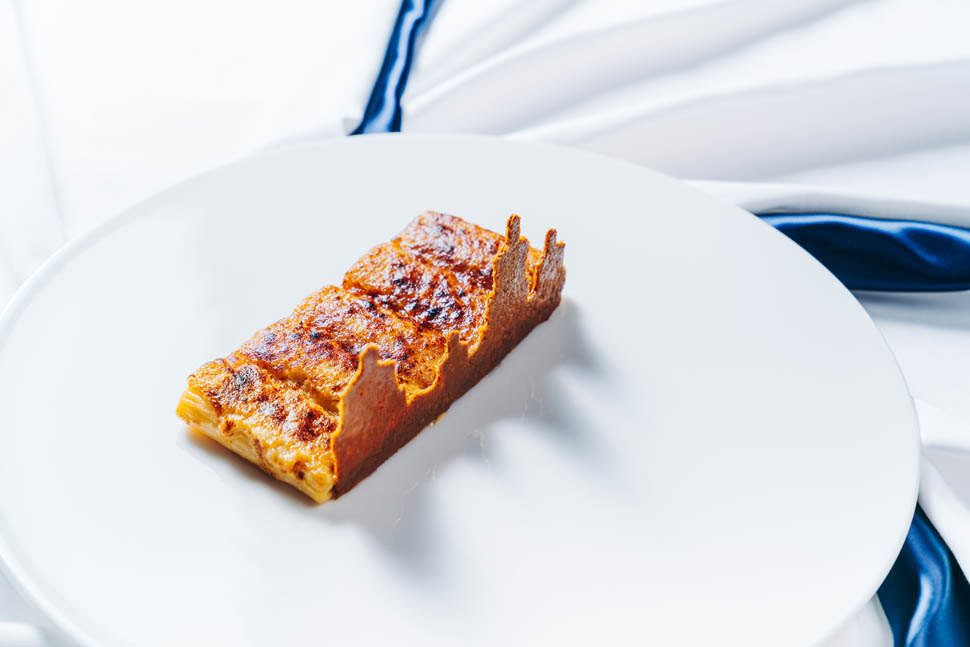
This is the conceptual heart of the menu: a reinterpretation of the pasticcio ferrarese with a vegetable twist. Benedetto Cavalieri rigatoni is wrapped in a sauce of deactivated brewer's yeast, with 36-month Parmigiano Reggiano craquelin flambéed to order. A crispy, sweet, and light pasta decoration echoes the silhouette of the Castello Estense.
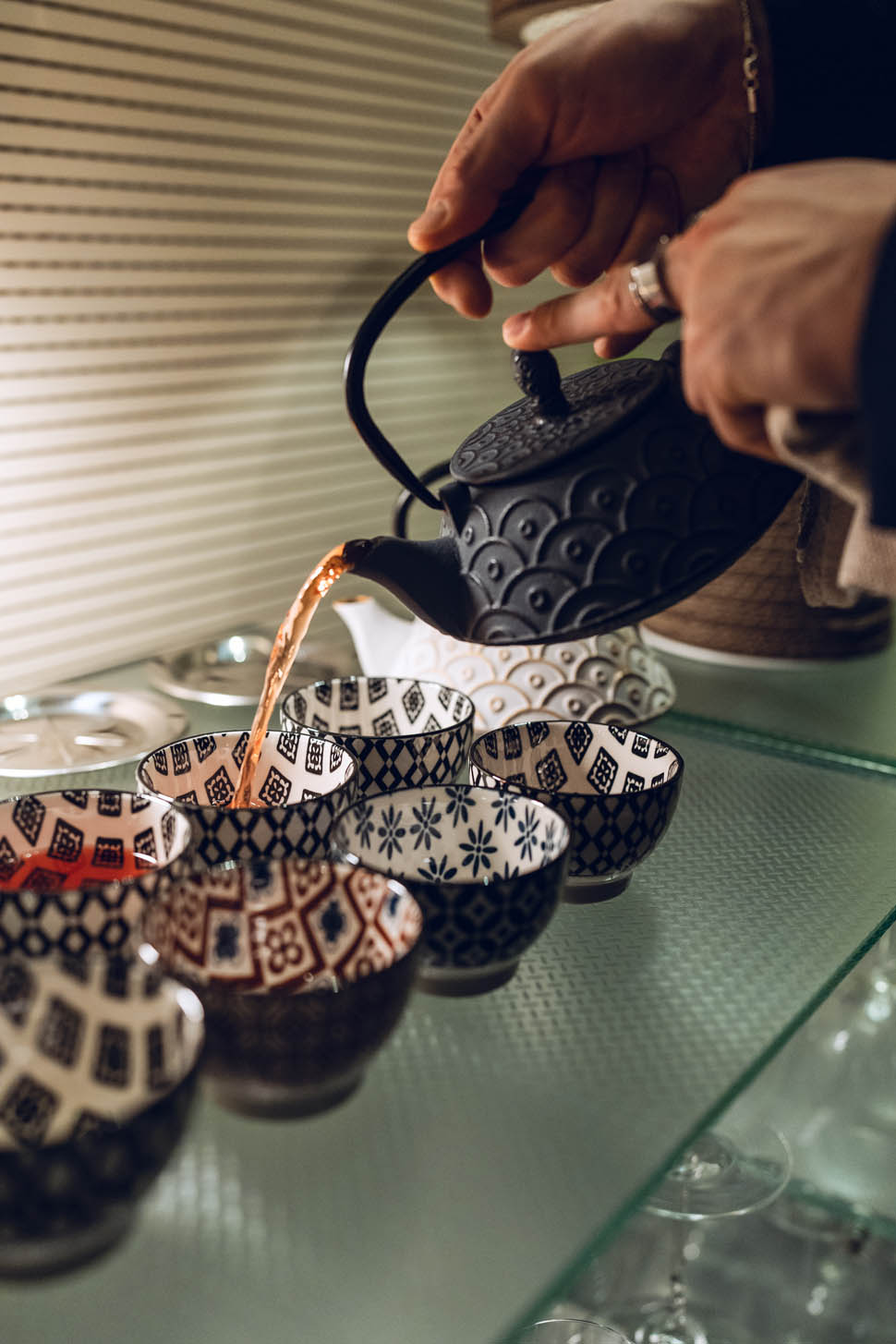
At the center of the table, Isacco Giuliani serves his cocktail “Rotta sulla Via Emilia” (Route on the Via Emilia): an infusion of African black tea “Rwanda Rukeri,” with Ferrara saba, Fortana grape liqueur, Bolognese mostarda, and traditional balsamic vinegar. The aroma is balsamic and medicinal, evocative, like a memory of travel and borders. The dish and the drink interact, responding to each other like different instruments in the same symphony.
Signature Risotto
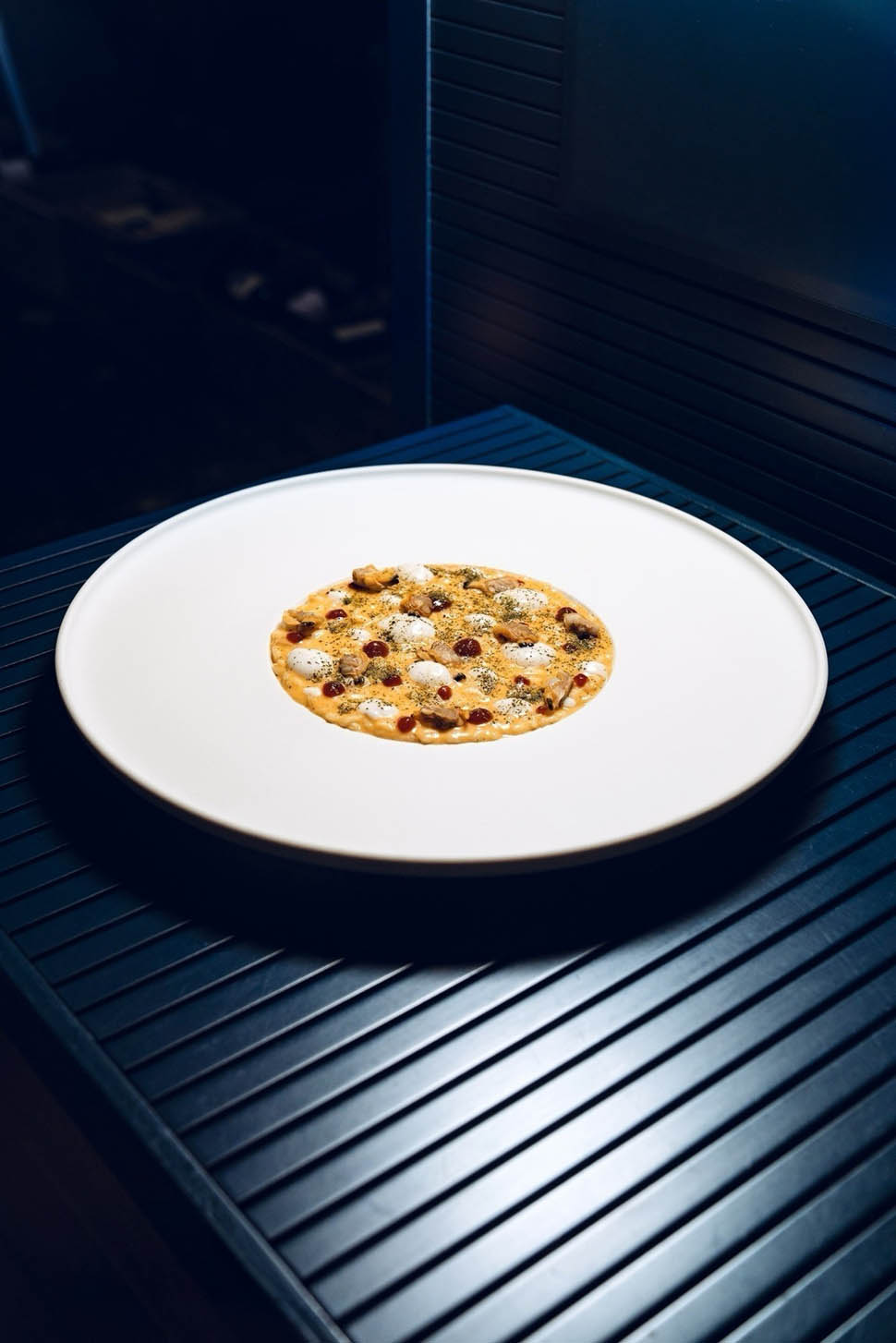
The risotto is a tribute to the territory: a play of contrasts that come together in the balance of each bite: smoky and mineral, exotic and Po Valley, contemporary and ancient, with Riso Buono Guidobono Cavalchini rice, Goro clams, Cajun spices, barbecue sauce, ash gel, and fresh oregano. It is the very image of the restaurant: raw ingredients, knowledge, intuition.
The Rizzini Fillet
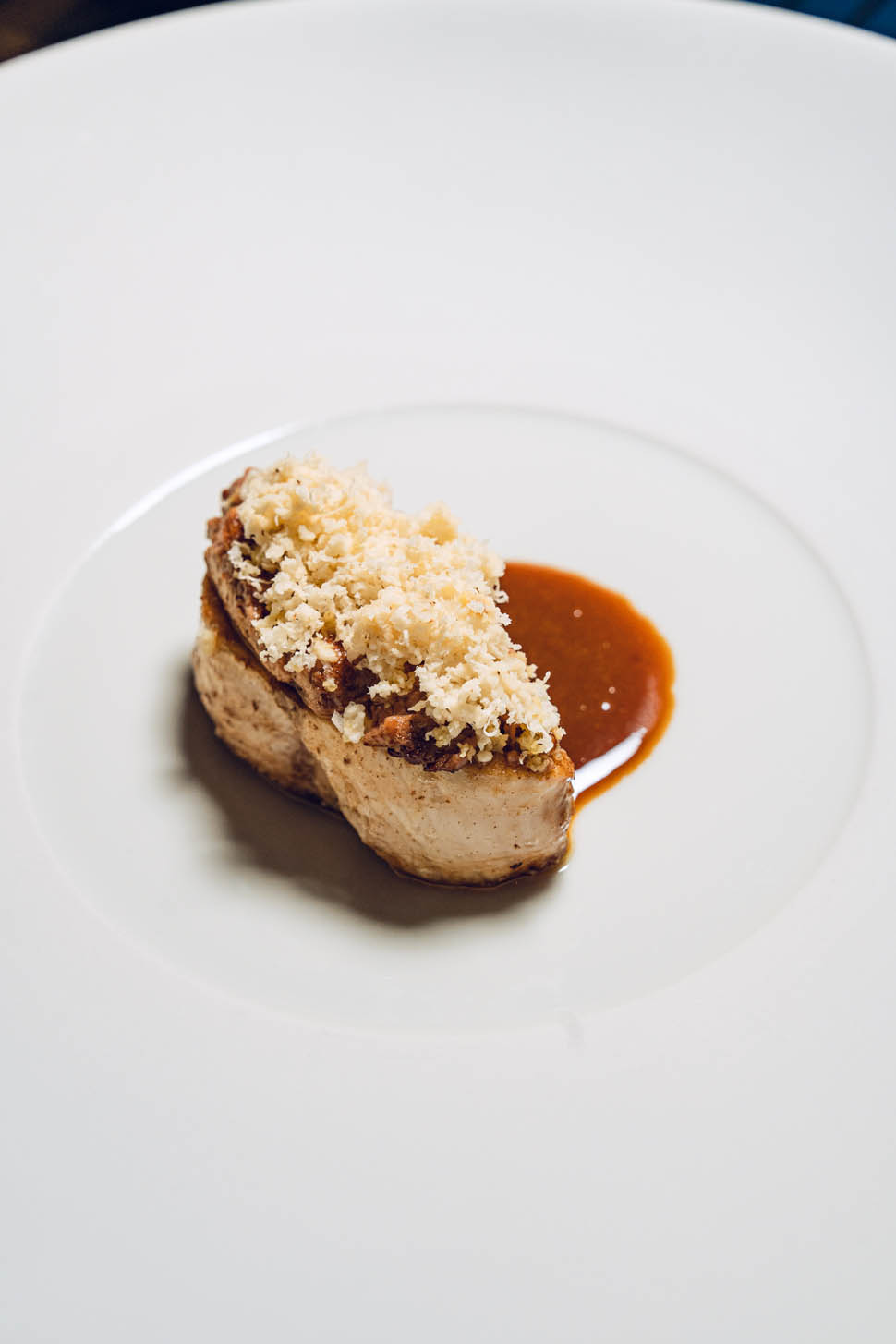
The main course is a statement of identity: yellowtail cooked in yakitori, with foie gras au torchon, fresh horseradish, and beef jus. Rizzini plays with perception: fish dresses up as meat, fat meets acid, and charcoal becomes velvet. It is a balance of forces that do not clash but seek to understand each other. A mature, complex dish, seeking the harmony that can only be found in a well-rehearsed quartet.
Dessert and memory
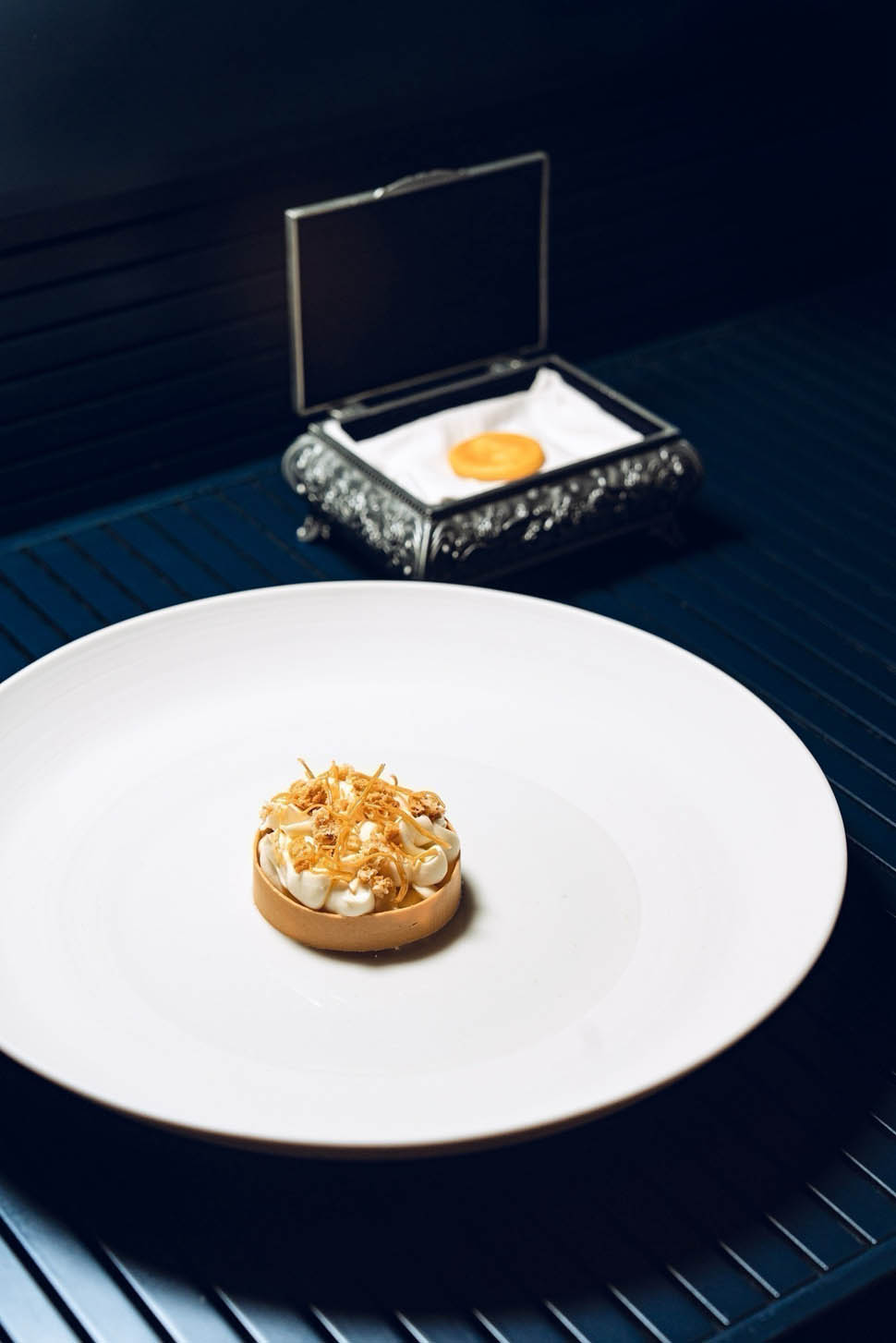
Before dessert, a soy milk panna cotta with orange and saffron sauce prepares the palate. Then, the grand finale: a revisited tagliatella cake, with a hazelnut bacio di dama base, sour gel, fried tagliatelle, white chocolate and hazelnut cream, and an almond cheesecake biscuit bearing the image of Lucrezia Borgia. The last sip is an infusion of Po Delta lavender, rosehip, apple, almond, and beetroot. It smells of gardens and peaceful nights. It is a gentle farewell, like a promise to return.
Awareness and harmony
At the end of the meal, what remains is not only the flavor, but the rhythm. Everything proceeds naturally: the service, the hushed voices in the dining room, the precision of the kitchen. At Makorè, you can sense that collective awareness that arises only in places where everyone knows their role and understands its meaning. It is a harmony that cannot be improvised. It is the same harmony that animated the artistic workshops of the Renaissance: the master, his students, the shared work. Federico Fugaroli has managed to create this fragile and rare balance—letting young people lead, but with a vigilant and invisible presence. It is the most authentic form of enlightenment, one that does not impose its own light but diffuses it, allowing the light of others to shine.
Service to the city
The fish market attached to the restaurant is not a minor detail, but the bridge that connects Makorè to the city. It is a place of arrival and departure: it offers citizens the freshest catch, promotes the local area, and makes the supply chain visible. Thus, high-end cuisine does not remain closed in its splendor, but opens up as a civil and cultural service. It is a contemporary way of interpreting patronage: giving back what you receive, transforming wealth into shared value.
Final epiphany
When the lights dim and the aroma of bread lingers in the air, you realize that Makorè is not just a restaurant. It is a microcosm of Ferrara, where the sea and fog, creativity and discipline, freedom and moderation come together. Like the Este court of the fifteenth century, this “gastronomic court” thrives on harmony, art, and intelligence. And in the silence that follows the last sip of tea, you are left with the feeling of having participated in something more than just a dinner: a vision. Because Makorè does not just feed you: it educates, inspires, and enlightens you.
Contacts
Makorè
Address: Via Palestro, 12, 44121 Ferrara FE
Phone 0532 092068