A dinner lasting almost six hours at Rasmus Munk's restaurant on the outskirts of Copenhagen. The craziest and most cinematic gastronomic experience in the world, featuring ants, eyes, hearts, butterflies, a thousand languages spoken, and a wealth of stimuli that the five senses alone cannot handle.
The restaurant
The greatest show since the Big Bang and many other things, for that matter. A show reserved for fifty-two people every evening for four nights a week, from Tuesday to Friday, and therefore for 10,000 covers a year, whoever is there is there. Alchemist—are we talking about this, did we have to say it?—is located in Copenhagen, in a suburban area that looks like the end of the world. Industrial warehouses, chimneys, mud on the streets, and in the distance you can see Copenhill, the waste-to-energy plant turned into a ski slope. Refshaleøen is the name of all this, and I write it down, but I would never dare to pronounce it. It's a decidedly unusual setting for one of the world's most sought-after gastronomic destinations, which is justified by the fact that this enormous parallelepiped that once housed the Royal Danish Theater has enough space for the incredible scenic-gastronomic machine designed by that devil Rasmus Munk.
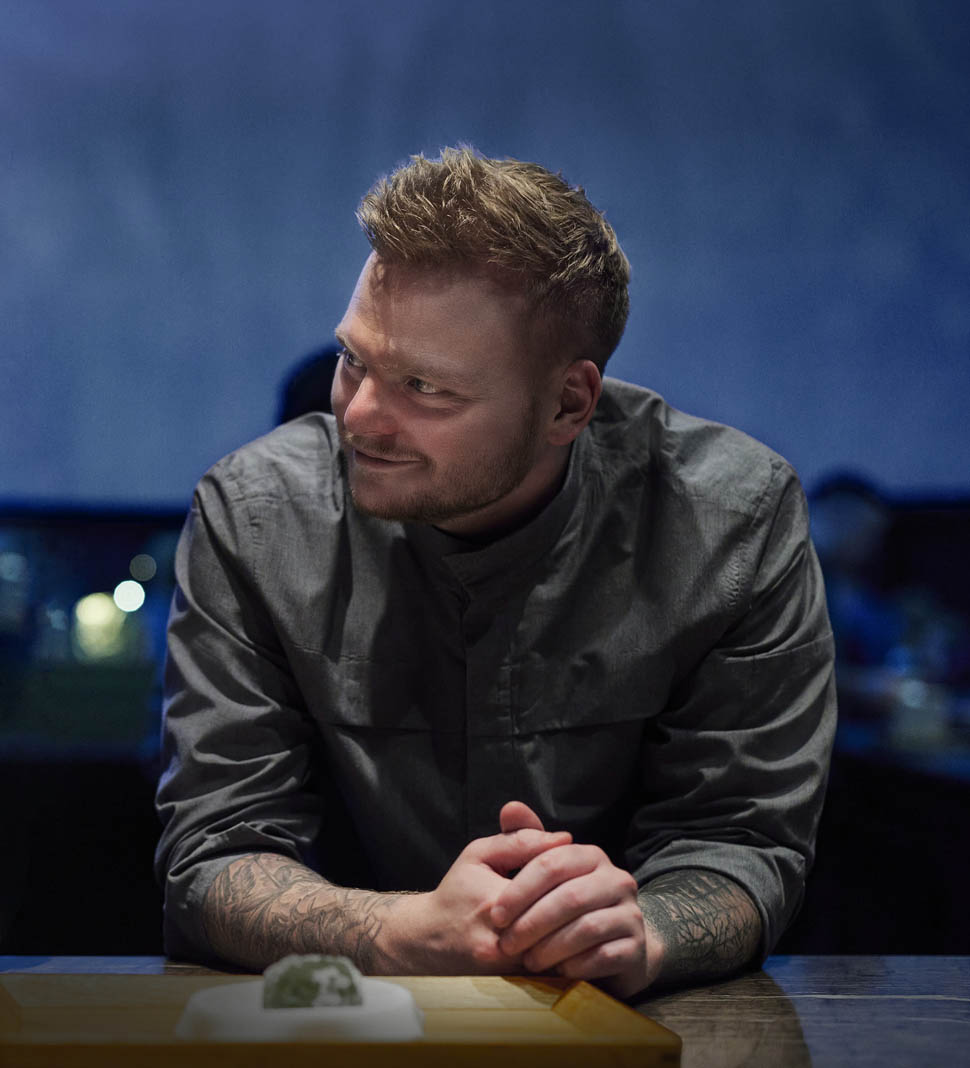
There is so much to say, let's not waste time chatting. My reservation is for a Wednesday, and a few days before, I receive an email that looks like a court summons, summoning me there at 5:45 p.m., teatime. Fearing who knows what consequences and distrustful of Copenhagen's otherwise impeccable public transport, I arrive ten minutes early. I enter and am greeted by an Italian guy in a slightly elfin green shirt. His name is Paolo, and I later discover that meeting him is not at all coincidental. He is my man for the evening, the personal waiter who will guide me through the whole experience. Because at Alchemist, every guest is assigned someone who speaks their language, to avoid any ‘lost in translation’ moments in what will prove to be an unforgettable epic. I imagine the morning meeting of the dining room staff to assign tables, a sudoku of languages and skills to best match the guide to the guests, Charon to Dante. And I will discover that Paolo's approach (“Welcome, is it cold?”) is not just a courtesy of circumstance but a way to test that I am really Italian and not just a misunderstanding (apparently this happens from time to time).
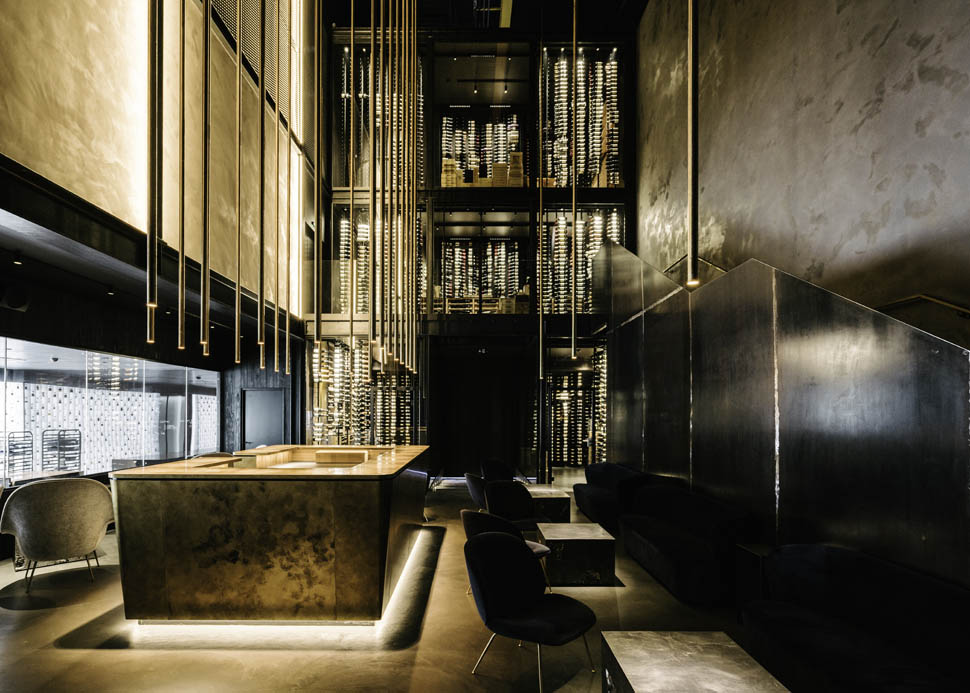
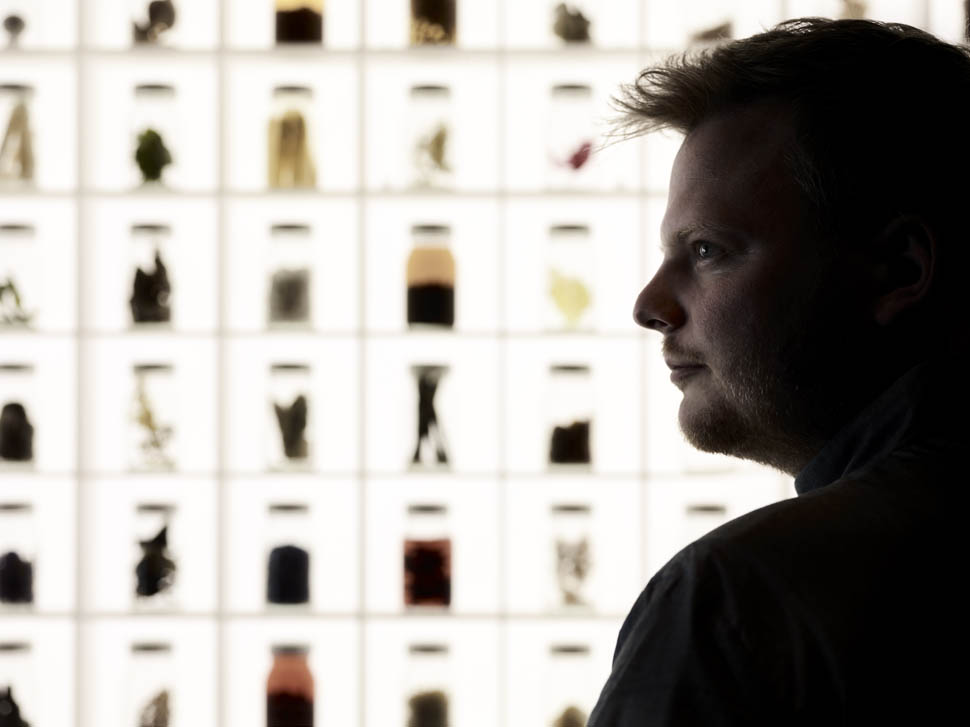
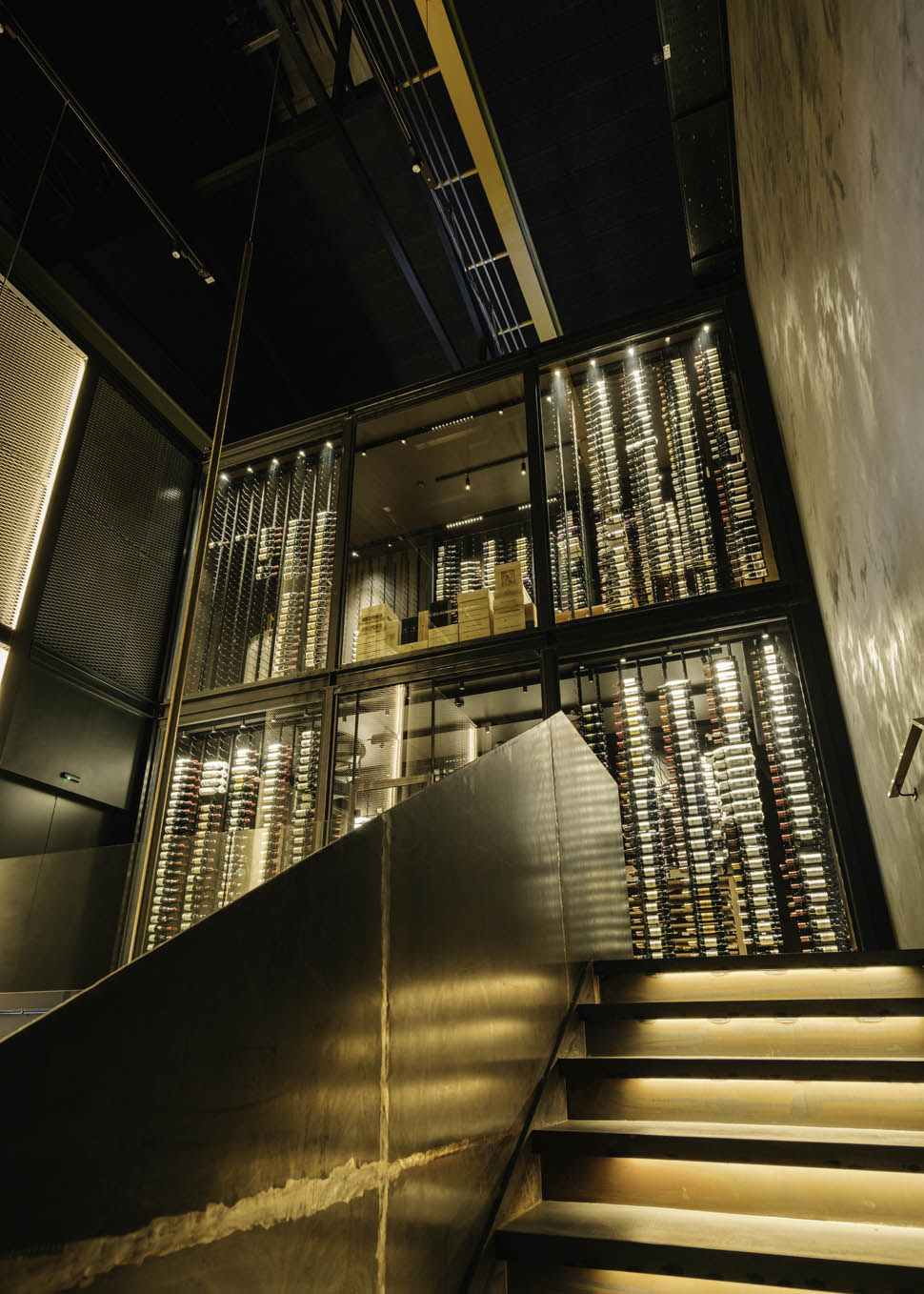
The first step is that Paolo suggests I enter a small dark room and enjoy the moment, consisting of videos in which world history is represented in a whirlwind and frenetic way, with the good Rasmus, with his big bearded, reddish face, appearing on the scene of the world's major events, from Cheops to Trump, passing through Robespierre. A nice history lesson. Then I am escorted to a room dominated by a skyscraper of bottles and overlooking an open kitchen-laboratory. There, I am brought a small daisy-shaped shot, which represents a tribute to Denmark, and immediately afterwards a cocktail called Anthill, which exploits the natural acidity and balsamic qualities of these industrious insects (which Spora, the dystopian laboratory across the street, breeds) infused in a grain distillate. And there is an ant on the rim of the glass. I obviously drink from the other side. I am brought a tablet: it is the amazing wine list, a small marvel of applied graphics and usability, which allows you to consult the endless selection without any boredom, moving through a solar system-like interface. And in fact, I play happily like a child.
The dishes
Then the first “impressions” begin to arrive (this is how the small plates that make up the experience are defined here). A gluten piadina that puffs up as it cooks, topped with scampi tartare, almond cream, and caviar. Then another shock: a butterfly representing a reflection on the use of alternative proteins in our diet. It's a bit shocking, but the butterfly, which comes from a greenhouse where it is bred for human consumption and freeze-dried, is crispy and pleasant, and Jerusalem artichoke chips and naturally coagulated cheese make it all less alienating. Next: after a sphere of caviar presented to me directly by Rasmus, my first location also brings me a Laksa, a typical Asian soup reinterpreted here as a cold, viscous shot of coconut milk and fermented red cabbage; a perfectly tapered omelet, the result of Munk's long work on this type of preparation and on reverse spherification, stuffed with egg yolk and Comté cheese and topped with Joselito bacon and truffle.
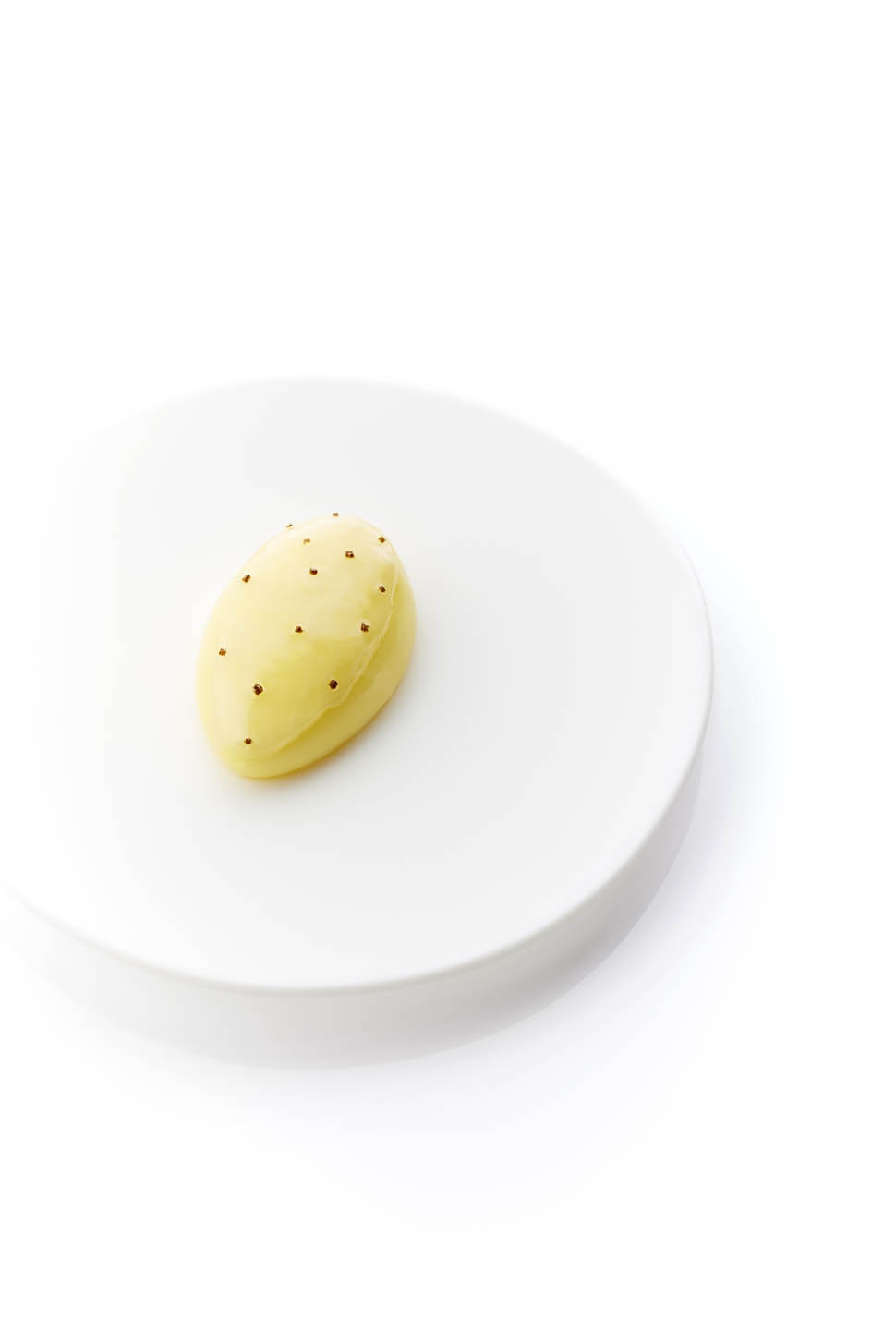
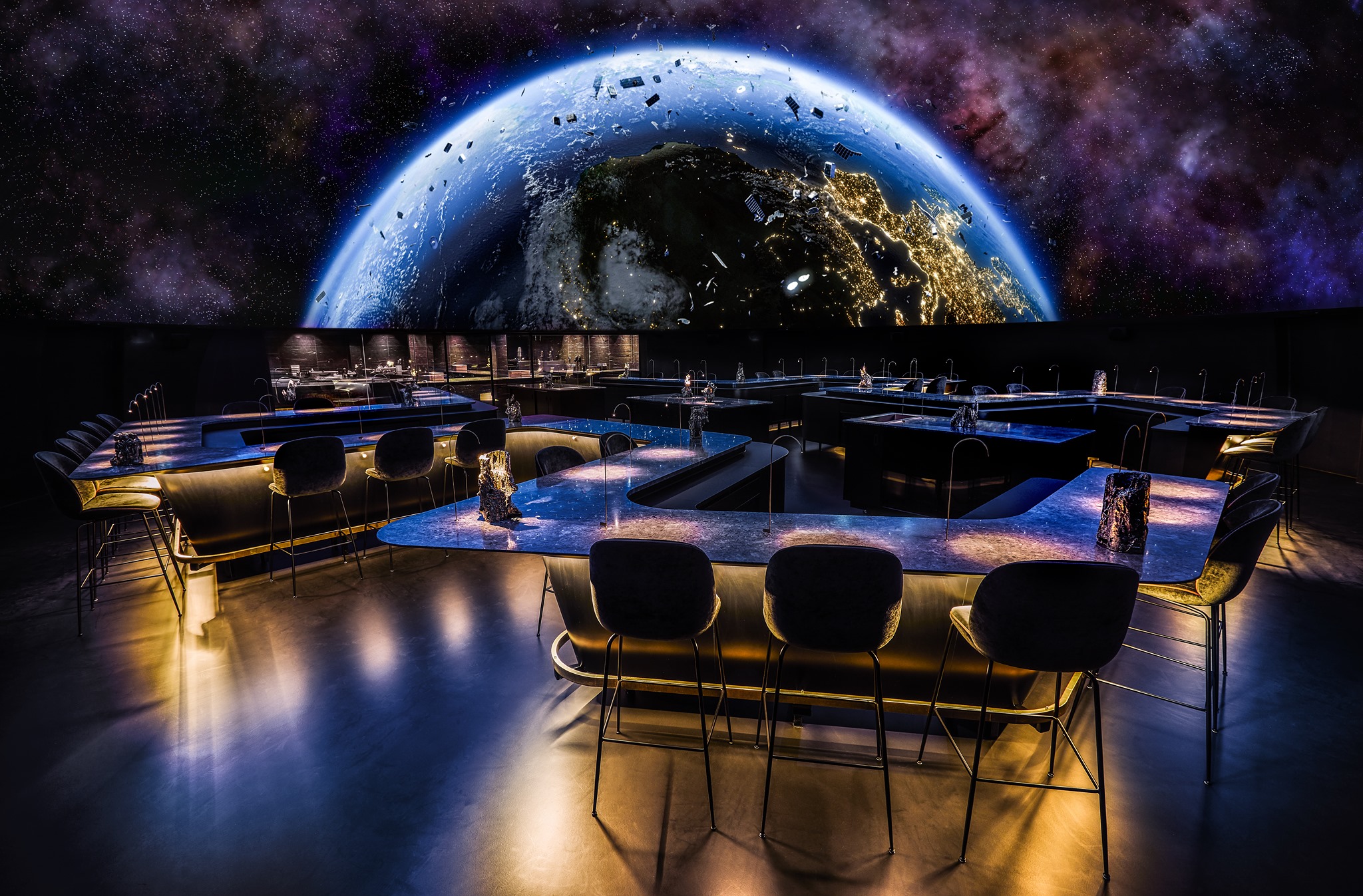
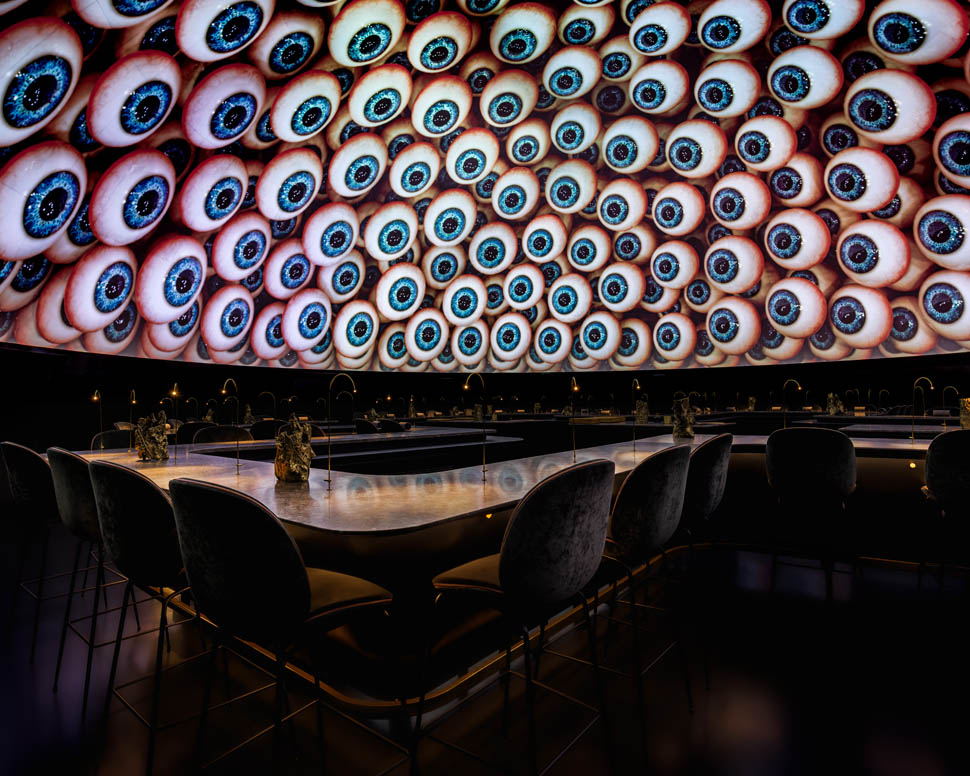
A Bikini sandwich inspired by Rasmus' guilty pleasure for this Barcelona street food, which looks like a deep-fried mochi stuffed with Gruyère cheese and 2019 Joselito ham and a brush of truffle. Beach boys. Finally, a solid cocktail in the form of a white disc that plays on the theme of vodka tonic with sea buckthorn and a tonic water meringue. Boom. It's 6:35 p.m., I've been here for an hour, and I've already collected as many stimuli as I would in six months of Italian restaurants. And the best is yet to come. And the best is in the main room, where the good Paolo accompanies me. A large space, dominated by a dome where immersive and unsettling videos are continuously projected, created by a team of creatives who collaborate with Munk and develop themes related to sustainability and humanity's impact on the planet. Below, a long, winding counter where guests sit surrounds the area where the chefs and waiters move around.
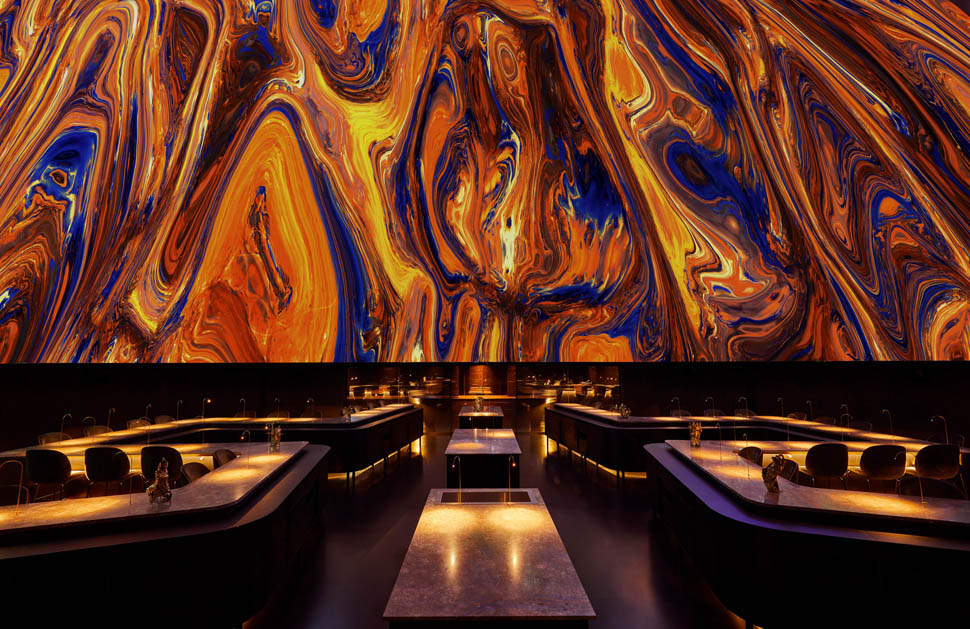
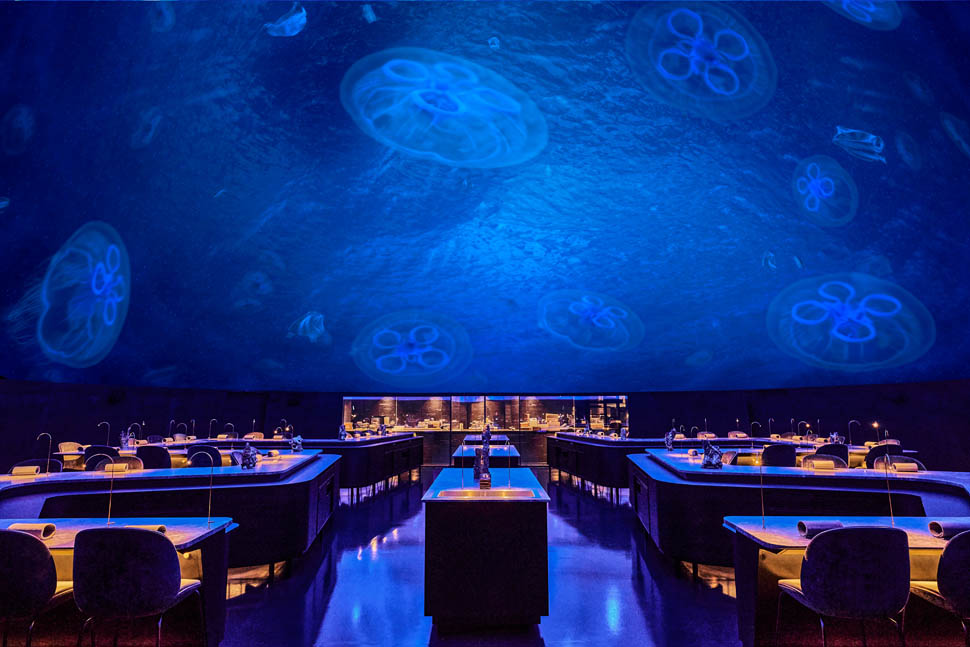
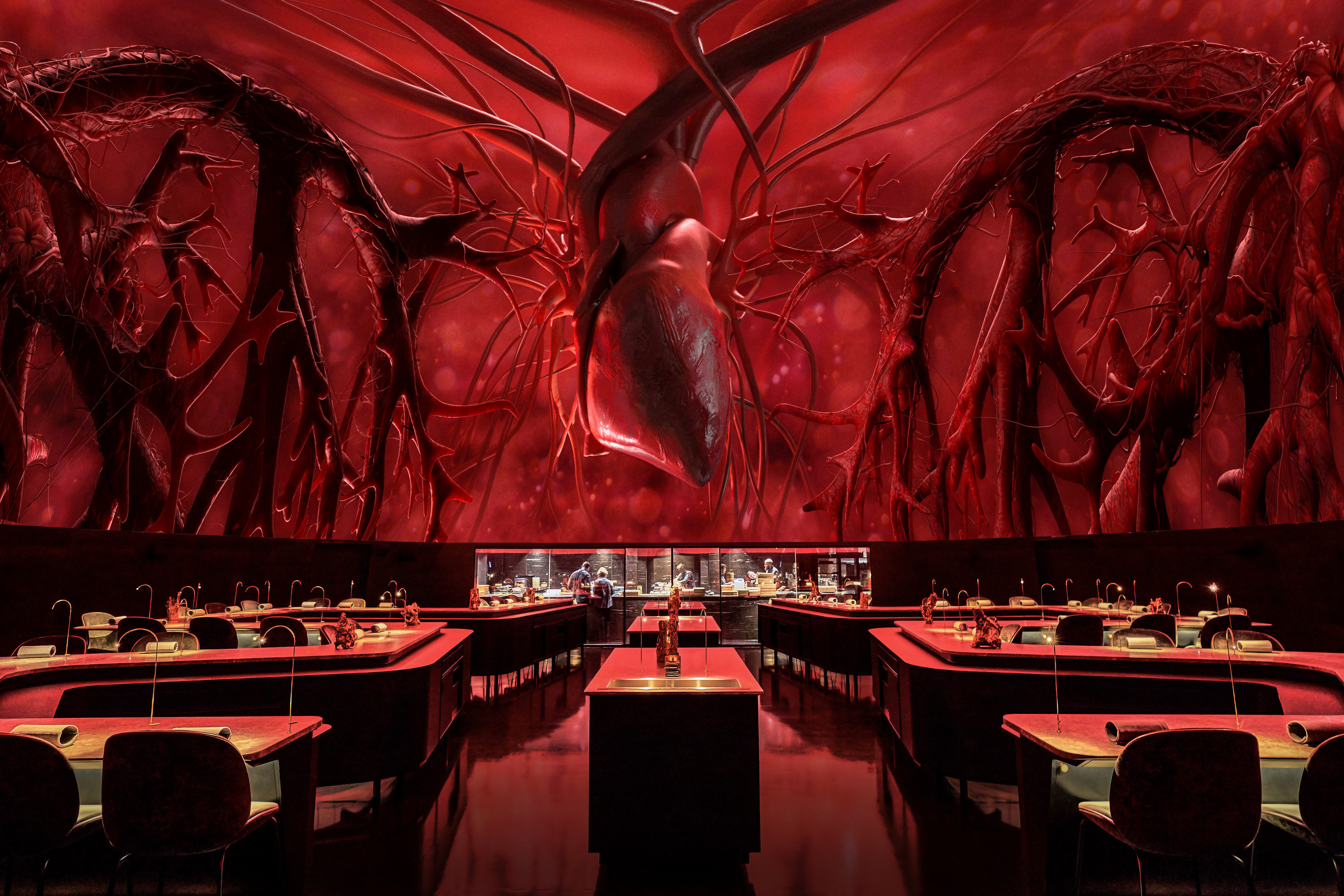
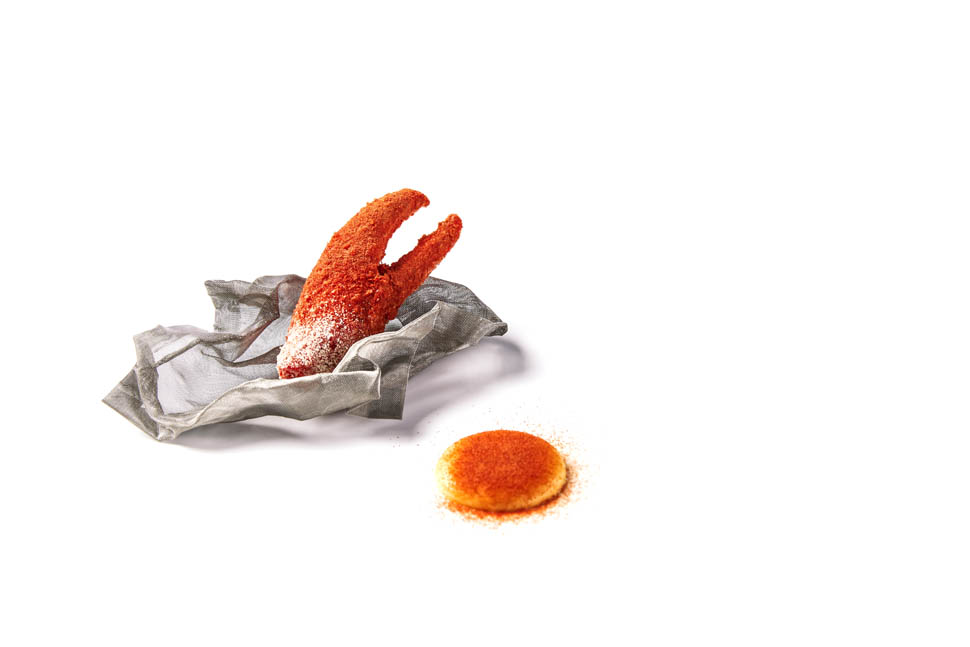
Here, events unfold rapidly and the sheer number of things happening makes you lose all sense of time and place. First of all, I am served a glass of Egon Mueller's Saar Riesling, which will accompany the first three courses, all based on fish. The first is the Orwellian 1984, the famous eye in which the pupil is made with lobster, miso-marinated egg, caviar, and a gel made from cod eyes. A dish that literally stares at me almost obscenely. Then a Shabu shabu of cuttlefish dipped with Jerusalem artichoke corals in a broth of mussel water, potatoes, and Danish August cheese. And then a Lobster roll (another of Munk's insane passions): a lobster from the west of Denmark, unpacked into a fake fried claw with a salad of itself inside and a sauce with butter, horseradish, and tomato powder. Mopping up the sauce is encouraged and (obviously) done.
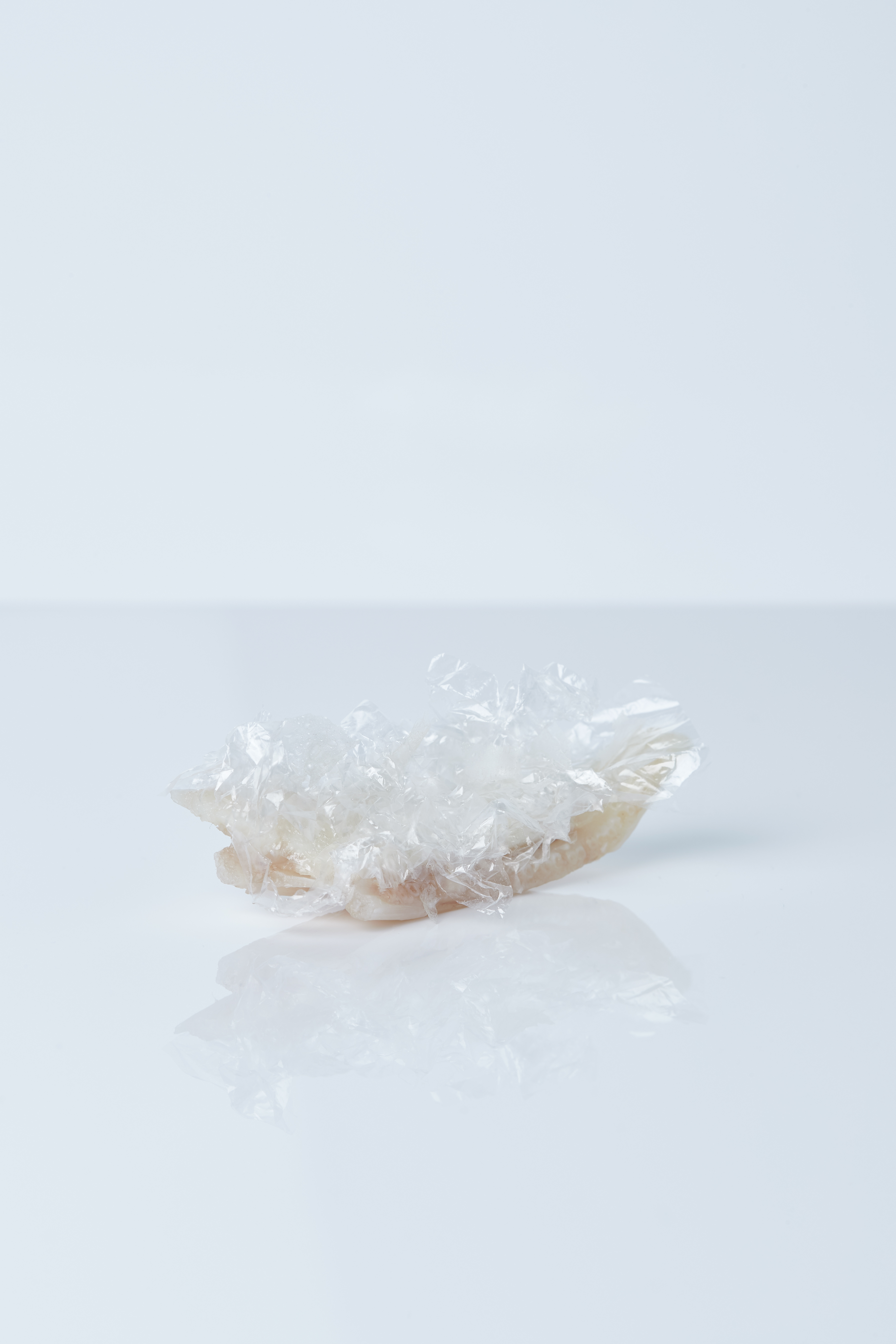
A short break. My eyes, taste buds, and ears have had no rest so far. I smoke a cigarette and Paolo keeps me company and protects me with an umbrella. Then, back inside, here is a Kombucha tea from Yunnan accompanying a plastic plate: a reflection on the damage that this formidable material does to the seas, all represented by a deliberately annoying agglomeration of algae and starch that “dirty” a cheek of cod fried in a batter made of fish collagen and inside cheese gel.
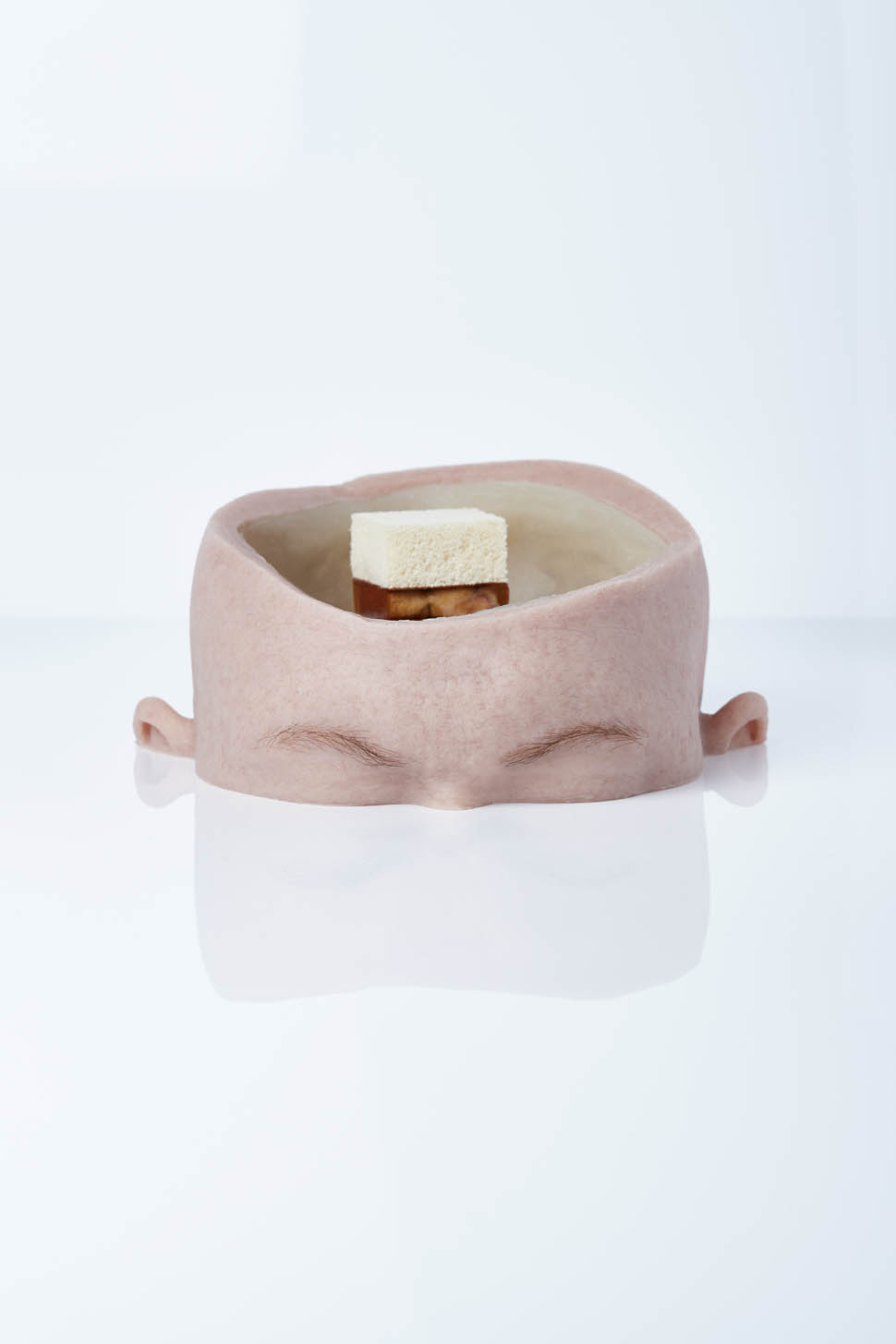
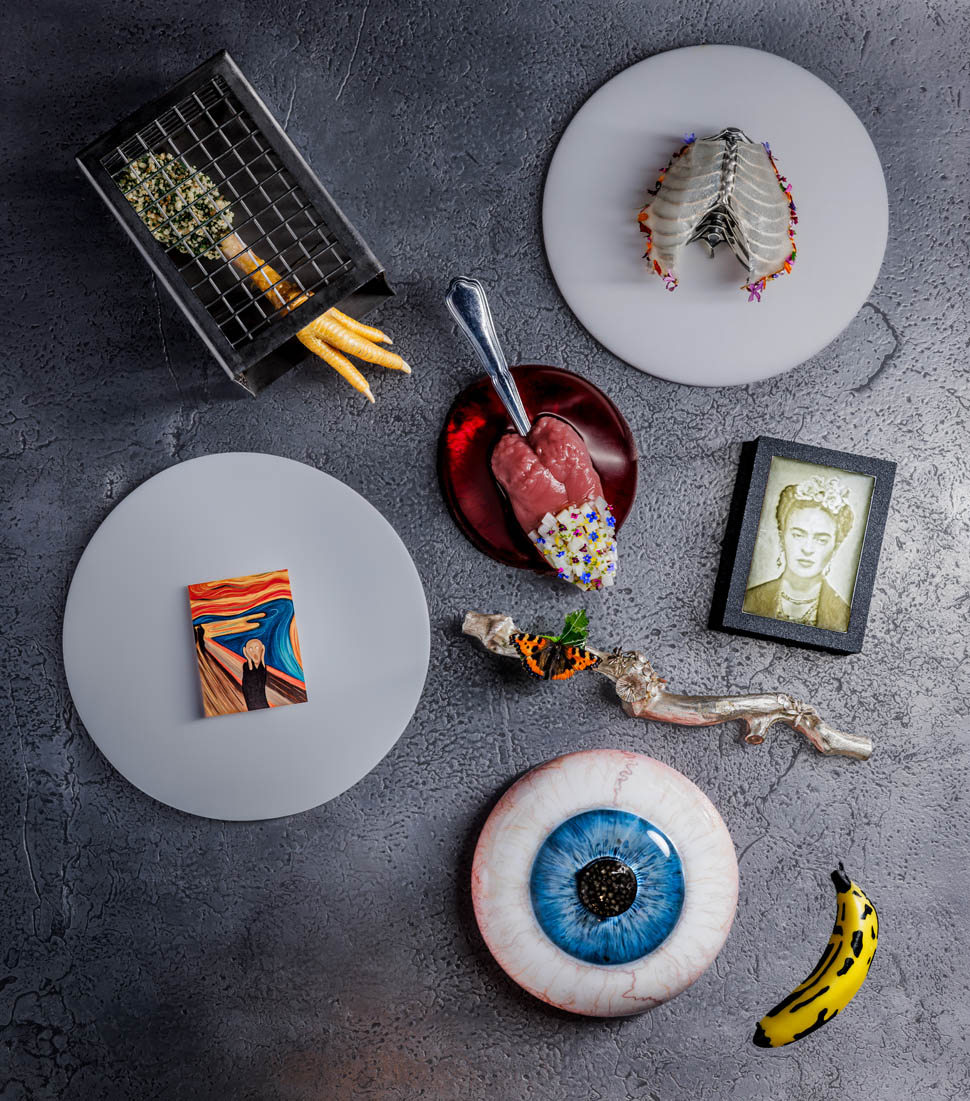
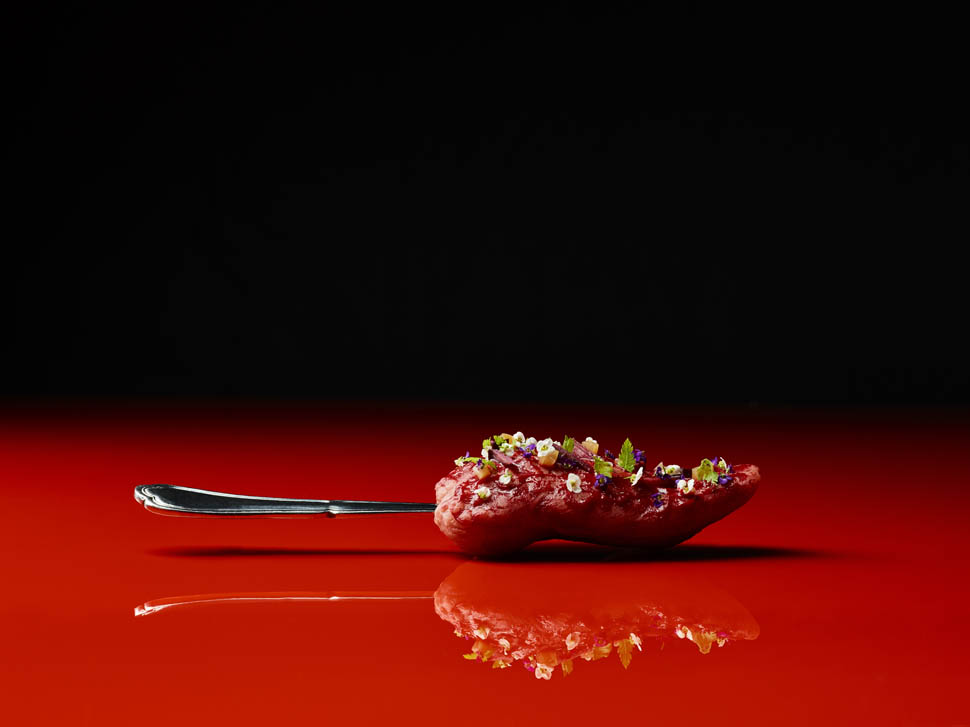
Here is a dish of rice and crab inspired by Hong Kong, serving as an almost soothing prelude to the first carnivorous “impression” (accompanied by a Nuits Saint-Georges): a Bacio con la lingua danese (Danish-style kiss), consisting of a round steak served with roses, blueberries, and edible flowers on a spoon shaped like a tongue, forcing you to engage in a bit of disconcerting petting. But how delicious. Then a moment of involuntary egocentrism. I am served four Picassian-style decorated wafers that I have to dip in a cream that reproduces a photo of me, taken who knows where (certainly not provided by me), which grants me the questionable privilege of eating myself. A cannibal for five minutes, you can survive that too. It's 8 p.m., two hours and 25 minutes have already passed, and we're still only halfway through. The food for thought arrives: a brain in various forms, a mousse contained in a cherry glaze, a freeze-dried chip. All served on a plate that reproduces a pulsating human brain. It is striking, and even more so because in Scandinavian culture, eating parts of the head is a taboo that Munk has taken it upon himself to break.
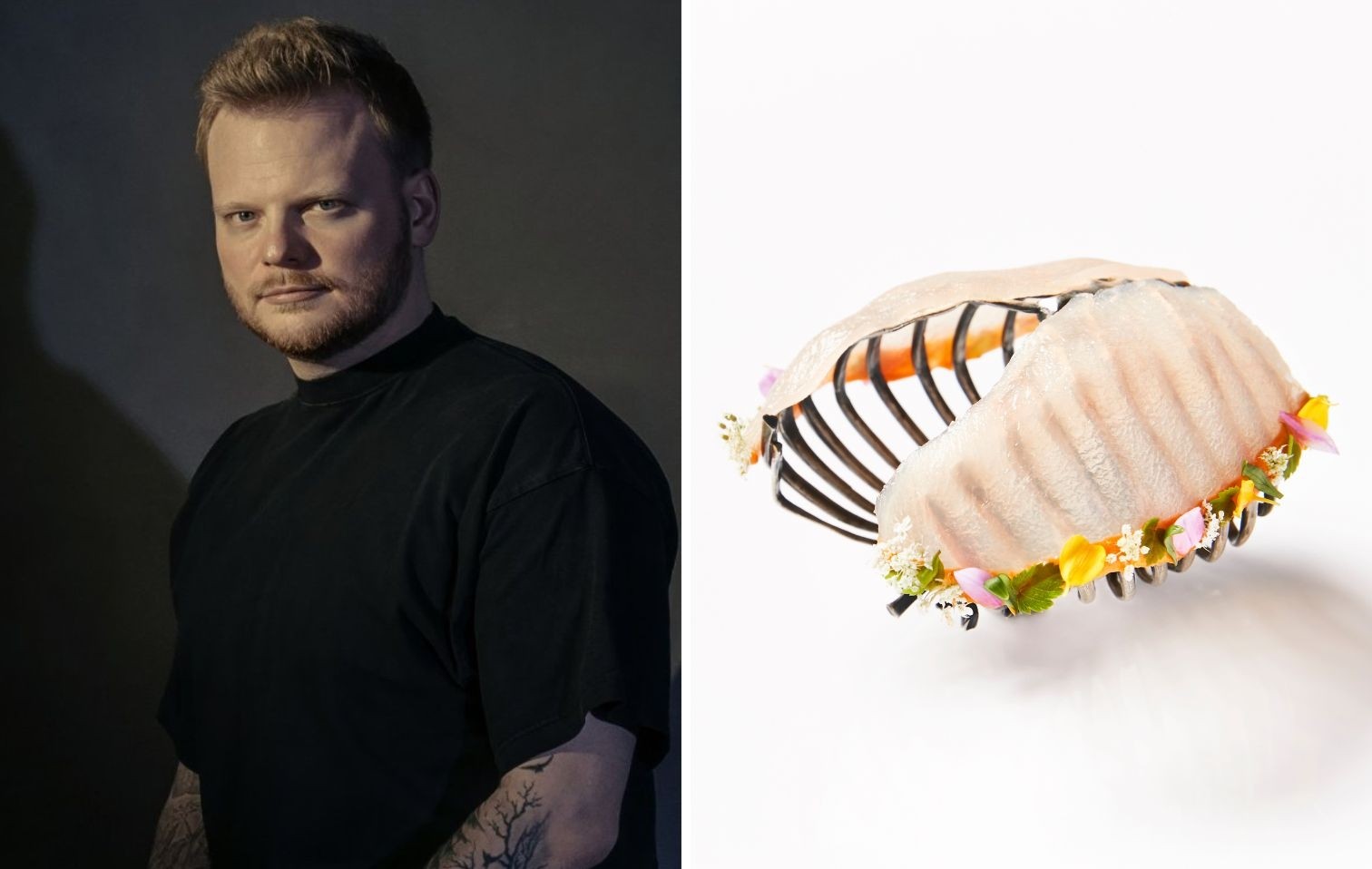
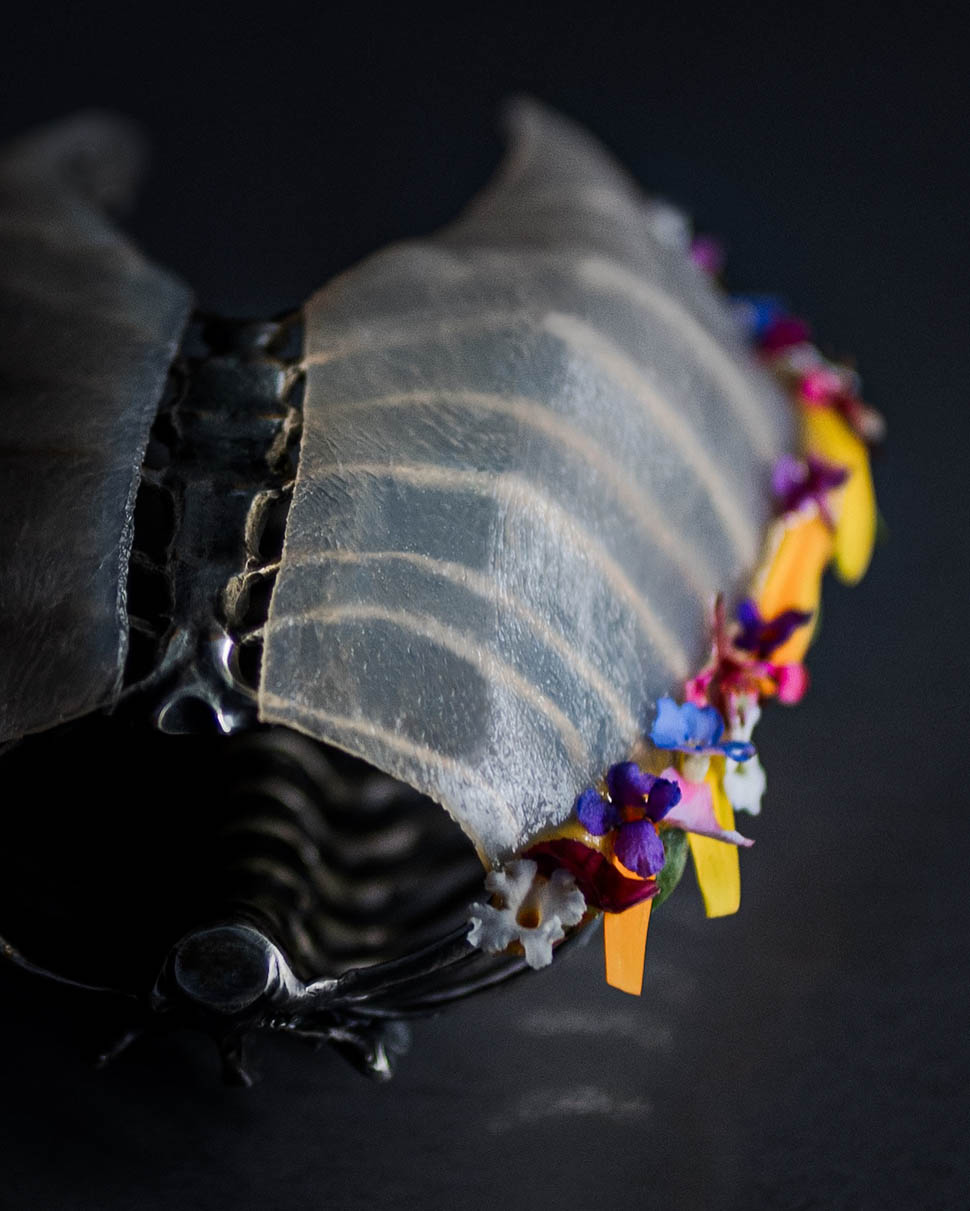
I receive a Barbaresco Faset from Flatcher, an Australian producer based in Piedmont. It will keep me company as I tackle a dry-aged pigeon and bread in which yeast is used in a sauce topped with a Joselito rose. Then a 1999 Mouton-Rotschild accompanies the dish Hunger, a meditation on hunger (paradoxical but not too much so) and food waste, rabbit meat (an environmentally friendly animal) marinated for 24 hours and served with spicy harissa and flowers on a sort of steel rabbit skeleton in the form of a rollable pastry.
Another wine, Def Red from the Rhône, and another narrative dish, Wiped Out, which reproduces the visor of Rasmus' helmet when he used to ride around on his scooter as a young man and would find it full of gnats and insects afterwards. Now these insects have decreased by 70 percent, and he misses them, reproducing them as garum made from worms and insects, to be “cleaned” with a small spatula. Then there is Chicken Leg, which aims to denounce the living conditions of these birds raised in prison-like spaces. In fact, the leg (real and covered with a chicken, shrimp, and green curry soufflé, fried, glazed, and covered with puffed potatoes, chives, and shrimp shells) is served with a side dish of chicken feet.
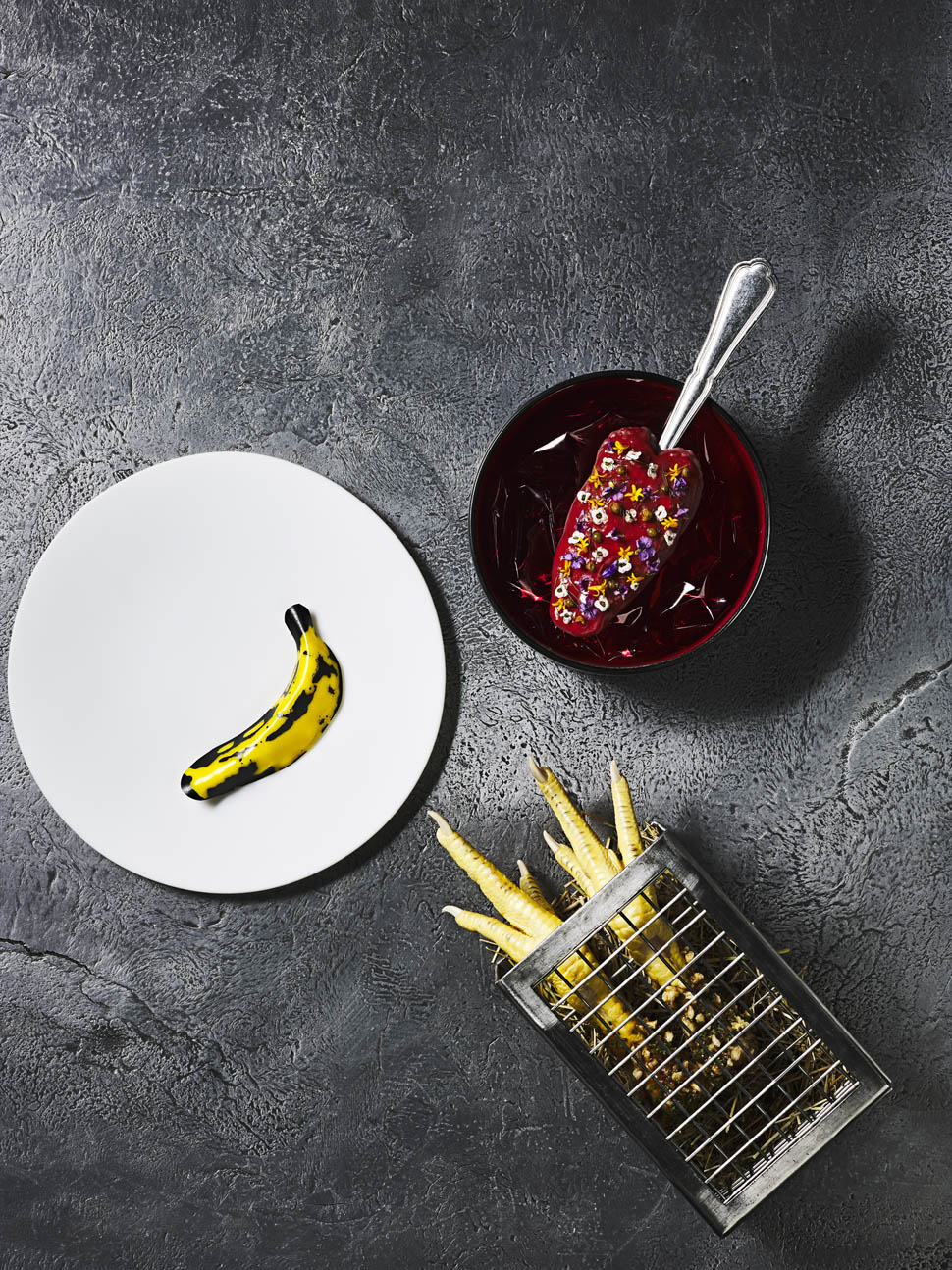
It's time for the pre-dessert, inspired by Thailand and its noodles, reproduced here with tapioca flour and dipped in white tea and white flower droplets and a sphere of condensed milk. Then a vanilla-based kefir and Riflessi, inspired by Eskimo ice cream (which has disappeared due to political correctness) with blueberries, chocolate, and vanilla used to create an almost electronic pastry crossed by a rainbow. Then, after a waffle that reproduces Edvard Munch's The Scream, here is another hardcore dish, the Heart, with which Munk helped to overcome the taboo of organ donation in Denmark (the dish was once accompanied by a form with which the customer could become a donor). Each donor can save eight lives, and there are eight flavors: hibiscus, black olive, cherry, reindeer blood, and others.
Still sweet: an extraordinary chocolate made from Carlsberg beer production waste, which Spora has magically transformed into cocoa without using a single bean from the magical plant. It is 9:46 p.m. I have been in this marvelous machine for 4 hours and 11 minutes. Paolo brings me some shoe covers to wear and invites me to follow him. I find myself in a dazzling white room where a bouncing girl, also dressed in white, invites me to take a bucket of sweet paint that I can either taste or use to paint the walls already covered with appetizing graffiti. A dreamlike interlude, yet another. Then a trip to the kitchen, where I learn about the extraordinary electronic board that serves as the service's black box. Every customer here is registered by language, allergies, special requests, and special characteristics known before or discovered during service. All the dishes served to each customer and the related feedback are also listed. The big brother of eating is called “Alchemist Dome Controller.”
I take an elevator with the inevitable and end up in the bar, which overlooks the entire system. I receive some petit fours, which, compared to the storm of emotions I have experienced so far, represent stretching after a marathon. I remember a cookie that reproduces a Portuguese flan Danish-style with egg yolk and duck fat. Then a caramelized almond and other delicacies, but I'm tired of taking notes, so please forgive me. I leave at 11:06 p.m. after saying goodbye to Paolo (I haven't spent so much time with one person since I was married) and after 5 hours and 31 minutes of an incredible journey. I, who usually get restless after the second hour of an average Michelin-starred dinner, had a blast. The menu I ate celebrates the first ten years of Alchemist, which started in a small restaurant in the city center and then moved to the suburbs in search of space and glory, but here there is no need for anniversaries. Every day is a celebration. A joyful machine that requires more than five senses to enjoy.
Contacts
Alchemist
Refshalevej 173C, 1432 København, Danimarca
Phone: +45 31 71 61 61
Website