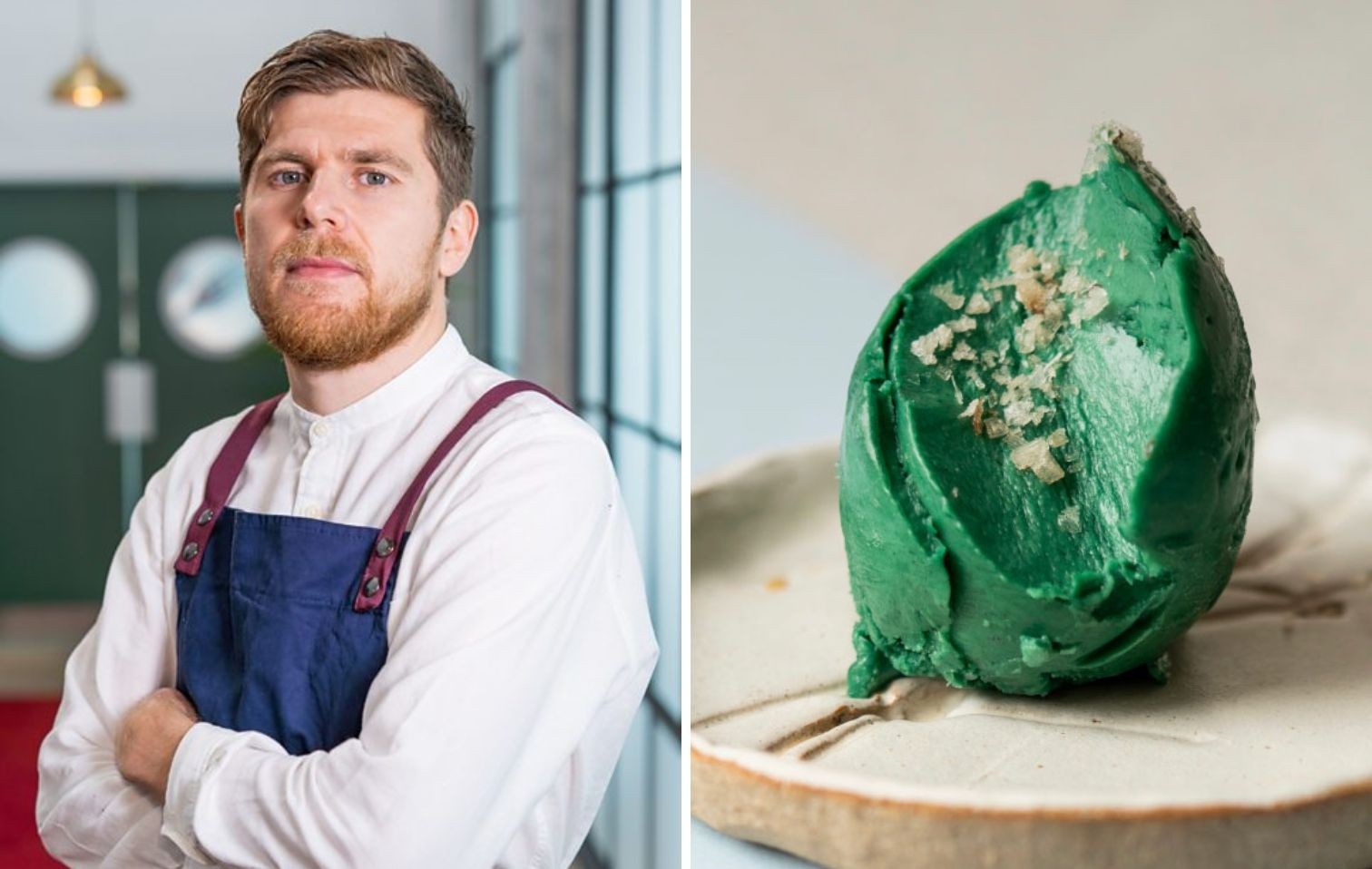
Reservations are fully booked until the end of March, and the flow shows no sign of slowing down. All this in a country where vegans make up less than 3% of the adult population. This fact makes Plates' growth even more interesting to analyze: many of its customers are omnivores, but they enthusiastically welcome green dishes.
The restaurant
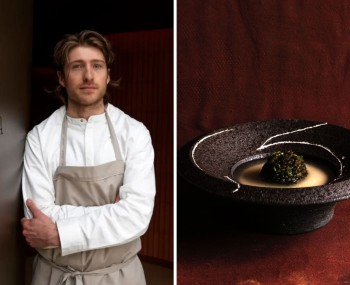
Plates does not present itself as a flag planted in the ground of veganism, and perhaps this is the secret of its magnetism. There is an almost theatrical delicacy in the way it illuminates an ever-changing gastronomic scene: it does not raise its voice, it does not claim allegiances, it does not define itself through negations. It proposes a gesture, a vision, a different way of thinking about taste. And so, within eighteen months, Kirk Haworth's restaurant became the first totally plant-based restaurant in the United Kingdom to earn a Michelin star, attracting a clientele that, surprisingly, is not vegan. On the contrary, the vast majority of its guests continue to eat meat and fish elsewhere. This is only an apparent paradox, which tells us much more than a fashion or a simple culinary curiosity.
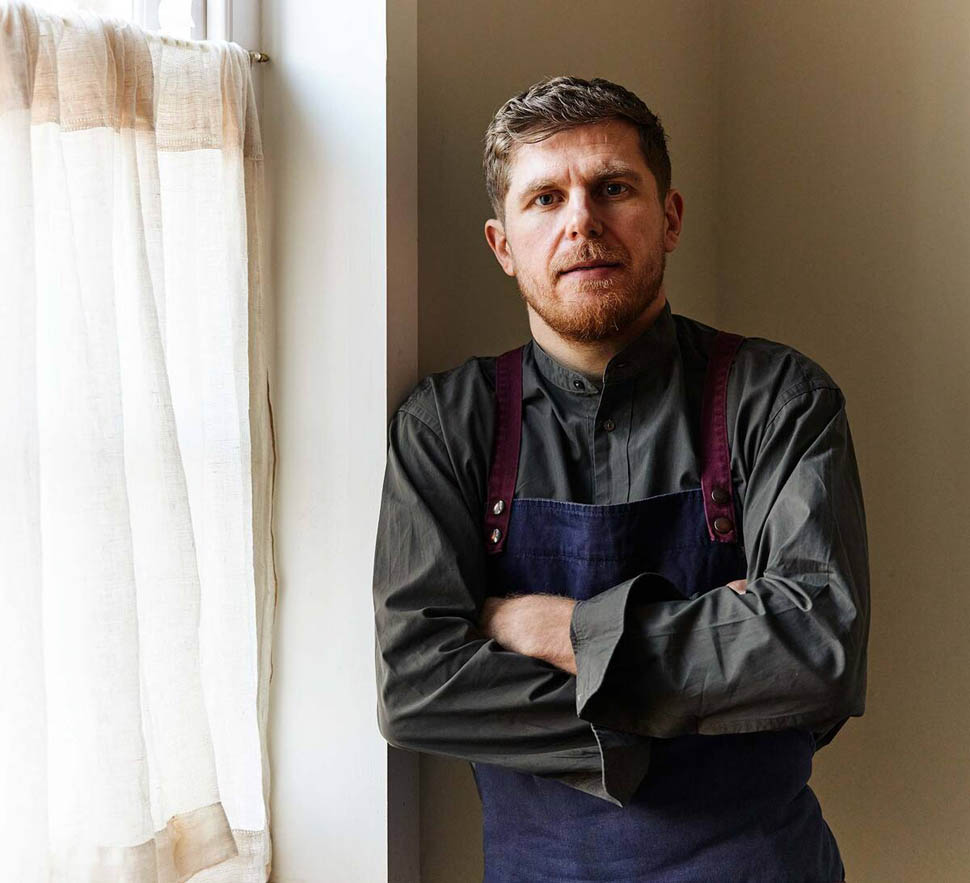
Kirk Haworth, who built the restaurant with his sister after years spent in Michelin-starred kitchens around the world, is well aware of the ambiguity surrounding the word “vegan.” It is a term that often generates rigid expectations, ideological choices, and divisions. He prefers the opposite approach, which is almost disarming in its simplicity: "I always say that we are a fine dining restaurant. I don't say that we are vegan. Food should be judged on its taste.“ He says this to The Independent with the calm confidence of someone who knows that quality does not need slogans. He adds a revealing detail: ”About 95% of our customers continue to eat meat or fish elsewhere," being omnivorous. In short, haute cuisine based on vegetables is no longer the preserve of enthusiasts: it is becoming a universal language, capable of enchanting even those who do not identify with plant-based culture.
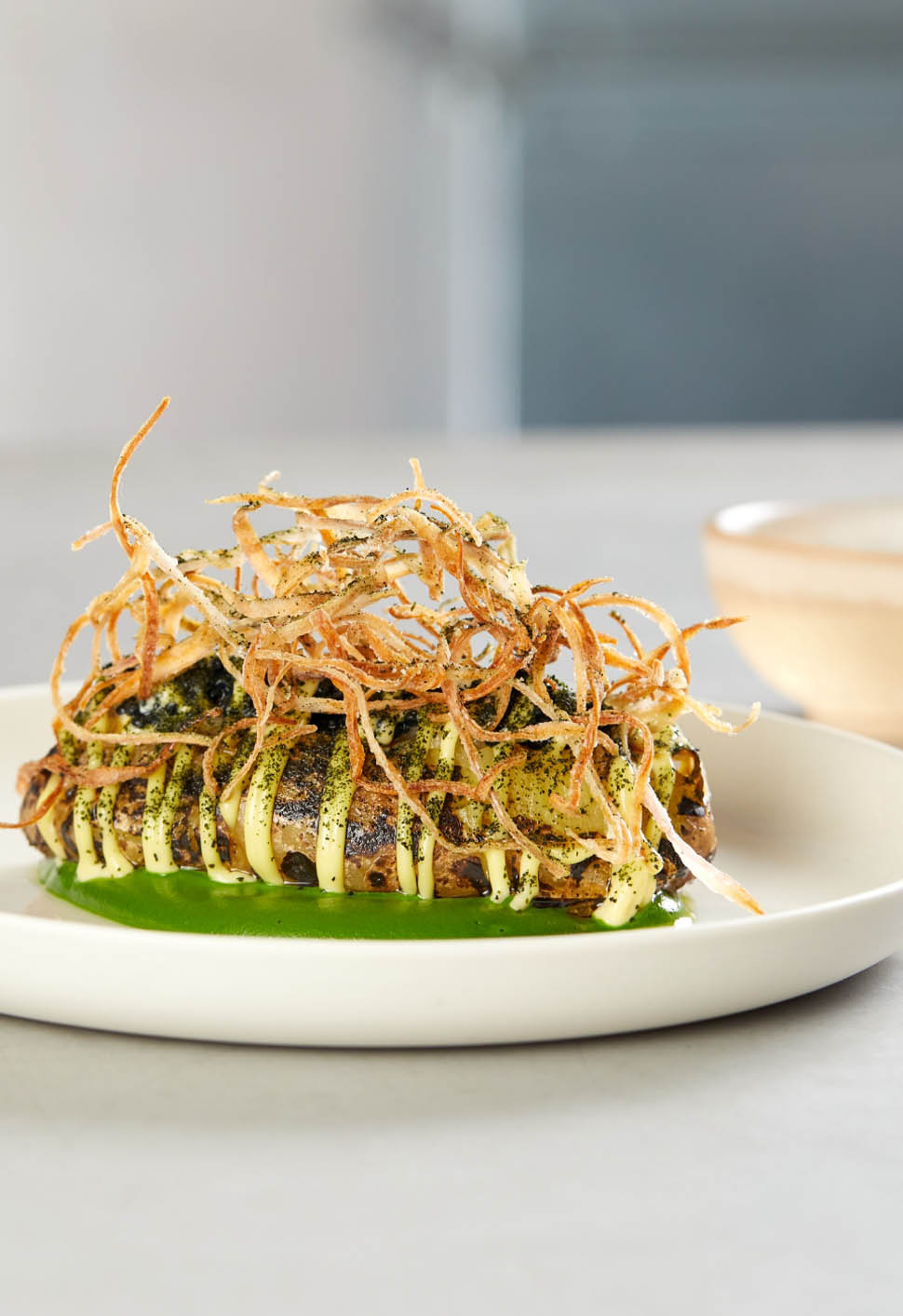
This openness is one of the reasons why Michelin has described Plates as a place with a “natural, earthy vibe,” where vegetables receive rare, almost devotional attention. It's not about replicating the shape of a steak or imitating a fillet of fish; the ambition is different. “We're not trying to replace meat or imitate fish,” explains Haworth. “We value acidity, umami, and those layers that keep the palate alert.” It's a way of cooking that doesn't declare war on anyone, but seeks to build a new lexicon, free from the obligatory references to traditional cuisine. The starting point for all this, however, was not theoretical. It was personal. Haworth, who had honed his technique in some of the most demanding kitchens on the international scene, found himself having to completely rethink his relationship with food when he was diagnosed with Lyme disease more than ten years ago. The symptoms confined him to bed for months, and it was during this time that he began cooking without meat, dairy, or refined sugars, searching for a way to manage his chronic inflammation. A choice born out of necessity then turned into a true culinary vision: experimenting, tasting, re-educating the palate to a taste that did not need to rely on animal proteins to be intense, complex, and convincing.
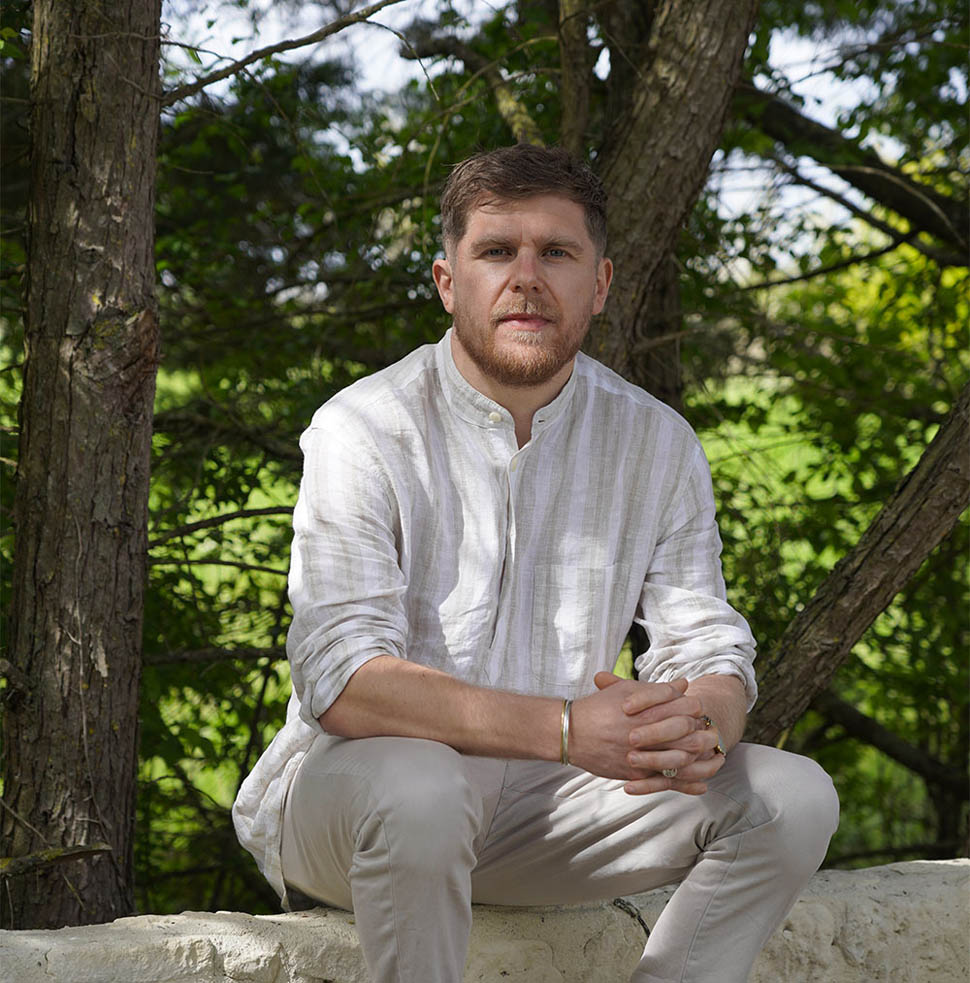
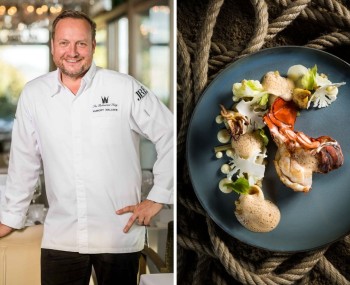
That personal experiment, cultivated over years of pop-ups and field trials, found its definitive form with the opening of Plates. A project that matured slowly, almost like controlled fermentation. Today, the result is a restaurant that has the solidity of a safe place, capable of attracting a constant, curious, and knowledgeable audience. Reservations are full until the end of March, and the flow shows no sign of slowing down. All this in a country where the vegan population does not exceed 3% of adults. This fact makes Plates' growth even more interesting to analyze: customers are clearly not looking for a label, but a taste experience that surprises them. And surprise is one of the pillars of the offering. Just look at one of the signature dishes of the season, Cornish potatoes with toasted hazelnuts and sweet and sour apricots: a chromatic and aromatic construction that seems designed to challenge the still deeply rooted idea that vegetables are a supporting player. Here, they take center stage, but without rhetoric. Each element speaks for itself, suggesting that fine dining with vegetables has nothing to prove, because it works when it's done well, period.
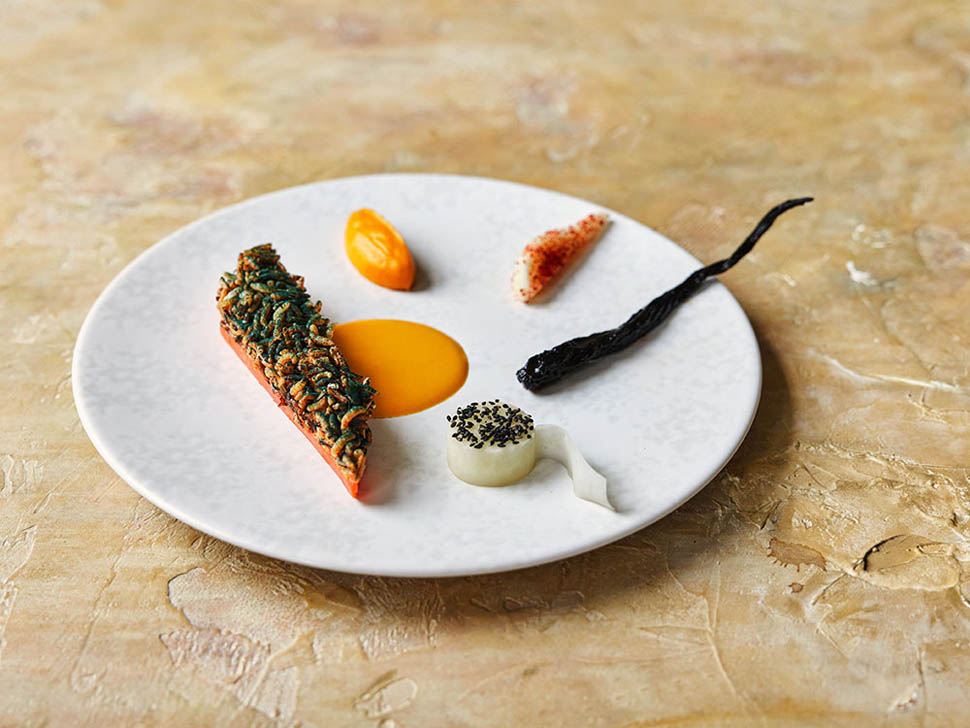
The public, for its part, immediately grasps this intention. Many guests arrive cautiously, perhaps driven by the star's fame or curiosity, but then allow themselves to be surprised by a taste they did not expect. Haworth tells of a customer who, halfway through dinner, told him he felt like “a changed man.” Not so much because of a sudden ethical conversion, but because of the realization that a completely plant-based dish could be so rich, incisive, and memorable. It is precisely this cultural shift that makes Plates a case study: it demonstrates that contemporary plant-based cuisine does not need to use the language of deprivation, but rather that of balanced opulence, aromatic depth, and refined technique. By awarding the star, Michelin has sanctioned the value of this approach. Haworth does not see this recognition as a goal, but as confirmation that the direction taken is solid. And when he talks about the future, he does so with the same sobriety that characterizes his dishes: no expansion, no second location, no rush to open more restaurants. The goal is to perfect, to make the experience even more precise, more consistent, more incisive. Perhaps, one day, to achieve a second star. A possibility that seems less utopian than one might imagine, given that Plates has already overturned a series of preconceptions rooted in British cuisine.