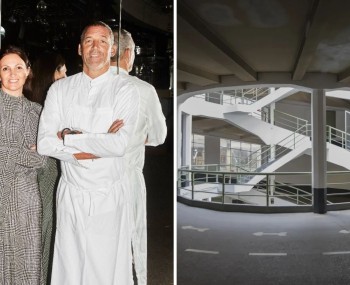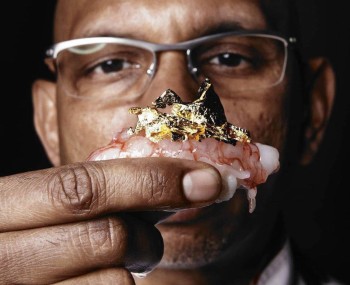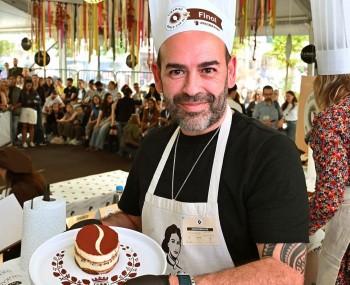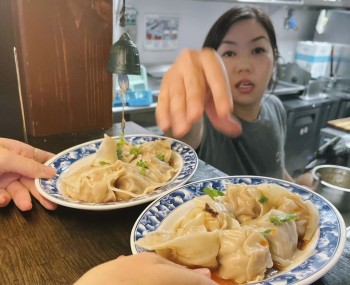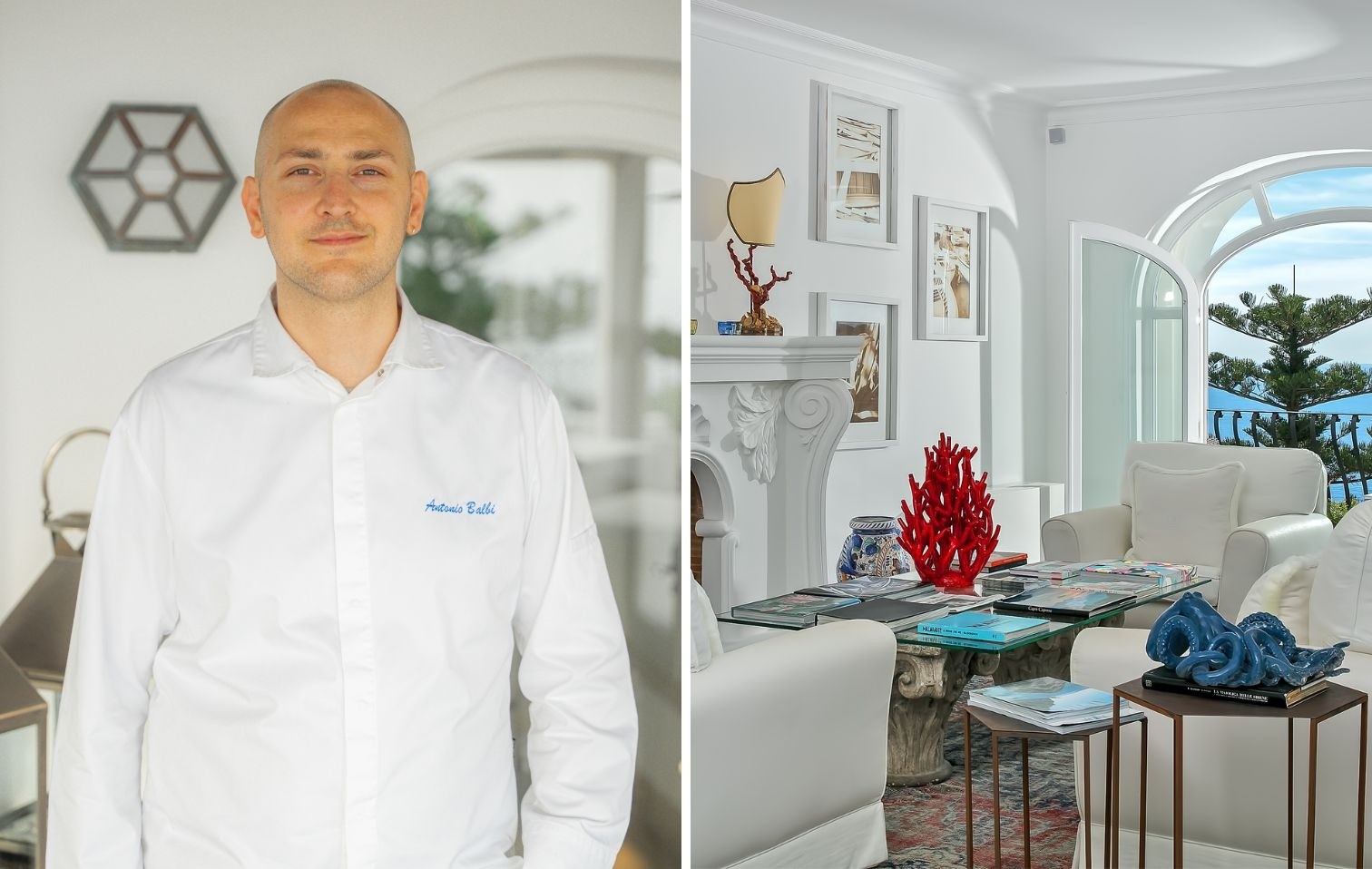
In Capri, the Esposito family has transformed their family home into a luxurious 5-star gem. The added bonus, besides an almost extinct authenticity in their human approach, lies in the menu created by Antonio Balbi, a fisherman by choice and chef by vocation. His journey offers a unique experience—in the Mediterranean and beyond.
The hotel
In Capri, that great open-air showcase, the jewels on display to the public are actually only a small part of the overall wealth: you just need to know where to look to become a treasure hunter, avoiding the stage effects that conceal the true mood of island hospitality. Thus, along a gentle slope, slightly away from the glitz of the main street, you will find the places most geared towards a leisurely vacation—a handful of cozy residences where “luxury” means “tranquility” (both external and internal). Here, La Minerva plays hide and seek, a house that has become a hotel and a hotel that remains a house, because the family that created it has always put the rituals of hospitality before budget meetings in front of a monitor.
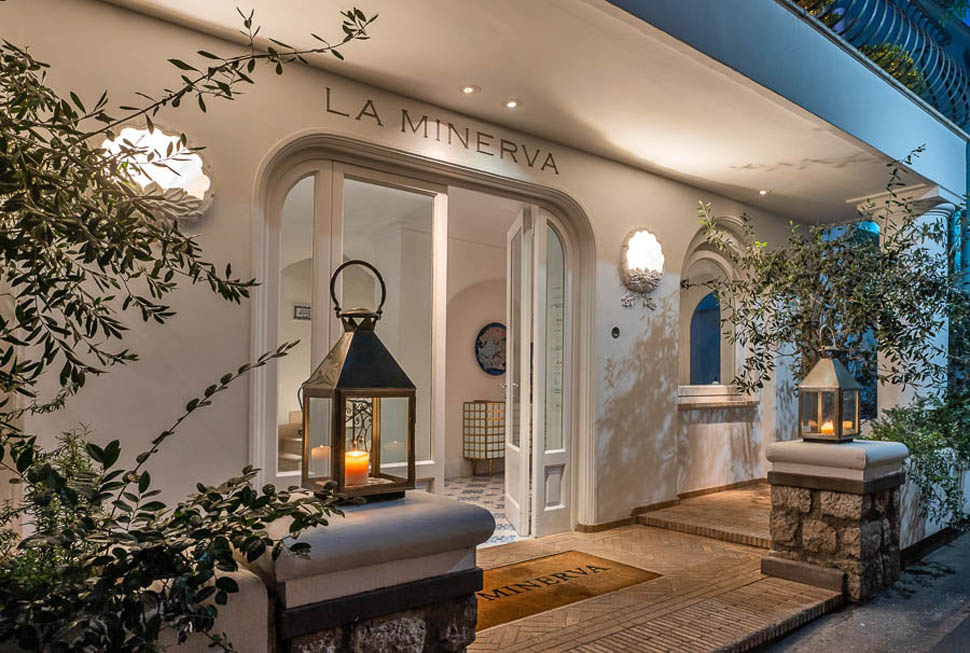
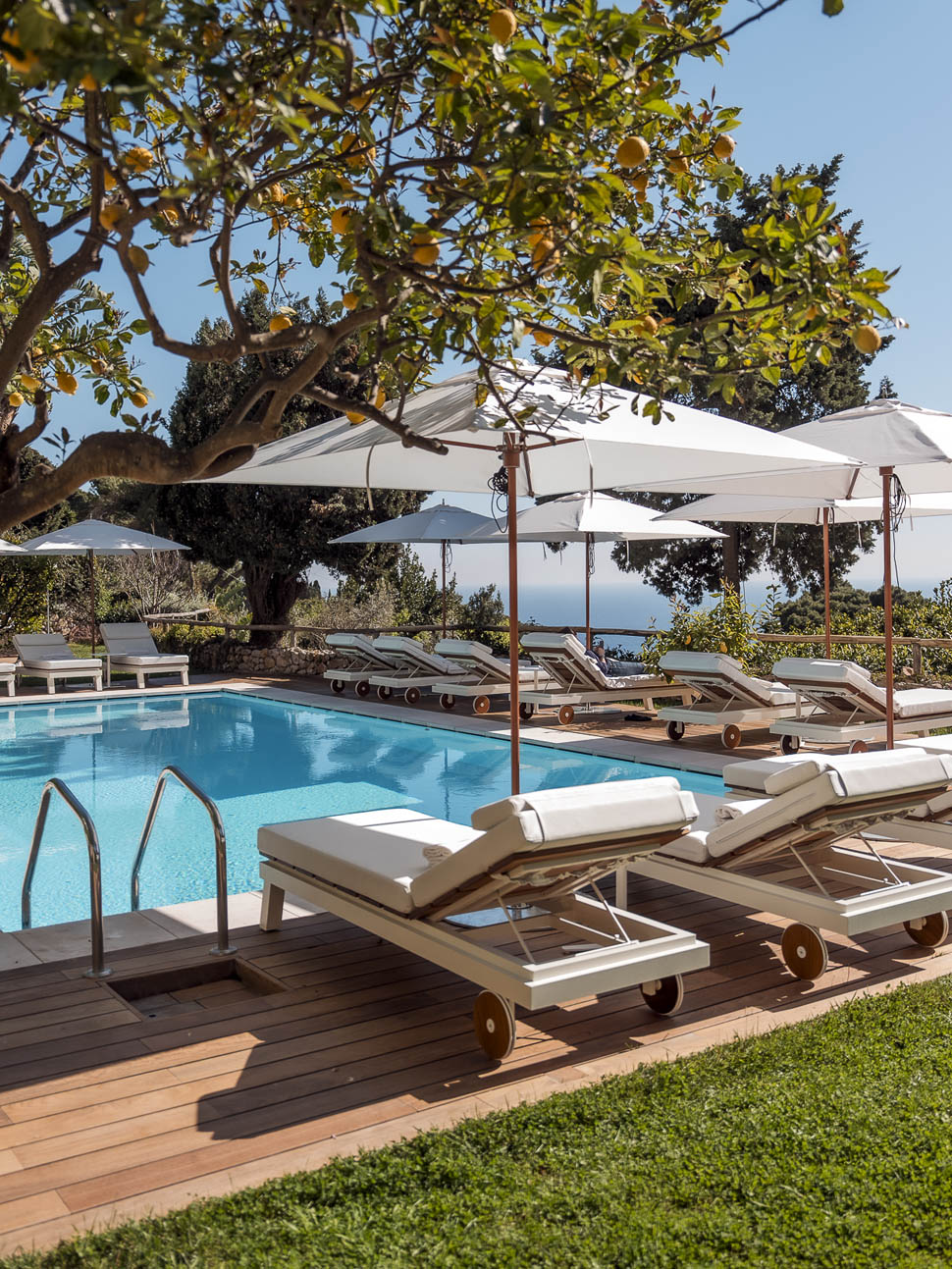
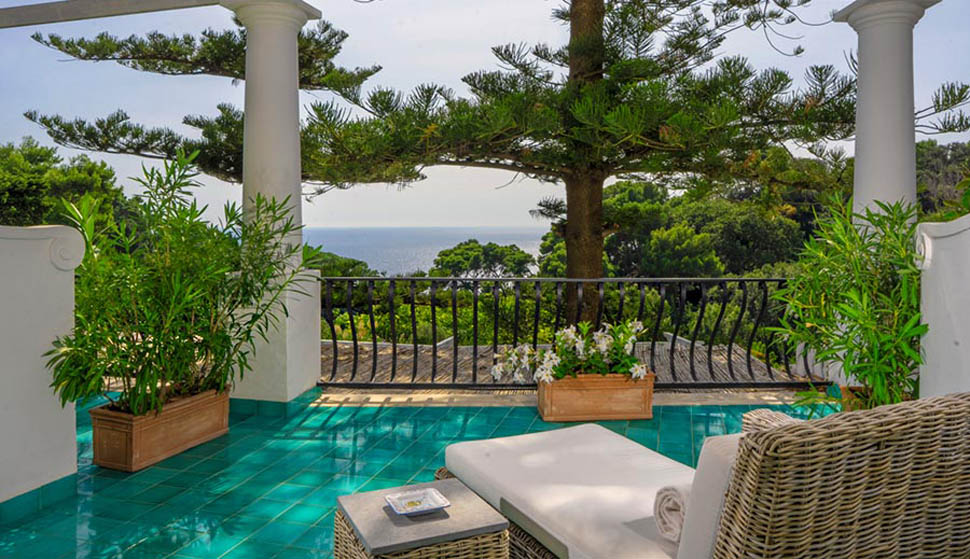
No commitment is necessary: the latest arrival suddenly finds himself chatting with the brothers who run this little refuge nestled among the ups and downs of the quiet streets, forgetting his phone on the desk while bar manager Saverio prepares a welcome lemonade. The conversation flows naturally between sips and glances at the terrace, where the greenery rivals the blue hues of the outdoor pool: “This was the home of our grandparents, Luigi Esposito and Laura Cannavale: he was descended from flower growers and potters, she from hoteliers.” In essence, a sort of yin and yang: from nature to design, from plants to architecture. Together, they open their doors to the growing flow of tourists, building a business based on humanity. Little by little, La Minerva moves up a gear, incorporating marine paintings, refining the rooms, and after three generations of shared efforts, displaying the much-coveted five stars above its doors.
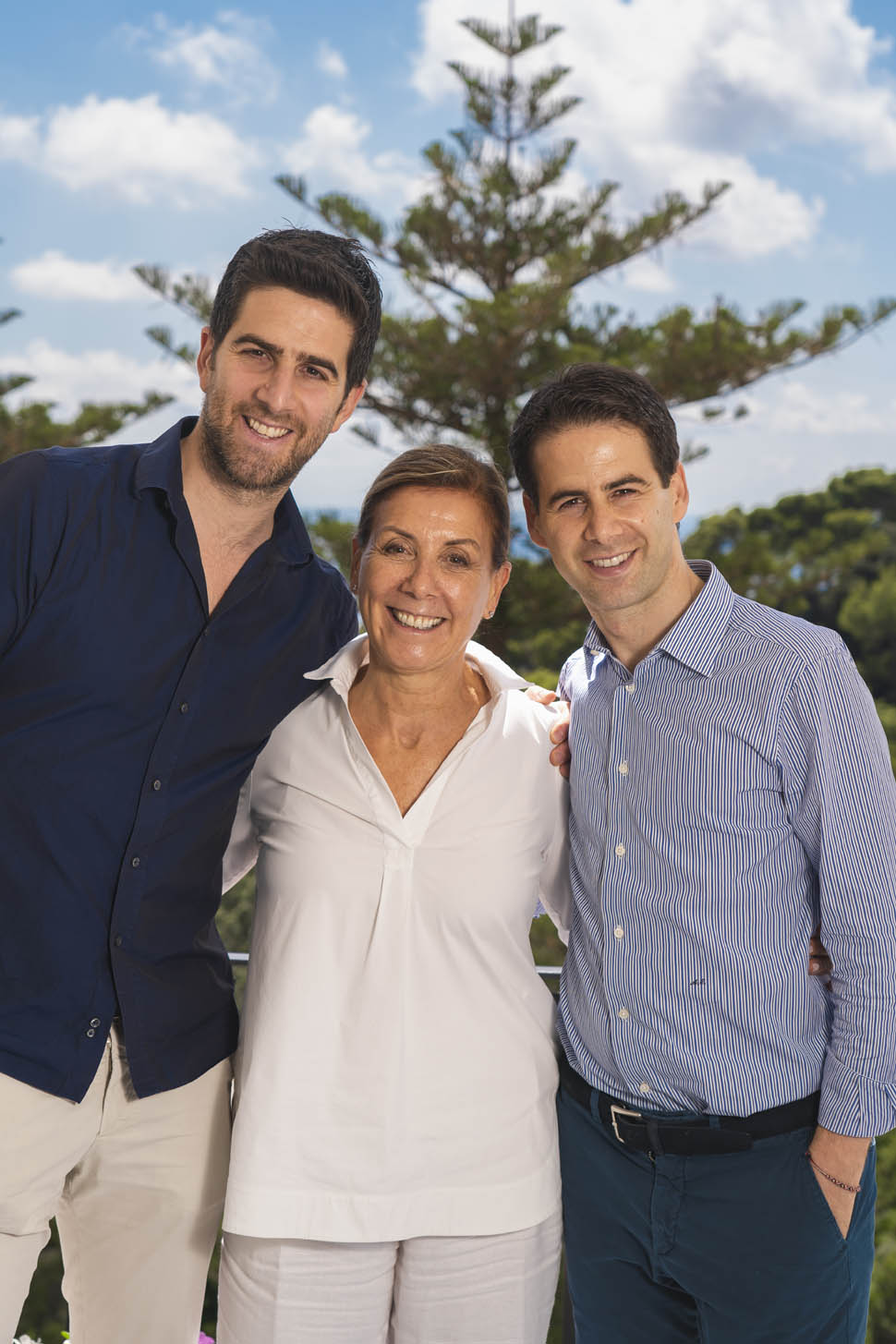
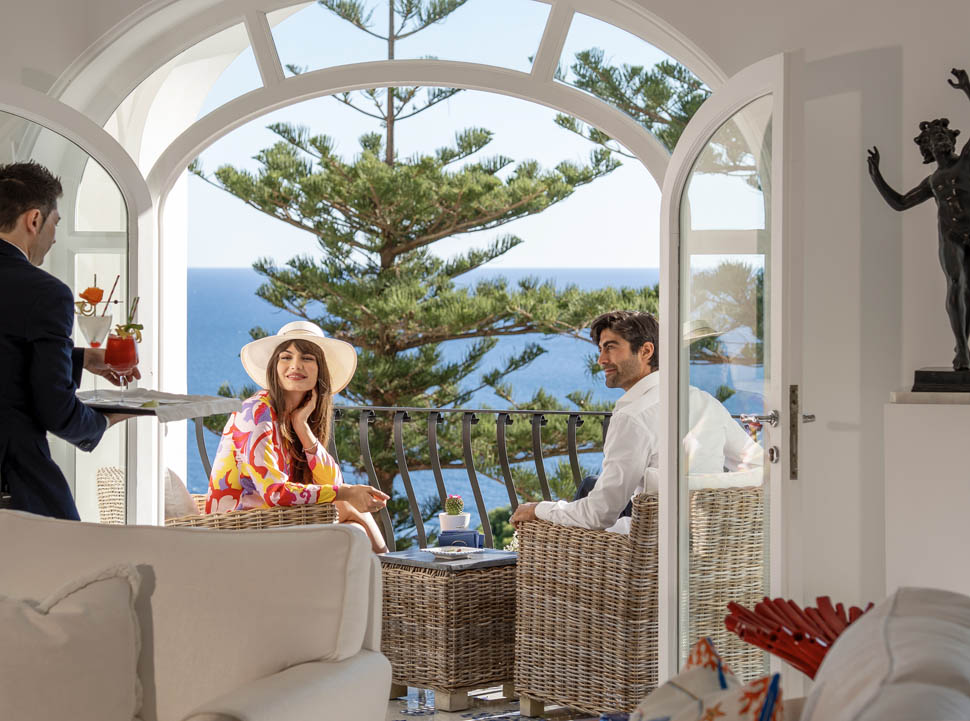
A small-scale action plan, given the 19 rooms and the loyal guests who rebook after just a few months, feeling at home even when the breakfast staff call them by name. Next to us is a family studying an illustrated map for visiting Anacapri - “but then we'll come back for lunch,” because afternoons spent in the lounge listening to the crew's travel stories are never too many. It feels like being on the open sea, not in the usual fluorescent tropical aquarium. And when it comes to adding a place at the table, the Espositos call on a chef who knows his business.
The restaurant and the chef
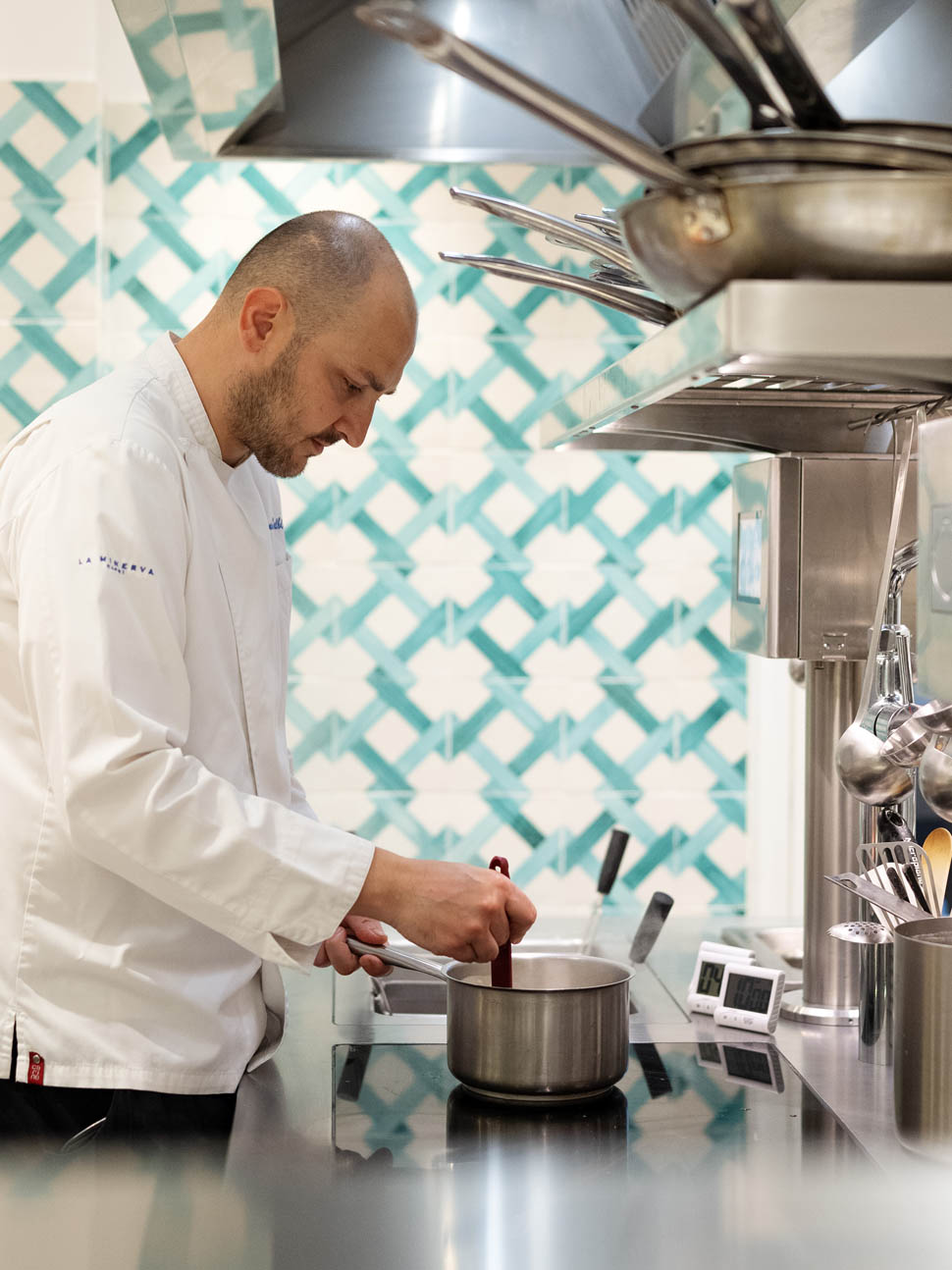
From Torre del Greco to Japan, from French haute cuisine to Capri: Antonio Balbi has the makings of a globetrotter who stitches together fragments of the world, covering the table with a beautiful cultural fabric. At Minerva, he wears the jacket of a fishing enthusiast beyond the routine of the stove: the strength of the menu lies in knowing how to return the spoils of the deep with the touch of someone who knows their value. It is no coincidence that, during the course of the meal, a “fil bleu” unfolds, capable of targeting the neurons and taste buds with a single sequence of dishes, confirming how often the exercise on the international target brings more awareness than the niche group on a trip.
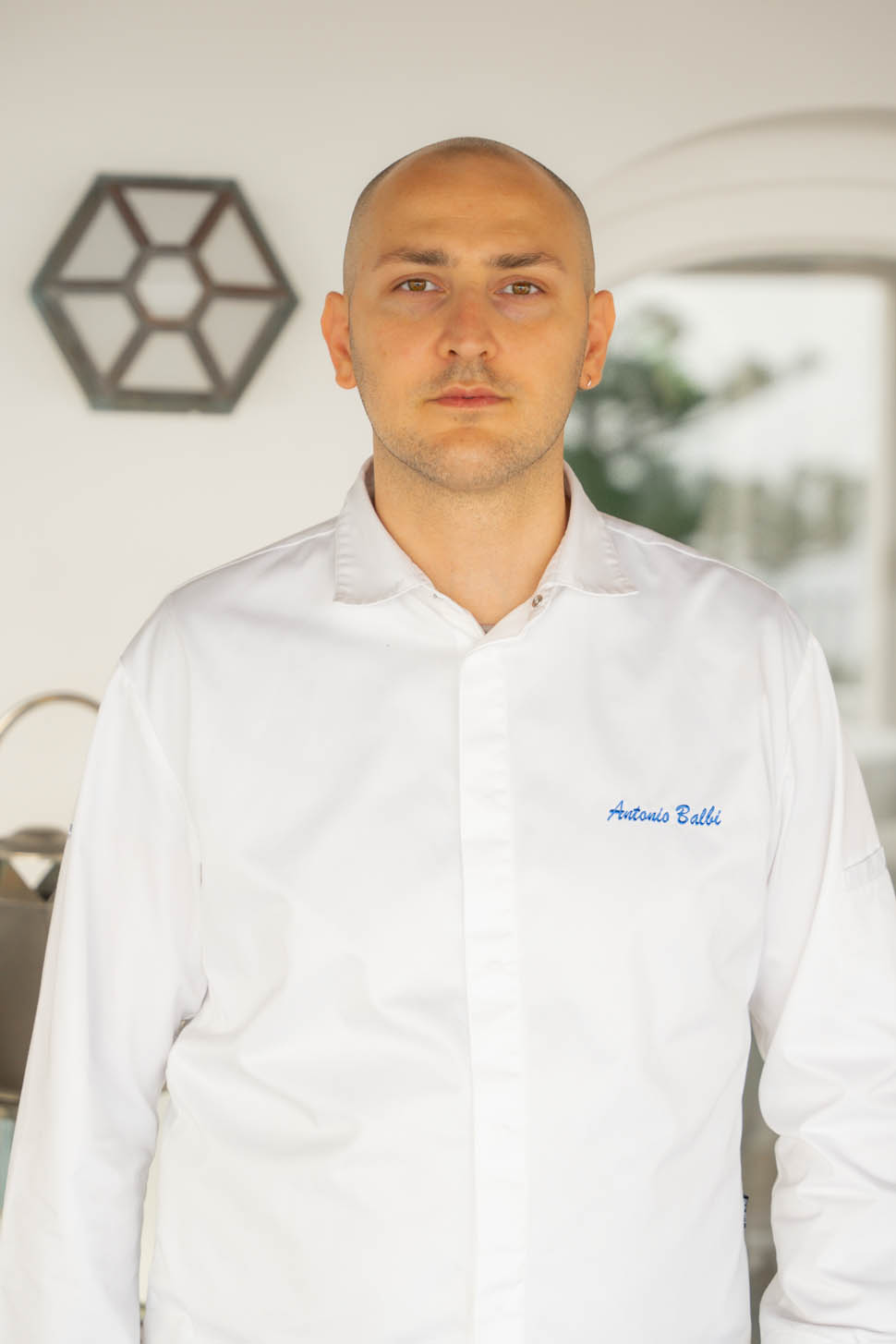
Yes, because with every change of season, the restaurant welcomes guests from Europe, Asia, and the United States, who are sometimes inclined to give the kitchen staff carte blanche and other times to request local specialties in their “natural” version. So Antonio pricks up his ears and picks up on the desire of the moment: "For me, it's important to satisfy the customer no matter what, just as I would with a friend invited to dinner. Listening to the guest comes before tasting, not the other way around."
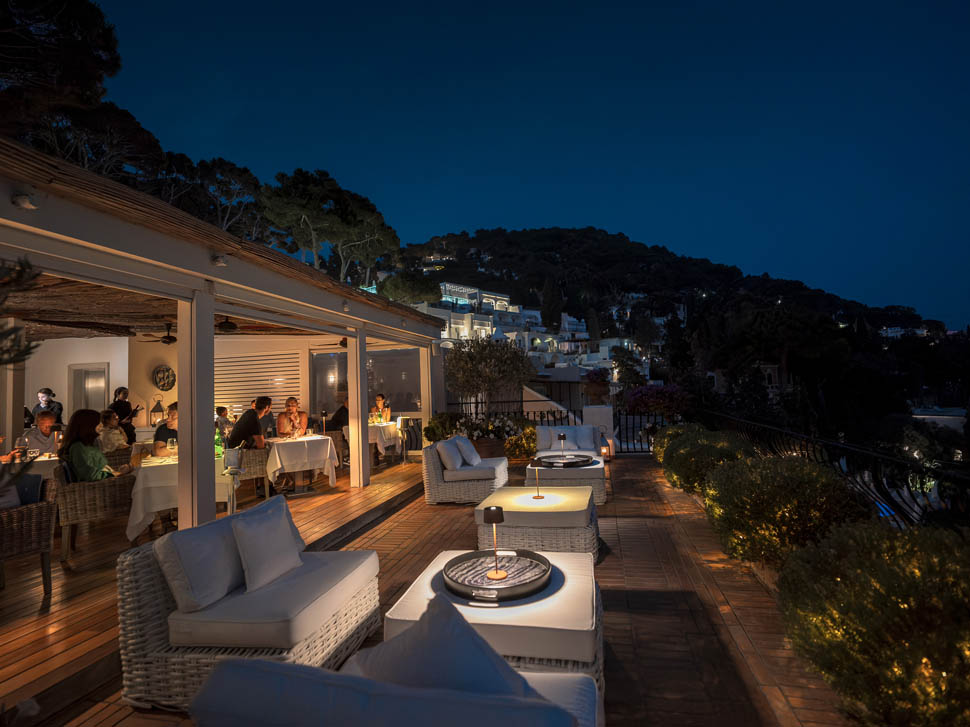
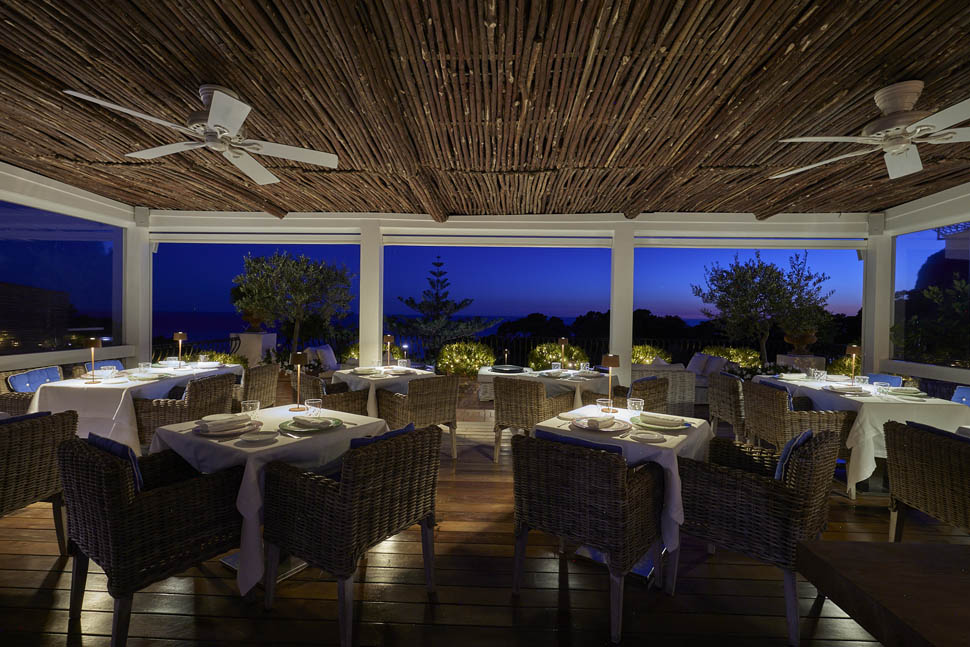
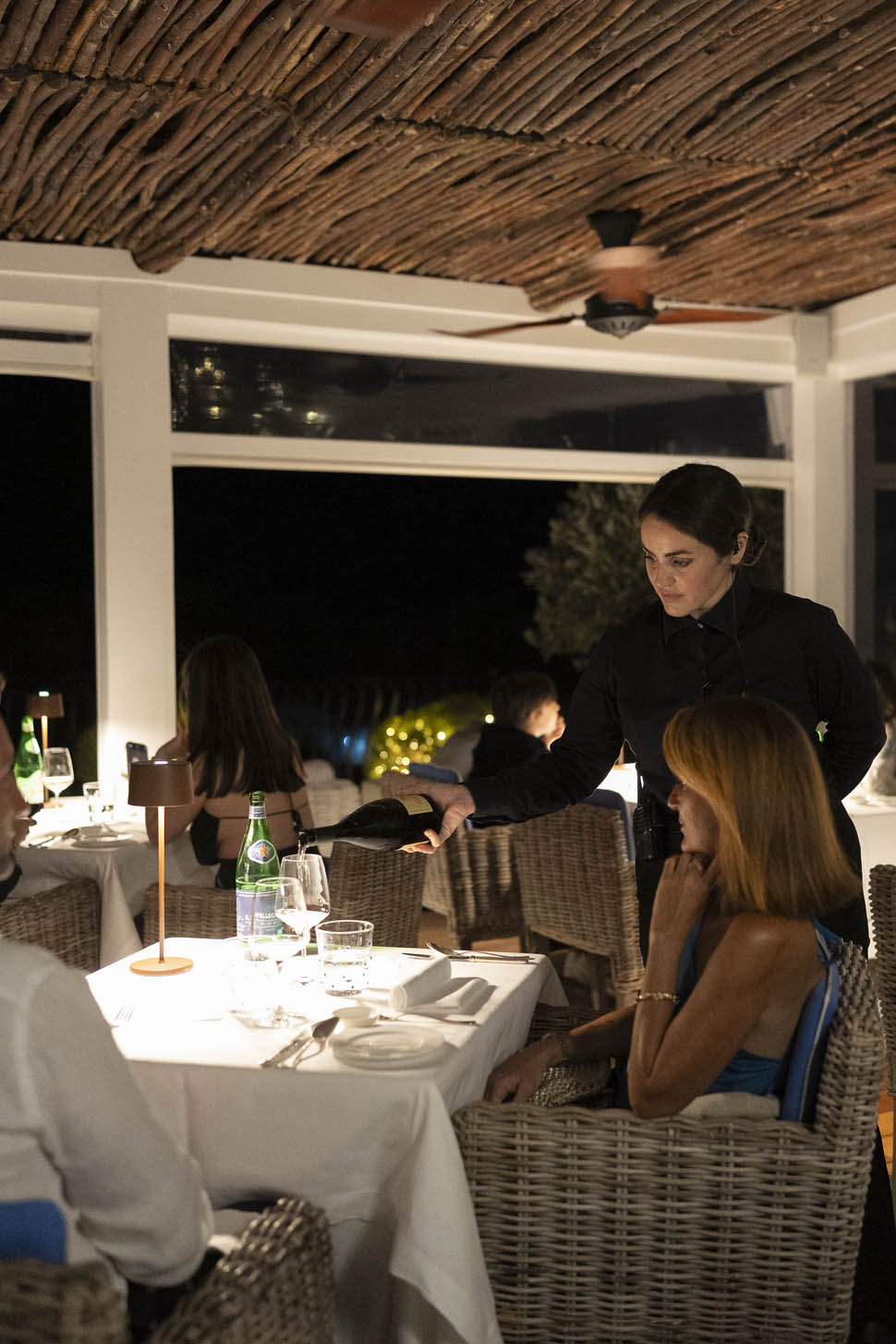
We see the result in the dining room—run by the skilled maître d' Giusy Fabiano, ready to “push” a wine cellar with several unconventional references—and in the tasting menu composed of the most sophisticated dishes; the chef manages to strike a balance between ingenuity and enjoyment, occasionally using Asian techniques and fermentation to enhance the perception of the product. But let's get to the point: imagine a rooftop warmed by sandy tones, with spaced seating and glass windows opening onto the landscape (in our case, lunar); this will be the starting point for a unique regatta, in the Mediterranean and beyond.
The dishes
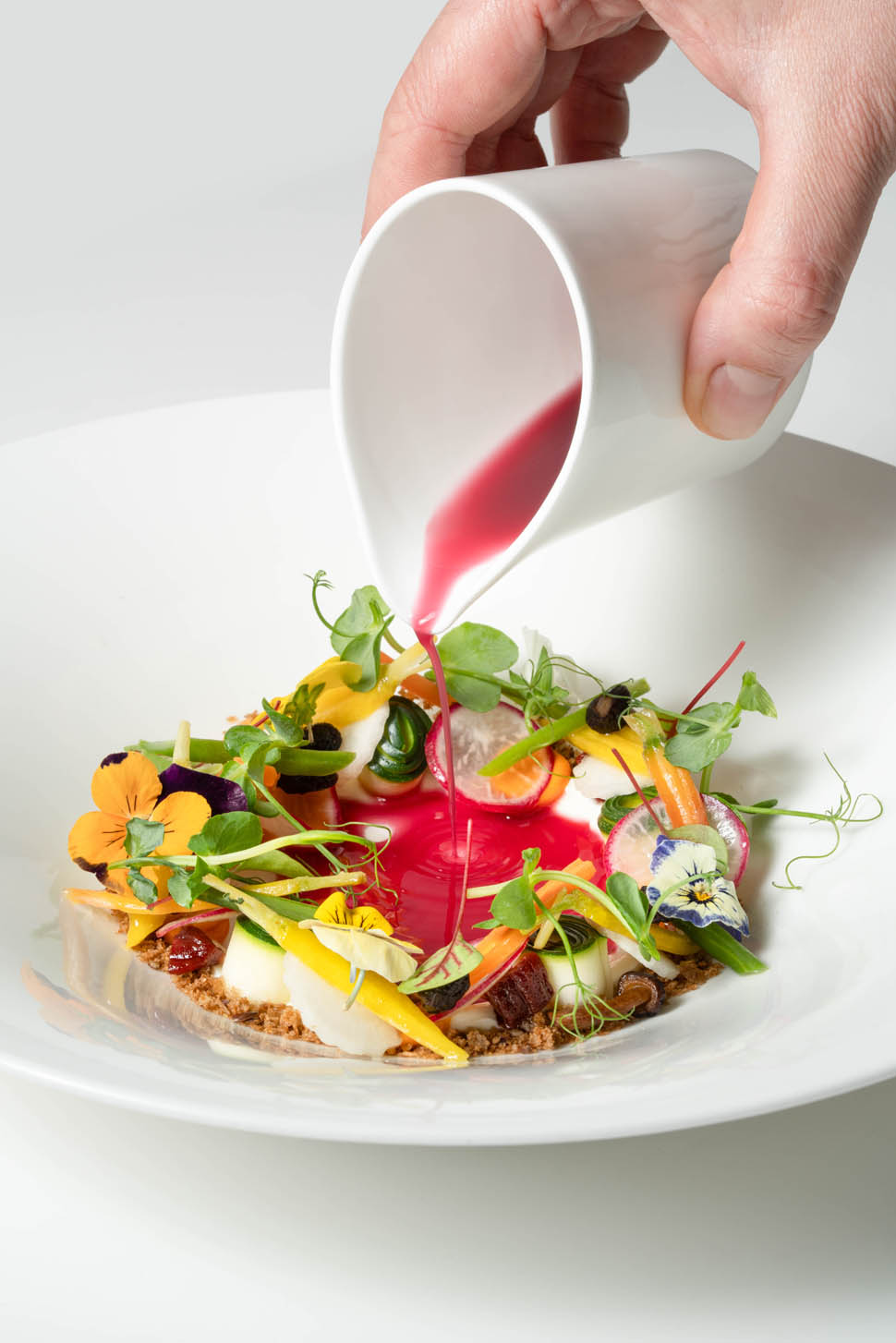
The amuse-bouches are a guidebook for gradually immersing yourself in the heart of Neapolitan cuisine, starting with the Ricordo di pizza margherita con provola e pepe (Memories of Margherita pizza with provola cheese and pepper) - actually a small ball topped with basil that bursts in your mouth with a “one shot” surprise, simulating the typical topping of the pizza. The bougainvillea flowers with hints of tomato are intriguing, laid for the occasion on a tart filled with Parmesan cream, honey mushrooms, and summer truffles. After that, we prepare to set sail for new shores of persistence, thanks to the striking entrance of the Ventresca di ricciola marinata in salsa ponzu al pomodoro, capperi fritti e basilico (yellowtail marinated in ponzu sauce with tomato, fried capers, and basil). Three key ingredients, 24 days of marinating the fish with kombu seaweed leaves and the intuition to replace the yuzu in the Japanese sauce with lacto-fermented tomatoes: the result is a starter that splashes around in memories of the South, yet seeks Eastern minimalism in its aesthetics.
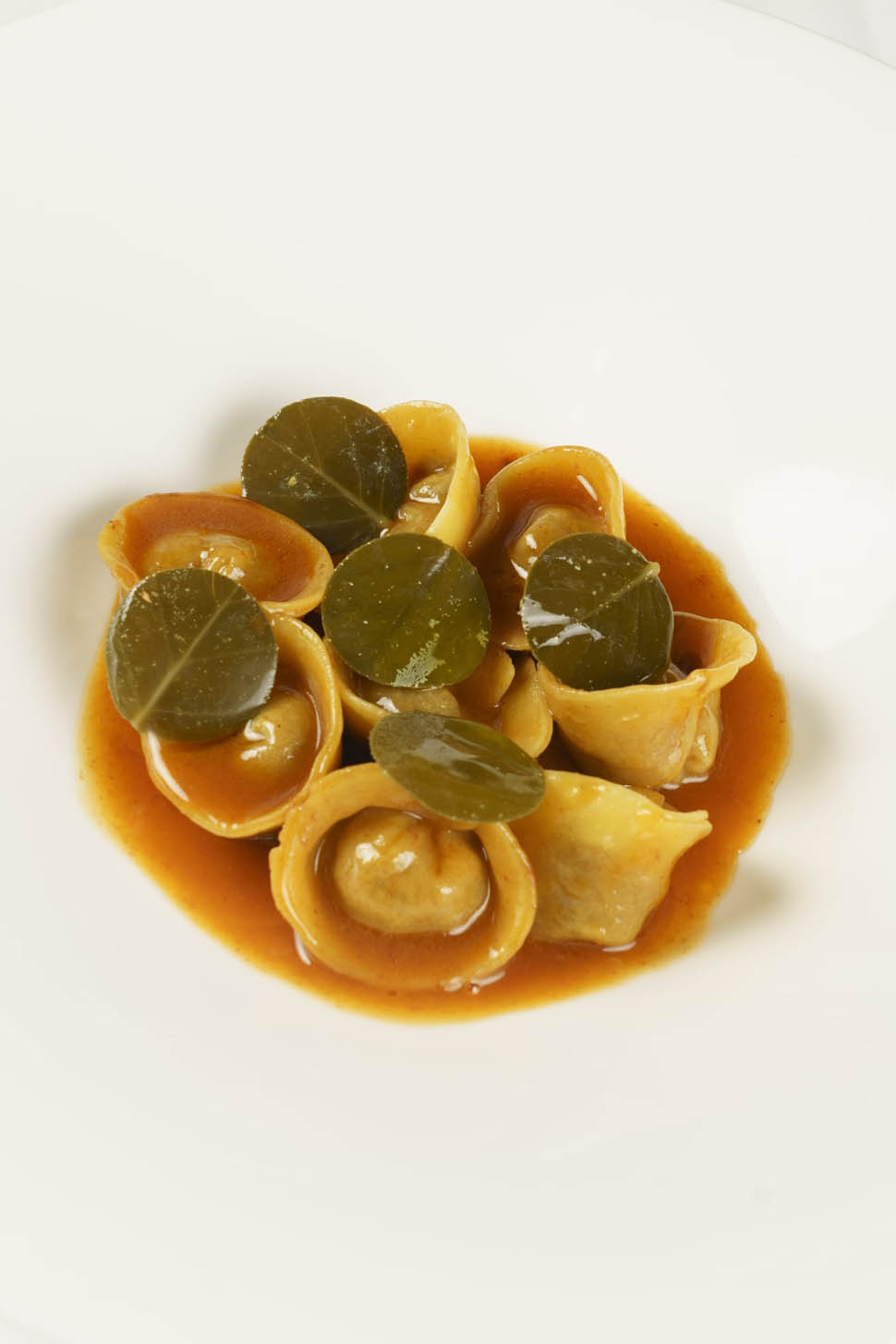
From amberjack to tuna, it's a short step: “I particularly love the red one,” confesses Antonio, “because of the protein, which is similar to beef in specimens weighing over 70 kilos”. Hence the idea of leaving it to mature for about ten days, "so that it loses most of its iron content. Cooking it together with Montoro onions, I obtain a filling for fresh pasta, and here is my Cappellaccio alla ‘genovese di mare’." In the egg yolk pasta shell, it really seems like you are discovering a beef filling: a small illusion tempered by the fermented caper leaf, so that the acidity contrasts with the fats of a first course that is pleasantly rounded in itself.
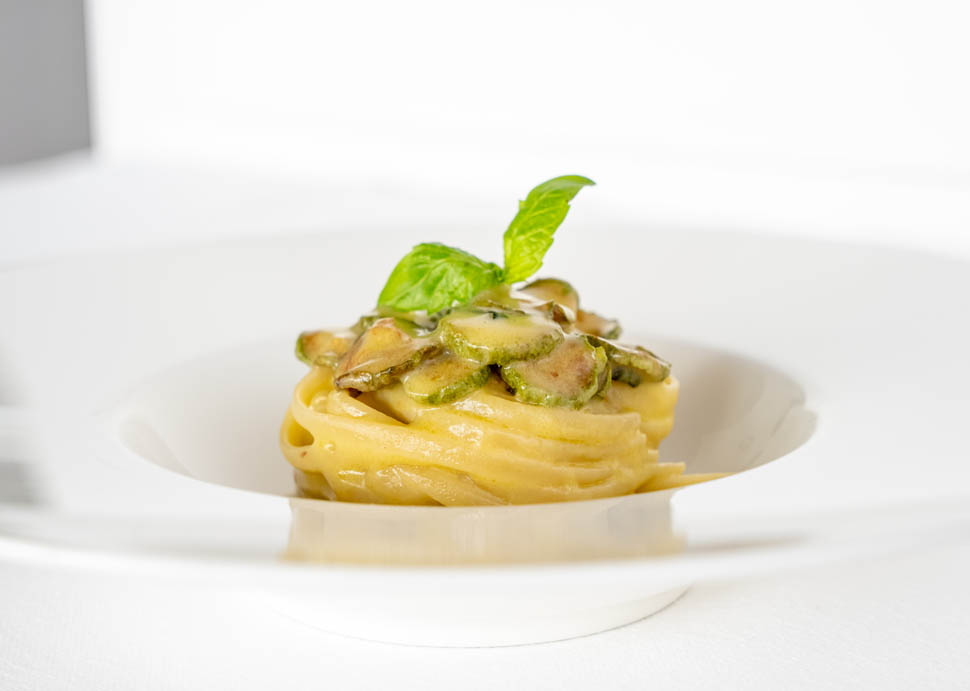
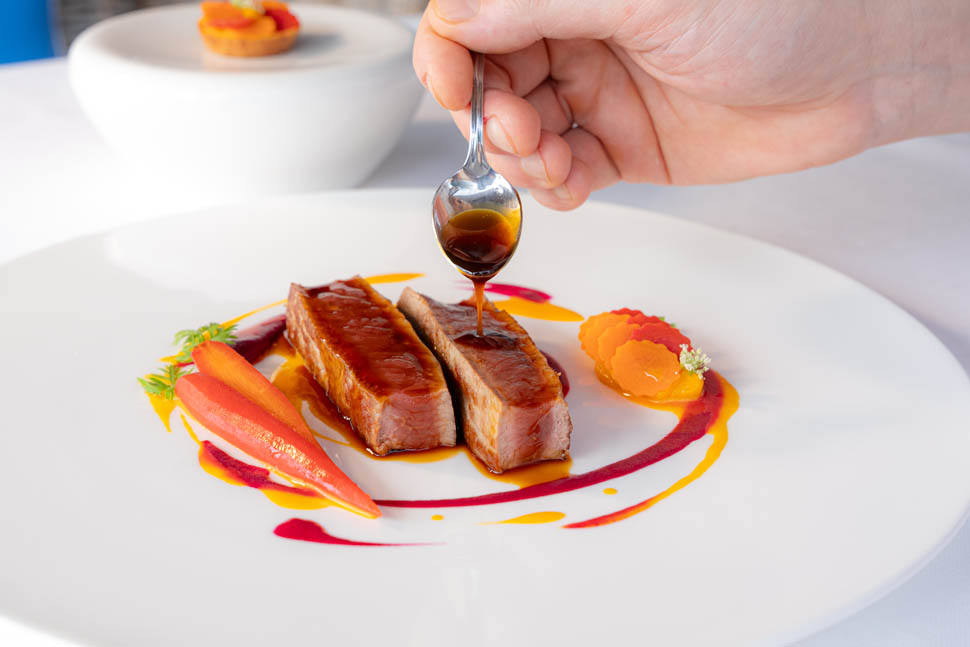
Furthermore, the Tubetto proposed with black squid from Capri, “rare and almost impossible to find, as they live at great depths: only expert fishermen can catch them”. The chef therefore works on bonds of trust, knowing that he can play a powerful card: "Hthey have a characteristic pungency that is worth the risk. I balance them with a soft bean cream, rosemary oil, and razor clams, a rather sweet seafood compared to clams, for example.". On the other hand, it is precisely the clams that provide the counterpoint to a risotto with a lively visual imprint: the one prepared with lemon, shallots, arugula sauce, and fermented lemon powder. The whirlwind of tartness arrives like a splash: two minutes inside the wave and you come out with the adrenaline rush of a dive into the open sea. Once the coastal tour is over, the meat is not long in coming: it is the turn of the Laticauda lamb cooked à la minute, softened by the enveloping flavor of red turnips kept in salt for a long time; the bitter sprint comes from a grapefruit, carrot, and orange sauce reduced several times.
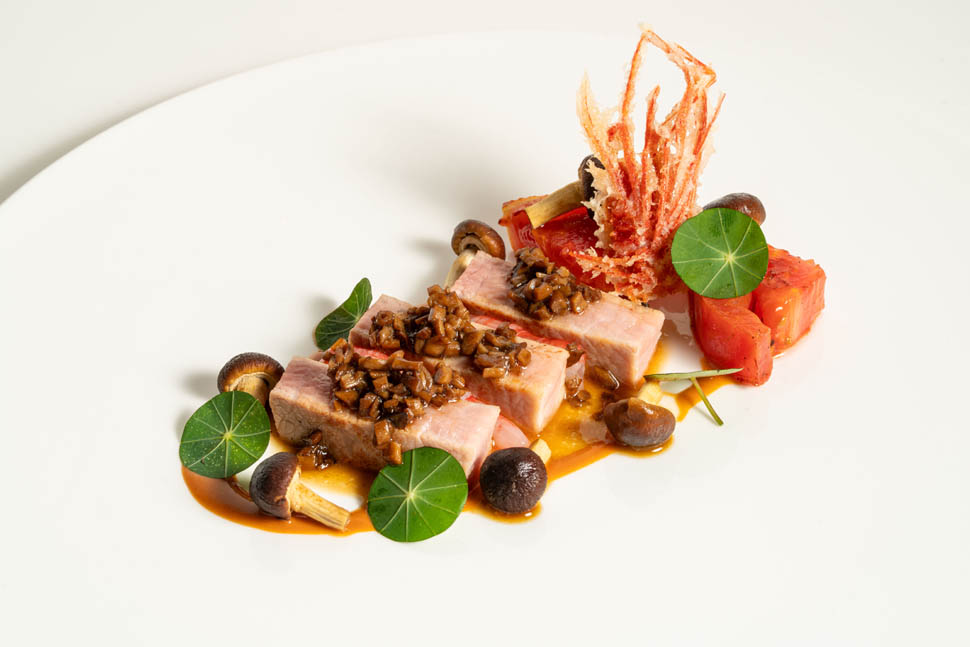
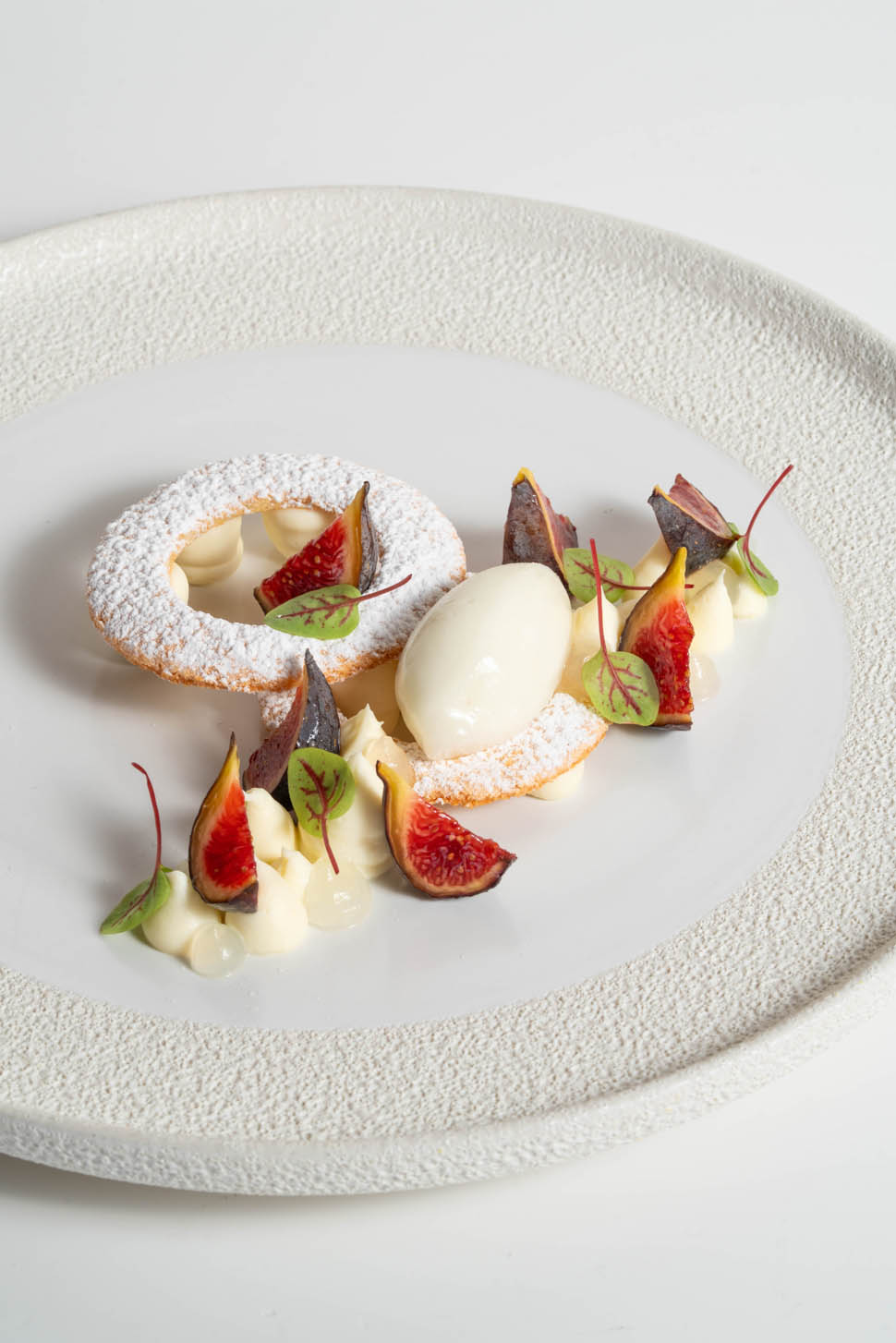
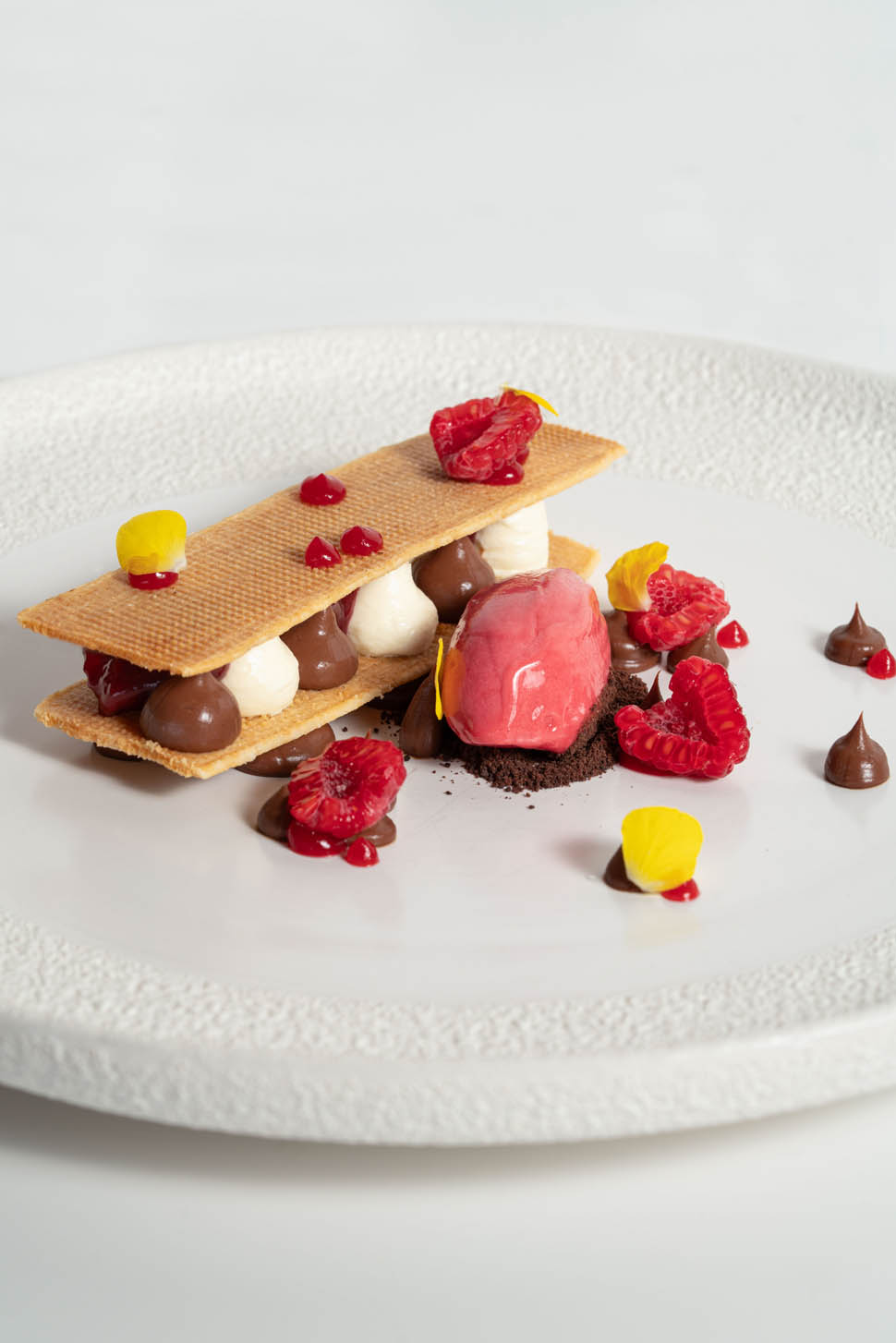
The coalfish and summer truffle is also noteworthy, with excellent use of sulfur on delicate fish. Desserts? "They are often suggested to us by our guests, given that our mantra is to reuse every single surplus from the kitchen. At the request of a customer who only drank buffalo milk, we searched the Paestum pantry and came up with a dessert of figs, lime, and crunchy almonds.“ ”Identity" is the invisible glue between the dining room and the suites, where you return with a different perspective of the island imprinted on your taste buds.
The hotel's surroundings and experiences
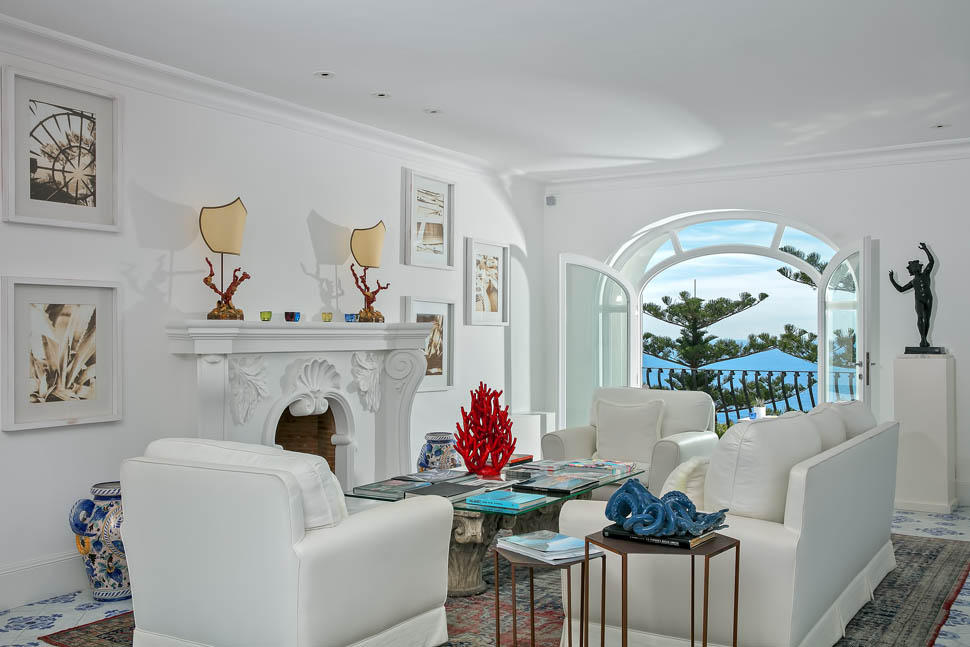
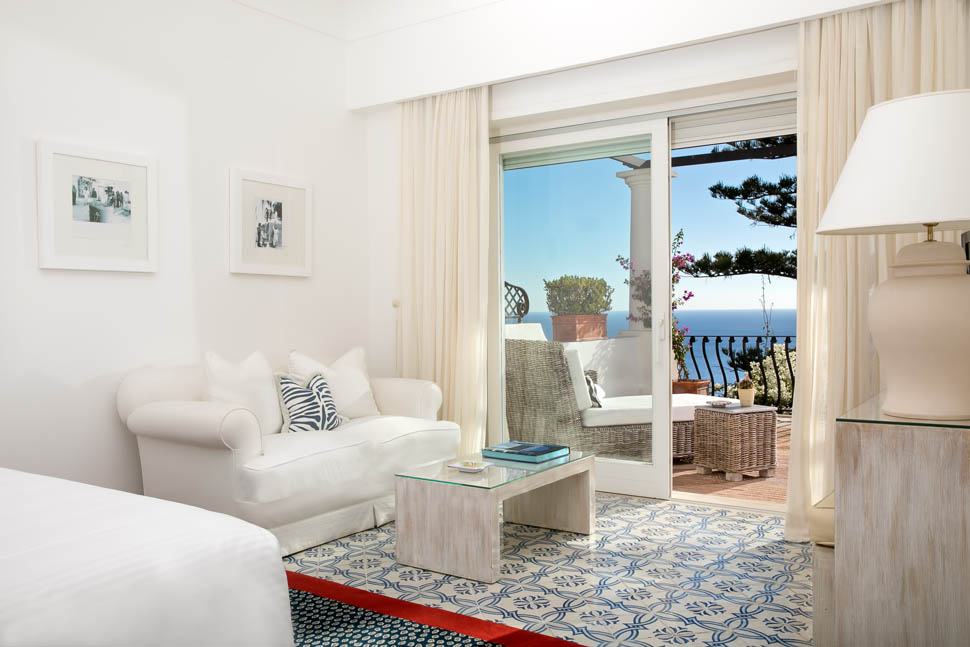
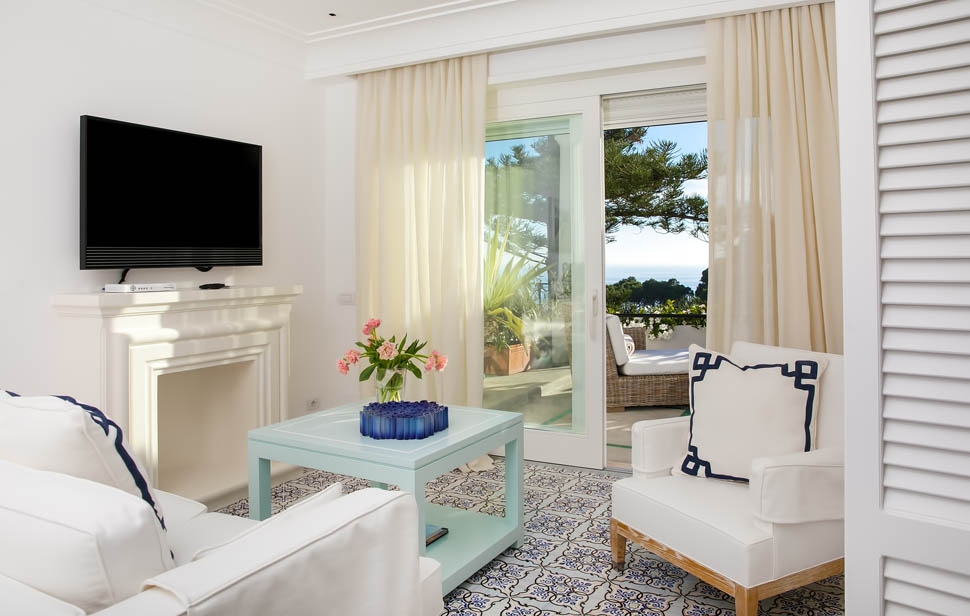
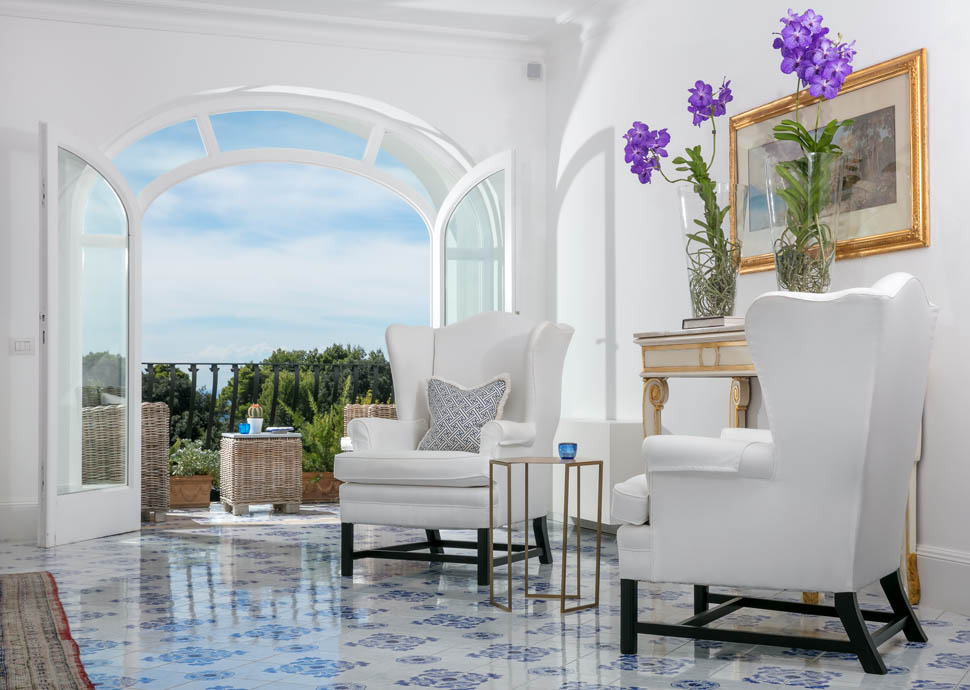
At La Minerva, the first advantage included in the package is the large number of terraces and balconies, which extend the space of the rooms to the outside. However, the minimalist design of the rooms gives way to a dynamic lounge where statues, rugs, a fireplace, and a bar harmonize with each other, hinting at the island's flora. Here, everything changes depending on the light: at sunset, it seems like a completely different hotel from the one that welcomed you in the morning.
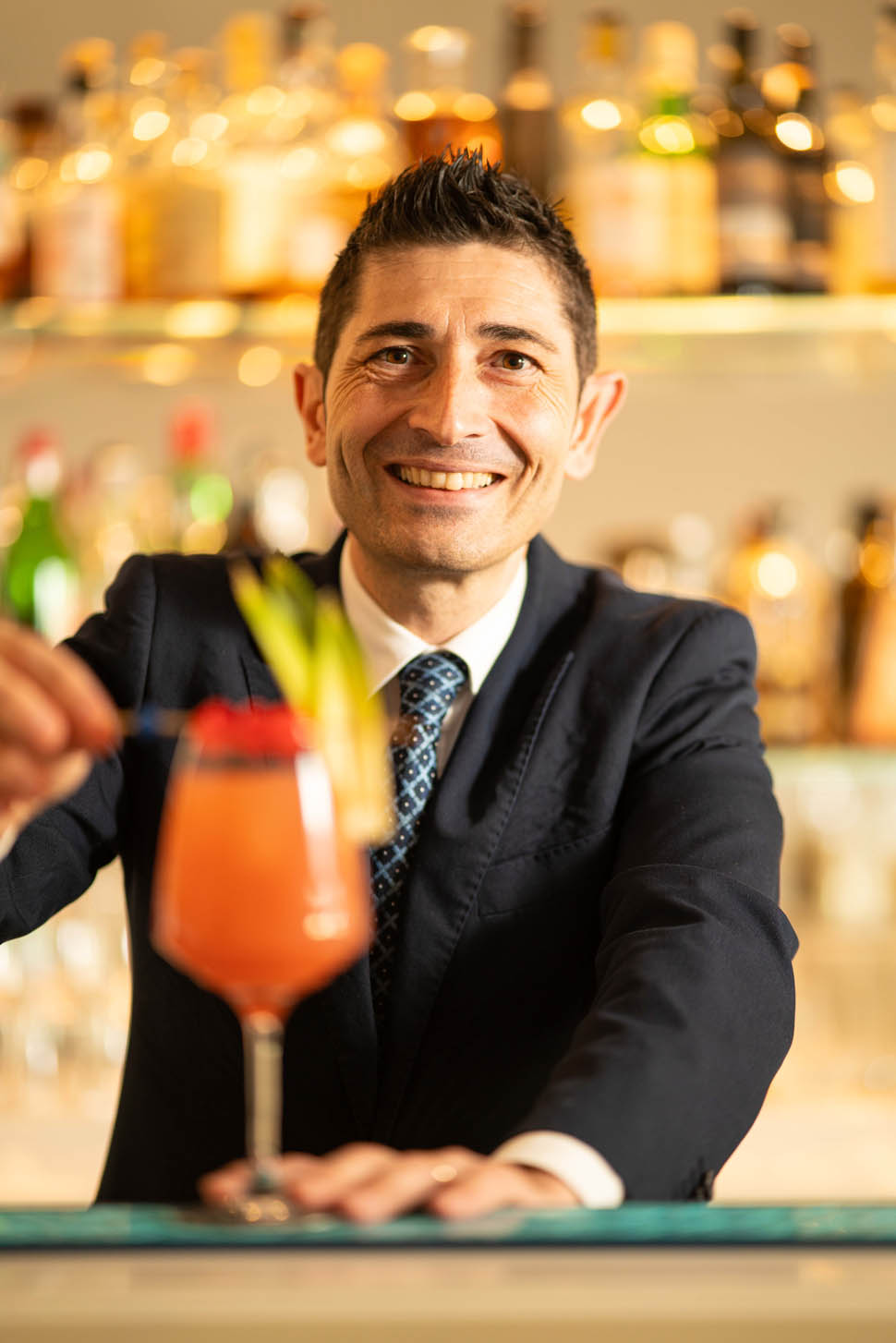
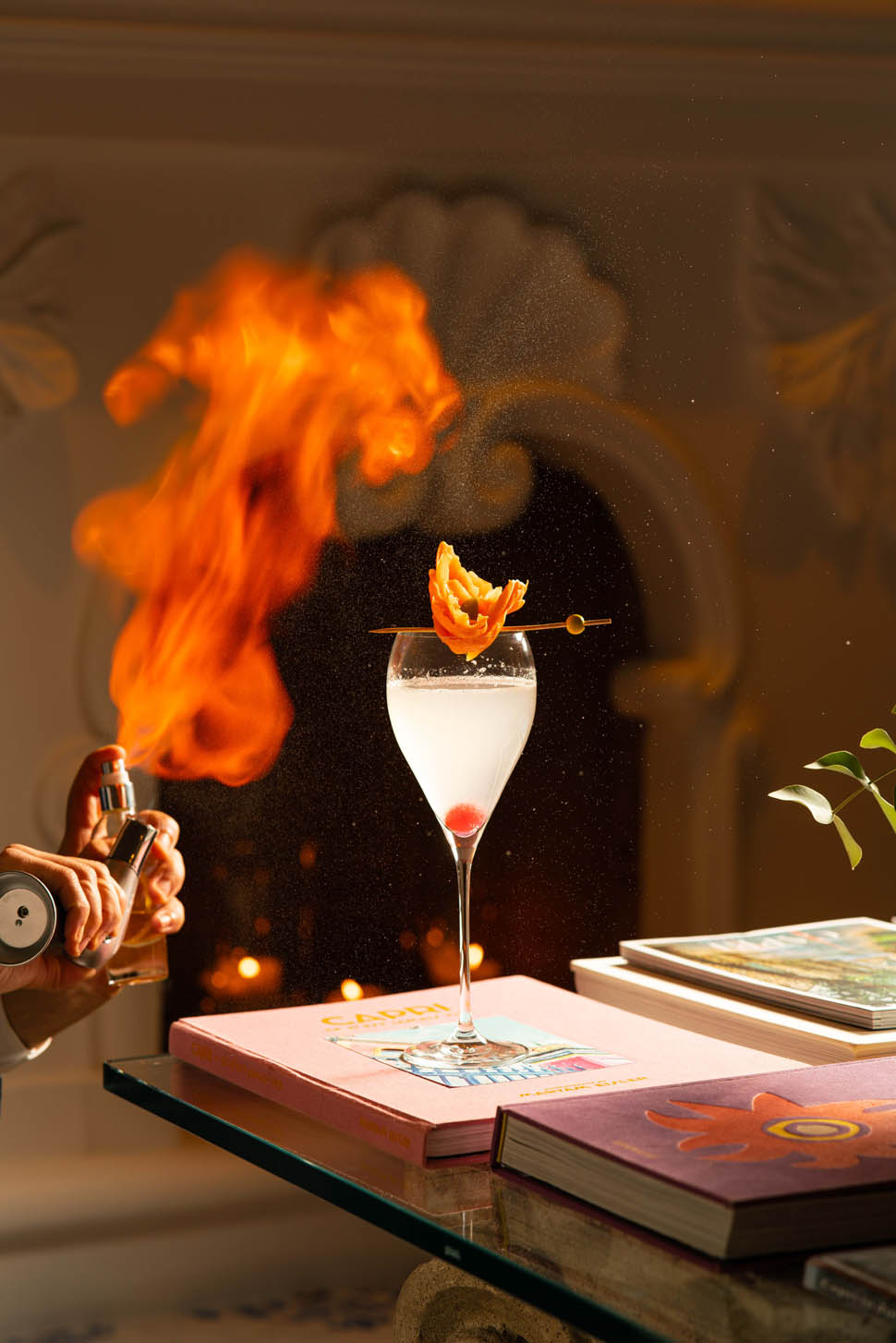
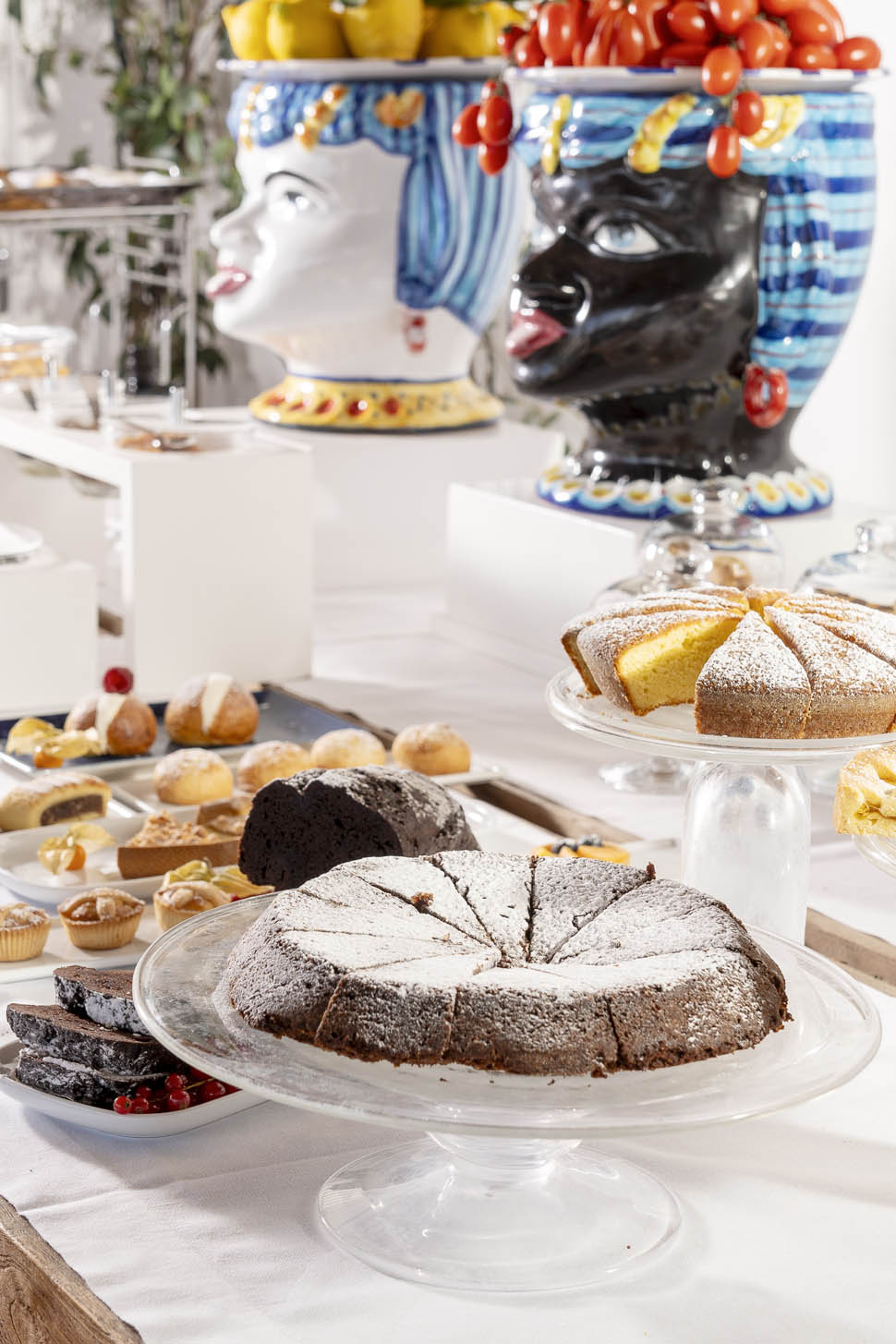
If you love drinks (alcoholic and non-alcoholic), take a seat on the sofas and ask bartender Saverio Franco to amaze you with special effects. Worth mentioning is the homemade clarified Negroni with red fruit mousse, dried orange, and Campari crystals to add a touch of bite. From aperitifs to cocktail pairings during dinner, satisfaction is guaranteed right through to breakfast drinks—see the freshly squeezed orange juice and hot foamed almond milk with a pinch of cinnamon, accompanying a generous portion of caprese or pastiera. Packing your bags for the return journey will be the only “downside” of your vacation, but there is a remedy: after all, you always return to places where you have enjoyed yourself.
Contacts
La Minerva
V. Occhio Marino, 8, 80073 Capri NA
Phone: 081 837 7067