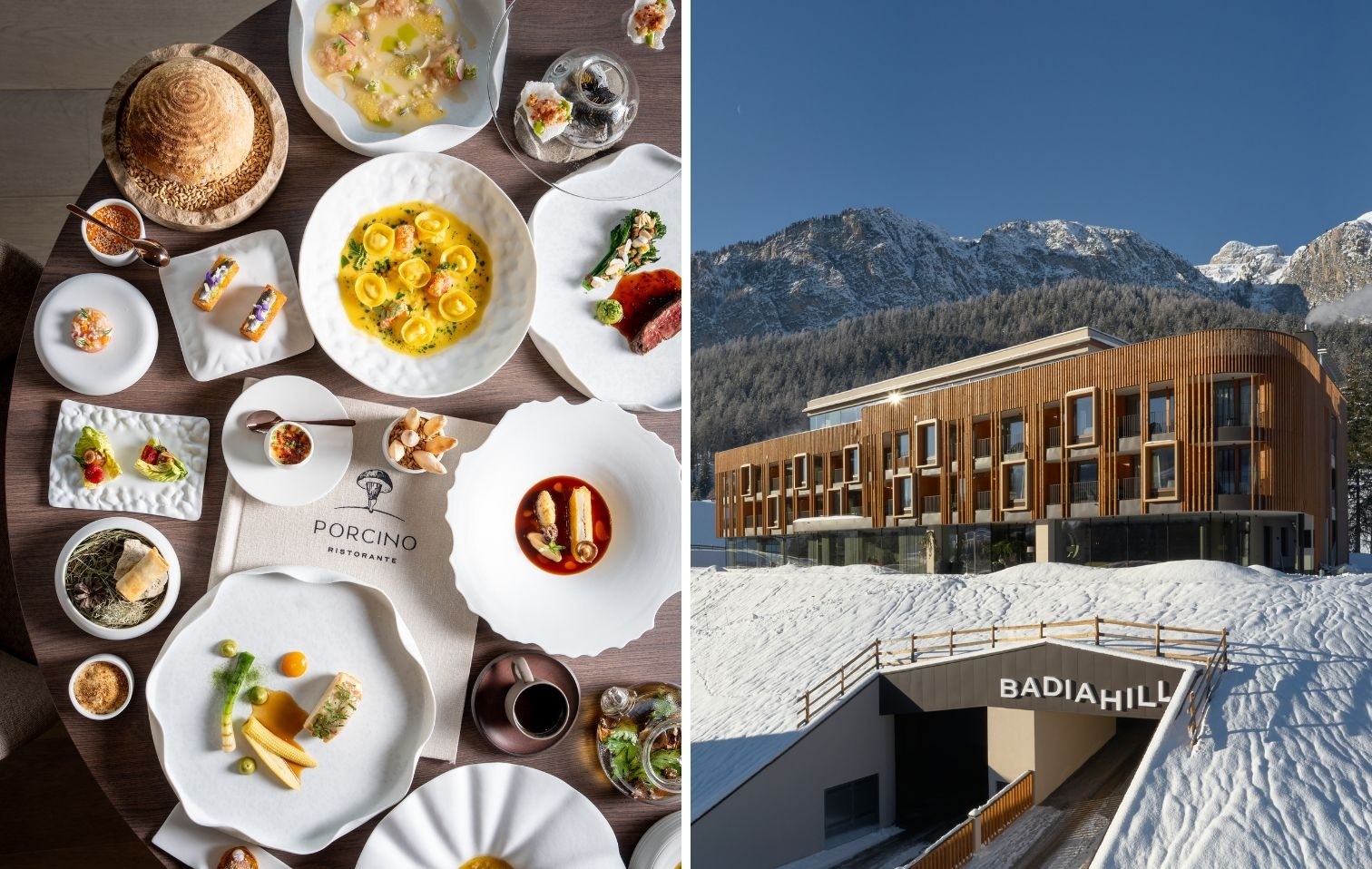
The Porcino Restaurant has just been awarded a macaron in the 2026 Michelin Guide, but the surprises don't end there: with whiskey-scented spa sessions, a panoramic swimming pool, and delicious fondues in the stube, Badia Hill is the epitome of the “new style” mountain boutique hotel.
Photo credits: Visciani Photography
The philosophy: authentic luxury in the Dolomites
Hospitality in Alta Badia is changing. A charming chalet is no longer enough, nor is a view of the Dolomites, nor is a “mountain” aesthetic finished with wood, velvet, and a fireplace. The new luxury demands identity rather than postcard views; it wants authenticity instead of the usual brochures. Badia Hill was born precisely here: from the idea that a hotel should not just provide accommodation, but take a stand. And its position is clear. Contemporary design without ostentation, sophisticated cuisine without rigidity, wellness that does not seek to wow, but rather sensory consistency. Everything speaks of taste, but nothing screams for attention.
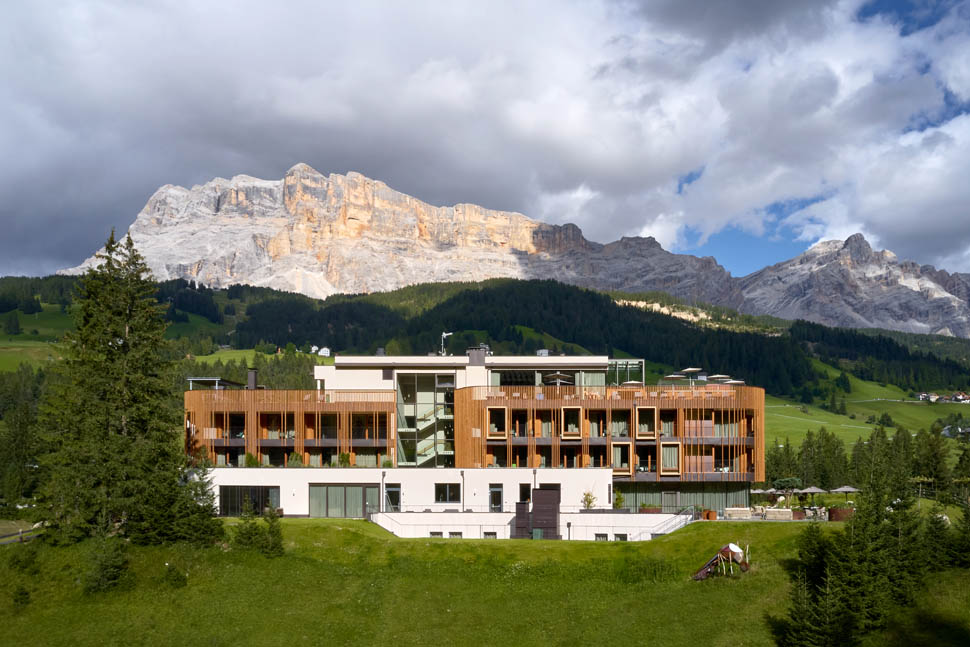
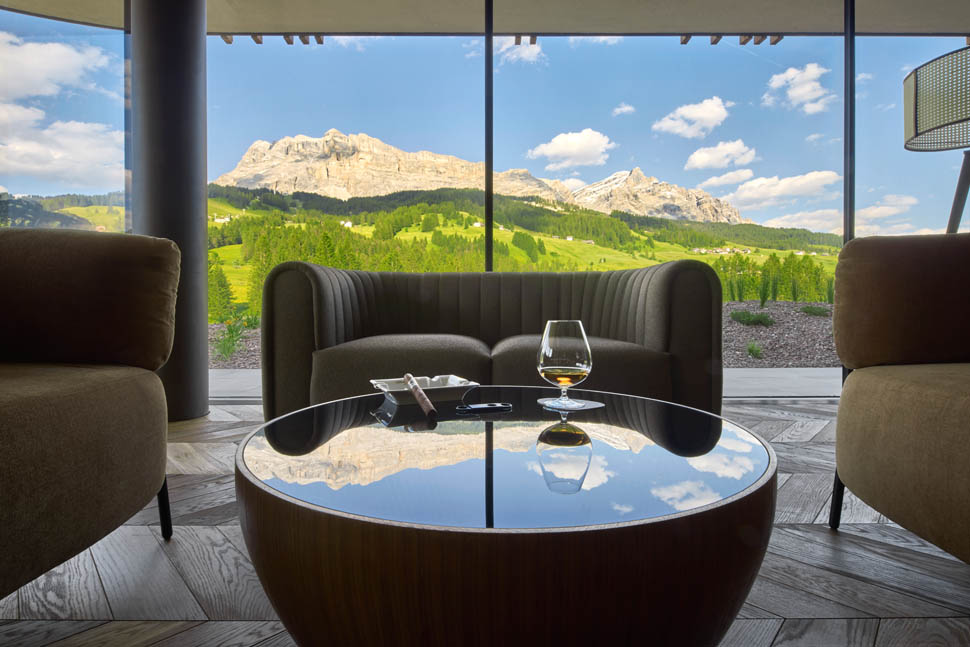
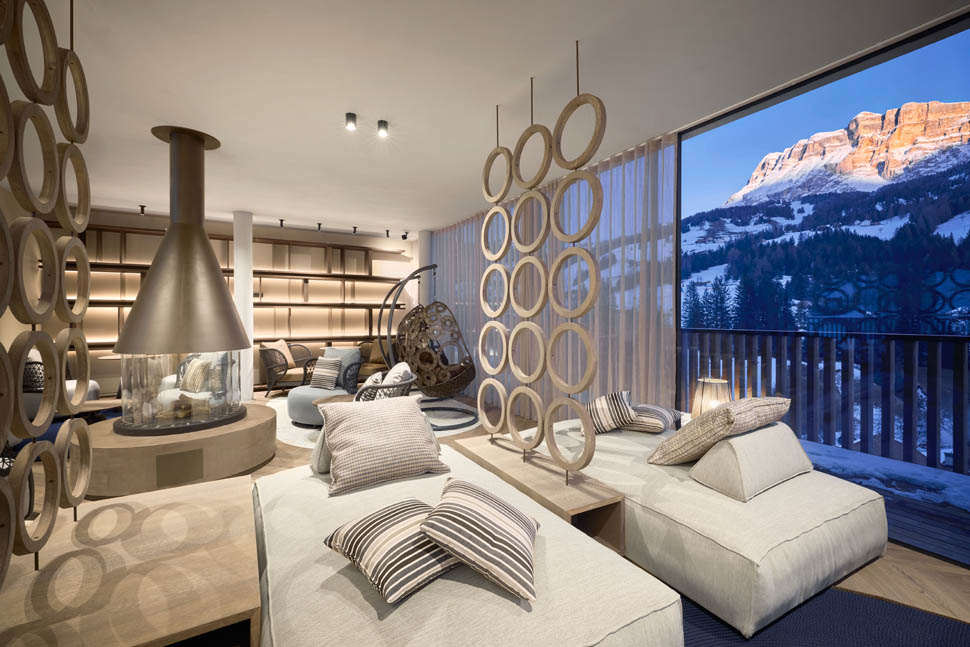
What strikes you is not only the spectacular architecture—albeit impeccable—but also the cultural direction: Badia Hill does not seek to interpret the mountain as a theme, but rather takes it as a method. In every choice: from the materials to the scents, from the sequence of menus to the rooms that seem to tell a story rather than simply being furnished. It is a boutique hotel designed for those who reject ostentatious luxury and instead seek something that works, that smells of meaning, that leaves something behind even after the key has been returned.
The hotel, from history to concept
The project began eight years ago, resulting in a building that makes no compromises between aesthetics and consistency. First the concept, then the competitions, then the choice of materials, technologies, and companies. It is the invisible part of the work that becomes decisive here. Badia Hill was not created to imitate something that already exists: it was created to fill a void. And that void is the absence in Alta Badia of a place that is at once alpine, gourmet, contemporary, and intimate. The result is a hotel that seems like a natural continuation of the landscape, rather than an object dropped from above. Good hospitality means deciding, editing, choosing, and removing. So, here everything has been weighed with the same care that is devoted to the gourmet menus.
The name itself is a manifesto: “Hill” is a deliberately pop reference, a nod to the Hollywood Hills that becomes an alpine provocation; luxury, yes, but the kind that lets you breathe. And this is where the squirrel comes in, a fascinating symbol because it doesn't sweeten the experience but defines it. The animal that chooses, selects, and guards, showing itself only when it considers the environment to be up to standard: this is the idea of authenticity that this place wants to defend. If you don't know how to observe, you won't notice it. If you know how to observe, it will recognize you.
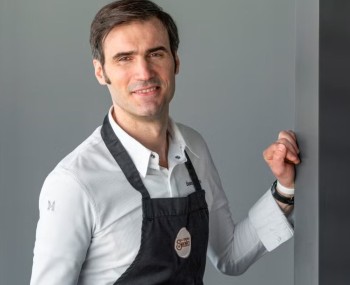
Behind Badia Hill there are two people, not an industrial project: Michaela and Marco. And the story changes completely when it comes to cuisine and hospitality, because here biography becomes content. Both grew up in a world where hospitality is not a sector but a language. They met at Vinzentinum as teenagers, found each other again as adults at the Castel restaurant, and chose each other in life and work. Today, together, they run a place built not on a strategic idea, but on what they do best: making people's time special. Marco in the kitchen, Michaela in the dining room and in the wine cellar. And everything works because every choice is based on lived experience, not brainstorming.
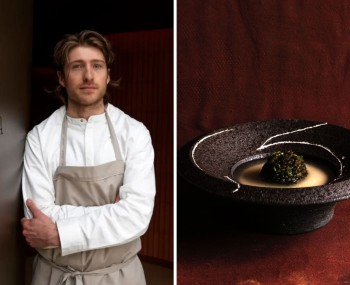
Marco travels to the best restaurants in Europe, studies cooking and food science, becomes a Master Chef with honors, works at three Michelin-starred restaurants such as Schloss Schauenstein and De Librije, absorbs technique and discipline, but never forgets pleasure. He returns with the awareness that cuisine only makes sense if it speaks of the place where it originates and the people who create it. Michaela follows an equally brilliant and complementary path: sommelier studies, WSET at the Weinakademie, Master's degree in service, experience in Michelin-starred restaurants, marketing, and hospitality. She is the figure who makes the dining room an extension of the kitchen, not a separate department. Together they build a family and a project that encompasses them both, with the same values: respect, quality, selection, and time.
The fine dining proposal: the newly starred Ristorante Porcino
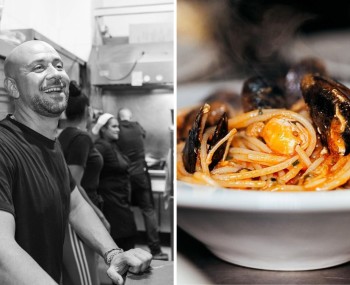
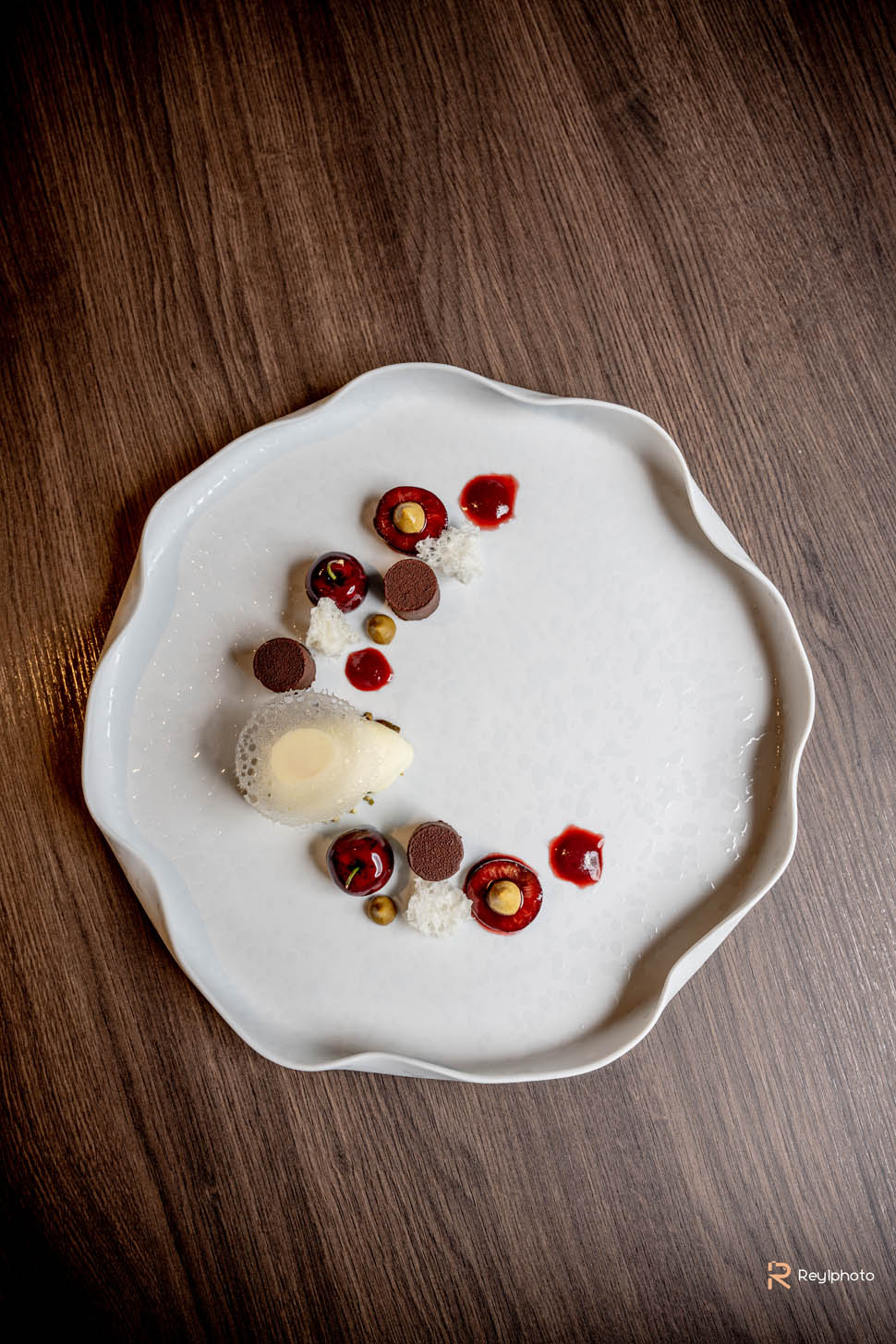
This philosophy is particularly evident in Ristorante Porcino, the hotel's gastronomic heart, which has just been awarded a star in the Michelin Guide Italy 2026. The name—chosen not for its charm, but for its meaning—refers to what best defines the mountain: an ingredient that requires no forced interpretation, because it already belongs to the territory. Two seasonal tasting menus, reservations required, no à la carte. It only seems rigid if you don't understand the goal: to create a complete experience, a flow of flavors that respects the rhythm of the territory and the raw ingredients. Three, four, or six courses, calibrated prices, dishes that combine Alpine and Mediterranean flavors with intelligence and sensitivity. It is a cuisine that does not aim for theatrical effect but for the magnetism of precision. Every dish has a reason. Every choice tells the story of an ingredient even before it tells the story of a technique.
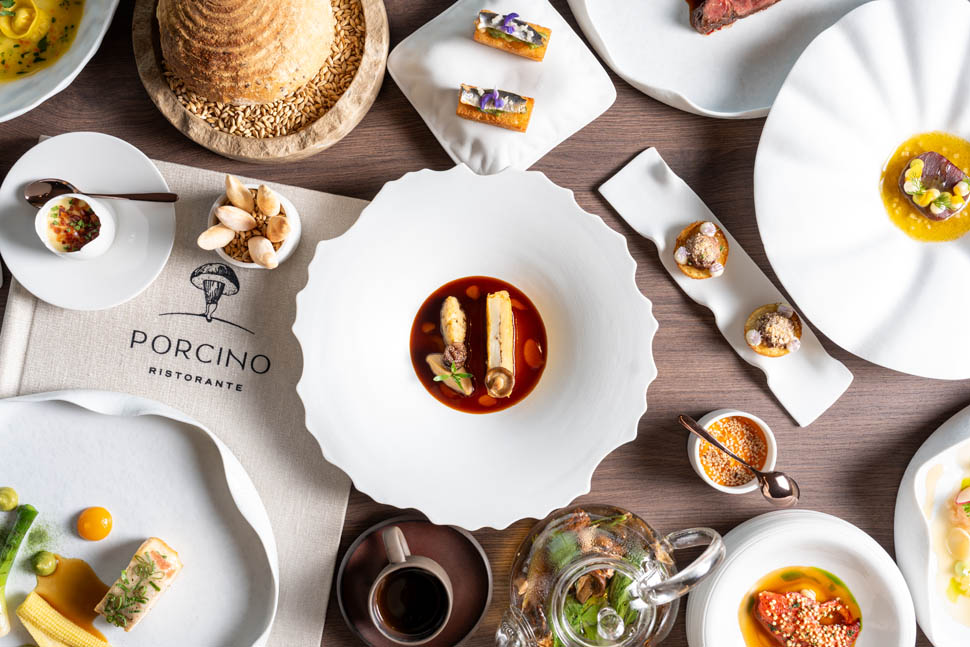
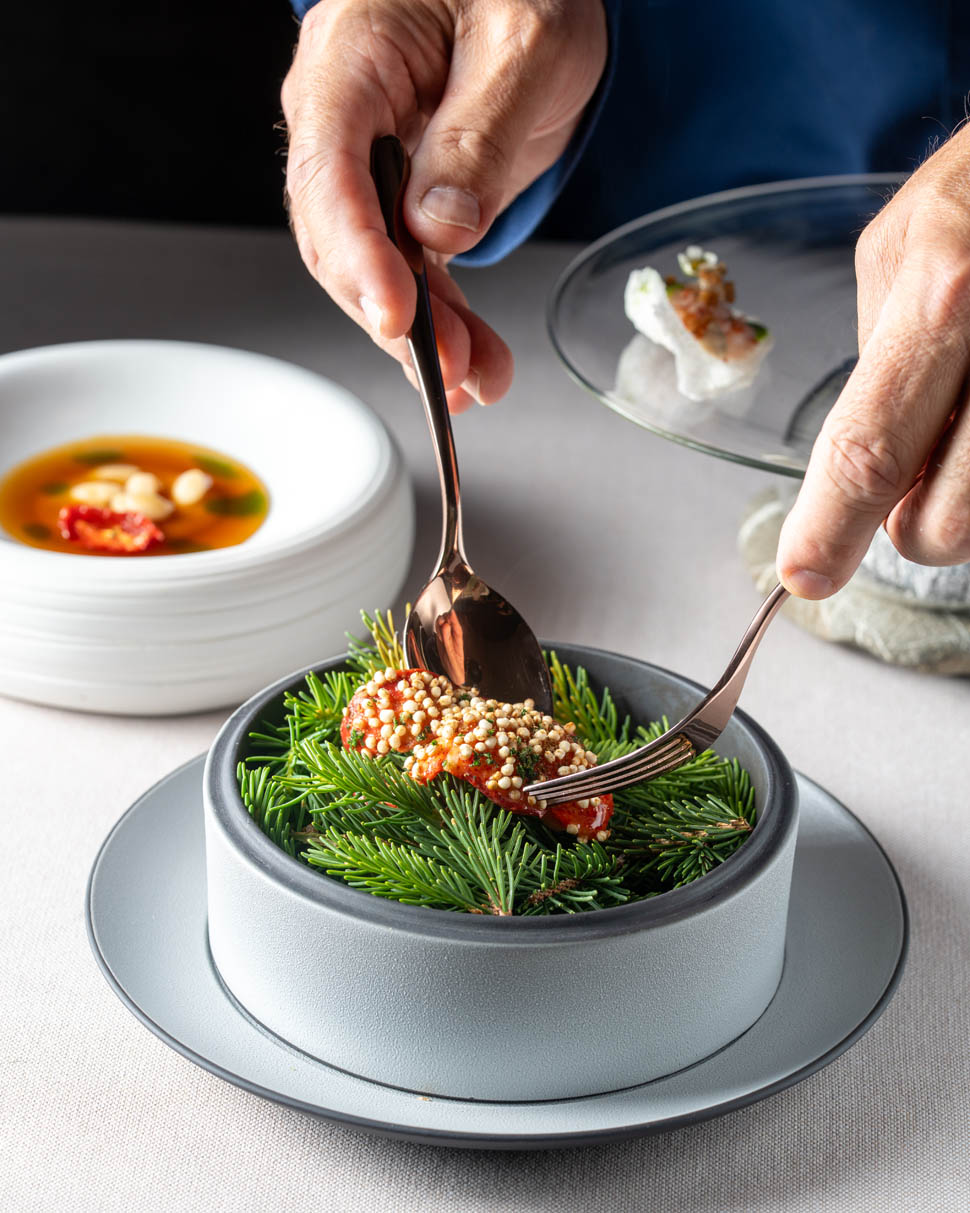
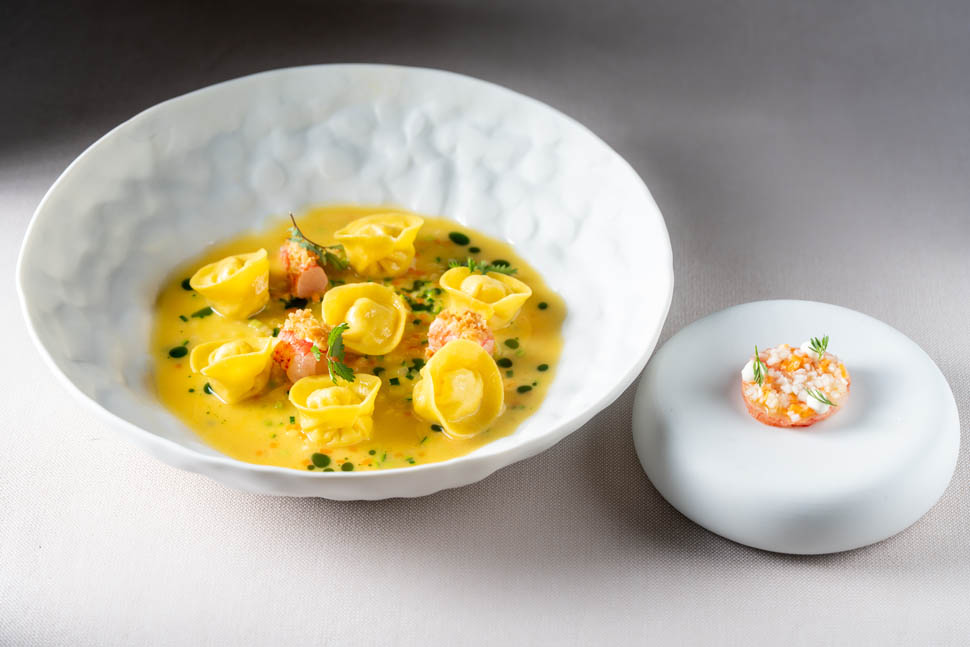
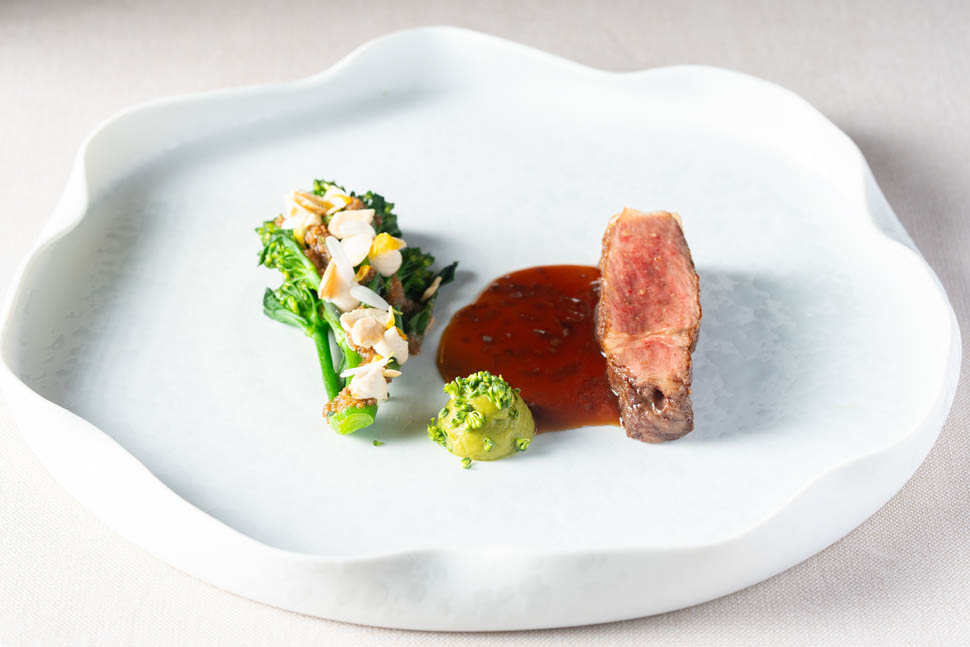
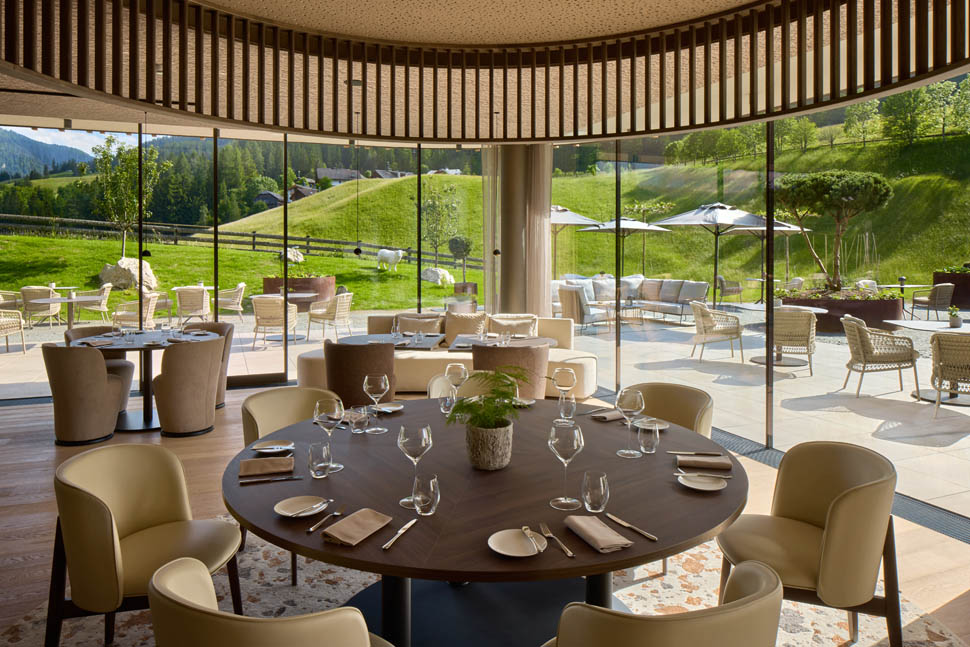
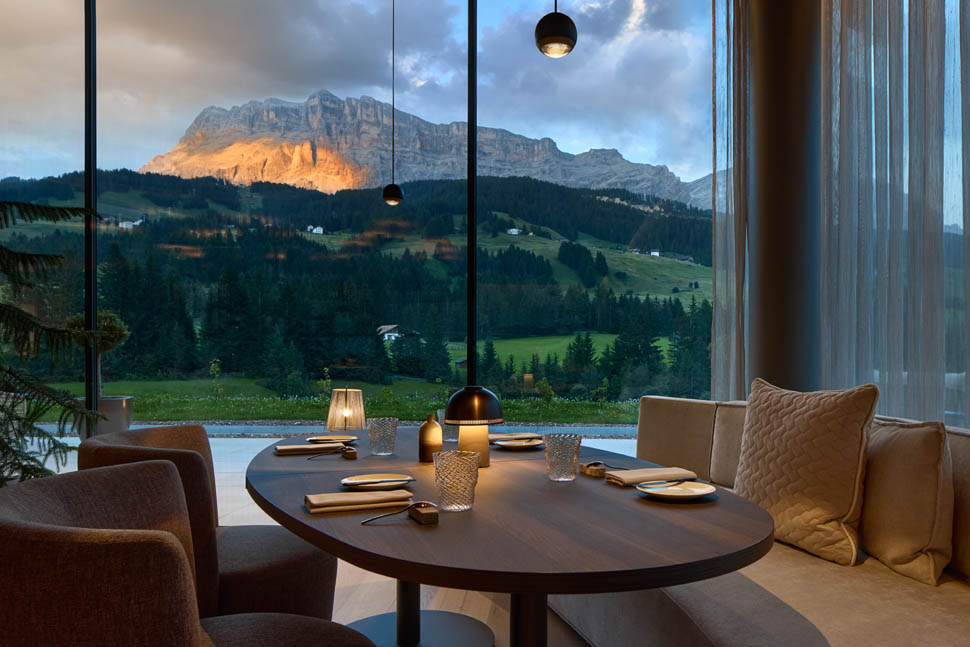
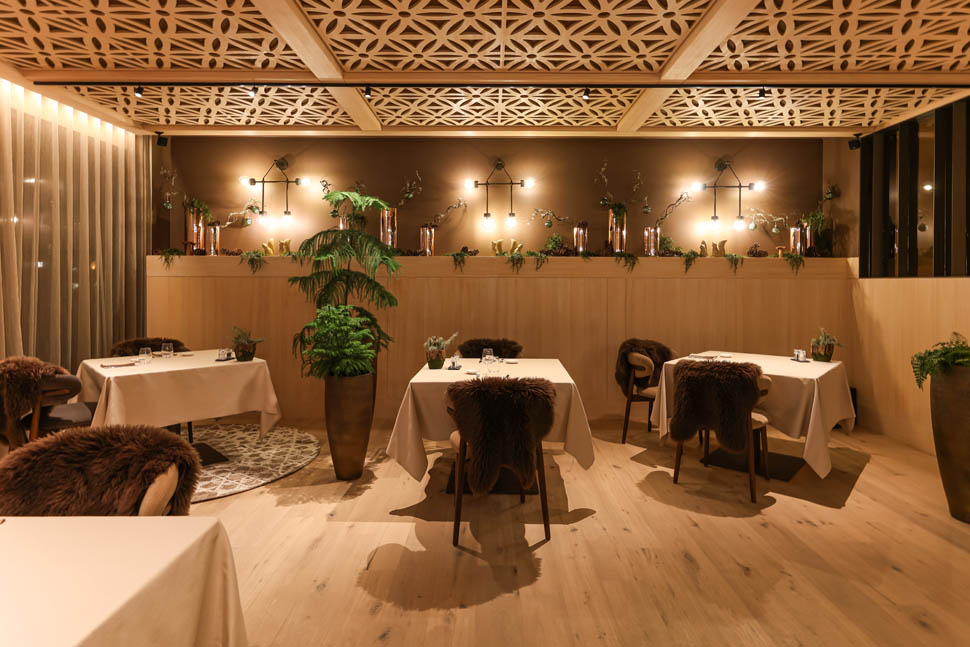
The dining room follows the same trajectory. Not a stage, not an imposing ritual; rather, an accompanying presence. The view of the Dolomites enters the narrative naturally, the windows frame the mountains without taming them, and the mise en place follows colors and textures that complement the dishes. Even the porcelain is chosen to amplify the sensations. The work of the dining room and kitchen intertwines in a single hand that welcomes and engages without theatricality.
The other restaurants inside
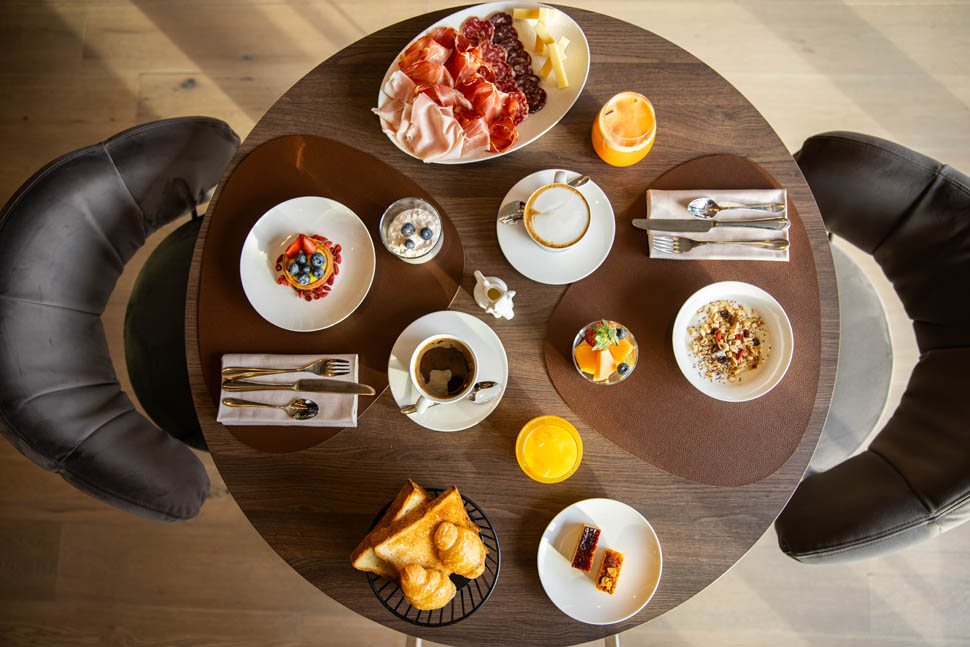
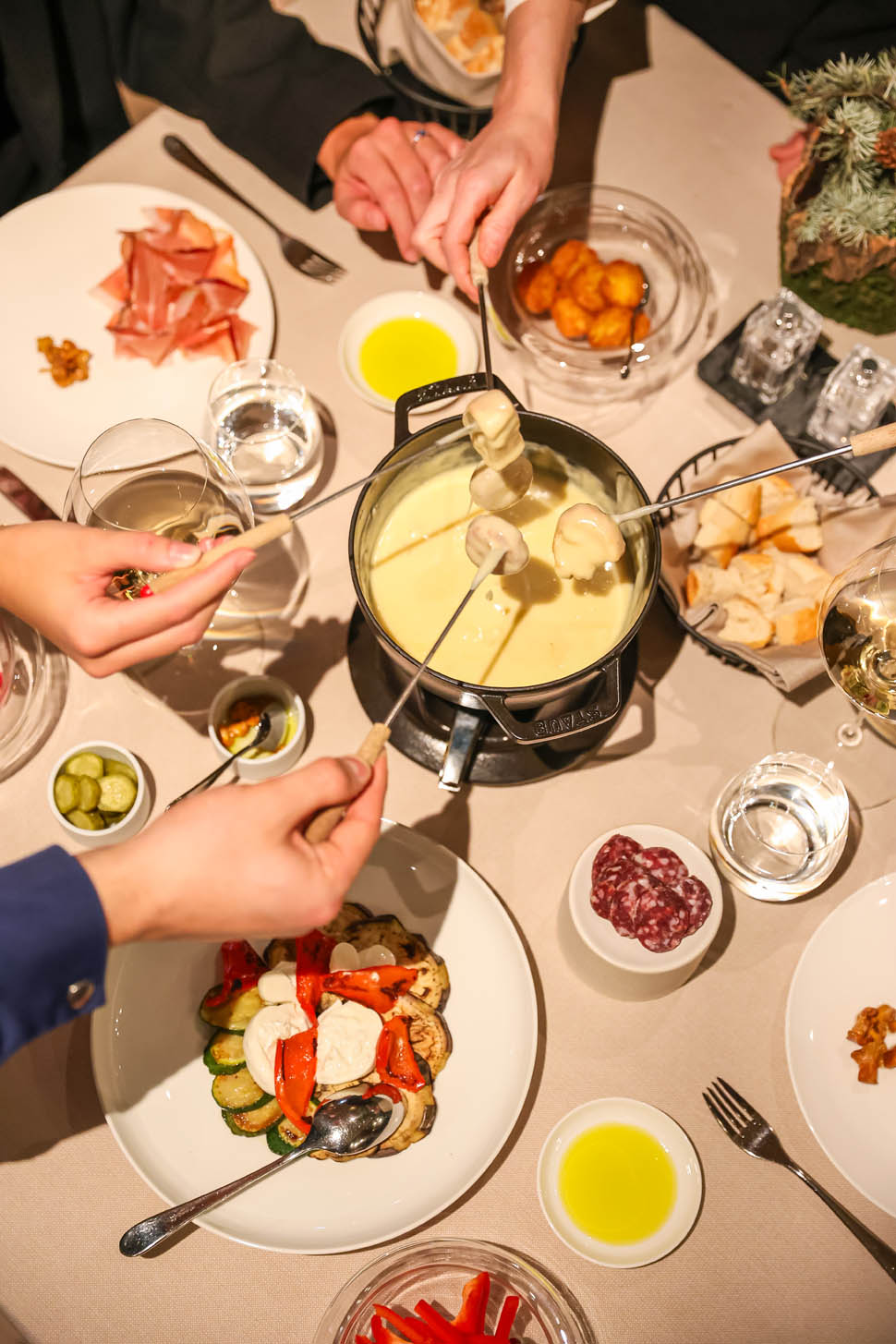
Here are the rest of the dining options: the Bistro, the Lounge, and the Fondue Stube. Three different ways to enjoy food with the same consistency. No hierarchy, just different functions. The Bistro is for a leisurely lunch after a hike, with local and seasonal ingredients and intelligent conviviality. The Lounge is the place for cocktails that reflect the local area, homemade vermouths, alpine botanicals, personalized gins at the bar and with a trolley at the table where the theatrical effect of the preparations conveys, through the gestures, a symbolism of care and attention in the choice of aromatic ingredients. Scottish and American whiskeys without snobbery. The Fondue Stube belongs to the most ancestral and shared part of Alpine tradition, with cheese or meat fondues reinterpreted with local products and a rituality that brings people closer together than the tasting menu. Three atmospheres, one philosophy.
The rooms, from the wellness area to the suites
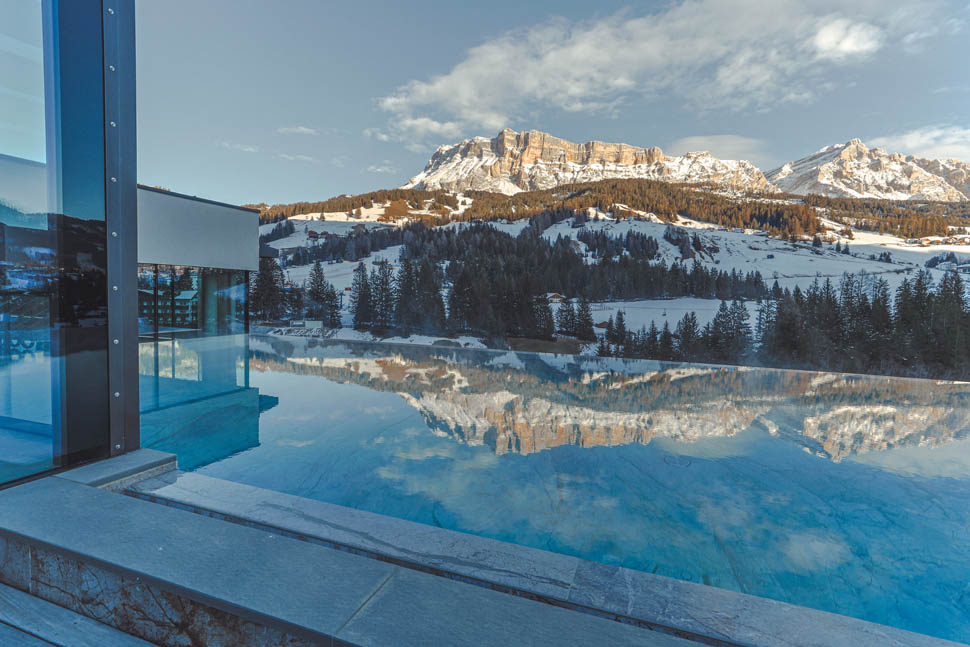
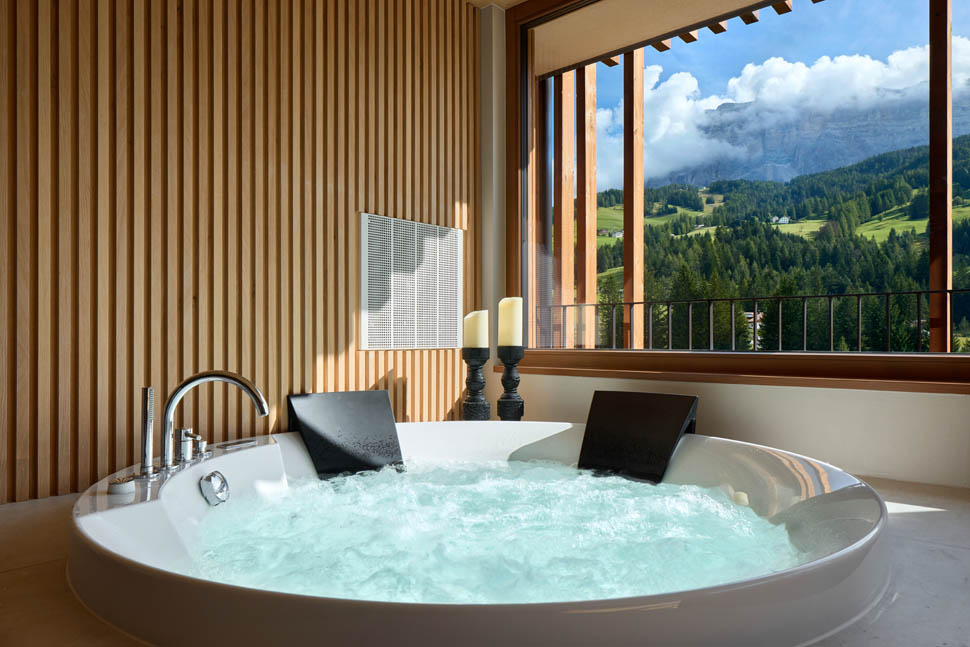
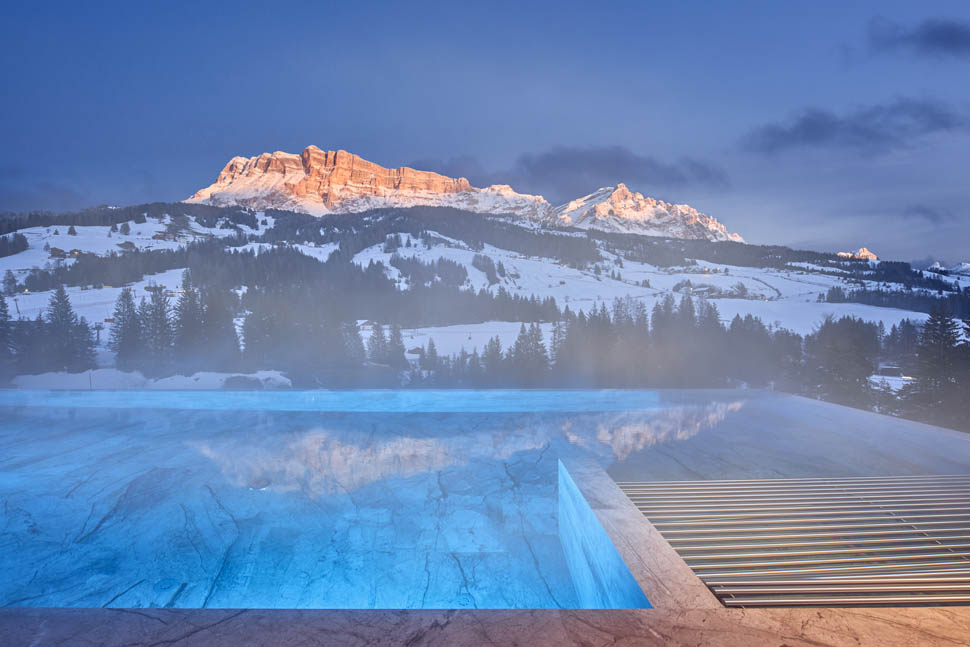
The wellness section is more than just a service, it is an extension of the cuisine: sensoriality applied to wellness. The highest point of the hotel is the Rooftop Spa, a deliberate choice: relaxation does not belong below, but above. A heated infinity pool overlooking the peaks, panoramic saunas, colors that reflect those of the Alta Badia sky, light that changes with the day. And then there is the element that defines its identity: the Whiskey Sauna. An aromatic sauna that uses the character of whiskey as an olfactory sign, combining warmth, ritual, and gastronomic suggestion. It is not a conceptual game: it is the same idea as cuisine applied to the body. Aromas, intensity, rhythm, memory.
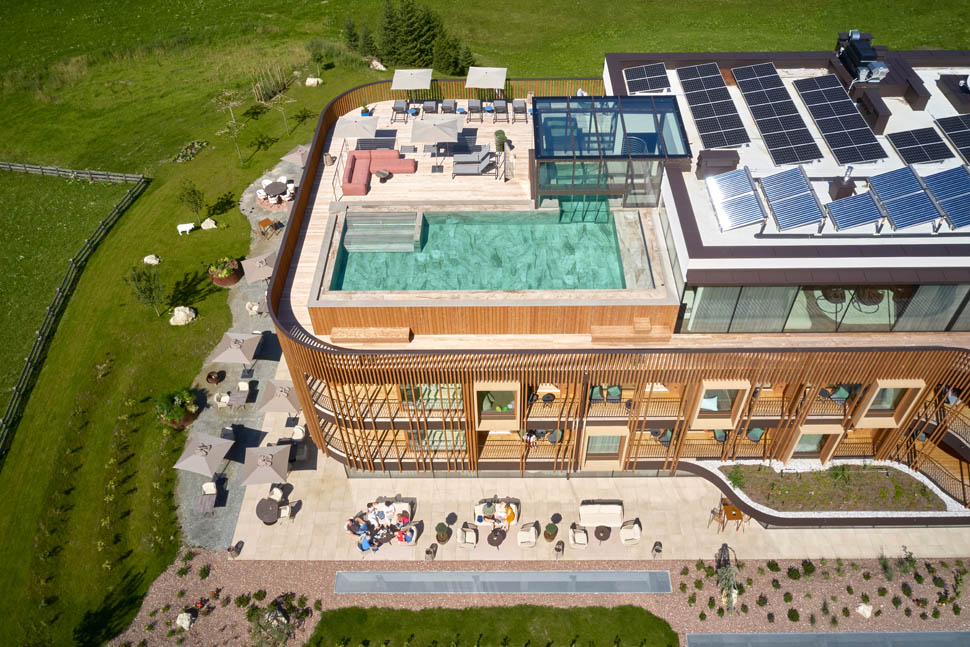
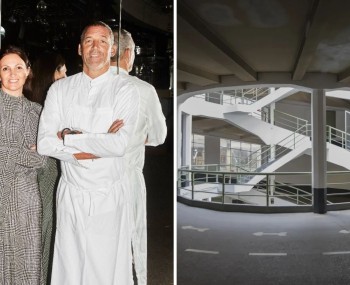
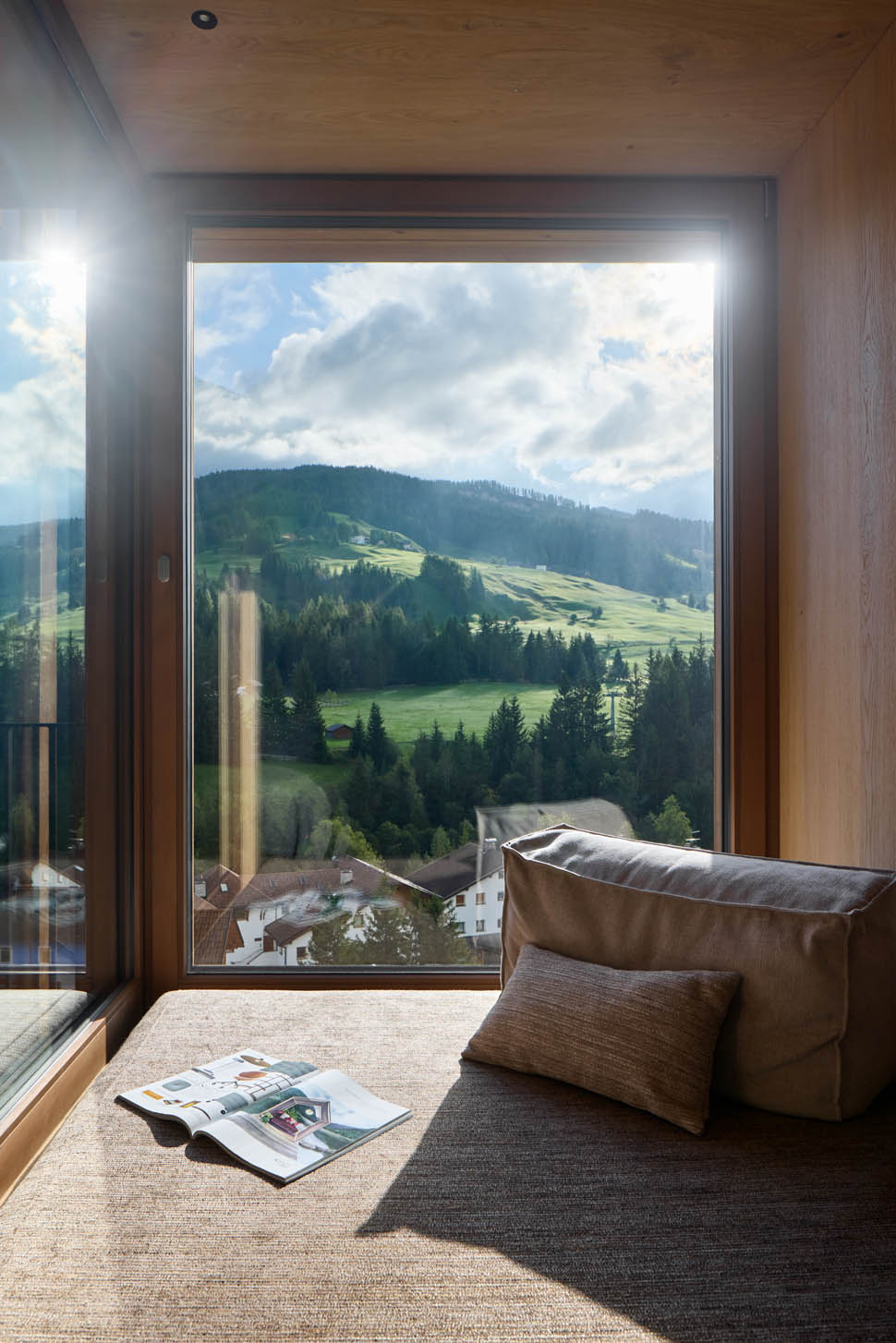
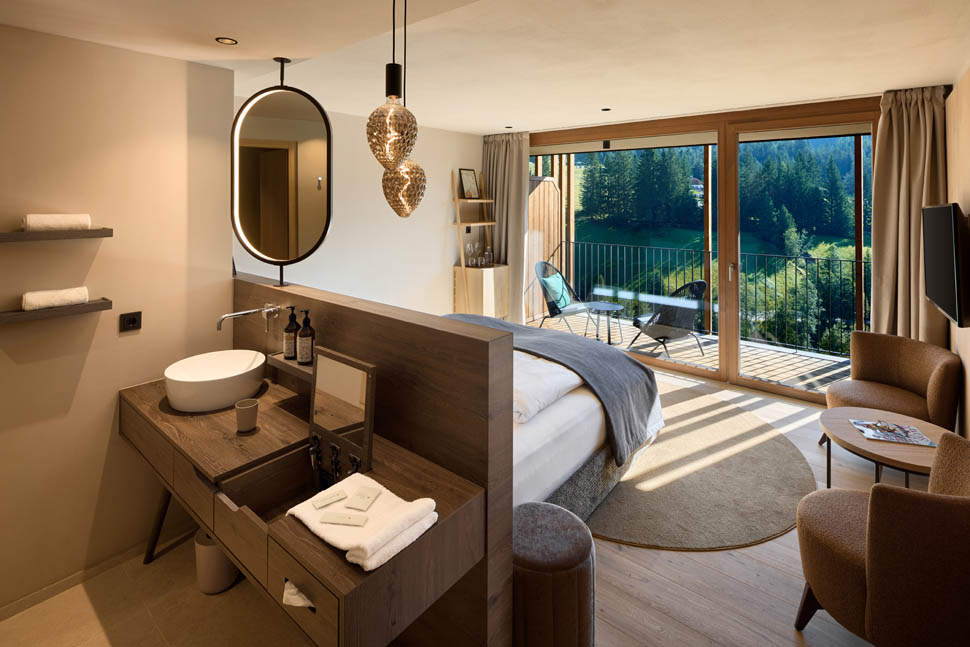
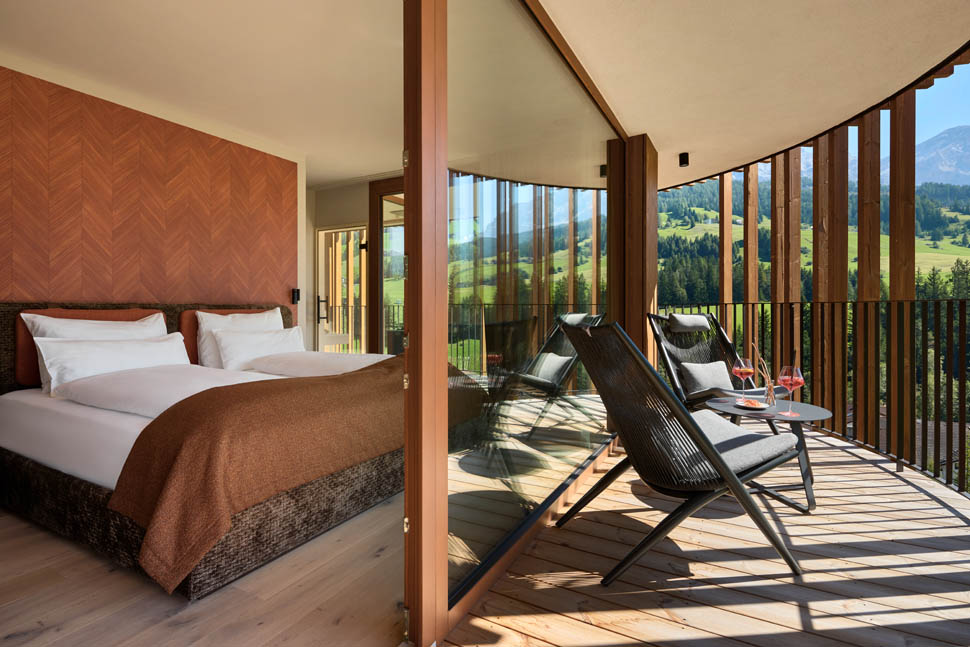
The hotel is designed to function as a coherent organism. All 33 rooms have a panoramic balcony, a radical choice that certifies a value: the view is not a privilege, it is a right of the experience. Seasonal colors that follow Alta Badia, wallpaper dedicated to local animals, minibars that showcase local producers, and personalized amenities based on the theme of the room. Behind a luxury that seems simple lies an enormous, but never ostentatious, complexity of design. The real luxury here is the mental space that is created when everything has been well thought out. The circle closes with a detail that says more than a thousand words: the underground garage. All vehicles below, no noise above. It is not a plus, it is a cultural choice. The landscape, the quiet, the air must prevail over traffic. This too is luxury: silence, space, respect for nature, a slower pace.
Badia Hill does not follow the trend of alpine hospitality, it updates it. It does not imitate the mountains, it internalizes them. It does not capture nature, it lets it in. It is a radical project that does not need to raise its voice. Those who arrive understand. Those who return confirm. And when you leave, the impression is not that you have slept in a hotel, but that you have lived in an idea.