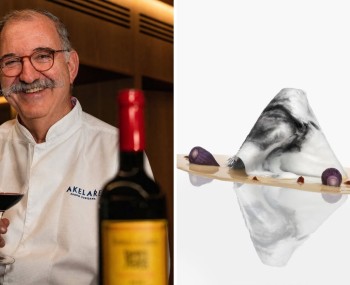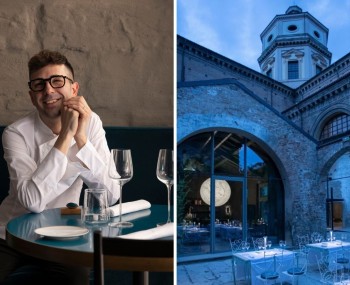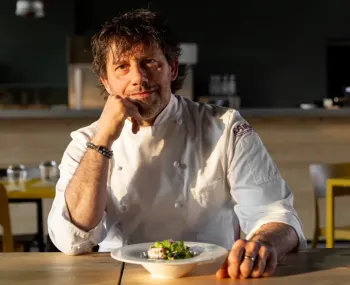
The Salento-born chef celebrates his double-digit milestone at the Mandarin Oriental in the center of Milan with a menu (available until December) that retraces his most significant dishes since 2015, from roasted lobster with bagna cauda to risotto with raspberries and herb cream.
Photo credits: Matteo Carassale and Nicolò Brunelli
The restaurant
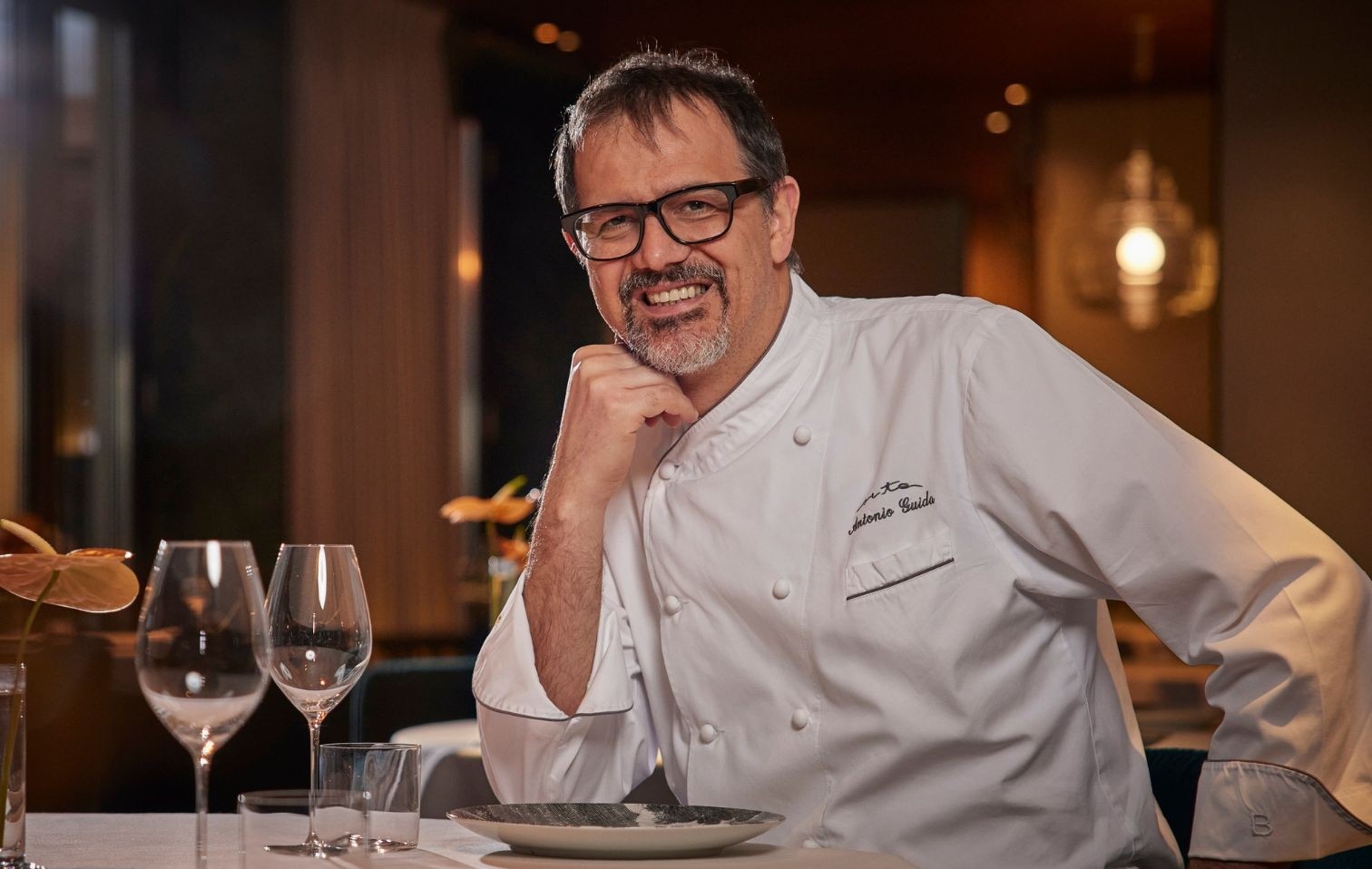
What a year that was in Milan. 2015 marked the beginning of the Lombard city's renewed gastronomic grandeur: during the Expo year, Diego Rossi's Trippa sign appeared one day in June on Via Vasari, destined to change the ecosystem of the city's trattorias and beyond; near the Naviglio Pavese canal, Contraste opened, showcasing the unclassifiable and theatrical talent of Uruguayan Matias Perdomo, fresh out of the strict school of Maida Mercuri at Pont de Ferr; while in Via Marghera, the gruff and visionary Eugenio Boer opened Essenza, a brief and stormy adventure but rewarded with a fleeting star. Then, in Via Andegari, the Mandarin Oriental opened, and inside it found space for a restaurant that would become beloved by Milanese foodies, Seta, led by Antonio Guida, a suave chef of Salento origin who had made a name for himself at Pellicano in Porto Ercole and who had landed in Milan to make the definitive leap in quality.
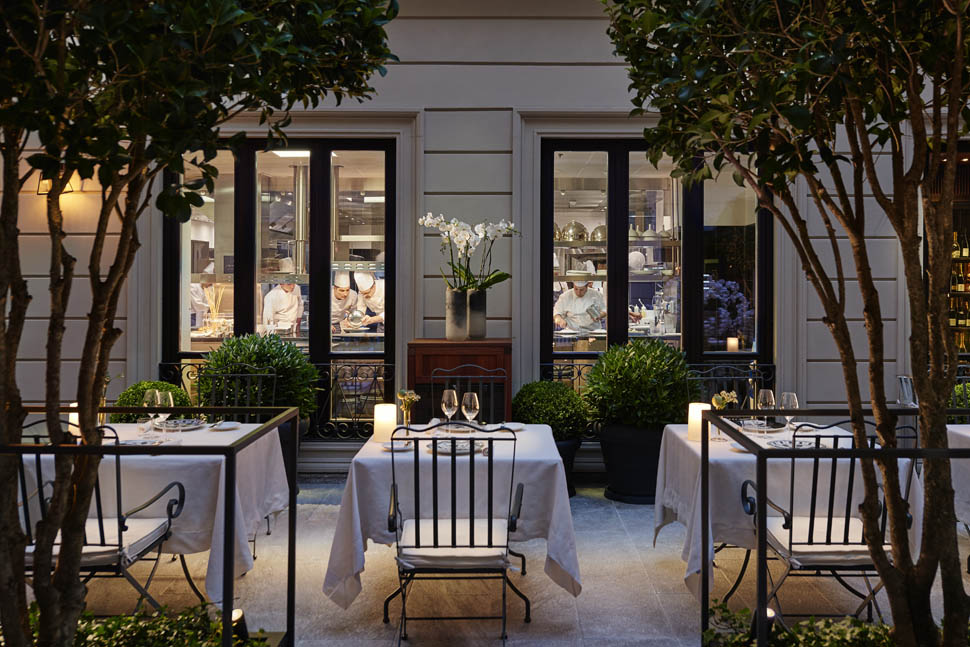
A classic case of the right person in the right place at the right time. And lucky us, to witness it all. We were happy and didn't even know it. But if we go to Seta today (now renamed Seta by Antonio Guida), we can continue to be happy, at least for one evening. This is also because Antonio and his team have decided to celebrate the double-digit anniversary with an anthological menu, “Ten Years of Seta” (an inevitable title, what can you do?), which will be available until the end of the year. A journey through time in seven courses, which on the one hand is a nostalgic exercise, but on the other allows us to study in detail, in a deliberate act of gastronomic philology, how Guida's gastronomic thinking has evolved.
The chef
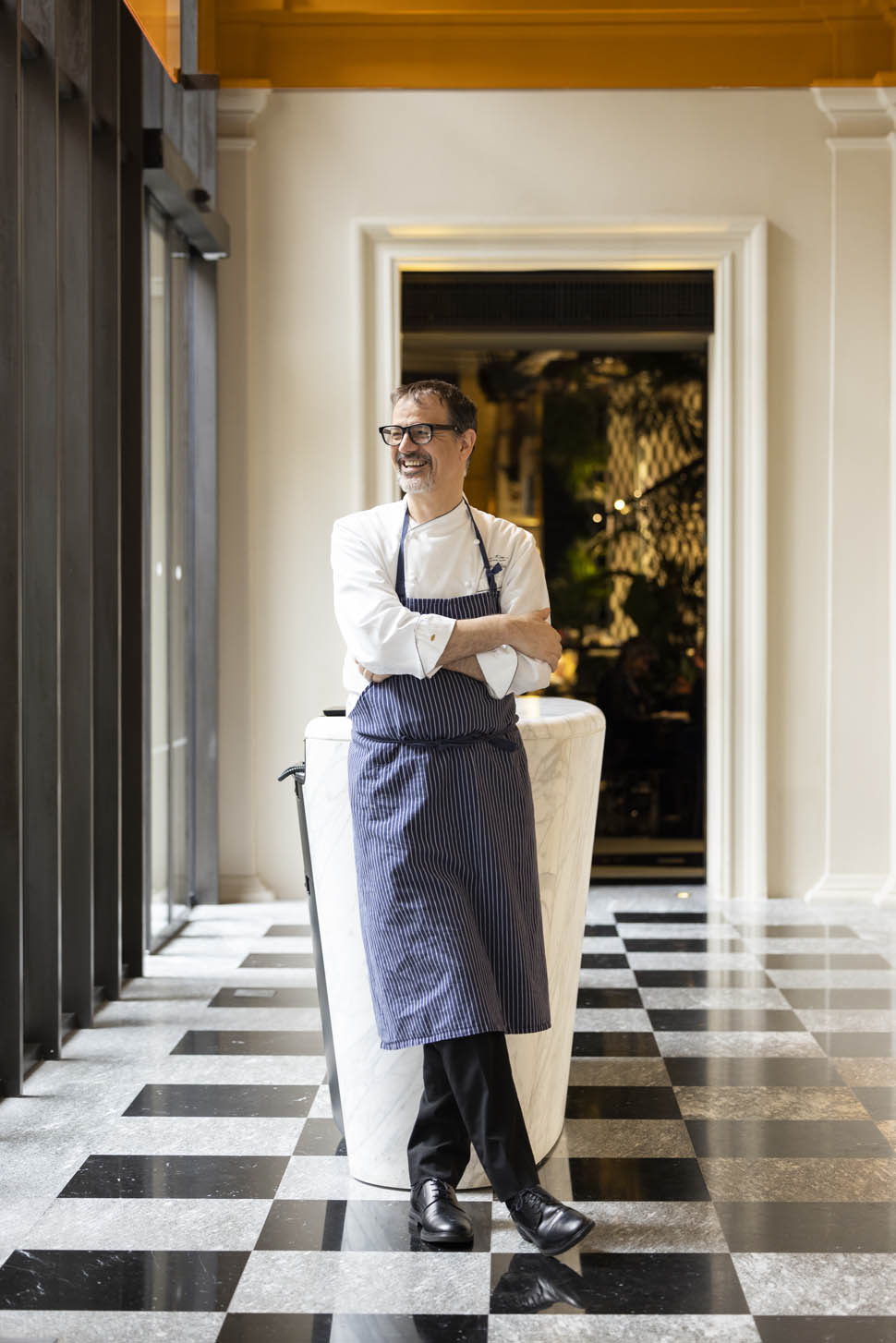
Guida was born in 1972 in Tricase, in the heel of Italy. After graduating from hotel school, he started at the bottom, doing everything he was asked to do, everything there was to do. In 1998, as a commis chef, he began to travel the world: Zurich, Pierre Gagnaire's Paris, the Medici coat of arms of Enoteca Pinchiorri, the gentle opulence of Don Alfonso in Sant'Agata dei Due Golfi, with the Iaccarino family who passed on to him the Mediterranean sense of hospitality. Then came his first experiences as a frontman: at the Terrazza dell'Hotel Eden in Rome, with the great beauty of the Eternal City unfolding before his eyes, and then at Il Pellicano in Porto Ercole, on the Argentario, where he regained his confidence with seafood cuisine. here he earned two Michelin stars in 2010, a distinction he repeated in Milan in the 2017 edition of the “red guide,” after his first win in 2016.
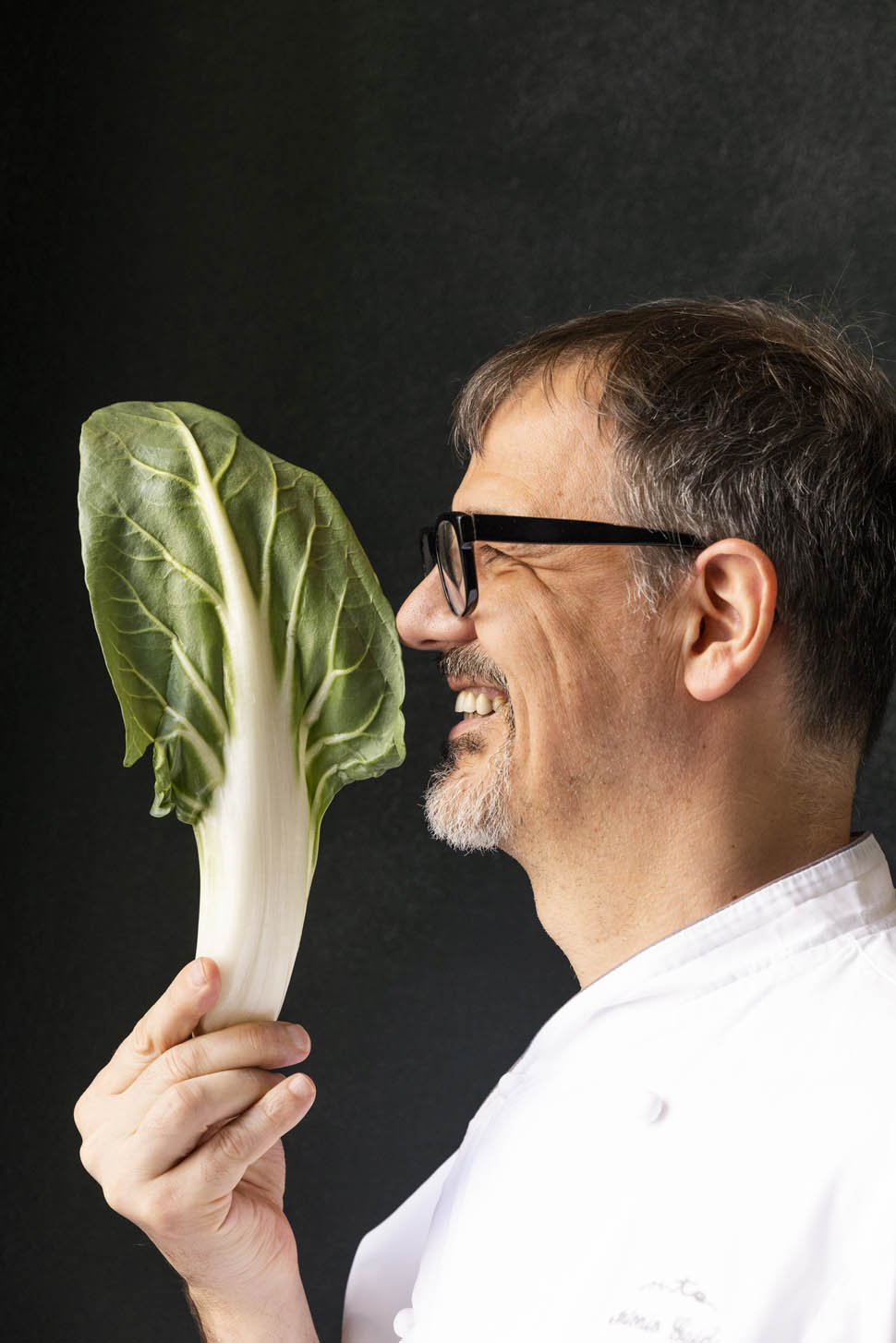
His cuisine is profound, cultured, memorable, technical but never cold, precise but never pedantic. A cuisine as generous as he is, who outside the kitchen loves to help those less fortunate than himself: his dinners at home are famous, prepared with the kind assistance of his wife Luciana and the help of the Seta team, for twelve guests who pay a substantial amount, happy in the knowledge that it will be donated in full to the non-profit organization L'Abilità.
The dishes
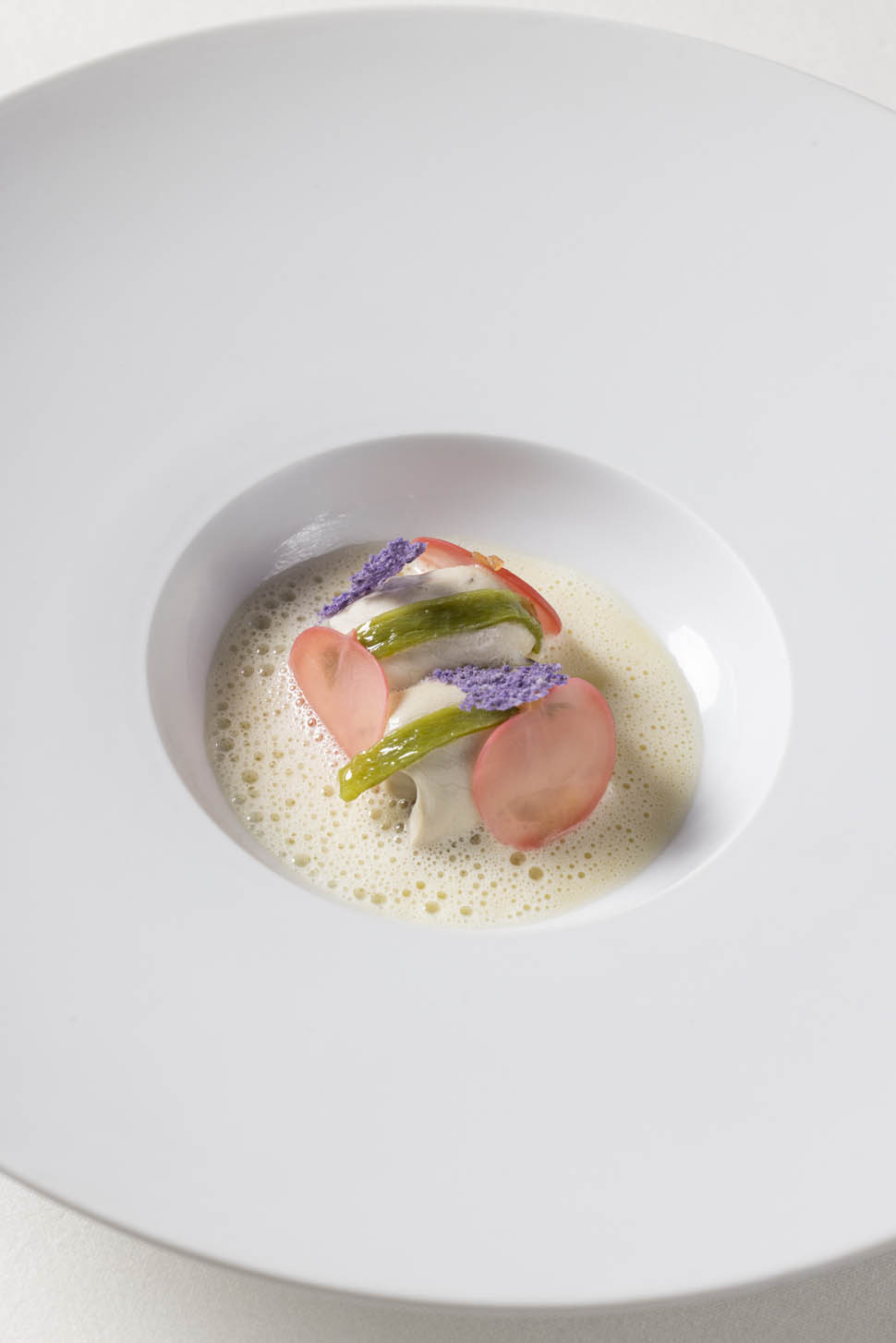
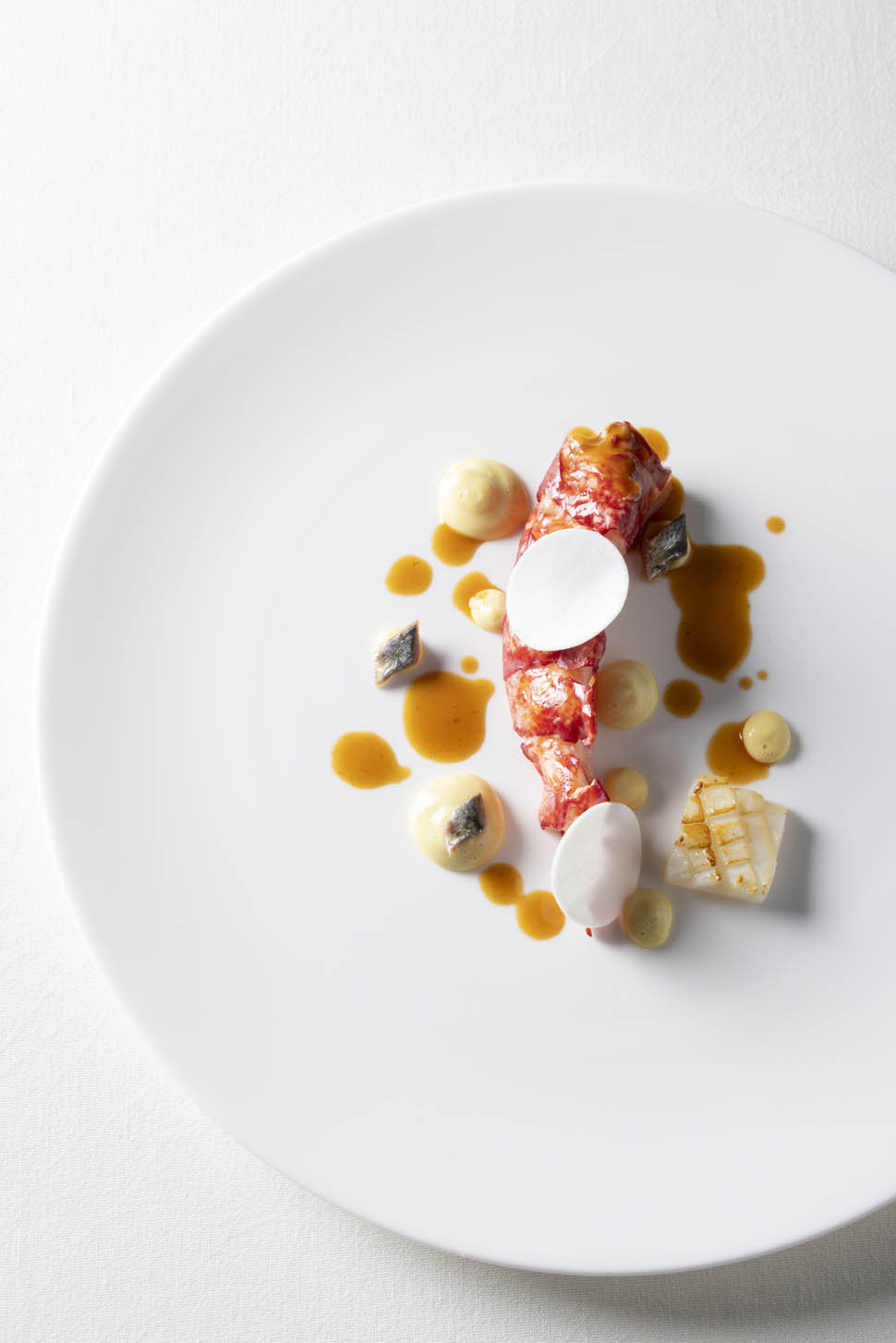
And now, let's enjoy the “Ten Years of Seta” menu together. We start with one of the first dishes created by Guida upon his arrival in Milan: Oysters with potatoes, friggitelli peppers, caviar, and Champagne sauce, a dish with a pungent flavor that celebrates the sea of his native Puglia (which, according to a salacious saying, Milan lacks in order to aspire to be “a little Bari”) and France, where Guida also worked. Next comes roasted lobster with bagna cauda, cuttlefish, and vanilla bisque, a dish that is constantly evolving, because Guida loves to refine it continuously, and is therefore perfect for showcasing the ever-changing nature of his cuisine and his constantly shifting perspective. There is no idea so good that it cannot be improved upon, the Salento-born chef seems to be telling us.
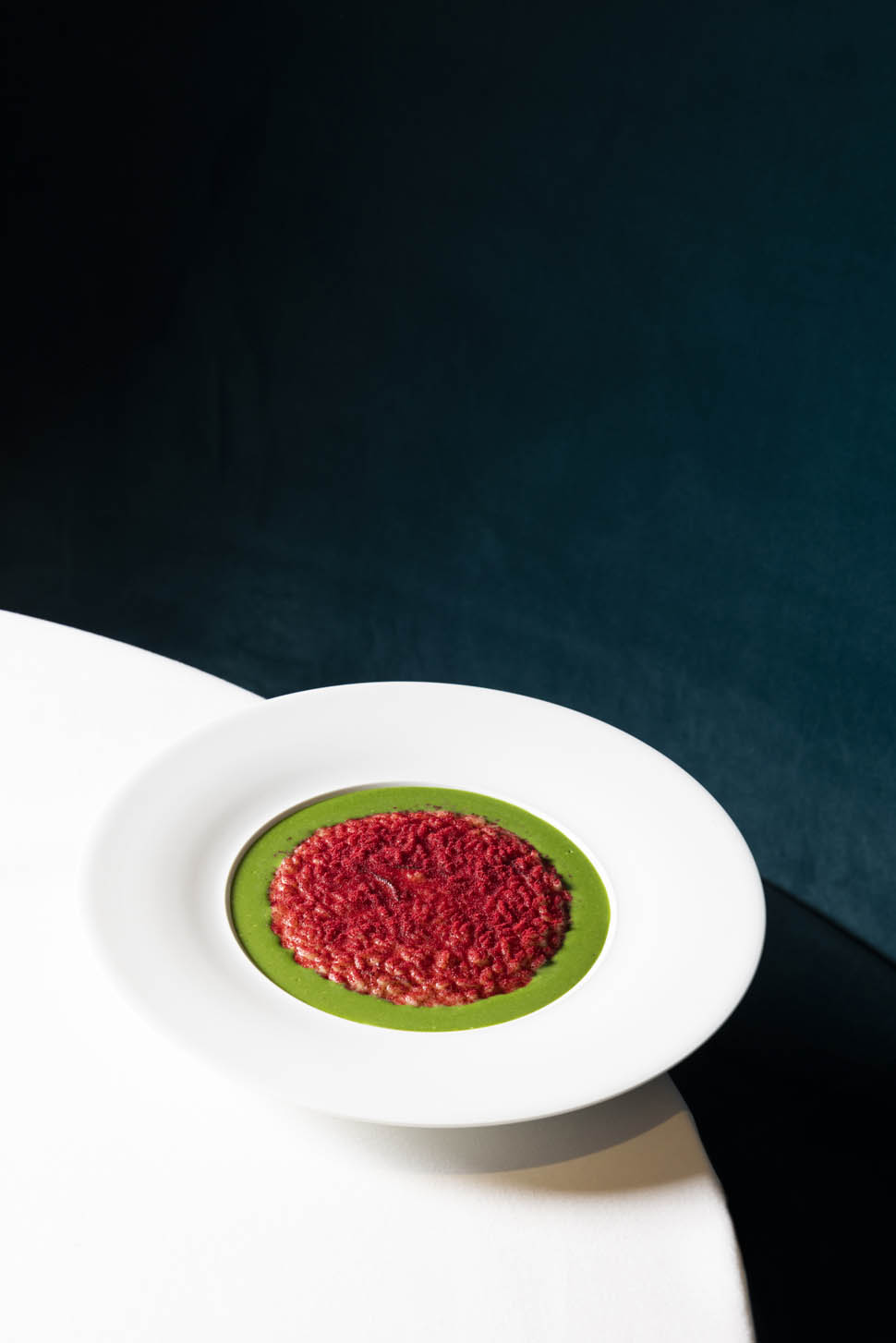
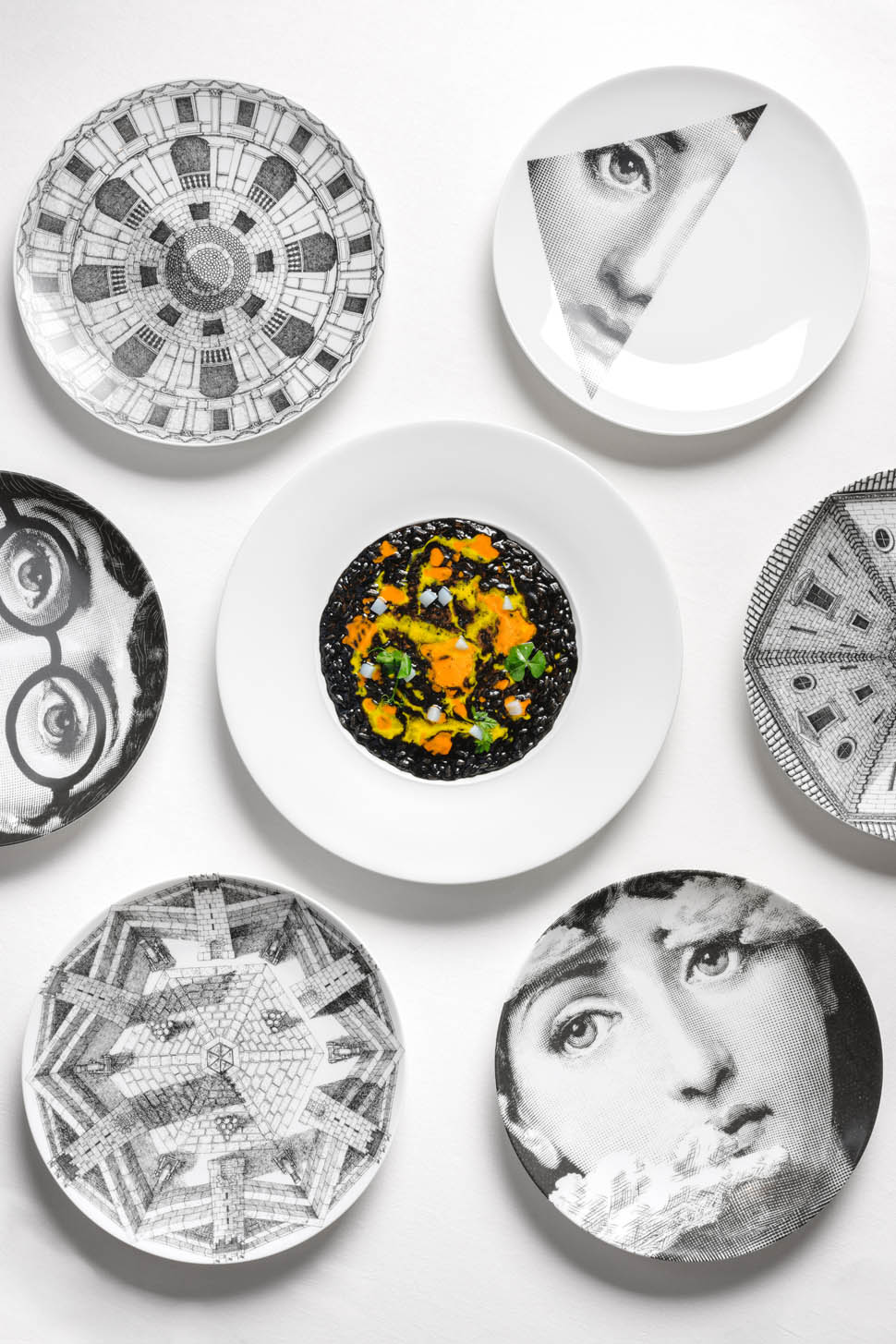
The anthological journey continues with Risotto with raspberries and herb cream, a true signature dish of Guida and the restaurant. Now, it is clear that upon arriving in Milan, the Salento-born chef could not avoid tackling the dish that symbolizes Milanese cuisine, a constant source of debate among die-hard Milanese, who never agree on the precise cooking time and sometimes even on the cutlery to use (in theory, everyone agrees on a fork, but in practice, many prefer a spoon). Guida approached the challenge with humility, working over the years to refine his style, coming up with the idea of toasting the rice raw, with the addition of butter at a later stage. The dish is the result of years of study, which Guida felt he had to tackle—he who already has a natural propensity for nerdiness—so as not to disappoint his adopted city.
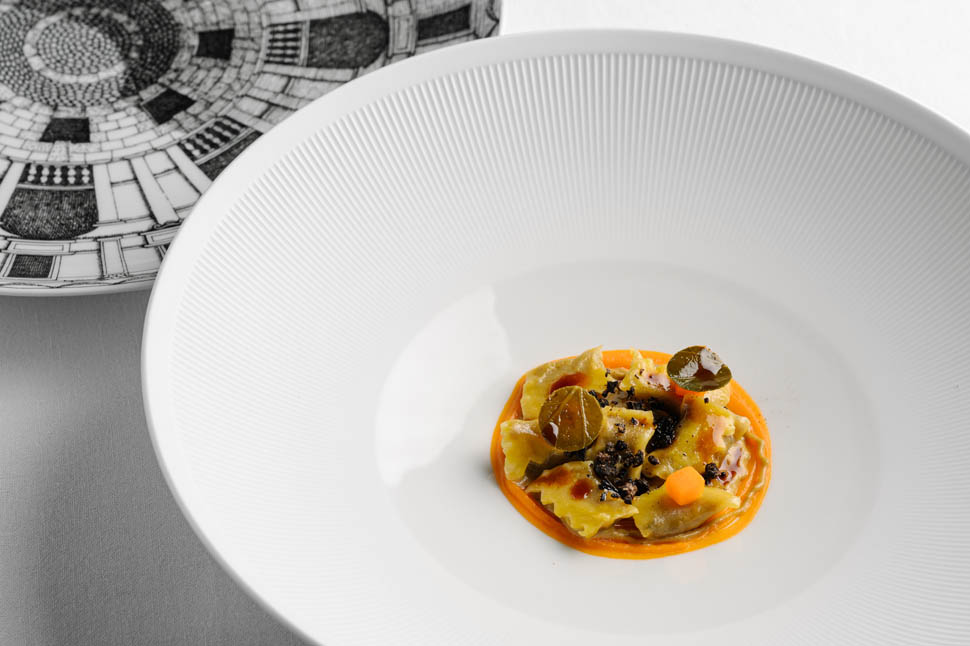
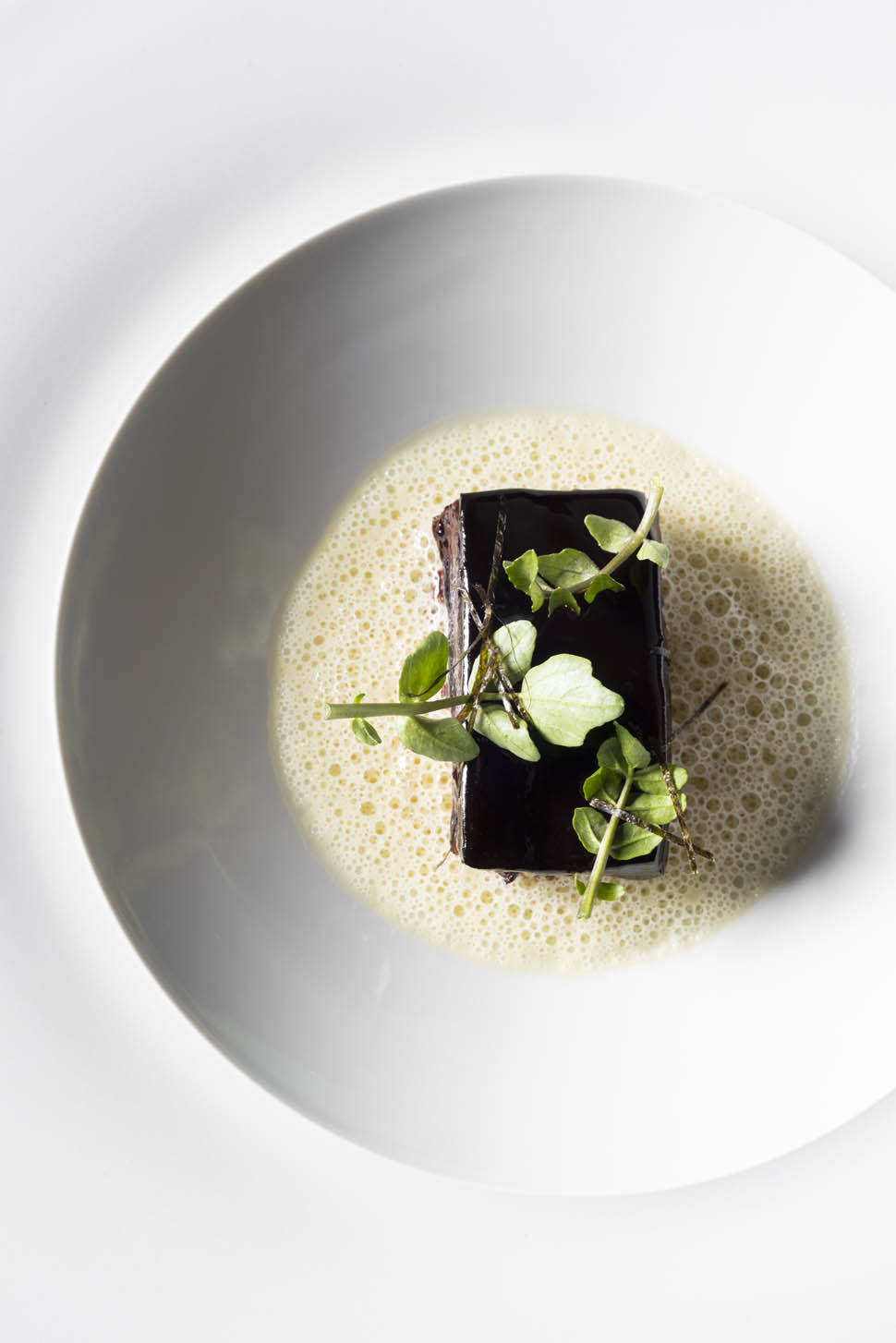
Then there is Piedmont: Ravioli del plin stuffed with roast duck, pumpkin, and capers. This is a fairly recent creation by Guida, who hides a strong iconoclastic streak behind his apparent classicism in his search for daring combinations. Just enough time to reflect and what is perhaps the most representative dish of the menu arrives, if only because it aims to represent Guida's main gastronomic experiences: eel glazed with red wine with foie gras and rosemary sauce. Japanese technique in the glazing and cooking, French inspiration in the choice of foie gras, a personal tribute by the Salento chef to his time spent in the kitchen of Pierre Gagnaire, three Michelin stars in the heart of Paris, and then a languid return to his Puglia with the aromas of rosemary sauce.
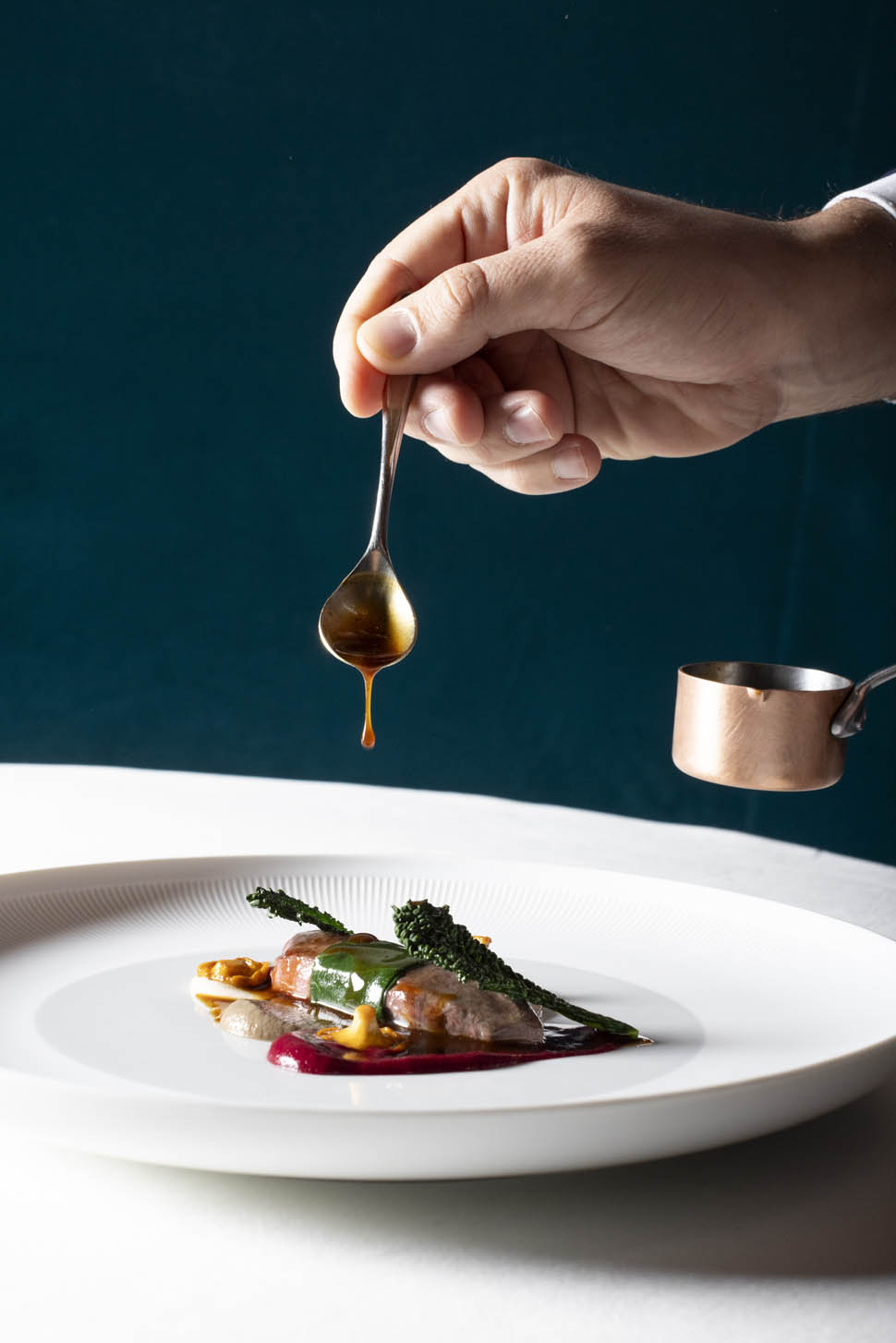
But that's not all: the cocoa-glazed pigeon with hazelnuts, mushrooms, and wild berries represents an excursion into one of Guida's favorite areas, game, which often finds its way into his cuisine, especially in autumn. A velvety dish that envelops you like a merino wool blanket, but with the pleasantly discordant note of red berries, which bring a slight tartness.
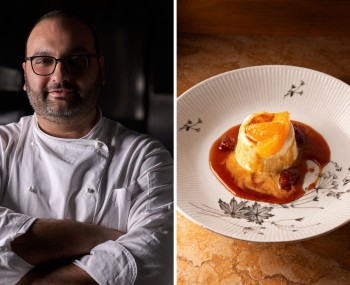
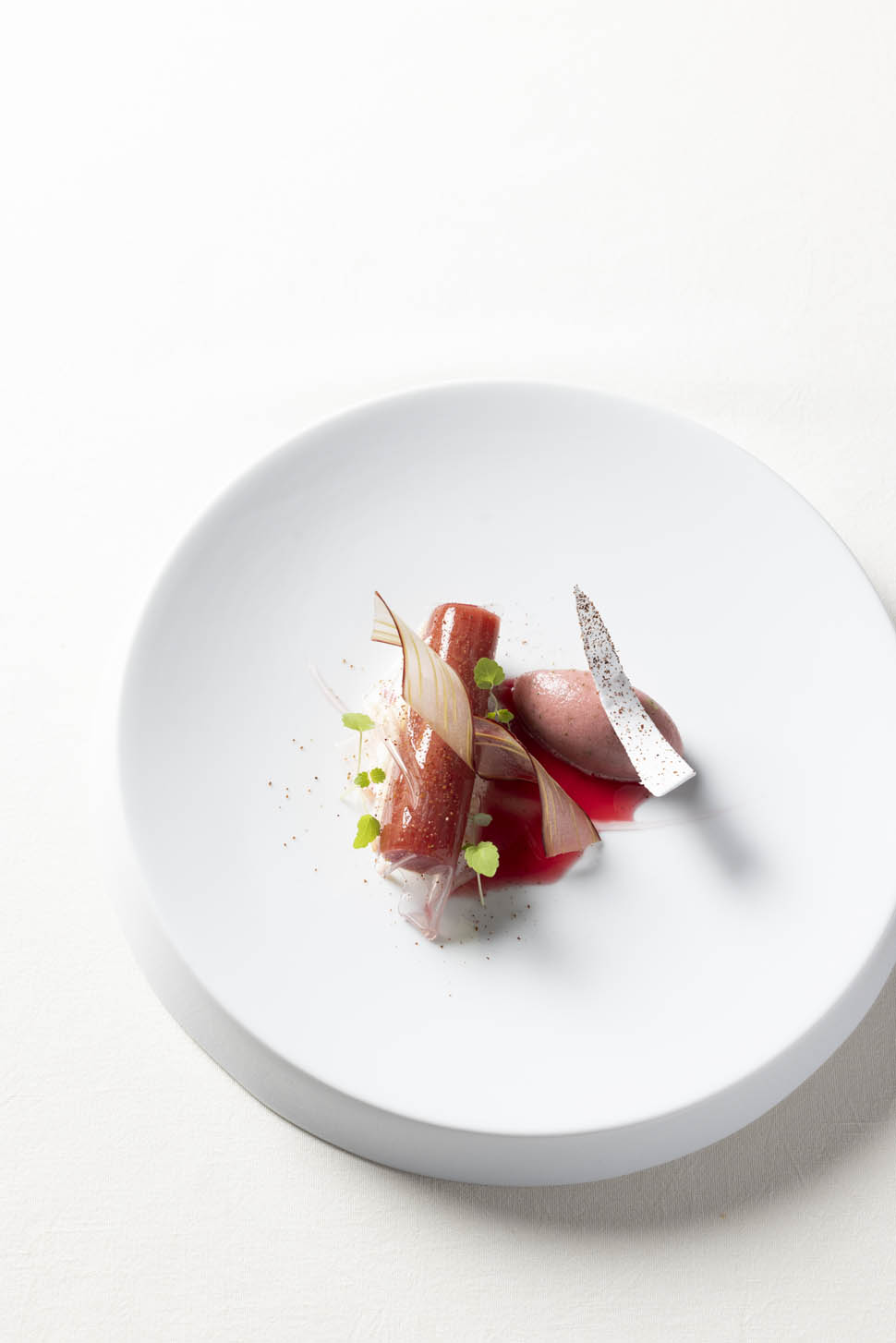
The menu naturally concludes with desserts, and here pastry chef Marco Pinna comes into play with one of his most recent creations: Rhubarb with rice pudding, lemongrass, rhubarb sorbet, and shiso, a balancing act between freshness, acidity, and elegance.
The “ Dieci Anni di Seta” menu costs €250 and includes the option of pairing with selected wines for €200. It joins the other menus, “Qui e Ora” (€260), which captures Guida’s gastronomic Zeitgeist, the à la carte menu (two courses and dessert for €160, three courses and dessert for €220), the extraordinary Chef's Table for two (€350), the more flexible lunch option from Tuesday to Friday (a starter, a main course, and a dessert to choose from two alternatives that change daily for €110), which promises to delight diners in sixty minutes, so as to respect the deadlines of a working day.
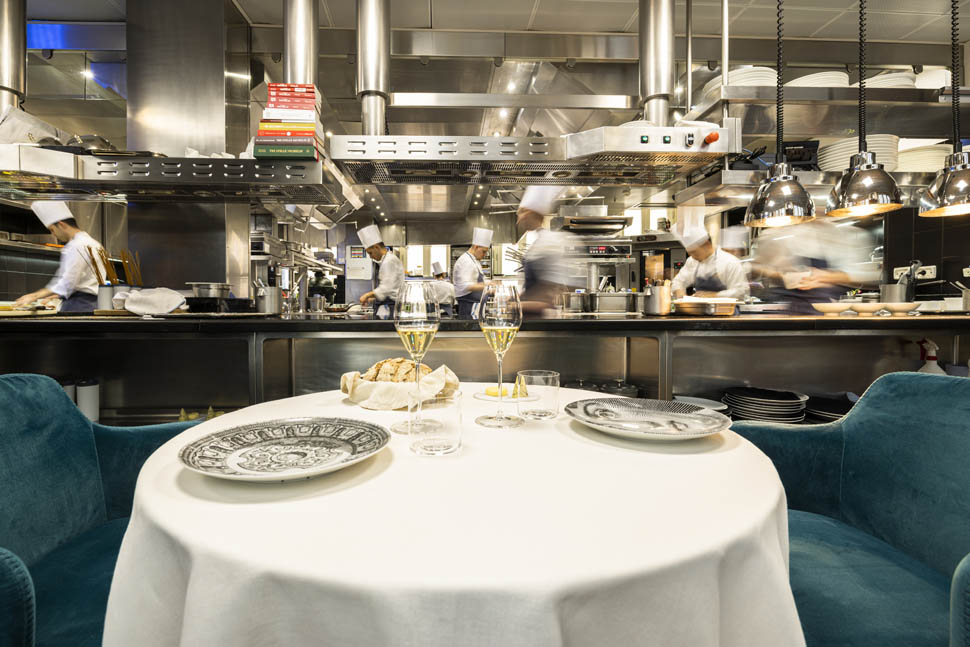
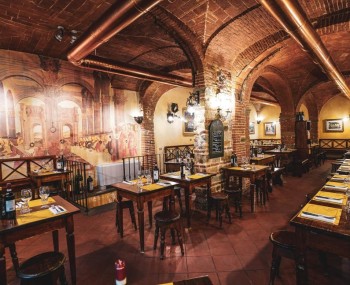
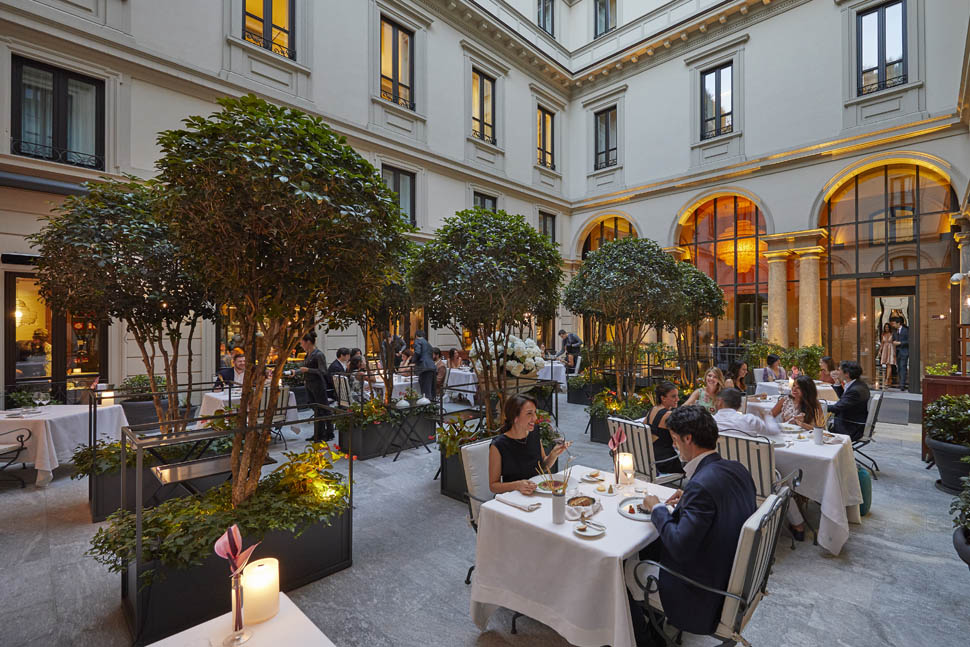
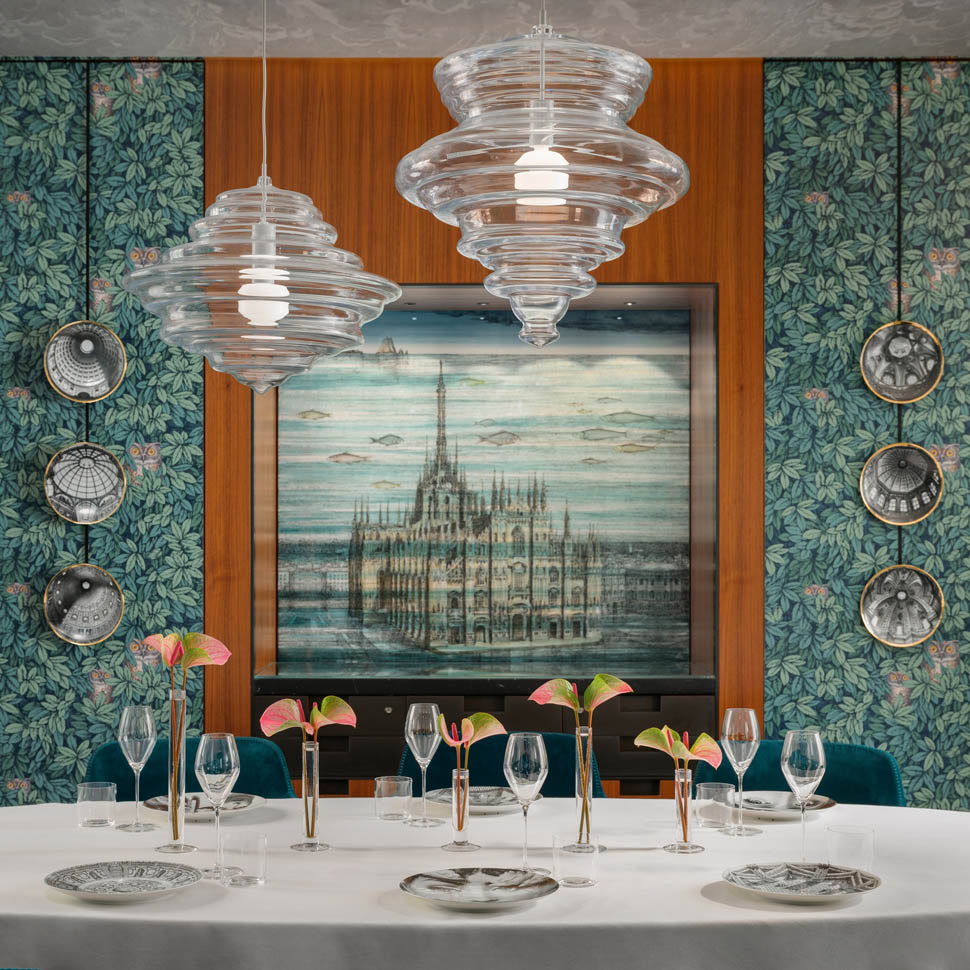
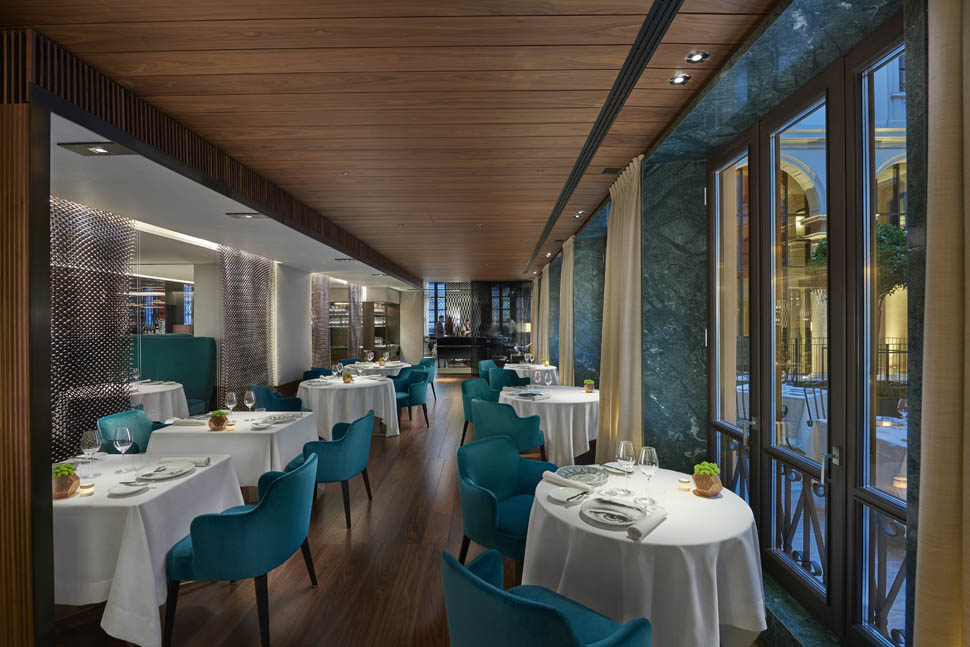
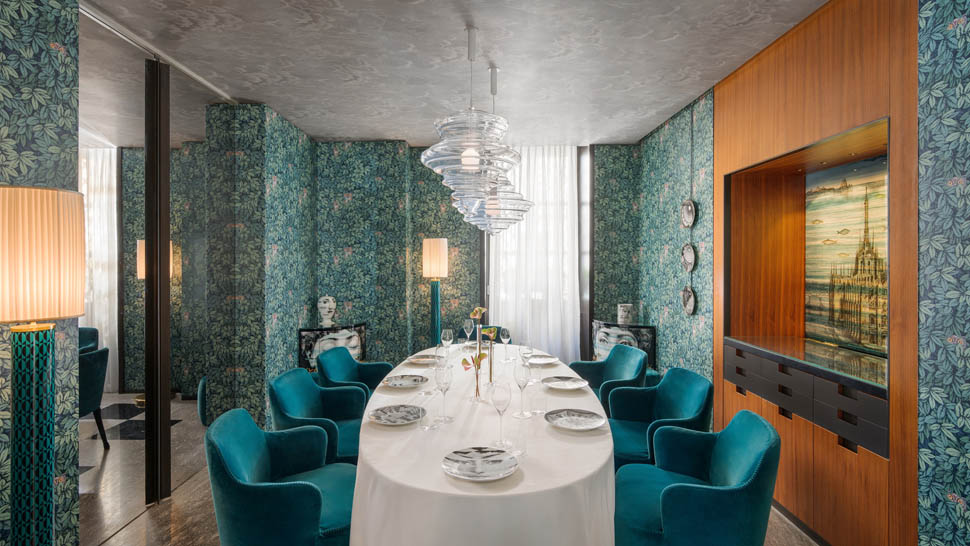
The restaurant consists of three main areas: an indoor section, a lush outdoor courtyard, and the refined Saletta Duomo, decorated by Fornasetti, which has its own special menu (€260).
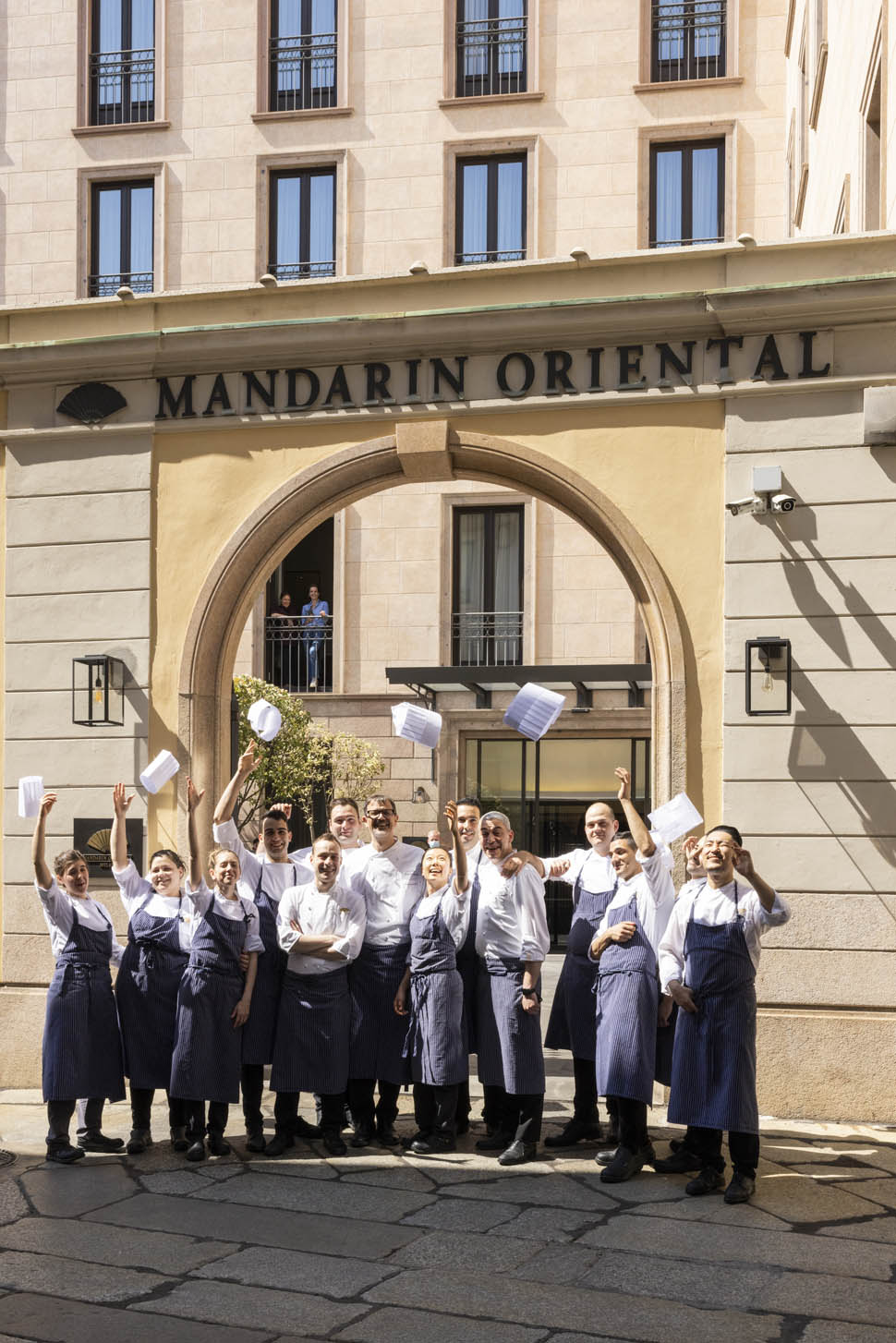
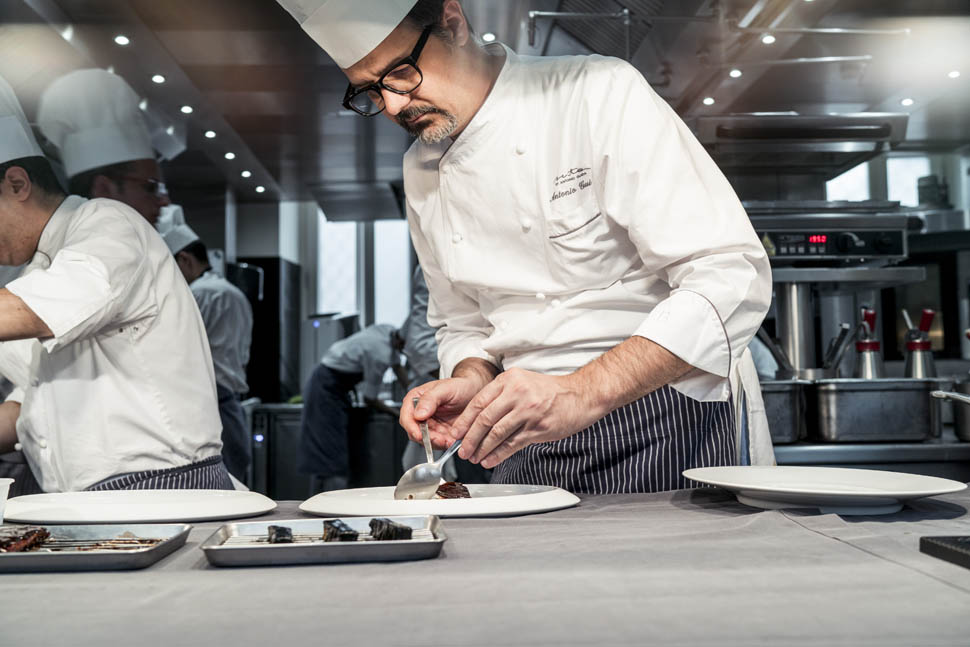
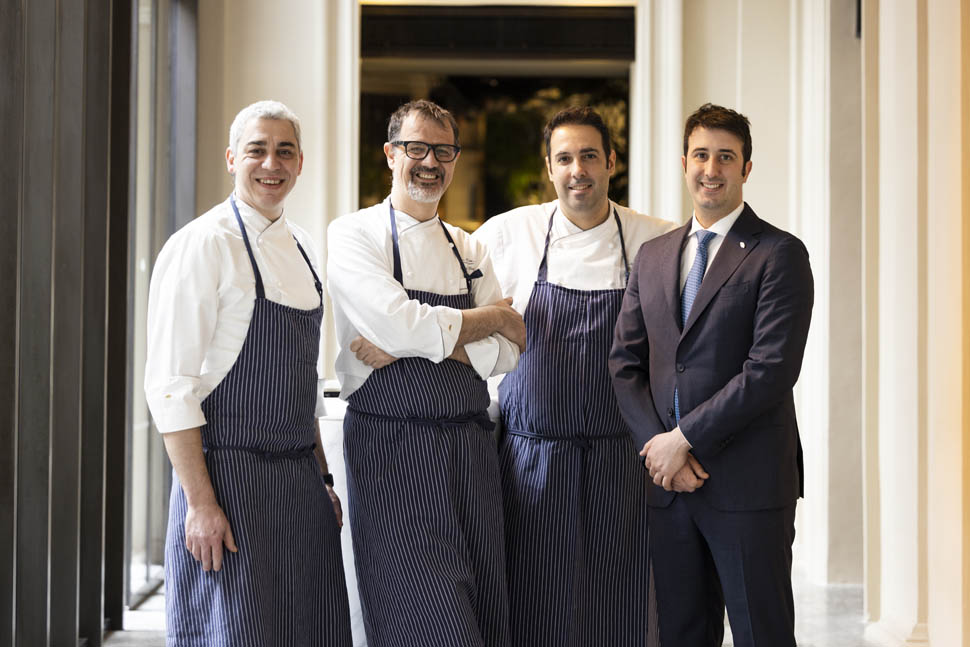
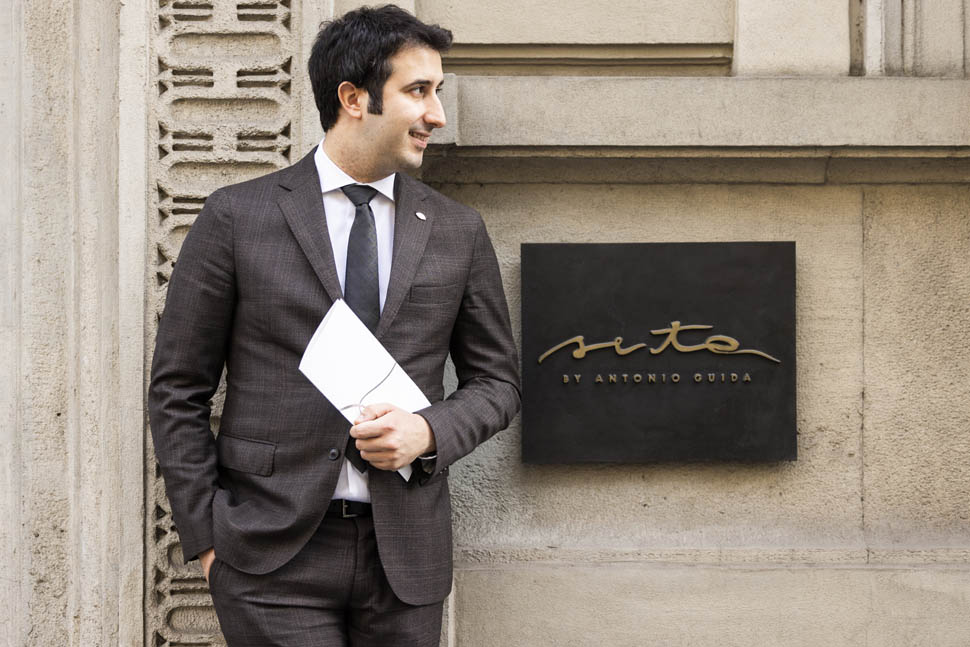
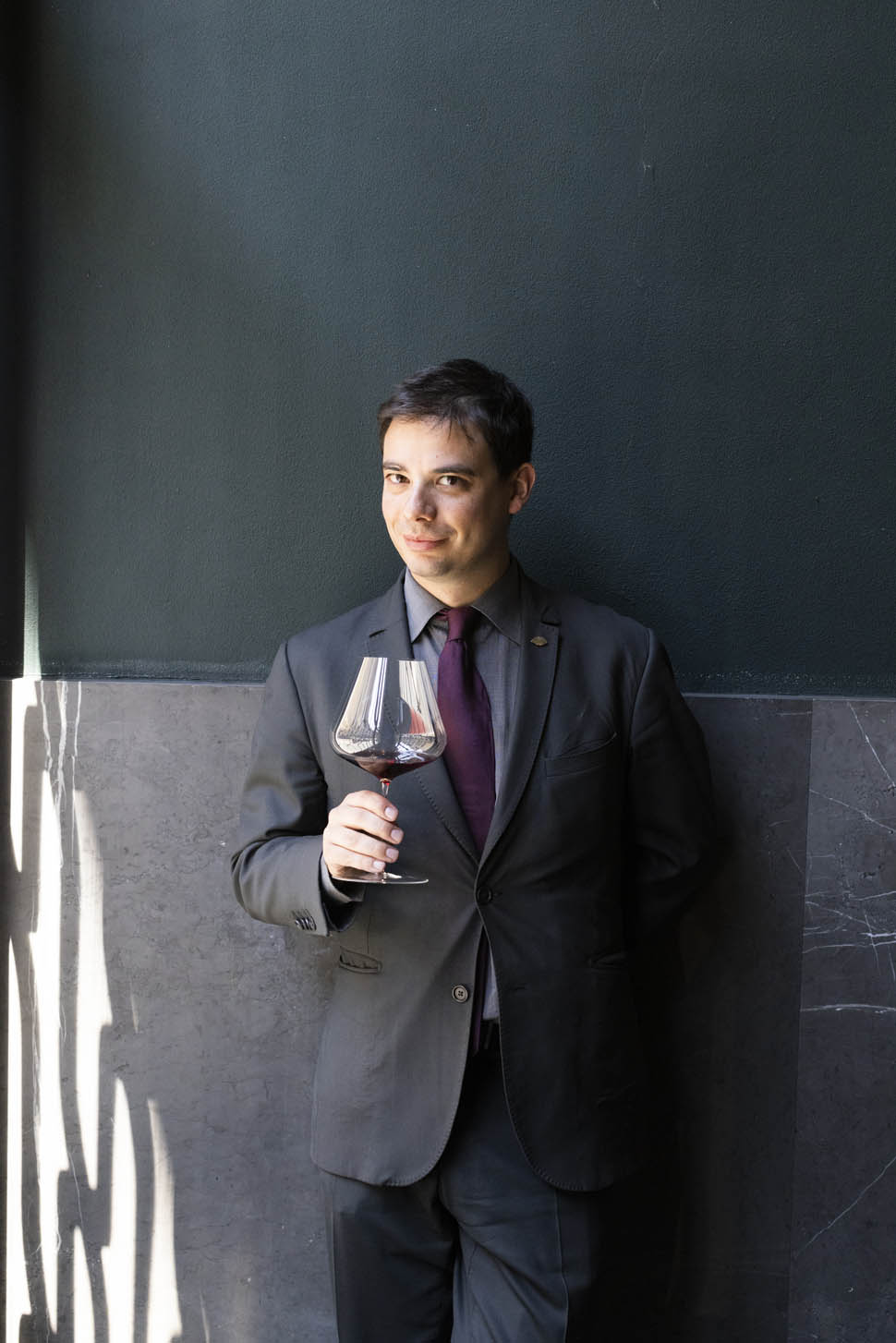
Guida is very generous with his team, loving to share the joys and honors with them. His brigade of thirteen chefs boasts a remarkable average length of service, although nothing can match the scenes from a gastronomic marriage between Guida and his long-standing executive sous-chef Federico Dell'Omarino: the two have a rapport that goes far beyond work, it is more a matter of telepathy. As for Pinna, he joined Mandarin Oriental in 2015 and is therefore one of the very first members of the team. The dining room is magnificently managed by the fine dining director and maître d' Manuel Tempesta. The majestic wine cellar (with approximately 1,100 labels) is managed by head sommelier Andrea Loi.
Contact and info
Seta by Antonio Guida is located at Via Monte di Pietà 18.
Telephone 0287318897
Email setarestaurant@mohg.com.
It is open every day except Sunday and Monday for lunch from 12:30 p.m. to 2:30 p.m. and for dinner from 7:30 p.m. to 10:30 p.m. The Mandarin Oriental also features the Mandarin Garden restaurant and bar, with a more international menu also coordinated by Guida and one of the best cocktail bars in the city.