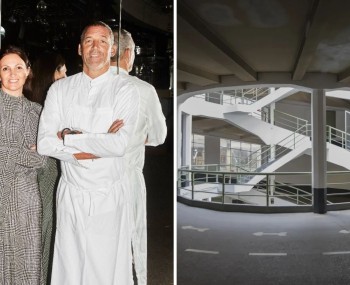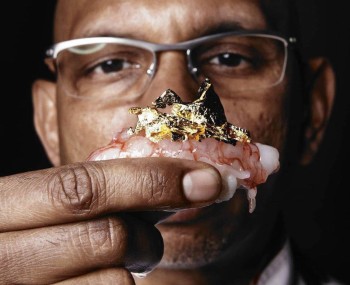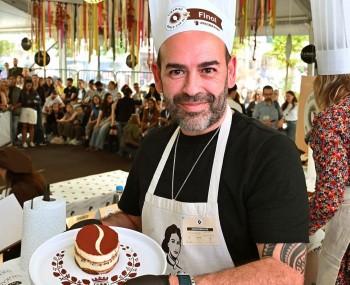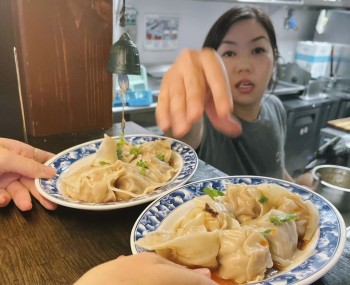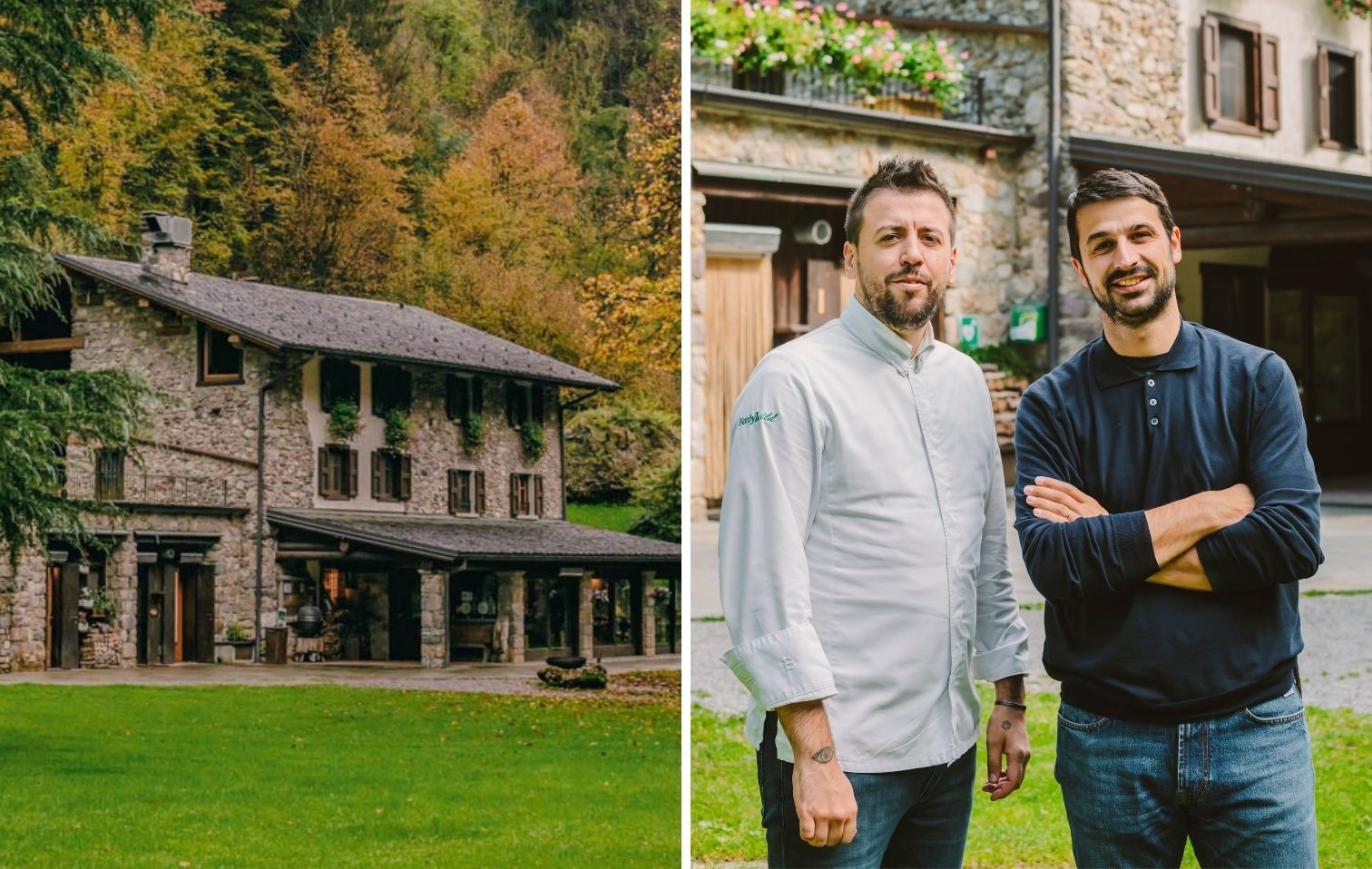
A friendship born on the saddle of a bike becomes a four-handed dinner that raises important issues: Ferdy Wild and L'Alchimia meet to recount, through dishes and words, two different but similar visions of contemporary Italian cuisine.
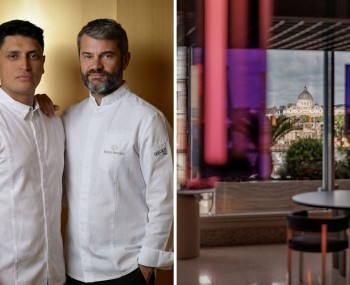
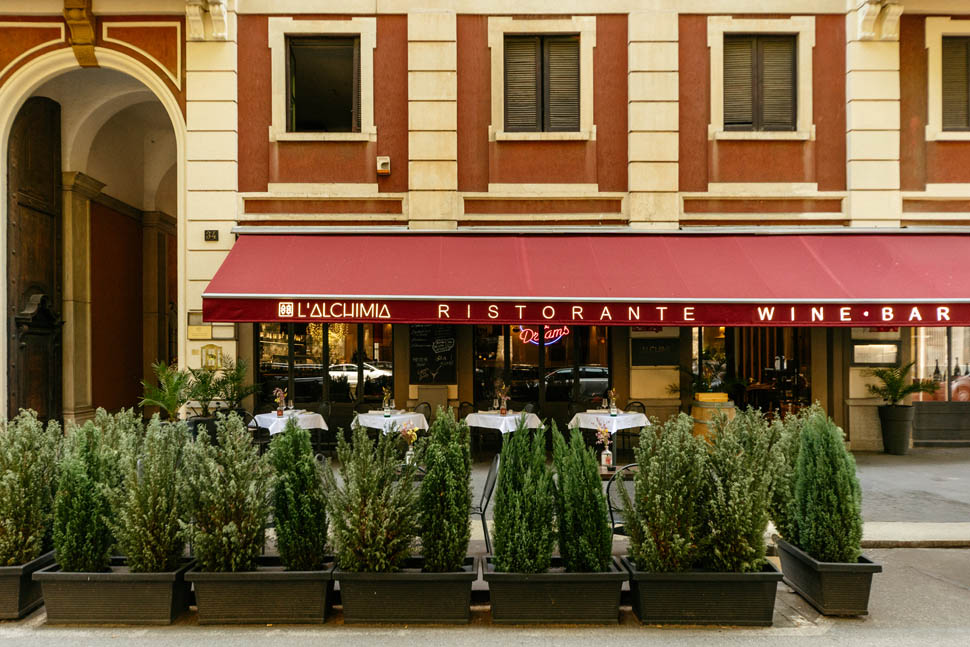
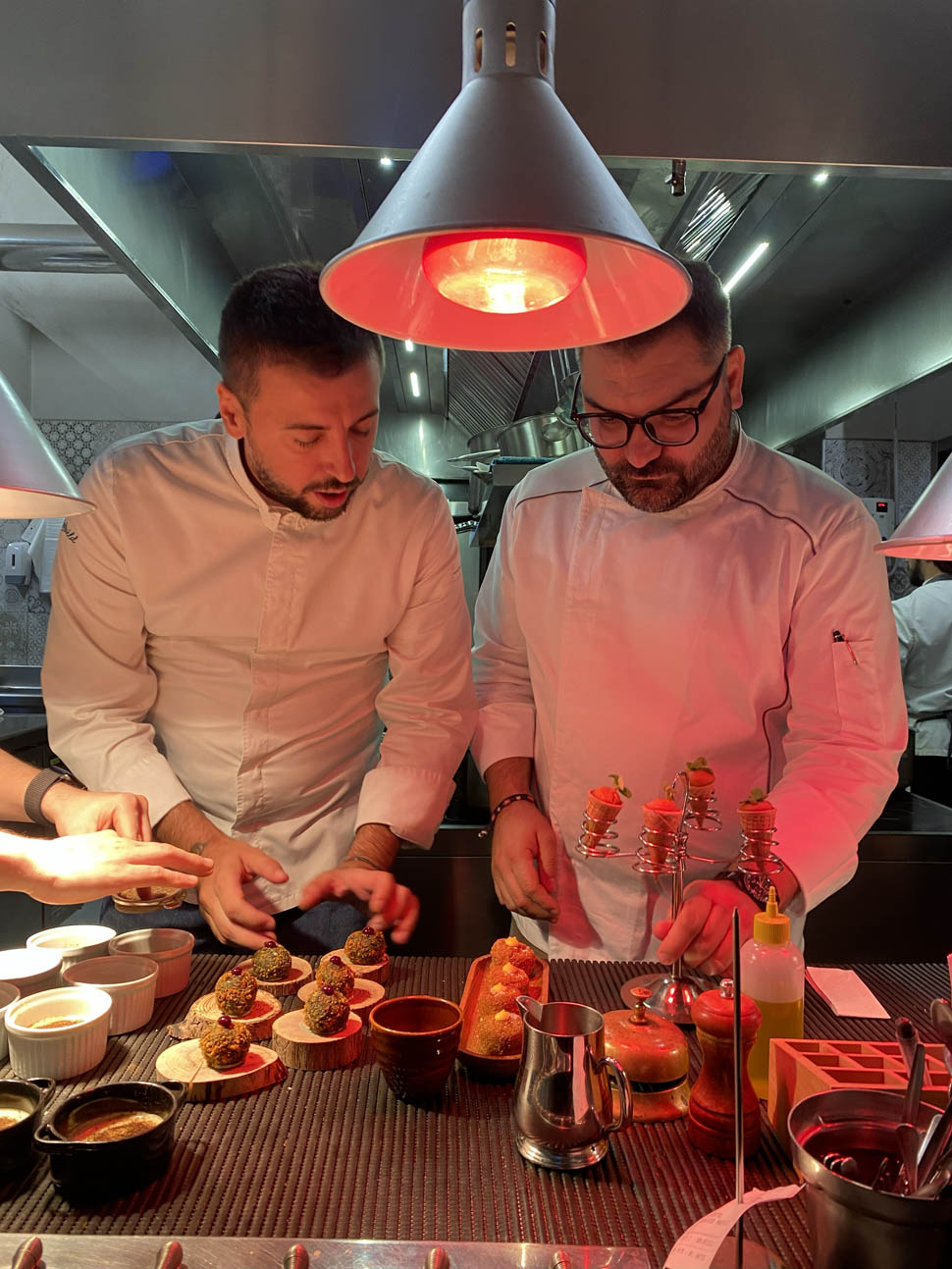
From Val Brembana to Milan, an evening that brought together different sensibilities and territories. Nicolò Quarteroni, Director of Ferdy Wild, reflects on cuisine, sustainability, and the truth of the trade. A shared table, two cuisines that recognize each other. On one side, the vertical and concrete nature of Ferdy Wild, a mountain farmhouse immersed in the Orobie Alps; on the other, the urban elegance and technical rigor of L'Alchimia, a Milanese restaurant led by Alberto Tasinato.
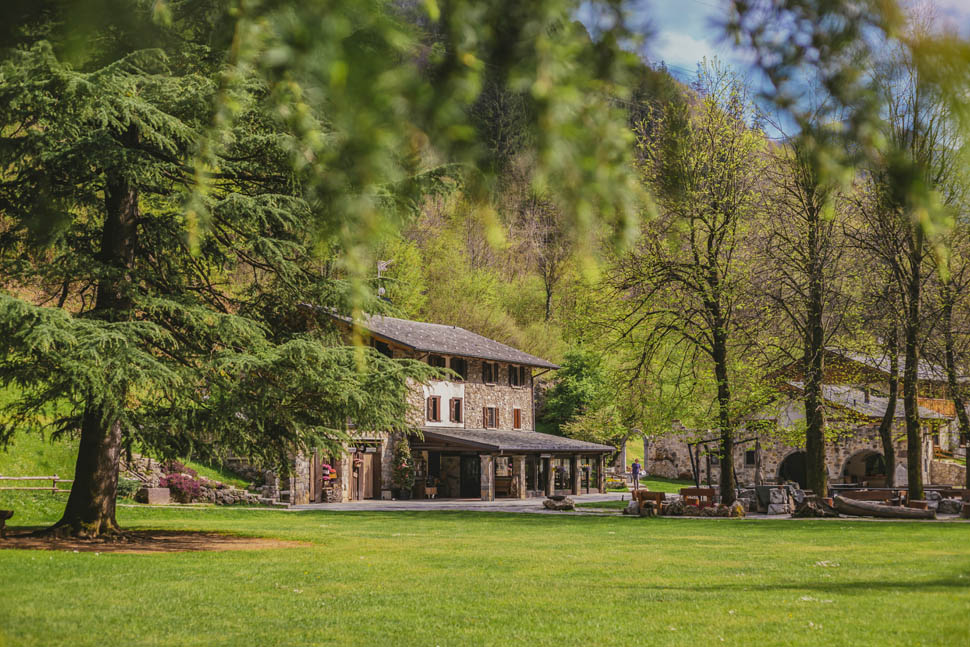
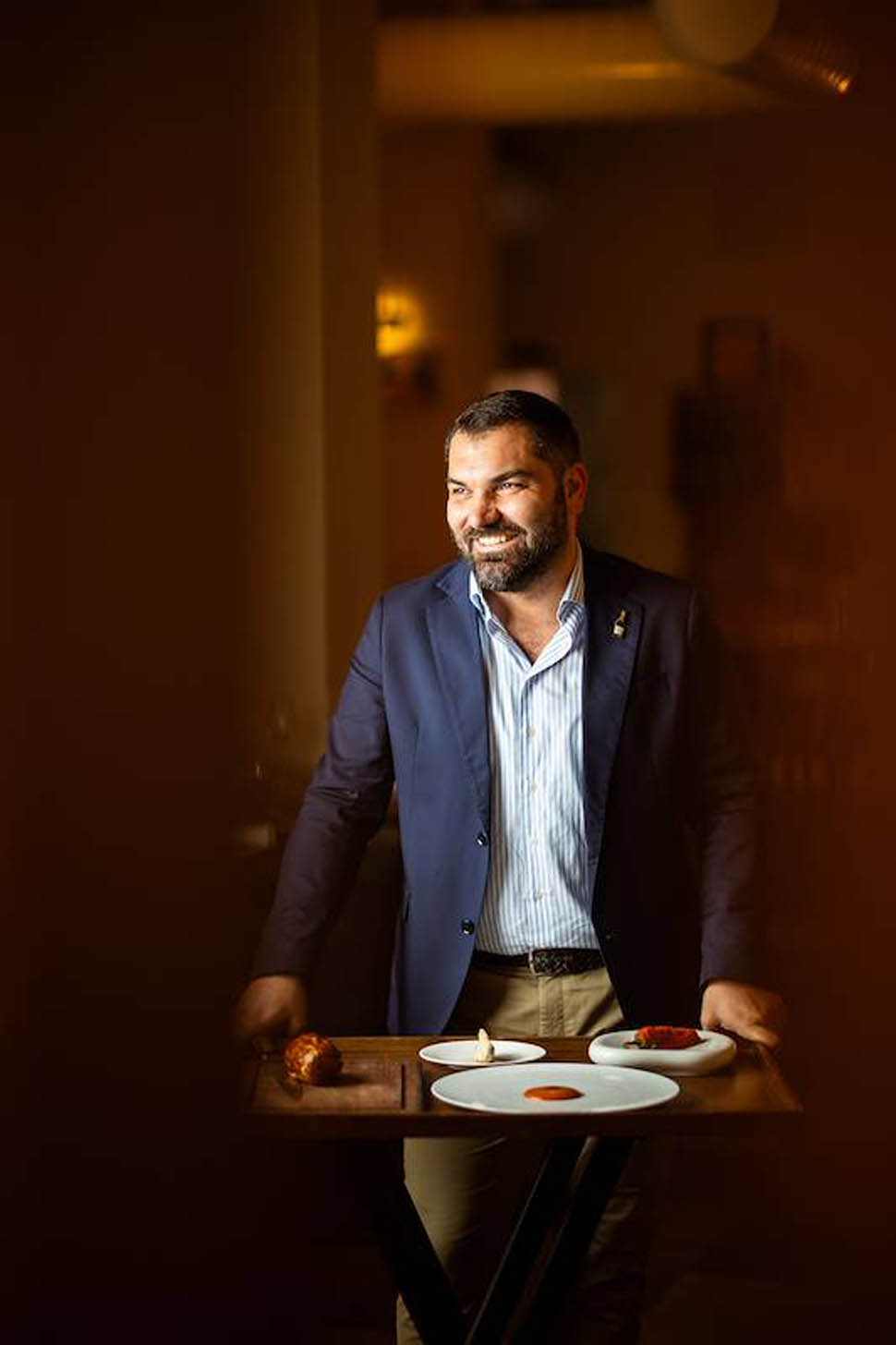
The occasion: a four-handed dinner born from a personal bond, even before a professional one. Speaking is Nicolò Quarteroni, Director of Ferdy Wild, the voice and soul of the project that combines hospitality, agriculture, and cuisine in Val Brembana.
Where did this collaboration come from?
"This dinner is not the result of a work project, but of a friendship that began on a bike. Alberto Tasinato and I share a passion for wine, catering, and a certain way of understanding hospitality. In our opinion, he is one of the great interpreters of Italian dining. Last year, we cooked together at our home, Ferdy, to celebrate Alchimia's anniversary: that's where the desire to get together again was born. Although we live far from the city, we like to build bridges between different worlds when there is human affinity and mutual respect behind them."
What unexpected things did you discover about each other?
“We discovered that, beyond the locations, what brings two cuisines together is sensitivity. Alchimia is an example of how hospitality can be elegant, attentive, and people-centered. People often talk only about the cuisine, but the dining room is the heart that brings everything to life. We share the same desire to tell the story of the territory through its inhabitants, to value the work of the hands and relationships.”
Vision of cuisine: what does mountain cuisine mean today and what does urban cuisine mean?
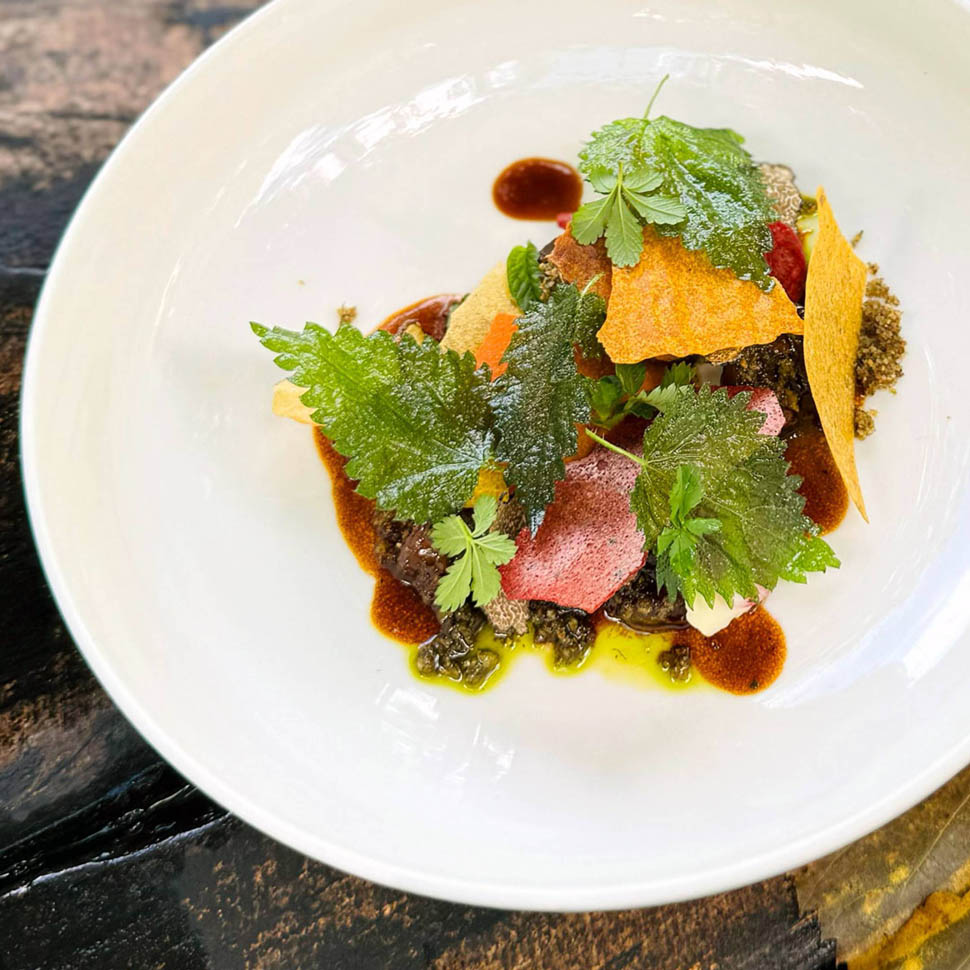
"For us, mountain cuisine is not a category, but a way of life. It is a cuisine based on respect: for animals, for the land, for the seasons. It is sustainable not because it follows a trend, but because it arises from a daily necessity—that of making resources last, of not wasting anything, of restoring value to what we have. The city, on the other hand, like Milan, has the power to interpret and bring all these stories into dialogue, to open them up to the world. It's nice to meet on this border: we bring the verticality of the mountains, they bring the depth of the urban vision."
The theme of sustainability is central to both your paths. How do these visions interact?
"We believe that sustainability does not have a place, but a way. It can arise at high altitudes or in an urban context, if the approach is conscious.
In our case, this means making full use of the animal, minimizing the use of meat, and supporting agriculture that cares for the mountains and the people who live there. At Alchimia, sustainability translates into management, training, and a balance between quality and innovation. They are two different worlds, but they speak the same language: that of respect."
Which dish from the evening best represents you?
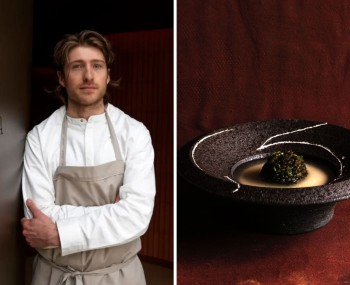
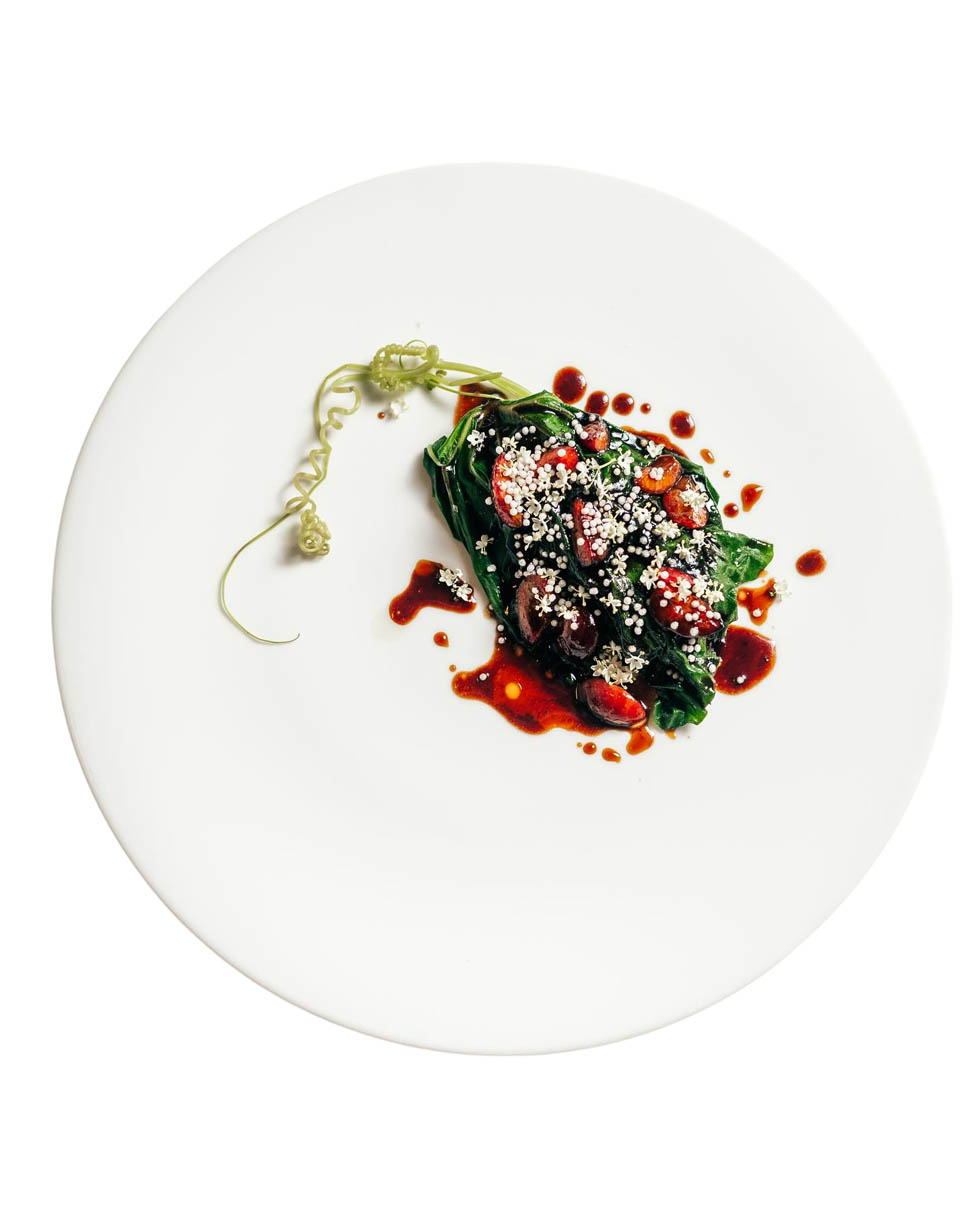
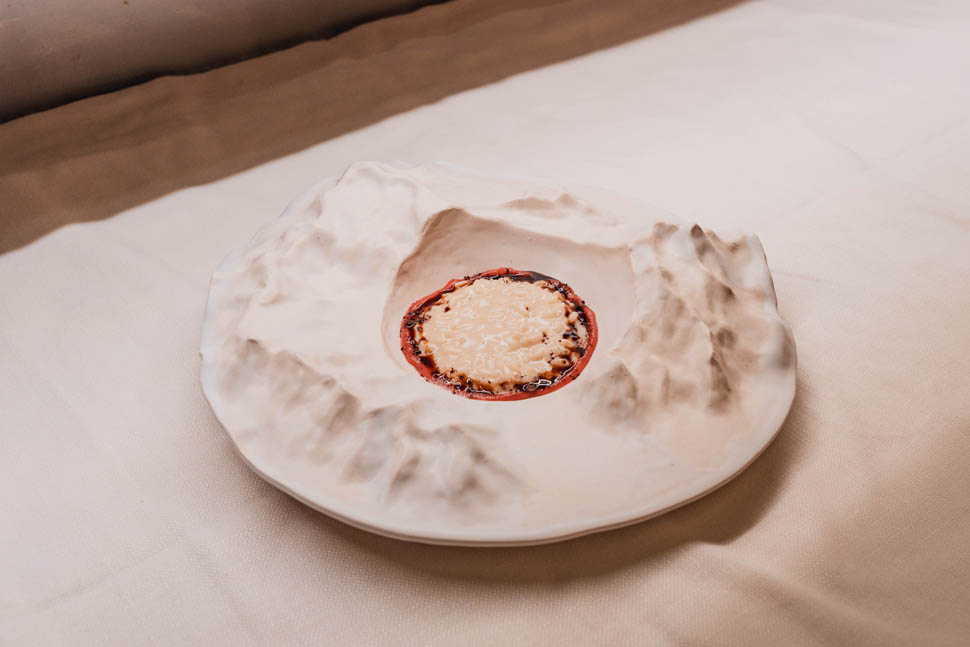
"Definitely La mé àca, which in dialect means ‘my cow’. It's the dish that best expresses our idea of cuisine: rice cooked in a reduction of milk and hay, served with a red sauce made from alpine romice — a wild herb that grows right where the cows sleep — and finished with fir bark, cocoa, and brown stock.
It's a dish that stems from the deep connection between the mountains and those who live there every day, a dialogue between nature, memory, and craftsmanship. Even the plate on which it is served is symbolic: it was made by an artist from Bergamo and represents a mountain, reminding us of the centrality of the animal and the meaning of our daily work."
Looking beyond this dinner: does Italian catering need more cross-pollination?
"We believe that catering today should be free. It is right that there should be boundaries of identity, but they must not become walls. The important thing is that there is truth behind them: knowing who you are, what you represent, and why you do it.
Every restaurant should be a bearer of culture, well-being, and value, not only for its guests, but also for its team and all the suppliers involved. When there is this awareness, influences become wealth, not dispersion."
More than a dinner, it was a meeting of like-minded visions. In the dialogue between the mountains and the city, an idea of cuisine emerges that does not chase trends, but is based on respect, authenticity, and relationships.
A story of truth, where hospitality becomes culture and the dish simply a way to share who you are.