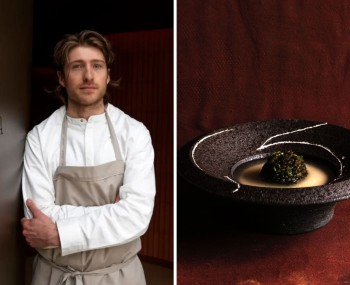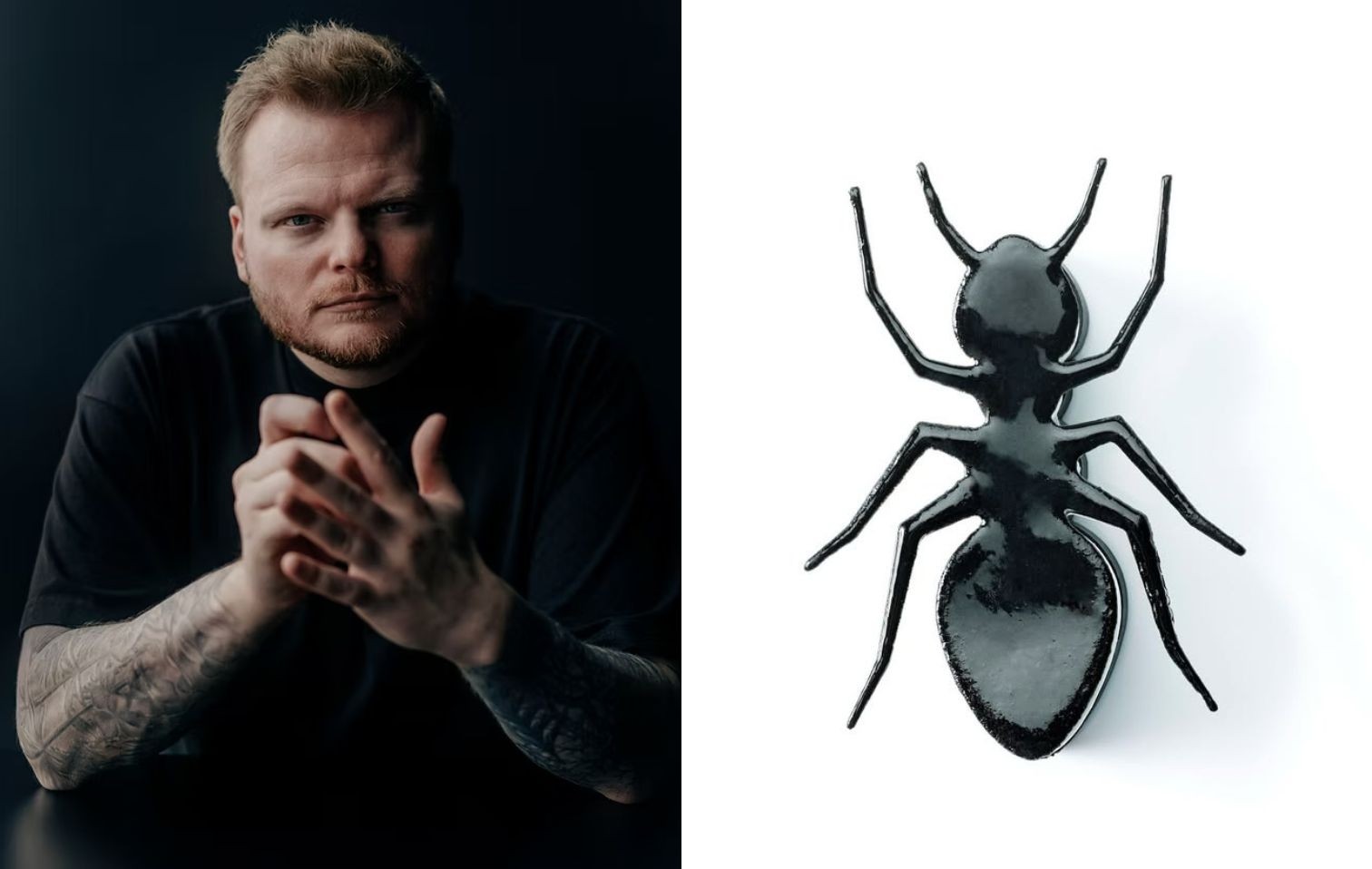
Munk and his team have developed several creations that exploit the unique flavor and acidity profile of ants. Today, university research explains how it is possible to produce fermented foods from insects, bringing this ancestral practice into the future.
The rediscovery of ant yogurt: from Balkan tradition to the Michelin-starred dishes of chef Rasmus Munk
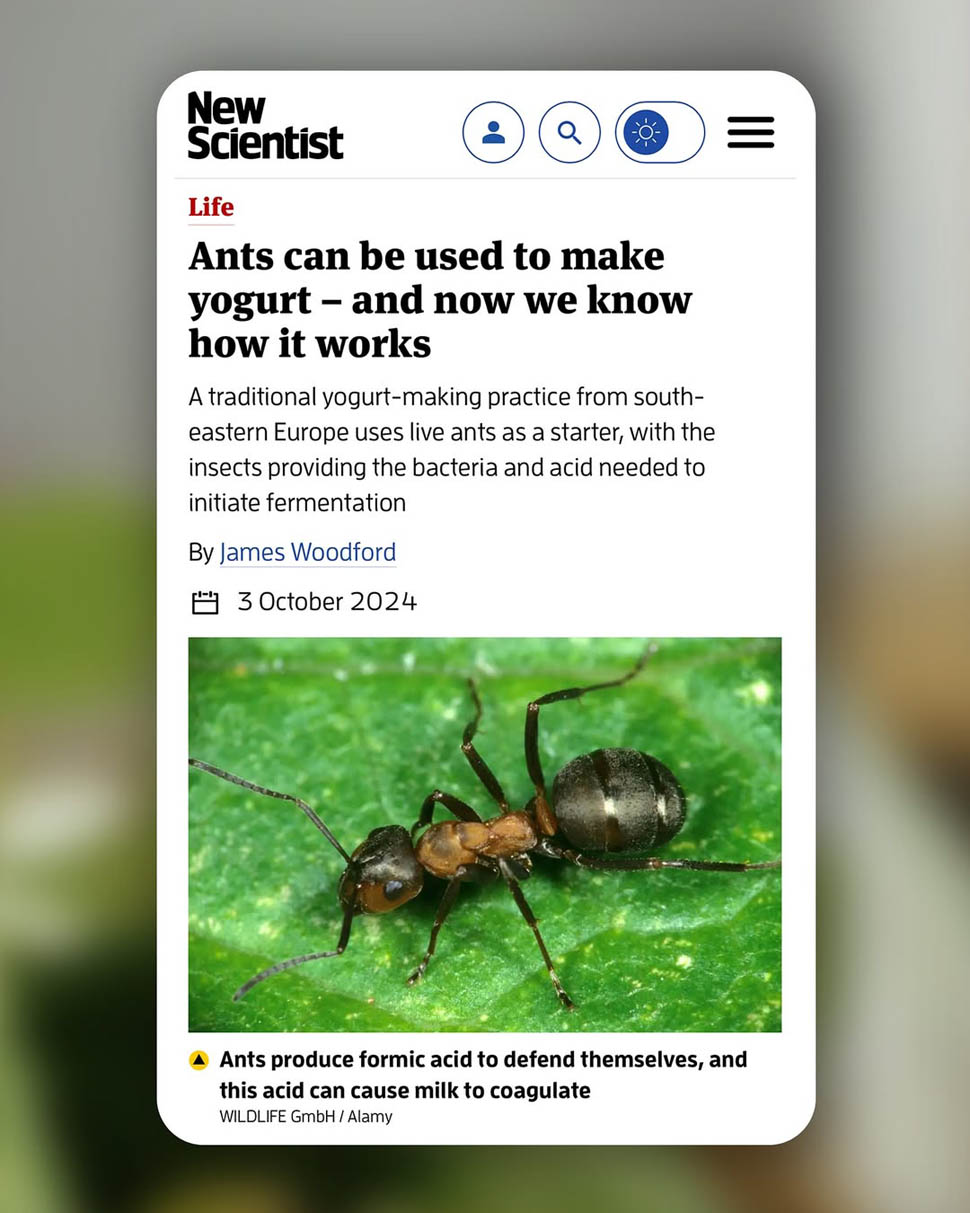
An ancestral practice, once widespread in the Balkans and Turkey, is experiencing a surprising revival thanks to the intersection of scientific research and haute cuisine. We are talking about ant yogurt, a natural fermentation method that, although it may sound bizarre, has deep roots and, as recently demonstrated, a solid microbiological basis. The rediscovery began with a family tradition: Bulgarian anthropologist Sevgi Mutlu Sirakova, from Ludwig Maximilian University in Munich (LMU), in collaboration with Danish and American colleagues, wanted to scientifically investigate the preparation of this yogurt. Following the instructions of her uncle in Bulgaria, the researchers immersed four live red ants in warm cow's milk and left the container in an anthill, using the heat and humidity for fermentation. The result? A thick, creamy, and sour product, proving the effectiveness of the ancient recipe.
Haute cuisine embraces natural innovation
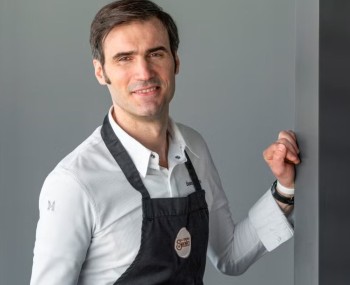
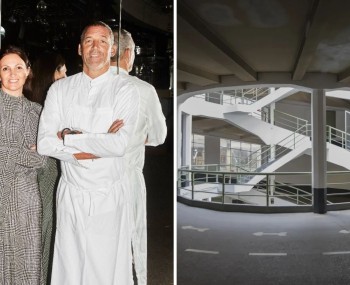
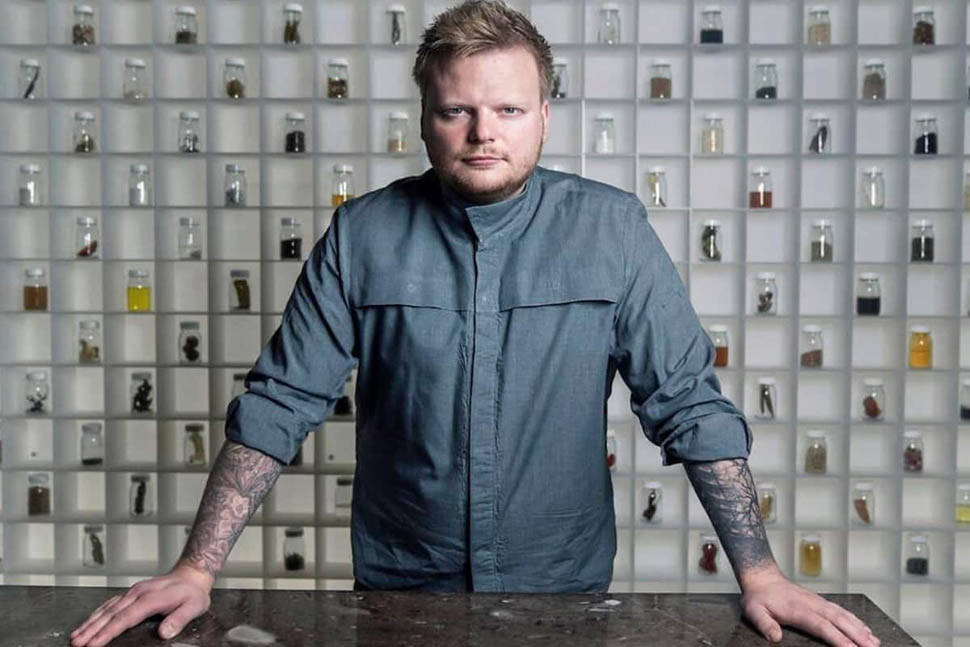
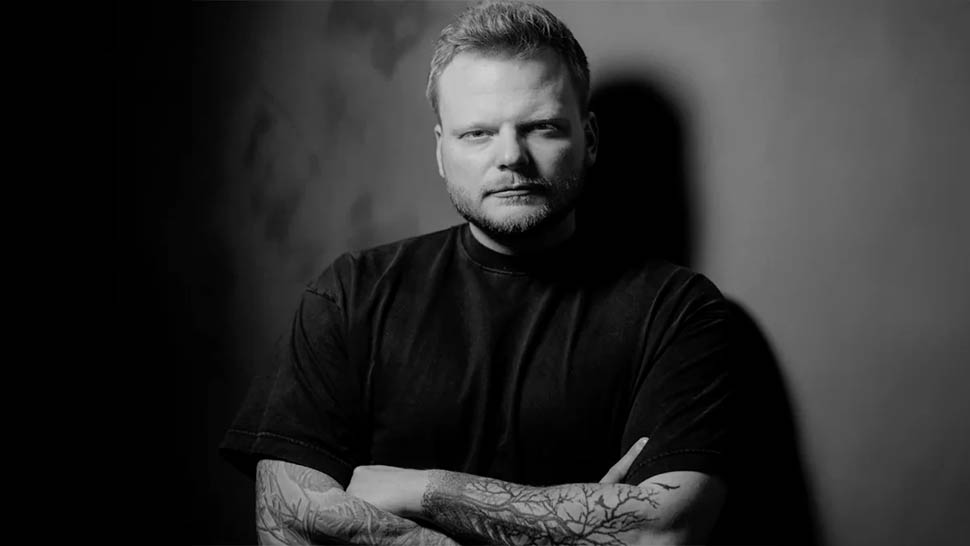
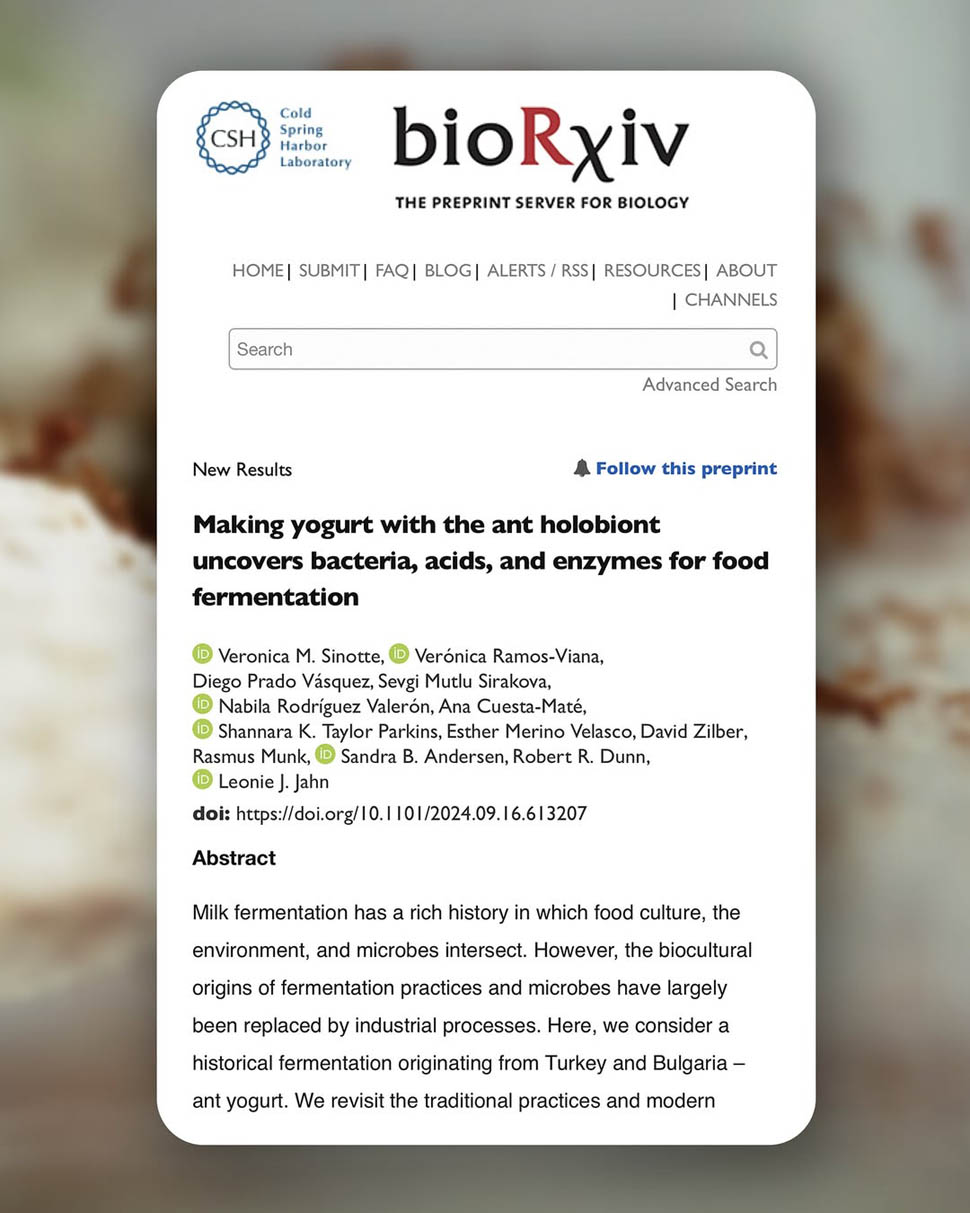
This fascinating rediscovery has found fertile ground in experimental gastronomy. Danish chef Rasmus Munk, two Michelin stars at the Alchemist restaurant in Copenhagen, known for his daring culinary philosophy, has incorporated ants into avant-garde dishes. “Making yogurt with ants? The research and development teams at Alchemist and Spora have been working on and creating culinary applications for this for years,” reads the restaurant's Instagram page. “Now, new research by Veronica Sinotte at the University of Copenhagen and Leonie J Jahn at DTU on the traditional method of fermentation using ants may explain how the process actually works.”
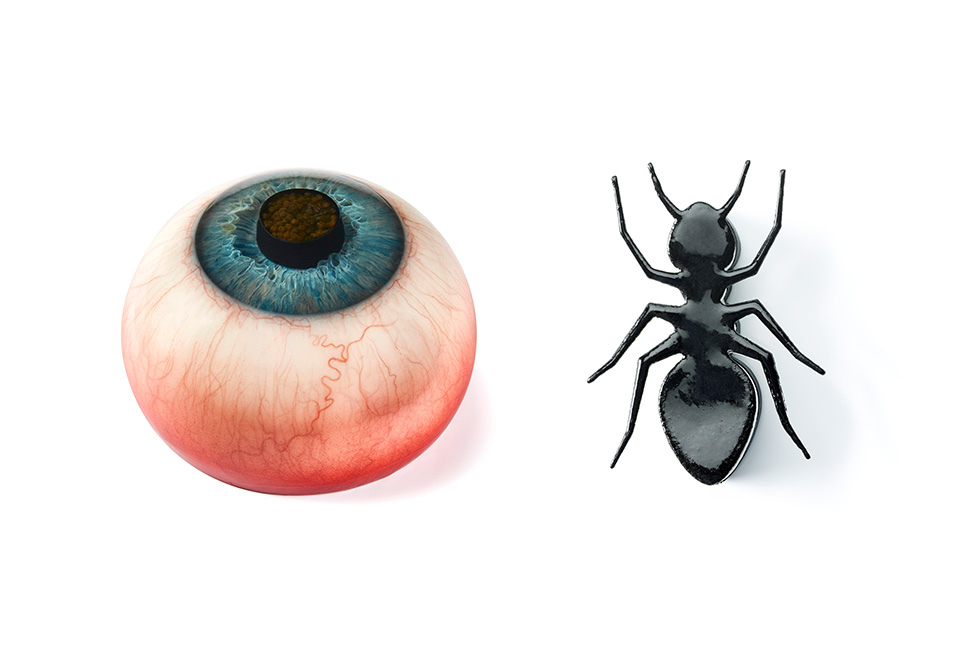
It should be noted that Munk and his team have developed three creations over the years that exploit the unique aromatic and acidic profile of ants:
- “Ant-Wich”: a sophisticated ice cream sandwich, where sheep's milk yogurt fermented with live ants as a “starter culture” is enclosed between a gel enriched with ants and crunchy cookies. The whole thing is laser-cut into the shape of an ant, offering a pungent and unexpected acidity.
- Ant mascarpone: a cream cheese-like preparation made from goat's milk and dehydrated ants as a catalyst, which develops a taste reminiscent of aged pecorino cheese.
- Milk and ant cocktail: a drink whose recipe is inspired by those of the 18th century. Dried ants replace citrus fruits as acidifying agents, giving the drink fruity notes of apricot, a hint of brandy, and a velvety texture, with a complex and subtle acidity.
The secret of insect fermentation
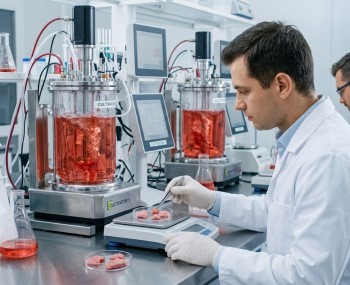
While conventional yogurt is made using bacterial cultures such as Lactobacillus bulgaricus and Streptococcus thermophilus, ant-induced fermentation is based on an equally ingenious mechanism. As revealed by the study, red wood ants naturally carry lactic and acetic bacteria, which act as catalysts in the process. Their microorganisms and enzymes act on milk proteins, breaking them down and giving the mixture its characteristic creamy texture and sour taste. In short, ants act as a complete biological “starter,” a phenomenon that researchers call holobiont, indicating the symbiosis between the insect and its microbes.
An important warning from science
Despite the enthusiasm for this culinary application, researchers warn against home improvisation. Ants can carry parasites that are dangerous to humans. Although treatments such as freezing or drying can mitigate the risk, this also increases the likelihood of harmful bacteria forming. To ensure maximum safety, Alchemist uses only microbiologically filtered ant milk.
The Alchemist Restaurant on research
Commenting on this synergy between folklore, science, and haute cuisine, the Alchemist restaurant writes on Instagram:
"Ants provide essential acids, enzymes, and microbes that ferment milk. The results show that lactic acid bacteria and acetic acid—similar to those found in yogurt and sourdough—come from live ants and multiply in milk. These bacteria, together with the ants, release formic, lactic, and acetic acids, which help thicken and acidify the yogurt. Simply placing at least four live ants in a container of heated raw milk provides enough microbes, enzymes, and acids to start the fermentation process that creates yogurt. We are very proud to have played a small role in these exciting discoveries, which highlight nature's hidden role in food fermentation. We are also exploring new and innovative ways to incorporate ants into culinary experiences. The video above shows our leafcutter ants in action: they have a fascinating symbiotic relationship with a type of fungus that they “cultivate” in their colonies. This particular colony, based at Spora headquarters, is helping us to better understand their biology and discover other culinary possibilities.