What will today's children cry about in fifty years' time? Perhaps the absence of dishes they never knew, replaced too soon by industrial hamburgers or packaged sausages.
For Manríquez, the challenge is not only for families or the state, but also for the profession to which he has dedicated his life. “Cooks must first understand their roots before they can travel.”
Cover photo: @@Humberto Merino
The chef
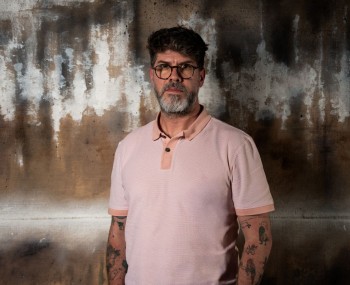
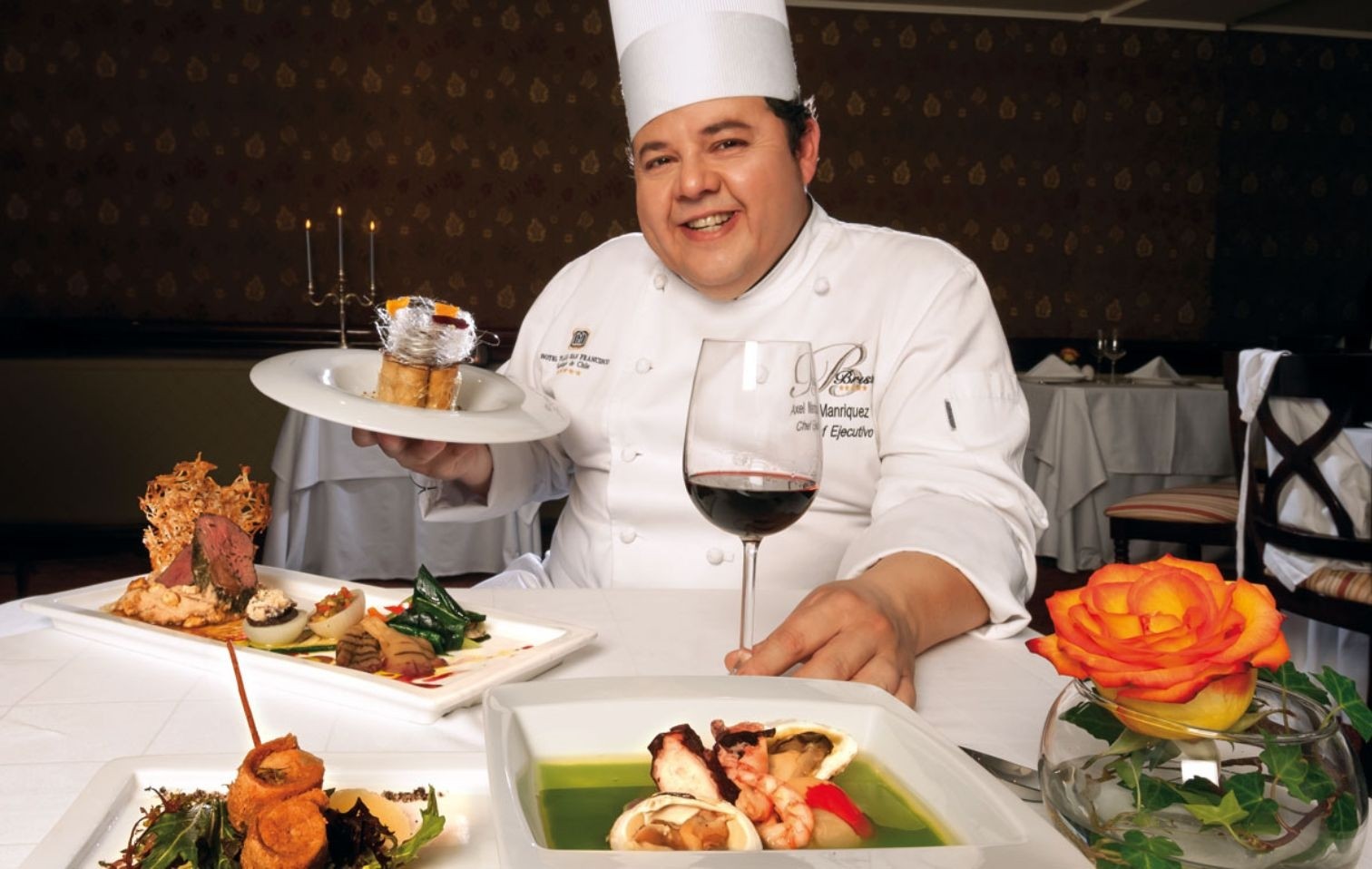
In Santiago, Chile, there is a chef who always seems to have an invisible notebook in his pocket. He doesn't take it out during service, but at the most unlikely moments: a funeral, a family gathering, a chat with the neighborhood grandmothers. Axel Manríquez, 56, one of the leading scholars of Chilean gastronomic heritage, collects recipes that would otherwise risk disappearing into thin air, along with the memories of those who cherished them. His work resembles that of a culinary memory archivist, a “tableware researcher” who knows that every forgotten dish is a lost fragment of identity.
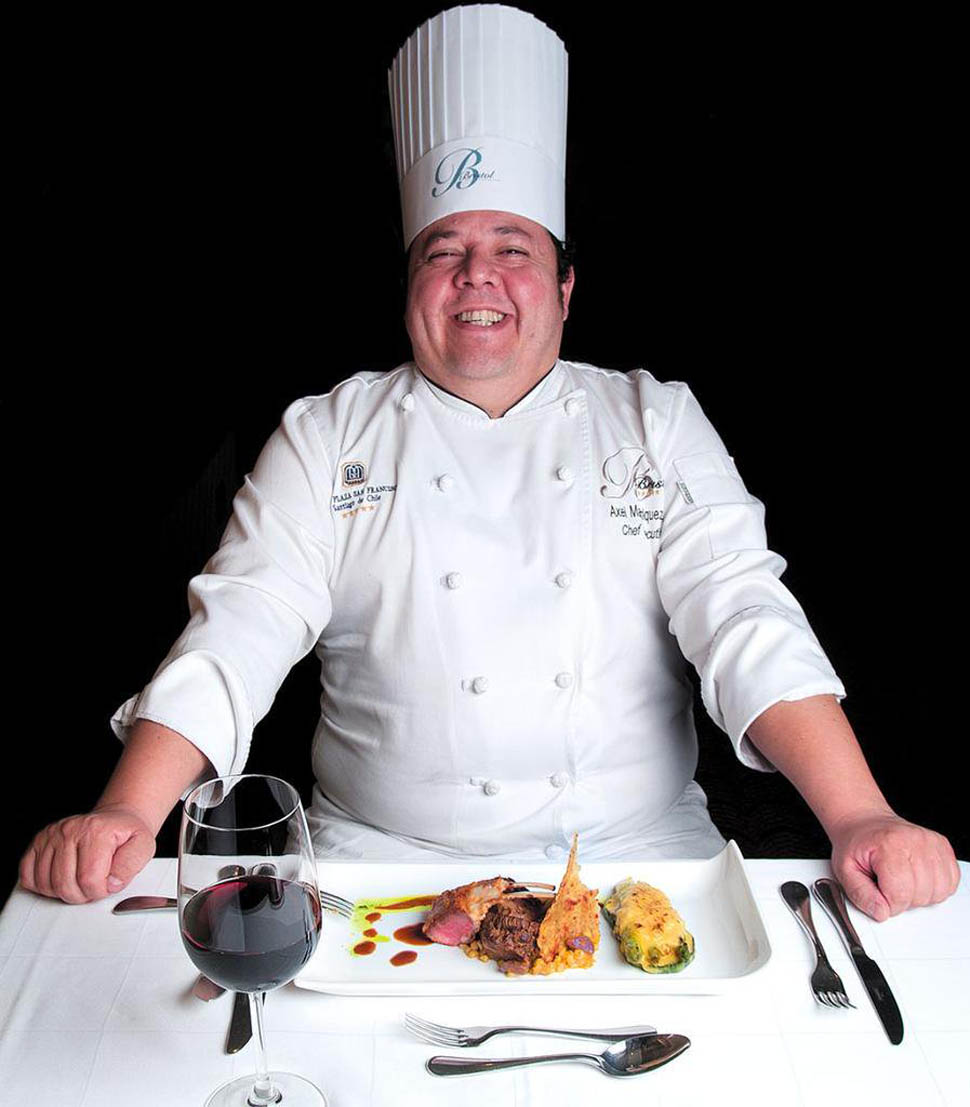
During national celebrations, when the country gathers around the table, Manríquez issues a warning: some dishes are slowly slipping out of the family repertoire. The younger generations are unfamiliar with them, have nowhere to taste them, and no opportunity to learn how to cook them. According to the chef, it is in this divide that the risk of true gastronomic extinction lurks. Chile, compared to other Latin American countries, has not yet been able to decisively export its cuisine. While Peru has built an identity empire around ceviche and Mexico has turned tacos and mole into global icons, Chileans, Manríquez observes, have preferred to look elsewhere. “In the past, when I mentioned dishes I liked, they would reply, ‘That's poor food’ or ‘It's absurd to serve that in a restaurant’,” he tells El País. Potatoes with chuchoca or fried fish were confined to soup kitchens, never allowed in restaurants with white tablecloths. Today, they are appearing in haute cuisine establishments, perhaps with a more refined touch, but for the chef, a cultural issue remains evident: “Chileans do not recognize their food. And not recognizing your food means not recognizing your identity.”
According to Manríquez, responsibility lies not only with consumers but also with the state, which does not invest in promoting gastronomy and does not consider cuisine to be an integral part of the national cultural heritage. This absence weighs heavily, because without institutional promotion, collective memory risks becoming blurred. Another Chilean contradiction lies hidden in the waters of the Pacific. The country has an extraordinary wealth of seafood: rare mollusks, prized crustaceans, and seaweed that is worth its weight in gold elsewhere. Yet, explains the chef, Chileans continue to favor meat and prestigious cuts, allowing part of that heritage to be undervalued or even exported. "When we swim and see a cochayuyo or a huiro, we consider it waste. Asian culture, on the other hand, appropriates it,“ he observes. The same goes for mussels: branded as ”low quality" because they grow on rocks, when in fact they represent excellence. The lack of custom translates into a seafood diet limited to a few species—hake, sea bass, salmon—ignoring an impressive variety. It is not just a matter of taste, but also of the supply chain: fish passes through too many hands before reaching the consumer, and prices rise, making meat more affordable. This is a travesty for a country that could build much of its gastronomic identity on the sea.

Over the past ten years, Chile has seen its migrant population grow by almost 50%. This has enriched the cuisine, introducing ingredients such as plantains, spices, chili peppers, and different techniques. But this fusion has not always produced a profound encounter. “Venezuelans continue to eat arepas, Chileans their ham,” notes Manríquez. The situation is different for Peruvian cuisine, which has left a more incisive mark with rocoto and other spices that are now incorporated into traditional dishes. The chef also acknowledges the technological advances brought from abroad: Patagonian sheep dairies, for example, have benefited from Italian expertise, allowing Chile to produce olive oils and cheeses that he himself describes as superior to those of Europe. The list of dishes at risk of disappearing is long and poignant. From pastel de choclo cooked in dough instead of terracotta, to cauliflower or green bean fritters, to “cow's foot cheese,” now impossible to find in markets. Manríquez recounts having prepared it for a 70-year-old friend who lived abroad: “His son called me to tell me that his father was crying while eating it.” A dish can become a trigger for memories, an intimate link to a past that will never return. And so the question becomes inevitable: what will today's children cry about in fifty years' time? Perhaps the absence of dishes they never knew, replaced too soon by industrial hamburgers or packaged sausages.

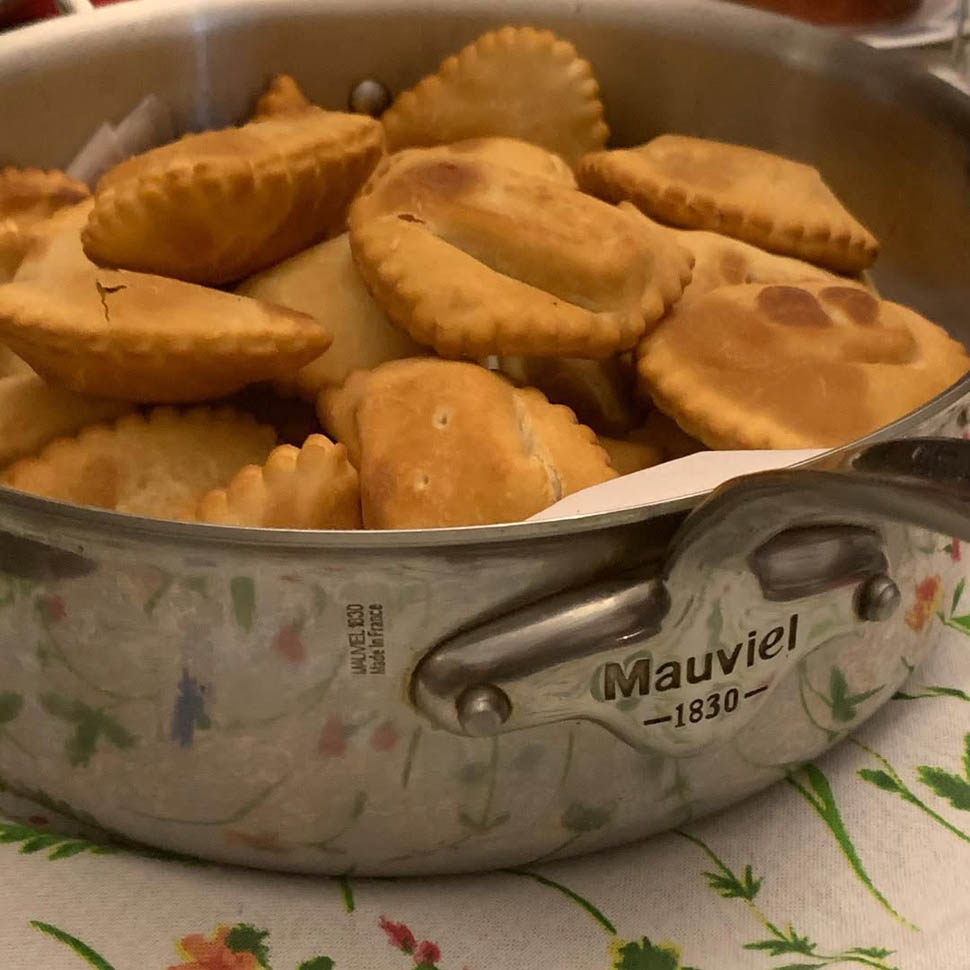
For Manríquez, the challenge is not only for families or the state, but also for the profession to which he has dedicated his life. “Cooks must first understand their roots before they can travel. Here, however, it's the opposite,” he complains. He asks how many people still know how to prepare humitas or empanadas according to tradition, how many have truly internalized the ancient gestures. The loss of transmission is exacerbated by the fact that many domestic kitchens are no longer in the hands of Chilean women, but of migrant workers who cook dishes from their own countries. So children grow up knowing ceviche or tacu-tacu, but not corn casserole or caldo de pata. The result is a Chile that is gastronomically enriched by its encounters with others, but also increasingly distant from its roots. “Immigrants add flavor, and that's wonderful,” acknowledges Manríquez, “but we've gone to extremes, to the point where we no longer know how to make broth.”