One of the most recent projects is Team-Bistro, a canteen for employees that rivals any restaurant: wooden design, garden view, energy from photovoltaic panels. There is also a fitness program and reduced hours to meet the needs of workers.
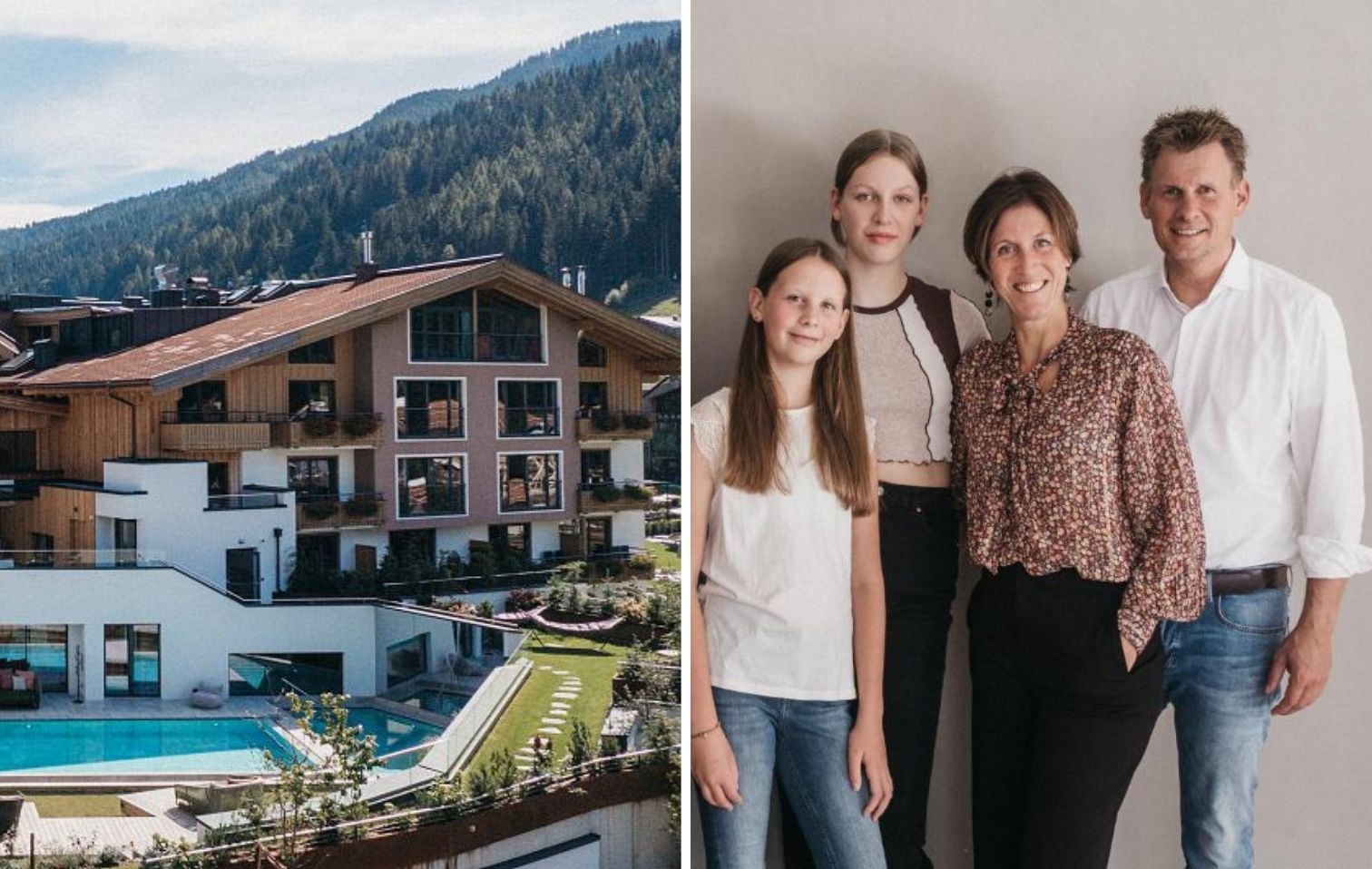
In Leogang, Austria, the Biohotel Rupertus has chosen to redefine the concept of hospitality based on a radical yet simple idea: everything must be authentic, everything must speak the language of organic. Not only in the dishes served to guests, but also in the air you breathe in the kitchen, in the wood of the structures, in the daily attention paid to those who work behind the scenes. It is a hotel, of course, but also an ethical laboratory and a model of social sustainability. Led by Nadja and Olaf Blumenkamp, the second generation of a family that believes in hospitality as a cultural practice, the Rupertus is much more than a place to stay: it is an ecosystem in which nature, well-being, and respect for people are intertwined in a shared philosophy. Nadja recounts this with calm determination, aware that the choices made have an impact far beyond the walls of the hotel:
“We are truly 100% organic in every aspect. There is no difference between what we offer our guests and what we reserve for our employees.”
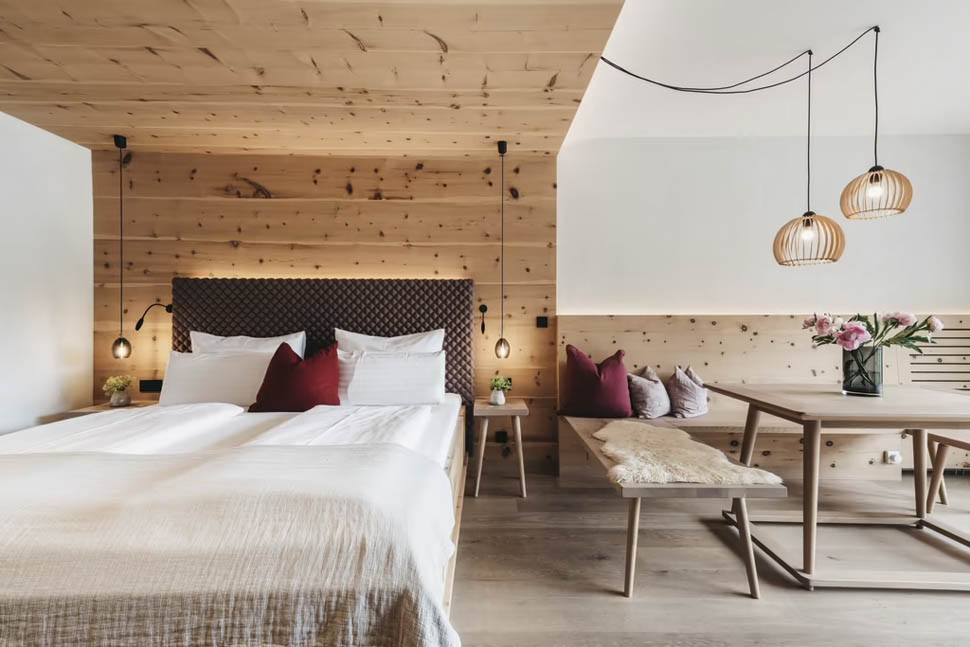
The Rupertus has obtained Biohotel certification, but here the label is not just a badge to show off. In 2021, the hotel also chose to undergo a common good assessment, a self-evaluation that measures the social and ethical impact of the business. This decision says a lot about Nadja and Olaf's vision: organic is not a trend to jump on, but a total commitment. It means selecting raw materials not only for their quality, but also for their origin; ensuring that every choice, from the menu to electricity, follows real sustainability criteria. This consistency even extends to the staff areas. It is no coincidence that one of the most recent projects is the Team-Bistro, a canteen for employees that is every bit as good as the restaurant: wooden design, garden view, energy from photovoltaic panels. Here too, only organic products are used. A detail that reveals a precise philosophy: “Those who work with us must be able to enjoy the same quality that we reserve for our guests,” explains Nadja.
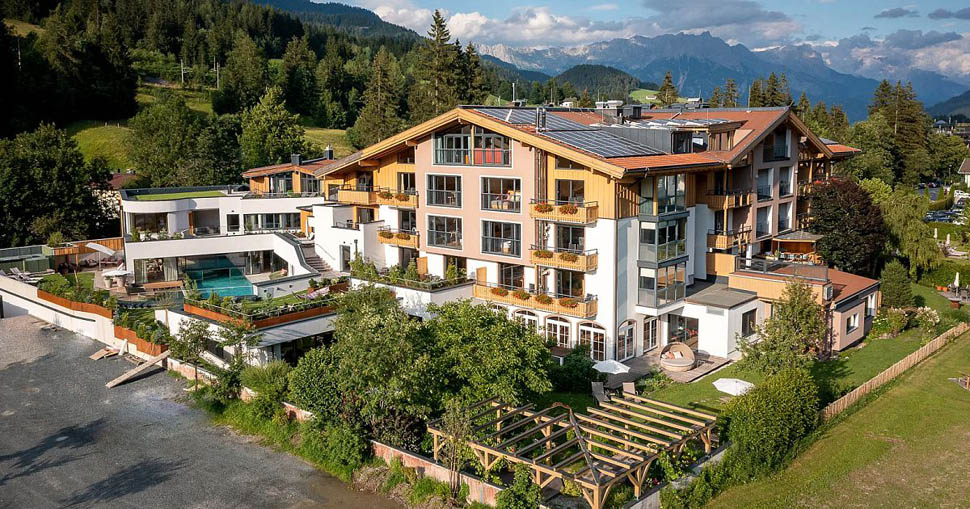
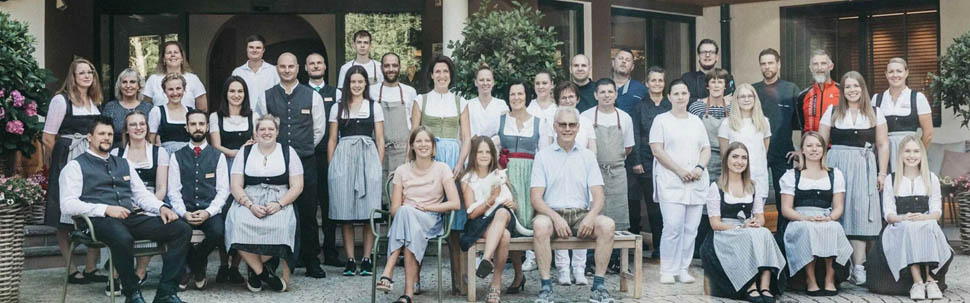
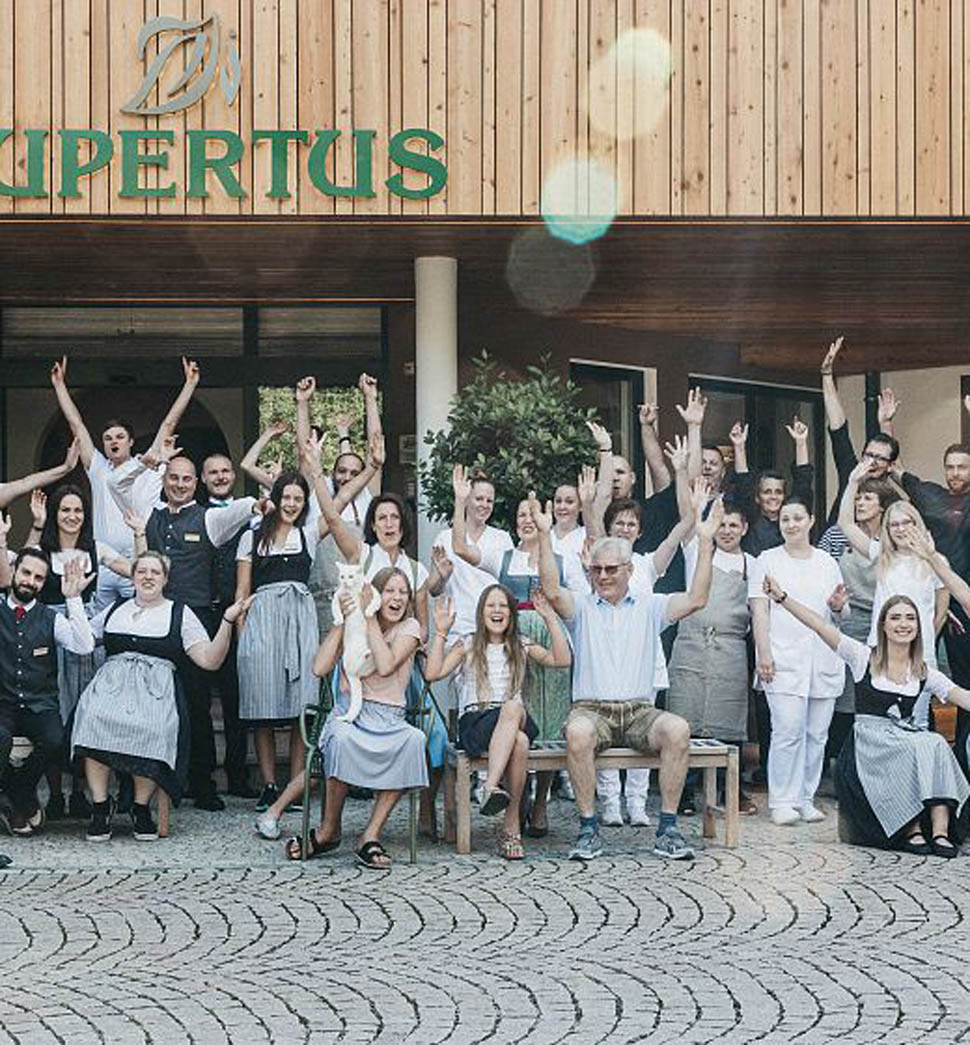
With its 45 employees, Rupertus is small enough to maintain a direct, almost family-like relationship with its guests. “We know everyone by name, remember birthdays and lots of personal details,” Nadja tells Rolling Pin, as if to emphasize that behind the numbers there is a community. This is not just rhetoric: the family-run business, with Nadja's parents still active behind the scenes, makes the working environment an extension of the original family unit. This influence is also reflected in the approach towards younger people. The hotel hosts four apprentices and participates in the Work for Us program, a regional consortium that offers benefits and training. Not only technical courses, but also personal growth workshops through the “Skill Factory,” designed to strengthen self-esteem and the ability to face life's challenges. “We want to train not only professionals, but also conscious people,” explains Nadja.
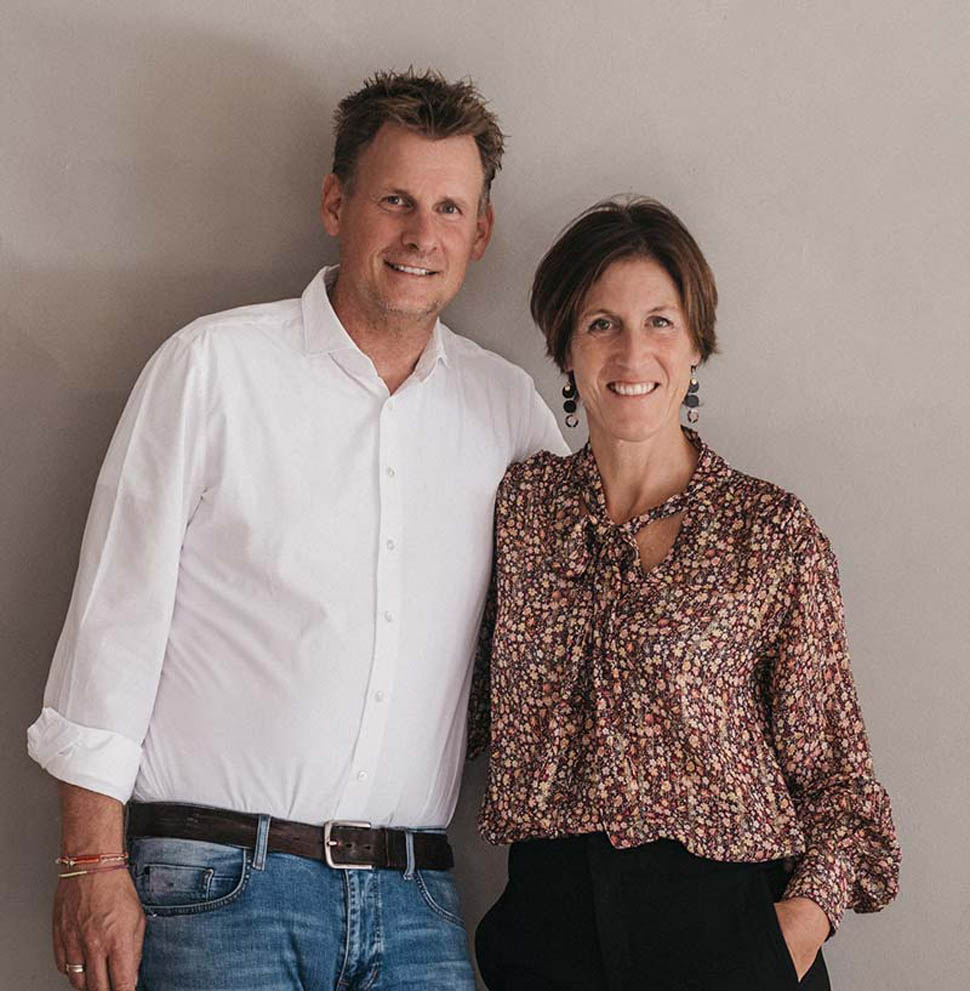
The hotel industry is certainly not known for its flexible hours or balanced lifestyles. Yet at Rupertus, the watchword is work-life balance. Not a privilege reserved for the few, but a right to be defended for all. “It is often said that young people no longer want to work. We don't see that: those who come here do so with enthusiasm. We believe that the point is another: giving meaning to what you do, allowing you to organize your life and leaving room for personal growth.” That's why shifts are scheduled three or four weeks in advance, guaranteeing fixed days off and planned vacations. A small luxury that actually becomes a major factor in stability. Not to mention the benefits: from access to the wellness center and gym located in the hotel, to the possibility of traveling to other Biohotels with 50% discounts. And then there is decent accommodation in two houses dedicated to staff, organic lunches and dinners at reduced prices in partner restaurants, and overtime always recognized.
Those who arrive in Leogang, surrounded by mountains and trails that change with the seasons, discover a hotel that has made its roots in the local area its strength. Every dish served brings Upper Austria to the table with its products, but also a critical reflection on how we understand hospitality today. “Our region is livable in all seasons, and we want those who work here to enjoy the same quality of life as our guests,” says Nadja. The keywords are honesty, openness, and passion: qualities that Rupertus looks for in new employees, regardless of experience. “We also welcome people from different backgrounds, as long as they are enthusiastic and respect organic values,” explains the manager. In a sector still too often linked to exploitation and high staff turnover, the Biohotel Rupertus offers a concrete example of how sustainability should not stop at the kitchen or energy management. Here, the word ‘organic’ is understood in its fullest sense: life, growth, respect.
This balance is not the result of chance, but of a philosophy cultivated with consistency and pragmatism. Nadja sums it up naturally: “When you love your work, when you know that it contributes to something bigger and you do it together with a great team, the balance is restored.” The result is a hotel that not only welcomes travelers, but also builds a different idea of hospitality every day: fairer, more conscious, more human.