Eating at a Michelin-starred restaurant isn't just about enjoying signature dishes: often, it's the setting that makes the experience unique. From the depths of the ocean to the heights of the Eiffel Tower, the MICHELIN Guide brings together places that combine culinary excellence with stunning scenery. Here is a selection of extraordinary destinations where culinary art meets architecture, nature, and culture.
Under and above the waters of Norway
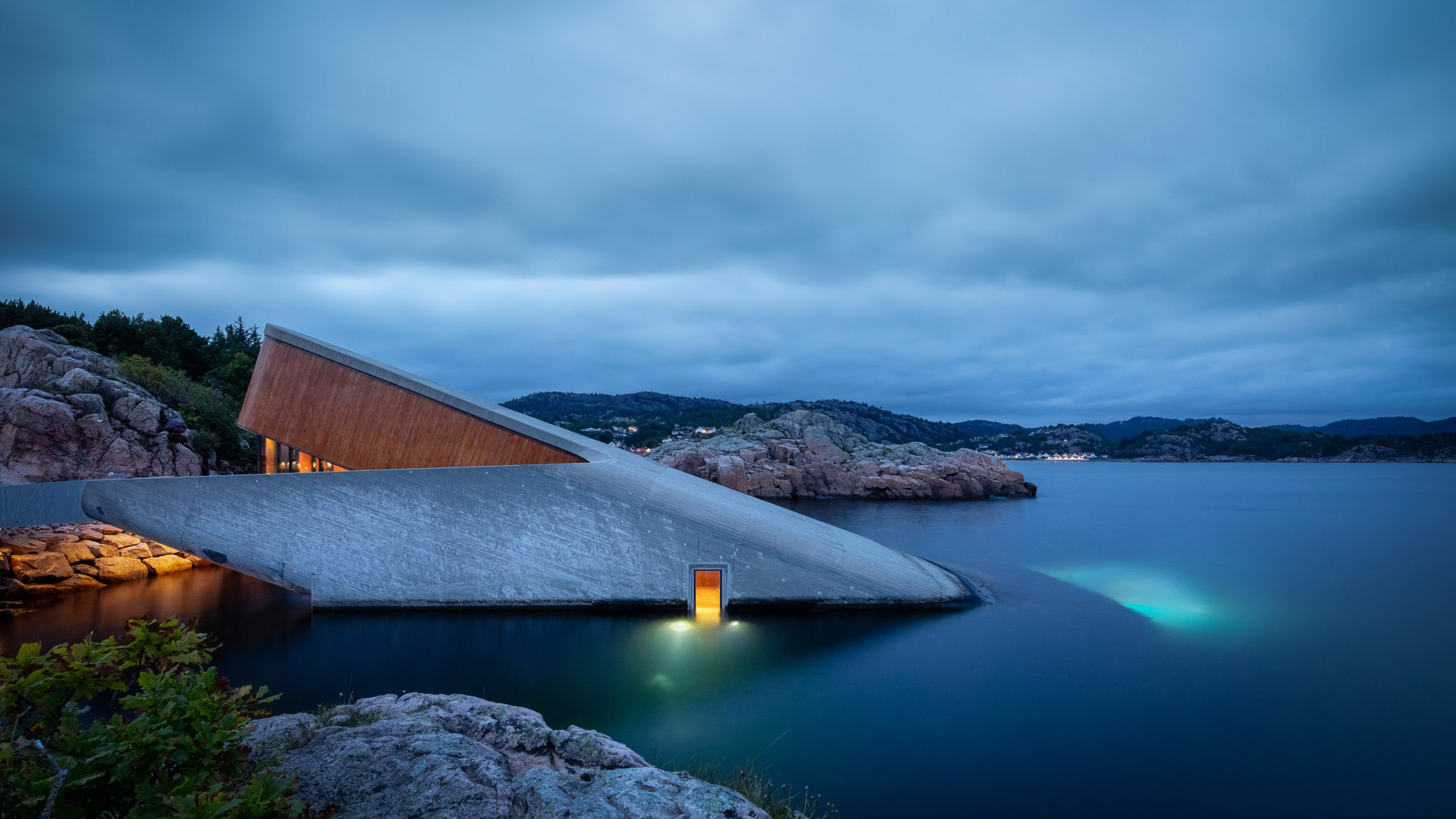
In Lindesnes, “Under” (we just reviewed it here) invites diners 18 meters below the North Sea, offering a menu based on fish and seafood in a panoramic dining room that looks like a living work of art. Also in Norway, the restaurant “Iris” floats in the fjords inside Salmon Eye, a center dedicated to aquaculture. Here, an 18-course tasting menu explores unusual ingredients and raises awareness of the fragility of the marine ecosystem.
Where cooking becomes entertainment
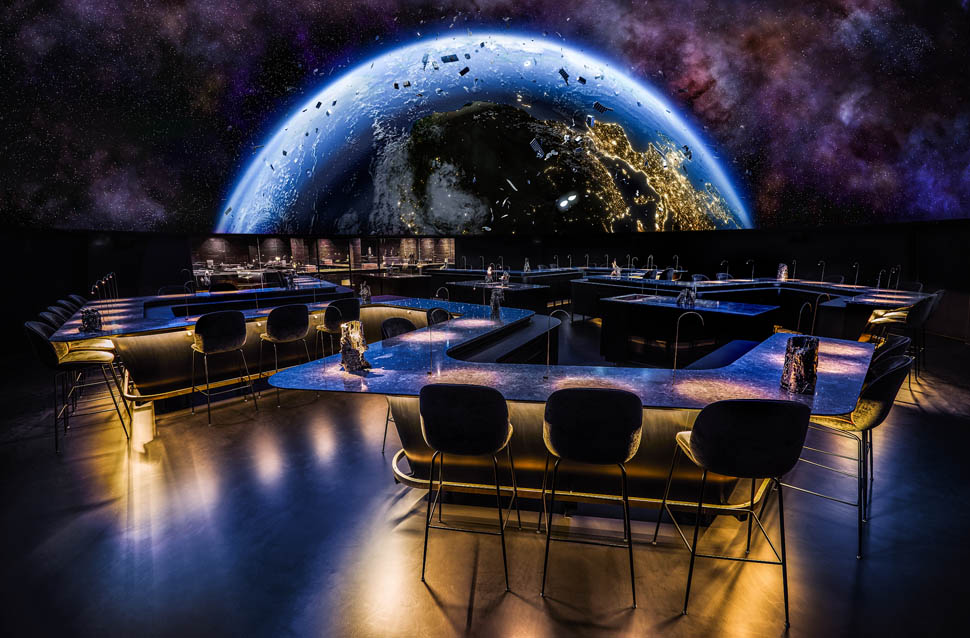
Copenhagen is home to “Alchemist,” a place that goes beyond traditional dining. Chef Rasmus Munk transforms dinner into a theatrical journey through science, art, and social commentary. Each dish is an act, set in visionary settings such as a planetary dome or an operating room. In Germany, on the other hand, “Eatrenalin” offers a two-hour multisensory journey: seated on special “floating chairs,” guests travel through futuristic environments while enjoying creations that stimulate all the senses.
Italy and Spain: history and charm
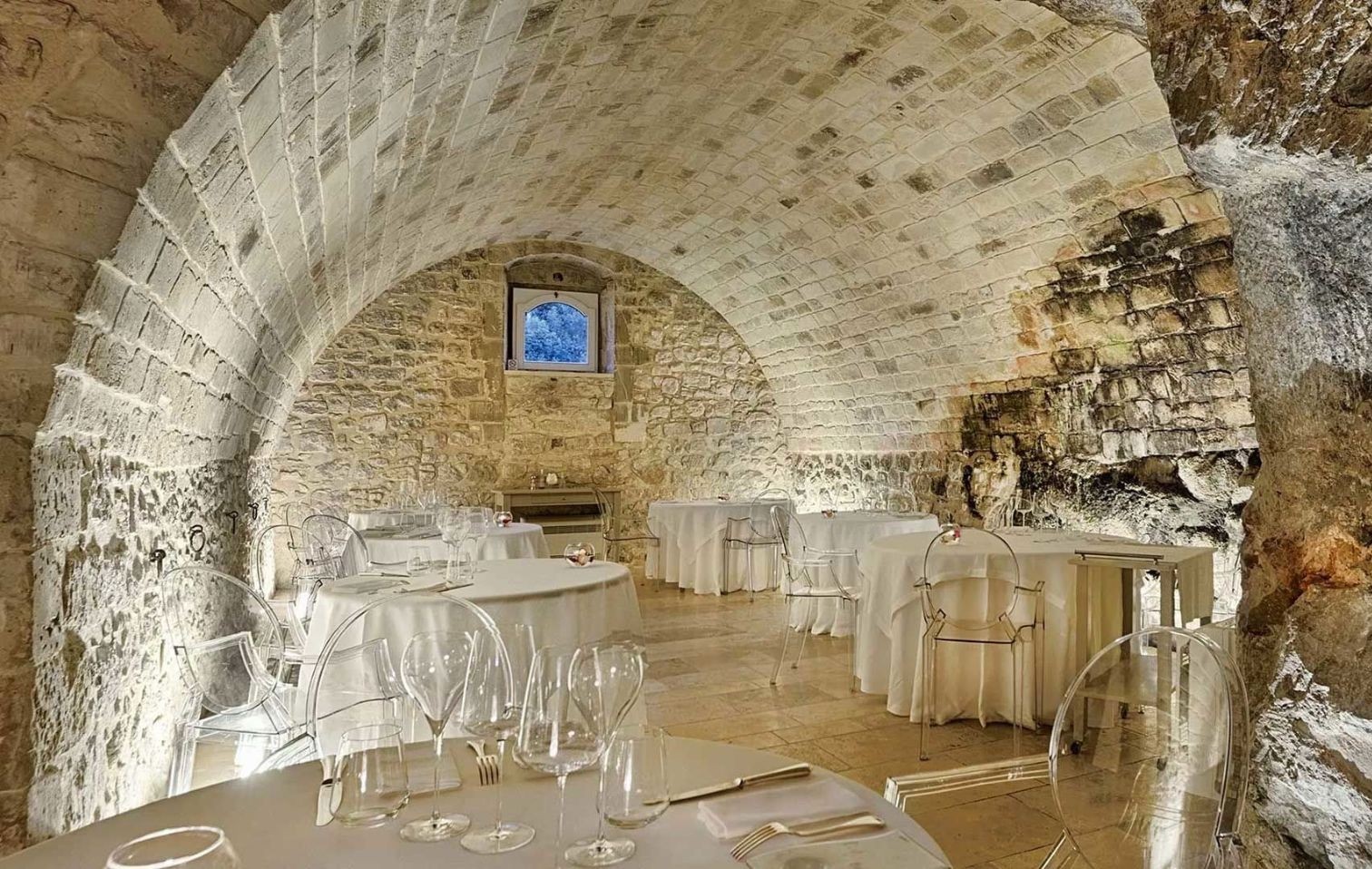
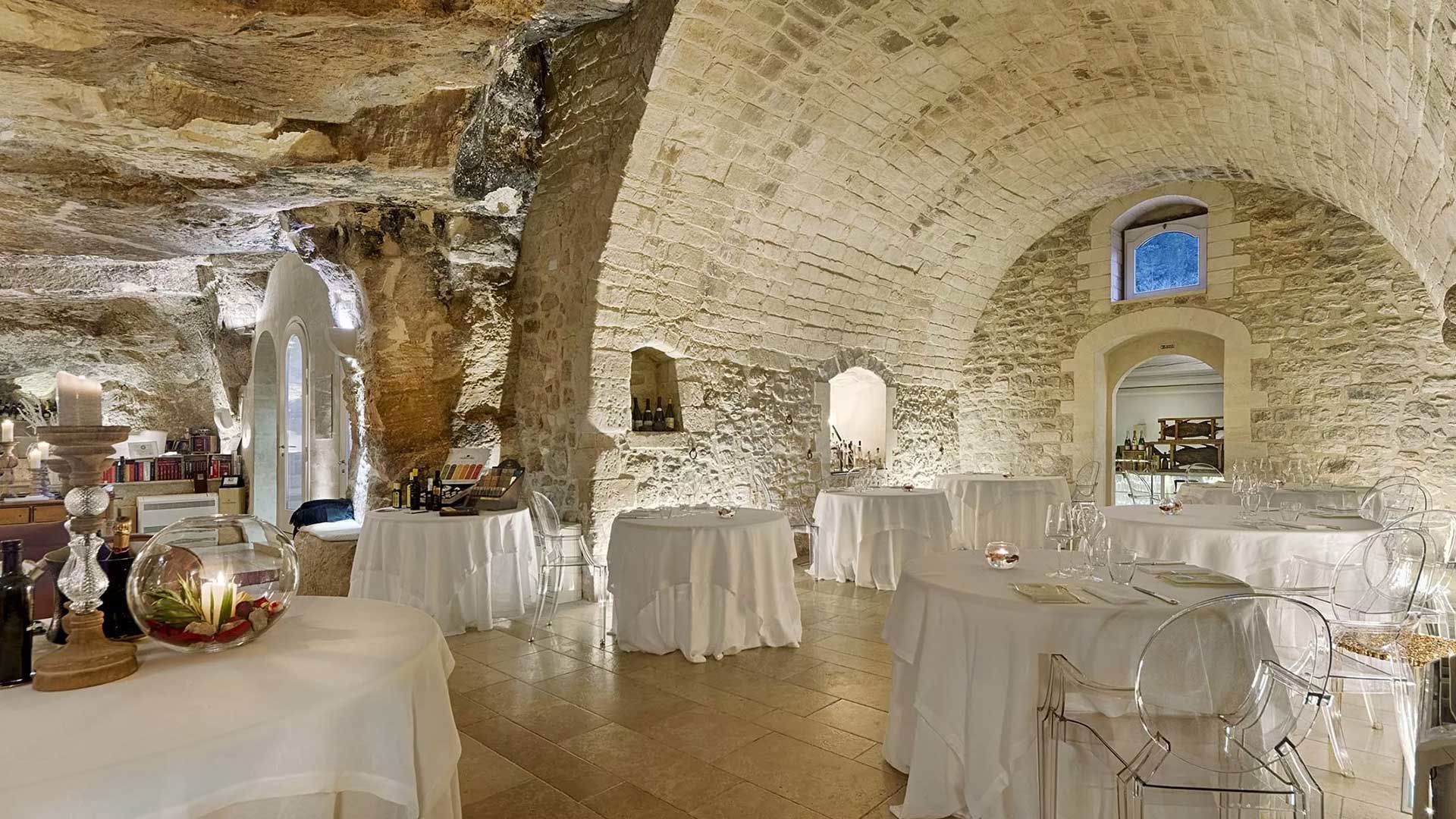
Italy also surprises with unique locations. In Ragusa, “Locanda Don Serafino” welcomes its guests in the ancient basements next to the church of San Serafino, a UNESCO World Heritage Site. Its refined and romantic cuisine is among the most appreciated in Sicily. In Spain, “El Vagón de Beni” takes you back in time: among restored vintage railway carriages, tradition meets creativity, with short menus that leave room for experimentation.
Paris from above
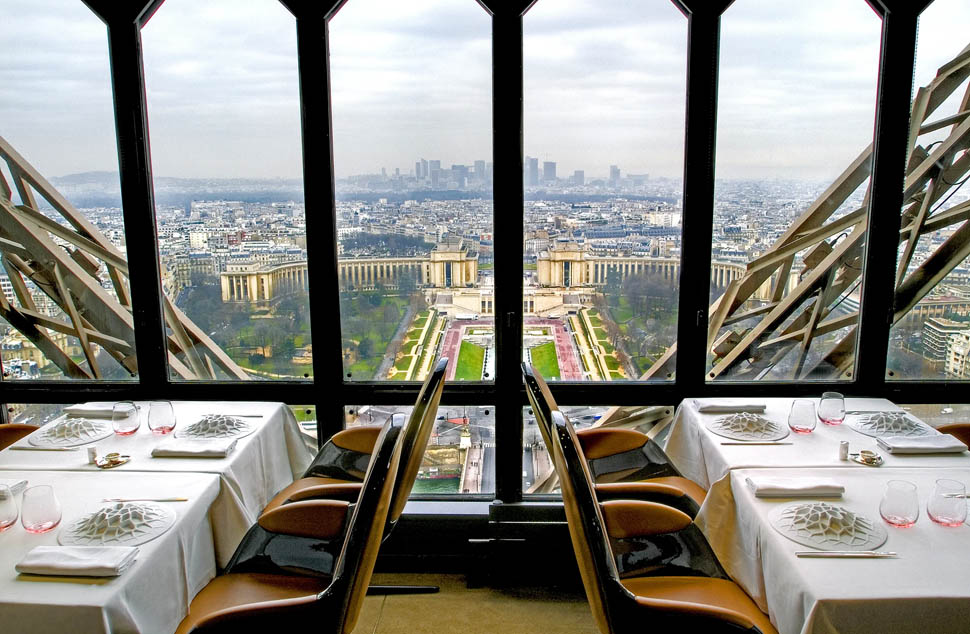
On the second floor of the Eiffel Tower, Le Jules Verne offers an experience that is halfway between culinary art and engineering prowess. Chef Frédéric Anton creates Michelin-starred dishes in a limited space, with a constantly evolving menu. To complete the picture, there is an unparalleled view of Paris from a height of 380 meters.
Beneath New York, between the subway and secrets
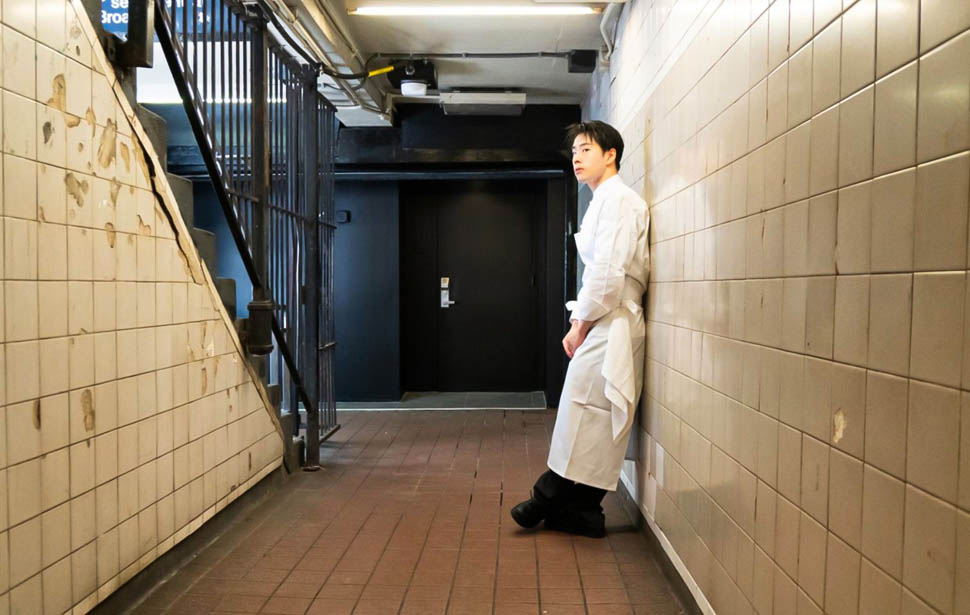
In Manhattan, in the heart of Koreatown, “Nōksu” reveals its gastronomic soul beneath Herald Square station. Hidden behind a code-protected door, the restaurant stands out for its black marble counter and surprising dishes such as dry-aged pigeon, served in a spectacular ritual reminiscent of Peking duck.
Dubai and Doha: the Middle East between sea and crystals
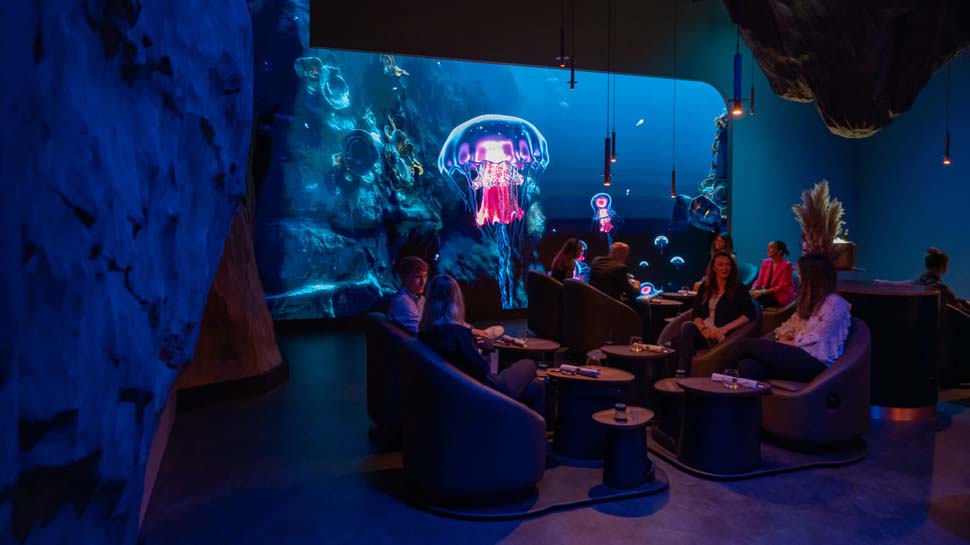
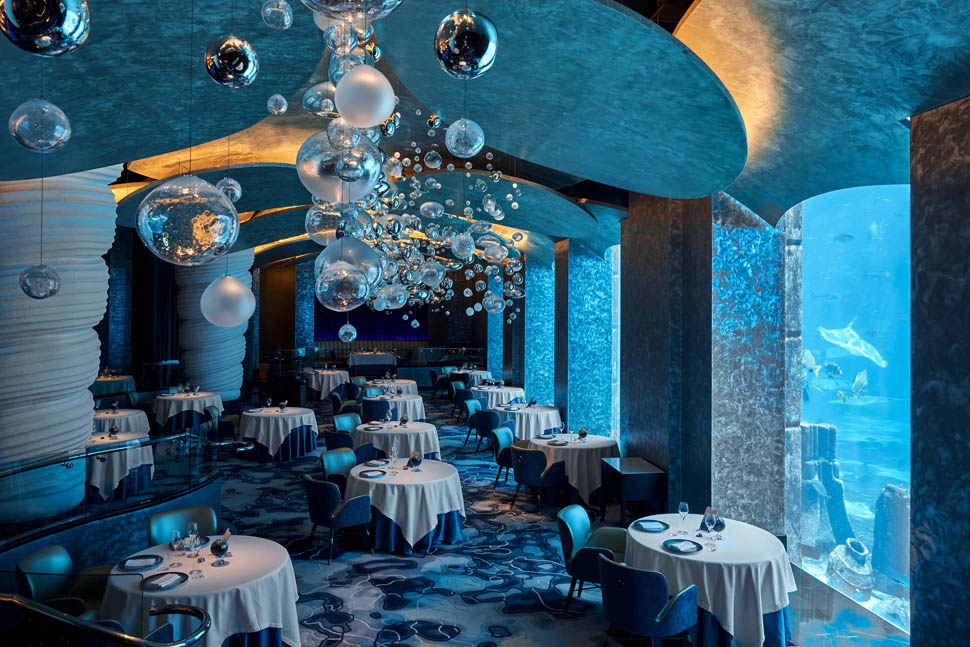
In Dubai, “Ossiano” gives you the feeling of dining in a living aquarium. Surrounded by 65,000 sea creatures, guests enjoy a ten-course menu inspired by famous ocean explorers. In Doha, on the other hand, Jiwan, housed in the National Museum of Qatar, is an architectural gem: over 4 million Swarovski crystals on the ceiling evoke the movement of waves, while the cuisine enhances local tradition with a contemporary twist.
The Orient between spirituality and refinement
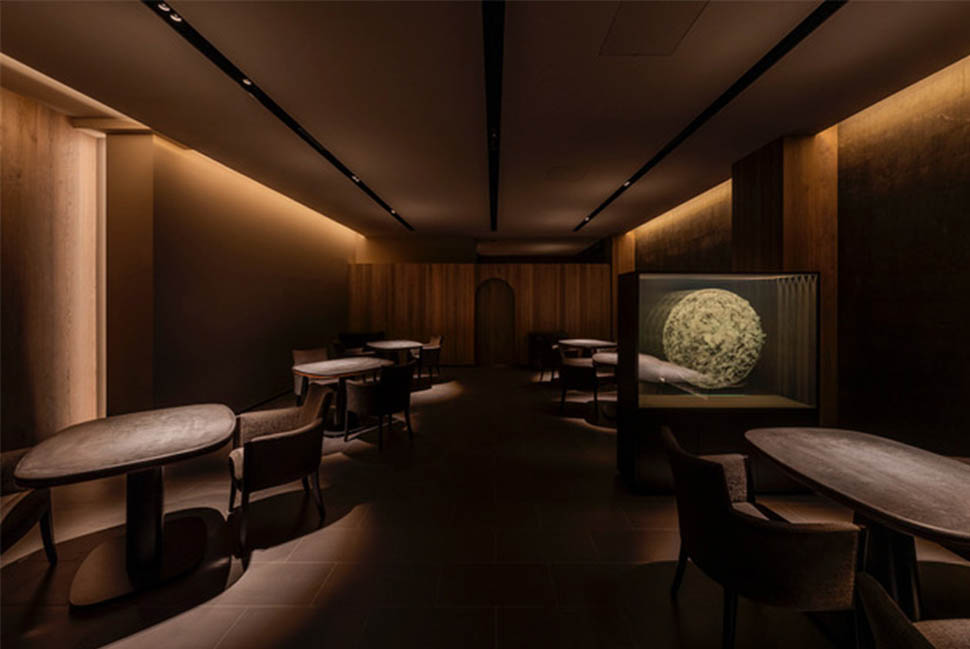
In Japan, “HAJIME” in Osaka reflects its chef's past as an engineer, with dishes that tell the story of “dialogue with the Earth” and the seasons. In Kyoto, “Shigetsu” offers a unique experience: enjoying shojin ryori vegetarian cuisine inside the Tenryu-ji temple, a UNESCO World Heritage Site, according to monastic rituals. In China, “Yong” in Guangzhou combines Sichuan cuisine and art: surrounded by antique porcelain and historic furnishings, diners can savor specialties such as golden noodles in a rich and intense broth.
A journey through taste and wonder
These restaurants prove that gastronomy can be much more than just a meal. It is an experience that combines landscapes, architecture, culture, and creativity. Whether it's the depths of the ocean, a train carriage, or the Eiffel Tower, the MICHELIN Guide reminds us that the true luxury of dining lies in the ability to transform food into emotion.