The secret gifts of the Atacama Desert: an arid land that is home to rare plants, ancient rituals, and new gastronomic horizons.
The craft
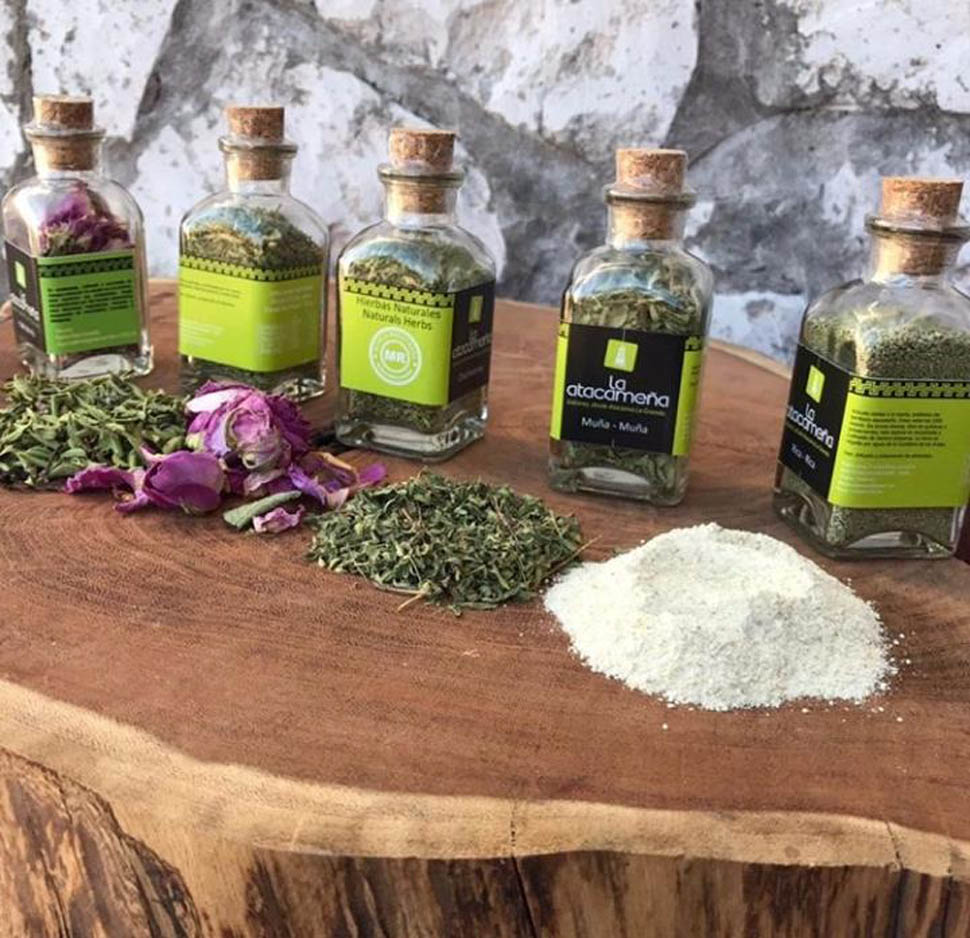
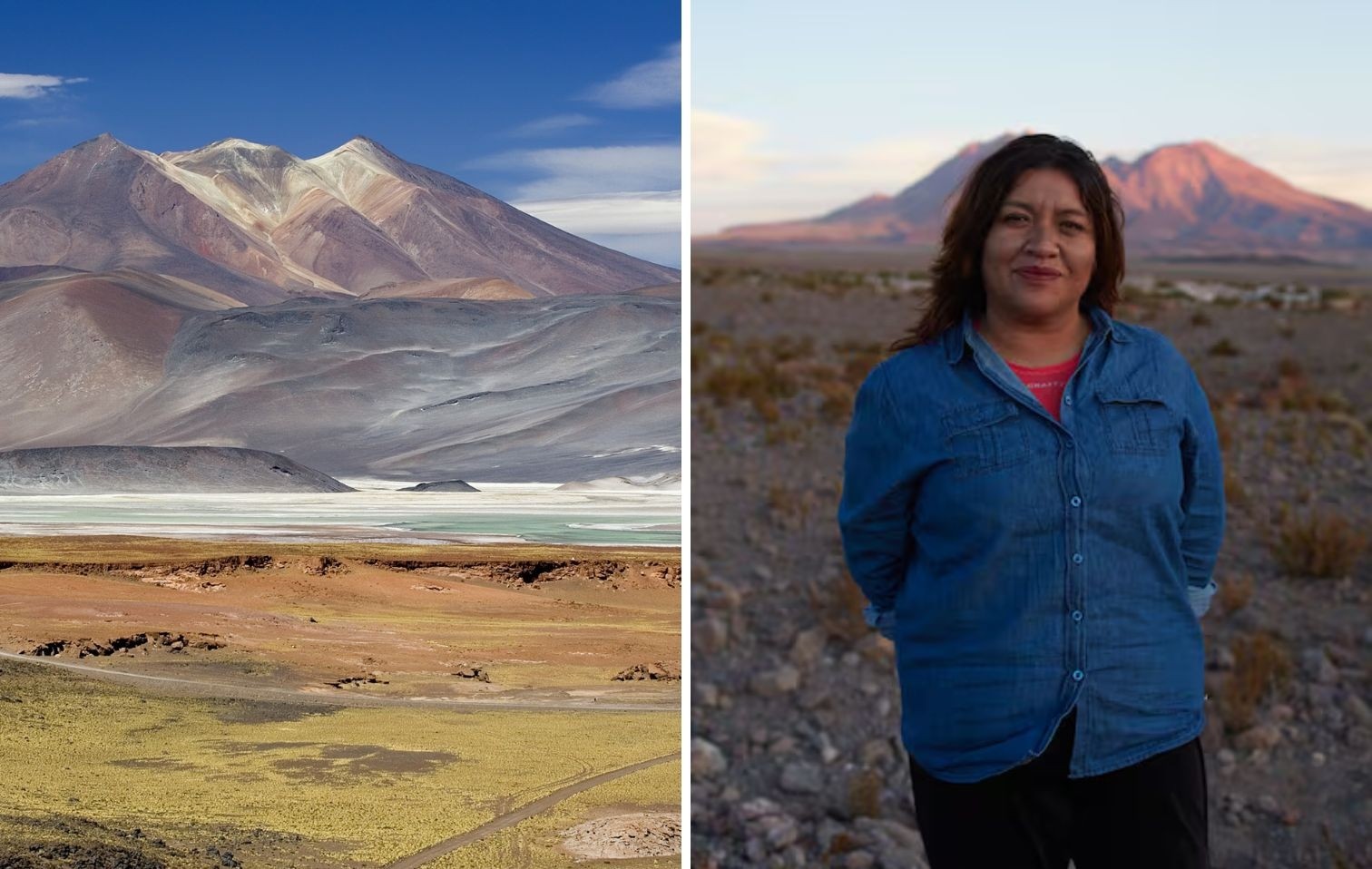
In life, everything depends on your point of view. Patricia Lorena Pérez knows this well: what for many is just an arid and inhospitable landscape, for her is a generous land. The Atacama, known as the driest desert in the world—where forty years can pass between rains—is a source of precious gifts from nature for Patricia. In an area covering more than 160,000 square kilometers, from the lowest areas to the slopes of the Lascar volcano, which rises to almost 5,600 meters, rare herbs grow that are found only here: tola, tolilla, muña-muña, spearmint, desert rose, rica-rica... Rare plants that embody the strength and resilience of a unique place.
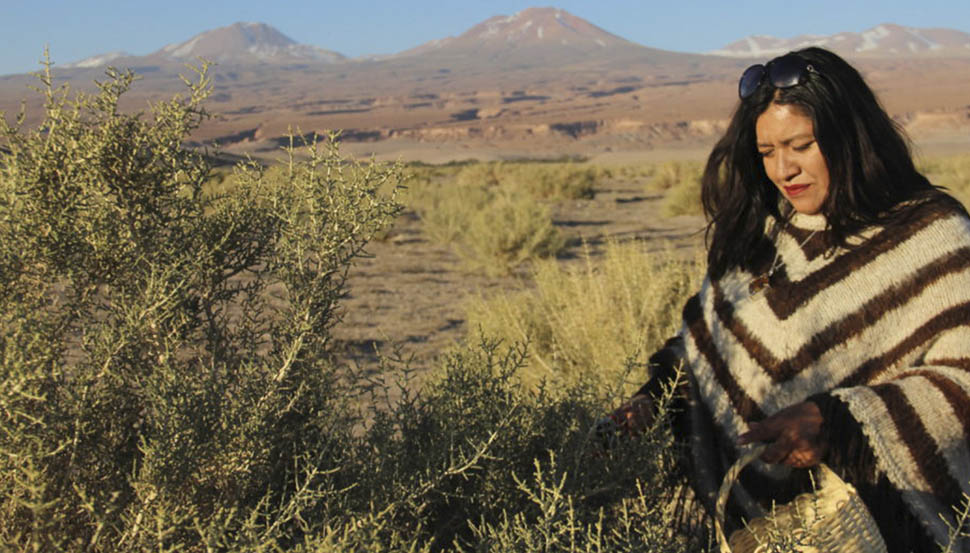
For Patricia, born in Toconao, not far from San Pedro de Atacama, her connection to these herbs is primarily a family and cultural one. A descendant of the indigenous Lickan Antay people, she learned to recognize and respect them as a child, following her maternal grandmother as she gathered them along ravines and plateaus. "I started protecting these plants because, from the age of six, I accompanied my grandmother, a herb gatherer, to cultivate them alongside other crops such as corn and potatoes and sell them fresh as natural remedies. She had a map of the area on the ground, where she marked the location of the different herbs she gathered. Now, having inherited that ancestral oral map, I have started to write my own story," she tells El País.
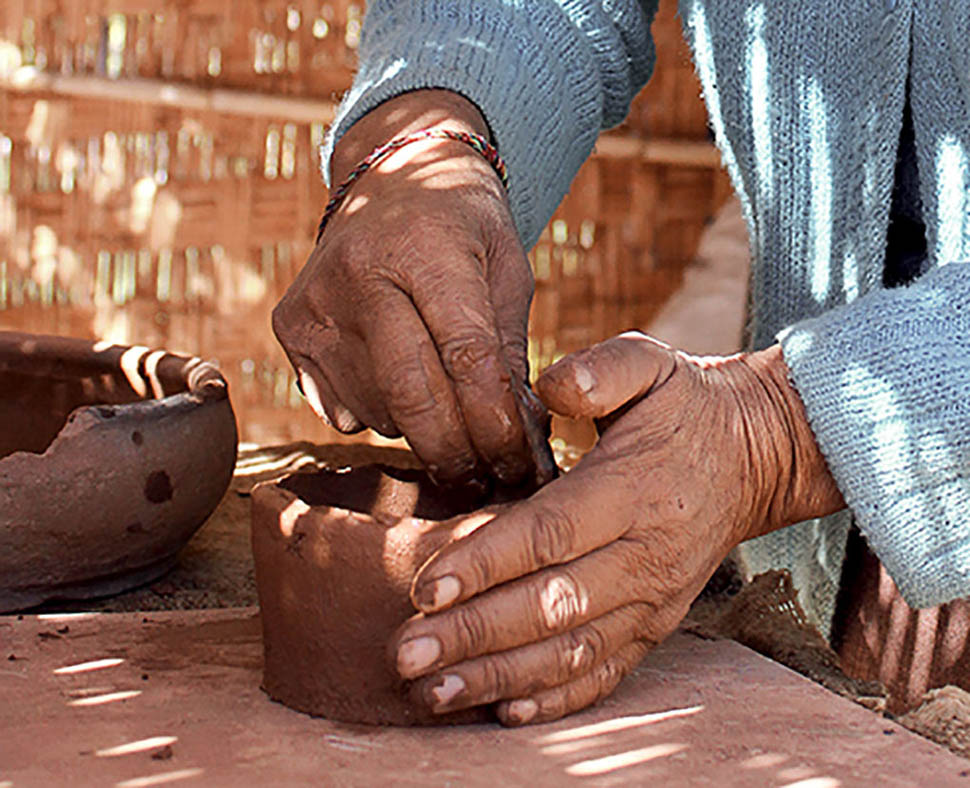
Over the years, that childhood passion has turned into a mission: to protect the desert ecosystem and raise awareness around the world of the ancestral use of its plants, both in cooking and in traditional medicine. "In the Ckunza language, Atacama means ‘ours’ and refers to our territory, our land. I take care of it, I love it, I protect it... All these plants are the generosity of Mother Earth; they grow and cultivate themselves, so in return we must keep the desert, its gardens, and its surroundings clean and hope for rain," she continues. The native herbs of the Atacama have been used for centuries to treat fractures, stomach or lung pain, but also in spiritual ceremonies dedicated to the sun and nature. An immense heritage consisting of plants that thrive where no other species can survive, such as the desert rose—aka the rose of the year—as it produces only a couple of flowers per year. It grows fragile and rare on the edges of the orchards of the Jere Valley and Bosque Viejo, and has always had a deep symbolic meaning: “Lickan Antay newborns receive their first bath with this flower from their mothers and grandmothers, so that their soul is imprinted on their bodies,” explains Patricia.
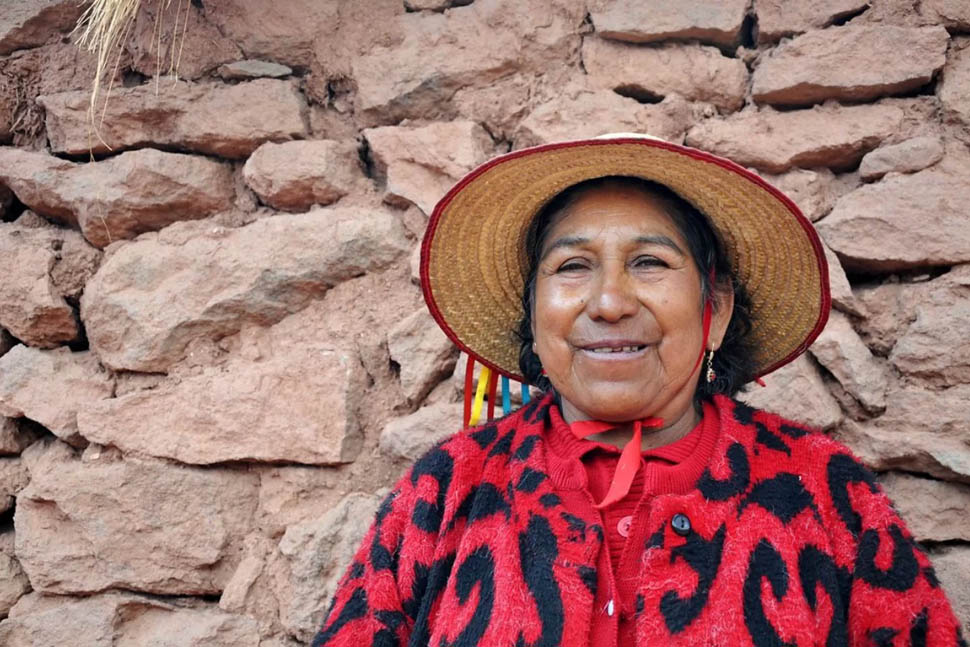
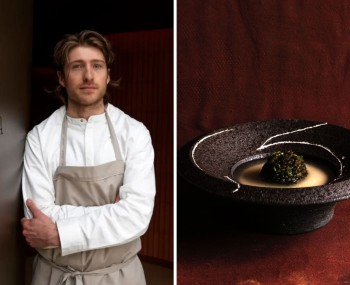
Not just medicine and rituals: the desert rose also plays a leading role at the table, where it embellishes savory and sweet dishes as well as being used in infusions. Her love and dedication to her land and its inhabitants led Perez to start a collaboration with chef Rodolfo Guzmán of the Boragó restaurant in Santiago, recognized by The World's 50 Best as the best in Chile. “Rodolfo Guzmán began studying all our ancestral herbs, analyzing them, testing them, and observing in which dishes to use them and how; a task he always carried out with respect for our traditions and the importance of protecting them.” This deep connection gave rise to La Atacameña, the brand founded by Patricia to preserve and recount the traditions of her people, the flora, and the gastronomy of the Atacama Desert. It is a project that is not only a business venture but also an act of love for a land that, although arid, continues to give life, flavors, and memories.