To celebrate its 30th anniversary, Heston Blumenthal's renowned restaurant The Fat Duck is offering a chance to look back on its history of culinary innovation. In 2005, the restaurant was named “Best Restaurant in the World,” earning a place on the prestigious “Best of the Best” list. Now, 50 Best lists its key dishes, true edible icons.
Here is a selection of the creations that have made the restaurant a veritable institution.
An explosion of senses and memories
Blumenthal's approach to food goes beyond taste to encompass all the senses. His creations evoke emotions and memories, transforming the meal into a performance.
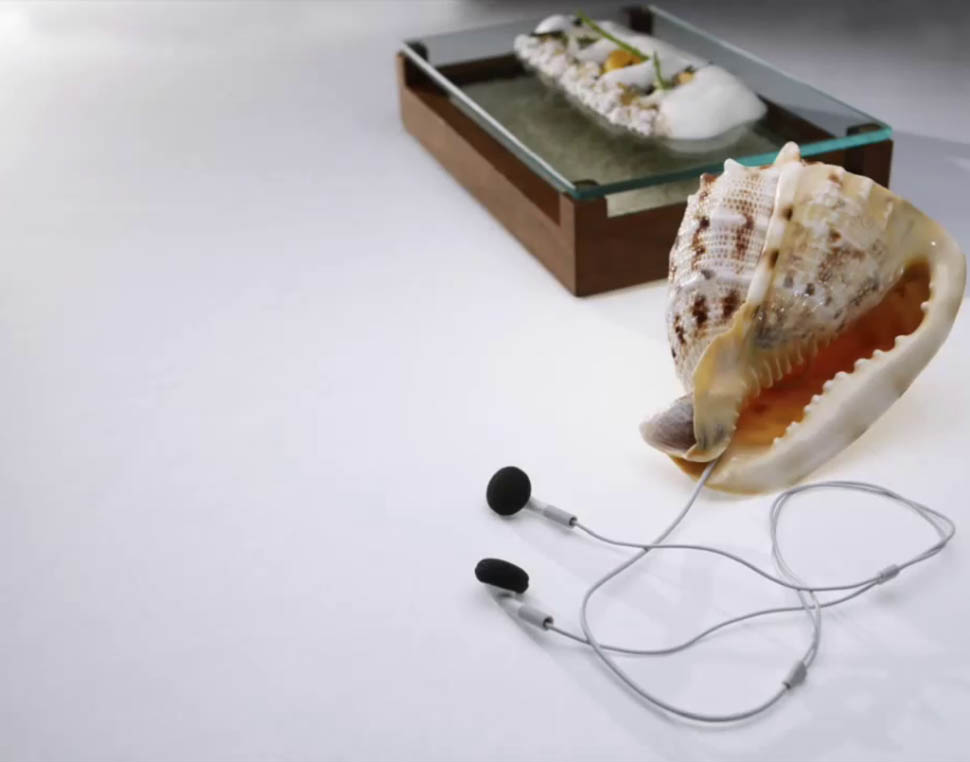
Sound of the Sea (2007) is the ultimate expression of this. Diners wear headphones to listen to the sound of waves and seagulls while savoring a dish that reproduces a seascape. The composition, made of sand, foam, shellfish, and sashimi, brings to mind the carefree games of childhood.
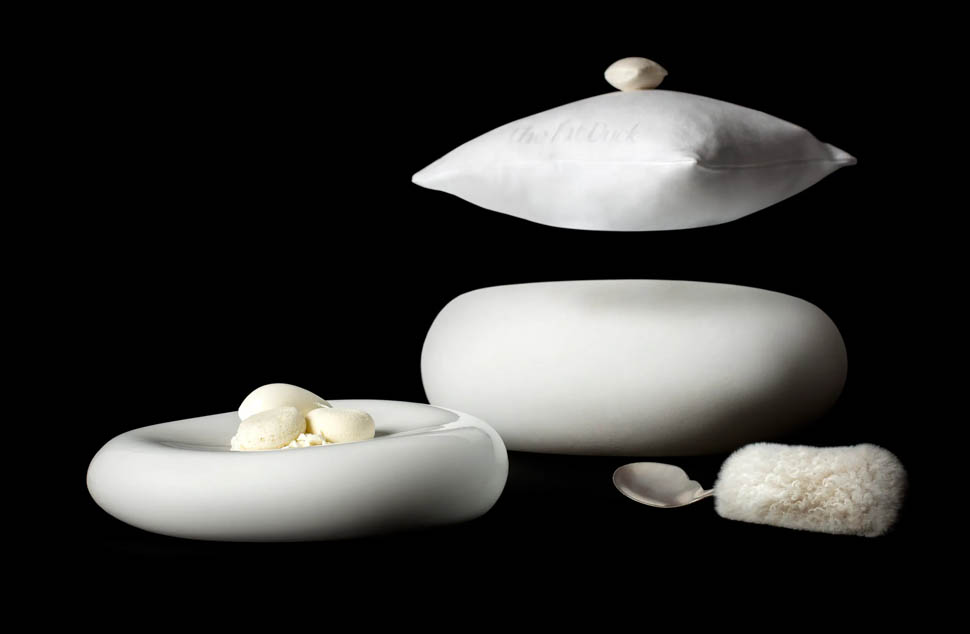
Counting Sheep (2015) is a dessert that invites relaxation. Diners are invited to wear an eye mask and listen to a lullaby. The dish consists of malt meringues filled with double milk ice cream, sprinkled with edible “talcum powder.” The dessert's 12 different flavors, including lavender and vanilla, promote calm and serenity.
Technique at the service of imagination
Blumenthal is a true alchemist of taste, a master in the use of innovative techniques to create unexpected dishes.
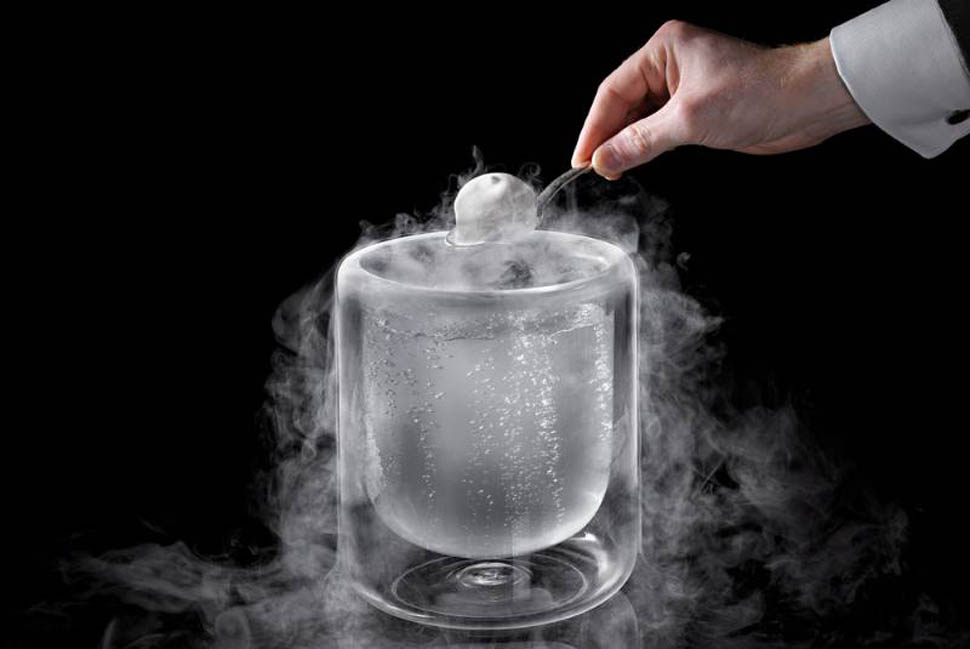
The Nitro-Poached Aperitif (2001) was a turning point, making The Fat Duck the first restaurant to serve a dish prepared with liquid nitrogen. This small bite, which vanishes in the mouth almost instantly, is an original and theatrical way to cleanse the palate at the beginning of the meal.
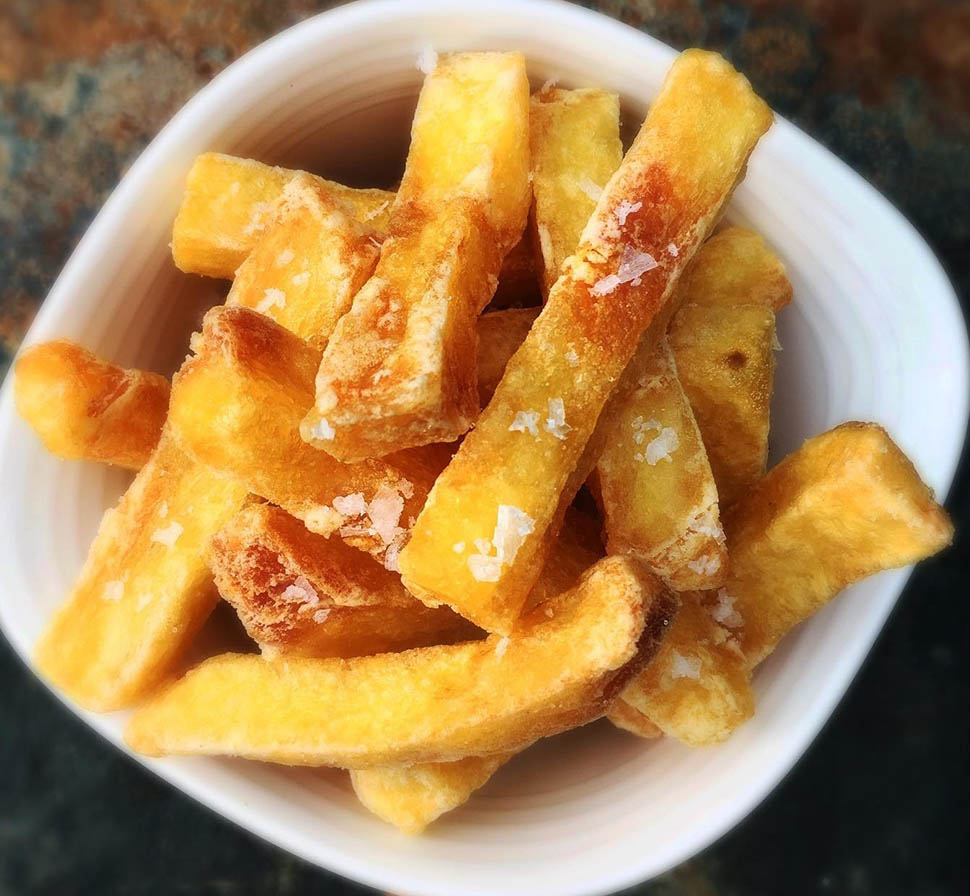
The famous triple-cooked French fries, created in 1993, are an example of his obsessive pursuit of perfection. The process, which involves three different cooking stages, guarantees perfect texture: crispy on the outside and buttery on the inside.
The Fake Turtle Soup (2006) is a tribute to Victorian tradition and Lewis Carroll's famous novel, Alice in Wonderland. The dish, served with a “pocket watch” of freeze-dried broth, melts into a crystal-clear consommé when hot water is poured from a teapot, combining history, art, and culinary innovation.
The audacity of combinations
Heston Blumenthal has challenged conventions, transforming common ingredients into surprising and ingenious combinations.
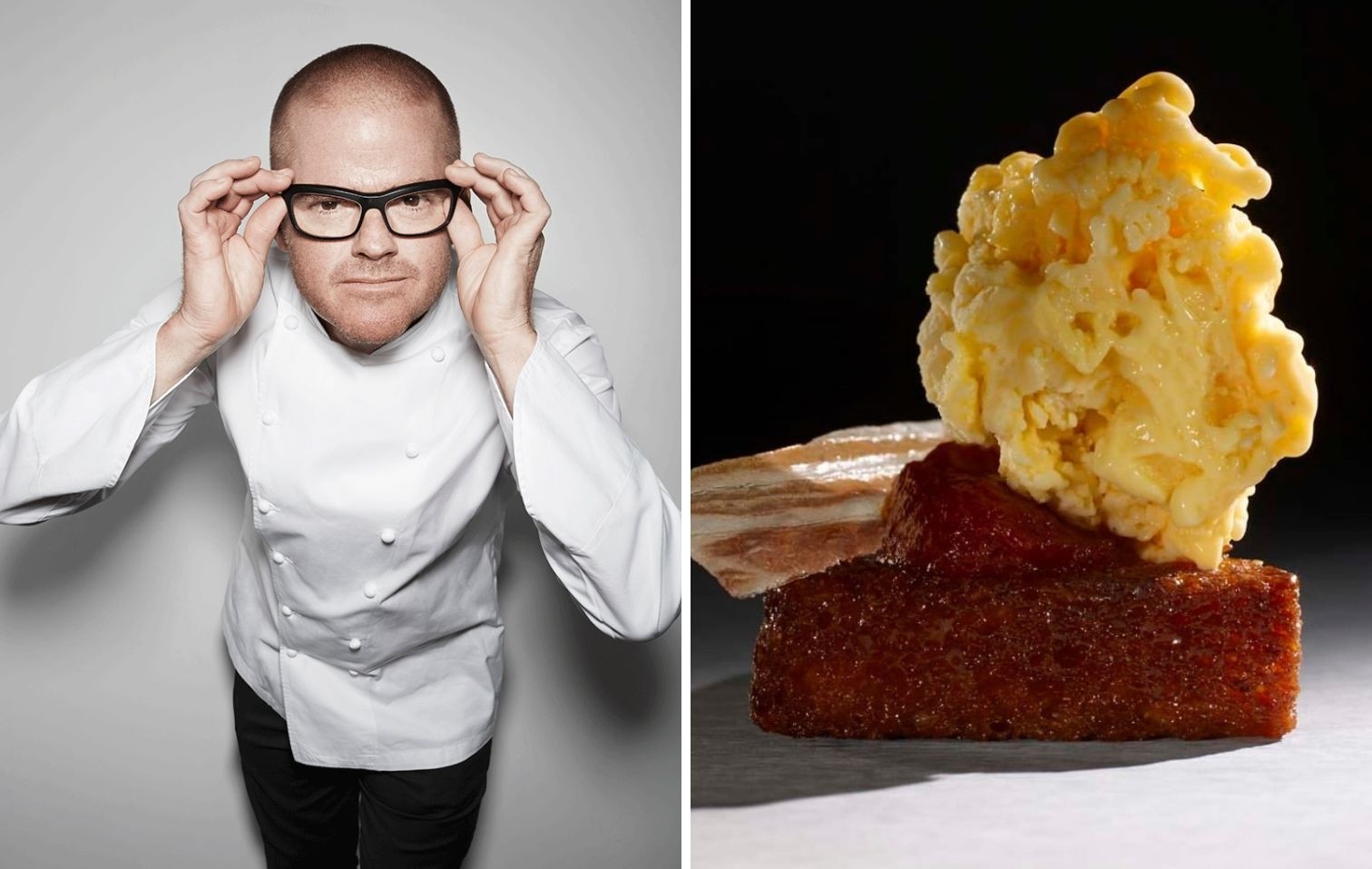
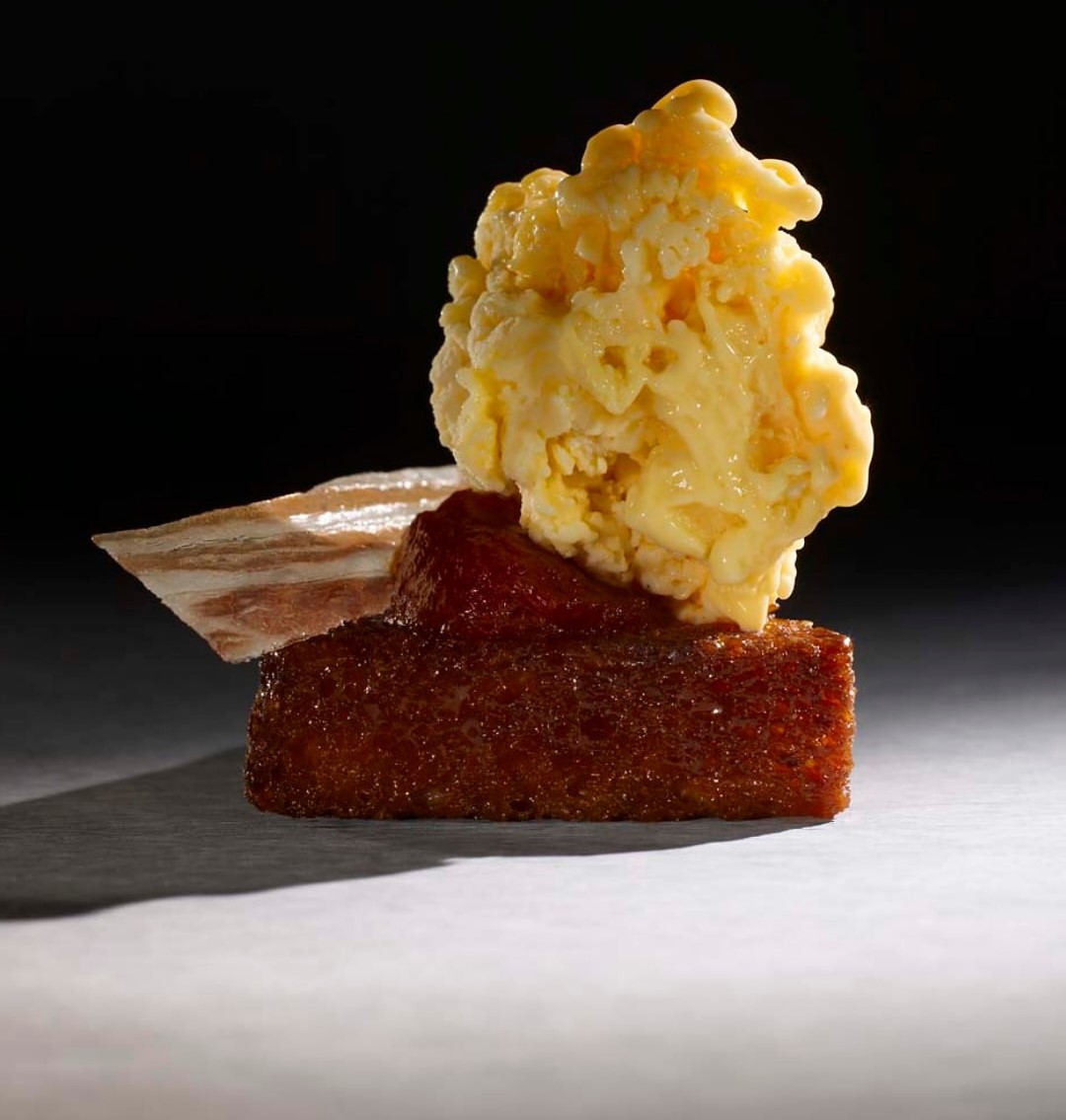
Egg and bacon ice cream (2000), born out of a joke, has become one of the restaurant's most iconic dishes. Using liquid nitrogen, the chef has created an ice cream that combines the flavors of a savory breakfast, proving that even the most unthinkable combinations can work.
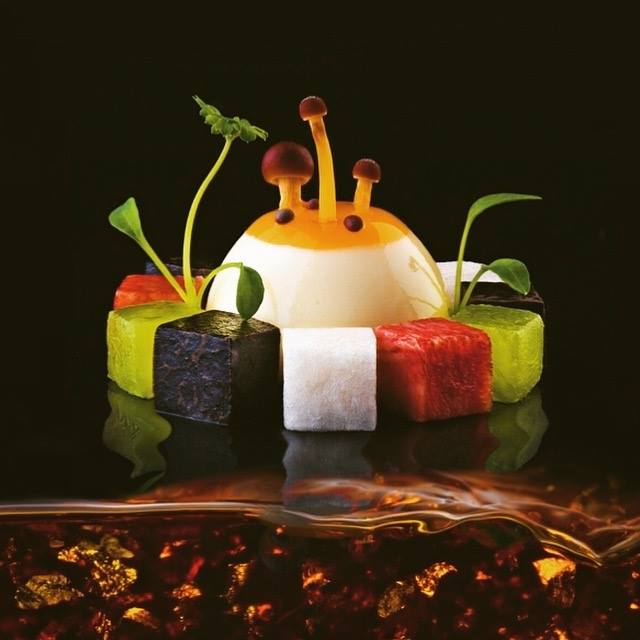
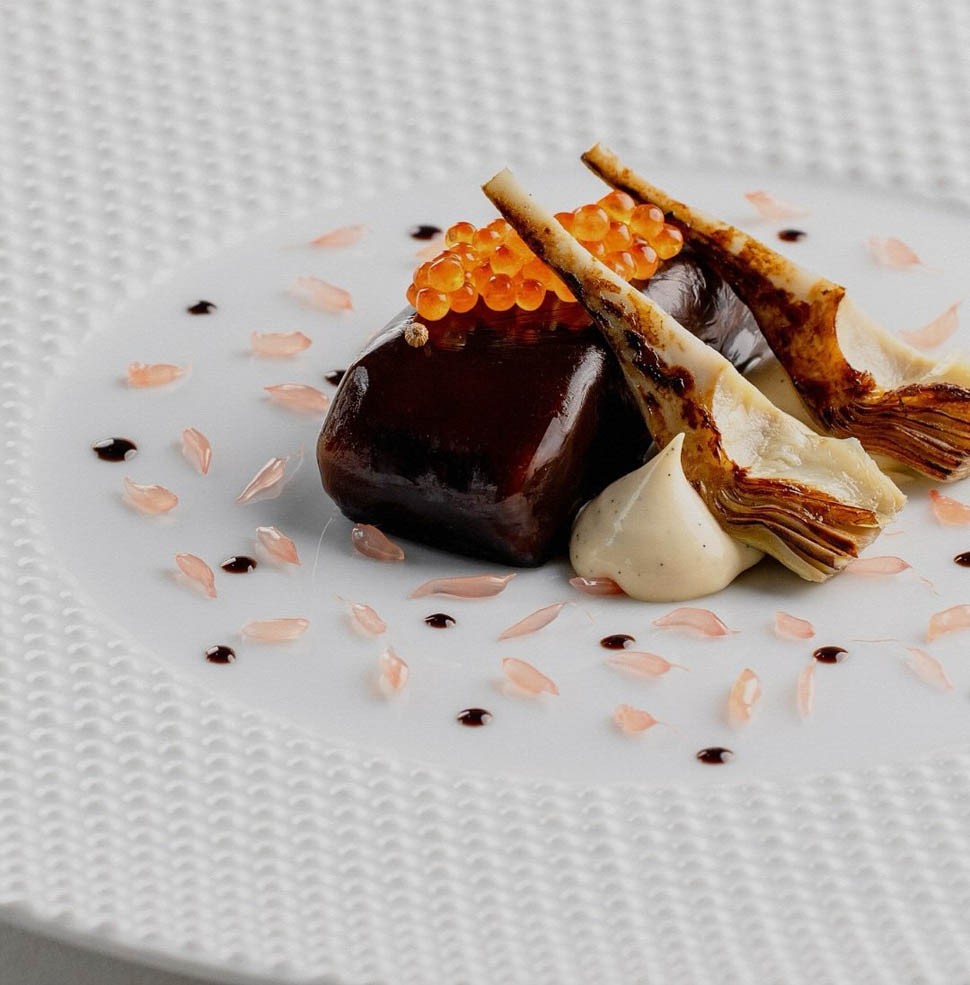
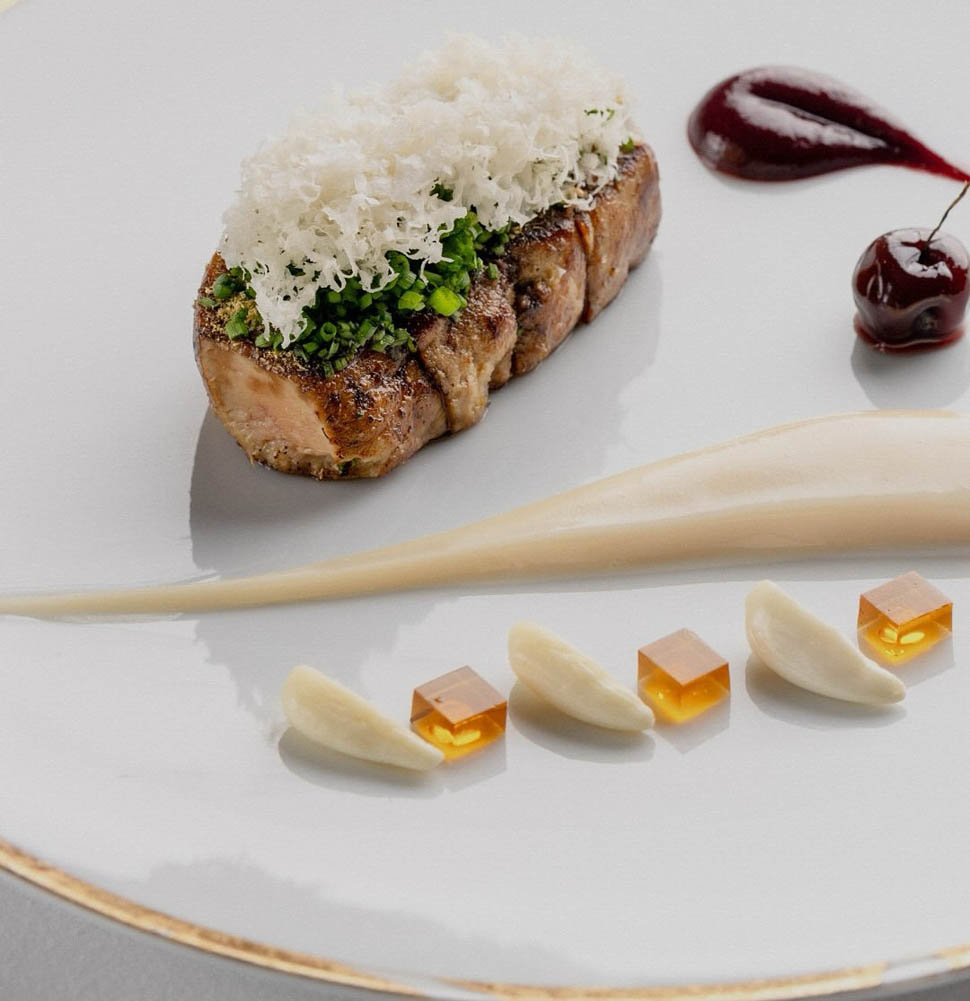
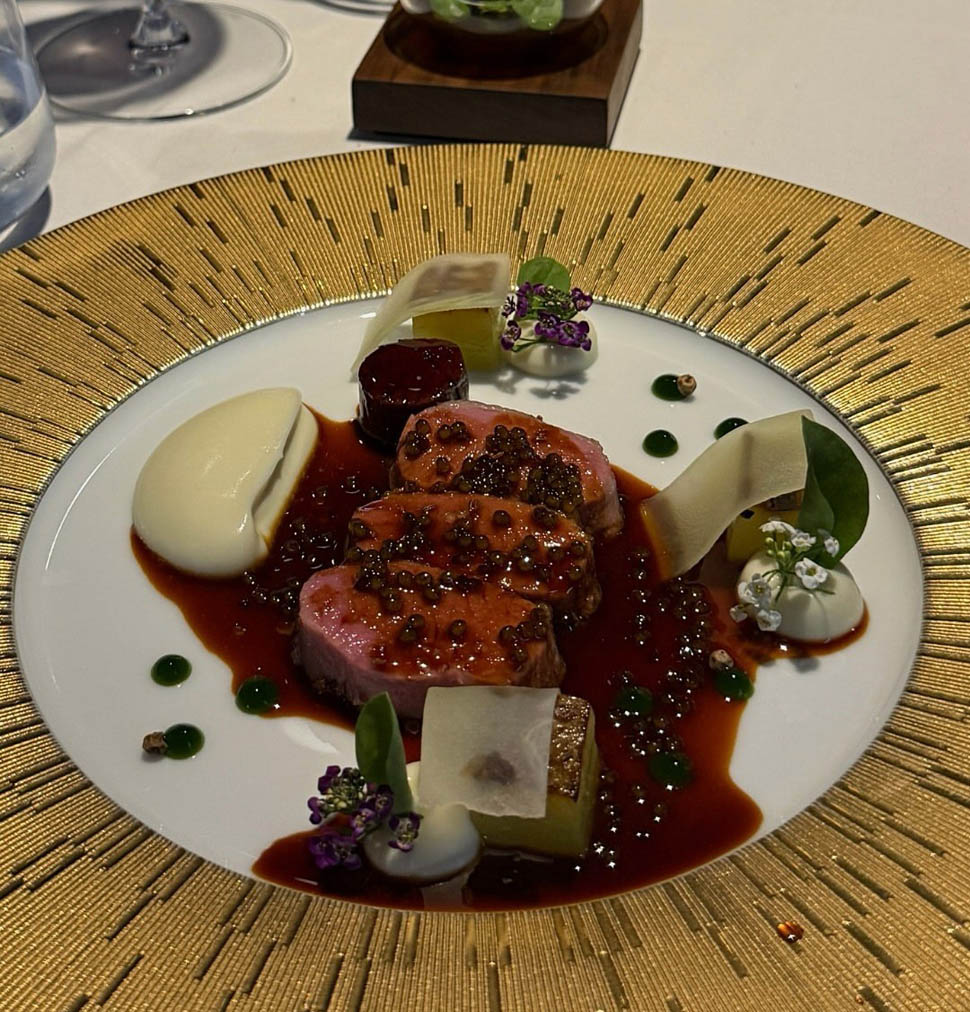
Another example of a bold pairing is Poached Salmon in Licorice Gel (2003). Starting from the discovery of a compound common to both asparagus and licorice, the chef combined salmon with licorice gel, creating a harmony of flavors that balances the richness of the fish with the subtle sweetness of licorice. The Roasted Duck Liver of 2003 popularized the combination of fruit and foie gras, while the Lamb, Cucumber, and Smoked Caviar of 2005 popularized the combination of meat and fish roe.
An experience of pure wonder
The Fat Duck experience is designed to surprise from start to finish, transforming every moment of the meal into an engaging narrative.
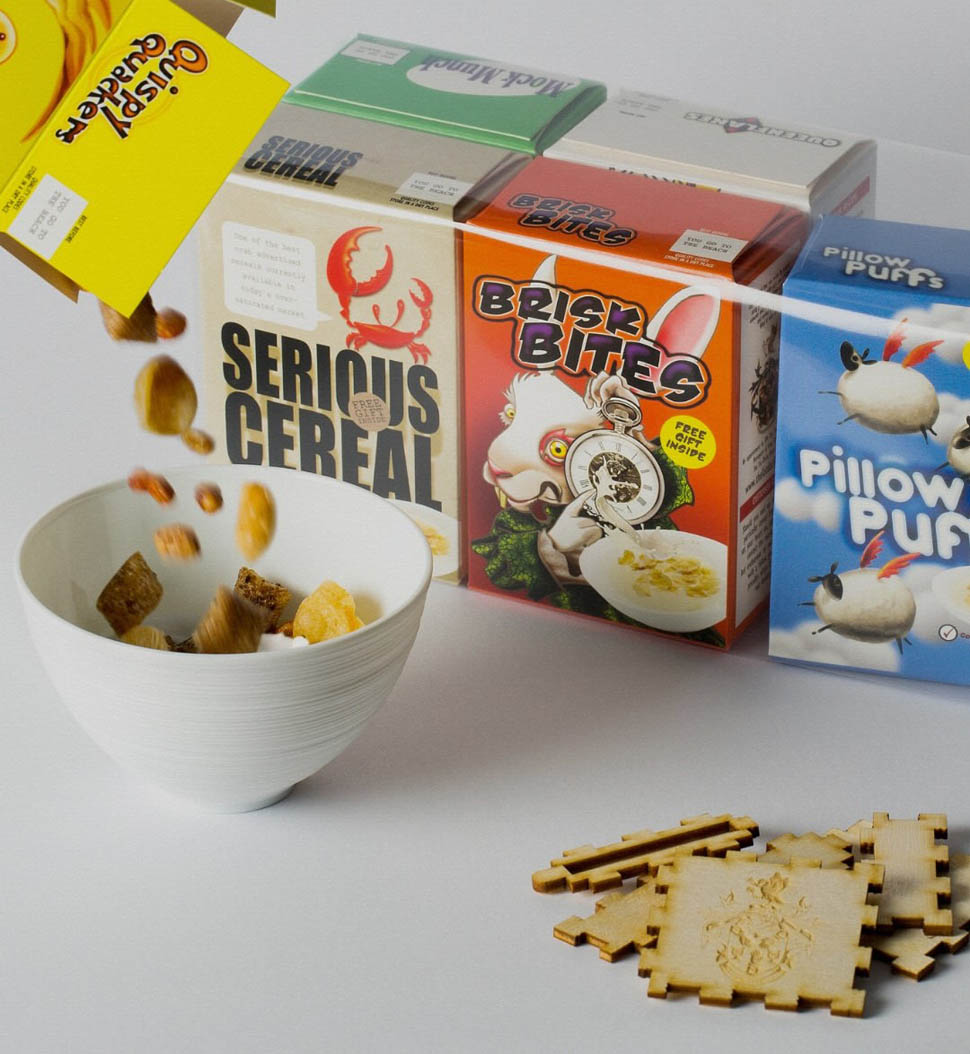
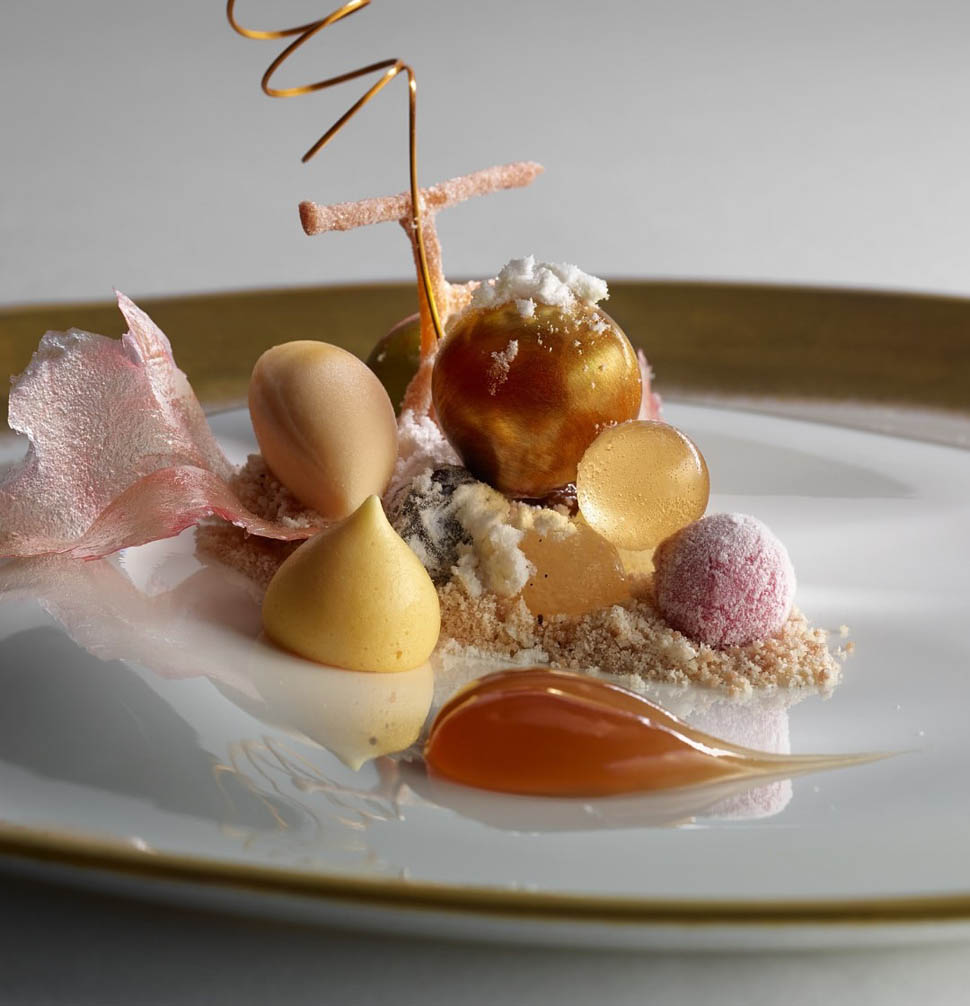
Breakfast in a Bowl (2015) deceives the senses. What looks like a box of cereal turns out to be a series of savory flavors—bacon, mushrooms, sausage, and tomato—served with a cream, a game that confuses and fascinates. Botrytis Cinerea, on the other hand, has 20 different elements and over 50 preparation steps.
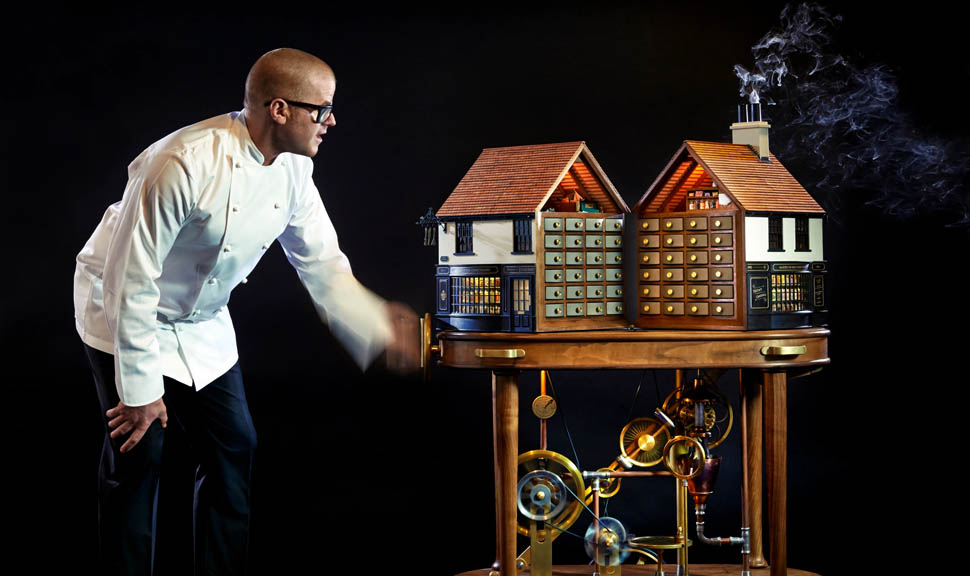
The grand finale, Like a Kid in a Sweet Shop (2006), is a moment of pure magic. A miniature dollhouse-shaped restaurant is brought to the table, concealing a selection of surprise desserts inside. Every bite, from a wafer-thin jam tart to an edible playing card, is an expression of creativity and genius.