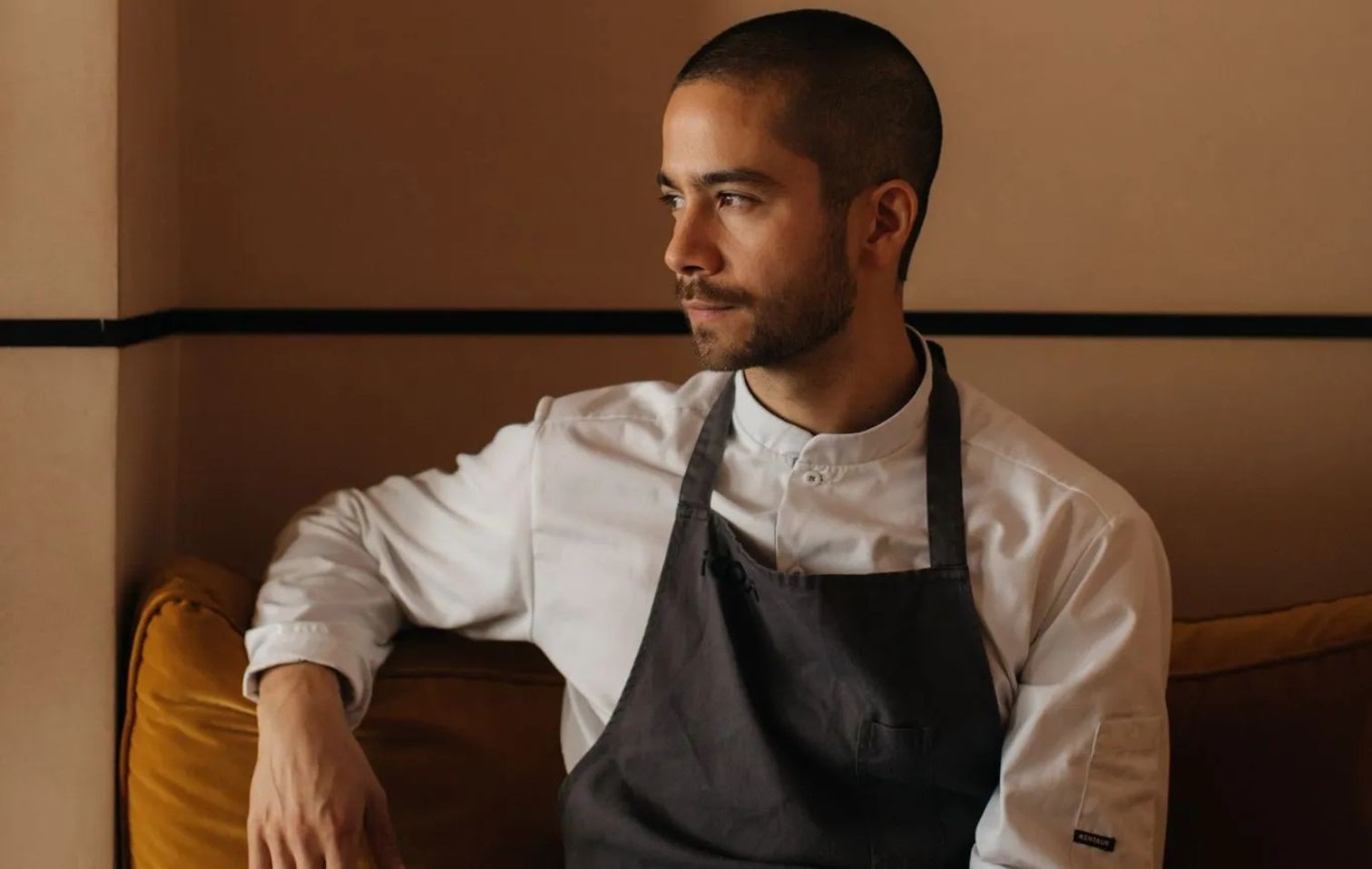
“There are higher expectations, more demanding customers, and with increased notoriety comes a greater chance that something will go wrong. It really is a blessing and a curse.”
The news
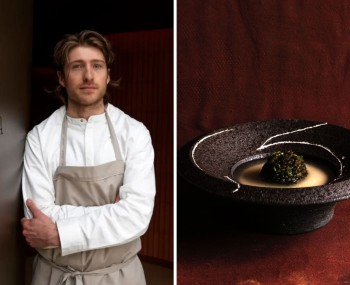
When success comes suddenly, it is never a perfect fit from the outset. It shines, it seduces, but it can also constrict. This is what chefs who have received the One To Watch Award in recent years say. The award, presented by The World's 50 Best Restaurants and supported by American Express Resy, identifies young and disruptive restaurants destined to change the gastronomic landscape. It is a springboard that brings enthusiasm and notoriety, but also growing expectations and unexpected pressures. This is confirmed by a special feature recently published on the 50 Best website, which interviews numerous voices from the contemporary restaurant scene. And here, the downside is not long in coming. “In a way, it becomes more difficult after winning,” admits Jeremy Chan, chef and co-owner of Ikoyi in London, awarded in 2021. “There are more expectations, more demanding customers, and with notoriety comes the increased possibility that something will go wrong. It's really a blessing and a curse.”
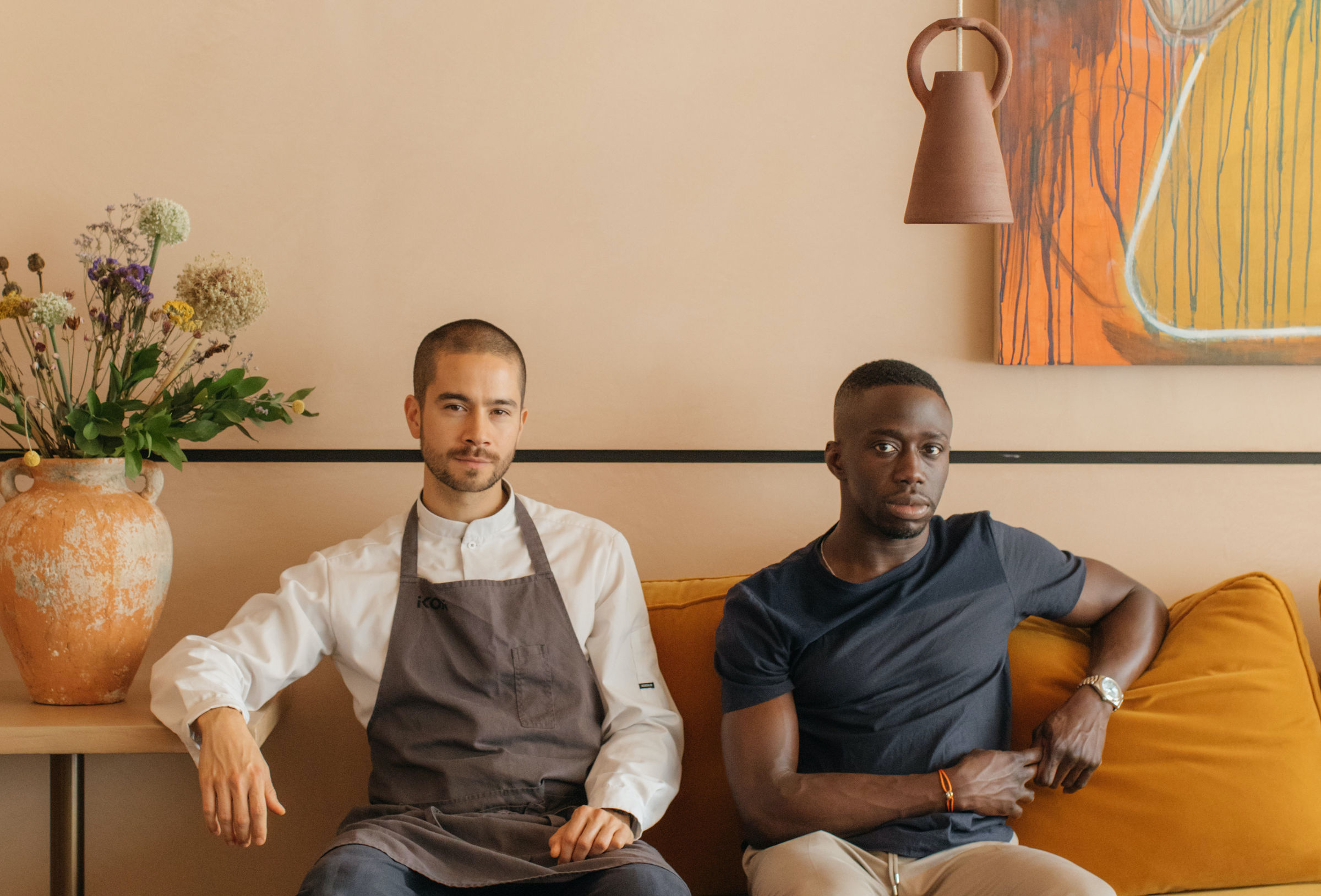
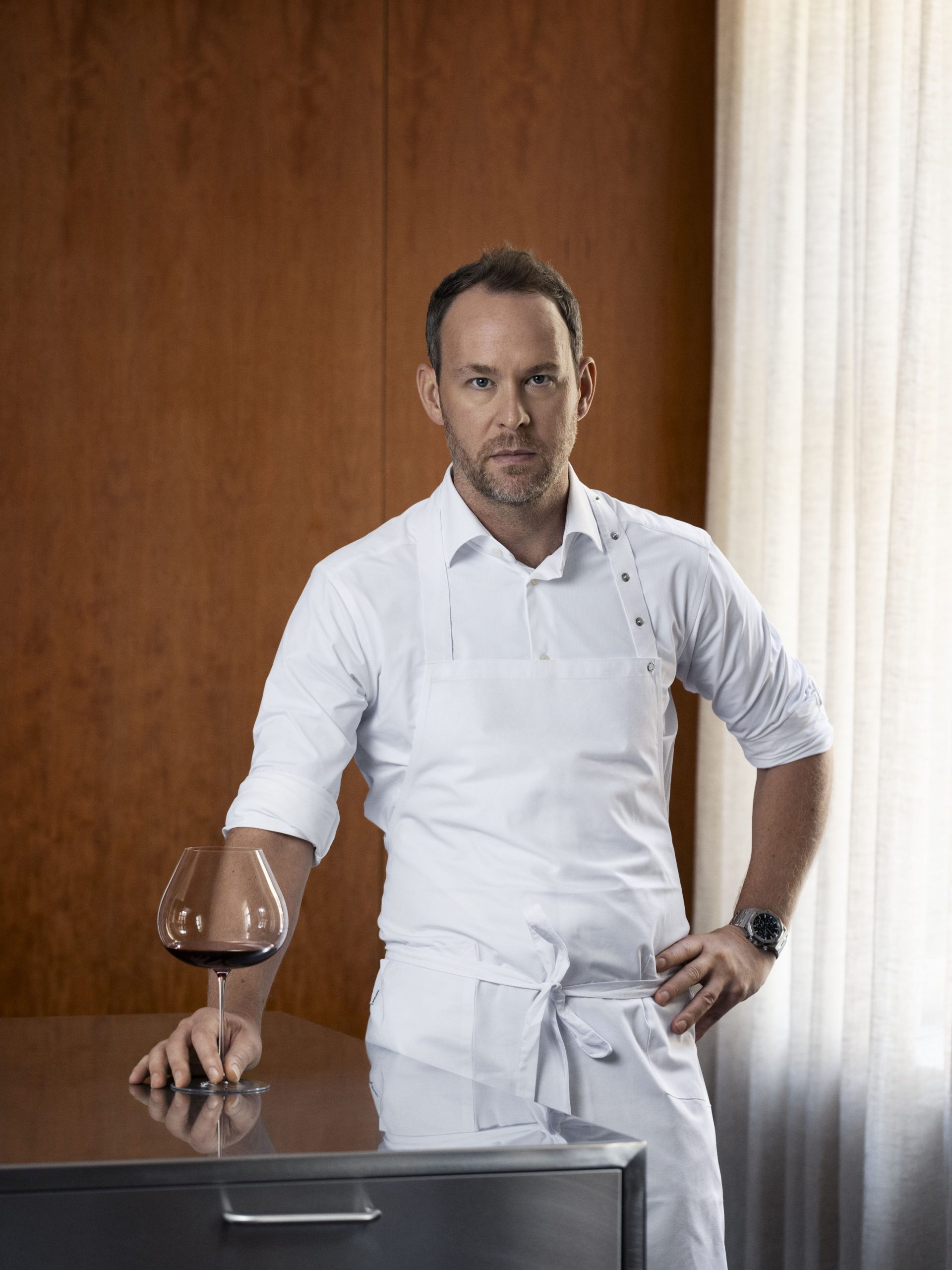
Despite fears, Ikoyi not only maintained its identity, but also climbed rapidly up the rankings: in 2025, it reached No. 15 and was awarded the Highest Climber prize. This journey demonstrates that the key lies in the ability to remain consistent with one's vision, even under the gaze of the world. The immediate power of this award is explained by Björn Frantzén, who won it in 2011 with his then Frantzén/Lindeberg. Today, he runs a small empire with restaurants in Stockholm, Bangkok, and Singapore, and his Frantzén ranks No. 38 in the 2025 50 Best list. “Suddenly there was a new energy, a feeling that something important was happening,” he recalls. “That initial boost was invaluable: it validated the risks we had taken and gave the team confidence.”
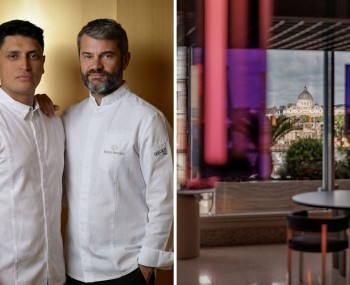
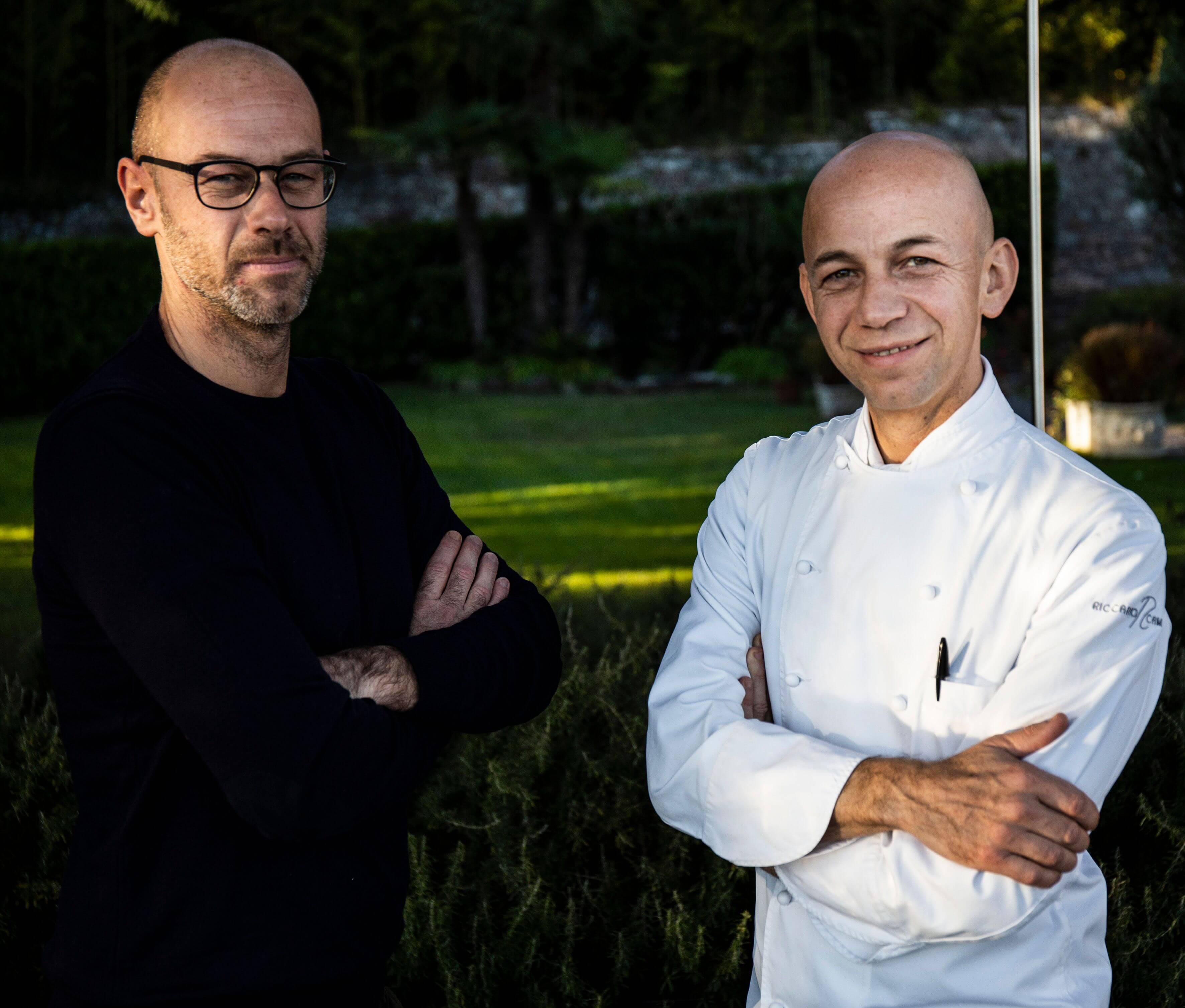
Riccardo Camanini of Lido 84, on Lake Garda, winner of the 2019 award, shares the same impression. “It's an atypical award,” he explains. “Unlike other awards that focus on established businesses, this one shines a spotlight on emerging restaurants, helping them to truly express their creativity.”
The double-edged sword of fame
Success, explain the protagonists, can be deceptive. “It amplifies everything, strengths and weaknesses,” observes Frantzén. “The challenge is to keep your feet on the ground, surround yourself with people who are better than you in their roles, and not lose clarity and consistency.” This warning is shared by brothers Riccardo and Giancarlo Camanini: “You almost have to forget about the award immediately and get back to work with passion and humility.”
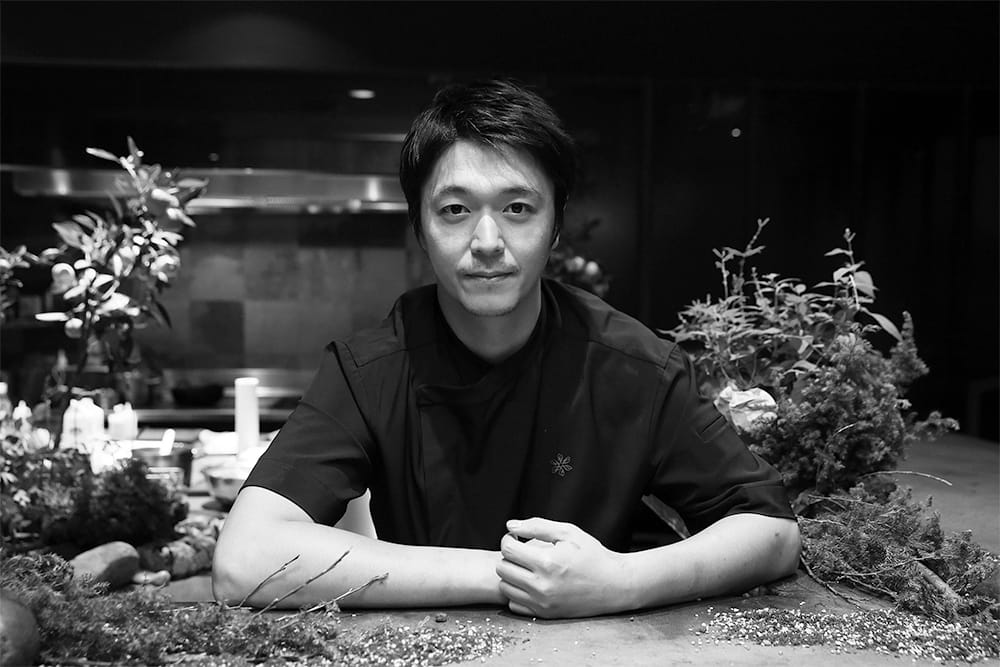
For Eduard Xatruch, who founded Disfrutar in Barcelona in 2014 together with Mateu Casañas and Oriol Castro, the award was also a source of joy but did not cause him to deviate from his path. “We never worked with awards in mind,” he emphasizes. “Our goal has always been to build a solid project that expresses our understanding of cuisine and creativity.” This strategy has yielded extraordinary results: in 2024, Disfrutar was crowned The World's Best Restaurant and entered the Hall of Fame of the Best of the Best. There is also a less tangible but fundamental value that the One To Watch winners remember with gratitude: the network of relationships that the award has made possible. Hiroyasu Kawate, chef at Florilège in Tokyo, who won the award in 2016, describes the experience as “an opportunity for growth, which allowed me to meet extraordinary colleagues and exchange valuable ideas.” He considers these relationships “a real treasure,” capable of guiding his French-Japanese cuisine increasingly towards sustainability. A similar sentiment is shared by the Camaninis, who after their victory saw guests arrive from all over the world, but above all felt part of a global community “interested not in replicating luxury, but in creating something specific to their own culture, and discovering it in other people's restaurants.”
The team at the center
A common thread links all these experiences: recognition does not belong to a single name, but to the entire team. It is no coincidence that Xatruch insists on the need to think about human and economic sustainability, not just environmental sustainability. "We must overcome the idea that to be a chef you have to sacrifice everything else. The future will only be bright if we can ensure a balance between professional and personal life.“ And while the dream of many young chefs remains to open their own restaurant, he invites us to rethink this: ”For many years, we didn't even think about it. You can be happy and fulfilled even working in a restaurant that values you and allows you to express yourself, without taking on the burden of running a business."