“The rural setting shapes every aspect of the experience. From the ingredients we use to the atmosphere we create: what we offer is connection, authenticity, and calm.”
The story
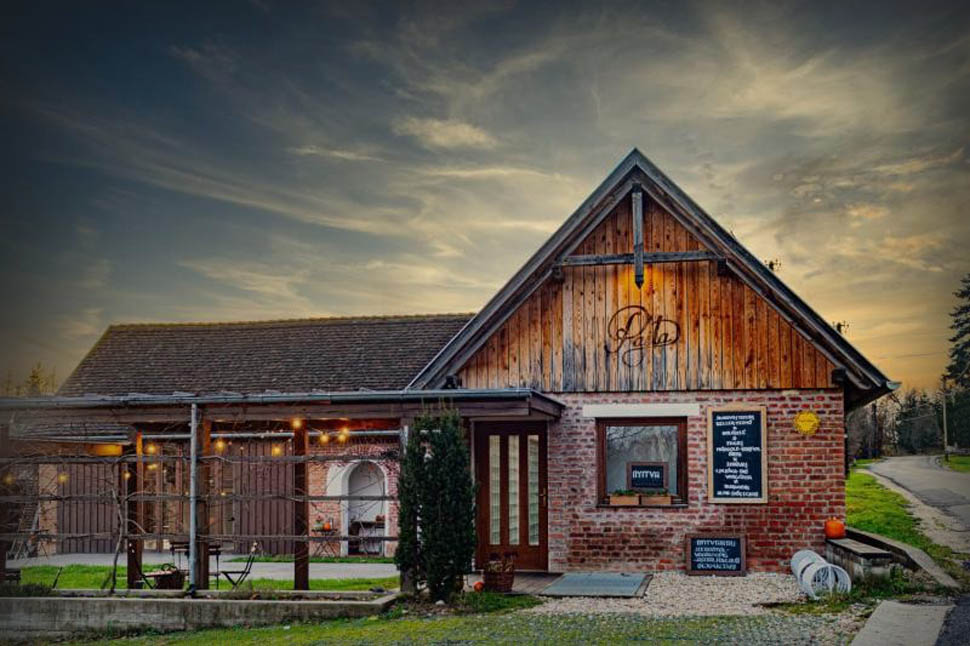
Among the green slopes of Őrség, where the forests seem endless and the villages remain hidden like ancient secrets under their thatched roofs, there is a place where cuisine does not just nourish: it tells a story. Here, on the border between Hungary, Slovenia, and Austria, an old restored barn has chosen to reinvent itself. No longer a venue for folk dancing, it is now the setting for a gastronomic experience that intertwines nature, community, and memory. Its name is Pajta, and it is the only rural restaurant in Hungary to be awarded a Michelin star, as reported on the Michelin website.
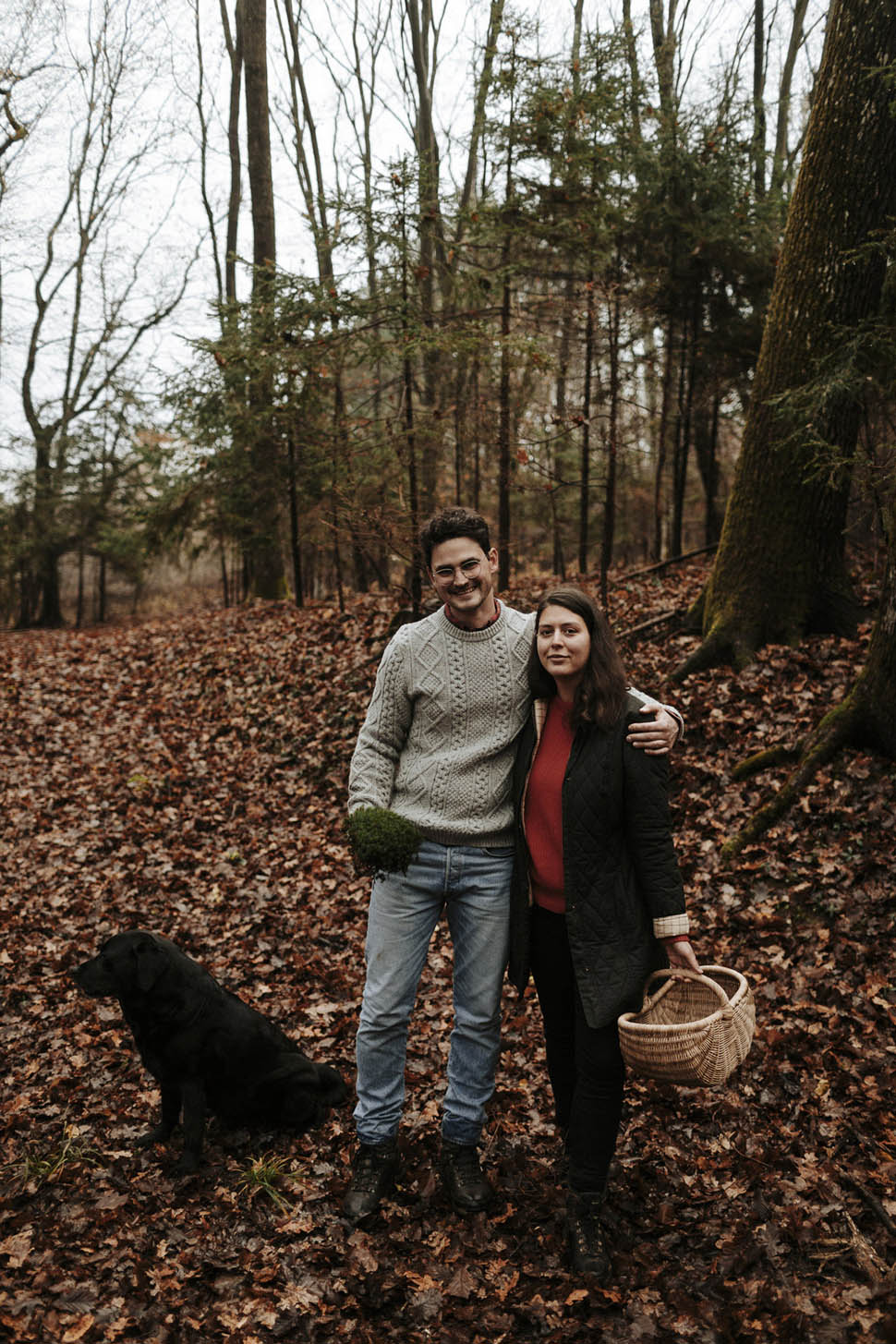
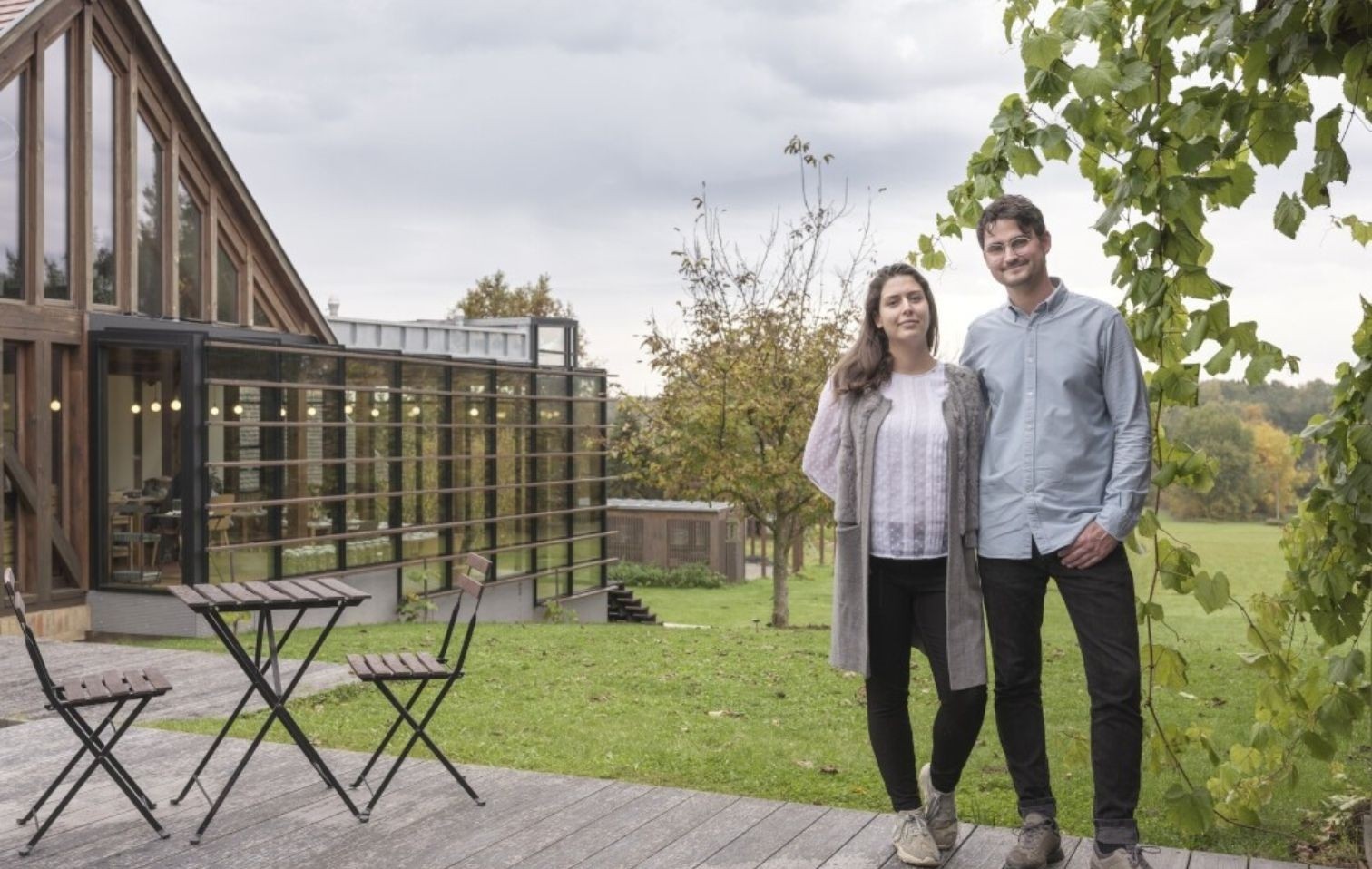
Behind this metamorphosis is a visionary couple, Flóra Kvaszniczáné Marjai and Ferenc Kvasznicza, who left Budapest in 2012 to find, as they explain, “something more authentic and sincere.” Where others would have seen only wood and dusty beams, they glimpsed a future in which gastronomy, culture, and nature could merge. “We wanted to create something meaningful,” they recall, and thirteen years later, that dream has become a virtuous ecosystem in which chefs, artisans, and farmers work as different voices of the same orchestra. The structure itself seems to breathe in unison with the landscape. Large windows frame the surrounding green expanse, an exterior wall is covered with climbing leaves, and the interiors combine rusticity and moderation: wooden beams, wildflowers in small glass vases, white napkins, and glasses ready to welcome generous wines. Not ostentatious luxury, but simple beauty, rooted in the earth.
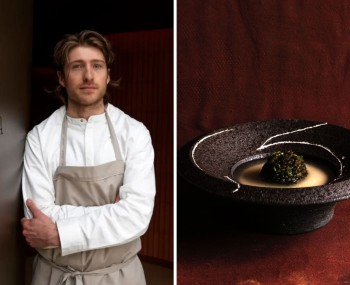
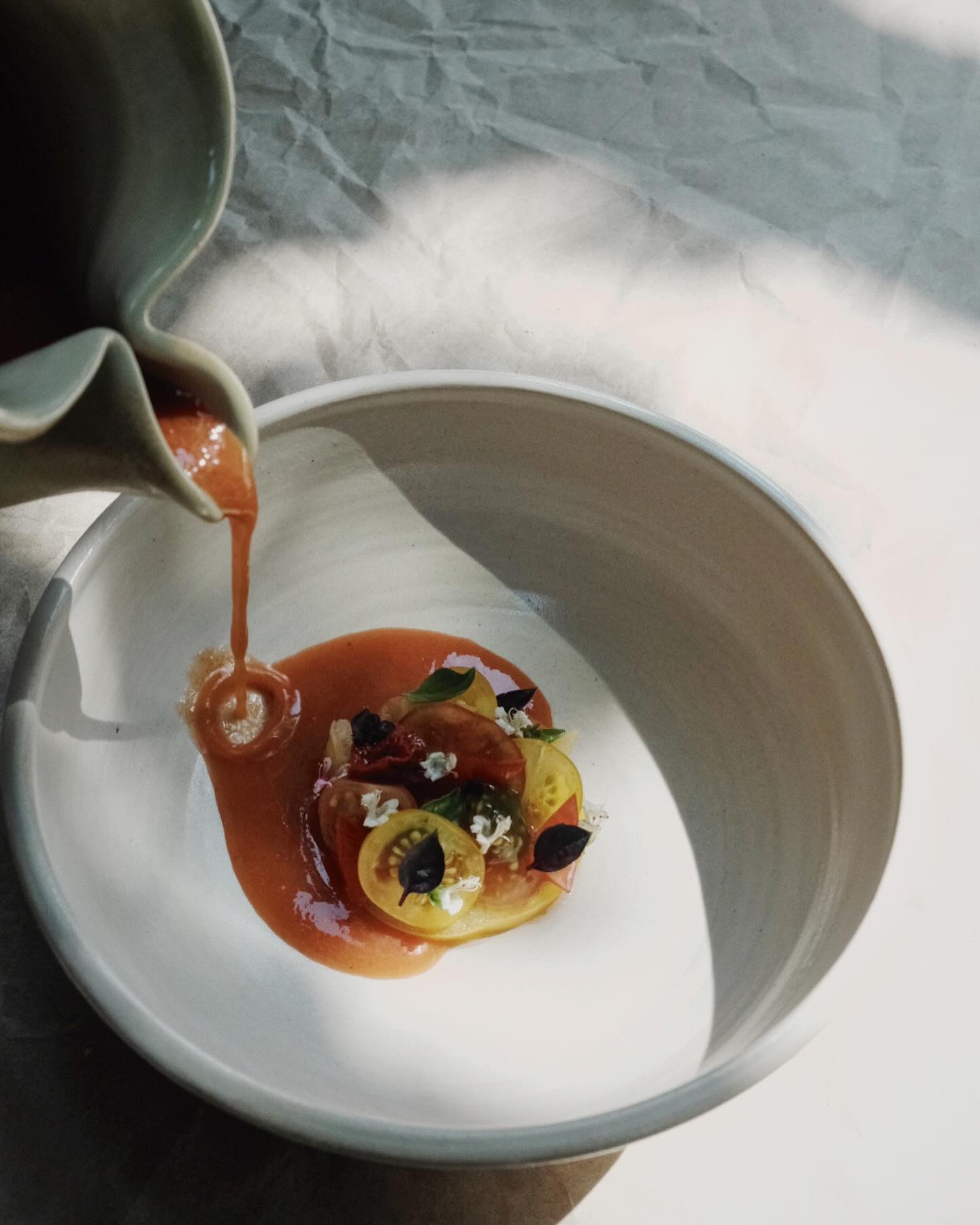
“The rural setting shapes every aspect of the experience,” emphasizes Flora. “From the ingredients we use to the atmosphere we create, what we offer is connection, authenticity, and calm.” A promise kept with every course. At the helm of the kitchen is chef István Akács, both guardian and innovator. His creations are described as “honest and unpretentious,” but behind this apparent simplicity lies refined workmanship, which always starts with the integrity of the raw ingredients. “We cook what we truly love: clean, expressive flavors that respect the essence of the ingredients,” he explains. The result? Dishes that oscillate between Hungarian memories and global influences: trout with kohlrabi and buckwheat, duck breast with carrots and gnocchi, but also a ceviche with cucumber that nods to Latin America. The menus change with the seasons and the harvests of local producers, but always maintain a line of clarity and intensity.
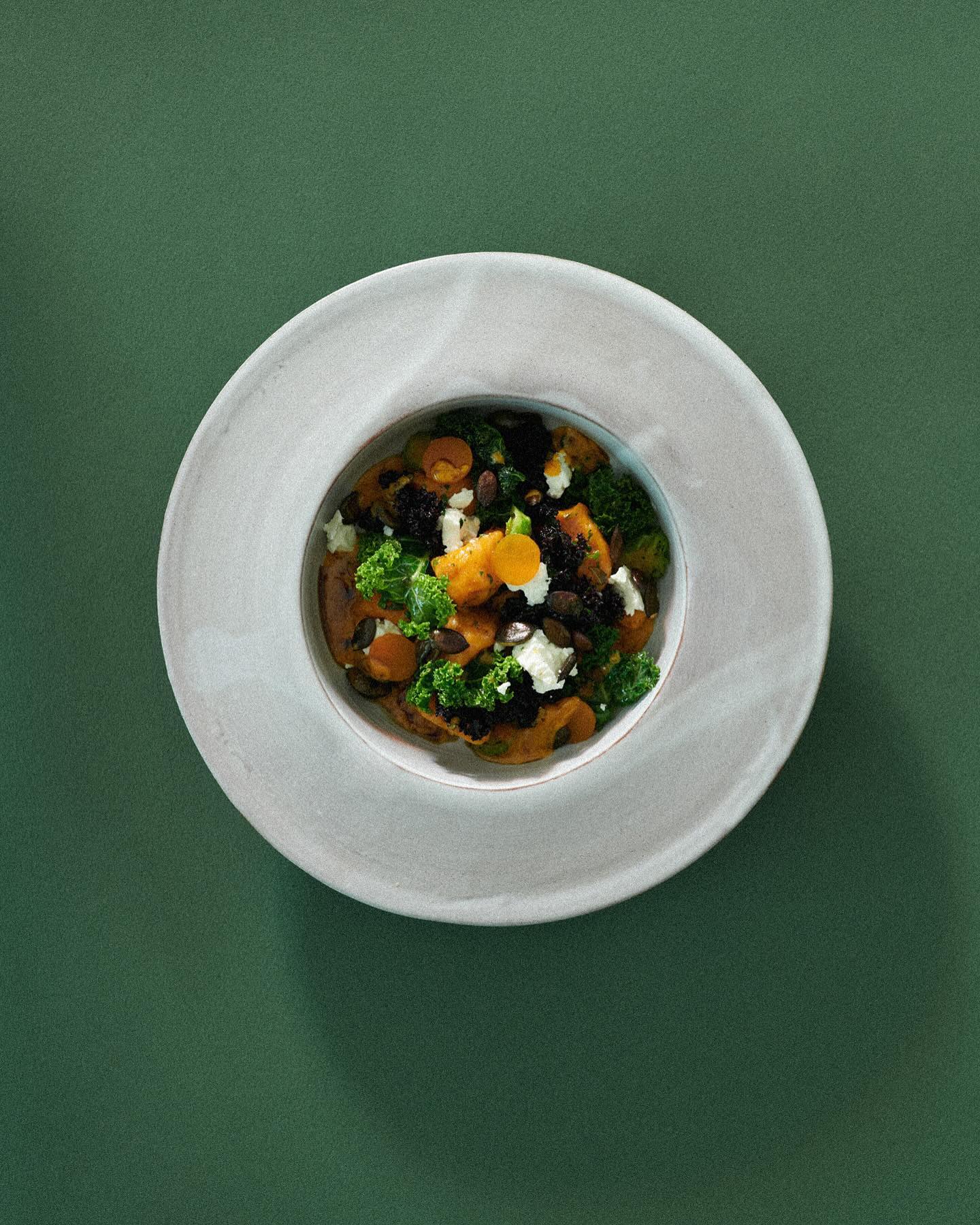
The dish closest to the chef's heart is a tribute to his personal passion: mushrooms. He picks them himself in the woods and transforms them into a creation that combines tortellini with mushrooms, pecorino, and tea made from mushroom garum. “It's the dish that best represents who I am and how I cook,” he says. Pajta's strength lies not only in its cuisine, but also in the human fabric that supports it. From the very beginning, Flóra and Ferenc have built a network of local producers: breeders, cheesemakers, organic farmers, ceramic artisans, and even weavers. Each dish thus becomes the result of collaboration, a mosaic of hands and knowledge that converge in the same creative gesture. Chef Akács proudly recounts this teamwork: “When a dish brings joy to the customer, I know that behind it is the dedication of many people. From the cheese that took months to mature to the fruit grown with care since winter, it is a collective effort, made up of precision and trust.”
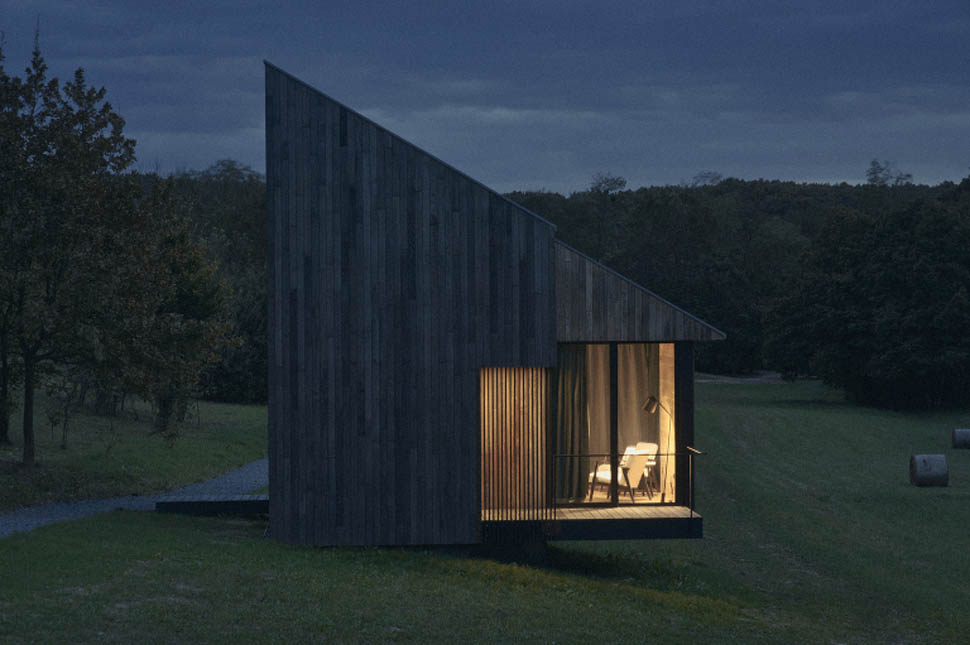
The glass accompanies the dish with equal authority. The wine cellar celebrates Hungarian riches above all, from the volcanic bottles of Somló to the fresh whites of Badacsony, to the inevitable sweet wines of Tokaj. But the gaze extends beyond the borders, with reds from Austria's Leithaberg, Slovenian sparkling wines, and pairings designed specifically to reflect the tri-border area between Hungary, Austria, and Slovenia. A liquid geography that enriches the gastronomic journey. For those who wish to prolong the experience, from 2023 Pajta will offer Kástu, seven wooden and glass lodges immersed in the forest, a half-hour walk from the restaurant. Essential but warm architecture, with floor-to-ceiling windows offering changing scenery: the meadow blooming by day, the starry sky enveloping the night.
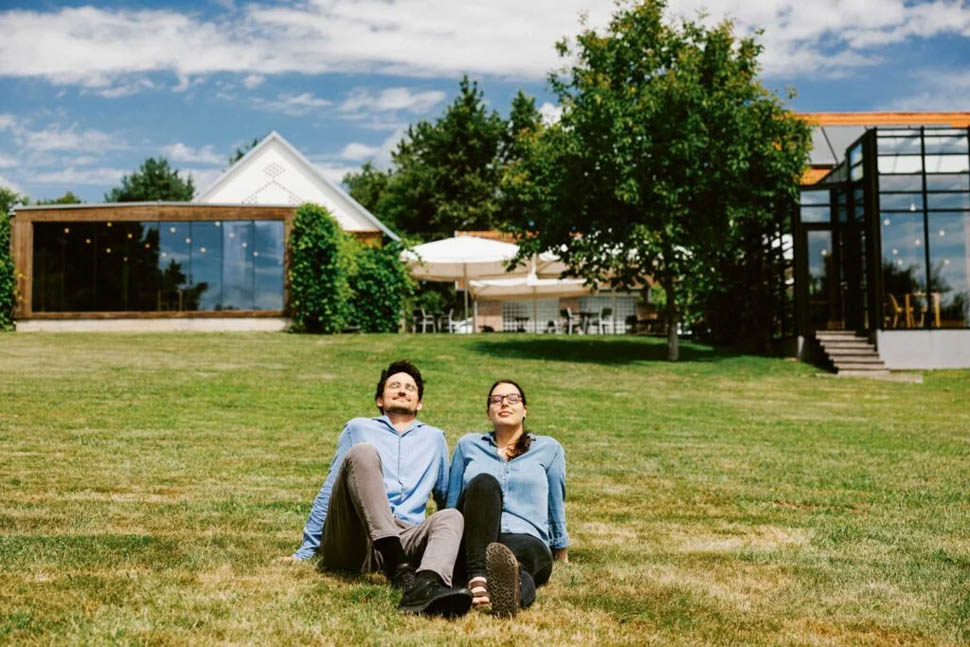
A stay here provides an opportunity to cycle through the landscapes of Őrség, marvel at the changing seasons and, from 2025, even rejuvenate in a sauna among the trees. “Staying at Kástu allows our guests to immerse themselves in natural beauty and truly complete the journey that Pajta represents,” says Ferenc. At a time when high-end dining often seems relegated to big cities, Pajta proves that the countryside is by no means peripheral: it can be a hub of creativity and gastronomic innovation. With its Michelin star earned far from the spotlight, this former barn turned restaurant has become a symbol of cuisine that does not chase the superfluous, but thrives on authenticity, relationships, and time.
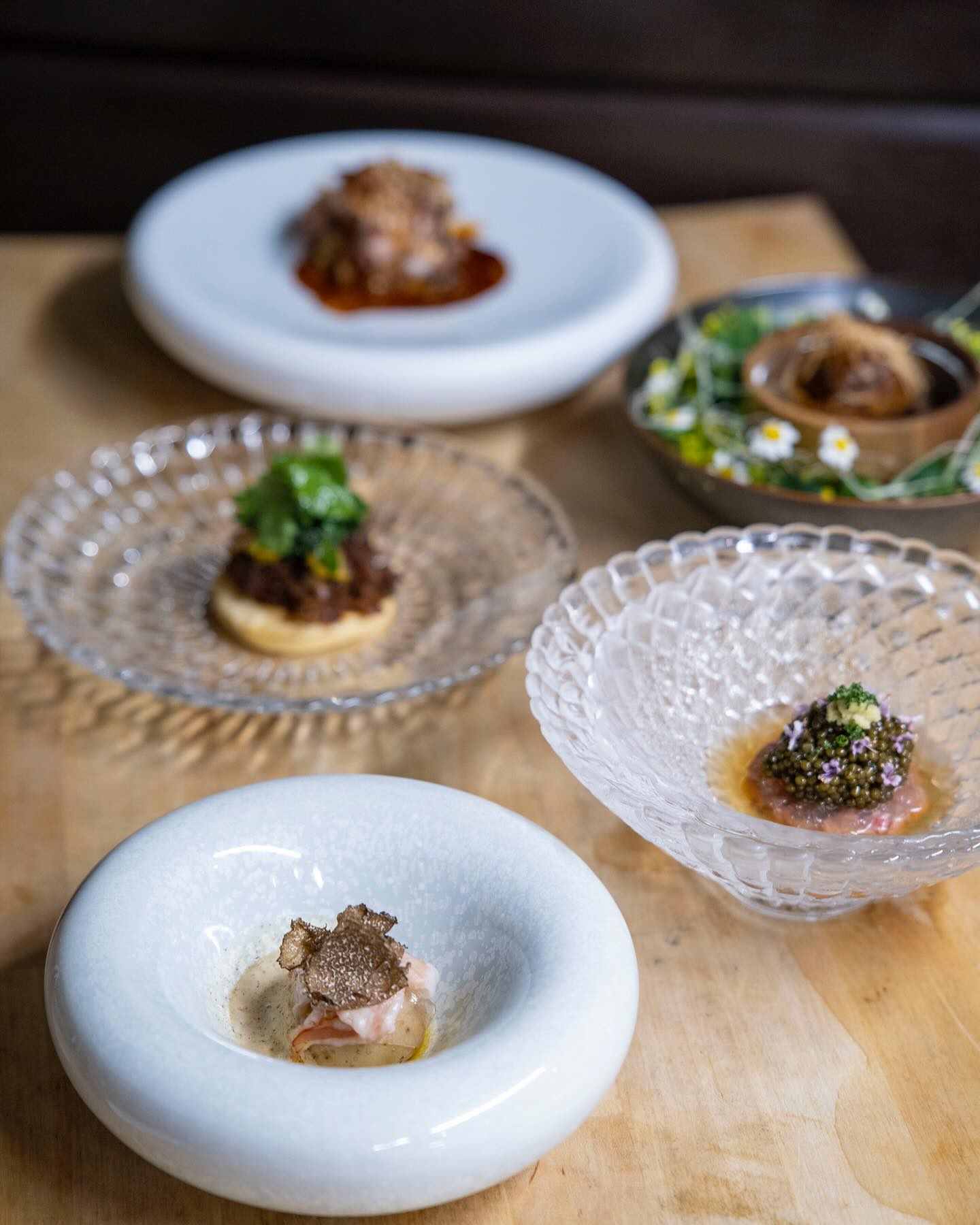
Eating at Pajta is not just about tasting dishes: it means entering into dialogue with a territory, with its producers, with those who have decided to remain faithful to the land and transform it into a sensory experience. It is an invitation to slow down, to sit down in front of a dish that tells stories, and to discover that even the quietest woods can shine with stars.