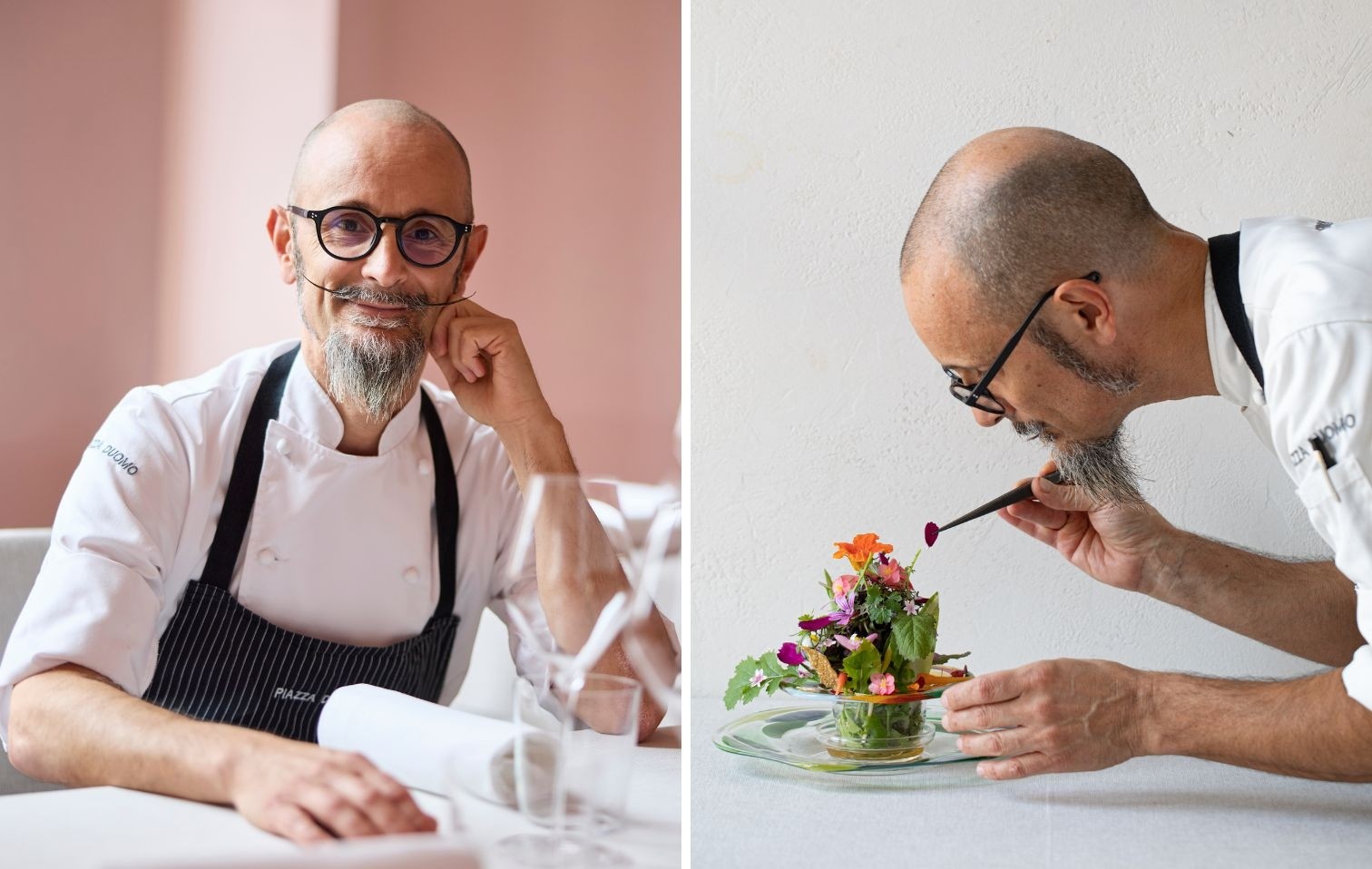
The chef from Piazza Duomo in Alba who brought the Langhe region to gastronomic fame focuses on produce from his now legendary vegetable garden, but he is also a champion of a region that is not his own (he is from Brianza) but which he knows and loves like a son. And now there is also Studio+.
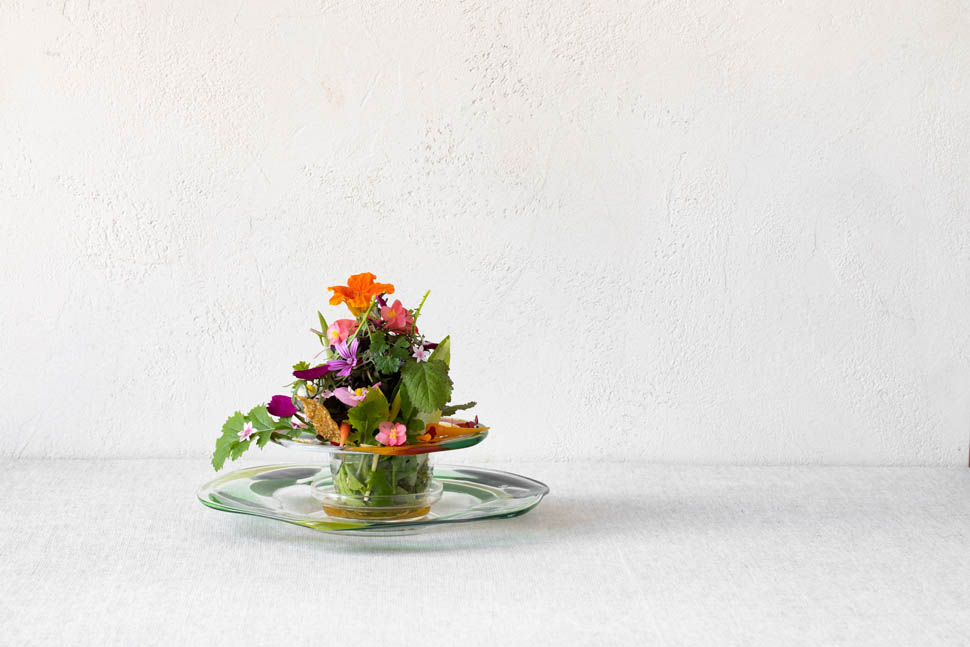
Fifty-one, a talking vegetable garden. That's the number of vegetables – give or take one – that go into what is the most famous salad in Italian haute cuisine, the 21... 31... 41... 51..., the signature dish of Piazza Duomo by chef Enrico Crippa, who puts different ingredients in it every day. It depends on what the father of all Italian chefs' vegetable gardens has to offer that day, three hectares outdoors plus 500 square meters of greenhouses on the Monsordo-Bernardina estate of the Ceretto family, a great Barolo family.
A few years ago, I was visiting that garden. It was a winter day, and it was freezing cold. I saw a white van pull up quickly and park. A focused Crippa got out and didn't respond to my greeting. He began feverishly searching the greenhouse for a plant that would speak to him and say, “Take me, I'm ready.”
The chef and the restaurant
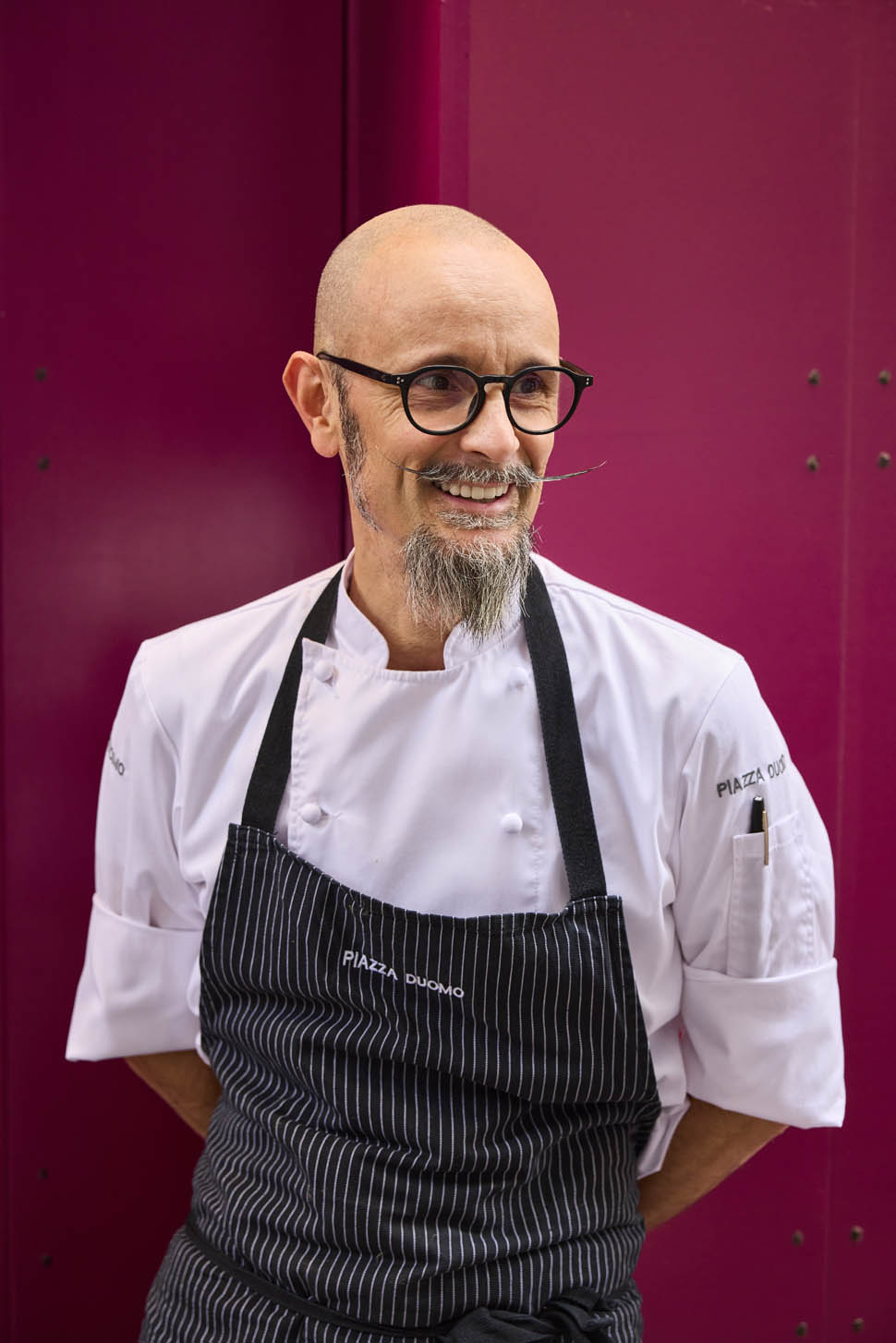
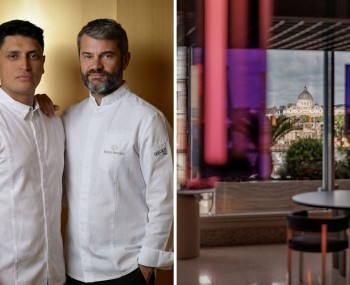
There are many ways to describe Crippa, born in 1971 in Carate, a town in the foggy and iron-rich Brianza region. He could be described as the elf of Italian cuisine, with his lean physique sustained by endless musings and a long list of things to do (every day something different, every day something new). As one of Gualtiero Marchesi's most brilliant students, but the great Milanese who passed away at the end of 2017 has more children than dishes, according to what you hear around, so it's better to leave it at that. As the “foreigner” who brought the Langhe to the gastronomic level it deserves, because a land of great wines goes nowhere without great food. Like the man who was the first to talk about vegetable cuisine rather than vegetarian cuisine, inspired by the words of Michel Bras, and who therefore created the aforementioned vegetable garden, which he tends and cares for like a child, and yet is troubled because he cannot obtain 100% of the vegetable ingredients for his cuisine from it (damn, but he does get 95%).
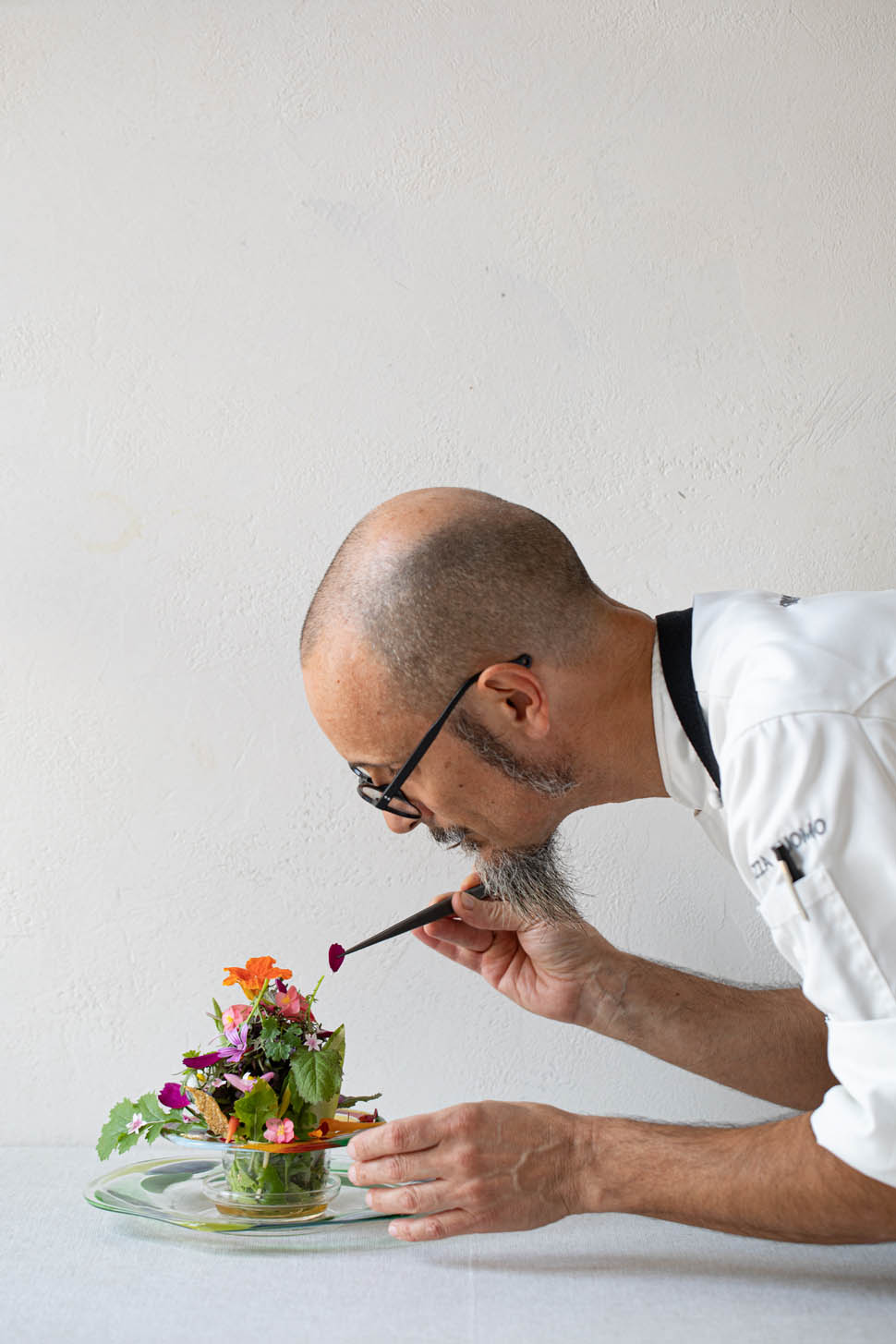
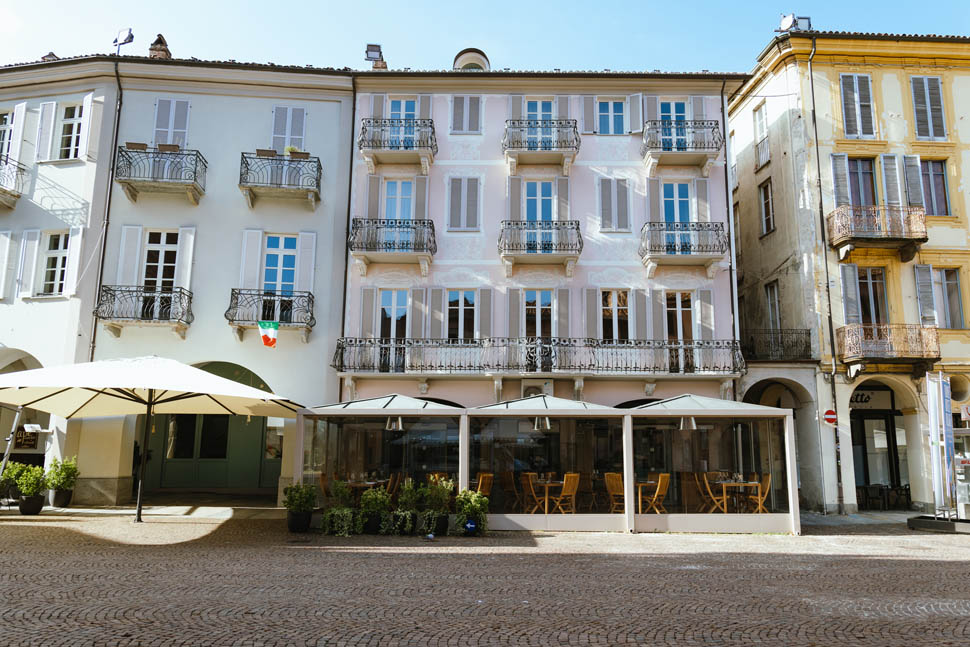
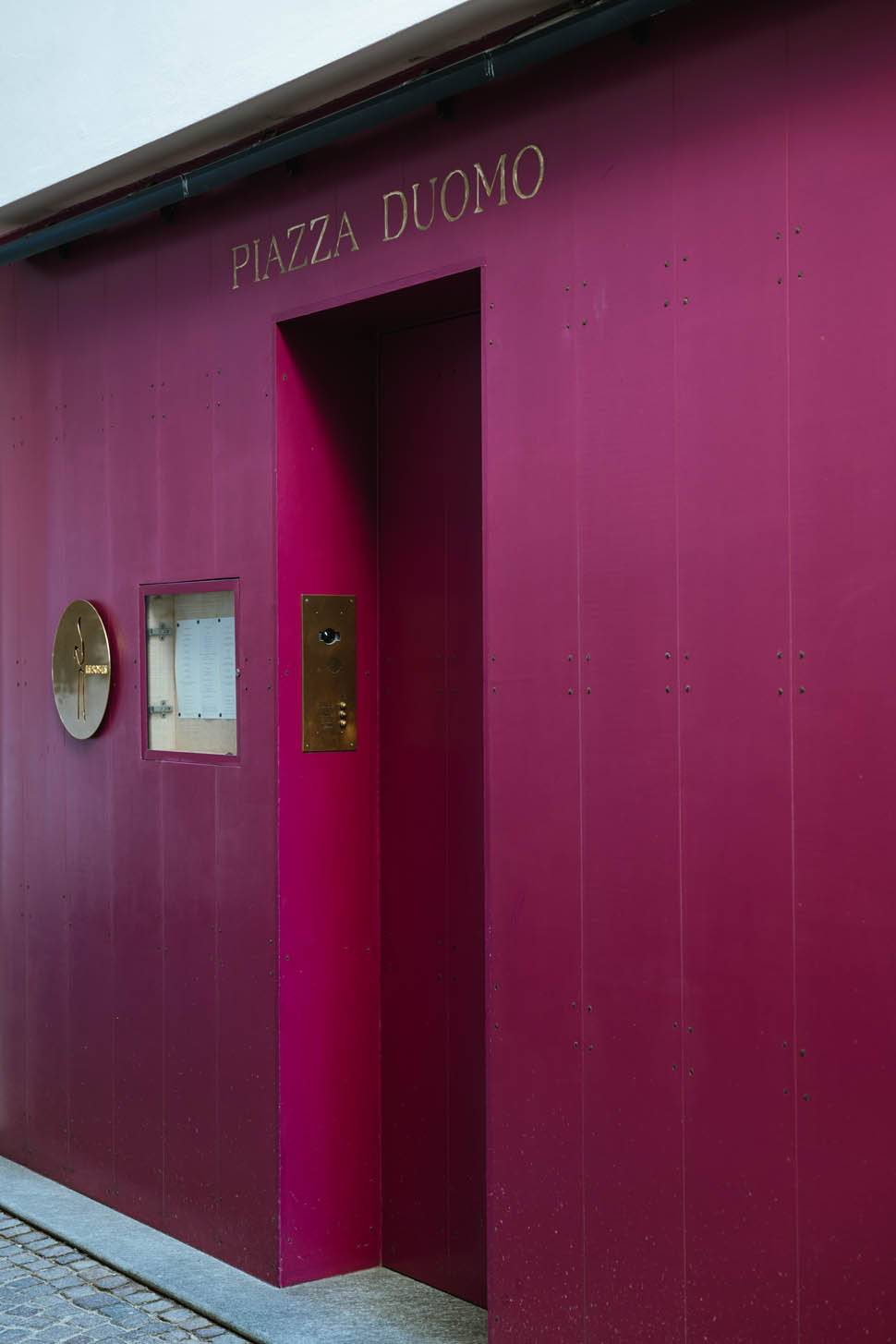
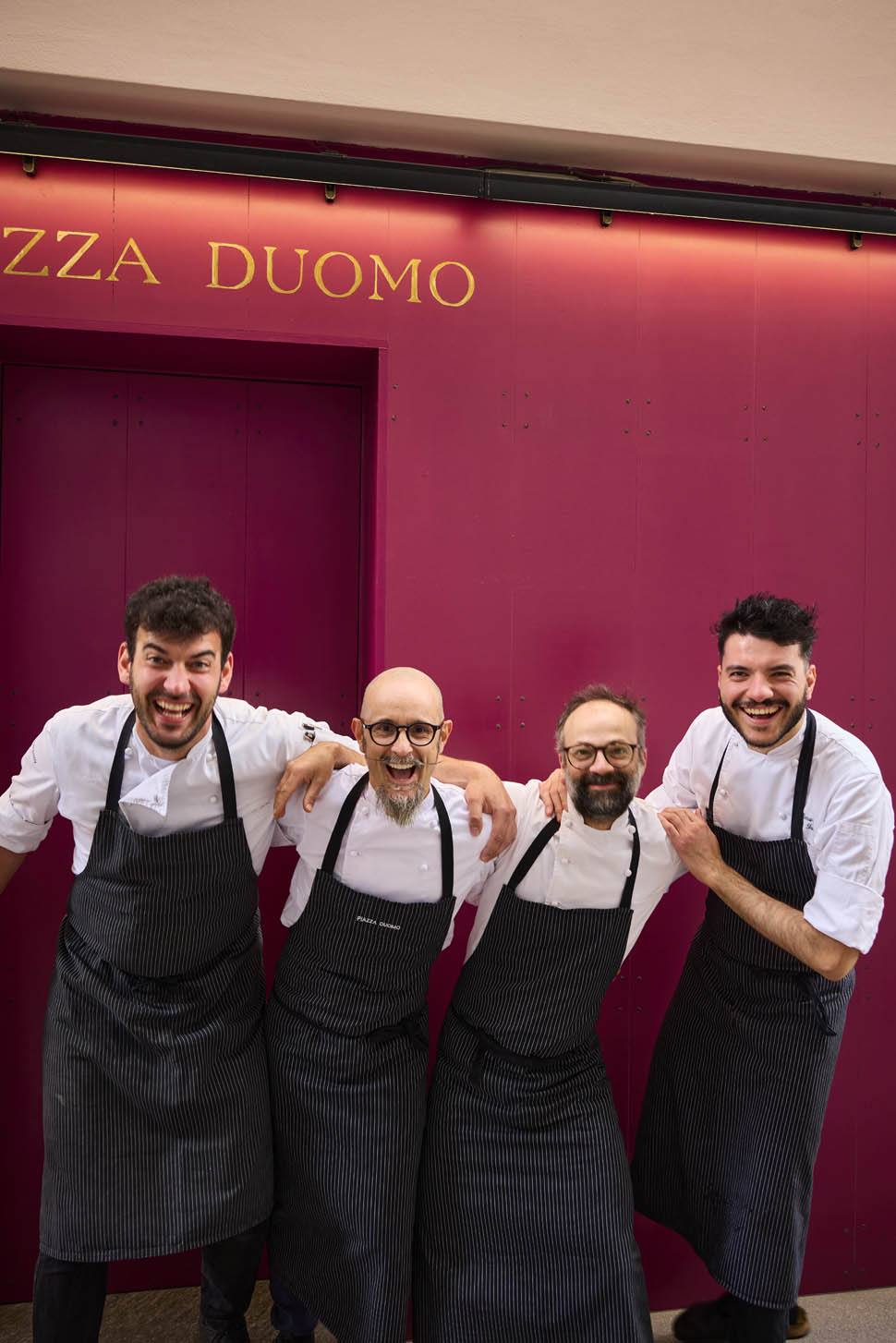
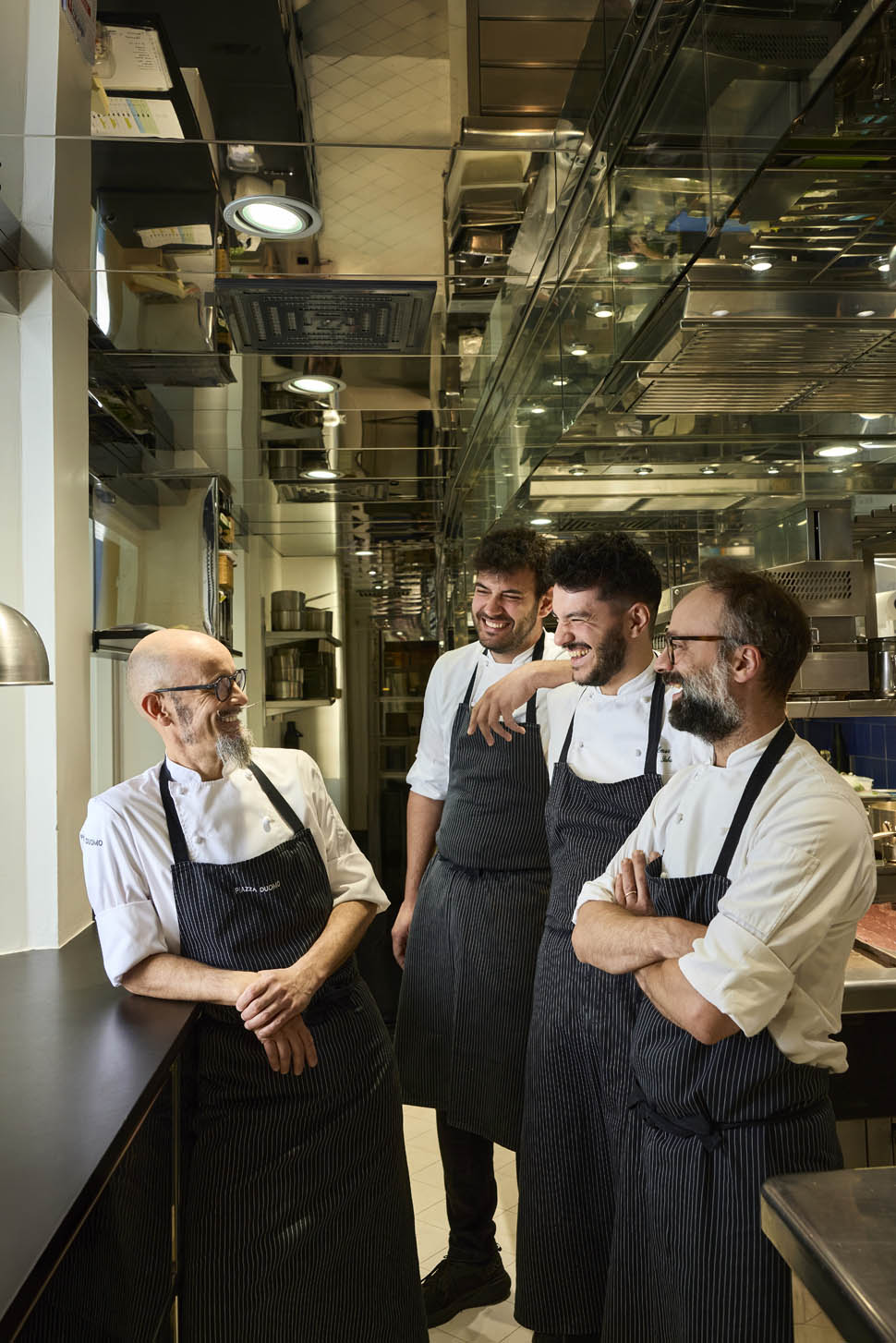
The Piazza Duomo restaurant is located in the center of Alba, above a magnificent wine cellar whose only drawback is that it is overshadowed by the fine dining restaurant, three Michelin stars since 2012, and for years in the Fifty Best (this year at number 32 but expected to rise dramatically next year, after Crippa used the days of the Turin Fifty Best last June to welcome important guests to his restaurant, and it seems they were all happy with the arrangement), and now next to Studio+, the new Piedmontese-style ‘omakase’ dining room that has replaced the few rooms that were there before, where he cooks for eight customers whatever he likes and however he likes, and never mind if he has to share with the Michelin-starred restaurant next door, the guy exudes energy from every whisker and the Piazza Duomo team carries on as if it were a dream.
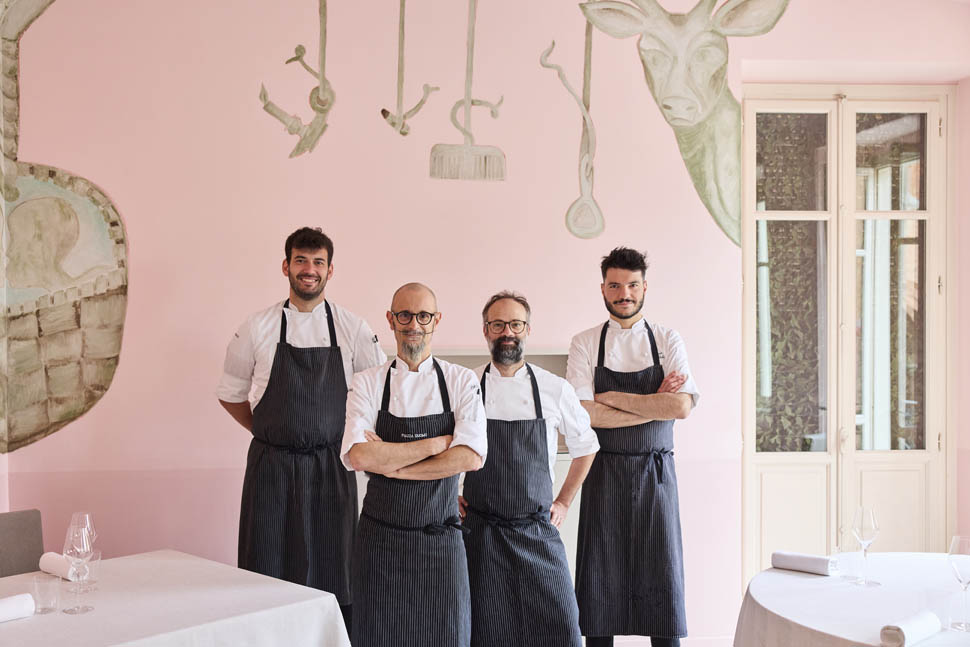
Piazza Duomo was born in the early 2000s from a meeting between the young Crippa, still with some hair on his head, and the Ceretto family, who were looking for a talented chef to entrust with a restaurant that would quickly make a name for itself and go far. It was Carlo Cracco who suggested this Brianza native with his Japanese-like reserve and rigor. When the two planets collided, Bruno Ceretto, then the black box of the winery, reportedly said bluntly to the imperturbable chef, “We have to get to the top quickly. This area needs it and deserves it. Do you understand, Crippa? Do you understand, Crippa? Do you understand, Crippa?”
And Crippa understood, he understood very well. He was given carte blanche and wrote memorable phrases. He demanded his own vegetable garden and the Ceretto family gave him a large piece of land taken from the Nebbiolo vineyard. He condemned himself to never leaving his kitchen, or at least very rarely, he is not a chef you will see on television except for a guest appearance, never advertising chewing gum, few consultations, few four|six|eight-handed dinners, he is a man of the locker room, of the factory, you don't become an example for young people by being read in books or magazines. He got to know a territory that was not his own, they sniffed each other out, started off on formal terms, then moved on to informal terms, and now they coo with love.
Crippa suffers when he sees certain dishes, some typical Piedmontese dishes that are neglected and dying out, such as finanziera, carpione, insalata bergera, fritto misto alla piemontese. He believes that the future of Piedmont lies in the single-minded focus on Fassona beef, tajarin, vitello tonnato, and insalata russa (all of which deserve praise and honor, of course), which will not take us very far in the end. It is a question of passing on knowledge and awareness, because the future is not invention but a past that has made it.
And for some time now, Crippa has also been obsessed with lunch, which he sees as the “momentum” of great cuisine, when there is energy and time to digest and reflect.
The dishes
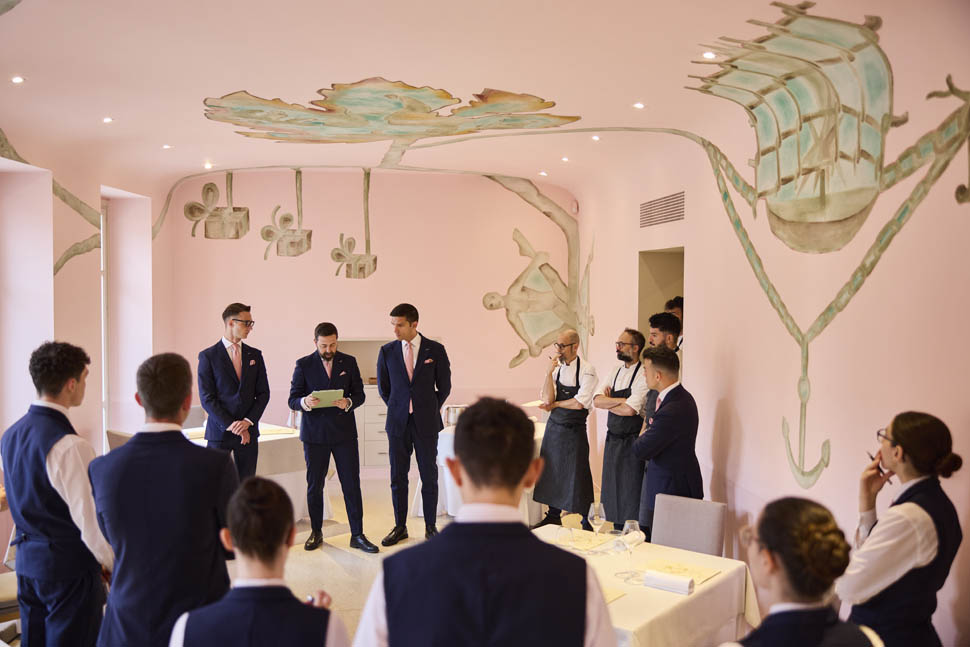
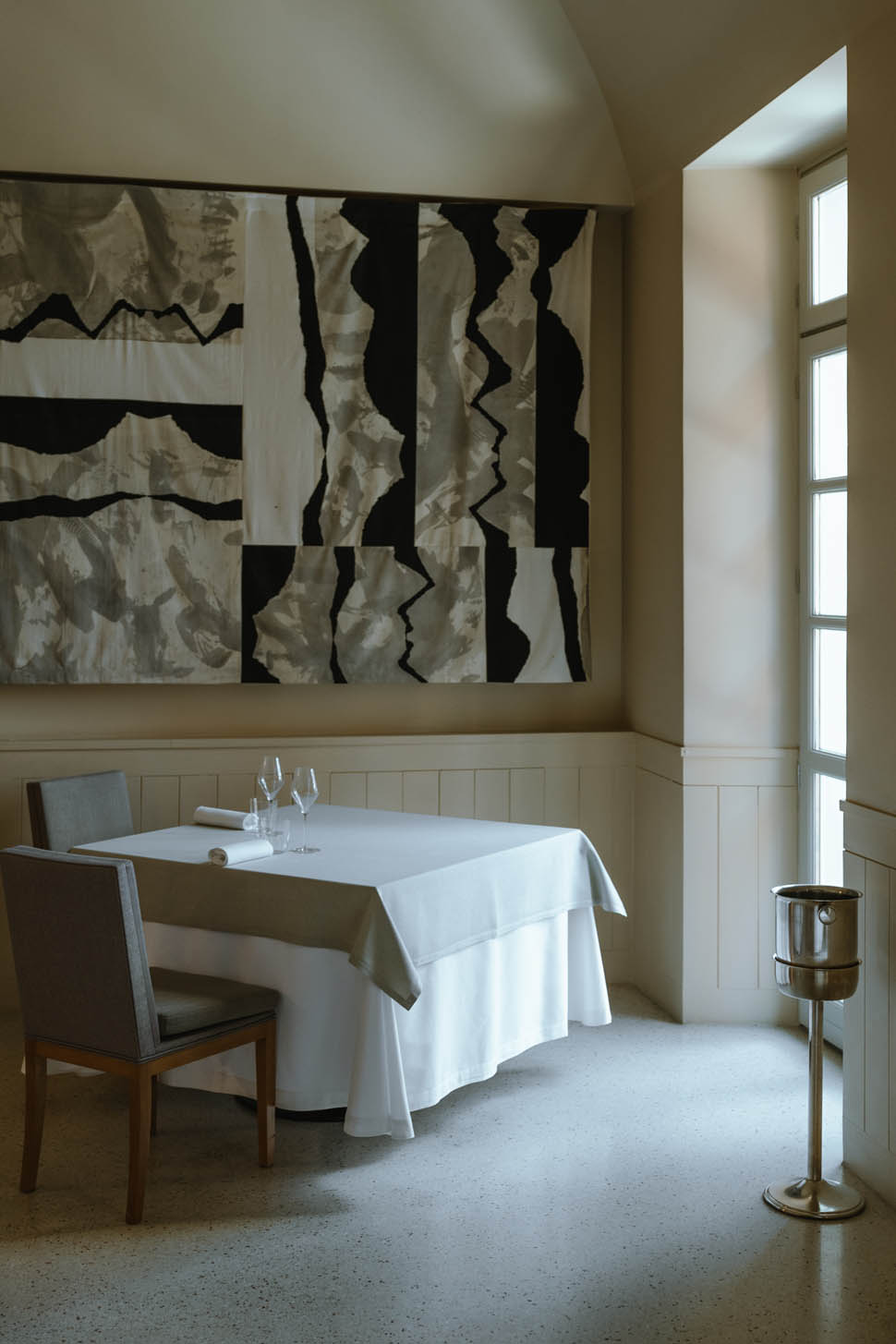
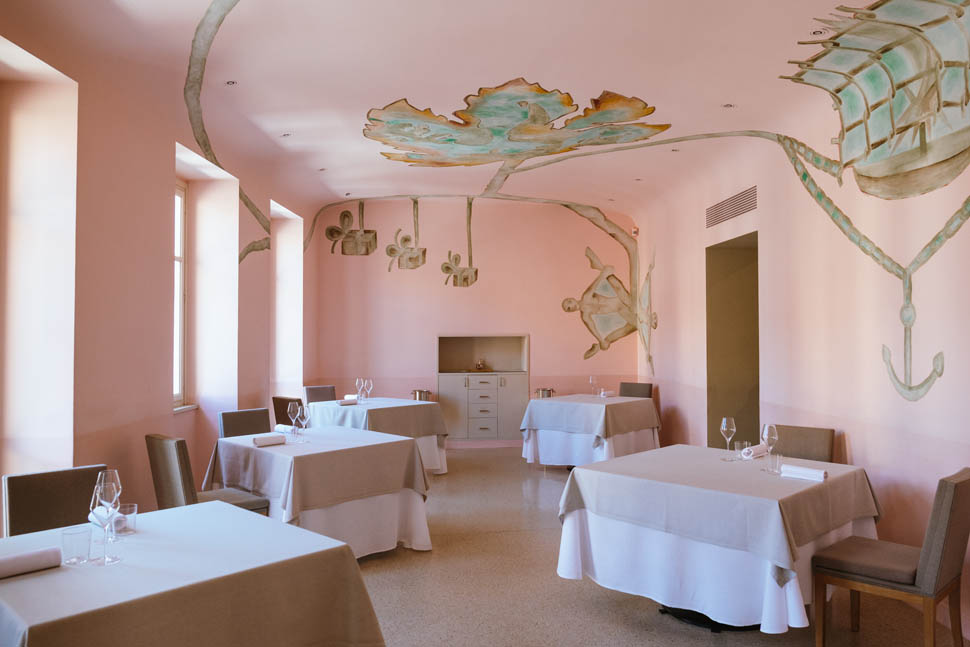
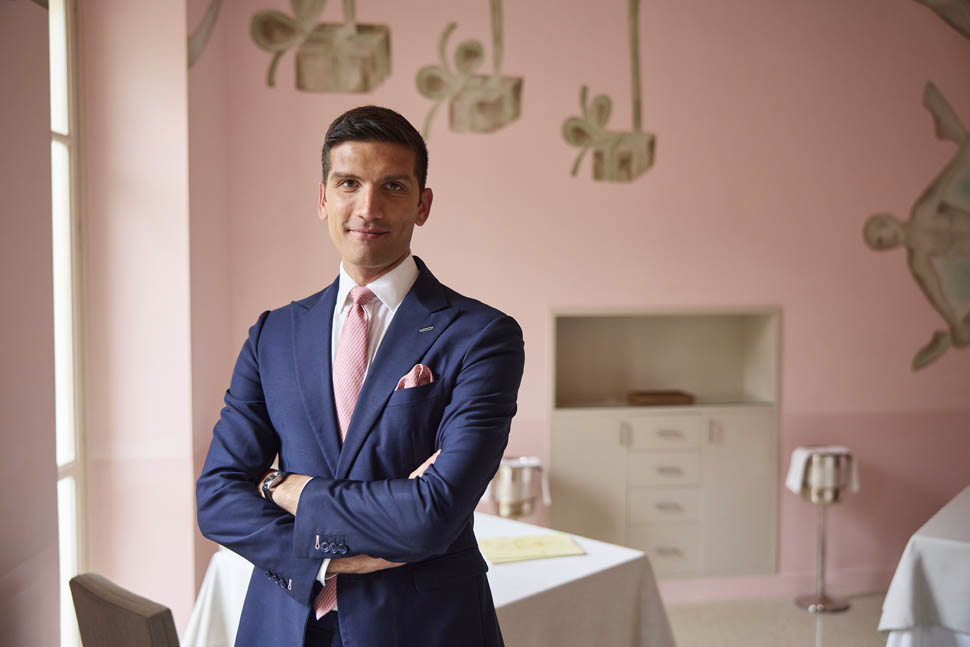
Piazza Duomo is a classic restaurant that does not focus on theatricality. The only touch of coquetry is the pink color of the walls frescoed with plant motifs. The tables are large, and we soon discover why: the traditional mise en place.
There are two tasting menus: one well-defined (Il Viaggio, eight courses, €290), and the other not listed on the menu (Seasonal Things, with dishes and ingredients that change daily, depending on the season, the garden, and Crippa himself, €350). Then there is a small menu (Vorrei), with a handful of signature dishes to add to the tasting menu or to create your own itinerary: these include the Insalata 21... 31... 41... 51... mentioned above, the Carne cruda battuta al coltello (knife-cut raw meat) and the Lasagna di animelle (lasagna with sweetbreads).
I sit down and, after a few pleasantries, the table is almost militarily occupied by an army of small plates: this is Crippa's idea of a Piedmontese appetizer, a “small welcome,” as the waiter adorably describes it (and if it was large, I wonder?). There are eighteen small plates, enough to give you a headache, enough to give you infinite joy, enough to make you wonder: is there dinner after this? But everything goes down easily, as it is mostly vegetables, exercises in gastronomic calligraphy, acronyms of sometimes brilliant ideas, almost trailers for possible great dishes of the future. I will mention a few, not in order of preference, as it is impossible to list them all: green beans with green Bernese sauce and wild agretti; daikon radish fermented in miso served with arugula and Parmigiano; tatsoi, a Chinese cabbage served with filikaki and soy mayonnaise; amaranth sprouts, shiso and strawberries, sheep's milk ricotta and tomato sauce; two bread wafers filled with pork pastrami; garden peaches, goji berries, and beetroot extract; vegetarian chickpea tacos stuffed with shallots, guacamole, and soy mayonnaise; pig's head with green sauce; roasted spring onion with sesame and satay sauce.

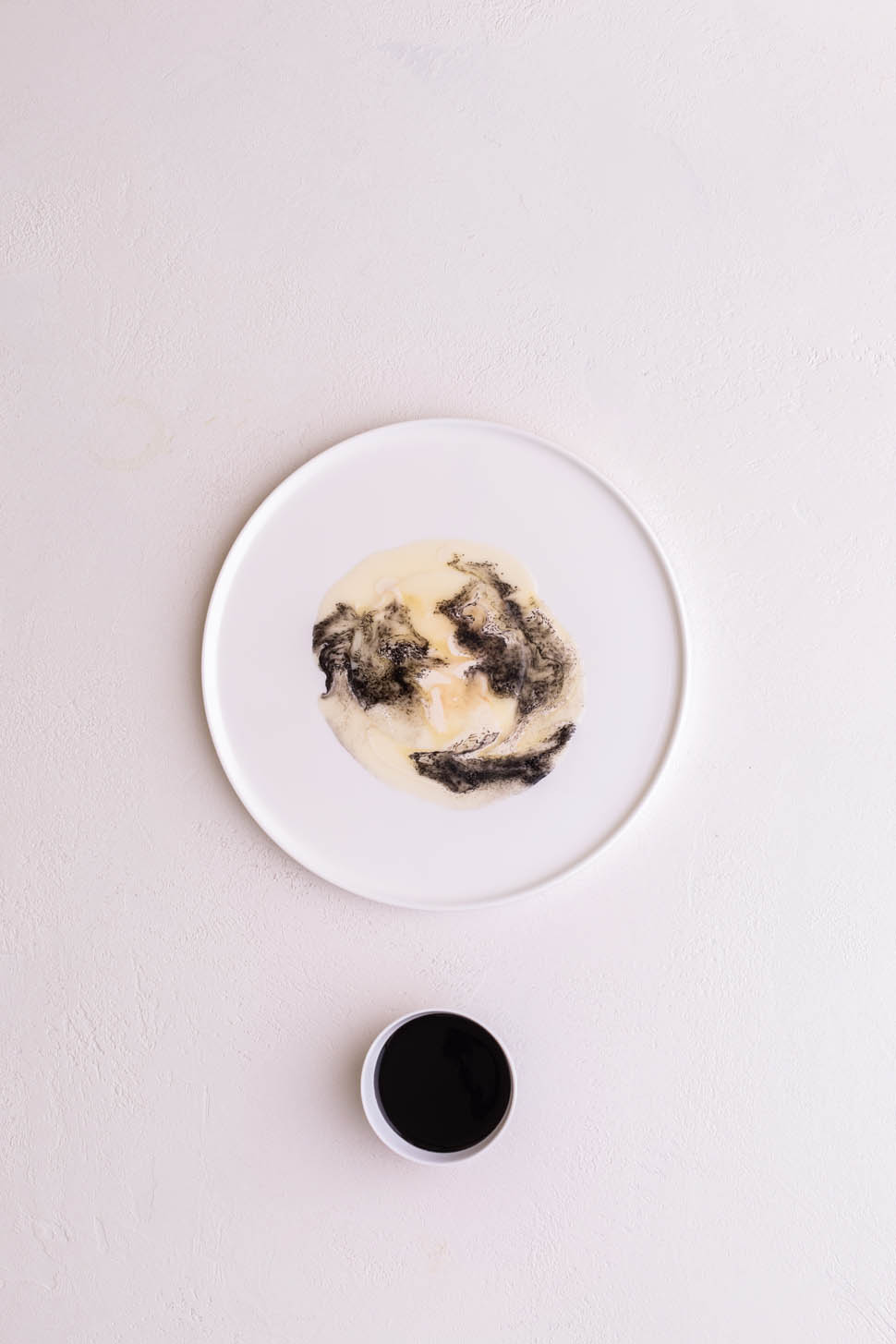
The appetizer is finished, dinner begins. First course, a Crippian version of saor without sardines: a slice of cod with tempura, saor sauce with onion, vinegar, and pine nuts, Piedmontese white onion cooked in foil with salt and spring onion. Second course, chickpeas from the garden (where else?), smoked potato cream, pepper oil and the chef's ras el hanout (a classic spice mix that is the stylistic signature of every chef in the Maghreb), simmered in consommé with the same spice. Then a dish that prompts a pun, which we hope you will forgive: Crippa's tripe. However, it renounces animal proteins, using the pistil of the zucchini flower as a structure, which according to the chef has the same consistency as offal, cooked in tomato with a little pepper. The last appetizer: pak choi from the garden boiled with buttermilk, turmeric sauce and, to drink, a consommé of red mullet and saffron.
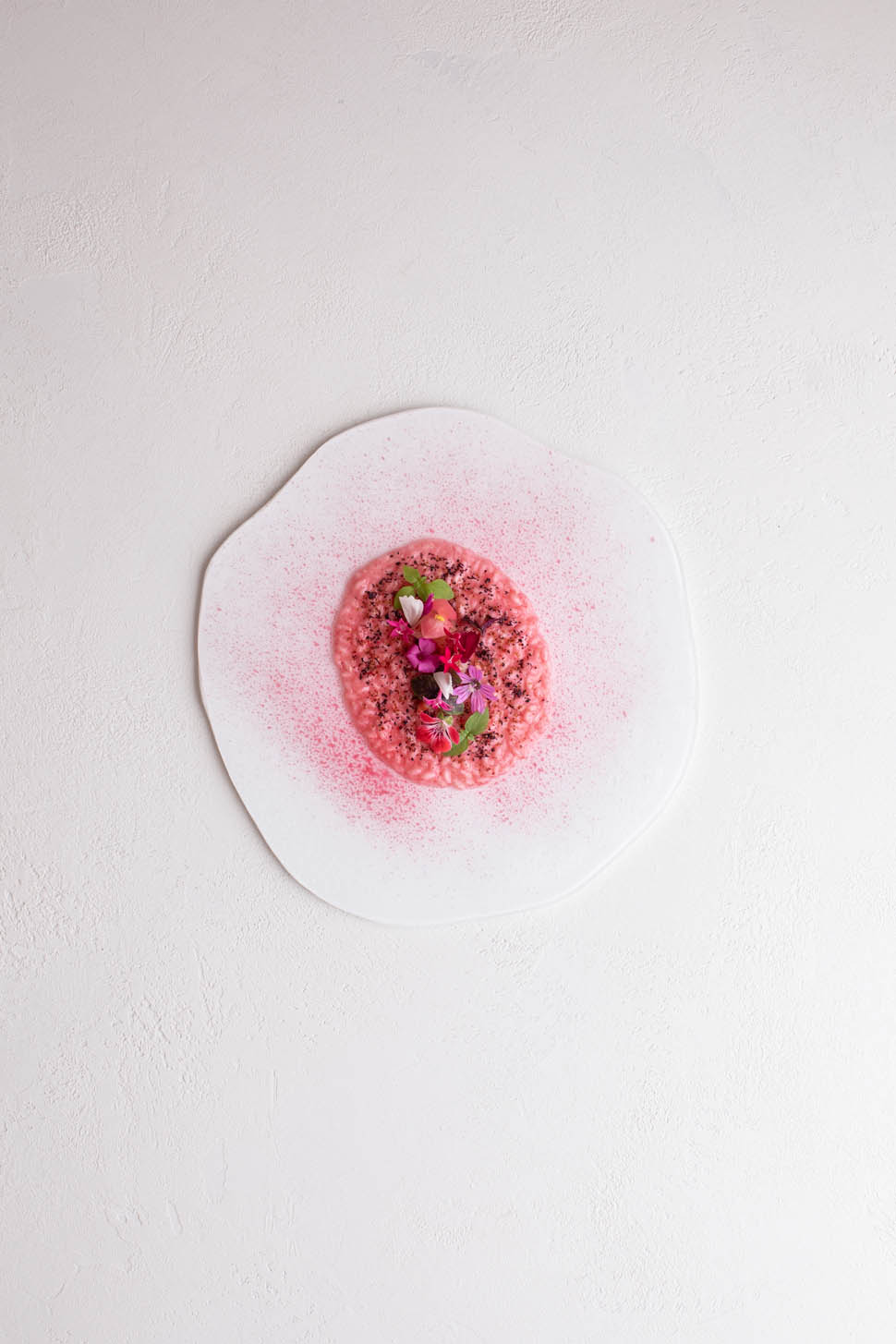
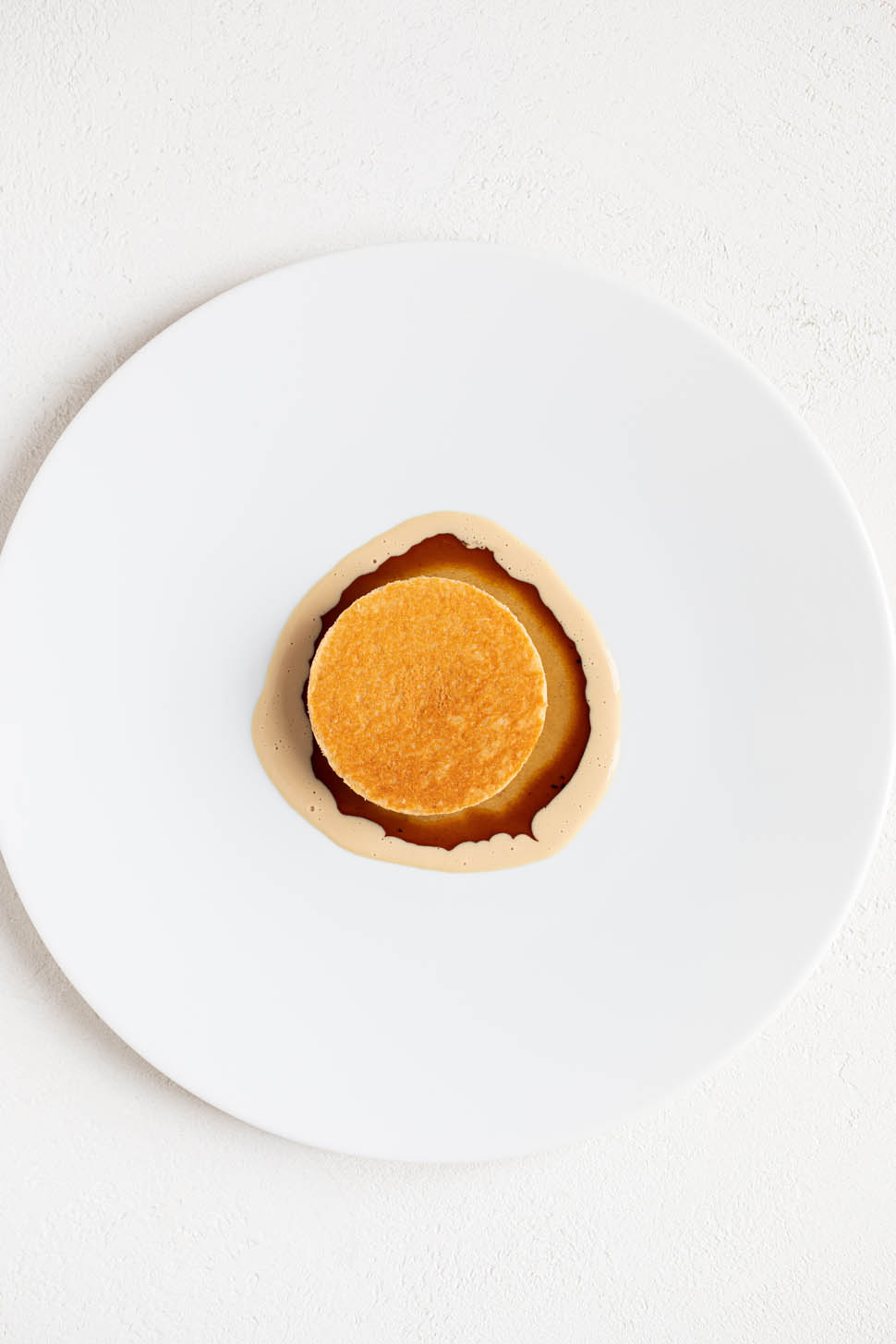
Just one first course, but what a first course. A taranta pugliese, cavatelli arranged on the plate like toy soldiers, tossed with fish sauce, basil oil, and basil from the garden. There are nine cavatelli, but I dreamed that they multiplied at least three times. Finally, to conclude the savory part of the dinner, monkfish cooked in butter with crusco peppers, tomato sauce thickened with butter, pineapple tomatoes from the garden, and a broth-essence with fish and vegetables from the garden. A sweet ending. A Tribute to Kandinsky, taken from the small collection of dishes that Crippa dedicates to the artists who inspire him. In this case, it is Circles in a Circle. A code of existential geometries based on sponge cake soaked in elderflower syrup, two strawberry and elderflower sorbets, strawberry compote, custard, and topped with circles of white chocolate, dark chocolate, caramel, raspberry, and almond.
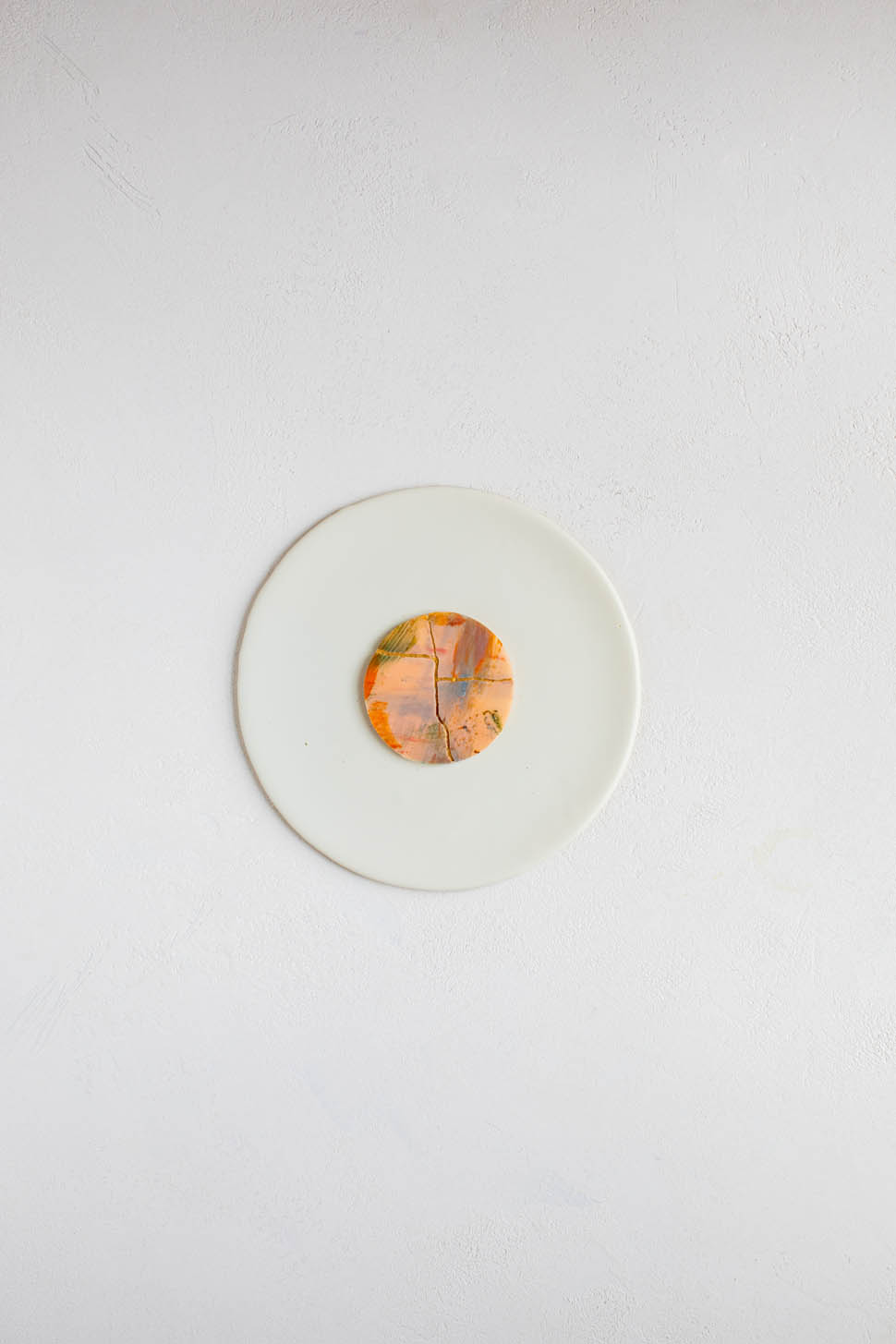
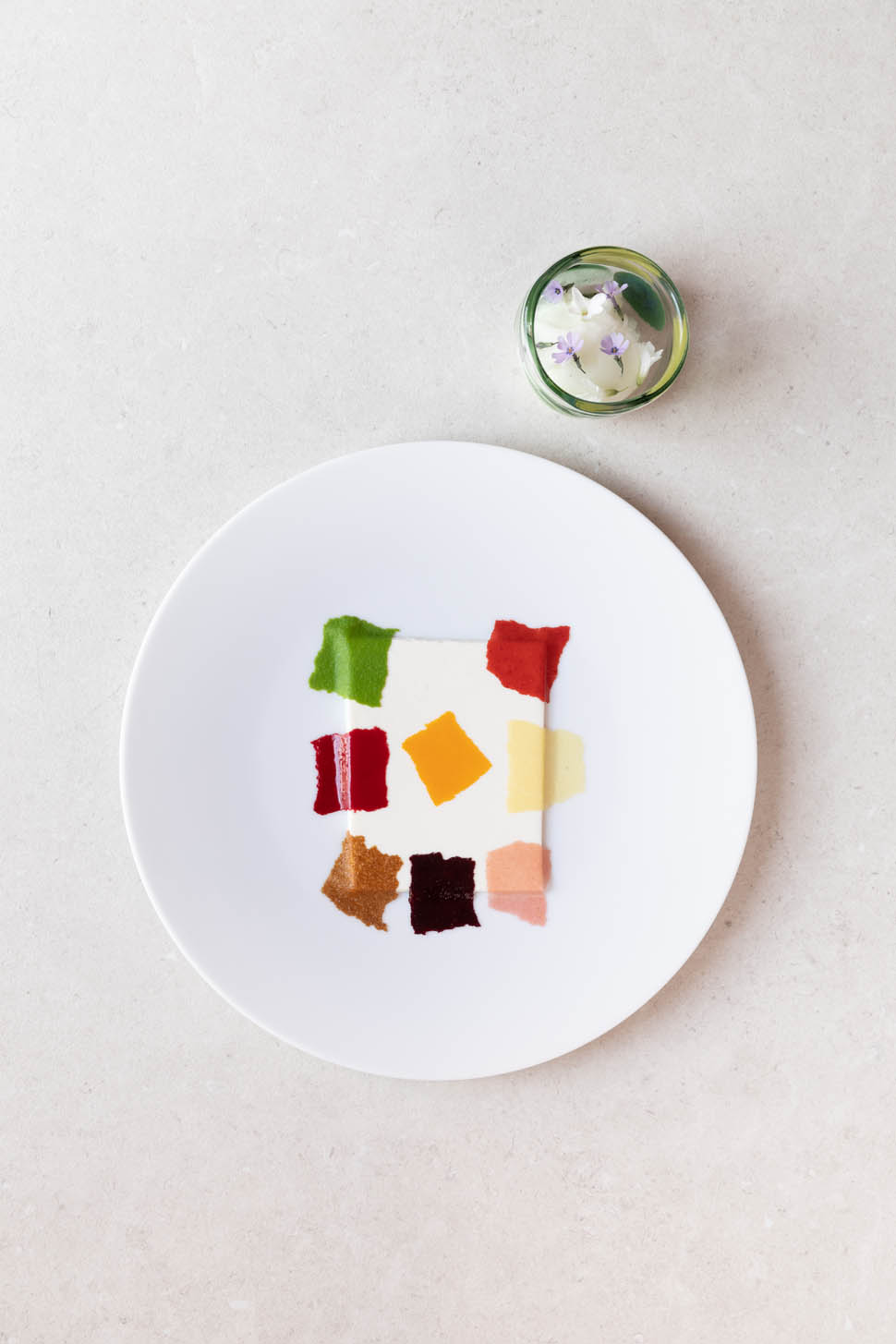
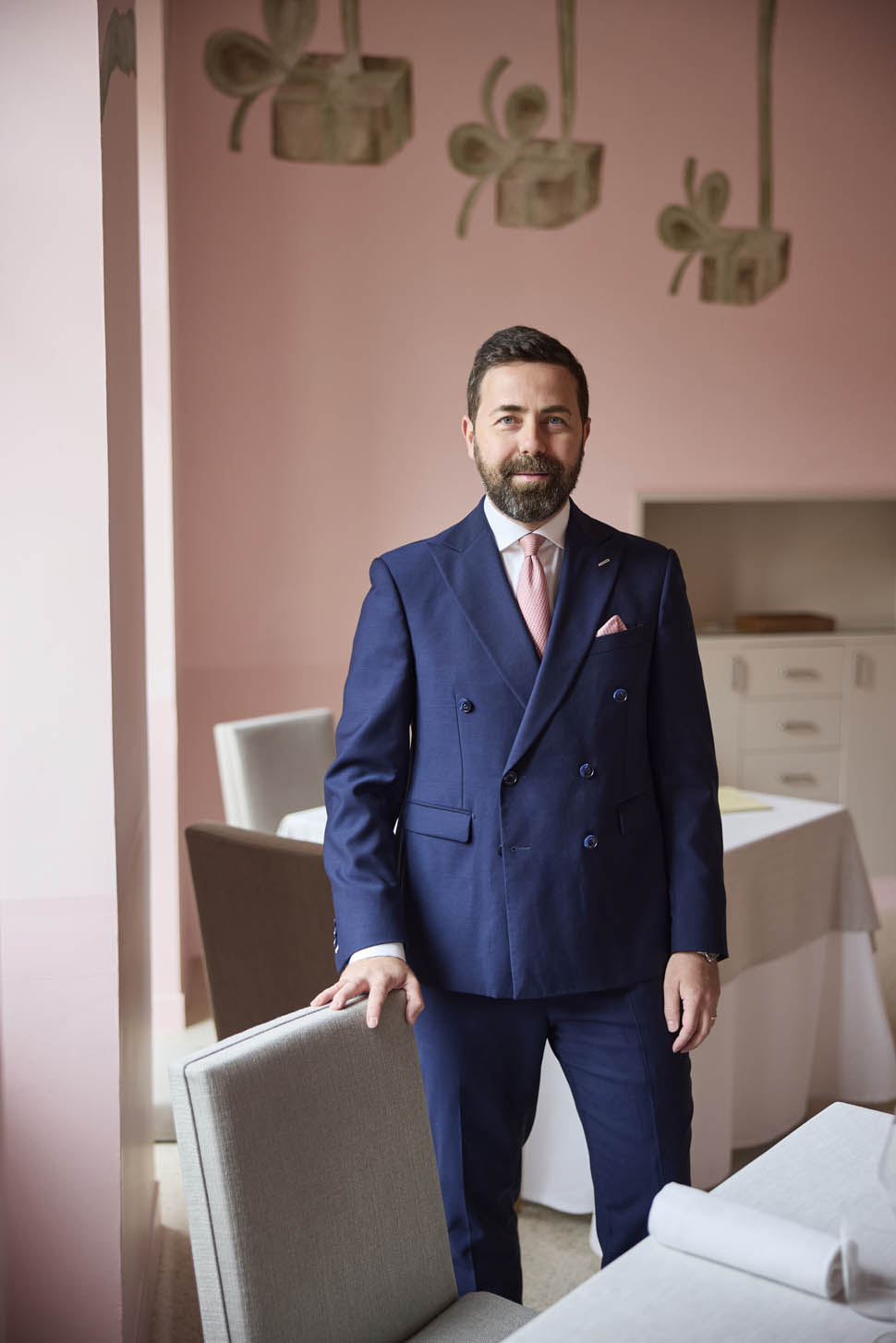
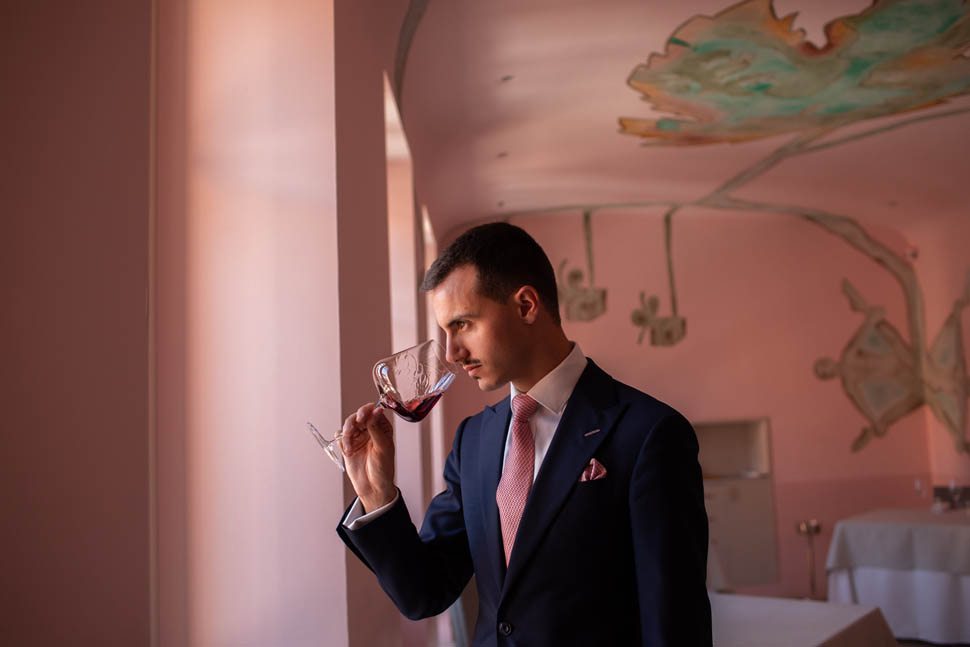
Finish with petit fours, a barrage of finger sweets: biscuits and pralines: cornmeal biscuits, crêpes with cocoa and orange liqueur 47, coffee and cloves, chocolate pralines with a coffee center, butter mikado with puffed rice, raspberry and chocolate, hazelnut cake. A dystopian finish with a drink inspired by Stanley Kubrick's A Clockwork Orange: Latte+ with muscat grappa and vanilla. Dinner flies by quickly; rhythm, as we know, is now a fundamental ingredient. The service is smooth, expertly directed by restaurant manager Davide Franco from Puglia. The wine list, which is a great tribute to the family's wines and the local area, ranges far and wide and is curated by ‘cantiniere’ Jacopo Dosio.
CONTACTS
Piazza Duomo
piazza Risorgimento, 4 – Alba (CN).
Phone 0173366167.
Website: www.piazzaduomoalba.it
e-mail: info@piazzaduomoalba.it.
Open for lunch and dinner, closed from Sunday to Tuesday. In September and December, also open on Tuesday evenings. In October and November, closed all day Monday and Sunday evenings.