According to UKHospitality, a third of British restaurant owners have had to deal with customers who, in one way or another, decided not to pay.
The news
Some people choose their wine carefully at a restaurant, savor every bite, and leave the table with a grateful smile. Then there are those who turn dinner into a trap for the restaurateur: ordering a barrage of dishes, expensive glasses of wine, and finally the twist—a fabricated accusation, a bill left on the table, and an exit worthy of true con artists. The phenomenon has a name, which sounds almost ironic in its simplicity: dine and dash. Behind this lighthearted phrase lies a wound that strikes hard at an industry already battered by the pandemic, price increases, and staff shortages. According to UKHospitality, a third of British restaurant owners have had to deal with customers who, in one way or another, decided not to pay. Some leave the table without saying a word, others leave a fake card, and others stage theatrical complaints by deliberately placing a foreign object in their plate. “It's theft, pure and simple,” says Kate Nicholls, president of the association interviewed by the BBC, “just like taking the cash from the till.”
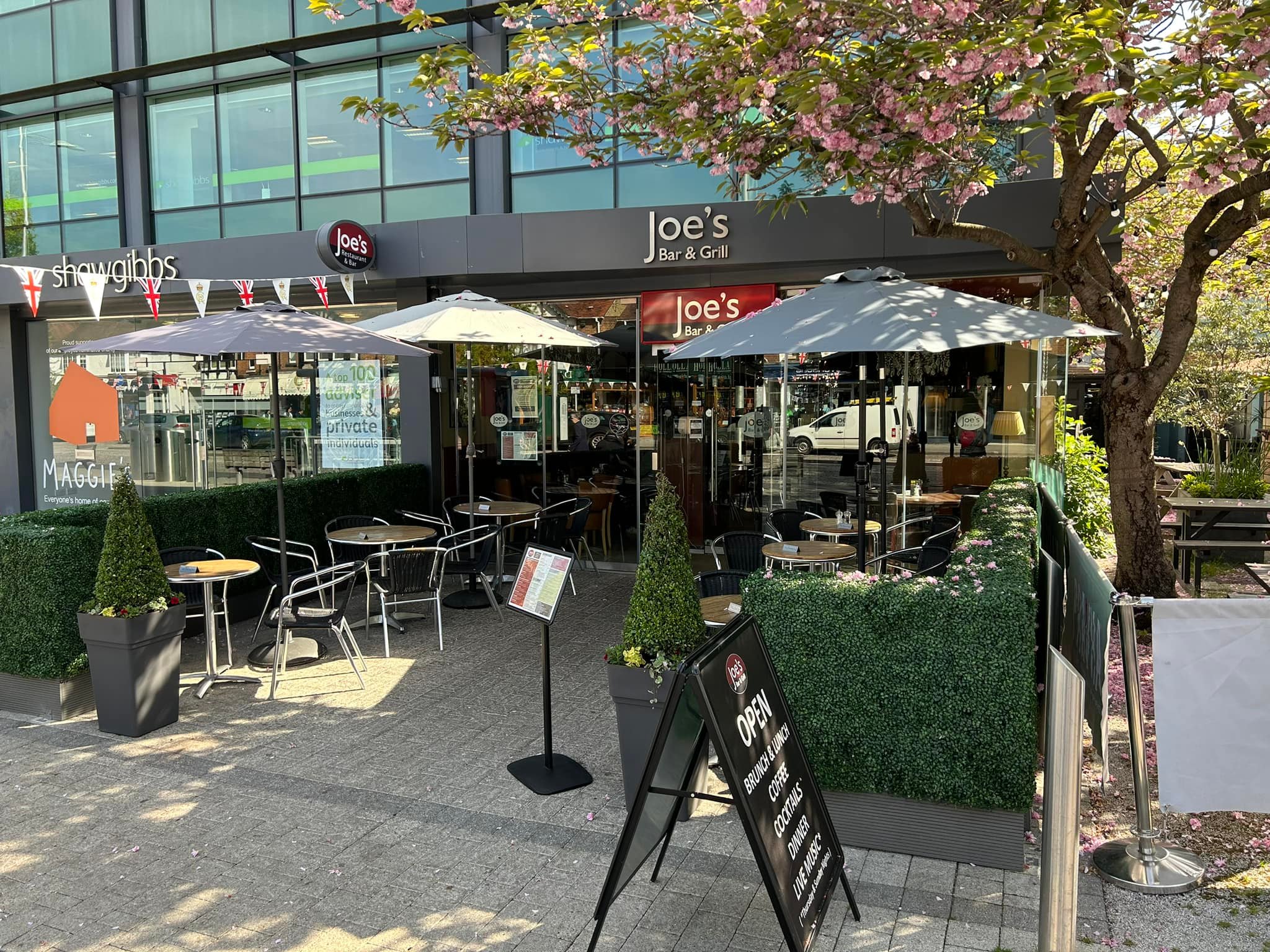
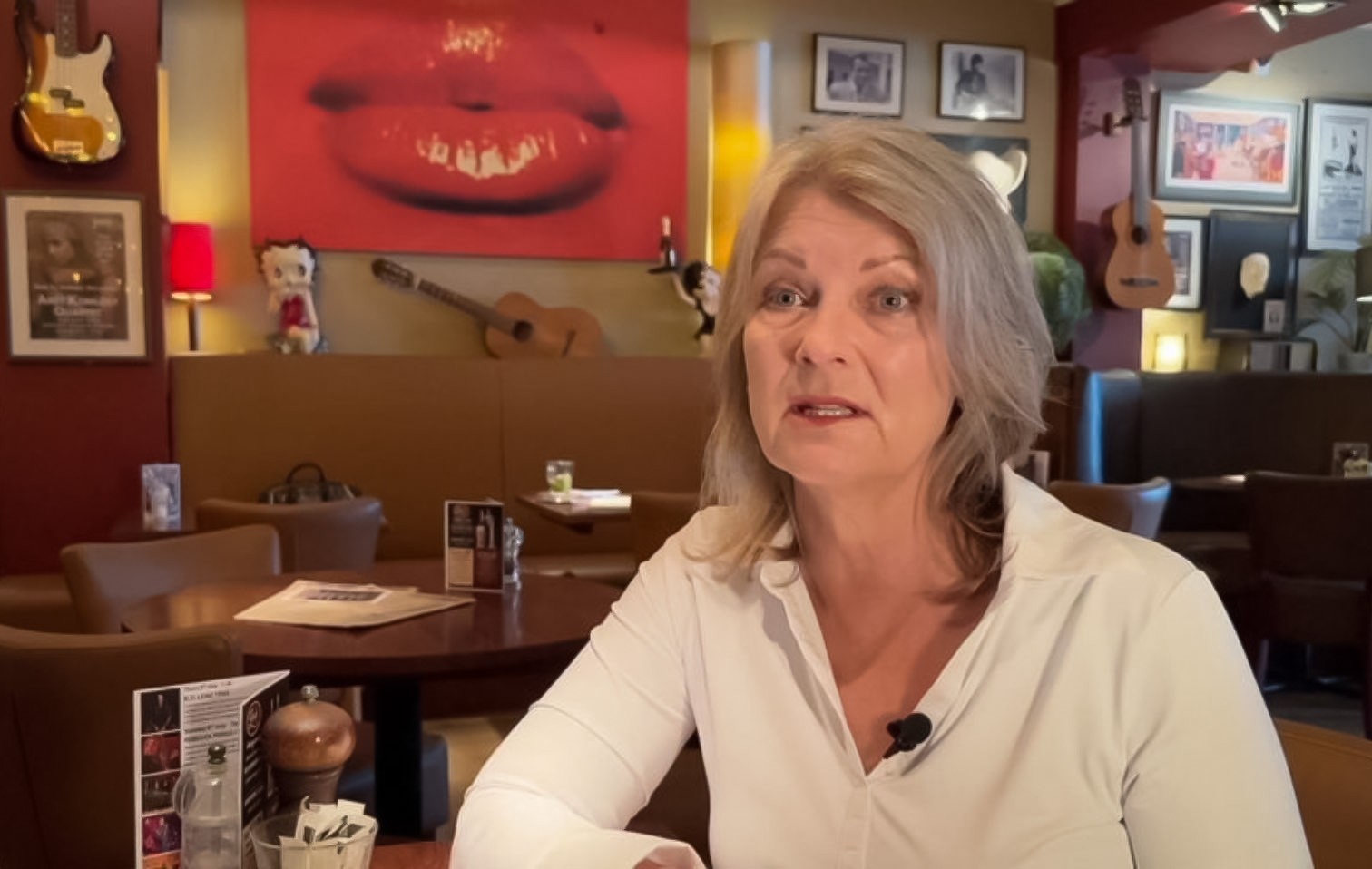
Amanda Brighton, who runs Joe's Bar and Grill in Oxford, learned the hard way just how elaborate this charade can be. “A group arrived, immediately ordered expensive dishes and premium drinks: the bill came to £230,” she told the British network. “Finally, here comes the ‘discovery’: a piece of glass in the food. Obviously, they put it in at the end of the meal so they can ask not to pay anything.” When Amanda confronted them, the confrontation turned into verbal abuse: “One girl was inches from my face, screaming and insulting me.” Some, exasperated, post photos on social media to warn their colleagues. But even this is sometimes not enough. For Marian Pandos, manager of the Posillipo restaurant in Canterbury, the scam came with physical violence. "A customer ate out, had a couple of cocktails and then ran away. When I chased him, he became aggressive and hit me. I suffered a minor injury and we had to call the police.“ His colleague Amadeo Grosso, who has been managing the Faversham restaurant since 2010, confirms: ”Cases are increasing every year. We have installed high-definition cameras to protect ourselves."
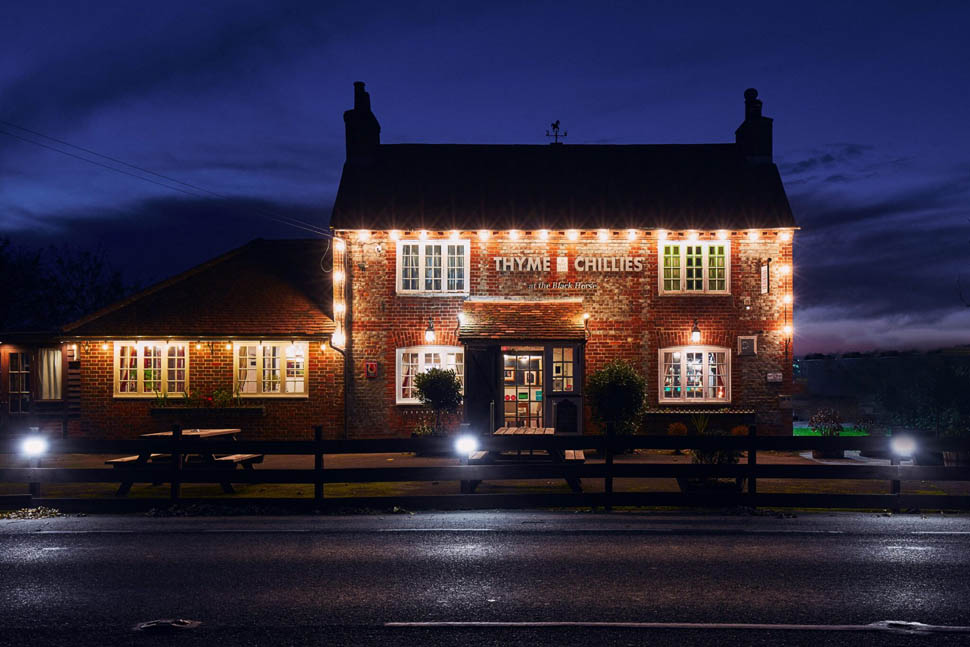
There are also more subtle versions of dine and dash, such as the one that happened to Sanjay Jha, owner of Thyme and Chillies in Birdham, West Sussex. "It was clear that it was premeditated. The restaurant was full and everyone seemed happy, except for one group that suddenly started complaining about everything for no reason. In the end, they only paid £60 on a bill of £150." For him, in ten years of running the restaurant, it was the fifth or sixth such incident. “It also affects those who have to deal with these people, from the waiter to the manager.” Neil Kimber, a former restaurateur in Selsey, talks about the stress that can leave its mark: “We've had cases where staff were physically ill after a dine and dash. Once, the unpaid bill was over £400, and the waiter kept asking himself why he hadn't been able to prevent it.” Some restaurants have responded with strict rules: credit cards taken in advance, refusal of large reservations without guarantees, no tables for large groups without advance notice. Because, as Kimber says, “with skyrocketing costs and post-COVID difficulties, the problem is likely to become explosive.”
From a legal standpoint, Richard Atkinson, president of the Law Society, explains that the offense occurs when someone knows they have to pay but leaves with the intention of not doing so. Maximum penalty: two years in prison. If food is then tampered with to make it appear contaminated, the matter becomes fraud, with further aggravating circumstances. The National Police Chiefs' Council urges restaurant owners to always report such incidents, even in cases involving small amounts: “These are often opportunistic crimes, but every report can help stop those responsible.” Behind every unpaid meal, there is not only financial damage, but also a blow to pride and trust. Those who work in restaurants know that every service is an act of hospitality, an implicit agreement between the provider and the recipient. Breaking that agreement by sneaking out is, for those on the receiving end, an affront that leaves a mark. In short, dine and dash is not just a escapade with someone else's wallet: it is a small earthquake that cracks the foundations of the oldest relationship in the restaurant industry—that between guest and host. And while restaurateurs rush to take cover behind cameras, strict rules, and growing mistrust, the hope remains that one day the only rush we'll see at the end of a meal will be a waiter chasing after a customer... just to return their forgotten coat.