“For me, the team is a very important part of sustainability. We have to ensure better working conditions in every respect: it's something we've been insisting on for a long time and I think we've achieved it. Nowadays, our restaurants are like offices: you work eight hours.”
The news
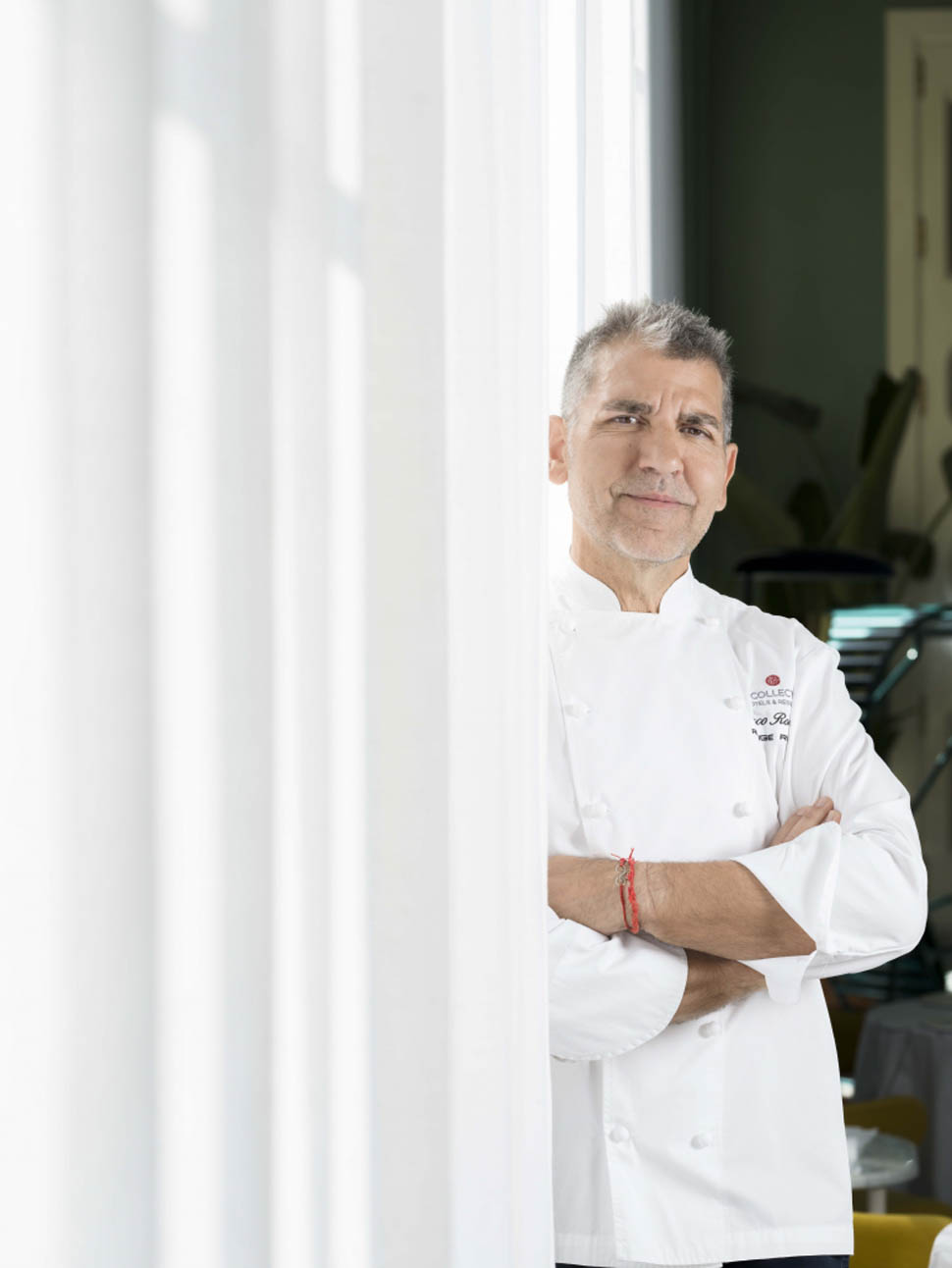
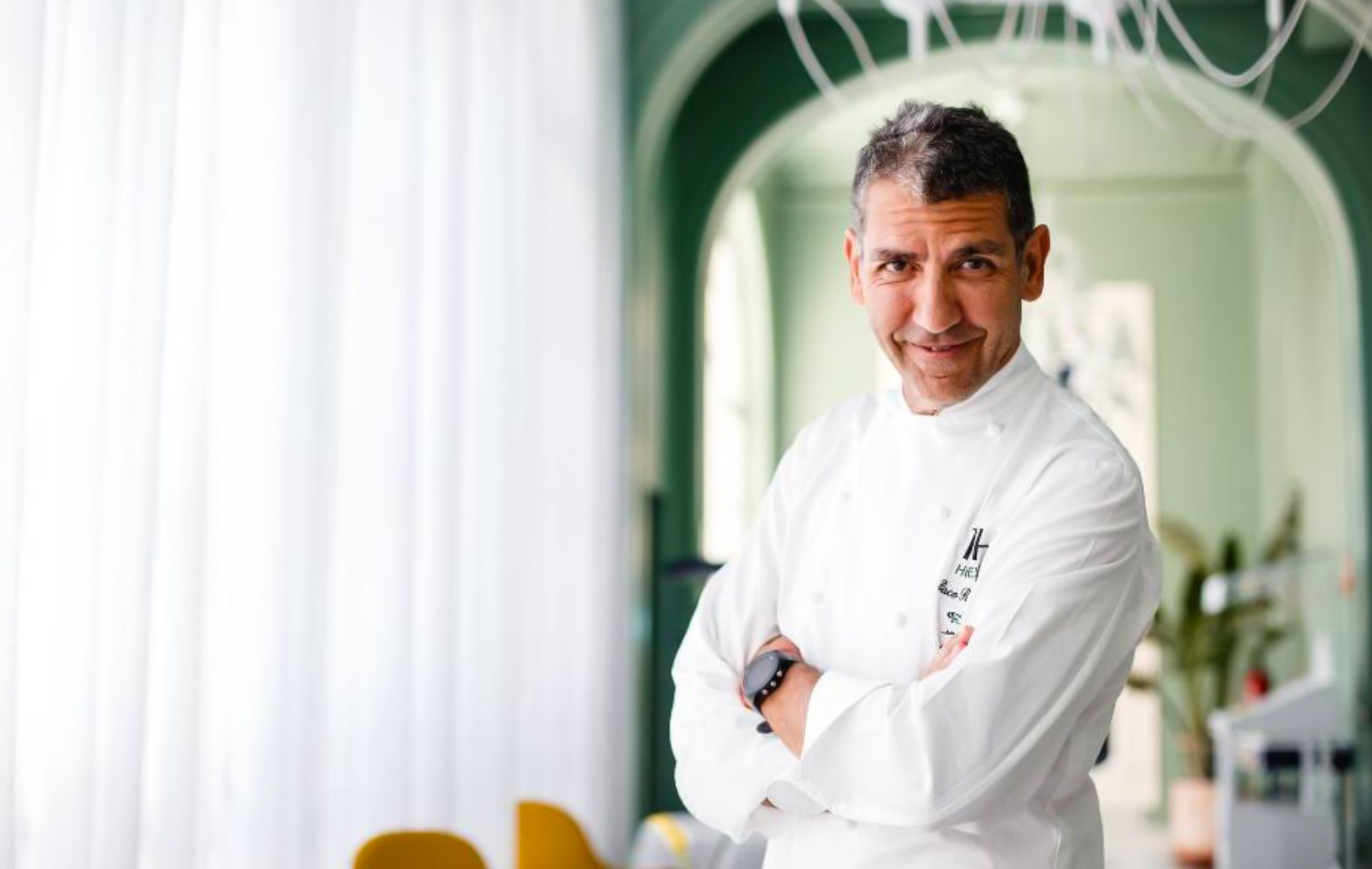
You don't need a white coat to change the world: sometimes all it takes is a handful of lentils, a few drops of extra virgin olive oil, and a clear idea of what “signature cuisine” really means. Paco Roncero, two Michelin stars, knows this well. A native of Madrid, running enthusiast, judge on “Bake Off” and entrepreneur with eight restaurants across Europe, Asia and America, he is one of those names that have carved a new way of thinking about food into the stainless steel of contemporary gastronomy. Today, he presents a solid, calm but disruptive philosophy: "Working in our restaurants is like going to the office. You work eight hours," he told InfoBae. Coming from someone who has turned avant-garde cuisine into a laboratory with no set hours, this statement sounds like a small revolution. But it is precisely this balance between life and passion, technique and instinct that has given rise to Roncero's new trajectory.
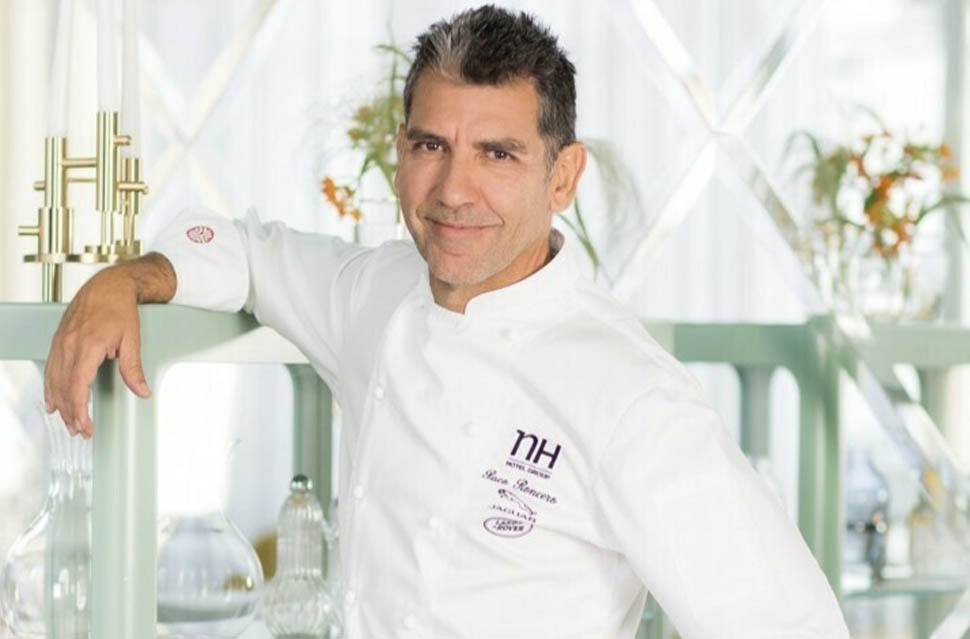
Those who expect only airy mousses or spherified broths from him would do well to think again. After more than thirty years spent between stoves and fermentations, Paco has reached that stage where haute cuisine is no longer a competition between special effects, but a symphony in which the product becomes the absolute protagonist. “Without a doubt, we do modern cuisine, we do avant-garde cuisine, and technique is present, but we never forget the second most important thing: flavor and tradition,” he explains with the elegance of someone who has learned to distill complexity. And so cooking becomes an act of synthesis, where Madrid's roots dialogue with global influences, where grandma's recipes are not simply replicated but invited to dance with foie gras and porcini mushrooms, or even with a partridge marinade.
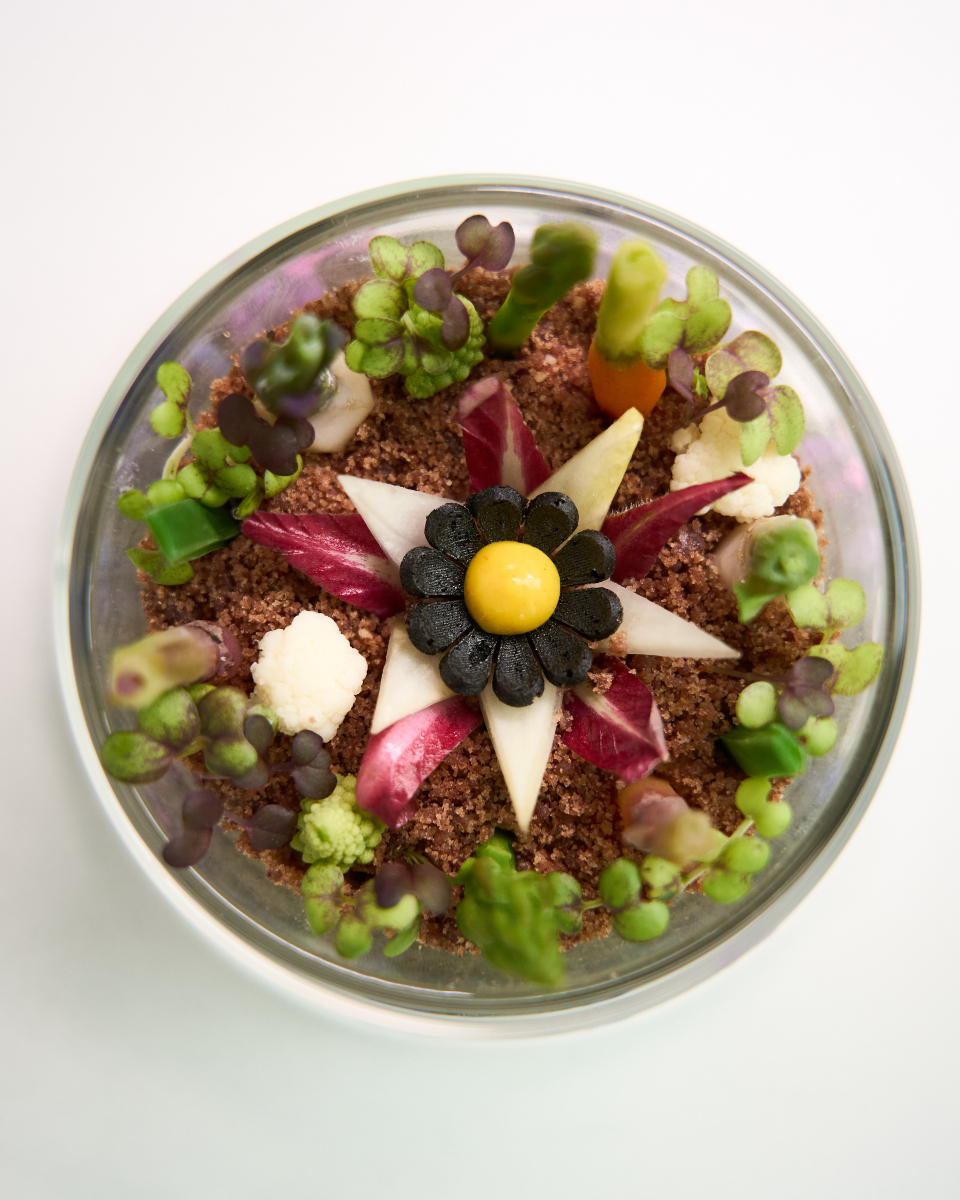
There is one ingredient that, for Paco, is worth more than a thousand molecular techniques: olive oil. “It has been our favorite product for years, and we continue to work with it and defend it to the end,” he declares with that Mediterranean passion that translates into precise, sincere recipes designed to enhance the raw ingredient. It is not just a national quirk. It is a statement of identity. In Roncero's hands, oil becomes a cultural glue, a magic touch, a silent signature that crosses kitchens and continents. In an era when chefs have become influencers and cooking reality shows have colonized television schedules, Paco Roncero does not take refuge in the elite but embraces change. “At first, those programs brought cooking into people's homes. Children want to become chefs, and that's fundamental.” For him, the small screen has been a powerful vehicle: it has sparked vocations, revealed what goes on behind the scenes, and allowed the general public to understand the work that goes into every dish.
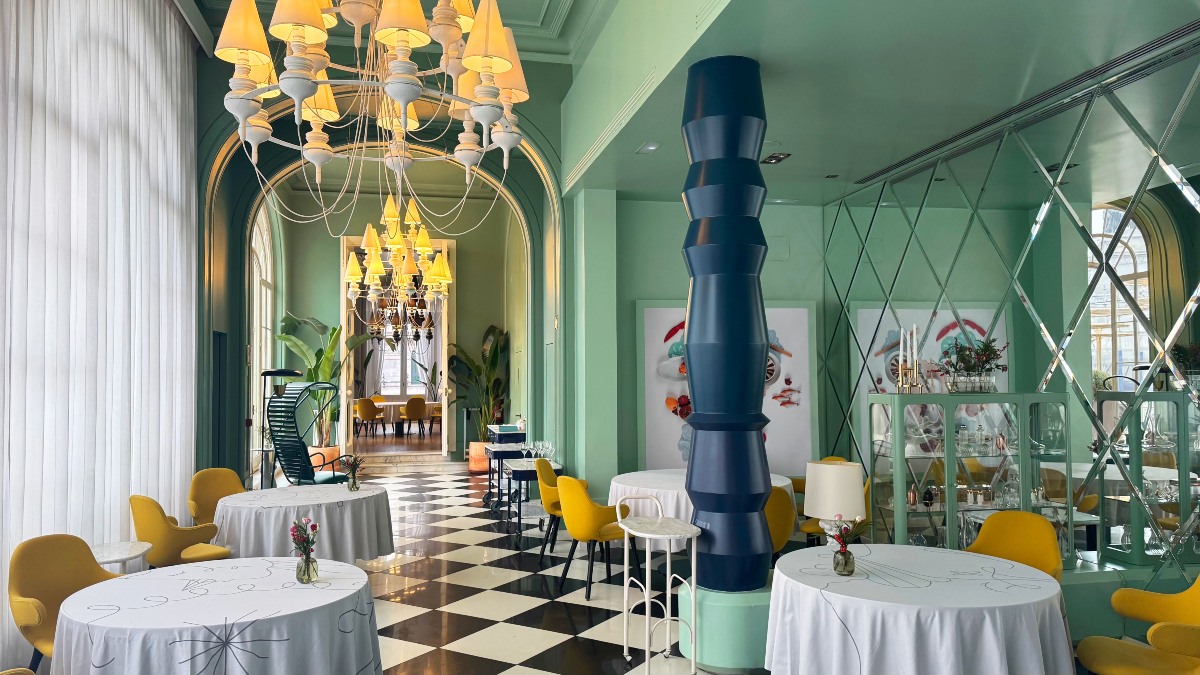
And it doesn't matter if some colleagues turn up their noses: Roncero firmly believes that media visibility has raised the level of gastronomic debate and given the figure of the chef a new cultural depth. But if cuisine is changing its face, it is also thanks to a new perspective on the work itself. "Today, my chef finishes his shift at 10:30 or 11:00 p.m. and goes home. And that's crucial, because he comes back the next day full of enthusiasm." The pandemic, he says, has disrupted old rhythms and allowed priorities to be rethought. The well-being of the team has become a pillar, not a concession. And while environmental sustainability is the hot topic at every gastronomic conference, social sustainability—made up of humane working hours and lives that are not consumed behind the scenes—is the real heart of change.
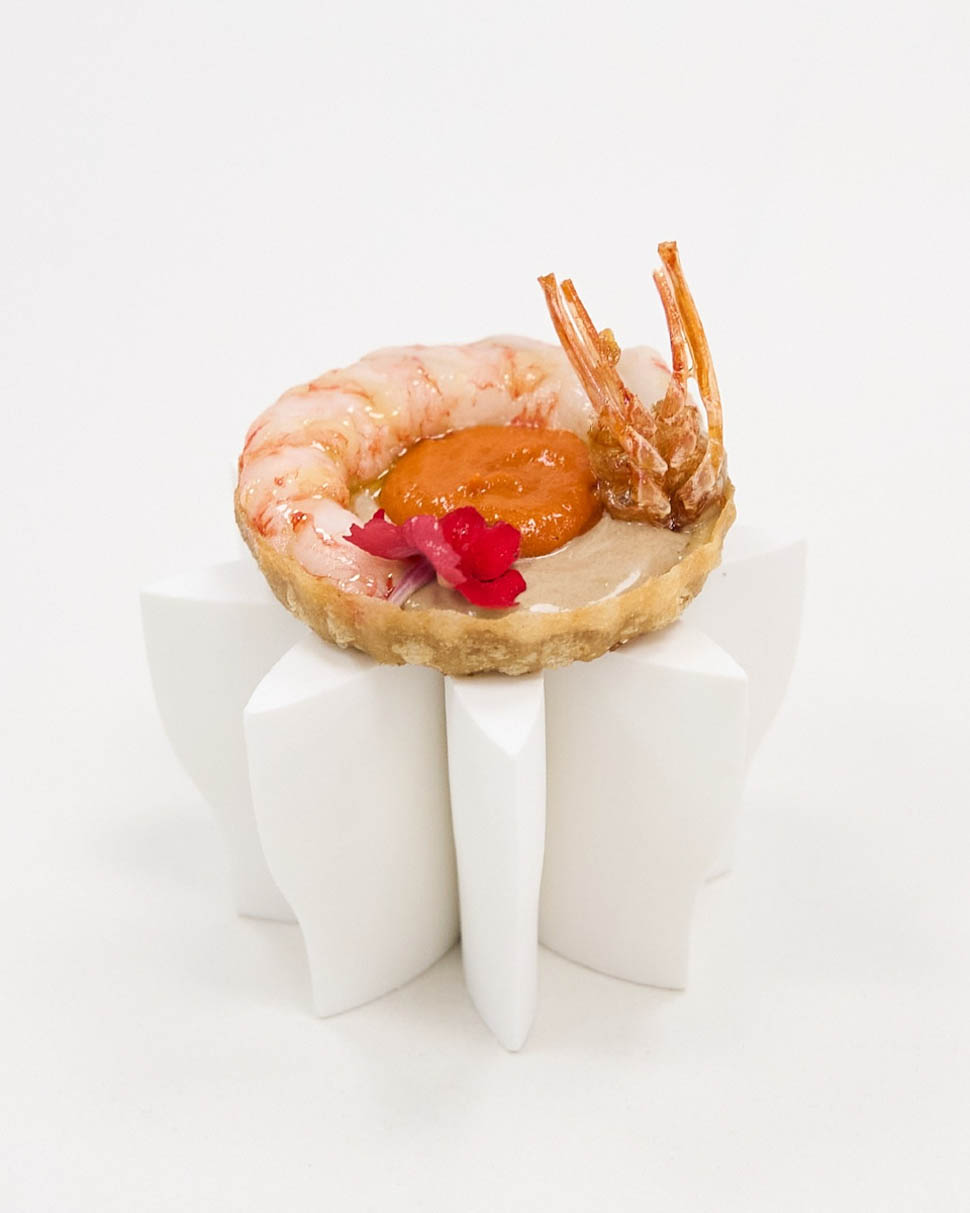
When it comes to home cooking, Paco Roncero never snubs basic recipes. On the contrary, he observes them like a scientist in love with the beauty of simple things. Lentils? Don't touch them too much. But you can “play” with them, pairing them with foie gras, mushrooms, pickles, or Asian influences. It's a balancing act that respects tradition but doesn't shy away from dancing on the edge of innovation. The secret is knowing how to look beyond the plate. Knowing cultures. Having the curiosity to explore without forgetting where you come from. For him, the future of gastronomy is a mosaic made up of honest ingredients, sustainable shifts and dishes that tell true stories. And perhaps this is why, despite his fame, Paco Roncero continues to seem like one of those chefs who never stop learning. Or teaching.