From the spine of a fish to the bones of a pigeon, to the sharp ends of a rose or a wild shrub: in Cedroni's thinking, the thorn supports, fades and then nourishes. Without ever ceasing to engrave that subtle sensory fabric that is activated in all of us only when food becomes interaction.
Photos of dishes: Brambilla-Serrani
Cover photo: Mattia Alberani
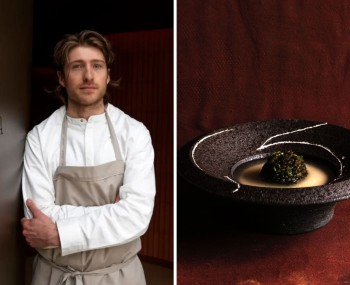
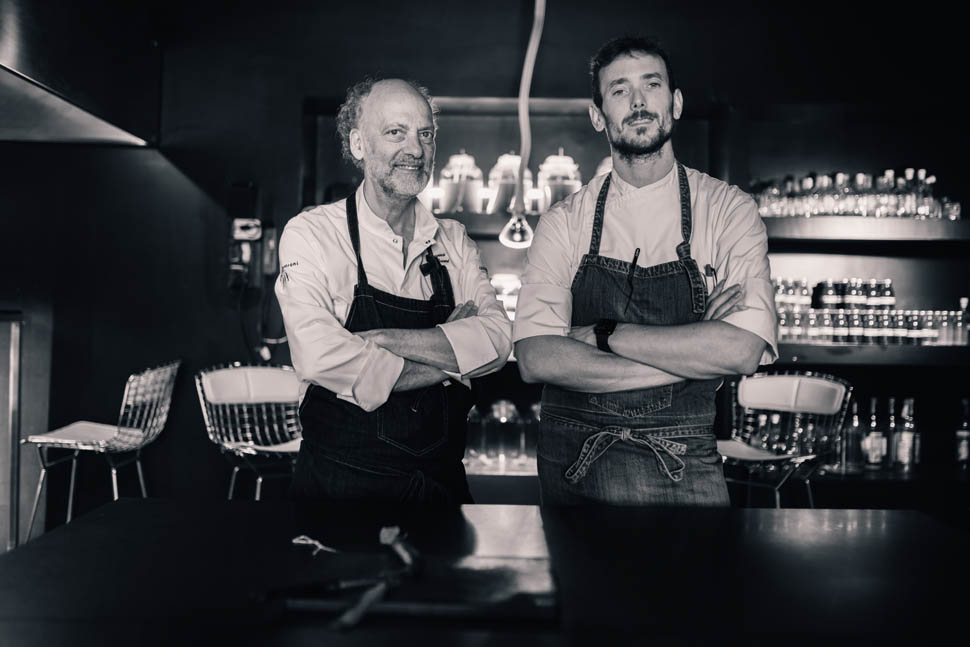
Ever since humans began hunting in the depths of the sea, fish bones have been a borderline hazard marking the dividing line between edible and inedible; a thorny dilemma resolved by subtraction, to be eliminated d'emblée to avoid any hypothetical risk. However, in the mind of a chef who has been committed for more than 40 years to practicing his free style against the partial use of ingredients, the obstacle of risk is faced head-on and not circumvented. This is how Moreno Cedroni has placed a sharp accent on the spina, echoing in all the voices of the tasting “Luca e Moreno” 2025, the latest installment of the usual twinning on boat with Luca Abbadir; at the source, months of incubation that today make collagen an expressive conveyor of the overall tasting. Therefore, for most of the excursus, the route charted by the Madonnina's crew follows a single guiding principle: the revival of the bone, whether pulverized, converted into sauce, or tamed by a good-natured texture, avoiding the usual filleting.
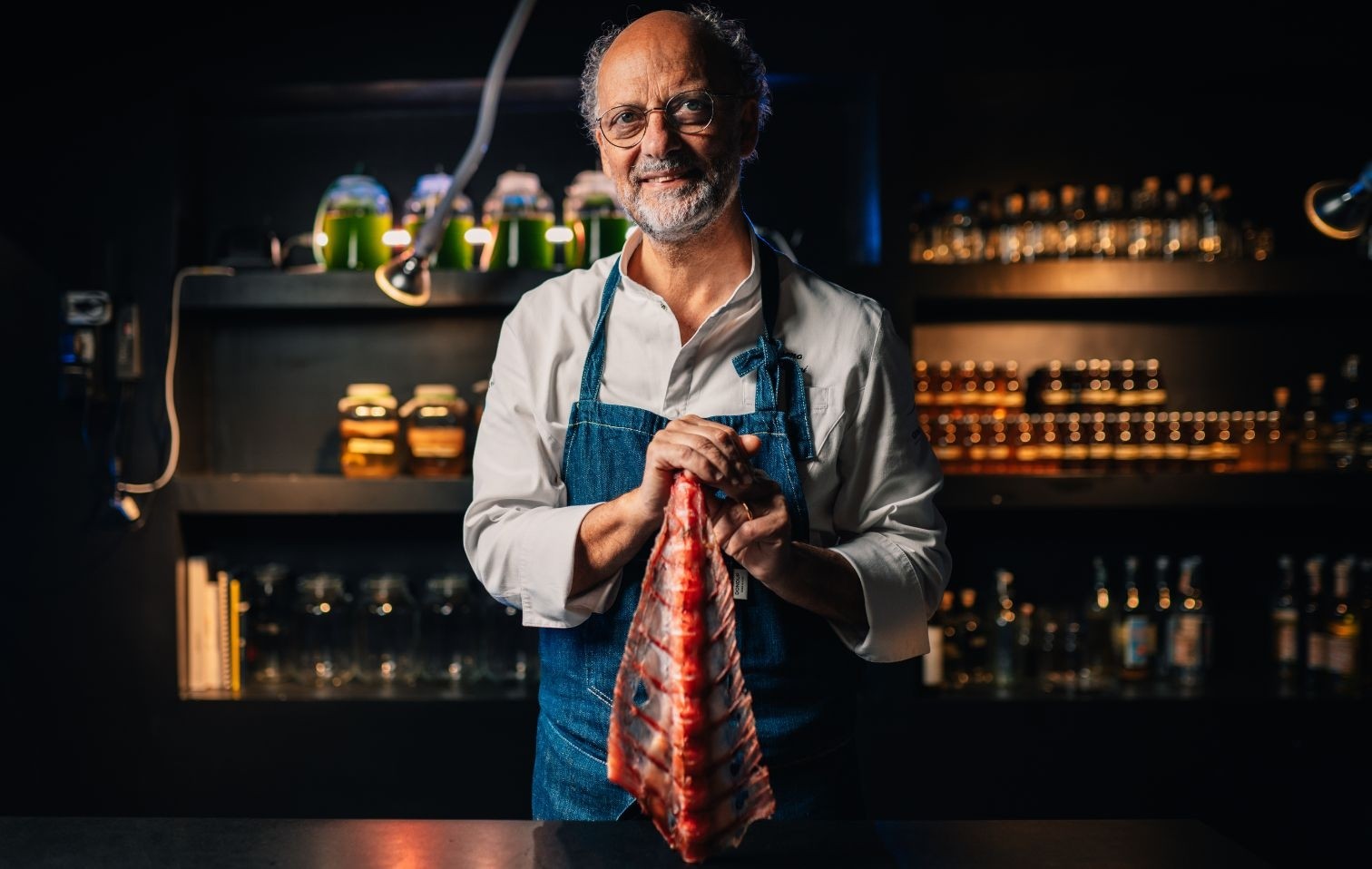
It is not a role-playing game, it is a hunt for the substance hidden behind an apparent shield of inedibility—almost as if the guest were invited to overcome an instinctive mental barrier, opening both their mouth and their mind to the unknown. Yet the setting phase lasts just five or six minutes of the live show in the dining room, where the chef himself simplifies the annual “scientific marathon” with a parade of unexpected ingredients: “You are constantly amazed at how profound the diversity of moods is as the species changes,” says Cedroni, holding a tray of thorns and previewing the dish to come.
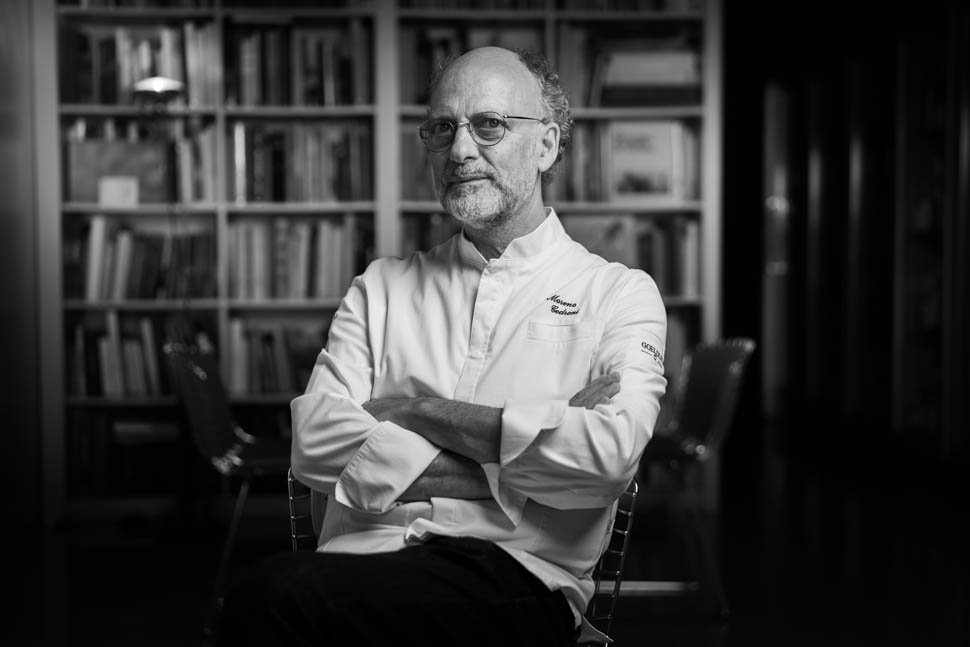
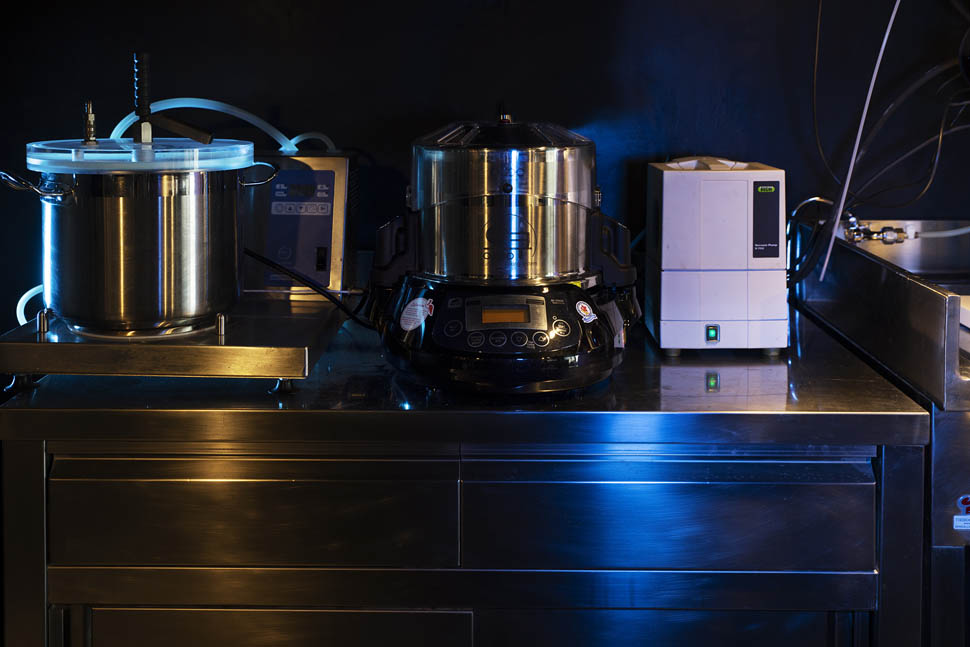
“In the end, each one represents the essential biography of the animal. A sort of chronicle that we can read and fix in our long-term memory, transferring the identikit of turbot, tuna, and amberjack onto the plate.” This is thanks to a technical arsenal that strikes well, starting with the Ocoo, a Korean pot capable of “melting” the structural rigour of a device that is resistant by definition. However, if, judging by the premises, it would be easy to expect a purely fish-based anthology, scrolling through the copy of the various courses, the “mother” idea extends to the entire natural pantry. The skeleton of a bird, the sharp ends of a shrub, honey extracted from a fruit protected by its prickly shell: the spine supports, fades and then feeds. Without ever ceasing to engrave that subtle sensory fabric that is activated in all of us only when food truly becomes interaction.
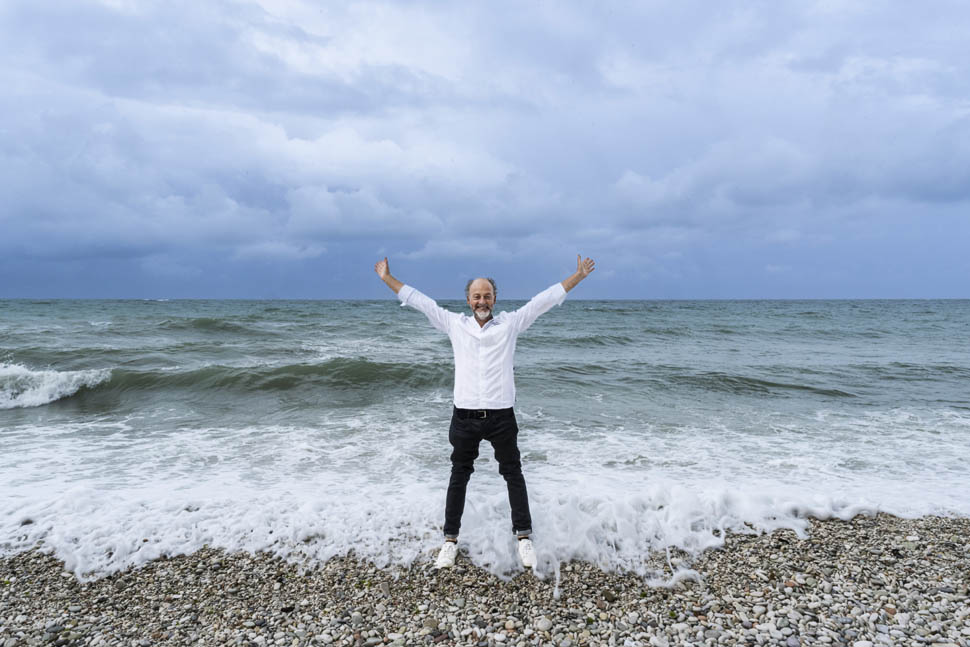
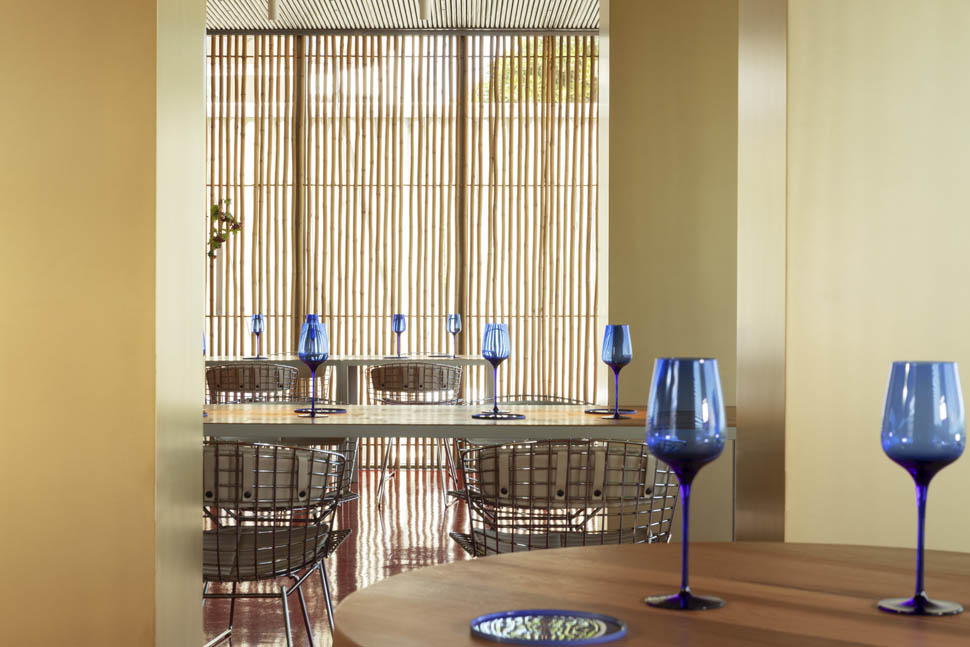
La Madonnina today: “40 years + 1” of hospitality and research
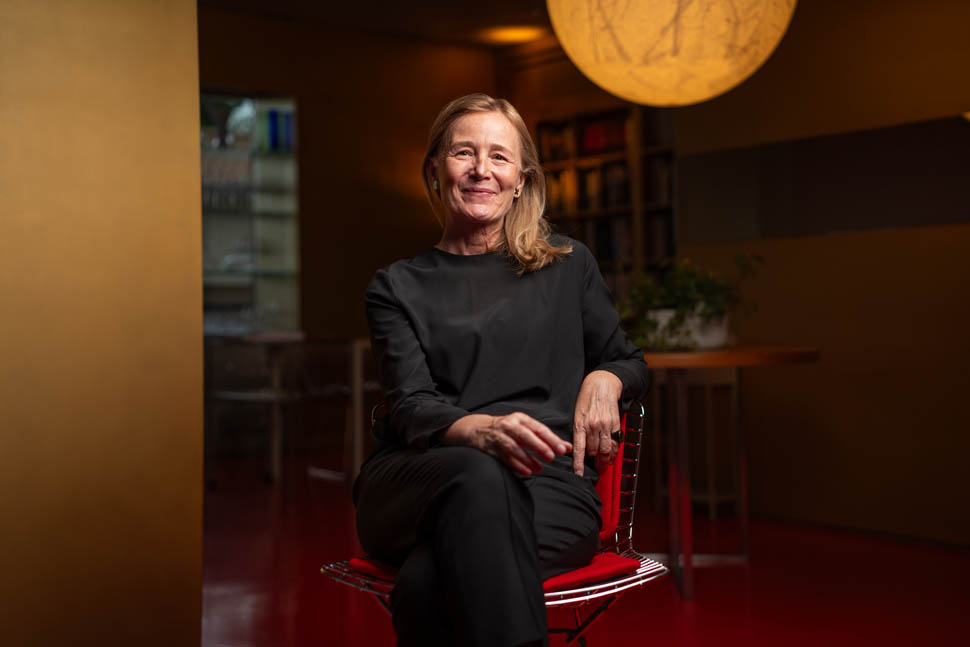
If we wanted to find a keyword, “lightness” would come to mind: that of La Madonnina is a study that is as thorough behind the scenes as it is literally whispered at the tables (metaphorically speaking, even in the tone of voice; see the aplomb of Moreno Cedroni as he calmly explains his most conceptually exciting creations). So, let's banish the practice of “liturgical” tasting: here, the service is divided between playful intervals and small touches, involving diners in the genesis of the menu. A leap forward that pushes the attention threshold, averting the decline in interest that often sets in halfway through the meal. This is demonstrated by Mariella Organi, the chef's “partner in dining,” who weaves together a narrative and gestures that could be described as the most comprehensive summary of these 40 years of hospitality.
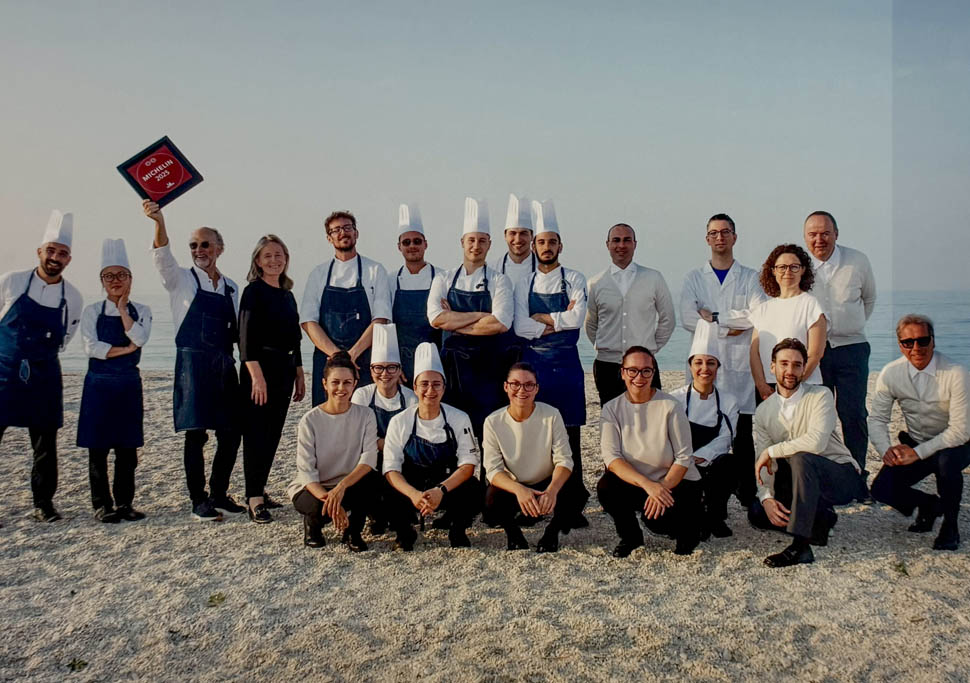
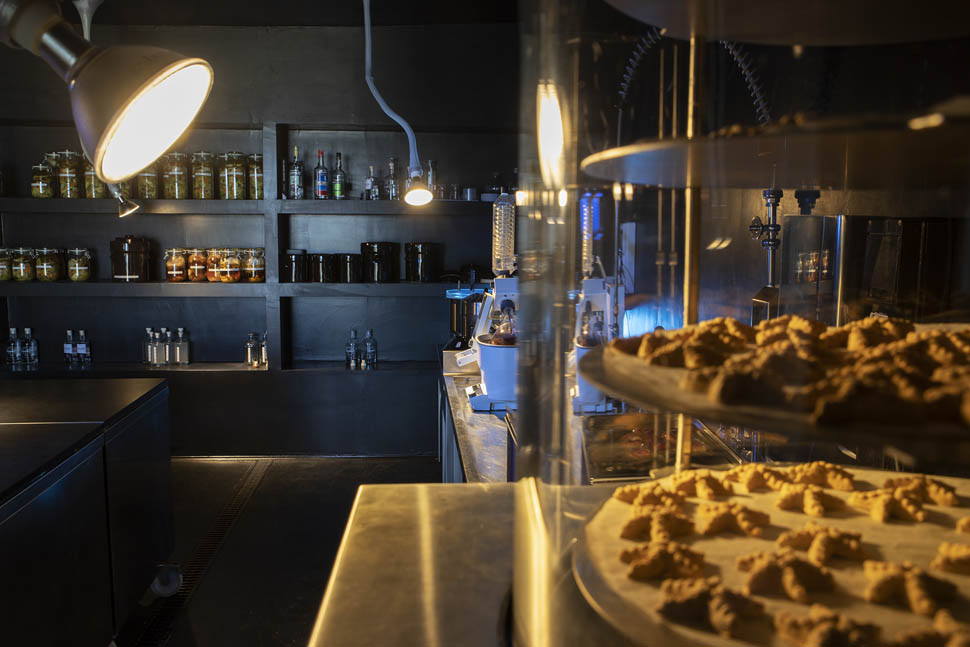
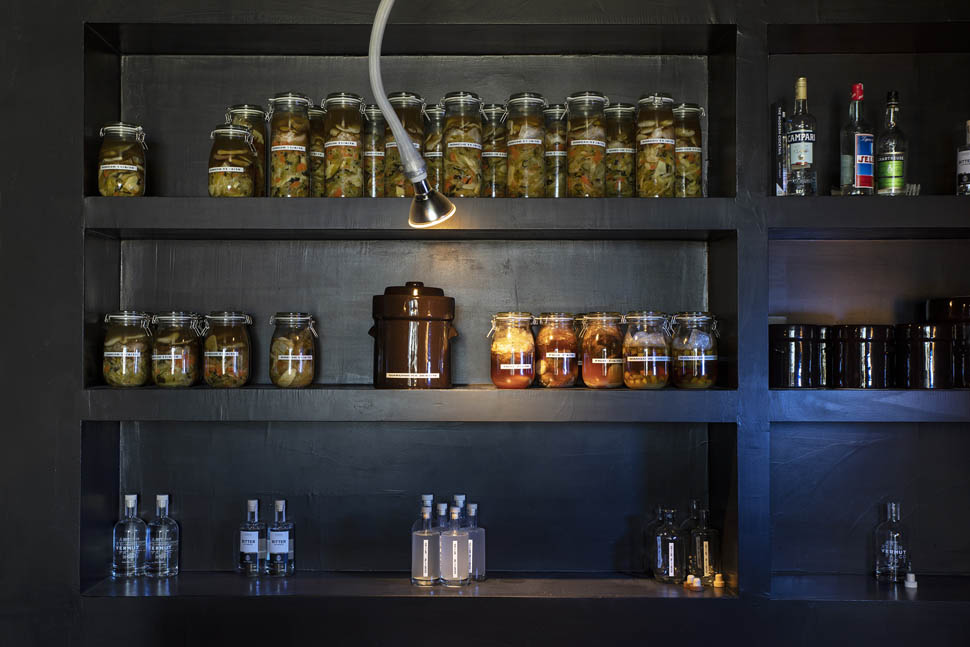
There is also no lack of a flexible approach to customers, favored by the savoir faire of the trio Mauro Scarponi, Silvia Tassi, and Paolo Rossi, who are ready to dispel the rarefied atmosphere that sometimes isolates those who are inundated with theory as soon as they sit down. Yes, because Marzocca's sign—despite the clichés about the abstract nature of haute cuisine—opens not only the doors of the restaurant but also those of The Tunnel, a sort of experimental limbo that reshapes the time it takes for ingredients to be transformed into food. It could have been an area off-limits to non-professionals, but instead it is another meeting point between the kitchen staff and outsiders, who are escorted past the aging cells and distillation equipment immediately after finishing their dessert.
The dishes
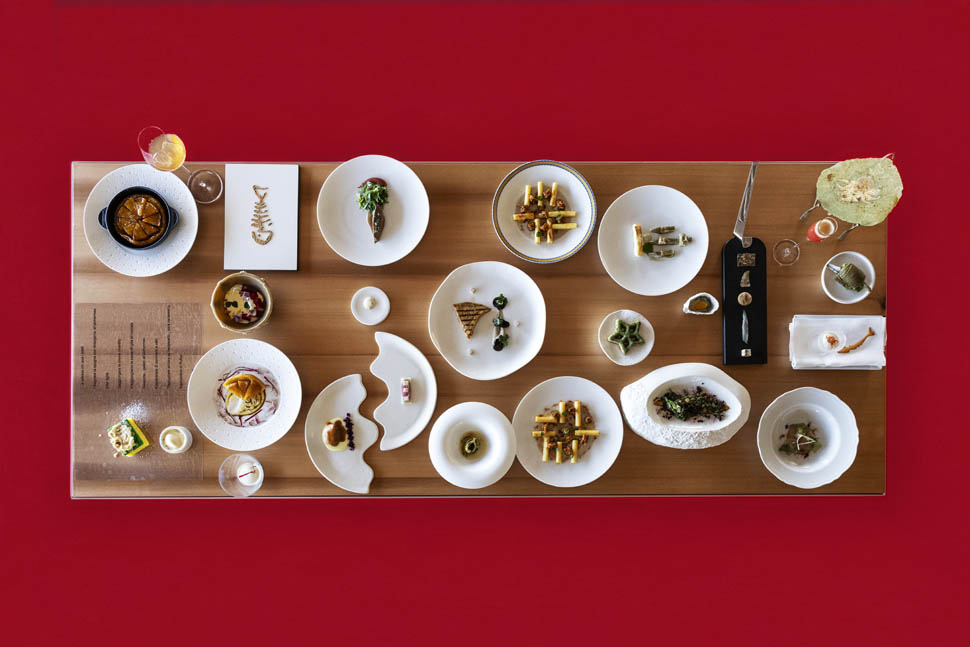
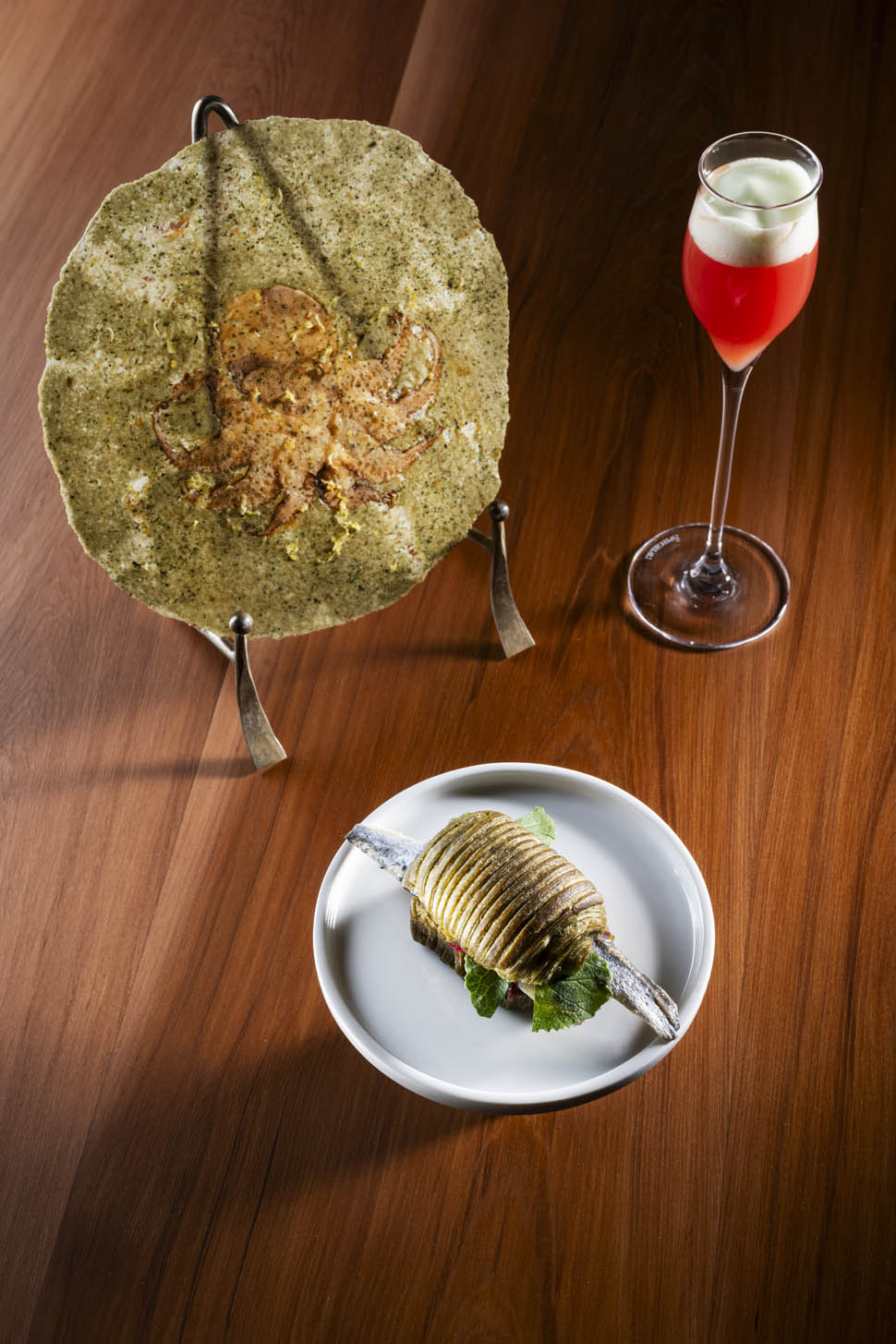
The opening words of “Spine” instantly transport you to the crowded stalls of an Asian city and a fishing boat in the middle of a Mediterranean regatta: you are not greeted with a string of miniature dishes, but with two bites that bring back memories of a multicultural snack. On one side, the crumbly Cracker di spine e teste di alici fritte (cracker with fried anchovy bones and heads), with the bones incorporated into a “water and flour” dough and pressed on a griddle together with a small octopus, to simulate Asian street food; on the other, the Puff pastry with seaweed, anchovies marinated in water and vinegar, okra, ginger and fermented carrot - a revival of the seafood appetizer that refreshes the memory of the coast. To drink, a tomato and celery Margarita with a subtle frothy presence: taste buds on alert as we set sail for the first slot of contrasts.
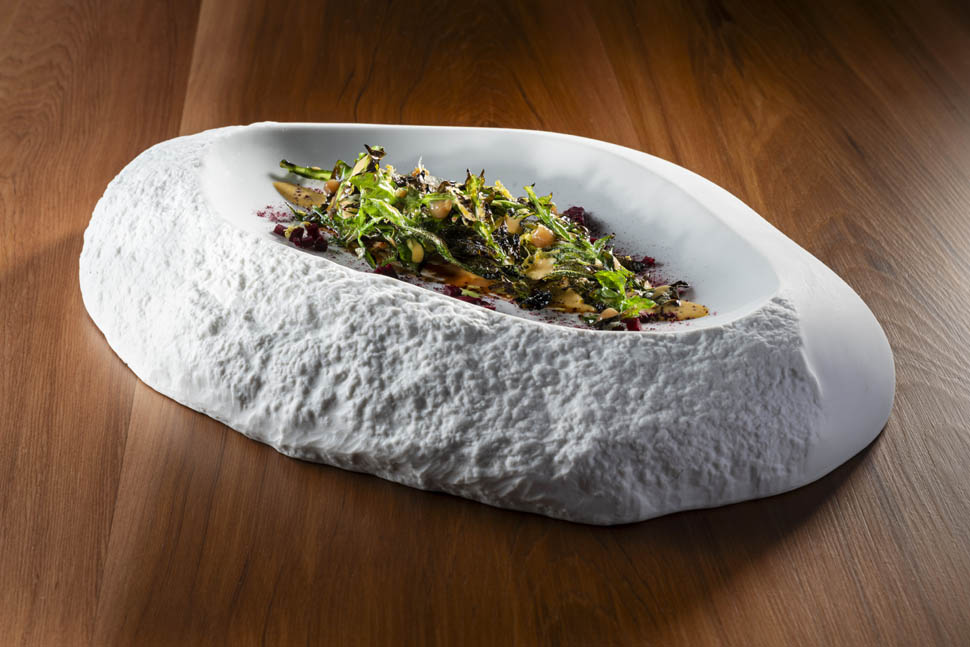
It is a bittersweet combination, the Riccio, burnt herbs and umeboshi, with botanicals from the “maison” garden charred over charcoal, to be picked up with tweezers and stirred into a sauce of dates, fermented plums, and purple cabbage powder. The hint of chewing slowly triggers the jaw, giving the gentle crunch the task of prolonging the smoky trail: a lunge that wins the set on the shore.
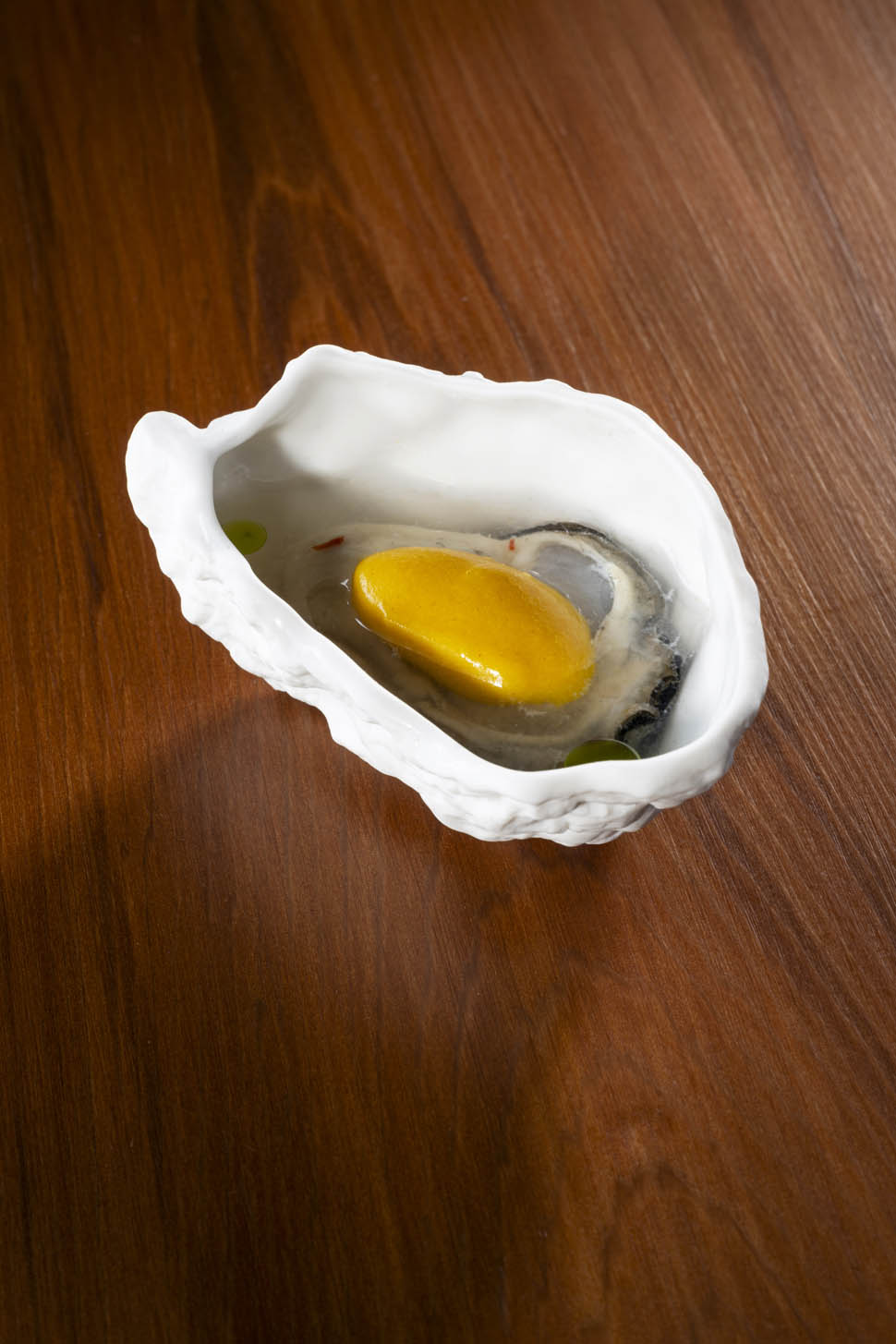
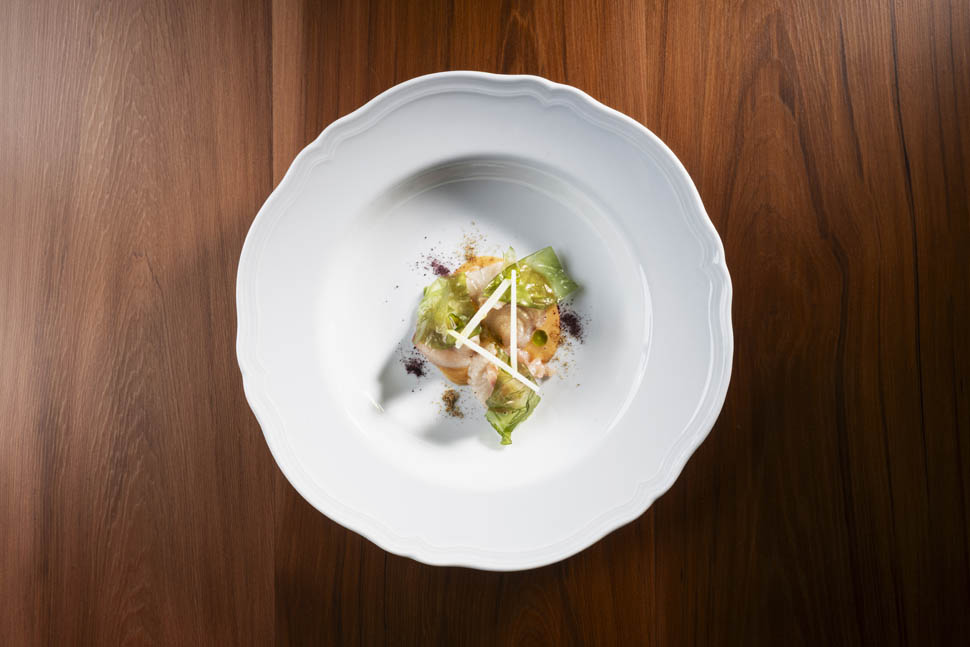
A staple on the menu since 2016, the Oyster is traveling this year in the company of Habanero chili pepper and lime juice, marking the debut of a different type of skewer: a vegetable one. The mollusk, seared on the grill and plump with flesh, is moistened by an invigorating sea buckthorn sauce. The result is mouthwatering salivation that extends to the raw fish, given the return of the amberjack: she is the second habitué in the historical archives of the Madonnina. Raising the blue fish to earth are apple sticks, coriander powder, and a creamy rosehip base with its confit berries: from above, it looks like a bud with petals and defensive needles; the “sea rose” you've never seen before. All this while the caress of sea lettuce remains on your cheeks, caramelized in water and sugar to soften its colors and salty echoes.
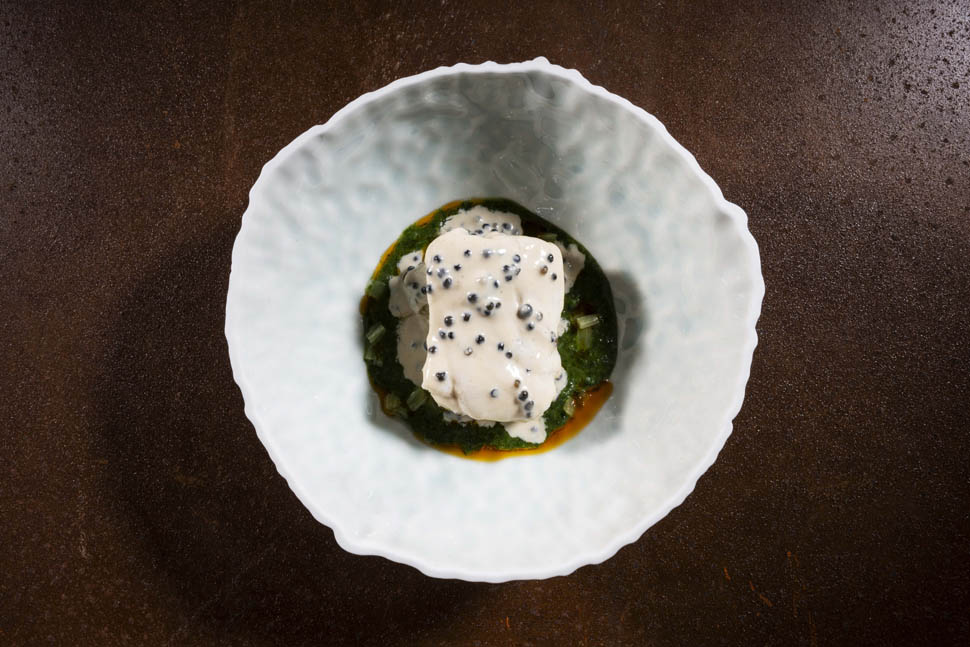
Equally rooted in Cedroni's philosophy, the labor limae on the oceanic sea bass completely eliminates any excess. “I really love Chilean sea bass because of its robust texture and the hints of coconut imparted by a diet rich in small crustaceans,” explains the chef. This is demonstrated by a white-gloved oil cooking technique: 60 degrees Celsius and 45 degrees Celsius at the core. But the coup de théâtre lies in the creation of a sauce made entirely from the spine, “which do not need any thickening agents, as they are particularly fatty.” This means that not even a single scale is wasted: “We have taken the use of this noble species to the next level, while retaining the skin, which has always been the focus of our reuse policy.” The aesthetics run parallel to this, as the Moro's livery is reproduced by placing caviar on the silky topping.
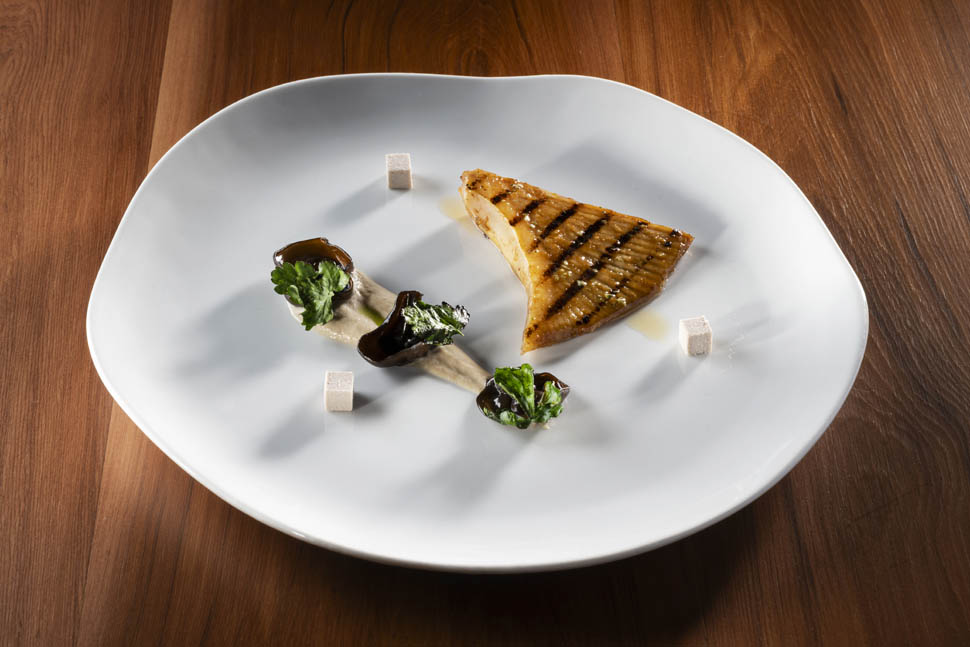
At the opposite extreme, zero bones in Razza: “It contains only cartilage, which sounds like a breadstick or bread crust when you bite into it”. The perfect excuse to relaunch the bite: the crock alternates in a dangerously appetizing hit with the baritone background of champignon sauce, crispy grilled parsley, and Judas ear mushrooms. Is something missing? Yes, an infinitesimal bite to turn back the clock: a role fulfilled by a cube of almond paste tofu that cleanses the palate from top to bottom.
Although it is the only main course among the seven presented that is completely free of thorns, the Genovese di tonno con kimchi di cipolla (Genovese tuna with onion kimchi) rightfully enters the 2025 dream team, a direct flight to Korea that sweeps away jet lag with its multifaceted enveloping flavor. “Going against the grain, we chose sweet and spicy contrasts rather than sour and bitter ones,” explains the chef. “Kim, a key member of the team, makes an irresistible kimchi with lots of onion.” From there, the bulb is broken down into a prism of complementary effects, between the cream with raspberry powder and the aforementioned kimchi. Needless to say, tuna replaces beef in the form of ventresca, benefiting from a blend of unique fragrances: julienned parsley and basil, yes—but Thai!
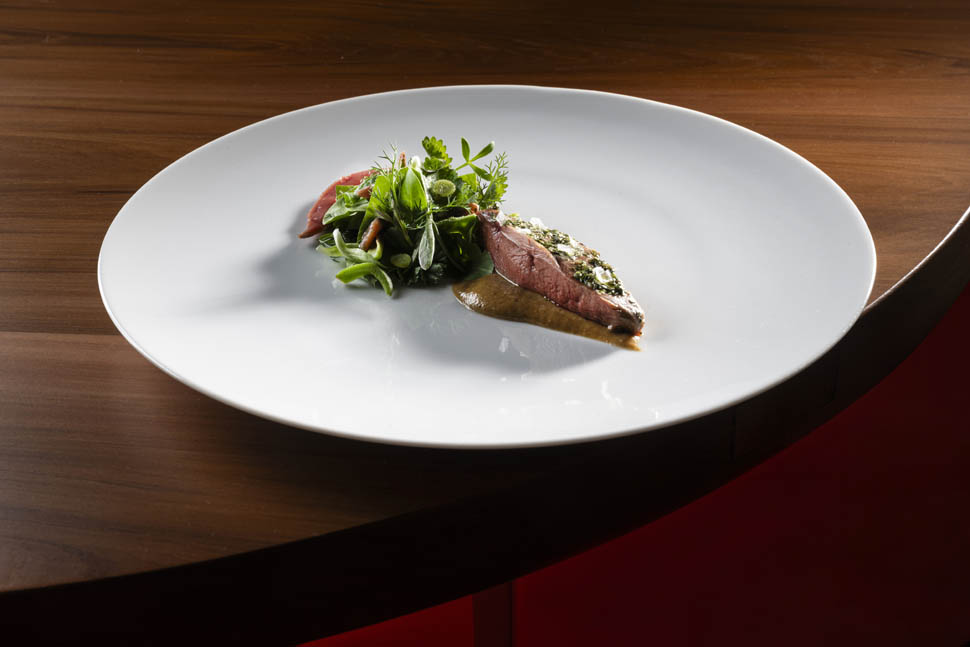
Freeze frame: just when you expect a “total meat” dish with the pigeon, the turbot spine appears, “left to dry, cooked for 4 hours in the Ocoo (a Korean pot with germanium ceramic, capable of melting it thanks to infrared rays, ed.) and then freeze-dried,” before reforming into the shape of a white shell. The restaurant shows it to you and grates it live as a garnish for the breast, placing a dash of iodine on the meat, which has been aged in beeswax for over a month to curb its iron aftertaste. And in the end, the bird fits in perfectly on the seafront, licked by a seaweed pesto and its own “saved waste”: “We couldn't throw the bones away.” No sooner said than done; they become a persuasive sauce with the addition of butter and sweet sherry.
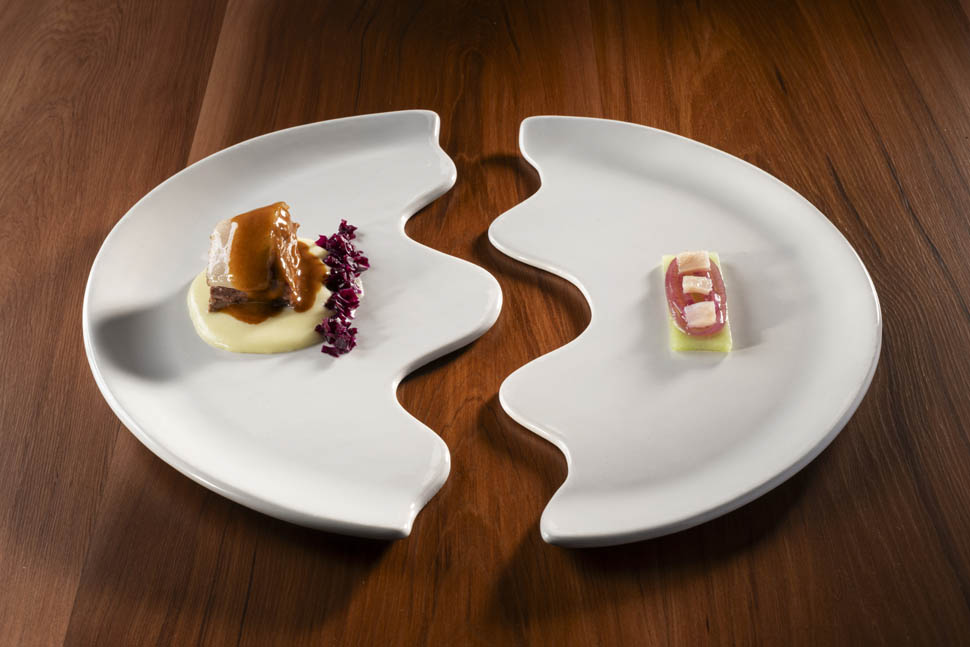
If Genovese alla Madonnina wants tuna, Ossobuco is no less impressive. “We take the part near the tail (full of tendons to allow movement, ed.) because, given its particularly viscous texture, it lends itself to being cooked ‘boiled style’, creating a curious similarity between tuna and pork.” Revelation moment: what looks like a bone is actually the fish bone, surrounded by a pulpy tissue and served for the occasion with a “comforting” side dish of mashed potatoes and purple cabbage: the boiled meat trolley under the sea. The dish is divided into two phases, like yin and yang: on the left, the “Ossobuco degli oceani” (Ossobuco of the oceans), and on the right, the last remaining tendons with raw fig leaves and sweet and sour onion. Perhaps the passage that best highlights the continuous interchange of ingredients on the menu, as Cedroni also adds a demi-glace to reuse the wings and legs of the pigeon, already extensively treated in the previous course.
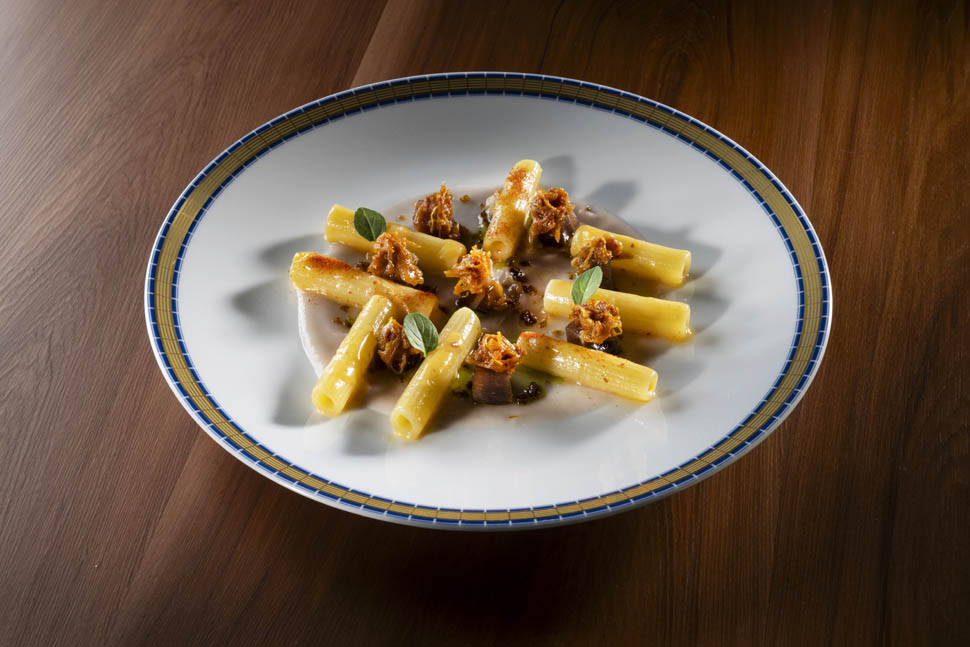
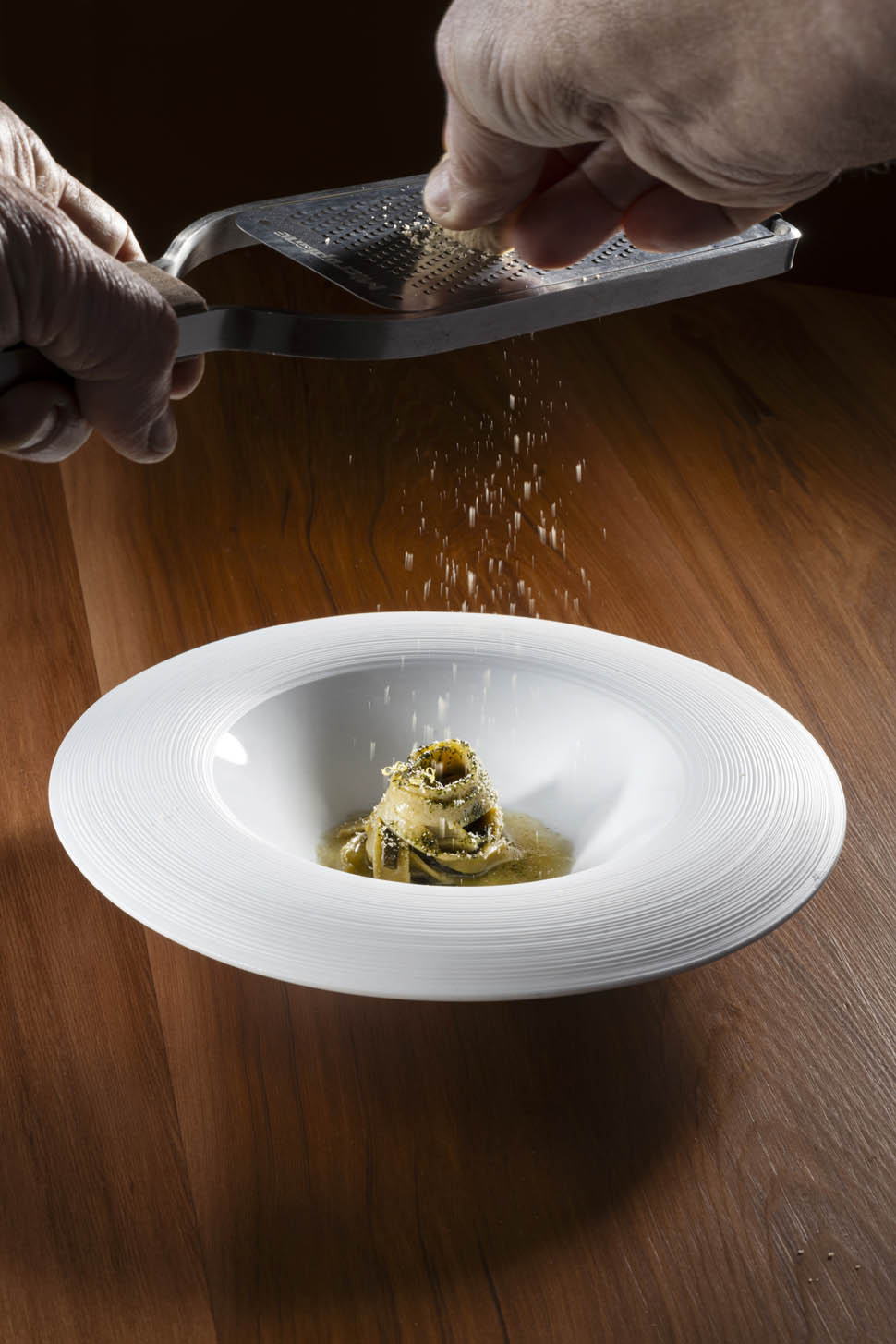
Just as you have time to absorb the concept, the highlight of the itinerary bursts onto the table: “Paglia e fieno” (straw and hay). Far from forgetting the hinterland, the chef remixes one of his most representative dishes in an aquatic whirlwind: to replace the hay, spaghetti-like seaweed; to evoke the straw, a base made up of 50% white fish bone flour and 50% cereal flour. A pause for reflection, it's time for comparison: this time, the maître d'sprinkles freeze-dried amberjack spine that veers towards tobacco, with a persistence very different from the turbot bone sprinkled on the pigeon. We are faced with a “Parmigiano di mare” with a wonderful umami extension, comparable to the semi-aged product. To verticalize the “first-not-first,” sour butter, anchovy sauce, Indian pepper, and dried seaweed. From the soil to the waves, this is the synthesis of “Spine”: a surf of ecosystems on the wave of reuse.
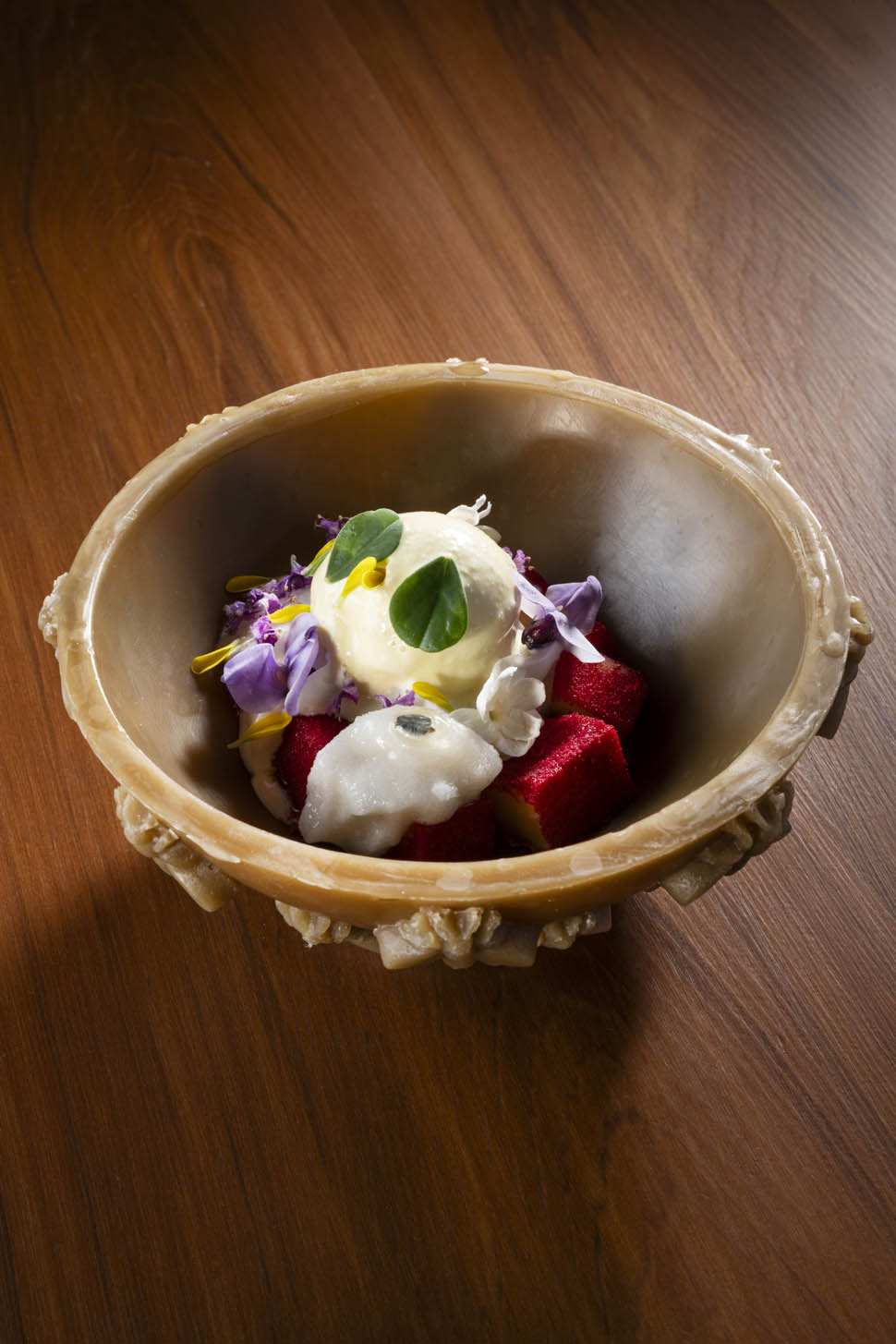
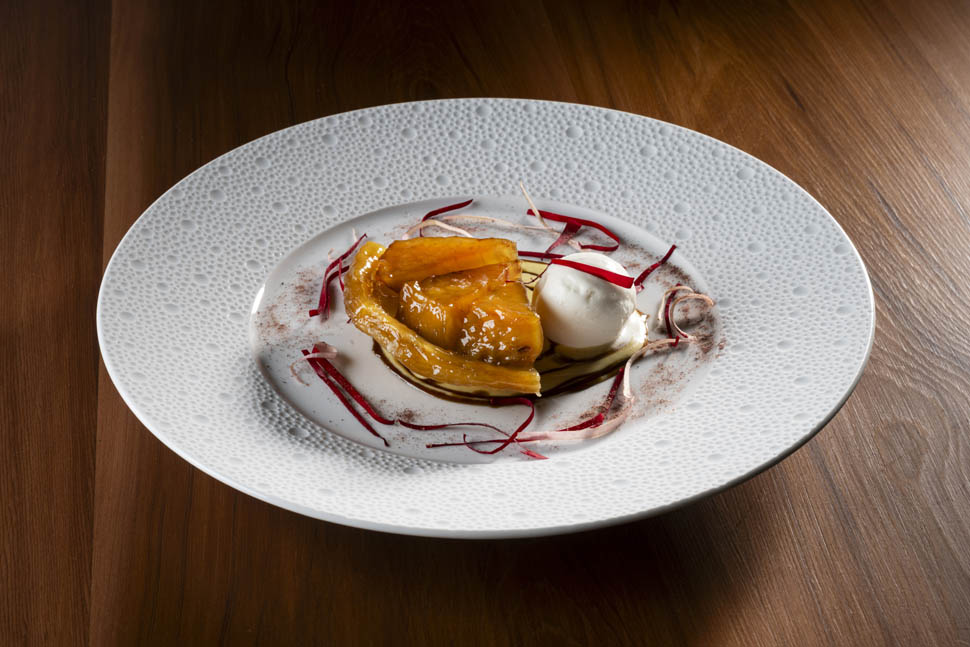
To finish, the sugars advance softly: if Luca Abbadir's bread-making brings back forgotten fragrances (including flour from the Marche region and Tumminìa), the end of the meal is a triple leap in the evolution of dessert. A refreshing break is provided by the fruit ceviche, chestnut honey ice cream and anchovy sorbet, poured into a beeswax dish to highlight the elective affinity between container and contents. This affinity evokes the same notion of a thorn, since chestnuts are protected by a prickly husk in nature. In response, the Tarte Tatin multiplies the original reversal in a botanical crescendo: instead of apples, there is celery; gone is the basic ice cream, replaced by Damask rose (complete with oxidized and freeze-dried thorns); no syrupy tails, but a tempting balsamic vinegar jam.
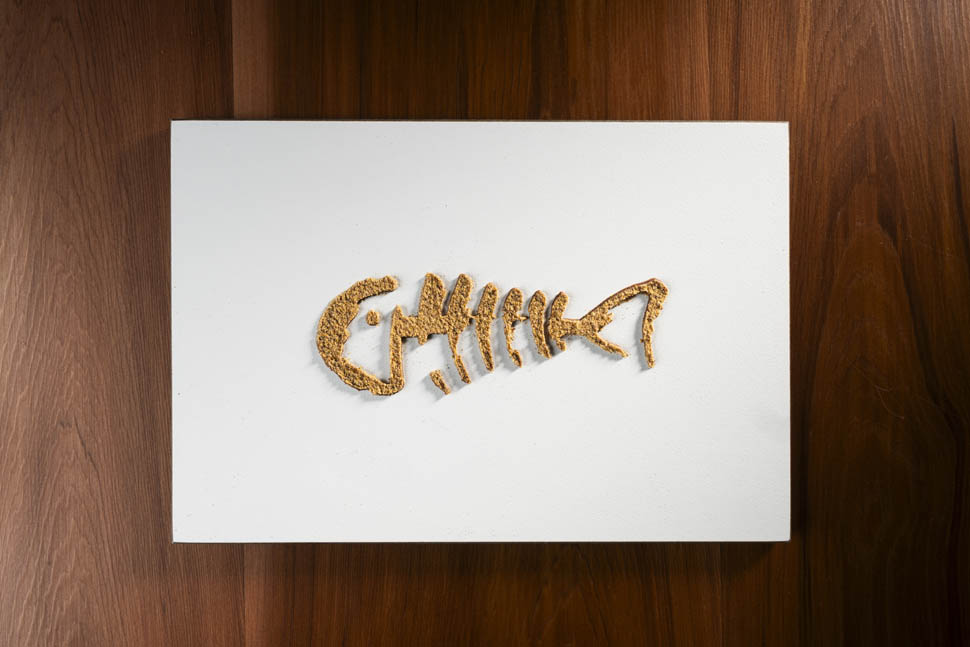
The Spina dolce is proof that a fish bone can even be used to make a finger-licking three-chocolate dessert. And so you leave, with one last poignant image etched in your mind.
CONTACTS
Madonnina del Pescatore
Via, Lungomare Italia, 11, 60019 Senigallia AN
Phone: 071 698267