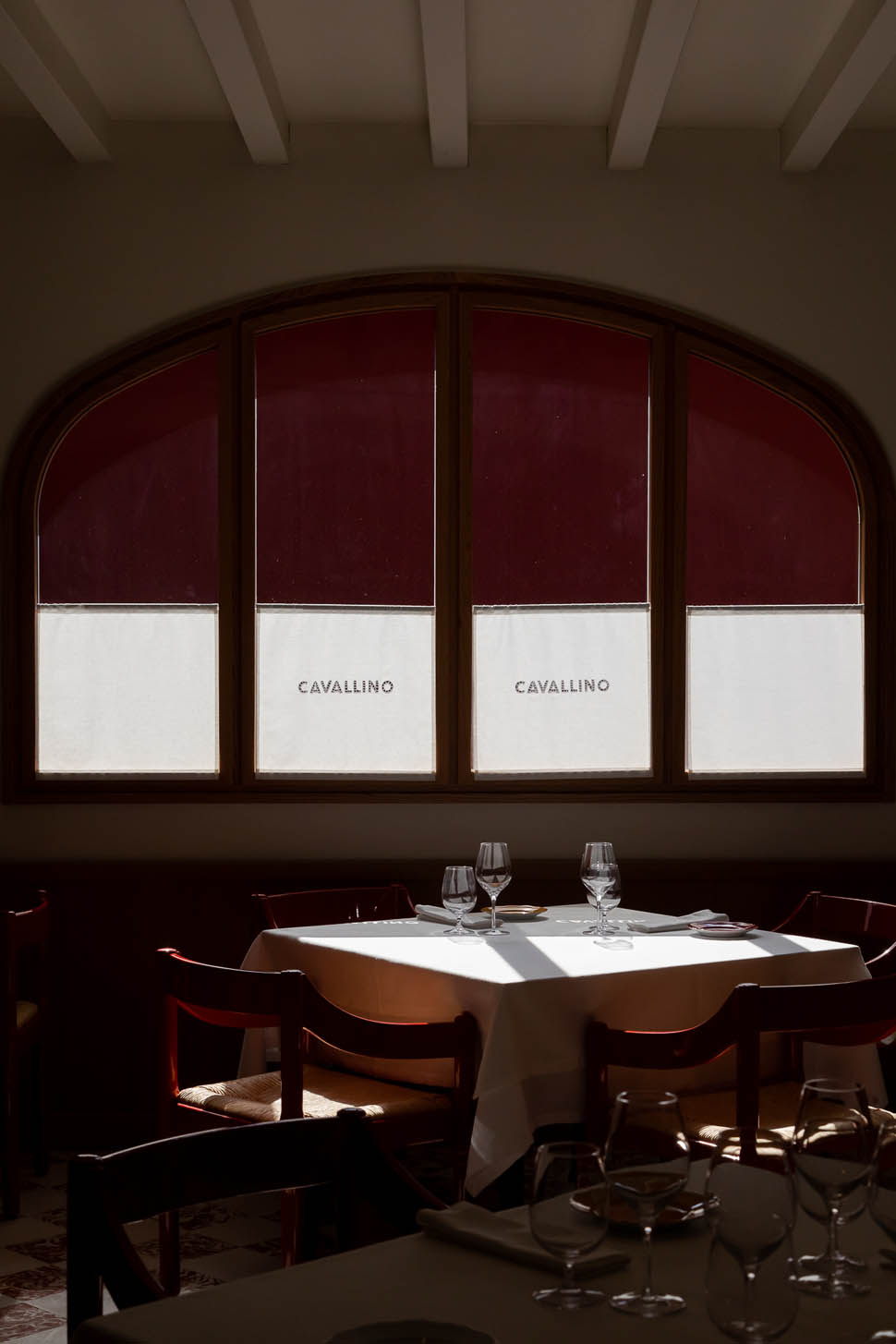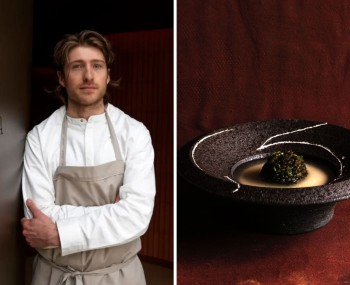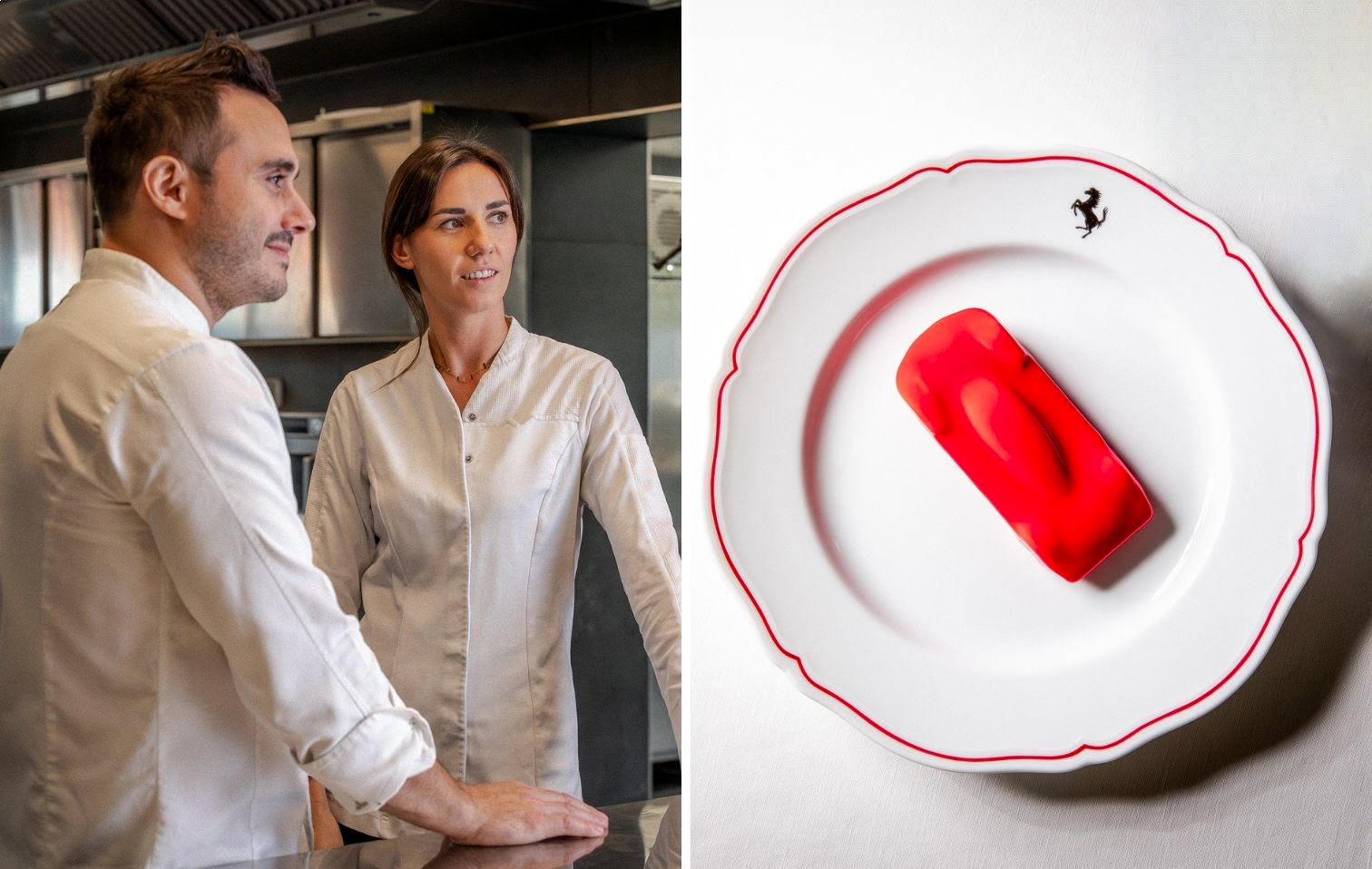
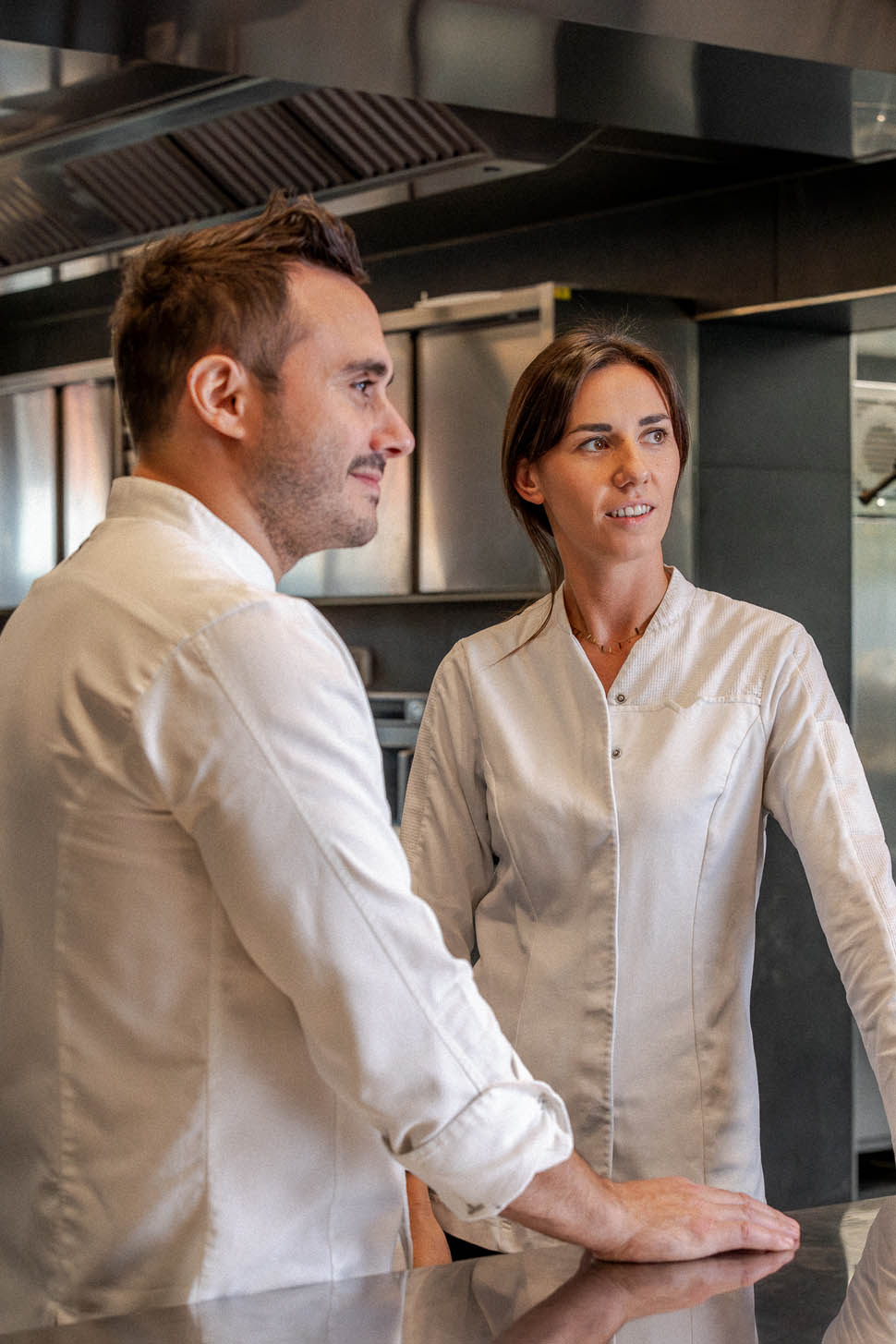
Riccardo Forapani and Virginia Cattaneo, chefs at the restaurant born from the collaboration between the Rossa of Maranello and Massimo Bottura, presented the new tasting menu dedicated entirely to Ferrari Supercars. For the first time, the restaurant team collaborated with the Cavallino Rampante style center to create the dishes. And the result exceeds what could have been expected on paper.
Photo credits: Danilo Scarpati, Marco Poderi
The restaurant
Introduction and recommendation: visit the restaurant after visiting the Enzo Ferrari museum in Modena, where the Supercars exhibition is currently running until February 17, 2026. Supercars are the models that have played a leading role in the evolution of design, technology, and engines for the Prancing Horse. They are the best cars possible at the time they are produced (in limited series): 288 GTO, F40, F50, Ferrari Enzo, LaFerrari, and the latest arrival, the F80. These models have inspired the tasting menu, with each course named after a car, thanks to a long and fruitful collaboration between the kitchen and restaurant staff and the Ferrari design center.
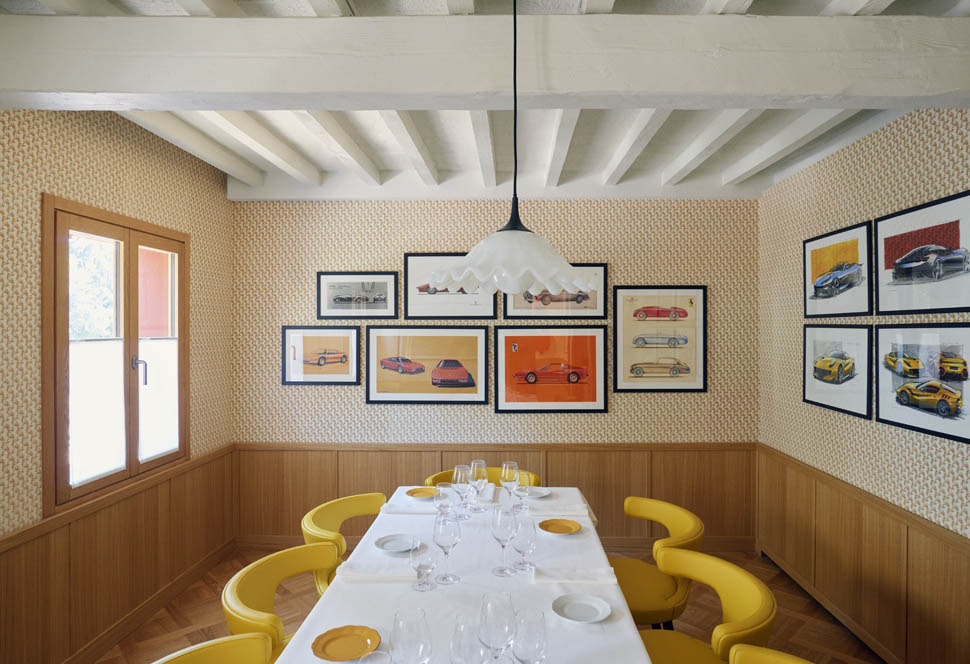
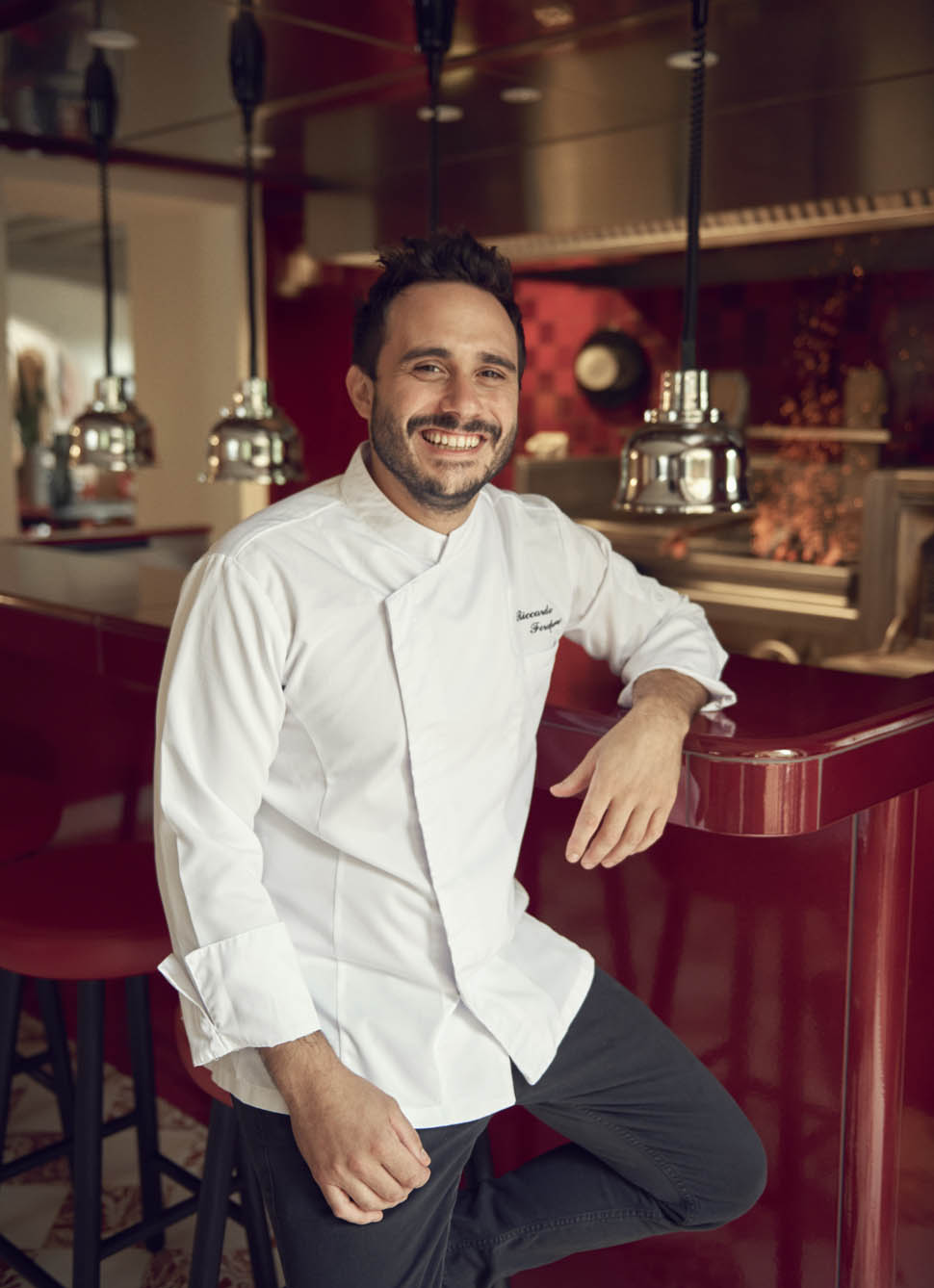
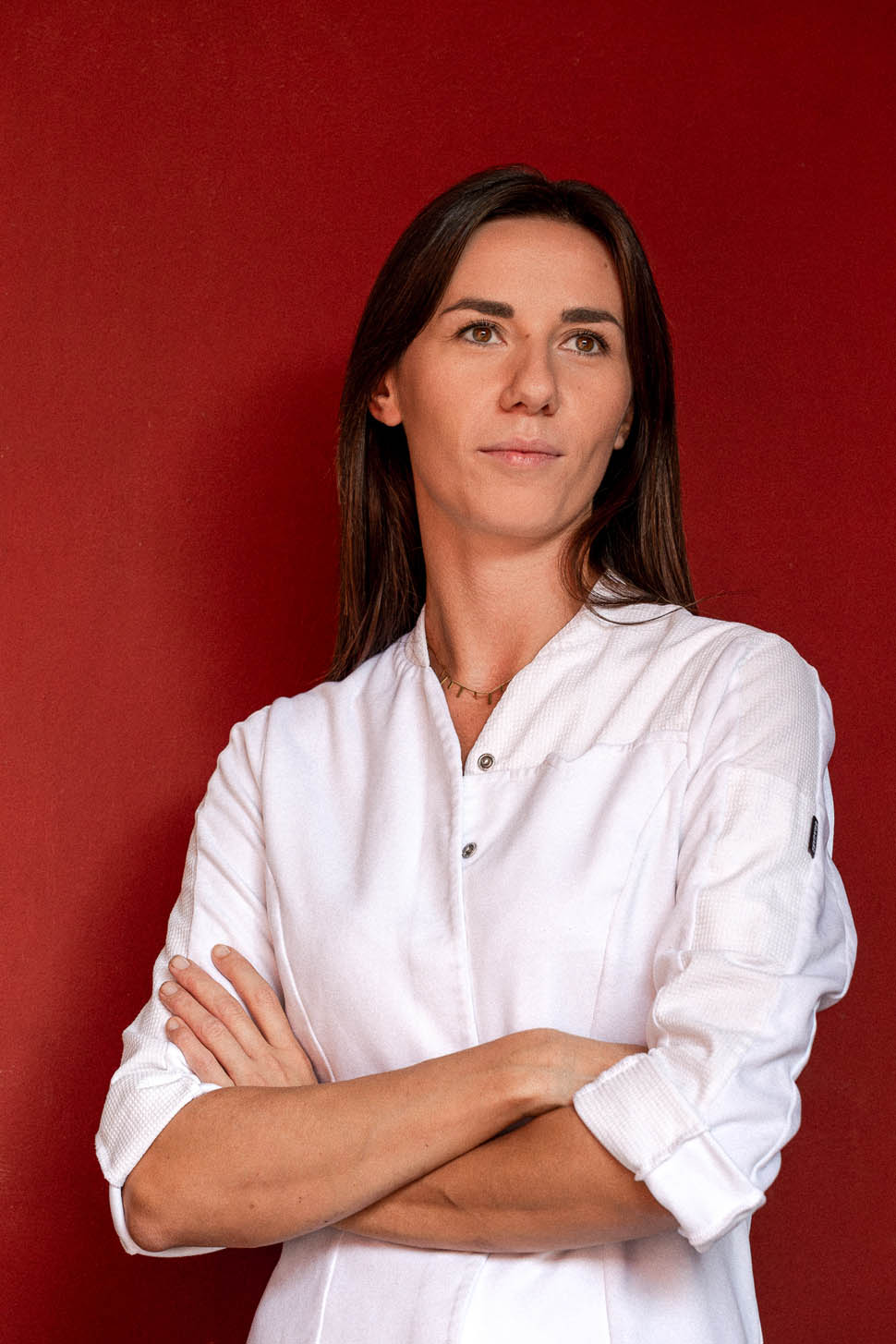
A collaboration that began with a chat over dinner in May last year and continued with a series of meetings, followed by menu trials, finally coming full circle with the dishes served since the beginning of June at the restaurant in Via Abetone Inferiore 1 in Maranello. The risk of being overly didactic has been avoided, leaving room for aesthetic similarities where possible, without forcing them, and above all without ever detracting from the taste and its balance.
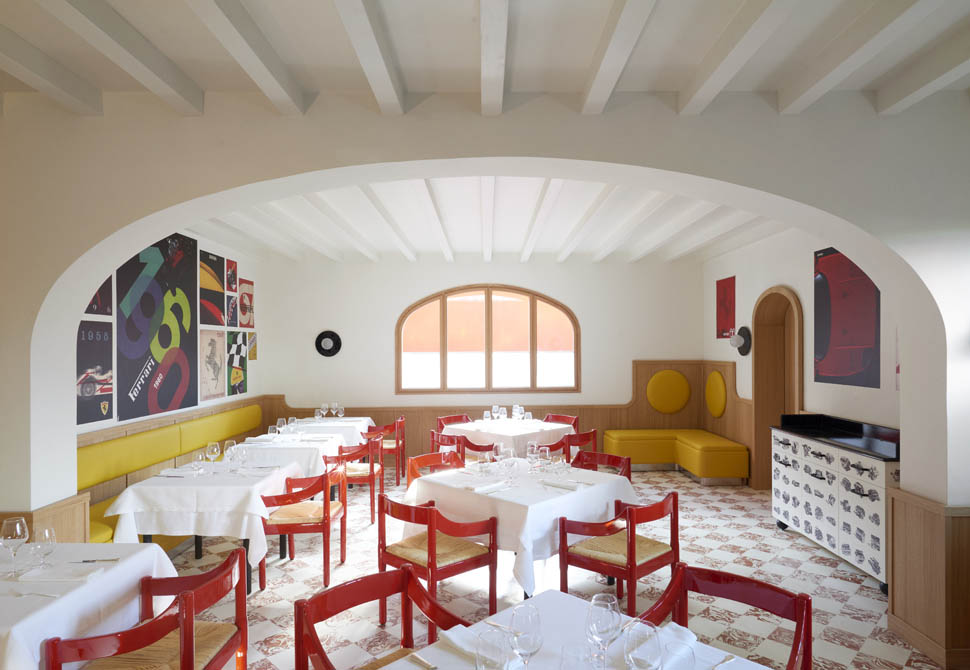
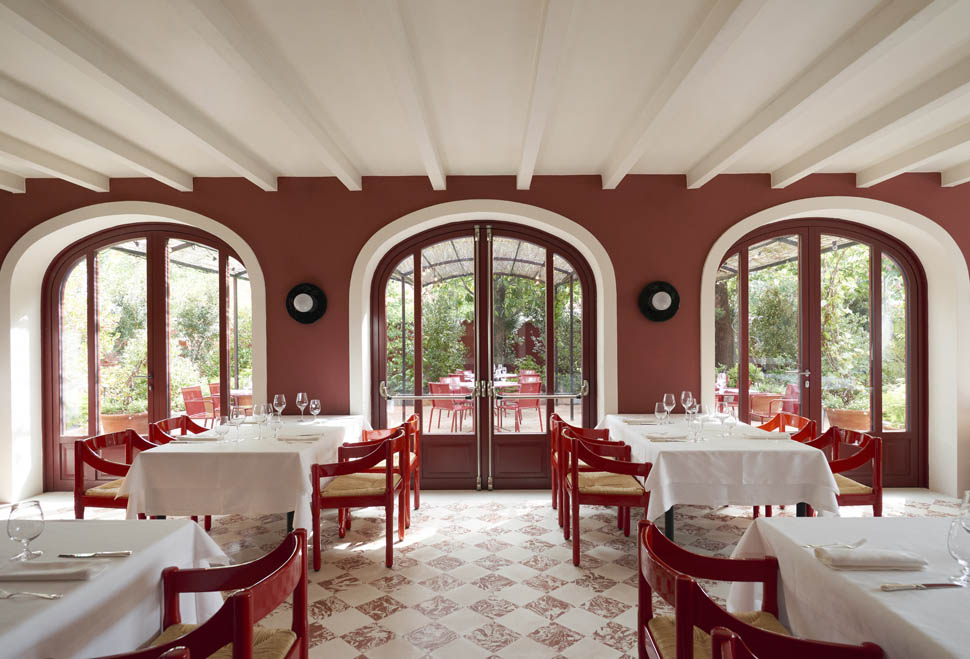

The result is a menu that takes you on a journey through the long history of the Rossa through its flagship models, just a few steps from the factory and in the restaurant once frequented by Enzo Ferrari and the drivers of the Prancing Horse. The experience is completed by cards illustrating the silhouettes of the cars and briefly explaining the link—beyond aesthetics—between the dishes and the cars. This information is useful if you have not had the opportunity to visit the exhibition in Modena, as well as being a precious souvenir to take home.
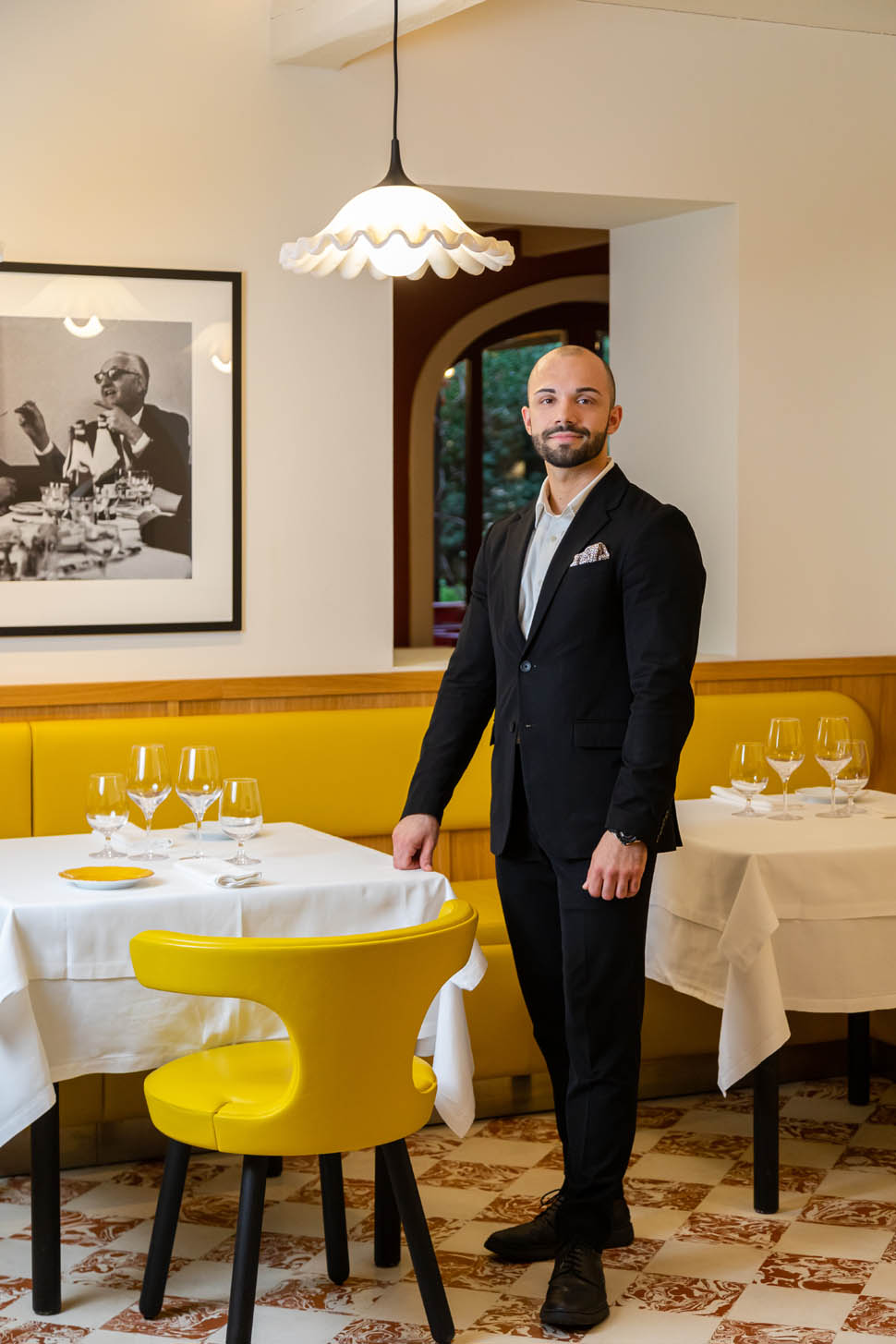
The dishes
And so, ready, set, go! We start with a reconnaissance lap to warm up the engines and tires: we tease the palate and stomach with amuse-bouches. We start with a small cannolo made of potato pasta sheets, filled with stracchino cheese and crushed red pepper, a fried gnocchi with mortadella, marasca cherries and traditional Villa Manodori balsamic vinegar, and finally some toasted brioche, herb-flavored butter, anchovies in oil and lemon mustard gel. Then it's back to the starting line, the lights finally go out and the tasting journey begins: on the initial straight, we go back to 1984, the year when production began on the 272 examples of the 288 GTO - represented on the plate by the red outline of the car.
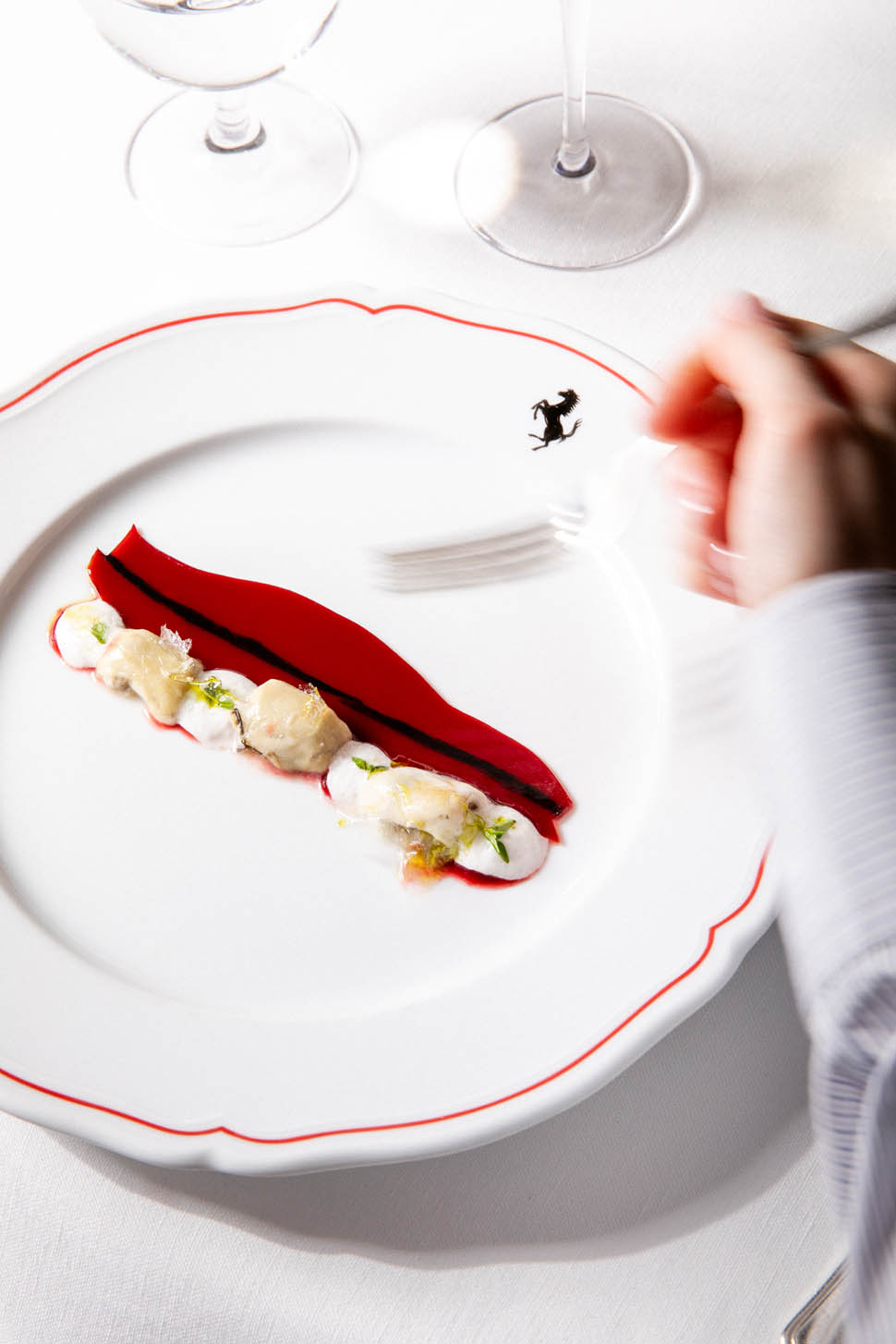
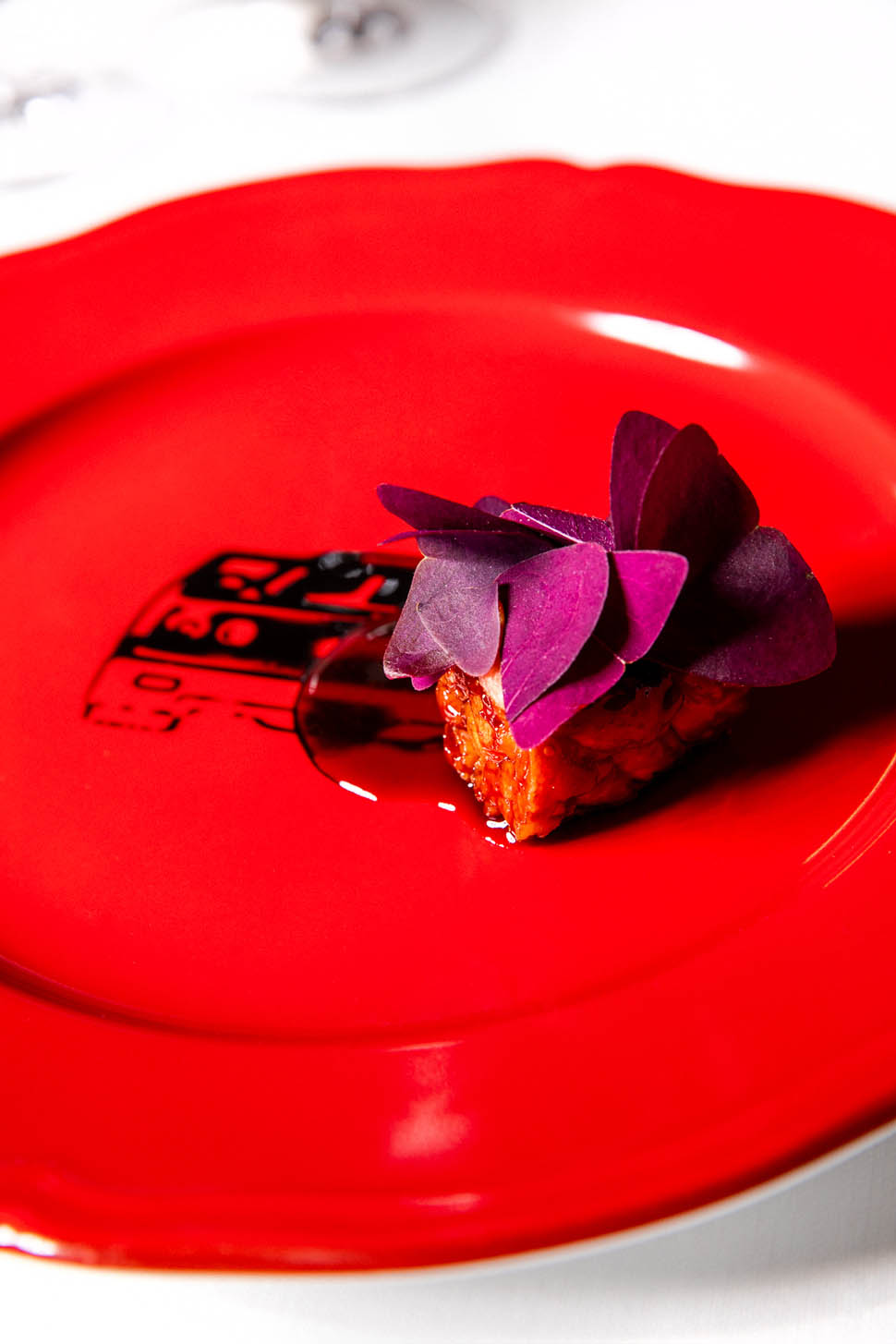
The dish is dominated by oysters, together with the all-Italian flavor of tomato (and cherry), mozzarella mousse, and basil. It brought back to my palate the hints of a margherita pizza, enriched by the saltiness of the shellfish. At the first bend, we climb into the F40; a 1987 model, it is said to have been capable of reaching 324 km/h with acceleration from 0 to 100 km/h in just 4.1 seconds. The car was owned by Diego Armando Maradona, among others. In this case, the car and its speed are represented by the iconic rear of the car, as if it were a stencil, which disappears from the plate, mixing with the spicy sauce that accompanies sweetbreads with plums, black garlic, and lemon mustard. A dish that pursues and finds a delightful balance of flavors and textures.
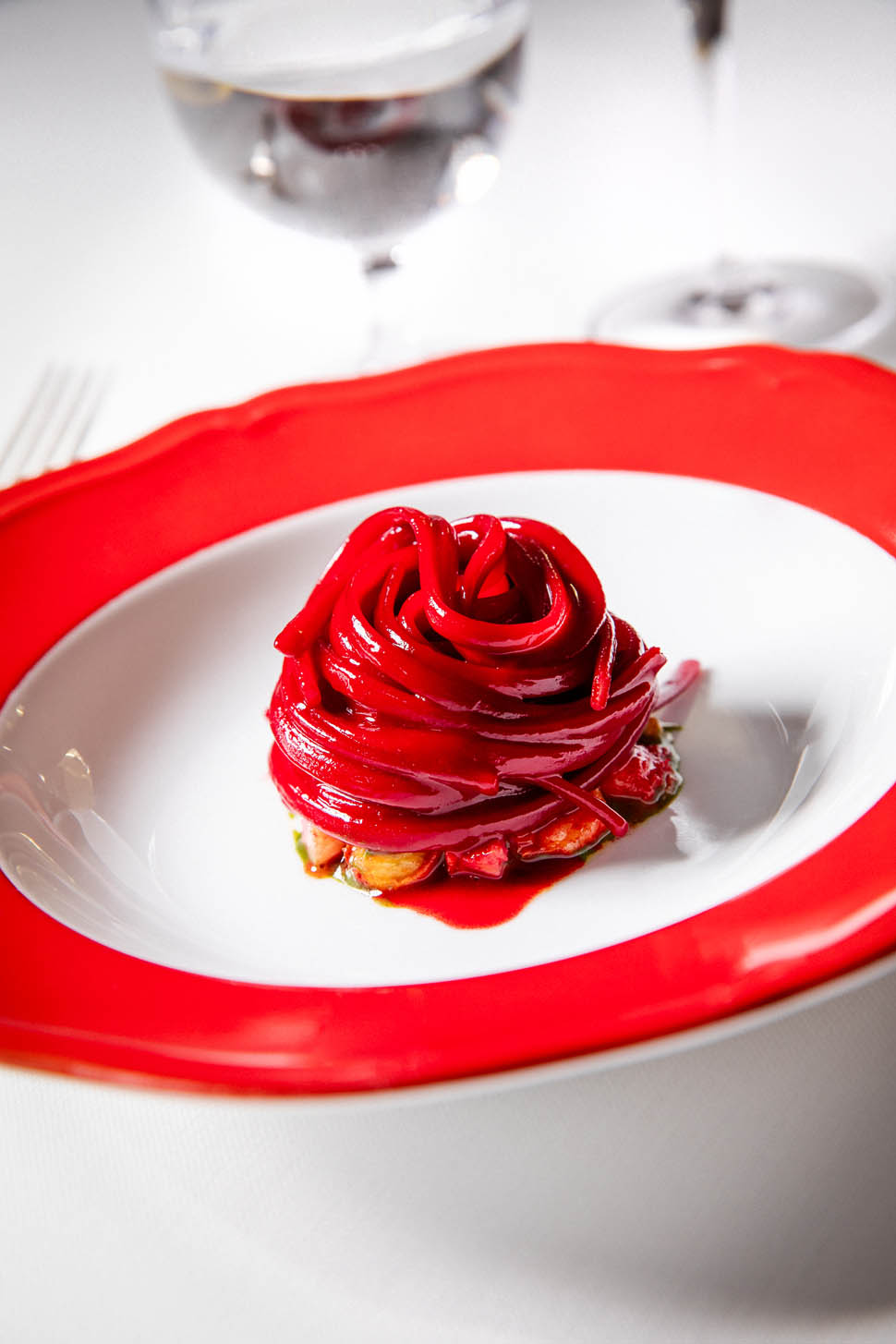
The journey continues aboard the F50, dating back to 1995, which brought all the technical expertise of Formula 1 to the road. Here, there is a tribute to the flavors and colors of the 1990s with grilled lobster linguine and bisque, accompanied by a parsley and lemon gel sauce. The underlying sweetness of the dish is offset by lemon and a leaf—which varies depending on availability—that is not just a decoration but adds a peak of flavor.
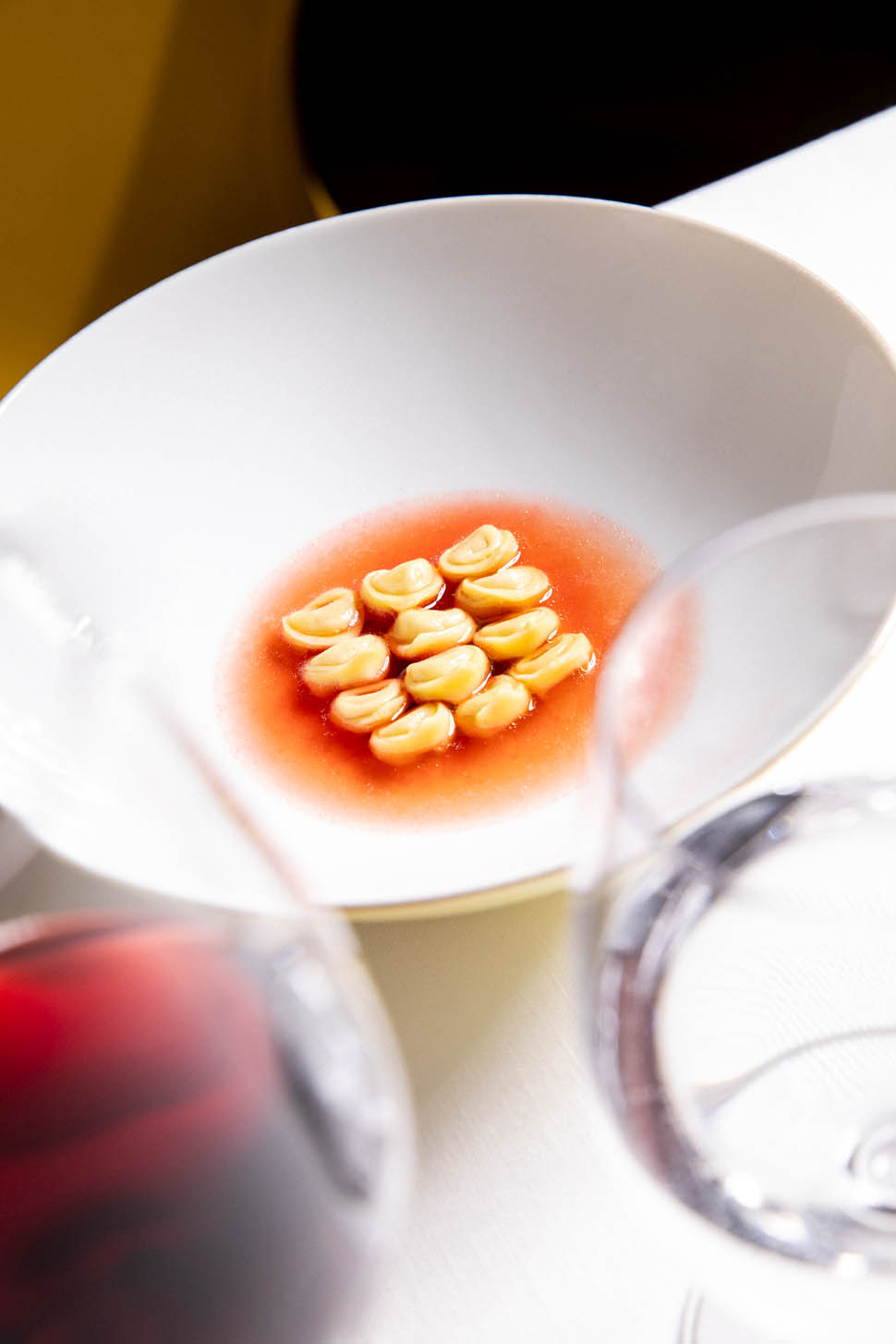
One more hairpin bend and we arrive at the Enzo, dedicated to the founder, a 2002 model, the year that saw Schumacher triumph in F1, with the last Grand Prix held in Suzuka, Japan. And so, on the plate, the Land of the Rising Sun meets Maranello with tortellini with eel, dashi, Parmigiano Reggiano, and Grasparossa grapes. A dance of umami—a term that is extremely overused, but in this case perfectly fitting.
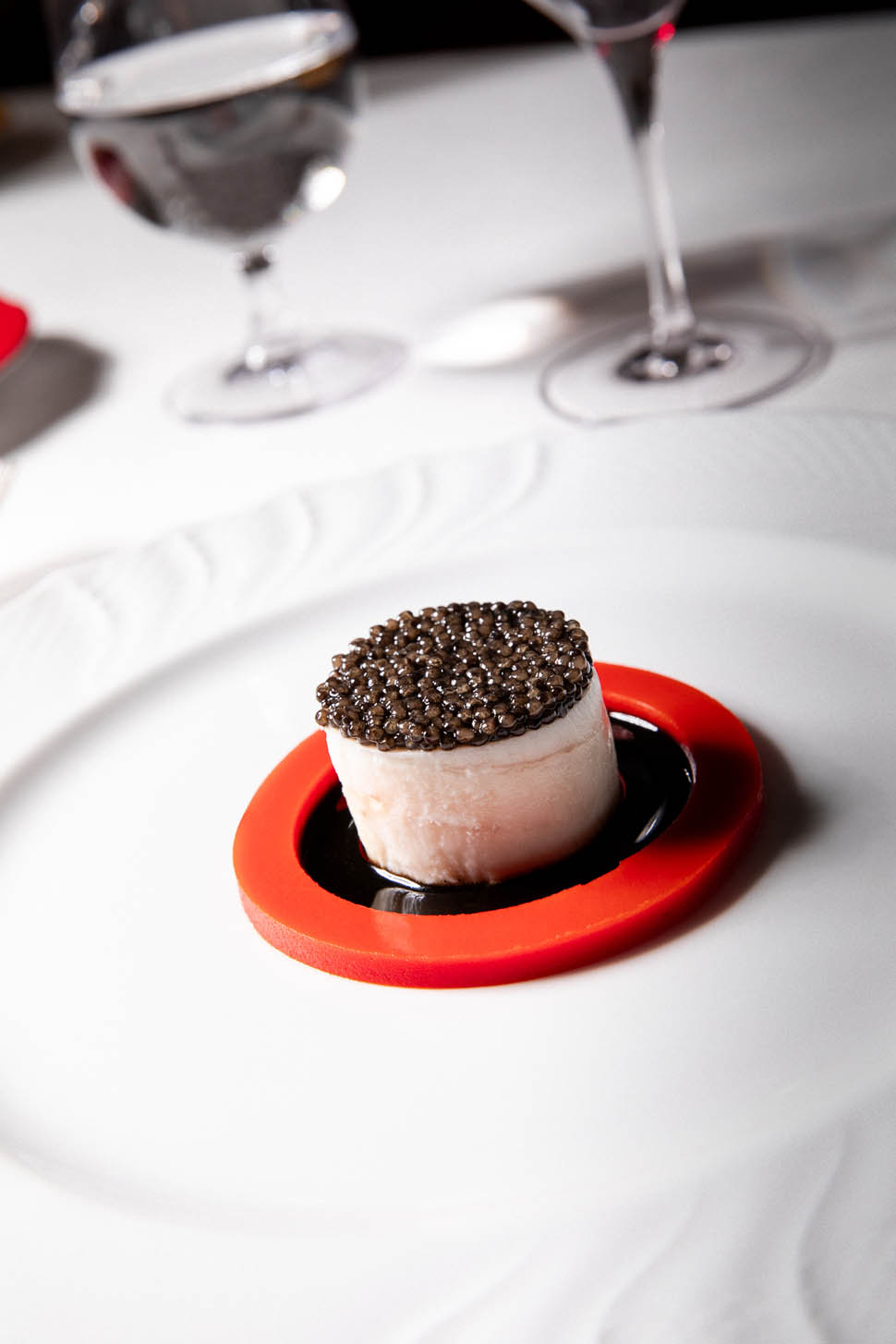
Here we are at the heart of the journey with LaFerrari, the 2013 model, the first hybrid and the last model to feature round headlights. The vehicle thus becomes a roll of sturgeon—echoing the shape of the headlights themselves—accompanied by white asparagus, caviar, and bell pepper jelly. An elegant encounter between land and sea, a hybrid indeed.
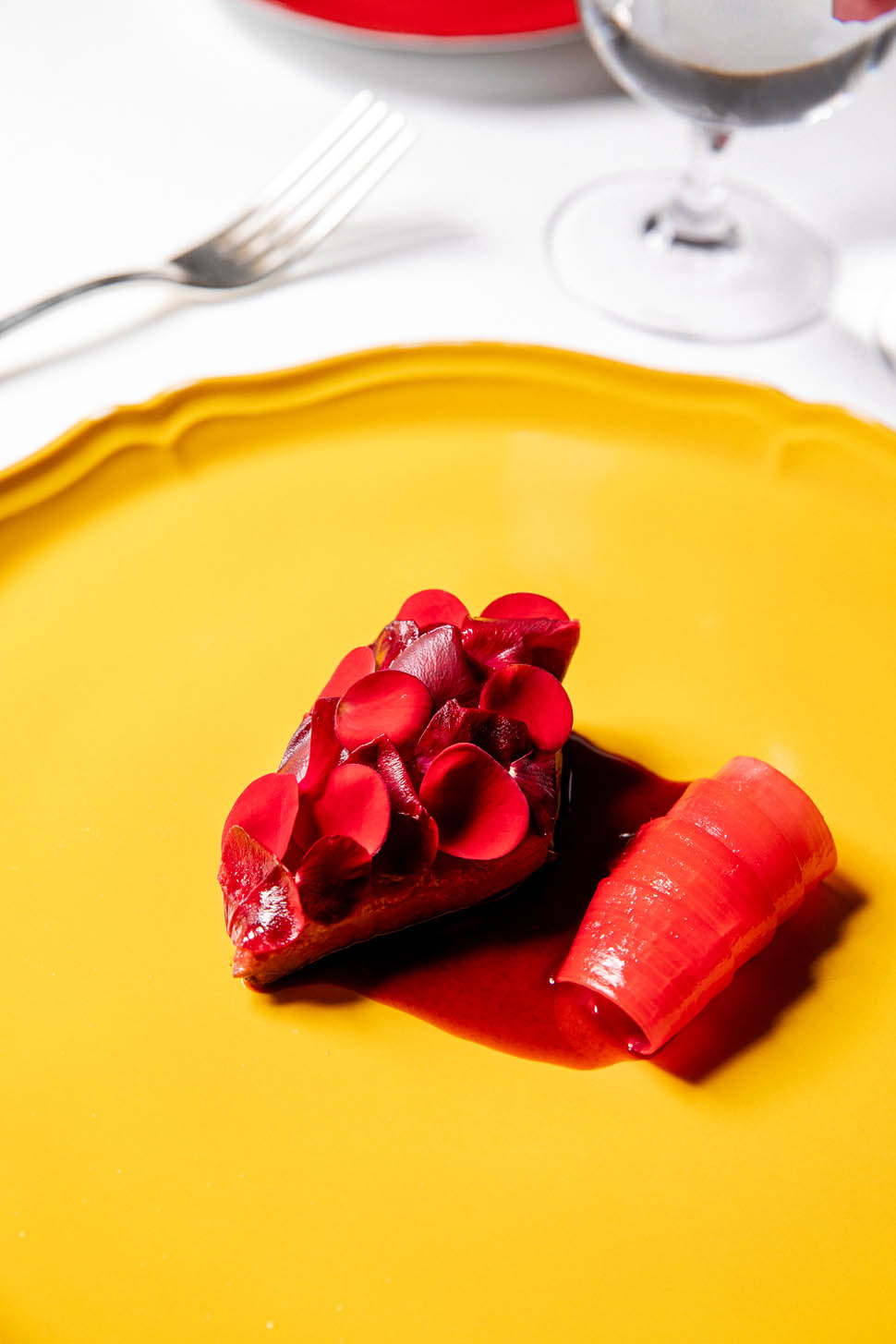
The final rush is approaching with the F80, a vehicle that incorporates some details from previous models and is the latest arrival at Maranello. A concentration of technology and power. In this case, we are served pigeon with a spruce and cherry sauce, marinated spring onion, and a floral touch of rose petals and powder, reminiscent of the car's spine. A concentration of flavor.
Here we see the checkered flag with the Speedform representing the future because, as Enzo Ferrari said, “The best Ferrari ever built is the next one.” This is the most visually striking dish, made using a mold of a Ferrari chassis with details still to be defined. A sweet conclusion between past and future: zabaglione, Villa Manodori balsamic vinegar, and marasca cherries.
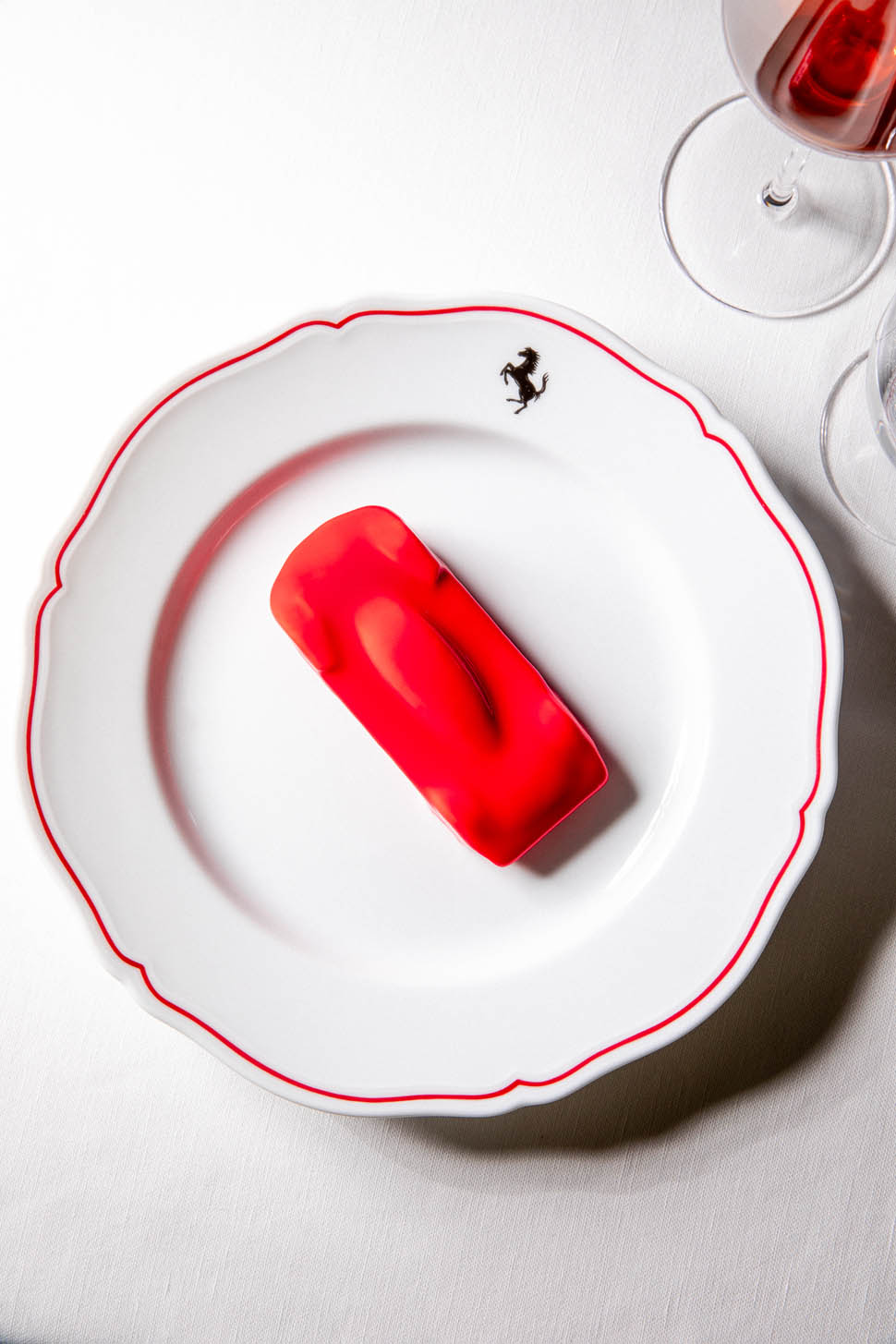
The Grand Prix is over, and the celebrations continue on the podium with petit fours. A sage madeleine, a lemon tartlet with Italian meringue, and a chocolate shaped like a car filled with balsamic vinegar and hazelnut. A menu that accelerates between Italian taste, flavor, and textures, convincing even those who know little or nothing about fast cars and making the concept of slow food and fast cars edible.
Contacts
Ristorante Cavallino
Via Abetone Inferiore, 1, 41053 Maranello MO
Phone: 0536 944877