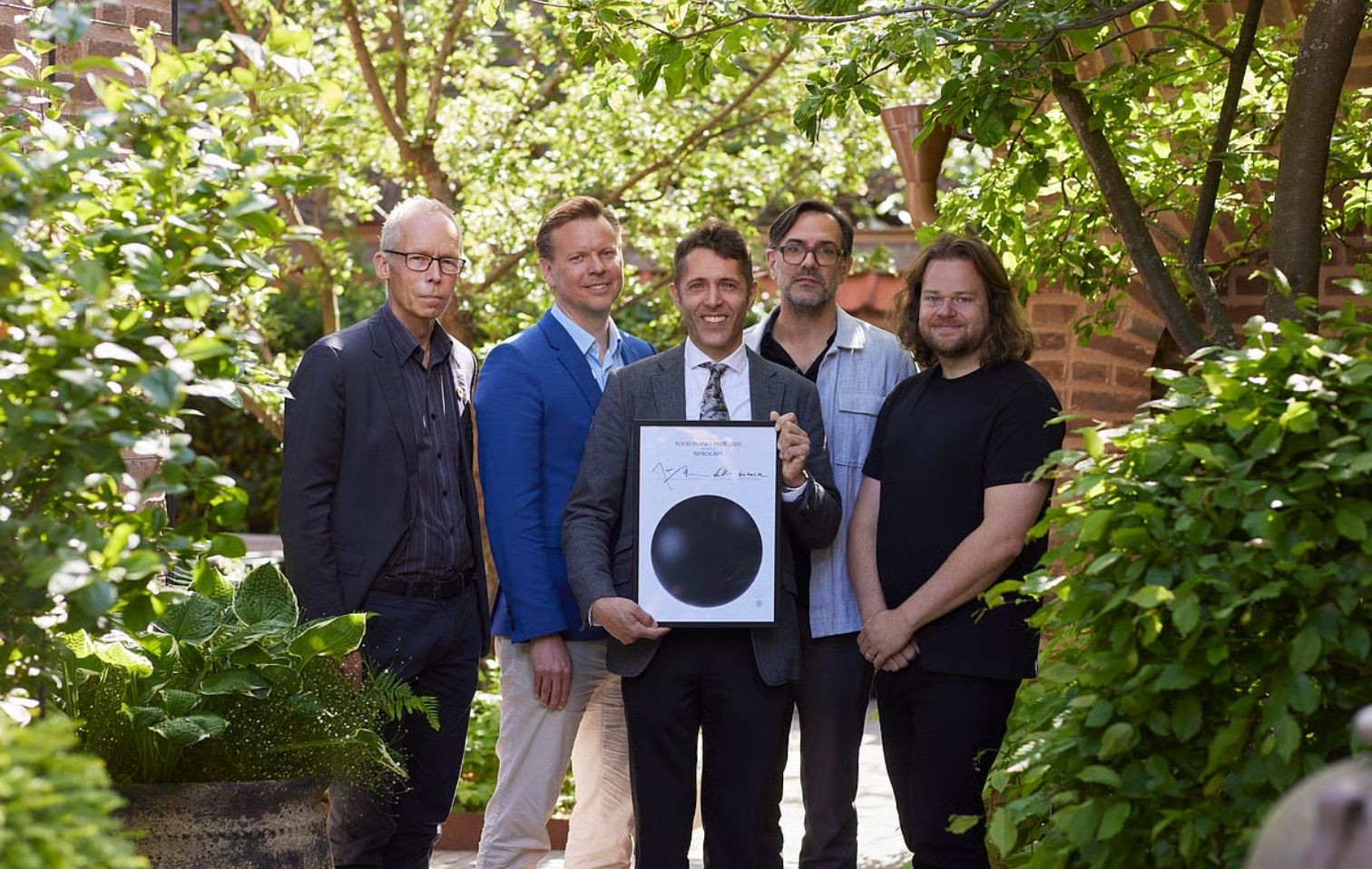
Awarded $2 million at the Food Planet Prize, the talented team at NitroCapt has invented the world's most innovative “green fertilizer.” But how does this major environmental competition work? Don't miss our interview with Magnus Nilsson, co-chair of the jury.
Photos: @Emily Wilson Photography
At a time when food systems account for over one-third of global greenhouse gas emissions—and remain central to cultural identity, livelihoods, and public health—the Food Planet Prize does more than reward innovation: it helps define what transformative change in the food system should look like. It operates as a cultural and strategic lens, scanning the globe for interventions that can radically reduce the environmental impact of how we eat. Established by the Curt Bergfors Foundation, the FPP is the world’s largest environmental award dedicated to food, offering $2 million annually to one project with the potential to reshape the future of the food system.
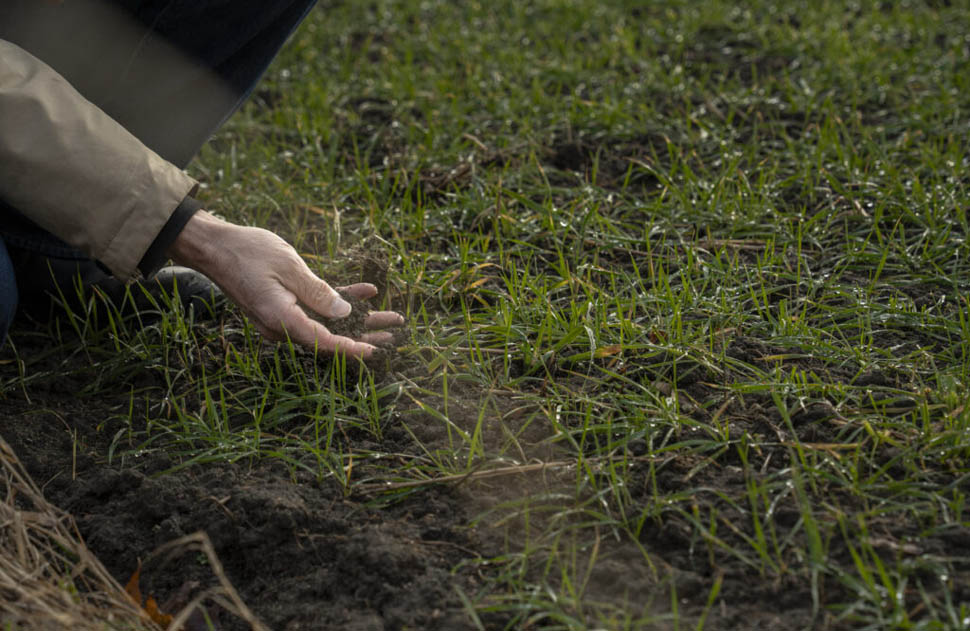
But behind the numbers and ceremony, the Prize performs a more subtle and powerful function: it defines what kind of solutions count. Unlike many awards focused on past achievements, the FPP is explicitly forward-looking. It invests in potential—in ideas not yet scaled, in science not yet commercialized, in behavior shifts not yet mainstream. In doing so, it becomes a global signal of what food system transformation might actually look like, and who is trusted to lead it. The 2025 Food Planet Prize finalists reflected two distinct approaches to food system transformation. Some projects relied on cutting-edge technologies—like plasma-based fertilizers, microbial engineering, or smart irrigation sensors. Others focused on ecological methods and community-based knowledge, rooted in traditional farming and local practices. Both categories aim for large-scale impact, but they reflect different ideas about where real power lies: in scientific tools and scalable innovation, or in the collective wisdom of farmers, communities, and ecosystems.
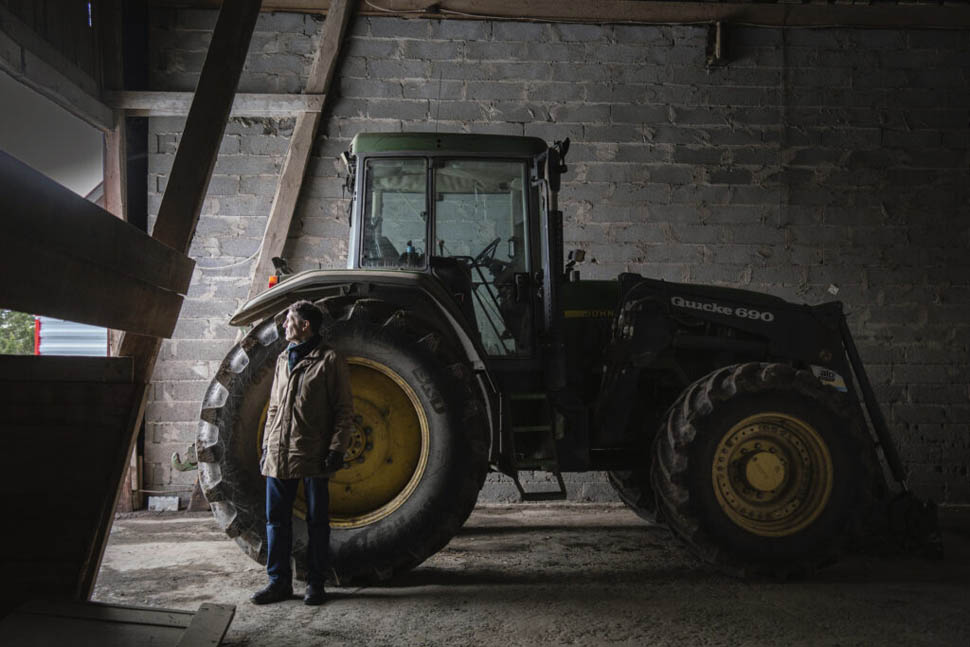
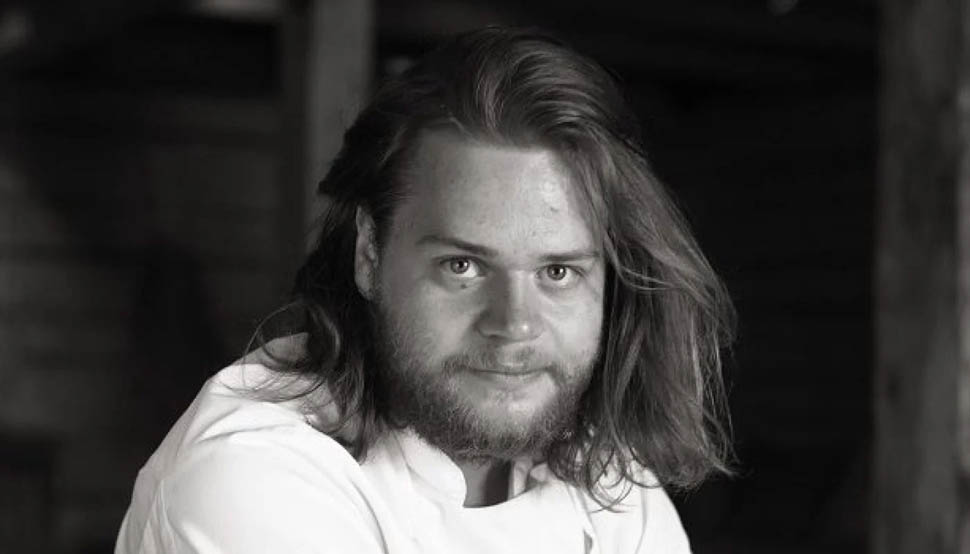
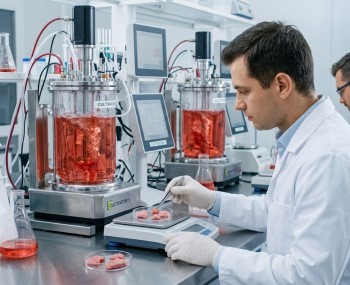
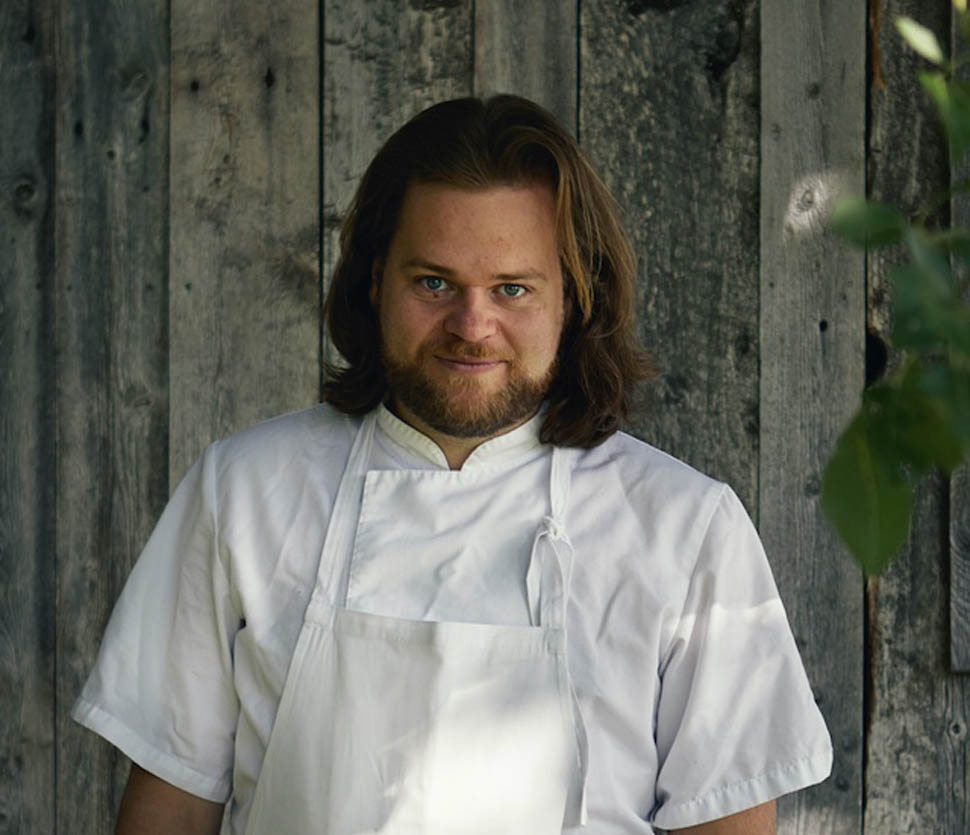
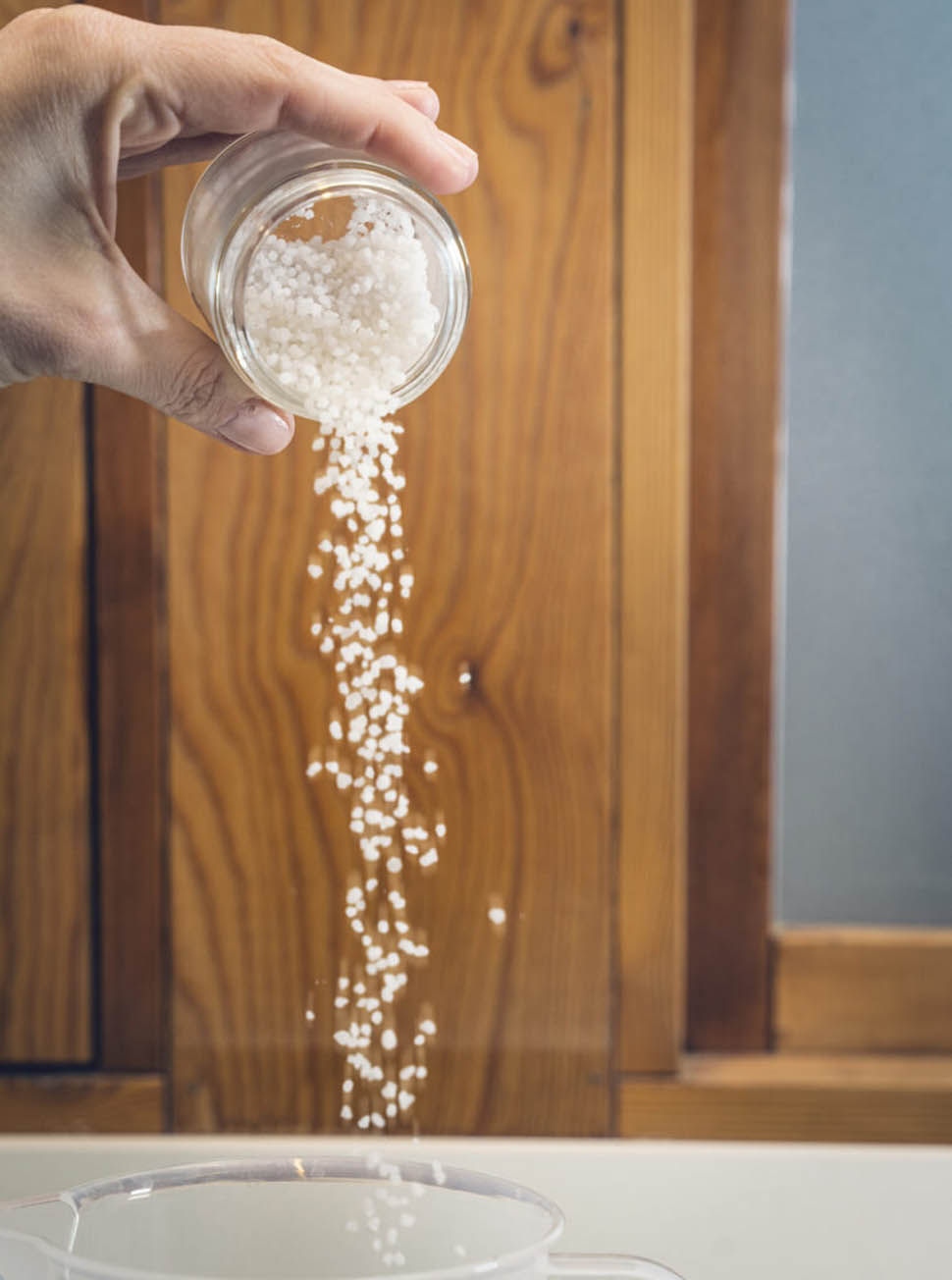
The decision to award this year’s Prize to NitroCapt—a Swedish company producing zero-emission nitrogen fertilizer using plasma technology—highlighted a solution with clear potential for large-scale environmental impact. Targeting one of agriculture’s most emissions-intensive inputs, NitroCapt’s approach offers a cleaner way to produce synthetic fertilizer, a process responsible for significant global greenhouse gas emissions. The jury recognized it as the most impactful among the six finalists in 2025, based on its innovation, feasibility, and future scalability. To unpack the complexities behind this year’s Prize, and the philosophies that guide its jury, we spoke with Magnus Nilsson, Director General of the Curt Bergfors Foundation, co-chair of the Food Planet Prize jury, and founder of Pensionat Furuhem, a values-driven guesthouse project on Sweden’s Bjäre Peninsula. In the conversation that follows, Nilsson reflects on how impact is evaluated, who holds knowledge in the food system, and why values must drive not just innovation, but ownership and execution.
When you assess the 1,000+ submissions, what kinds of ideas sound good—but fall apart when viewed through real-world complexity?
The important thing at that stage is not to let what sounds good at first glance fool you. You have to tell yourself to stay equally curious about every single nominee until you’re certain they’re not a winner. We believe that’s how you eventually discover truly disruptive ideas—and avoid discarding them too soon.
Is there a proposal or idea that completely shifted the way you think about food systems?
Every single year—many! For me personally, that’s the greatest joy of this project.
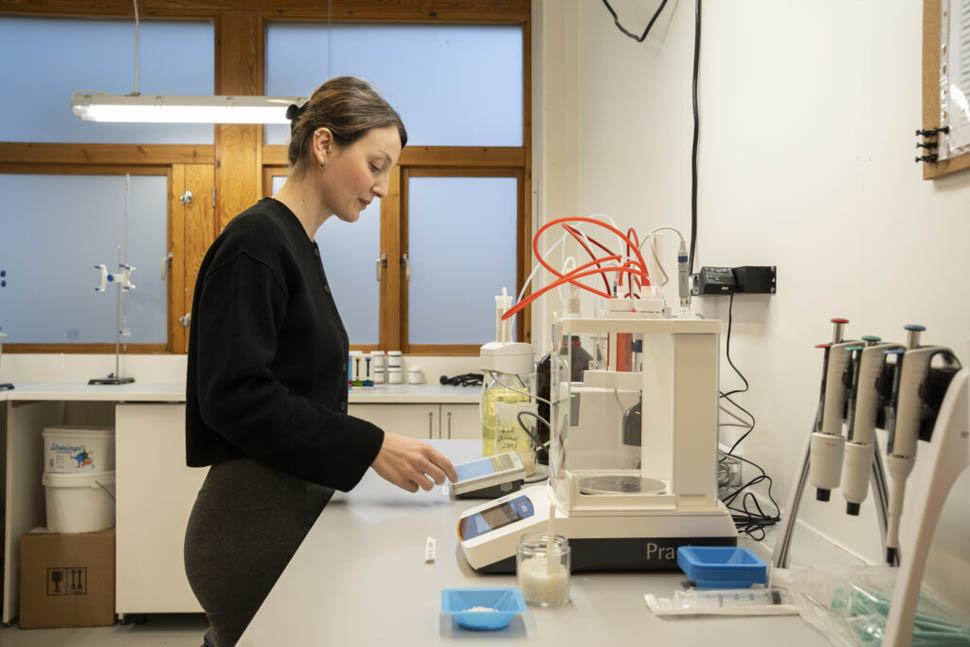
Several finalists use high technology (sensors, plasma nitrates), while others focus on local behavior change. Which do you instinctively trust more—and why?
I often gravitate toward nature-based solutions in primary production, perhaps because that aligns with my personal interests. But that’s exactly why we have a jury of ten people, each with very different perspectives and preferences, representing all parts of the food system. It ensures we choose the most impactful winners—not just what appeals to one individual.
Many of the Prize finalists rely on smallholder farmers and community adoption. What do these models tell us about trust—and who really holds knowledge today?
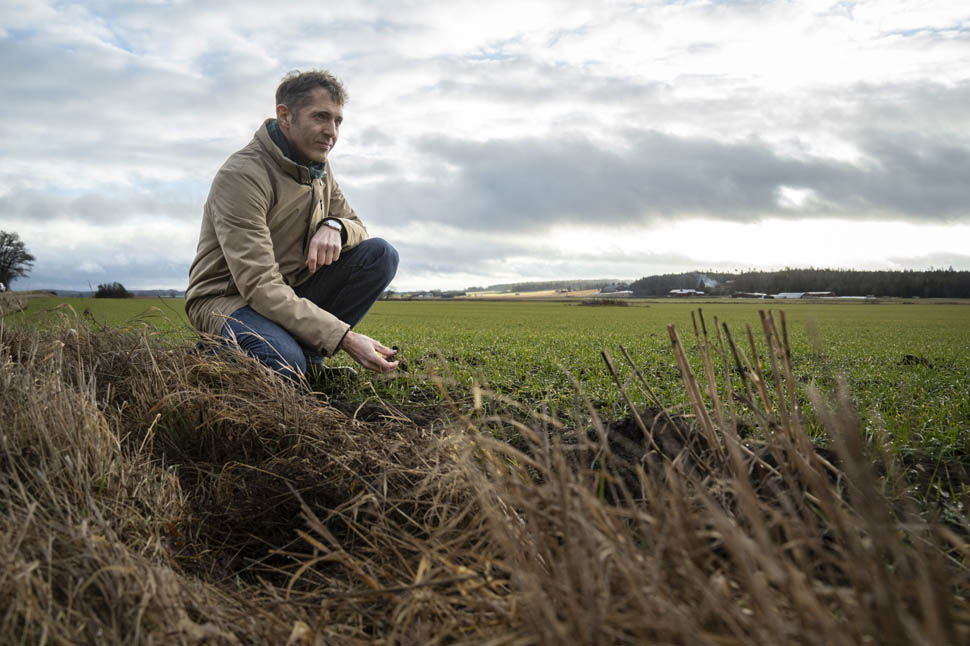
Especially in the Global South, a significant share of food production is carried out by smallholders. The number of initiatives that rely on them simply reflects that reality—and the importance of motivated communities in creating any lasting change.
In your view, who is still underrepresented in global food system innovation? Are there voices or places that remain consistently overlooked?
We try very hard to represent the whole world and the whole system through our nominations. Still, some regions remain underrepresented. It’s harder for us to reach certain areas than others. China is one example—we’d really like to see more nominations from there, considering the scale of innovation happening and the size of the population.
Has reading through these projects made you rethink anything you're doing at Pensionat Furuhem or your other businesses? If you could design one project that doesn’t exist yet—but needs to—what would it be?
Furuhem came as an idea after I had already worked for several years on the Food Planet Prize, so I wouldn’t say it made me rethink things—but the perspectives I gained from this work definitely informed the project from the start.
How are you designing work at Pensionat Furuhem to make it human, not extractive—for your team, your land, your energy?
By building a business that’s completely integrated into the local community at every level. Several key people have committed to moving here, becoming part of the project—and have been given the opportunity to buy in and become co-owners. I believe co-ownership leads to more balanced and thoughtful decisions in almost every case.
How do you make a value-driven food project economically viable—without watering down what made it meaningful in the first place?
All hospitality is driven by the values of the people who provide it—and hospitality businesses by the values of those who own them. You can’t compromise on that. If someone thinks they can, they’re fooling themselves. We all have different values, which is why every business functions differently. Whether our values can sustain a financially viable business—we don’t know yet, even though we firmly believe so. All we can do is run the business to the best of our abilities, charge what it costs, and leave the rest up to our customers. If they find it worthwhile, they’ll come. In that way, our success lies in the hands of others—like in all businesses.
What compromises are unavoidable when trying to make ideal-driven work sustainable?
I don’t know—because I’ve never compromised on my values, and I never have. That might sound like a lie, but it’s not. At the same time, I’m very pragmatic and resourceful in how I execute ideas. I’ve found that being flexible in method, while remaining inflexible in values, often gets you further than ideological compromise. And that mindset makes it easier to say no when necessary.