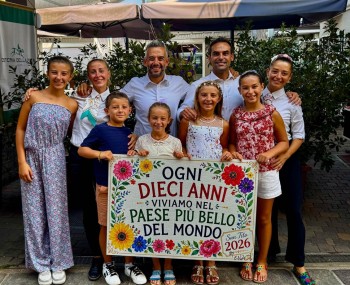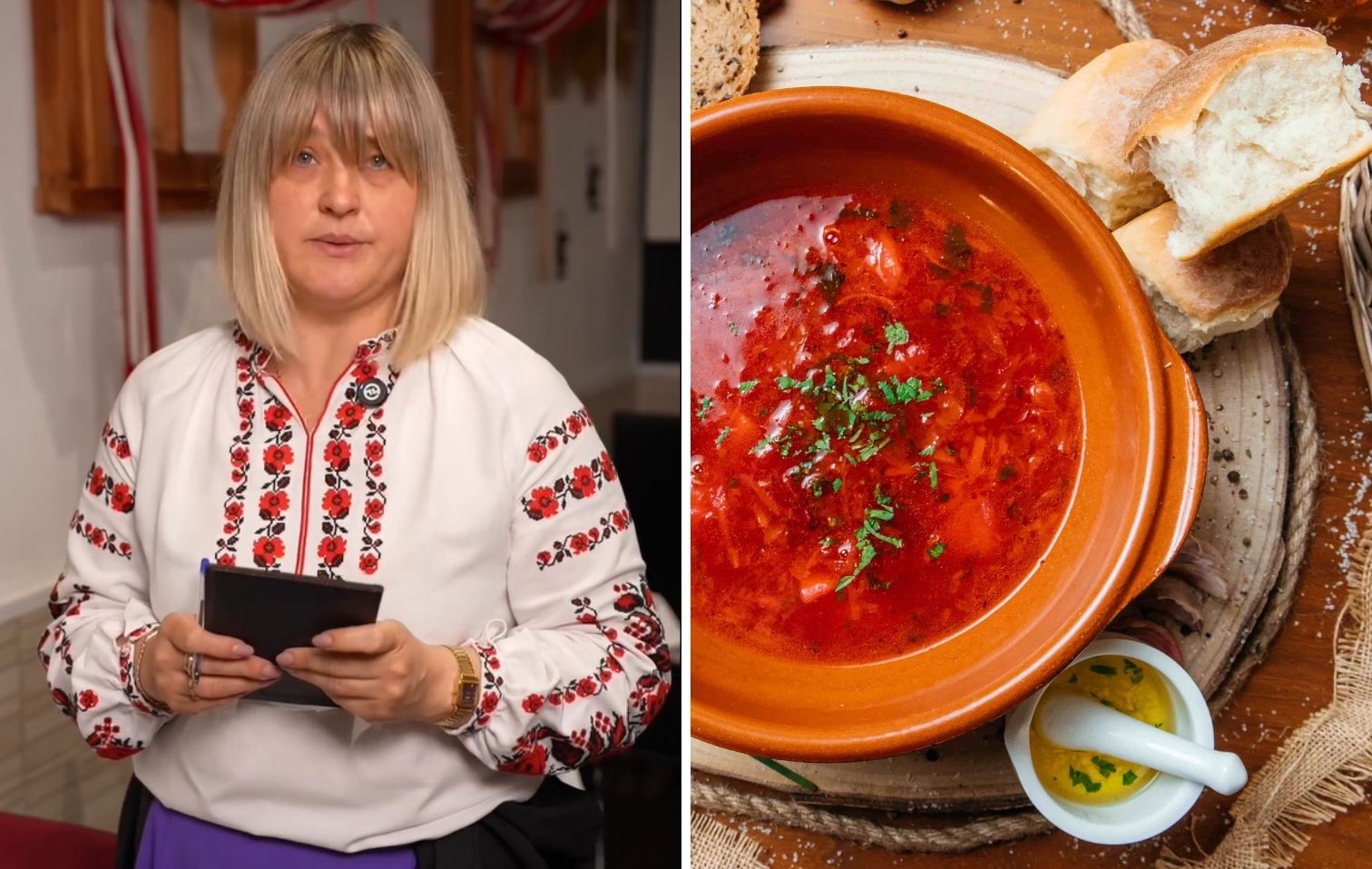
That’s how Korchma Rodyna came to be—the first Ukrainian restaurant to open in Barcelona. It’s a family project in the most literal sense, because each family member brought their own skills to the table even before they started thinking about running a restaurant.
Kseniia, originally from Kherson, worked as an interpreter for nearly twenty years after studying English and Spanish philology. Her mother, Liliia, has always been the family cook and also spent a long time working in the kitchen at the Hostal del Carme in Vilagrassa. Her father, Anatolii, handles organization and purchasing. Her sister, Julia, is a dancer and curates the shows that liven up some of the restaurant’s evenings. More than just a restaurant, it feels like the result of a decision made around the family dinner table. “We asked ourselves what each of us did best, and we built everything from there,” Falchenko told La Vanguardia.
A cuisine that has become better known since the war
When the restaurant opened, Ukrainian cuisine was still little known in the city. The Russian invasion has inevitably changed this as well. Many people began to take an interest in the country’s culture and, along with its history and traditions, also discovered a cuisine that until then had remained virtually unknown outside its national borders. Korchma Rodyna was founded in part for this reason: to offer a gathering place for the Ukrainian community living in Barcelona and, at the same time, to allow those who had never tasted these dishes to experience a cuisine that is often described only superficially. The restaurant also operates on a different schedule than is typical in Spain. It stays open from lunchtime until midnight to accommodate both Mediterranean and Ukrainian customs, where dinner is generally served much earlier.
Recipes are still passed down through the hands of those who prepare them
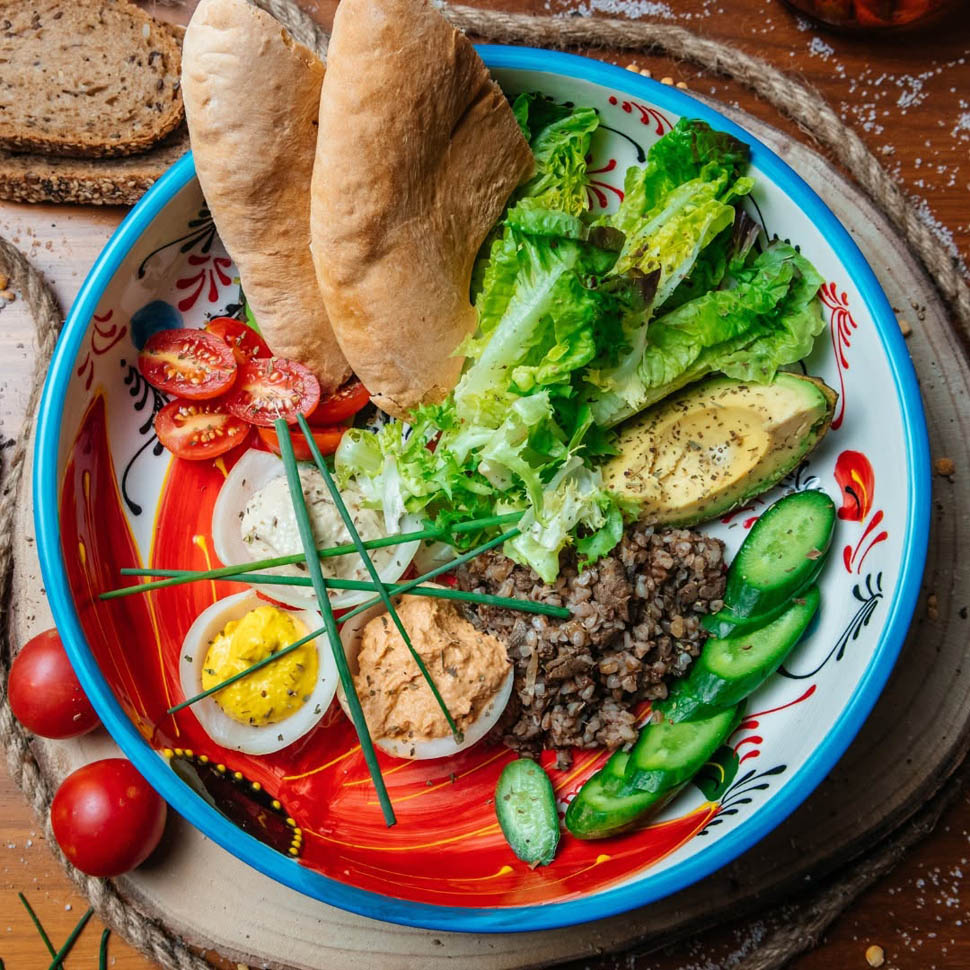
Of all the topics, the one Falchenko addresses with the greatest conviction is family memory. Her mother continues to work in the kitchen, and by watching her, Falchenko and her sister are trying to preserve a heritage that, they explain, is in danger of being lost. “Our parents are getting older, and we need to learn everything they know. The recipes that truly capture the flavor of home cooking are passed down from one generation to the next.Google can help, ChatGPT can offer suggestions, but that kind of knowledge comes from watching someone cook right beside you.” That statement doesn’t imply a rejection of technology. There’s an awareness that many dishes have never made it into a cookbook. They live on in the memories of those who’ve been making them for decades, in gestures that no one measures precisely, and in small adjustments that you learn only by standing at the stove alongside your parents.
From Borscht to Vareniki: A Journey Through Ukrainian Cuisine
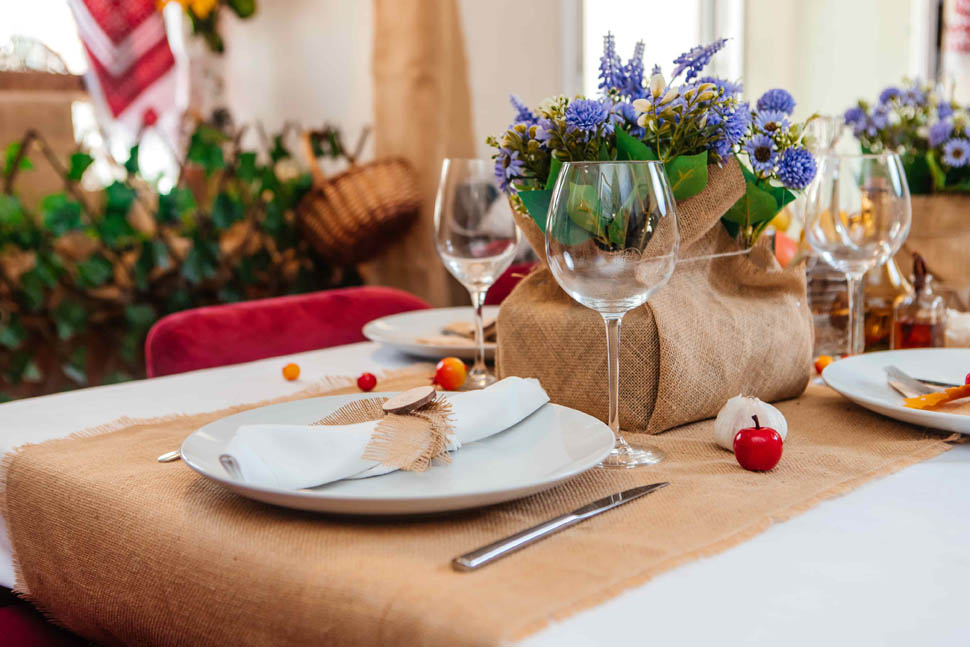
The menu features dishes from various regions of the country. Borscht is almost always the first dish recommended to first-time visitors, served with salo—the traditional cured lard—and a glass of vodka. For Falchenko, it’s also an opportunity to highlight how this soup is an integral part of Ukrainian culinary tradition. Alongside the great classics, the menu features various versions of the salad made with herring or tuna, as well as vareniki—the distinctive crescent-shaped dumplings that set Ukrainian cuisine apart from other Eastern European traditions. The menu also includes lesser-known dishes and a few international offerings, designed primarily for Ukrainian customers who occasionally want a change of pace.
The Job Changes, but the Connection with People Remains
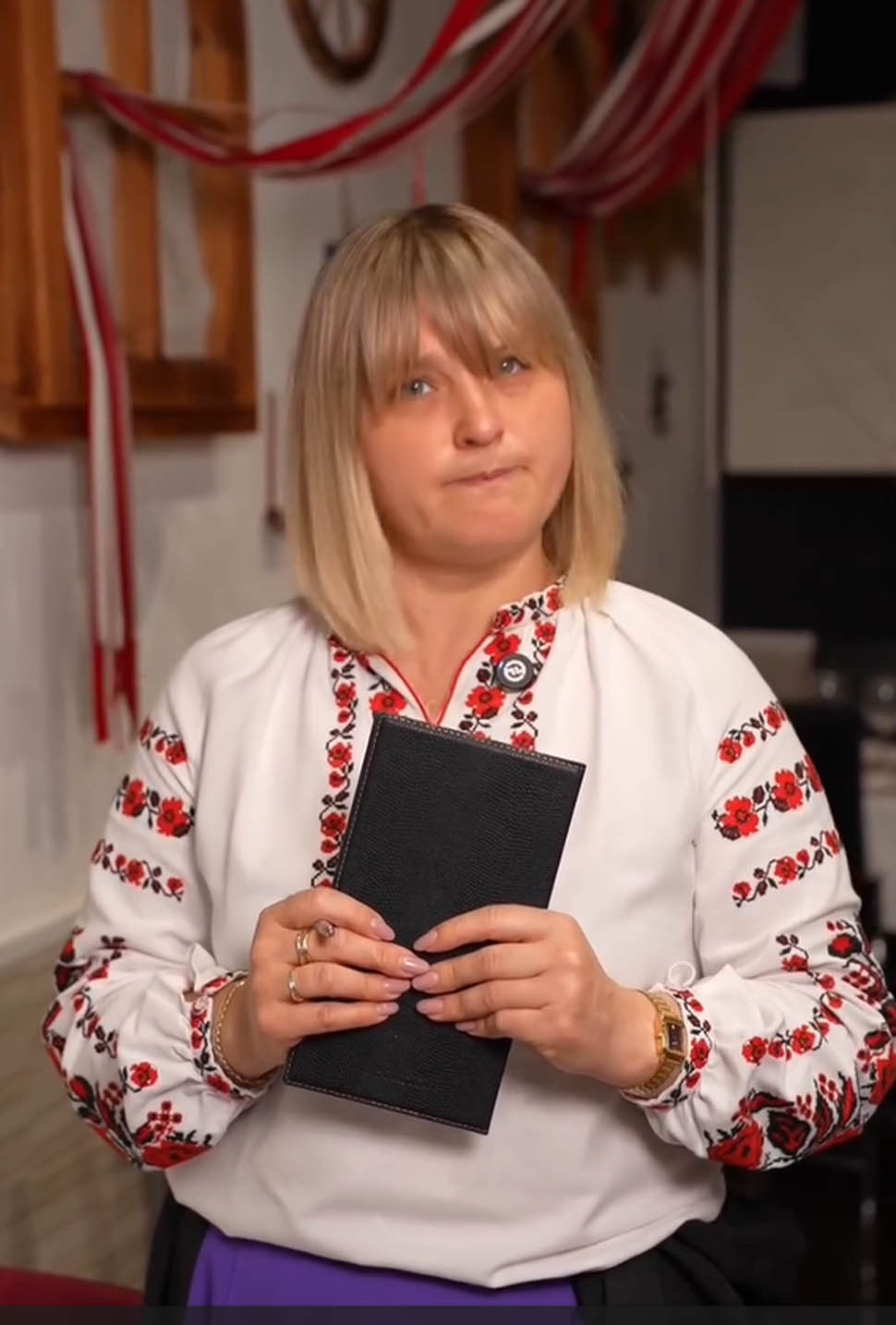
When asked what her work as an interpreter has given her, Falchenko doesn’t mention languages. “I often found myself in the midst of complicated negotiations. I had to figure out when to step in, find the right words, and make sure everyone felt heard. Something very similar happens in the dining room. My goal is to make people feel comfortable.” This is probably the most obvious thread running through her story. Before, she helped people from different countries understand one another. Today, she guides customers through a culture that many are still unfamiliar with, explaining ingredients, recipes, and traditions with the same ease with which, until a few years ago, she used to translate a conversation