Empty tables, waste, and losses: A wake-up call in England regarding the “no-show” phenomenon
There’s one scent that should never be missing from the kitchen: the aroma of freshly baked bread, fresh produce picked at dawn, and the joy of sharing a meal. But in restaurants across the United Kingdom, an unwelcome and silent guest has crept in to dampen the kitchen staff’s enthusiasm:the “no-show”—the infamous habit of reserving a table and vanishing into thin air without notice.
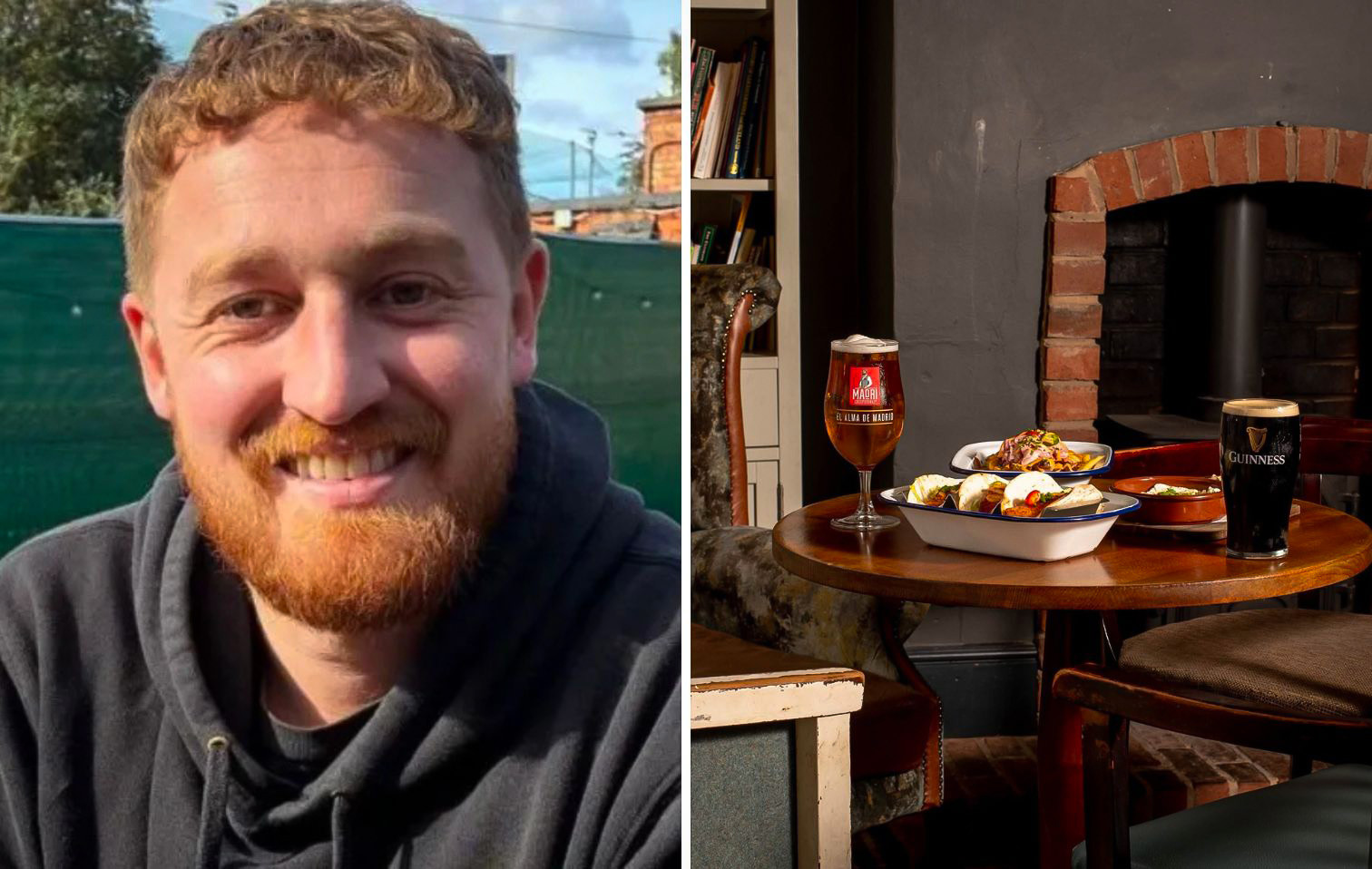
Lifting the veil on a scourge that is literally bringing the independent restaurant industry to its knees is JJ Wainwright, innkeeper and manager of historic establishments in Leicester—including The Craddock, The Clarendon, and the recently reopened The Donkey. The assessment provided by the chef and restaurateur in an interview with the BBC is grim: over 1,000 pounds (and even more in euros, given the exchange rate!) in monthly losses due to chairs that remain inexorably empty.
The Bitter Math of the Kitchen: Between Operating in the Red and Food Waste
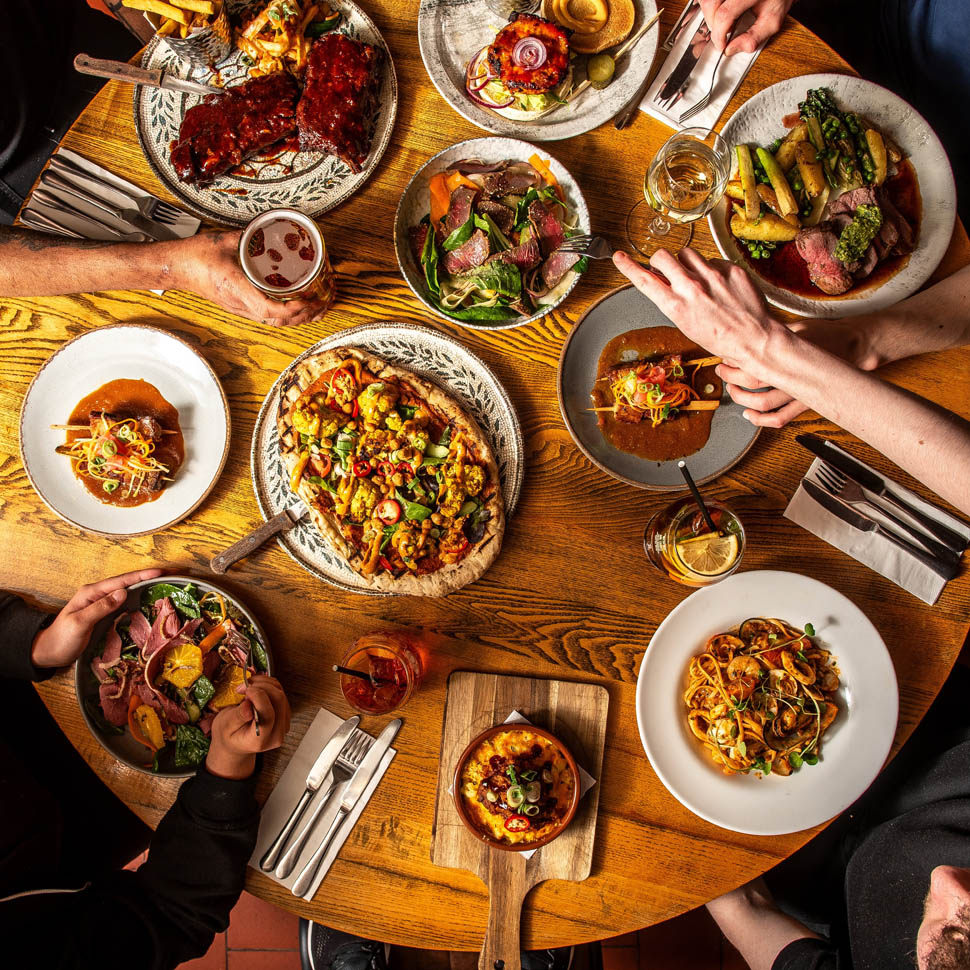
The financial loss isn’t limited to a single missed reservation. In kitchens where quality and seasonality are the guiding principles, spending is planned down to the last detail.
- Disrupted Kitchen Operations: Ordering fresh ingredients based on expected reservations means risking food waste if a group decides to cancel at the last minute.
- A domino effect on limited seating: In a dining room with 60 seats, seeing a table of 10 people vanish means not only suffering a financial loss of at least 20 pounds per person (which skyrockets for large groups), but also having to turn away other customers eager to be seated.
- The paradox of major holidays: During peak holidays like Father’s Day, the tendency to “double-book” just to be safe—and then forget to cancel the extra table—creates a frustrating catch-22: the restaurant appears “sold out” on paper, but has empty tables in reality.
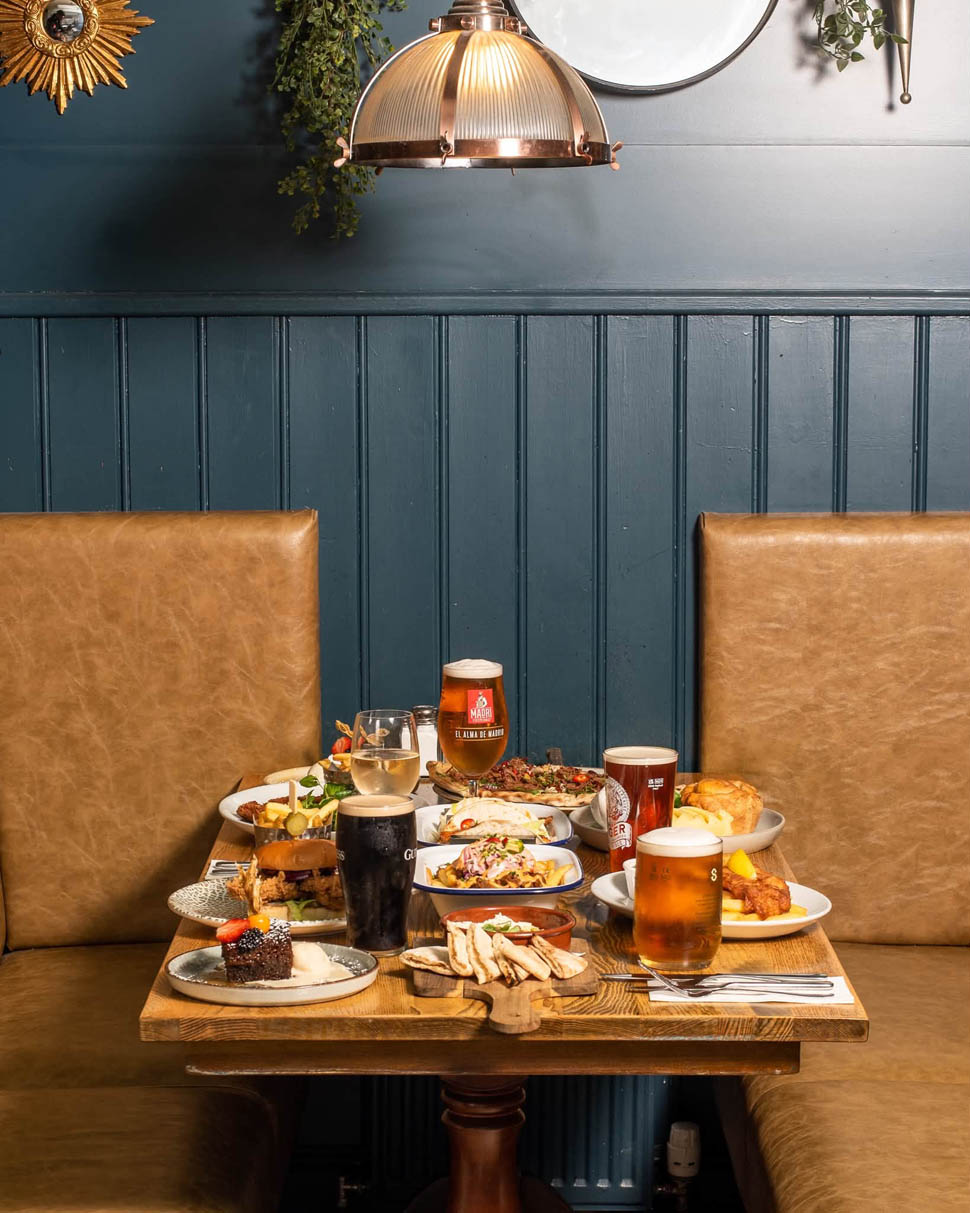
The situation is so dire that a recent OpenTable survey—as reported by the BBC—has named Leicester the worst city in the United Kingdom for the number of no-shows at restaurants, surpassing cities like Birmingham. This bitter distinction is also confirmed by Jennifer Gallie, manager of The White Horse pub, who even reports that some people use fake contact information when making reservations in order to “keep all their options open” without regard for others’ work.
A Call for Kindness: All It Takes Is a Phone Call
The hospitality industry isn’t just voicing complaints—it’s issuing a heartfelt appeal. Trade associations like UKHospitality, speaking through Tony Sophoclides, point out that most establishments avoid imposing strict deposits or down payments, to preserve the warm and welcoming atmosphere that has always defined the sector.
However, with operating margins already under severe strain from widespread price hikes, the unwritten rules of dining etiquette must change. Chef Wainwright’s online appeal is as simple as it is essential: all it takes is a quick phone call—even just an hour in advance—to allow another food lover to take a seat at the table, save a precious ingredient, and breathe new life into an industry that thrives, above all, on passion and mutual respect.