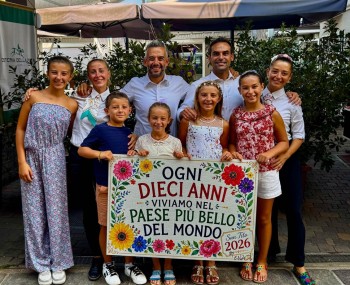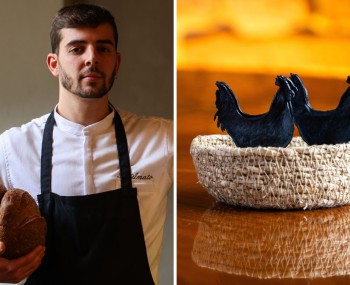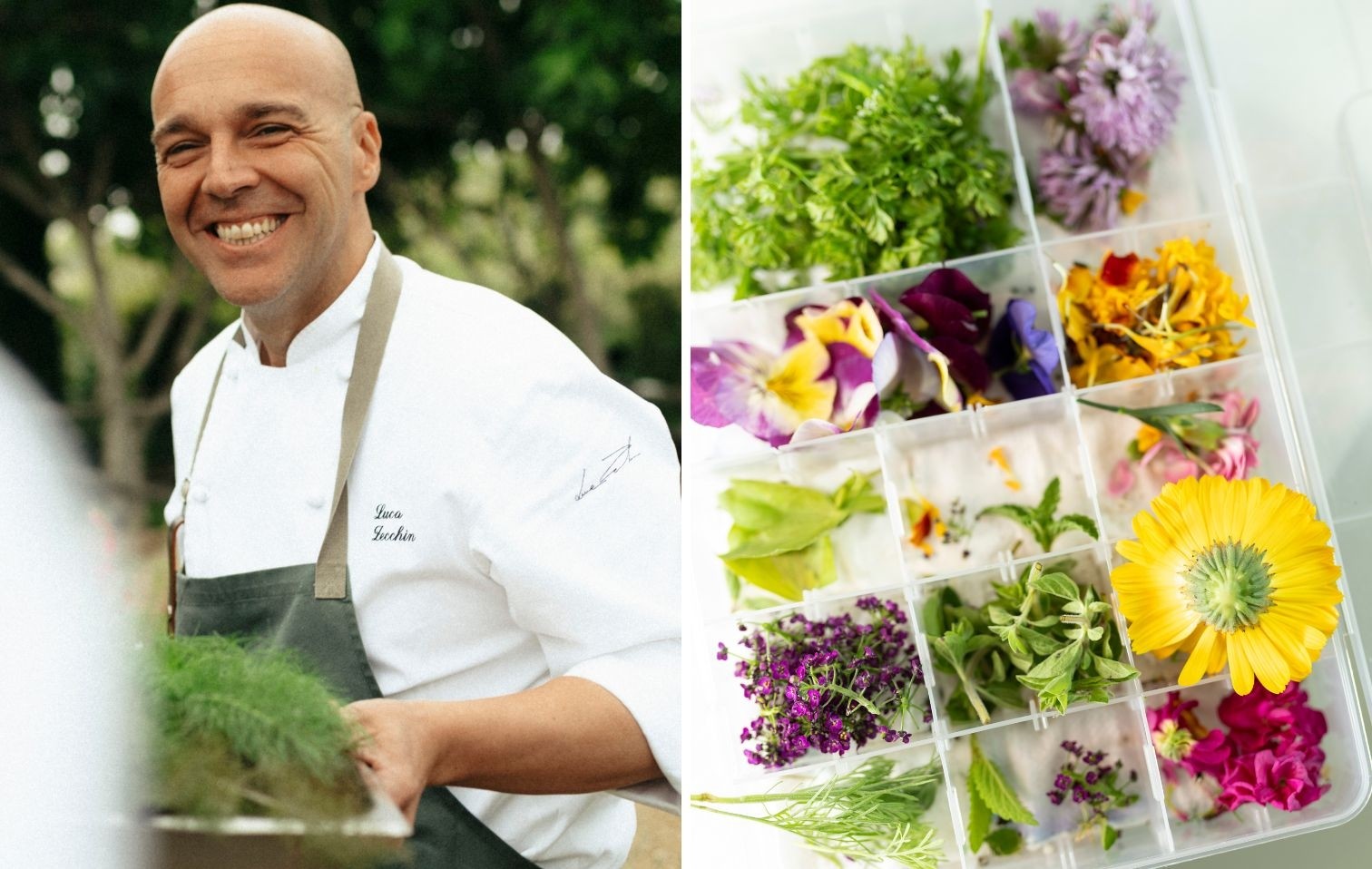
Set amid the organic Barolo vineyards and the hazelnut groves of the Langhe, the project by the Bagnasco family and chef Luca Zecchin creates a culinary experience centered on vegetables, aromatic herbs, and human sustainability. Sous chef Federico Rolla explains how this daily exploration came to be.
*Content with promotional purposes
In the Langhe, there are restaurants where the landscape—with its gentle slopes covered in neat vineyards, hazelnut groves, and woods—flows directly into the kitchen. Coltivare Agri.Relais was born precisely from this concept: to create a hospitality project in which agriculture, hospitality, dining, and beauty are constantly intertwined.
THE VEGETABLE GARDEN AS A LABORATORY OF IDEAS
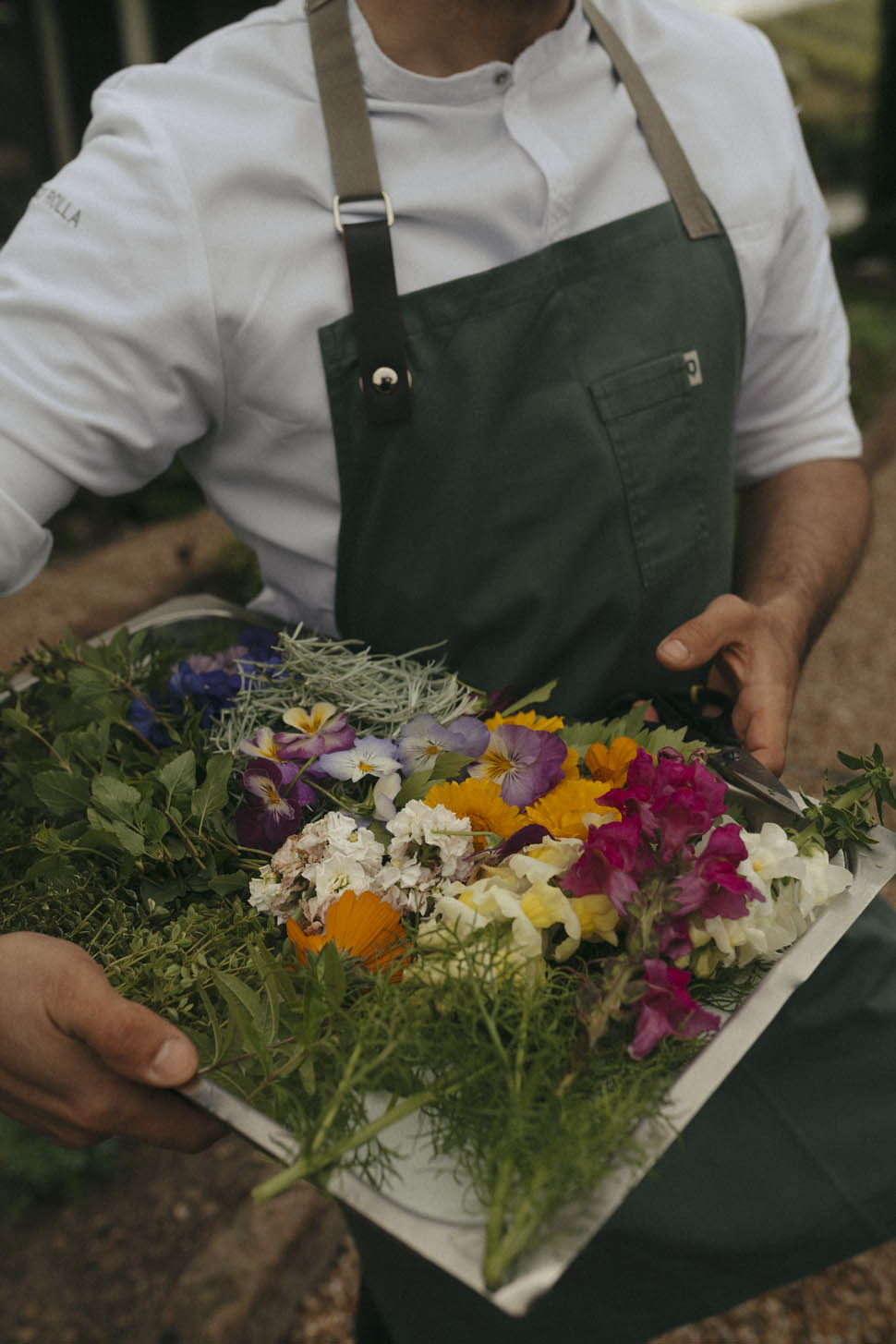
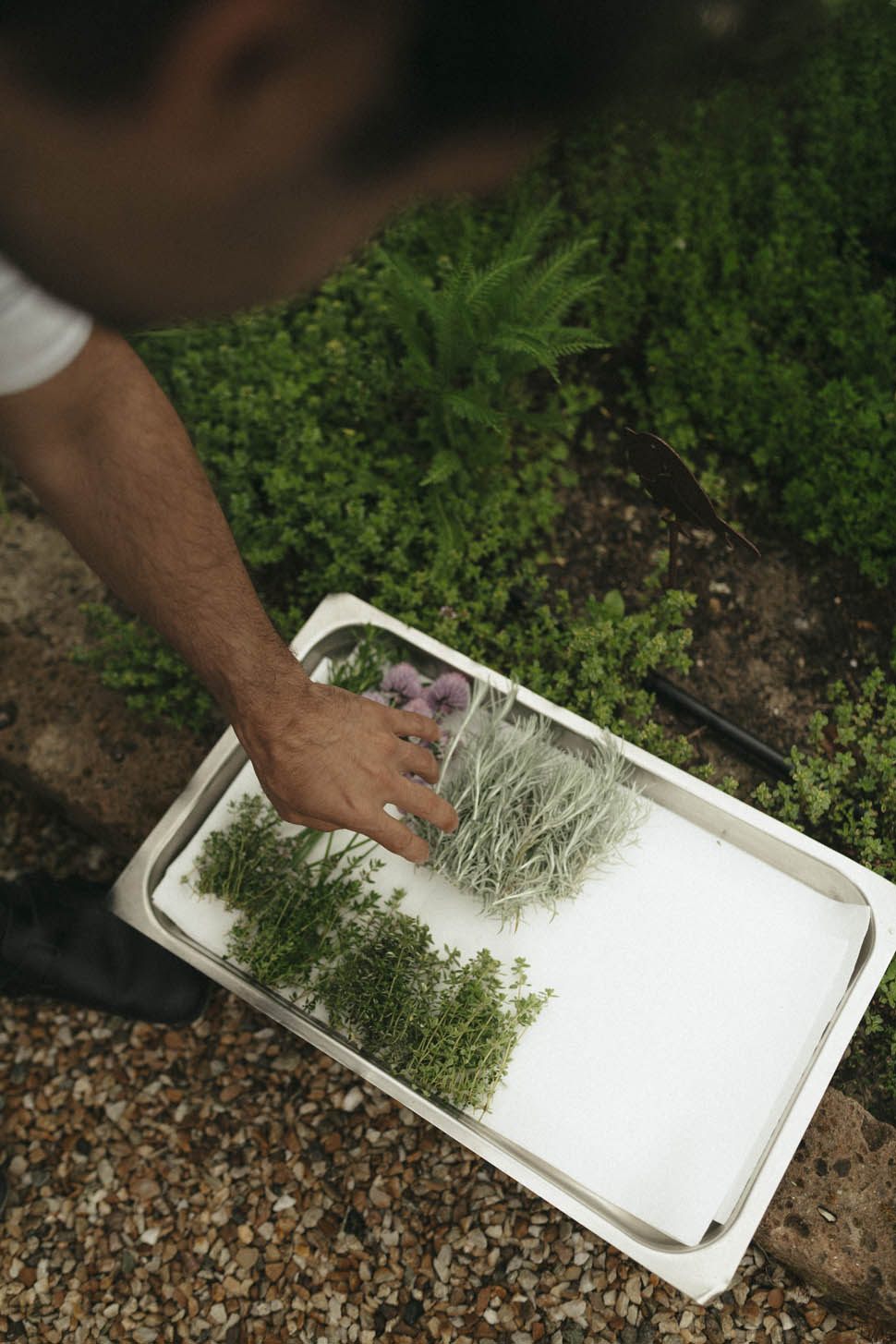
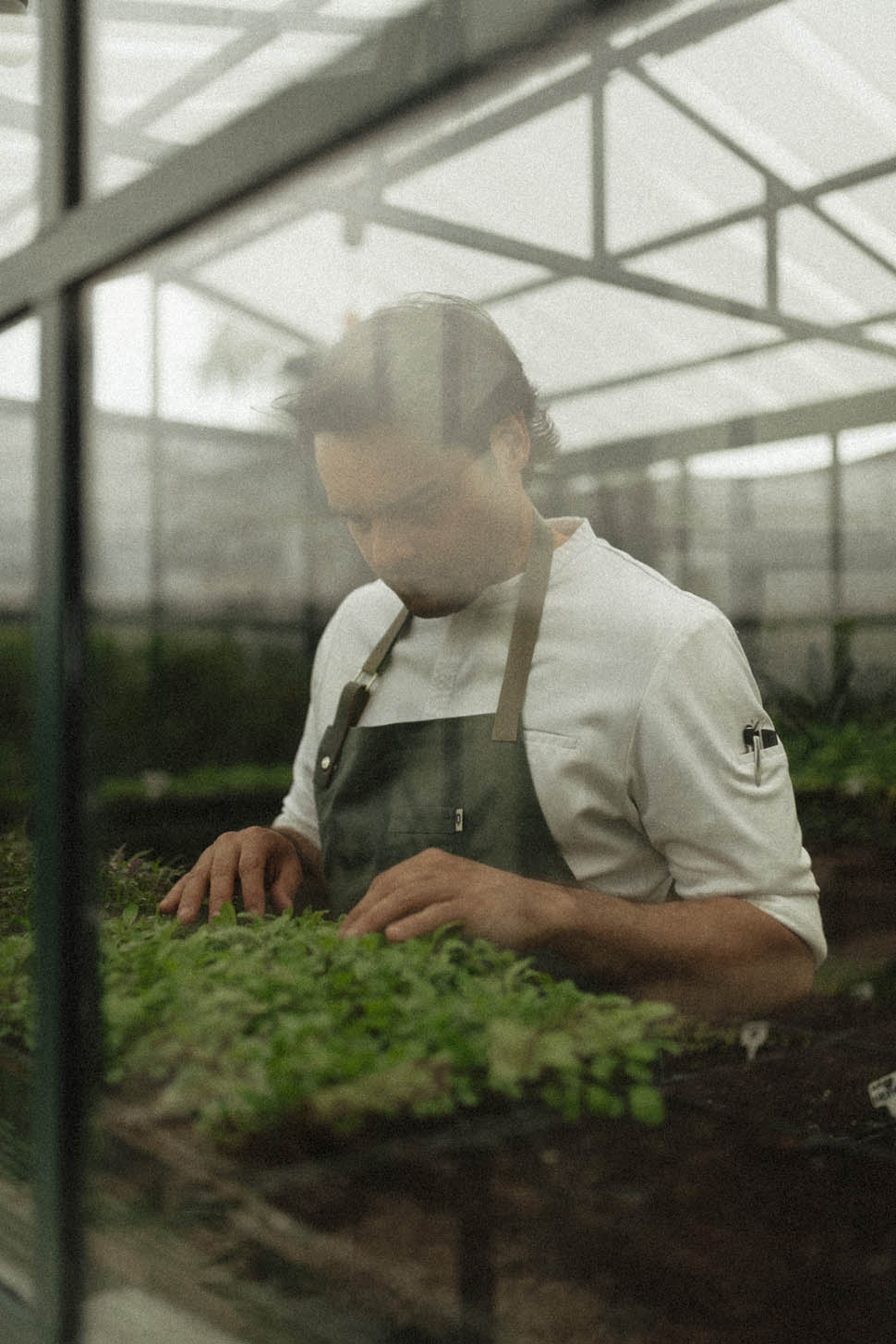
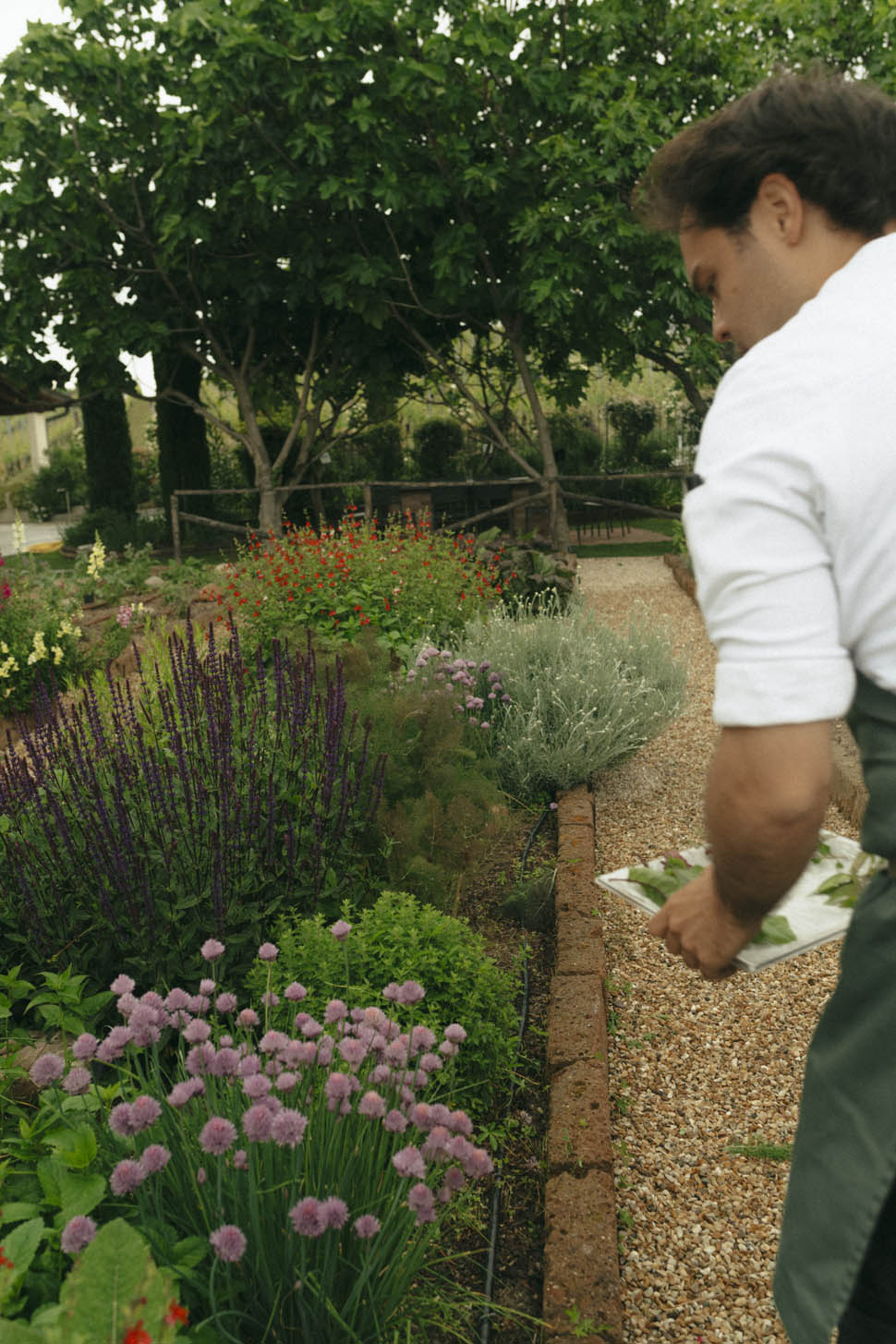
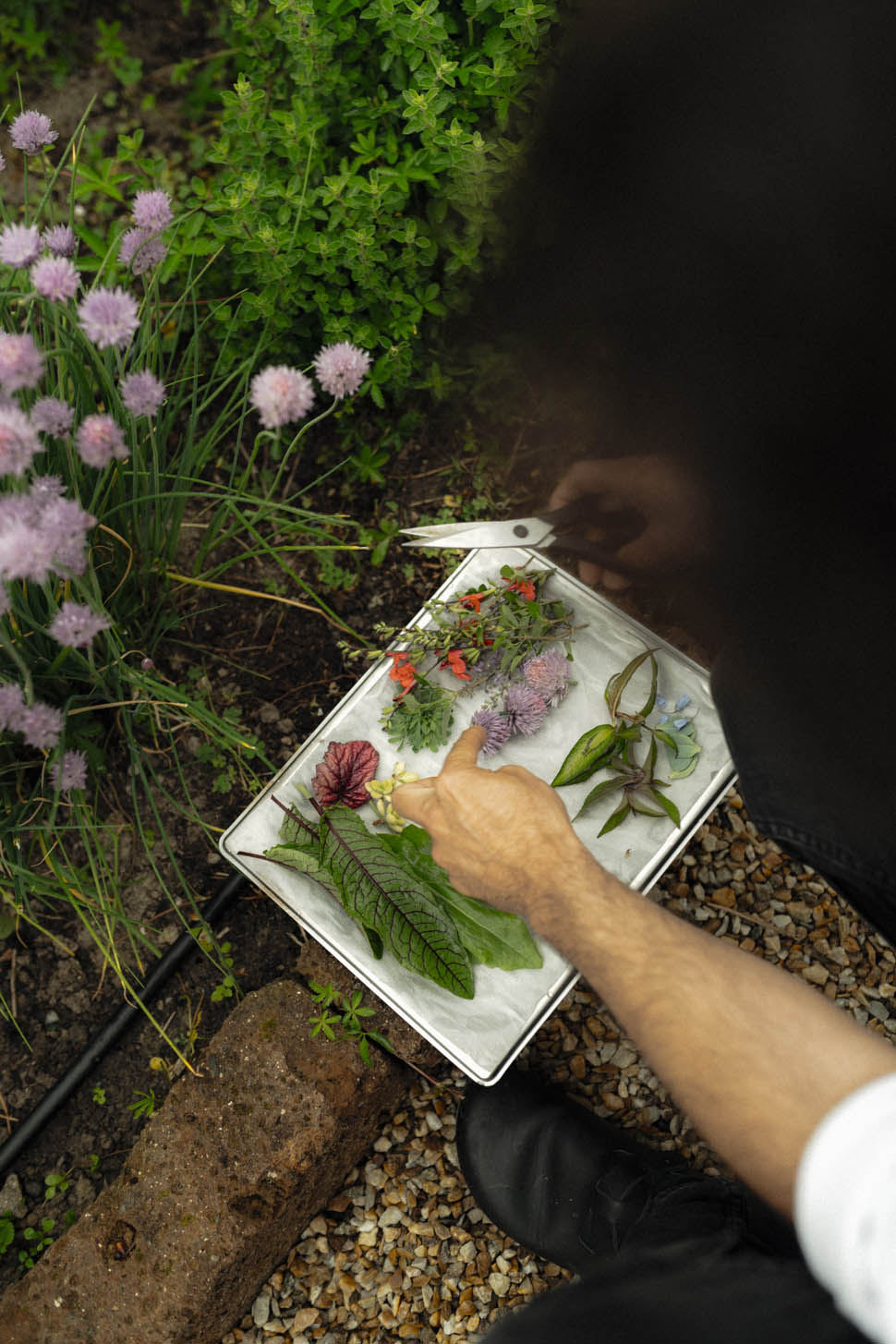
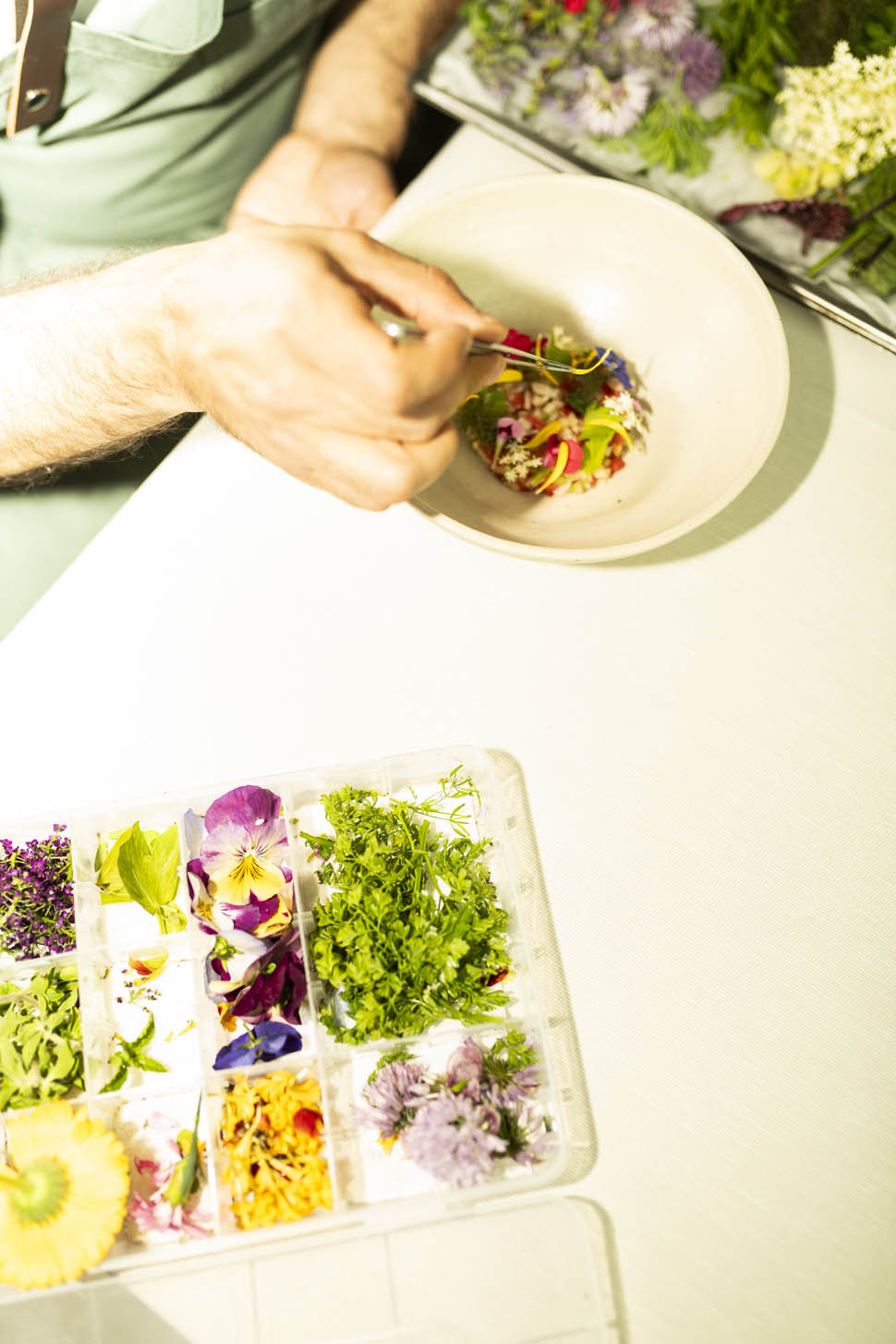
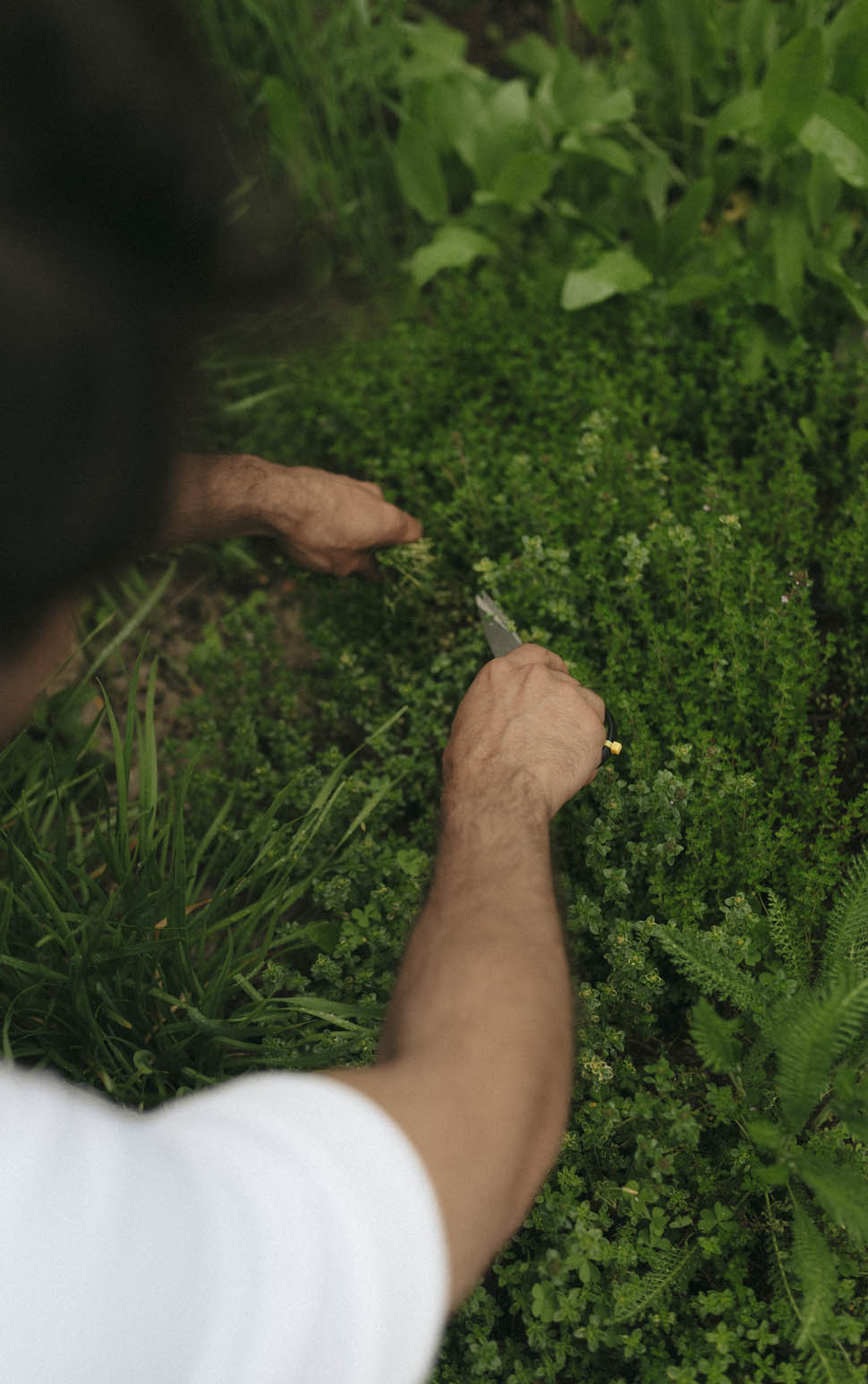
In recent years, the vegetable garden has become almost a symbol of contemporary dining, but at Coltivare, the approach is more practical. Federico Rolla, the restaurant’s sous chef, explains how the project has evolved over time, shifting over the years from a general-purpose garden to a focus increasingly centered on aromatic herbs, spices, sprouts, and fine herbs. Coltivare has decided to focus its efforts on this aromatic world, which allows for more precise and innovative culinary exploration, pushing the boundaries of flavors, aromas, and aesthetics. Today, over 150 species are grown in the garden: varieties of aromatic herbs and edible flowers of Mediterranean, Asian, and South American origin. Dozens of fine herbs are sown in the greenhouse, where they sprout within a few days to be used in the kitchen. The Nordic influence is evident: Rolla recounts his experiences in Copenhagen and how Scandinavian cuisine works with berries, flowers, and foraged ingredients.
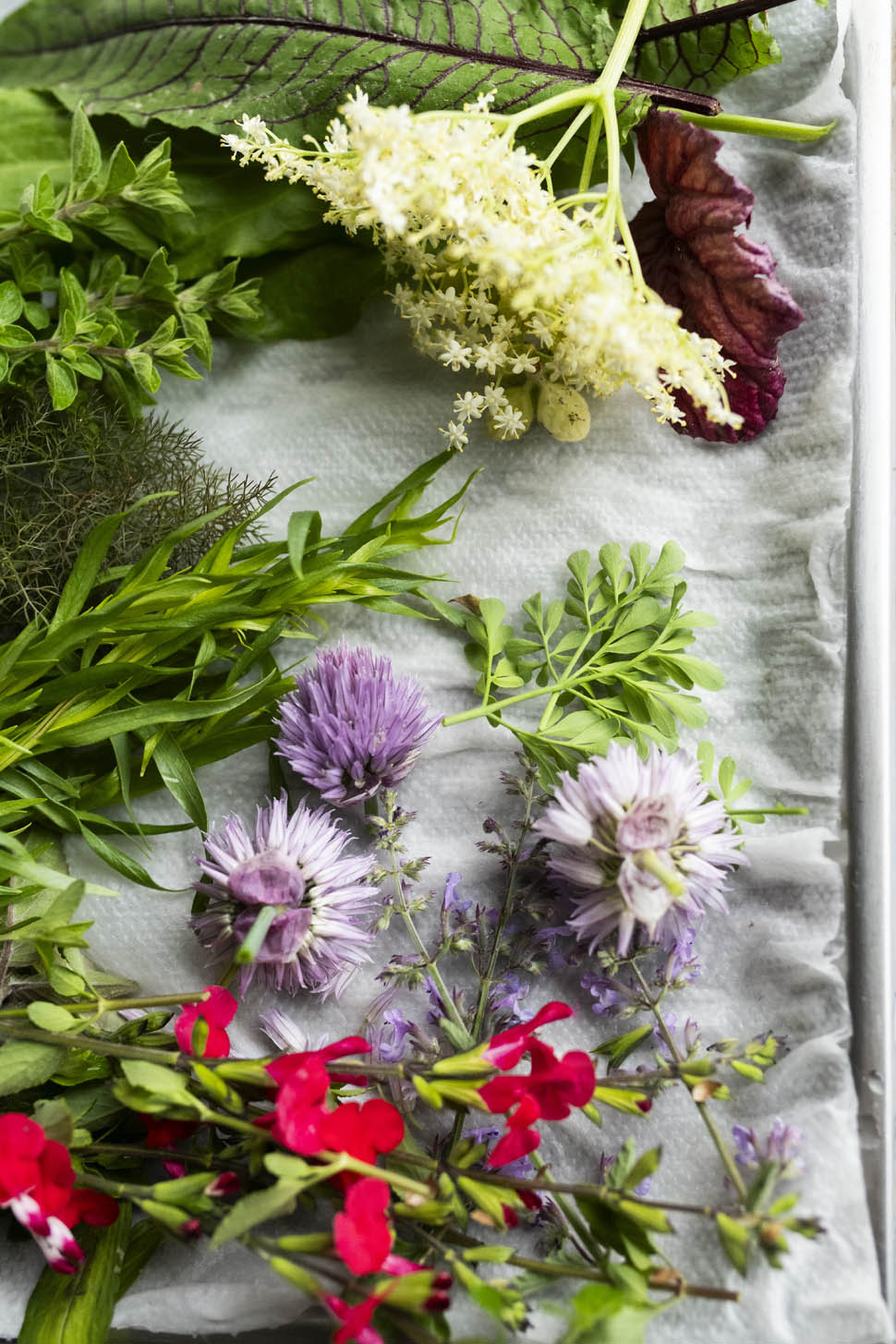
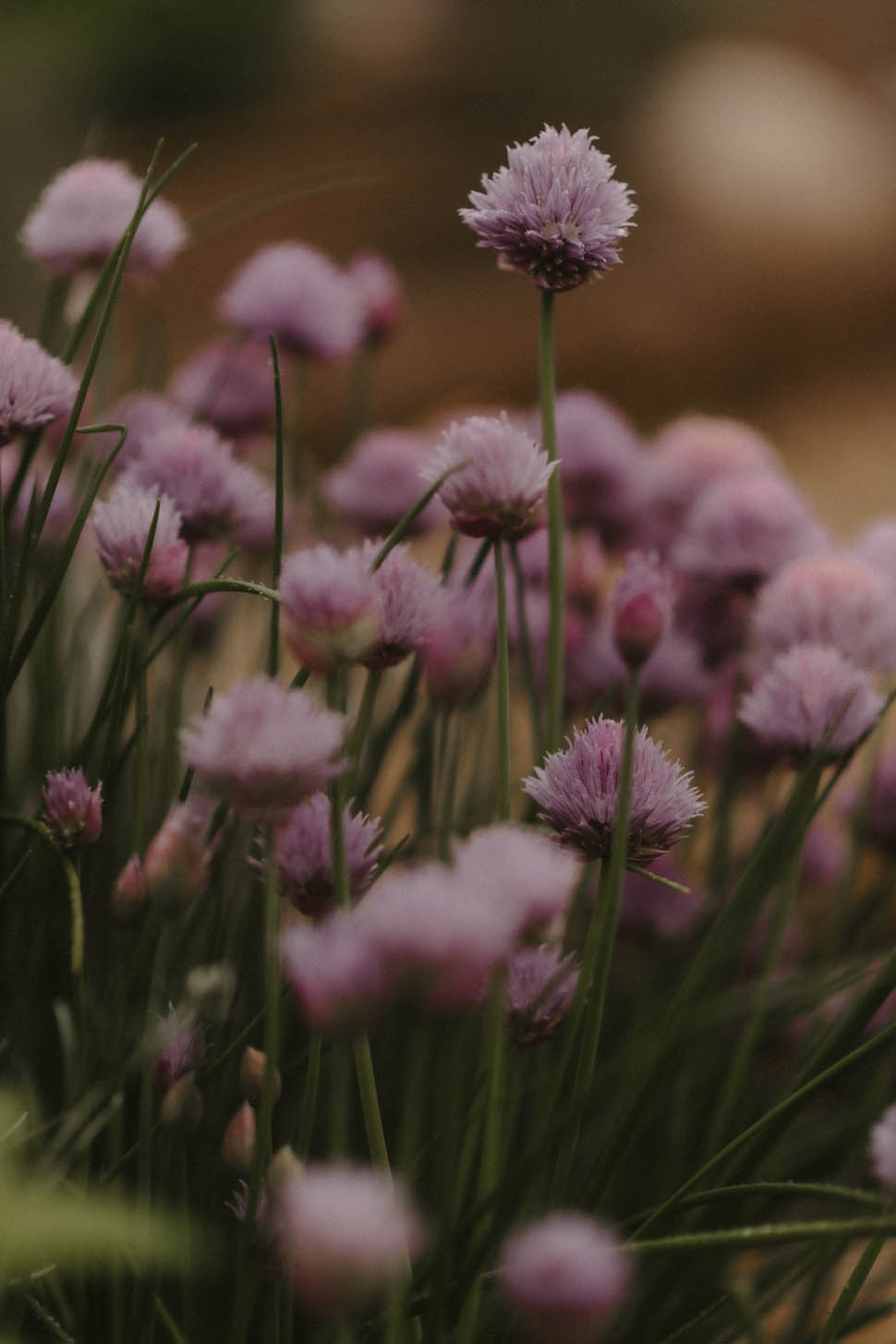
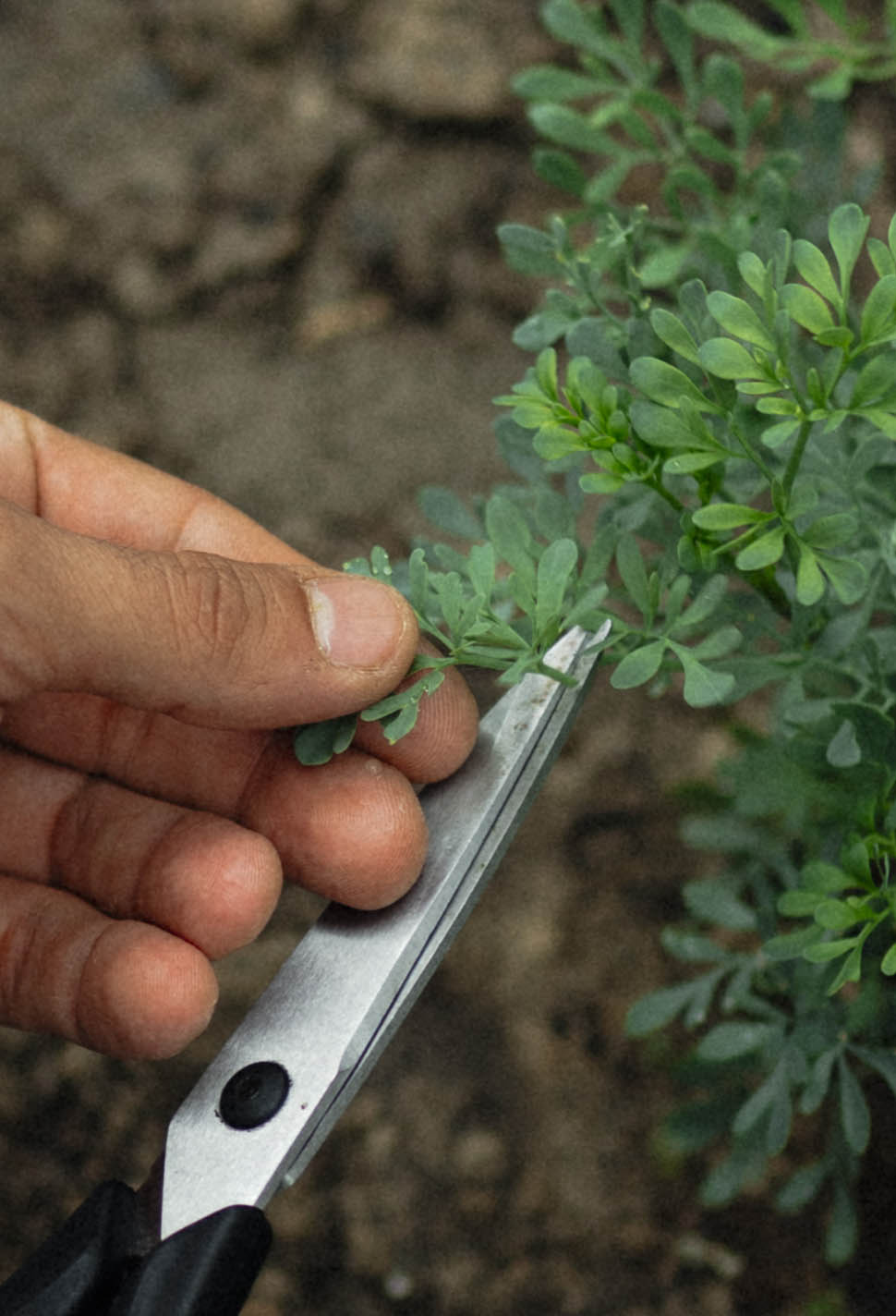
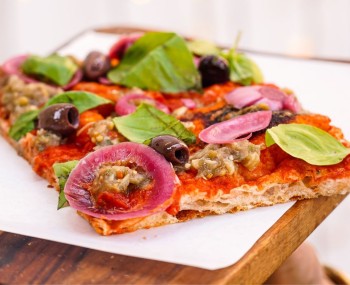
The interesting thing is that this culinary style is adapted to the Langhe landscape without ever copying it. The goal is not to decorate the plate with herbs and flowers, but to create dishes in which aromatic herbs and vegetables play a central role in the flavor. Take, for example, the dessert “Frutta e Verdura,” which was created in the restaurant’s very first year as a sort of fruit salad made with fruit, vegetables, flowers, and herbs, or the eel with wild garlic, a dish that takes shape precisely based on the seasonality of this herb.
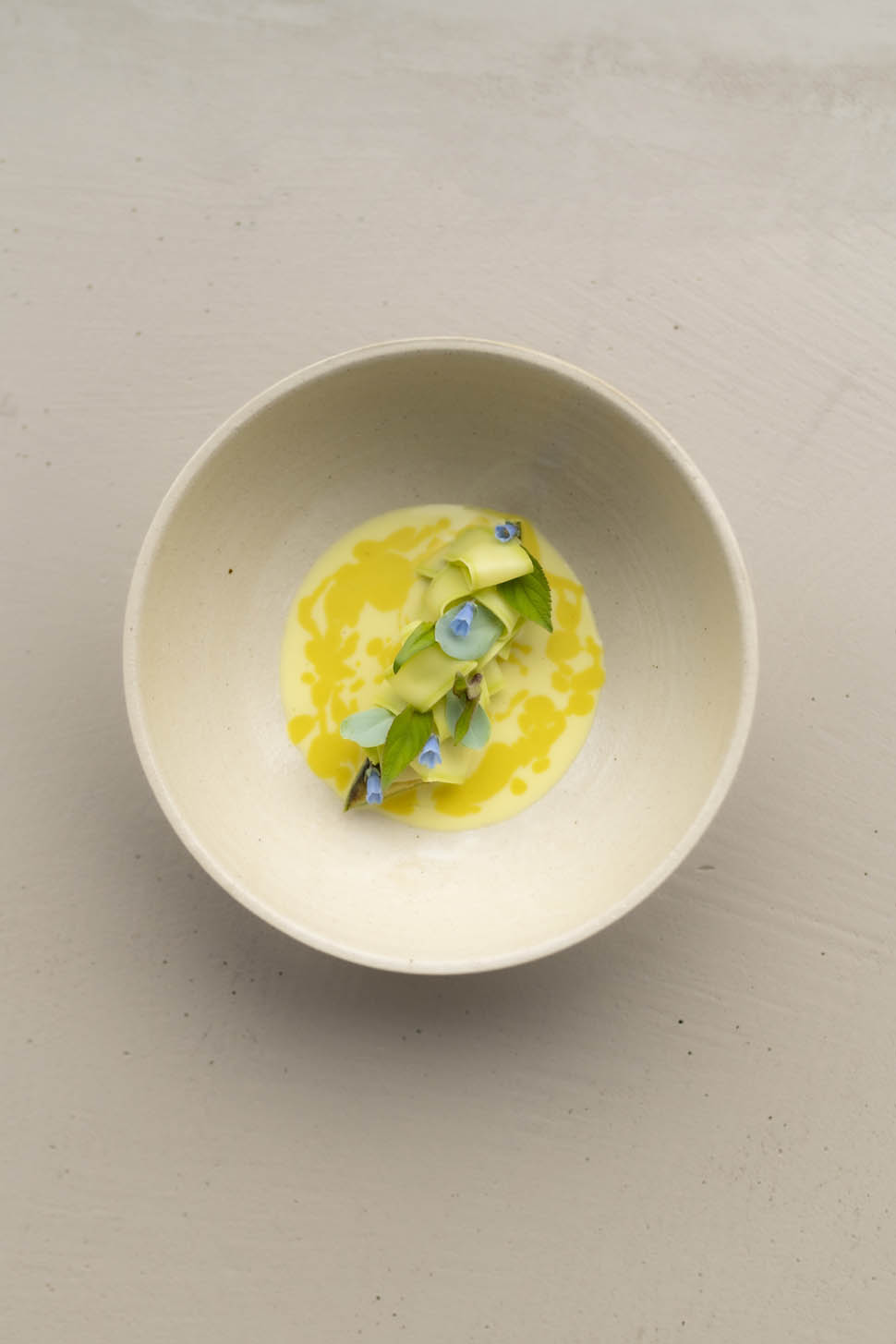
Another interesting theme emerges in Rolla’s story: vegetables serve as a training tool for young chefs. In the kitchen, working with vegetables and herbs means acquiring and refining technique, manual dexterity, and sensitivity. Peeling a potato or cleaning a vegetable, he explains, is not a task to be underestimated, but an exercise in understanding textures, cooking methods, and ingredients.
THE INTERVIEW
Federico, you’ve explained to us that herbs aren’t just decorations—they need to serve a purpose on the plate. Let’s get right to the heart of the matter. What story does “Coltivare” tell today?
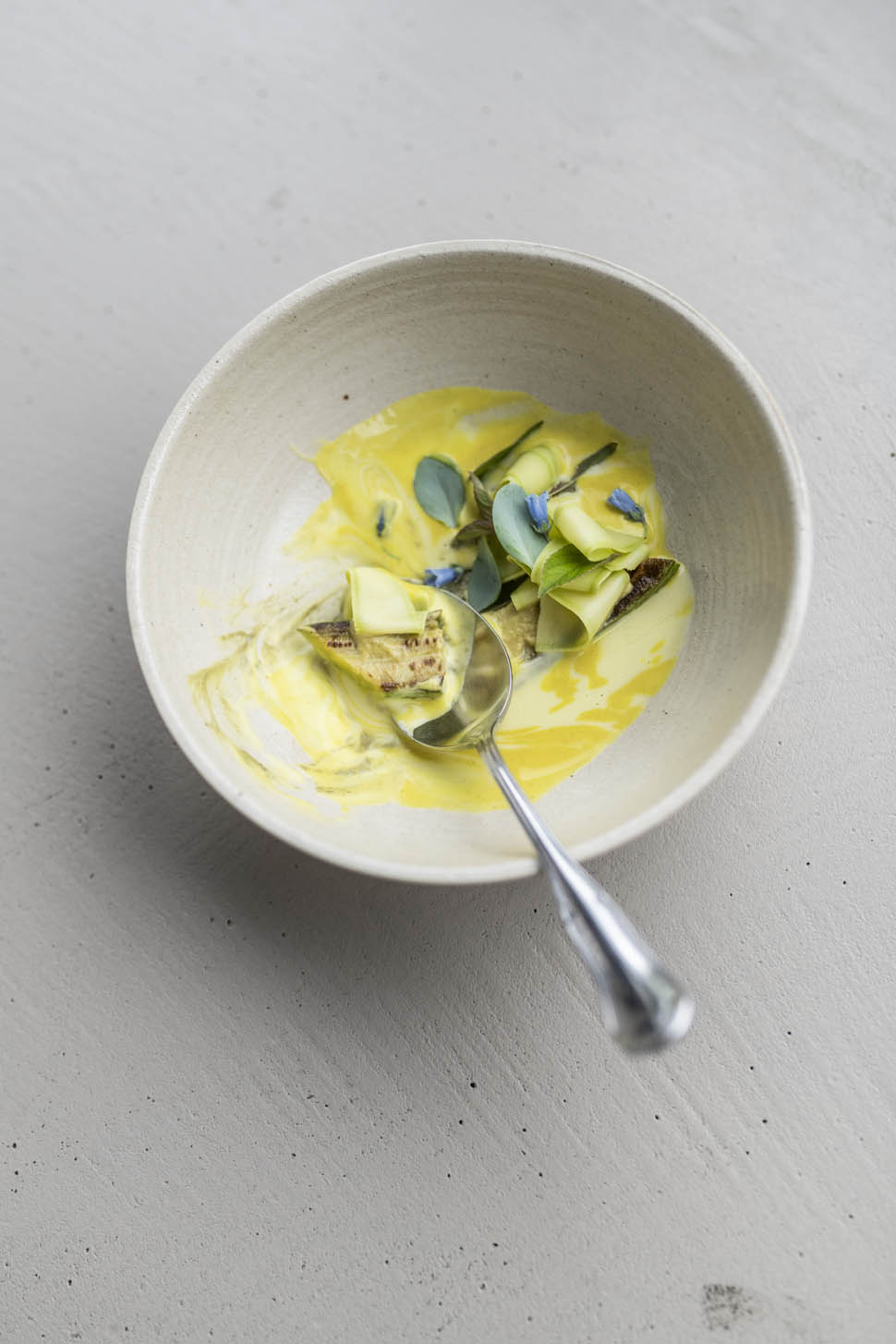
Over the past three years, Coltivare has evolved through research and experimentation. The world of vegetables allows us to create dishes with truly significant flavors, aromas, character, and beauty—elements that often spark delightful conversation at the table. All this without forgetting Piedmontese classics like pasta and meat in various forms.
You and the chef also share a strong passion for French cuisine.
Yes, French and Piedmontese cuisines are both deeply rooted in meat, in opulent and structured dishes. We like to try to transfer that same opulence to plant-based dishes: we strive to give plant-based dishes the importance and depth that were once reserved primarily for meat. And herbs are a great bridge toward achieving this goal.
Let’s wrap up with a question about sustainability. It’s not enough to have a nearby vegetable garden to call your cooking sustainable—what do you think?
Cooking is defined as sustainable starting with the energy used, and in our case, it comes from renewable sources via a solar panel array with a storage system that meets our needs. We’ve had a vegetable garden and a completely organic wine cellar for more than 15 years, we use kitchen scraps to supplement the feed for our laying hens, we buy from nearby farms that practice organic farming, and we cook only river and lake fish from our province. Providing free housing for our staff in the staff house, so they don’t have to commute daily, and, finally, prioritizing employee welfare to support them in both their work and personal lives.
LUCA ZECCHIN’S CUISINE: PIEDMONTESE CLASSICS AND THE EVOLUTION OF VEGETABLE-BASED CUISINE
Coltivare Agri.Relais combines a fine-dining restaurant with a relais featuring guest rooms, a pool, and a wellness area, designed to offer a fully immersive experience of the Langhe landscape. The property echoes the L-shape of historic Piedmontese farmhouses and is set in a setting where food and wine tourism coexists with the desire to experience nature at a slower pace than in the city. Here, you truly come to understand how important it is to experience the local area: tours and tastings at the adjacent Agricola Brandini winery, truffle hunting, excursions through the UNESCO World Heritage hills, and moments of relaxation all come together with a culinary experience that prioritizes respect for the land and its people.
Coltivare’s kitchen, led by Luca Zecchin, also tells the story of a chef who spent over twenty years in Michelin-starred restaurants focused on the great classics of Piedmontese cuisine(here’s a glimpse of the menu in our review). Today, that culinary foundation is reimagined through a lighter, seasonal cuisine deeply rooted in vegetables. Coltivare’s menus celebrate the local terroir and contemporary trends through innovative techniques and an ethical approach. This is why the in-depth research conducted on the world of aromatic herbs and spices is so important.

As a result, the property’s organic and biodynamic garden has become one of the central elements of the restaurant’s concept. The result is a gastronomic ecosystem in which self-sufficiency, sustainability, and innovation intertwine on a daily basis to offer healthy, contemporary cuisine that showcases the local region.
CONTACT
Coltivare Agri.Relais
Agricola Brandini
Borgata Brandini, 16, 12064 La Morra CN
Phone: 0173 328231