Following complaints about the work environment and allegations that have shattered one of the myths of contemporary gastronomy, the Copenhagen restaurant is trying to turn a new page. Pablo Soto is now at the helm.
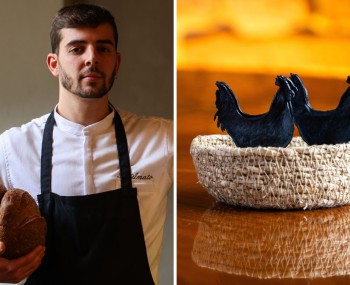
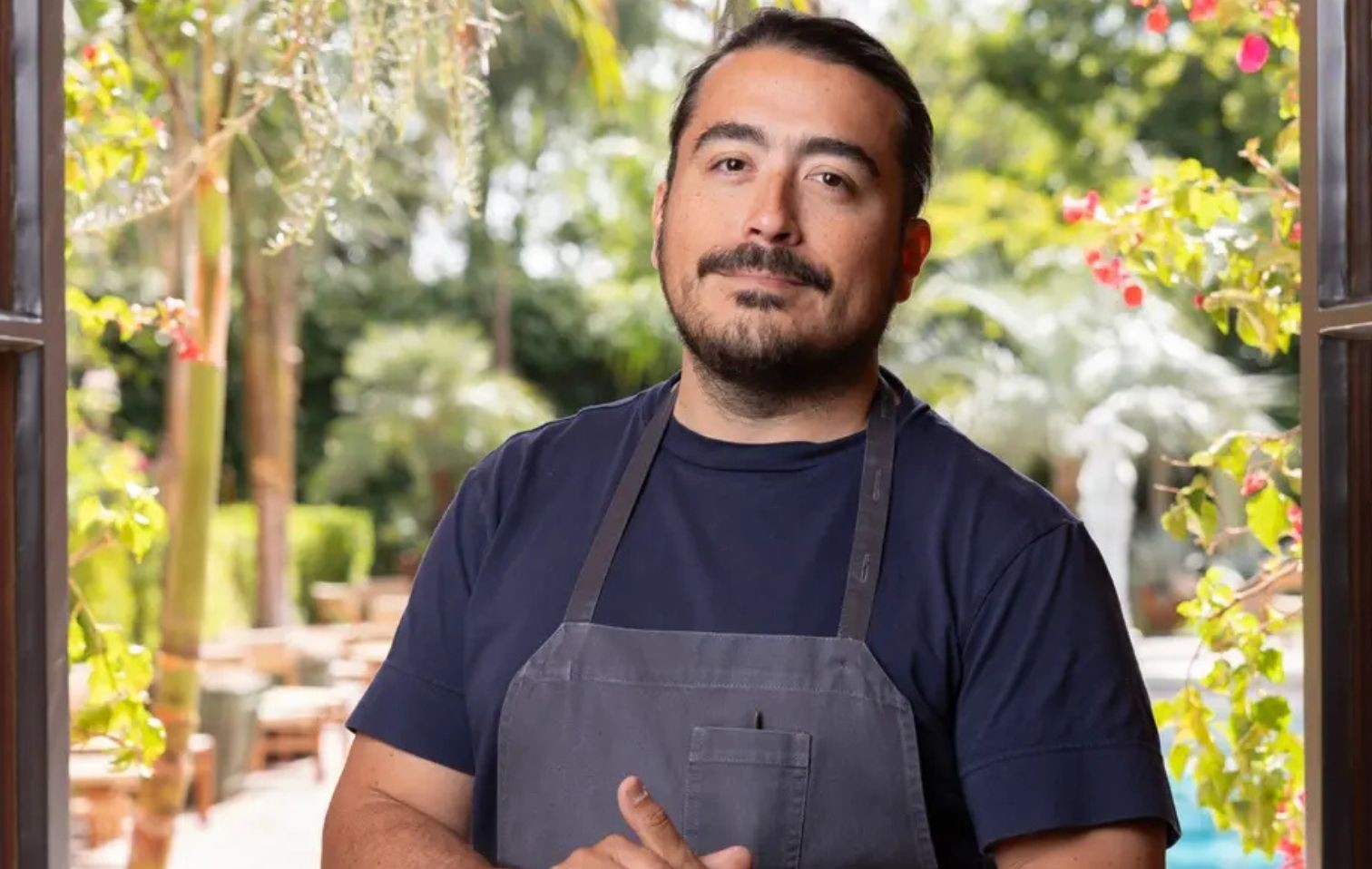
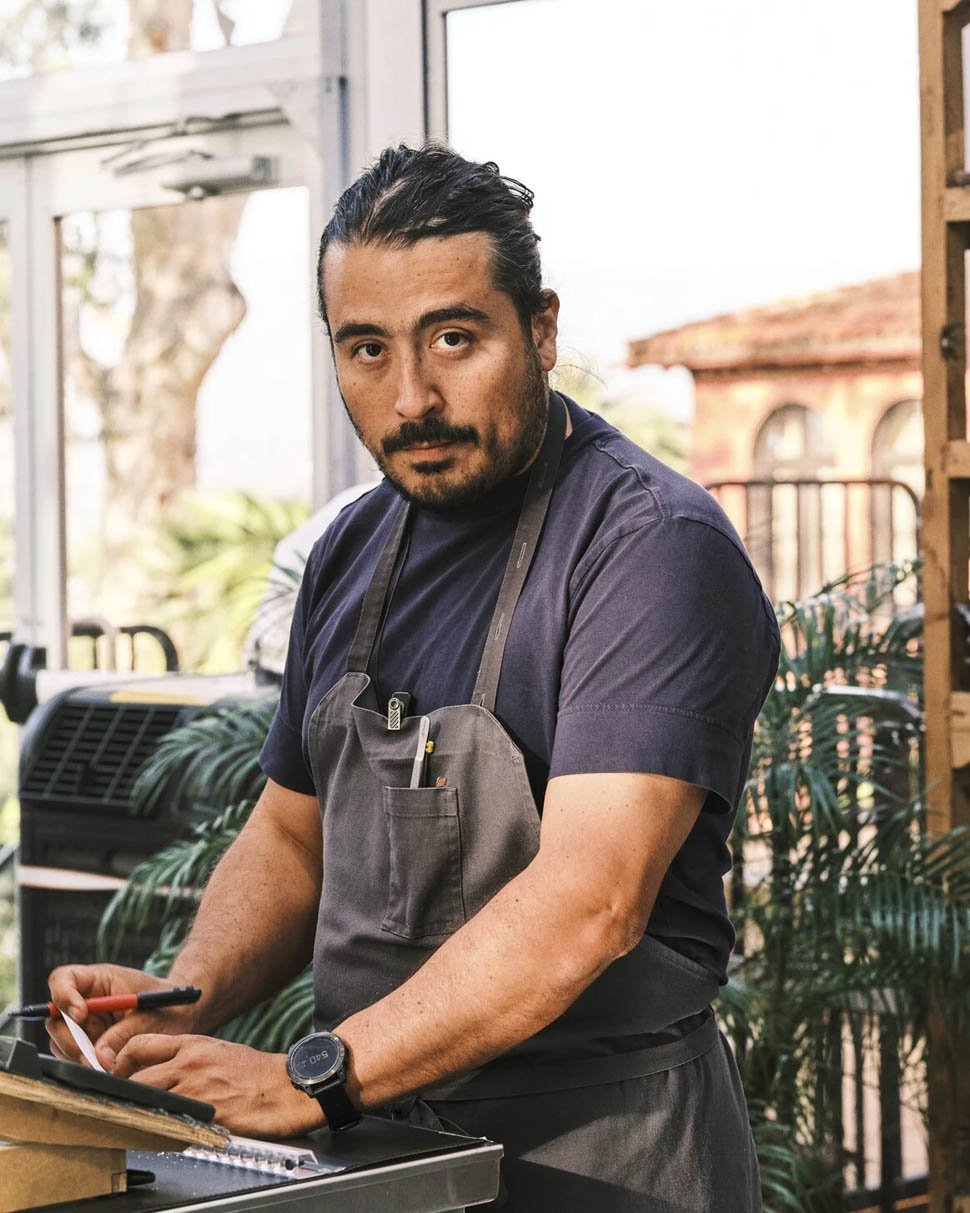
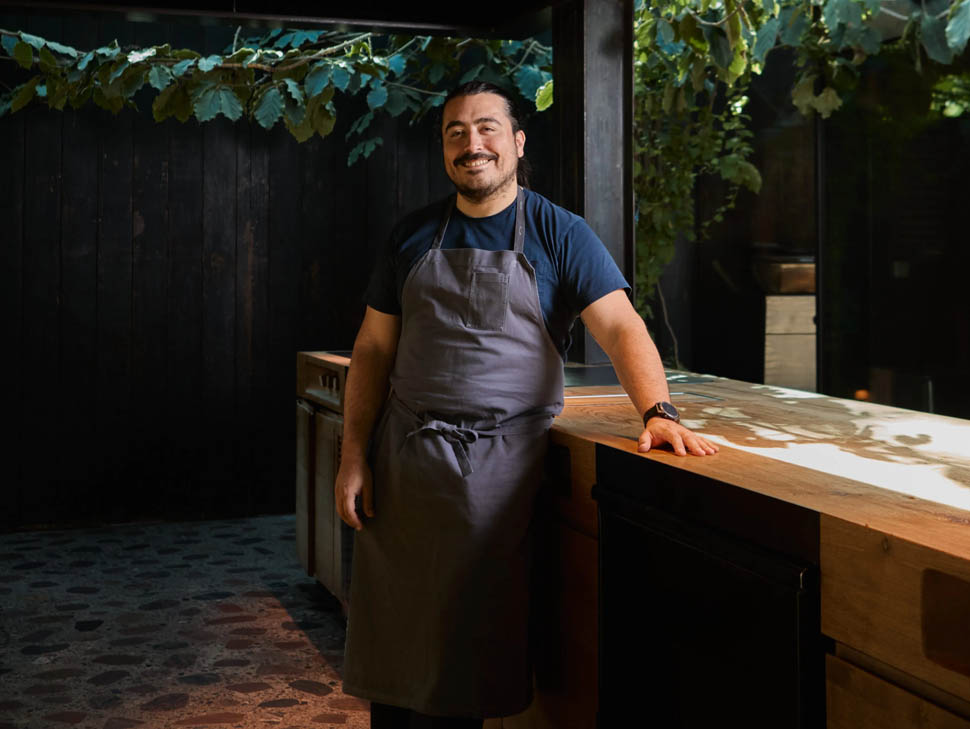
The shadow of controversy has not disappeared. It would be pointless to pretend otherwise. The allegations regarding the work environment at Noma have sparked a debate destined to leave its mark far beyond Copenhagen, forcing the entire fine-dining world to question a leadership model that for years was considered almost inevitable. Today, as René Redzepi steps back from the day-to-day management of the kitchen, the most influential restaurant of the past few decades is entrusting a significant part of its future to Pablo Soto. A Mexican born in 1989, Soto knows Noma better than anyone else. He arrived there fifteen years ago with few savings, a couch to sleep on, and the determination of someone willing to move to another country just to work at the place he considers the pinnacle of contemporary cuisine. Since then, he has seen the restaurant transform time and again, eventually inheriting a legacy that few would have imagined receiving. “If I could talk to the young man who arrived here fifteen years ago, I’d just tell him to stay calm. Everything will work out.”
The Myth of Noma as Seen by Someone Who Started at the Bottom
For an entire generation of chefs, working at Noma was more than just a professional experience. It was almost a rite of passage. Soto remembers that feeling well. “There was something mysterious about it. You knew there were exceptional people working there, and I wanted to understand just how far that dedication could go.” The impact, he says, was immediate. He thought he was someone completely absorbed in his work, but then he found himself surrounded by colleagues who shared the same hunger for growth. It is that mindset—even more than the recipes—that has made Noma a global benchmark.
“Desire without mindfulness turns you into a demon”
The question inevitably turns to the future of the kitchen team. Following the allegations that have engulfed the restaurant, what kind of leadership does the new chef envision? Soto isn’t looking for flashy solutions. He prefers to explain the delicate balance that, in his view, holds a high-level kitchen together. “If you lower your standards, you become too permissive. If you demand the best without taking care of people, you turn into a demon.” He speaks of attention—a word that often comes up when he talks about his work. It applies to the ingredients, but also to those who prepare them. Every service involves professionals from dozens of different countries, each with their own backgrounds and personalities. Leading a kitchen team, he explains, means creating an environment where everyone can express their talent without compromising the discipline that a restaurant of this caliber inevitably continues to demand.
The Redzepi Case and a Transformation Already Underway
The criticism directed at Noma had a profound impact on the restaurant, but Soto rejects the idea that a revolution began only after the scandal. “The change had begun much earlier. For years, we had been moving away from the traditional, highly hierarchical kitchen model.” The dishes, he notes, have never been the result of a single person’s work. Redzepi set a clear creative direction, but the team’s contribution has always been decisive. The new direction aims to make this collective aspect even more evident. He maintains a balanced stance on the accusations leveled against the former head chef. He acknowledges the value of the testimonies from those who had negative experiences and believes it is right that they have been made public, but he also recalls the many people who built their careers at Noma. “I believe that, at a certain point, the narrative became bigger than the day-to-day reality experienced by many of us.”
Clearer Rules and Zero Tolerance
One of the main challenges is ensuring that certain situations cannot happen again. According to Soto, the tools to address these issues already exist today. Any inappropriate behavior is dealt with immediately through specific procedures that include formal warnings and, if necessary, termination of employment. Over the years, he adds, the composition of the team has also changed. Many staff members associated with an outdated way of working have left the restaurant, helping to create an atmosphere different from the one described in some accounts referring to the past.
A heavy legacy that no one wants to erase
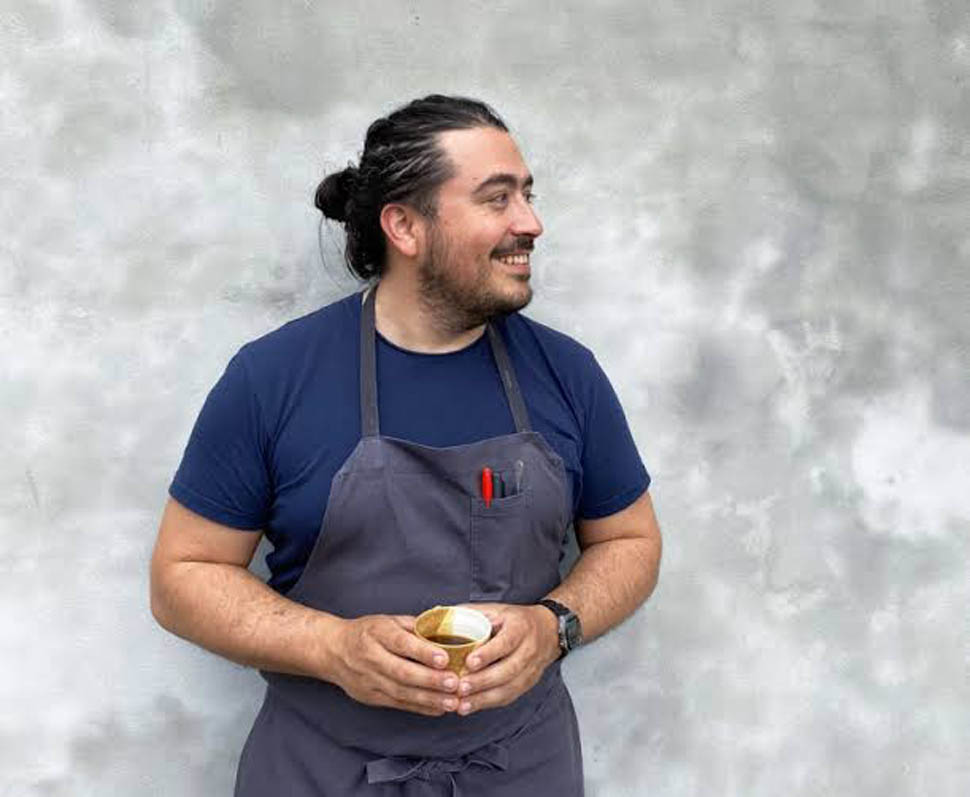
René Redzepi’s name inevitably remains an integral part of Noma’s identity. Soto makes no attempt to distance himself from it. While Redzepi’s hands-on involvement will be much more limited than in previous years, the creative bond remains strong. The goal is not to rewrite the restaurant’s history, but rather to guide its evolution without losing sight of what has made it an international benchmark. The new role also holds personal significance. As an immigrant who arrived in Denmark with few certainties, Soto knows well what it means to build a career far from home. In recent months, during Noma’s pop-up project in Los Angeles, he says he met dozens of Latin American chefs and kitchen staff working every day in the city’s kitchens. Seeing himself reflected in those stories reminded him of his own journey. “Today I hold a privileged position, but I remain an immigrant. I feel a responsibility to do my job well, also for all the people who are trying to build a future far from their own country.” More than a promise about Noma’s future, this is how Pablo Soto seems to interpret his own role: safeguarding an enormous legacy without being overwhelmed by it, striving to demonstrate that a cuisine capable of striving for excellence can do so without turning pressure into fear