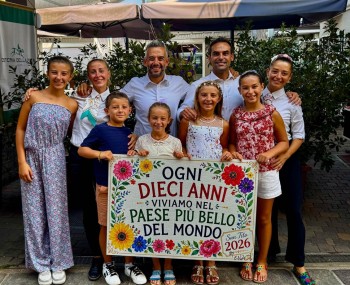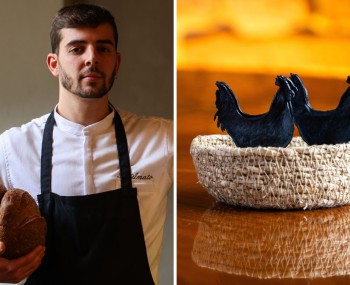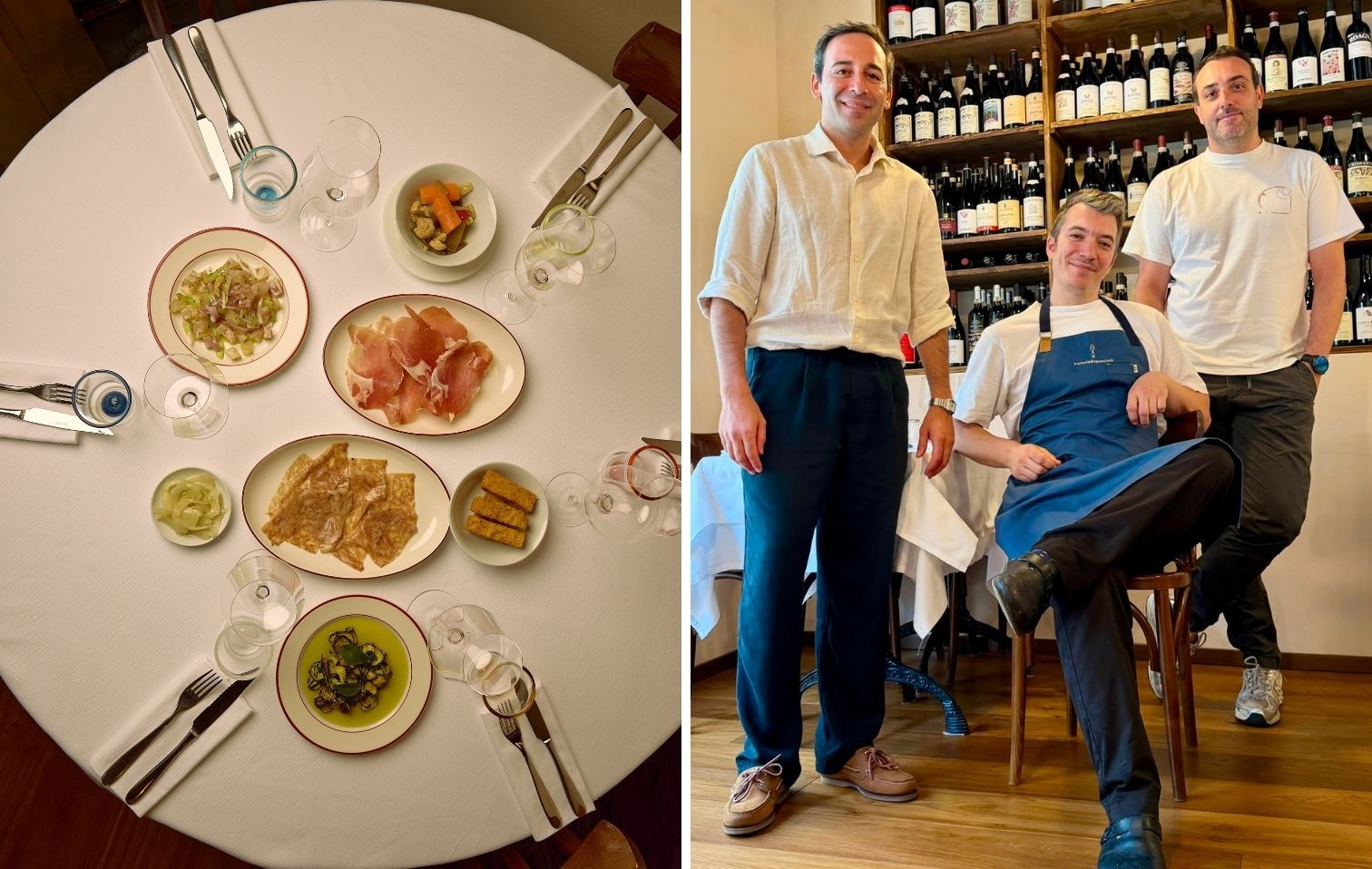
From friends of “Il Topo” to partners in a restaurant that’s already a hit after just a few months. As kids, Michele Deliguoro and Francesco Tancredi used to sit on the edges of the little square known as “Il Topo” in Buccinasco—the name comes from the actual presence of mice that felt right at home wandering into the square. Now they can’t sit still, shaped by the firm hand and gentle guidance of Gualtiero Panciroli and Michele’s mother, Cinzia, who lives in Mallorca but will come down to the kitchen this fall for nonstop sessions of making fresh pasta. Gualtiero is no longer with us, yet his name continues to shine through the sign that stands out on Via Gaudenzio Ferrari.
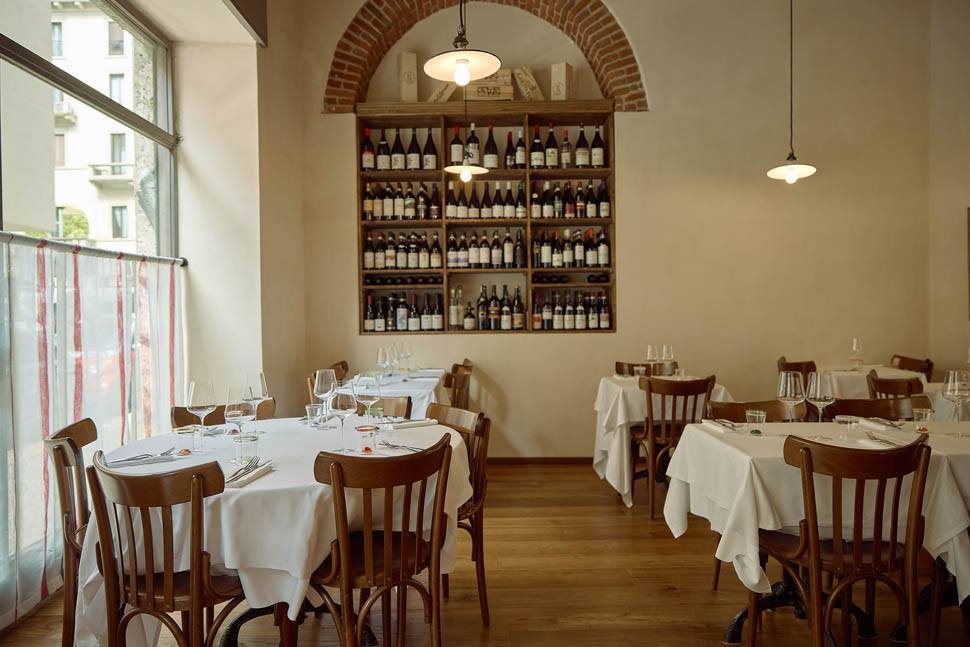
Remembering the past isn’t just a tribute—at least not for Michele and Francesco. For them, it’s something closer to putting themselves in someone else’s shoes. What would Gualtiero do in our place? How would Gualtiero handle that customer? What would Gualtiero say to that supplier? Gualtiero taught him the trade—how to do it right. He also taught him what hard work really is—the kind of work that people today are perhaps most afraid to teach, because they immediately think of the consequences, of what might happen. For Francesco, Gualtiero and Cinzia were like a second father and a second mother. Michele was like a brother. A world where parents don’t hang you out to dry—I still have to figure out if such a world could exist. One where parents pull you back down and get back on the road with you—we should all be committed to preserving it. More so than traditional recipes, plant biodiversity, forests, and bees. In Panciroli, the walls whisper the atmosphere of the original Rovello, recreating the space where the innkeeper Gualtiero moved among the tables, spreading a culture of hospitality and, without knowing it, instilling courage in Francesco and Michele. I’ve never seen the original Rovello. From the boys’ account, I couldn’t imagine it any other way. They are the ones who envisioned it this way; they are the ones who wanted to recreate that place in the image and likeness of their coming-of-age novel.
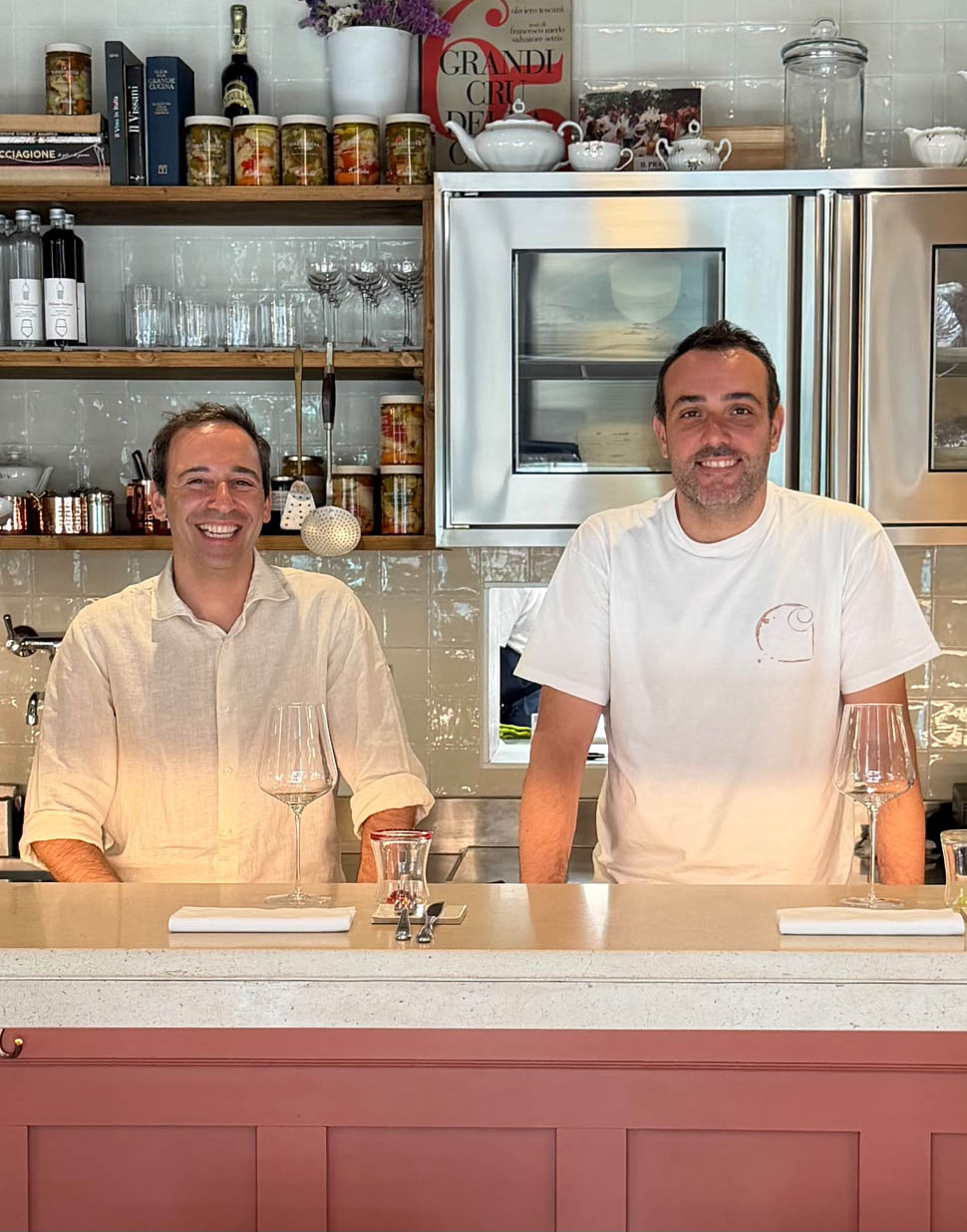
“At first it was a pain; it was really hard. But now, seeing what’s out there, I’m glad they made us work so hard when we were young—in the sense that you had to earn things for yourself. It’s that friend’s birthday; okay, if you want, you can leave an hour early. We’re meeting up with friends there tonight—just finish up your work first. We’re from the ‘six out of seven’ generation. Today I see a lot of young people who don’t think about the future—they don’t think about where they’ll be in five or ten years, what they’ll do when they get older, or whether they’ll be able to support a home and a family. For them, there’s only the here and now, the present, the thirty-second Instagram reel.”
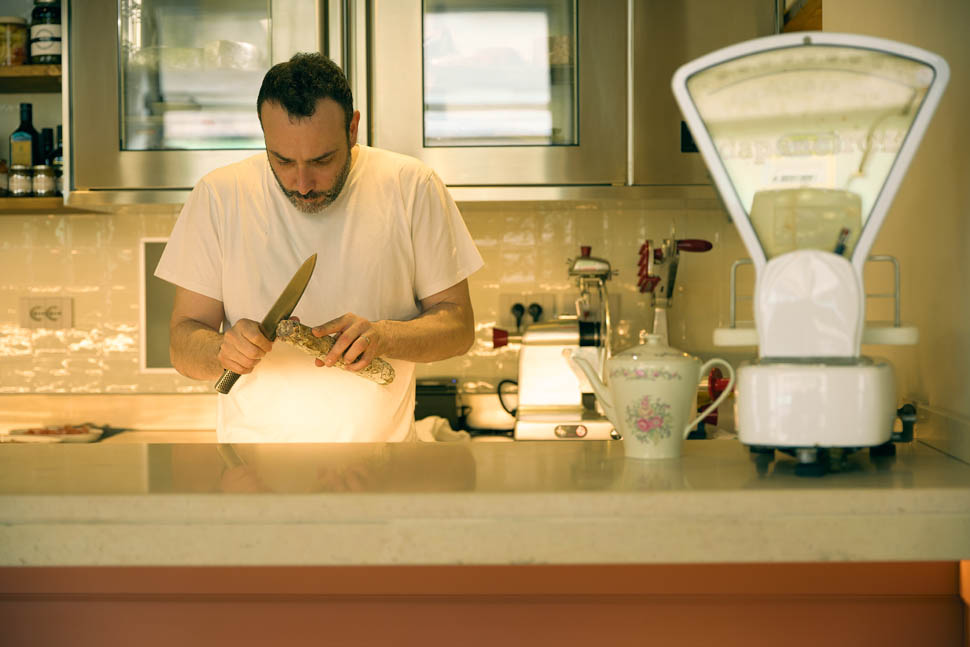
These days, the turnover rate is five out of seven, and yet, paradoxically, it’s becoming increasingly difficult to find reliable staff in the restaurant industry. There are young people who get hired and then don’t show up for their first day of work, and others who don’t come to collect their pay for their trial days. No one has ever hung them on the wall—or perhaps no one has ever really looked at them—because they represent value: genuine intelligence, as fragile as a plate that falls, yet as resilient as a “thank you” said while looking someone in the eye or a hug that says, “I’m here for you.” Michele and Francesco are generous with hiring because they know someone will inevitably let them down. They cover their backs, but they know it’s up to them to say those “thank yous” and give those hugs—not to create a military-style atmosphere, but to restore a sense of shared effort and, if possible, to burn those old “carrot and stick” metaphors to ashes.
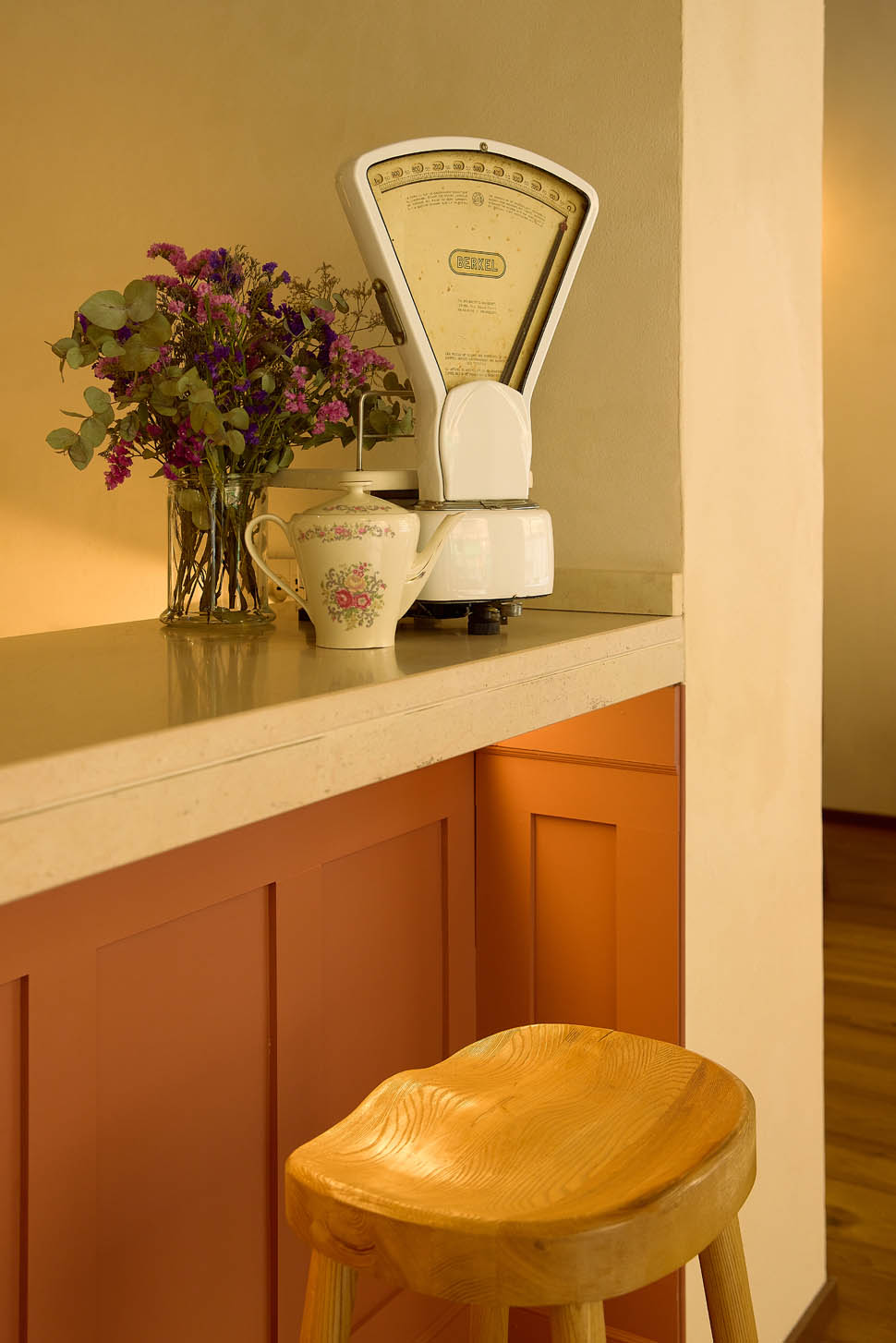
“We’re in the right niche because we keep a close eye on the books every day, and because we focus on quality at the right price without going overboard. We operate within a range that allows us to make a profit, pay our staff, and cover our electricity bills, without overspending. Our restaurants aren’t just a side project among friends—they’re a business, and that’s how we try to run them. Gualtiero (Panciroli) always told me that; he came from a company that made welding machines or things like that. Oh, and the observation continues—we’ll be in London in a few days to check out some establishments and understand how they run their businesses.” The “spot” refers to a leopard’s spots. This is the image Cracco used in a recent conversation to describe the restaurant business in the locations where he also operates. There are those who do a good job, and then there are those who are just getting by—and sooner or later, they won’t even be able to stay afloat anymore.“Without exaggerating, that’s how it is for us.” They really did say that. So here, the “little business” makes room for the work of those who live to serve—where even money, if it’s fair, is easily accepted, but if it’s too much, it suffocates you.
Perhaps even Aldo Spinelli, founder of Poliform, who passed away a few days ago, sensed a certain charisma and integrity in him. The fact is that the decision to launch the Poliform Café fell precisely on Michele. “When we met, Aldo didn’t say a word; he just sat there watching. I spoke with his son and Giovanni Anzani, who told me about their idea—to recreate the convivial atmosphere they’ve always had at the company—and what they had on the table. I just made it clear to them why someone was trying to take advantage of them, and then I explained how I would handle it.” A few days later, he got the call, and the project was launched. Right next to La Scala in Milan, just near the Poliform flagship store. Rovello 18, Da Panciroli, Poliform Café, Ugo Cocktail Bar: are four venues enough to create a restaurant group? We’re not talking about chains—in that case, quality definitely takes a back seat to standardization. In Milan, you can already spot a few of these kinds of establishments. There’s the Battisti group, the Trippa group, the DaV group, and the Langosteria group.
“These are realities we observe—sometimes because we see someone make a mistake and so we learn not to repeat it; in other cases, they inspire us to try something new. We tell ourselves, ‘Look what they did—we could have done that too, but we never thought of it.’ Having just one venue can get monotonous, in the sense that you get used to doing the same thing over and over. When you open something new, it’s exciting—that positive stress you feel; you lose a few kilos; you know you have to do a thousand things at once in the days right before the opening. You put yourself out there, wondering, ‘Damn, did I make the right choice? Did I get the concept right? Will people embrace the place just the way I envisioned it?’”
To take risks—and to do so within the boundaries that reality seemingly forces you to accept. We need boundaries. If they weren’t there, all the initial enthusiasm would fade away in no time; all that energy wouldn’t fuel anything, much less light the way for someone who’s temporarily stopped to watch. Like the source of a river—if it didn’t immediately find a channel, where would it end up? If it didn’t find two banks to set it flowing, it would be nothing more than a big puddle with an expiration date. We need boundaries, even if we don’t like them. We need boundaries to be free.
The Dishes
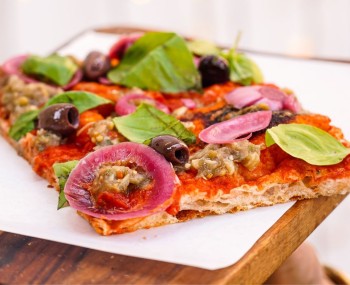
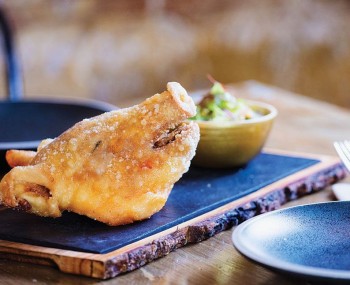
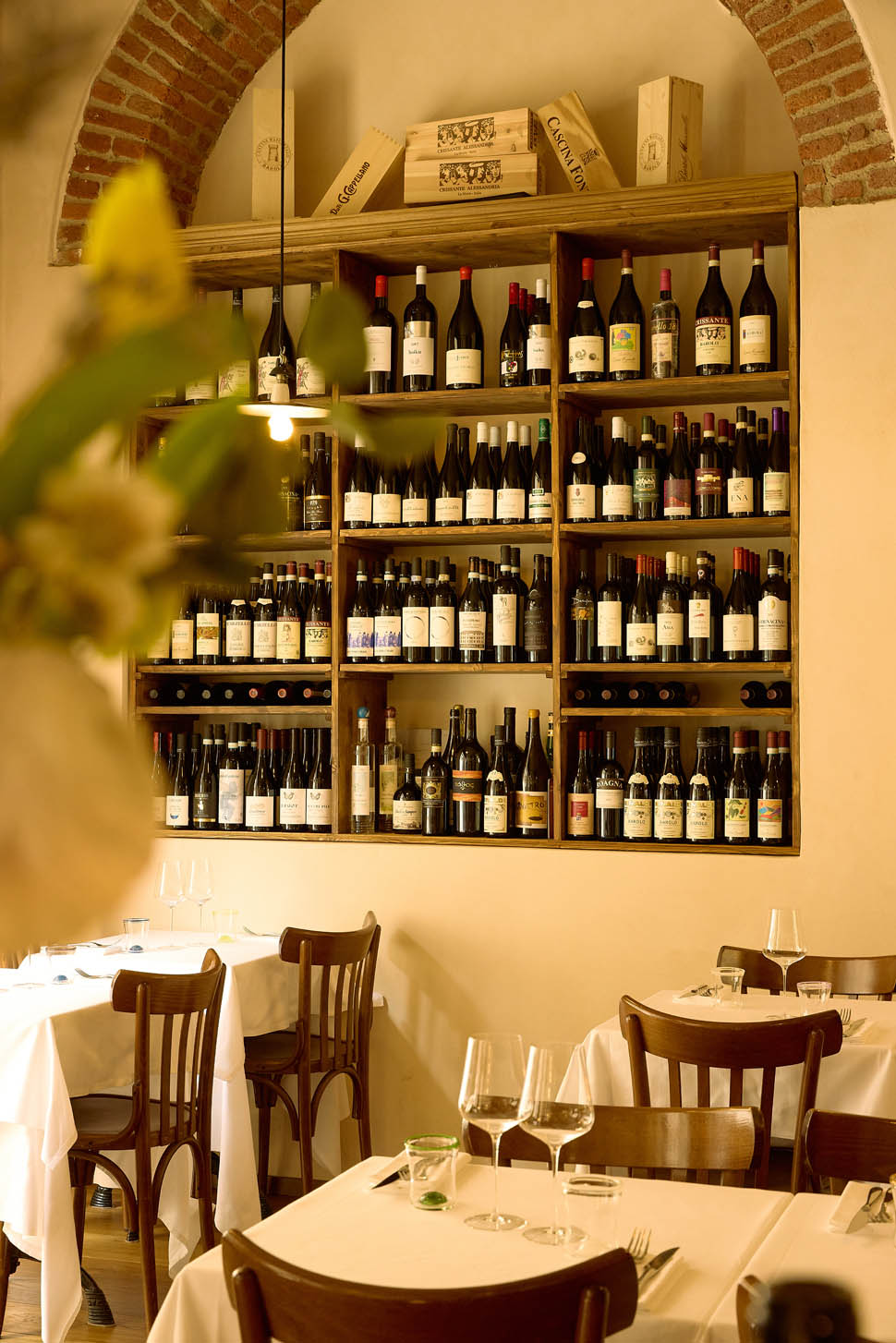
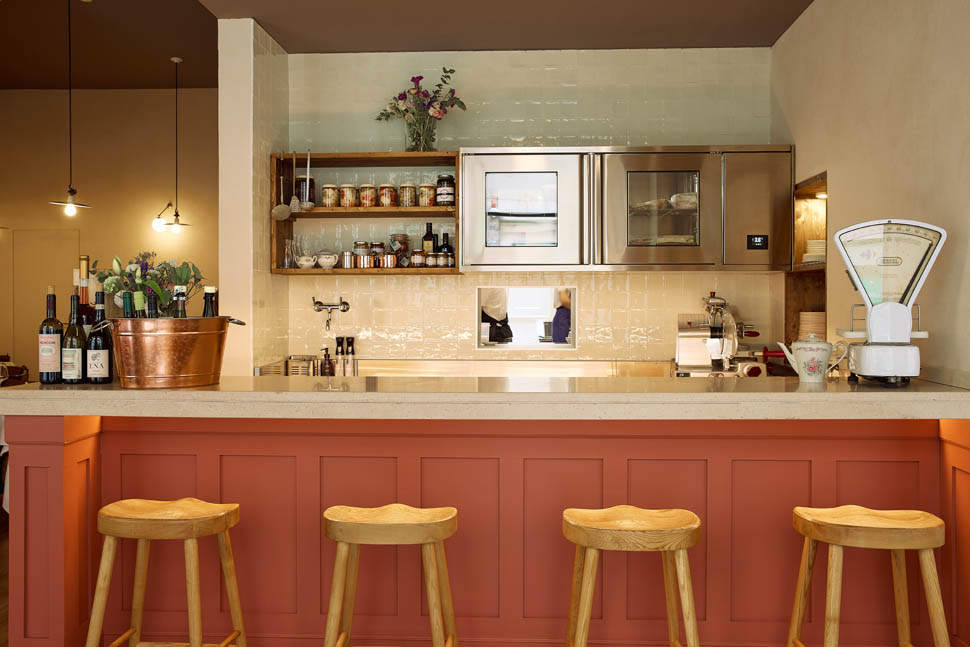
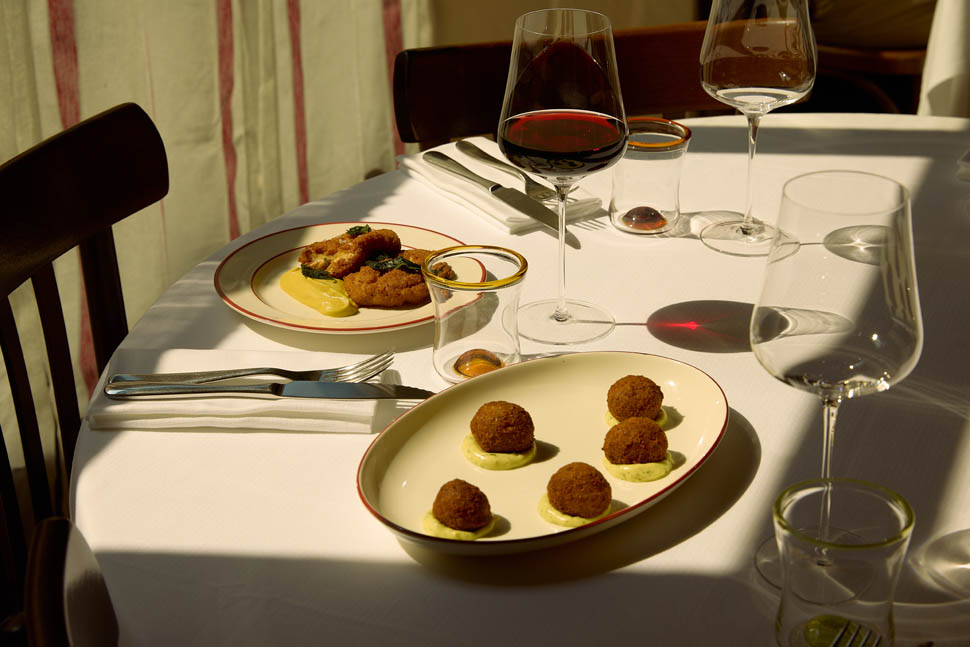
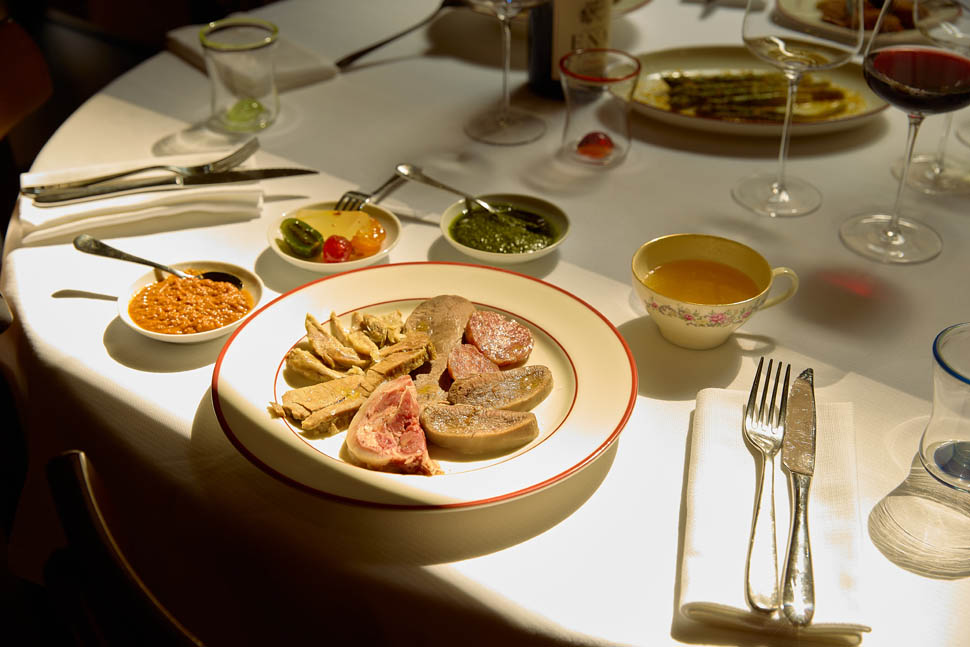
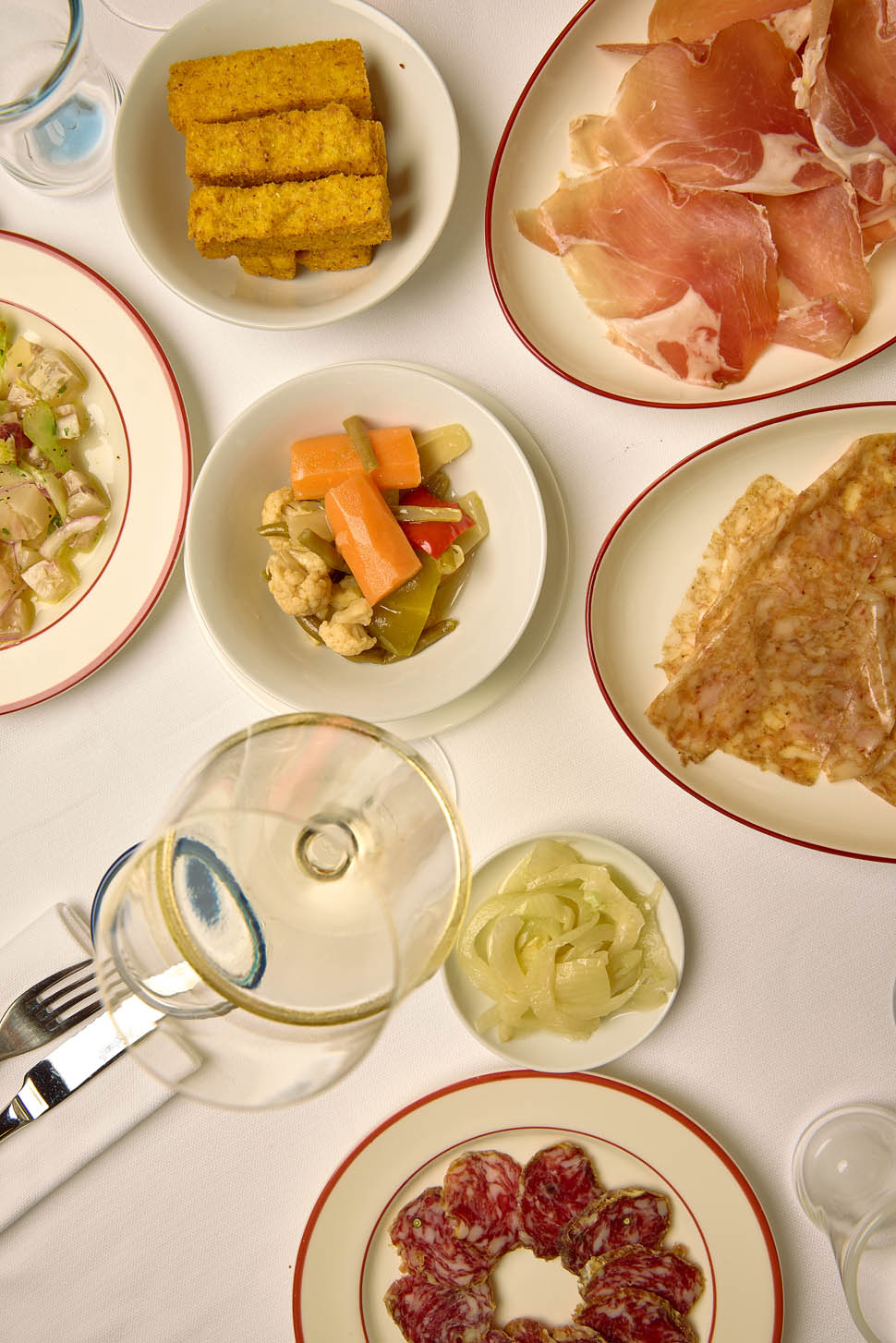
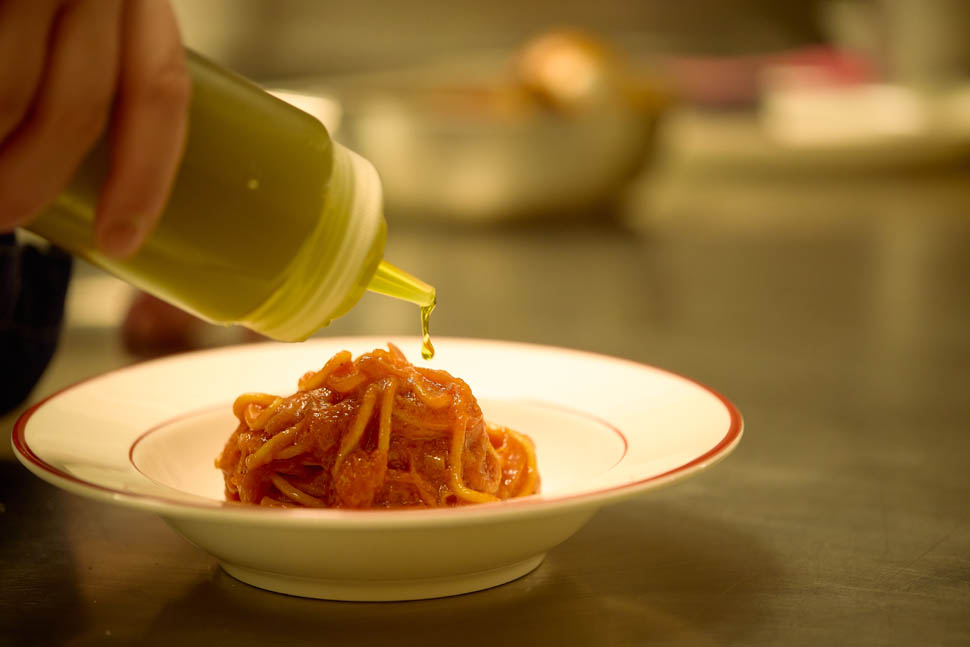
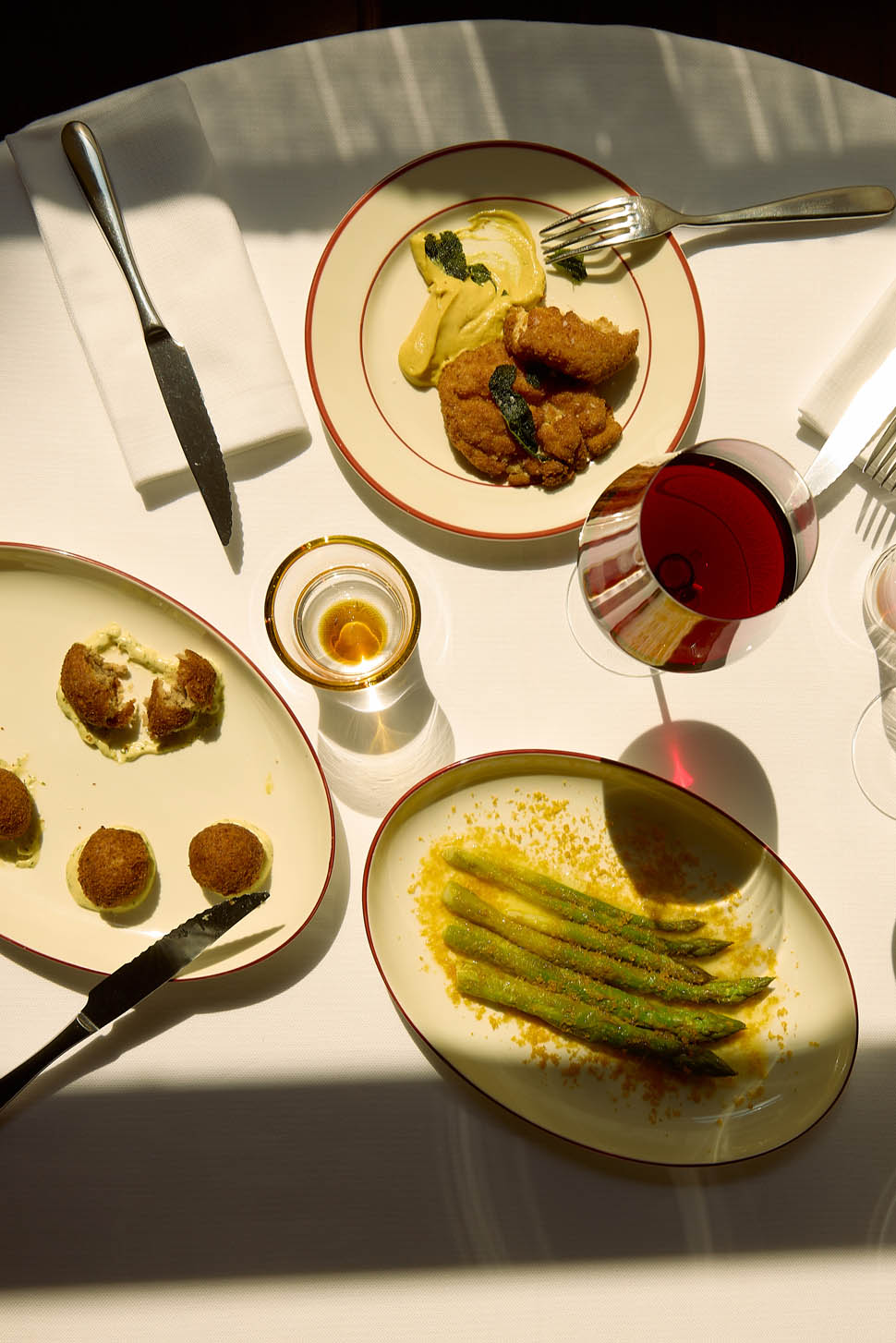
Are you going to Panciroli because you couldn’t get a table at Rovello 18? What’s the big deal? The place doesn’t have a bar counter—maybe it’s a little less cool—butfor those nostalgic for the old-school trattorias of yesteryear, the barrel-vaulted ceilings will put you at ease the moment you sit down. At Da Panciroli, the menu features some of Michele’s classics, such as pepper with tuna sauce, anchovies, and fried brain. However, it really comes into its own starting in the fall, when the boiled meat cart makes its rounds among the tables and makes your head spin, winning you over with cuts of beef, while rivers of sauce overflow at the corners of your smile.
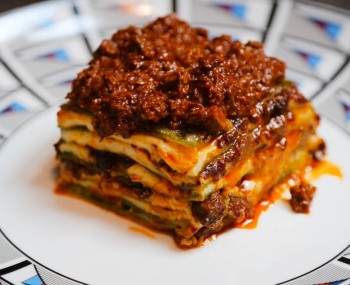
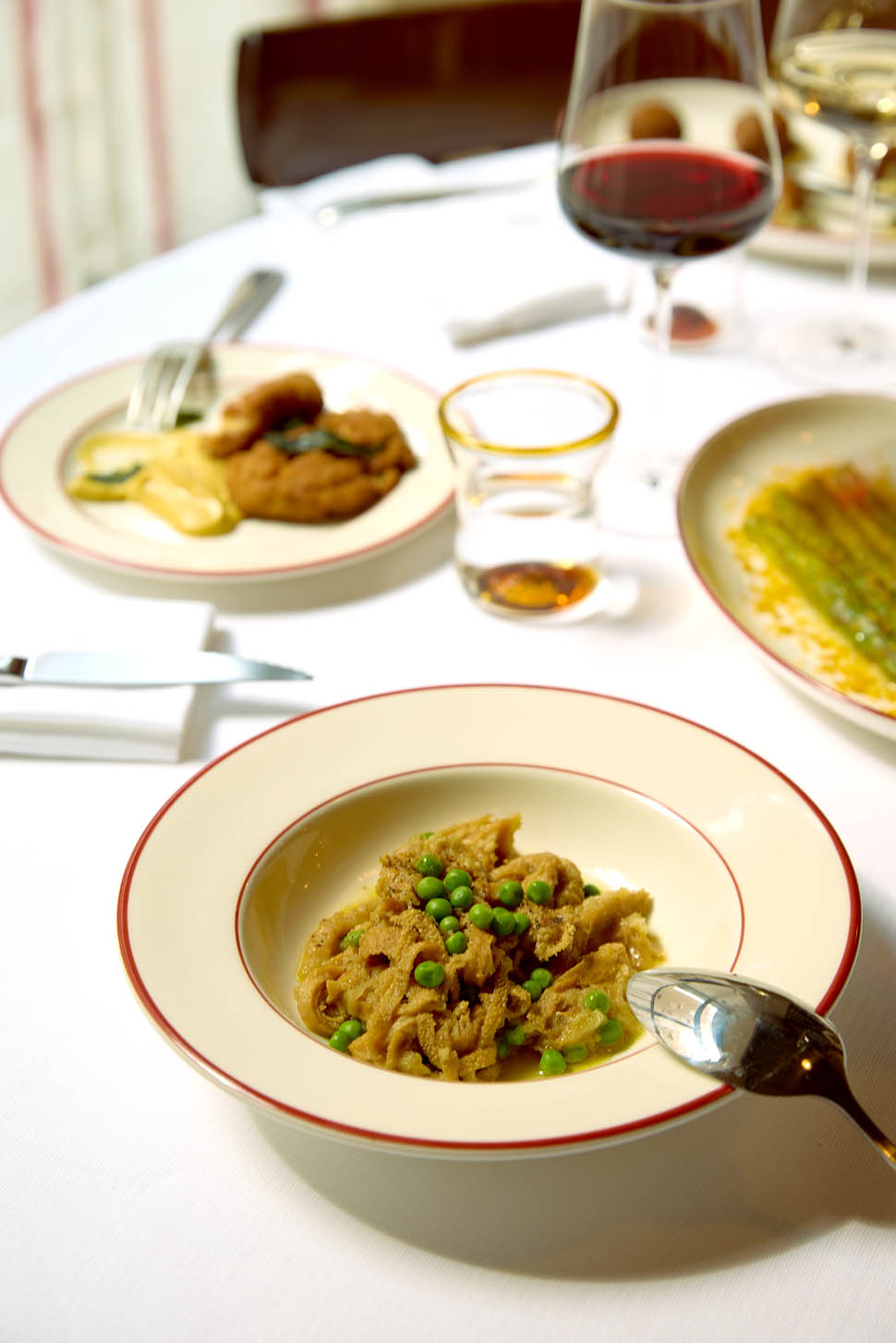
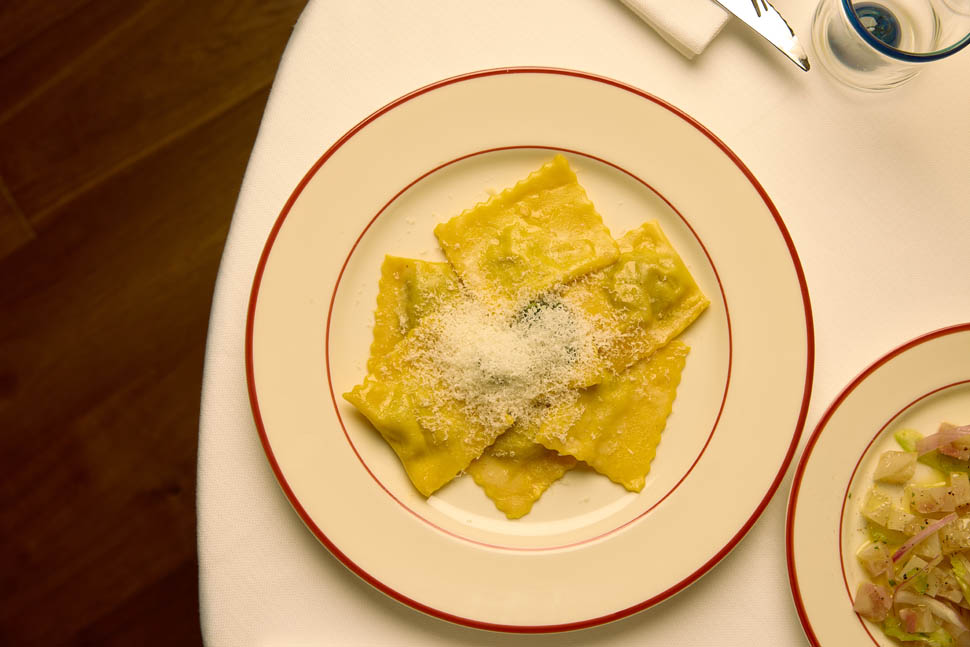
Dario Guffanti, who leads the kitchen, delighted us with a preview of a stuffed pasta dish that we’re sure to see on the menu regularly. A tortello alla vaccinara of exquisite craftsmanship, a first course designed to bring satisfaction—to make you nod in approval with both your head and your taste buds. We can’t help but remind you that the wine at Da Panciroli is divine. We’d even go so far as to say that the wine selection here is second to none. The wine rack next to us, filled with dozens of labels we love or aspire to try, has us imagining moments of sheer sensory delight.
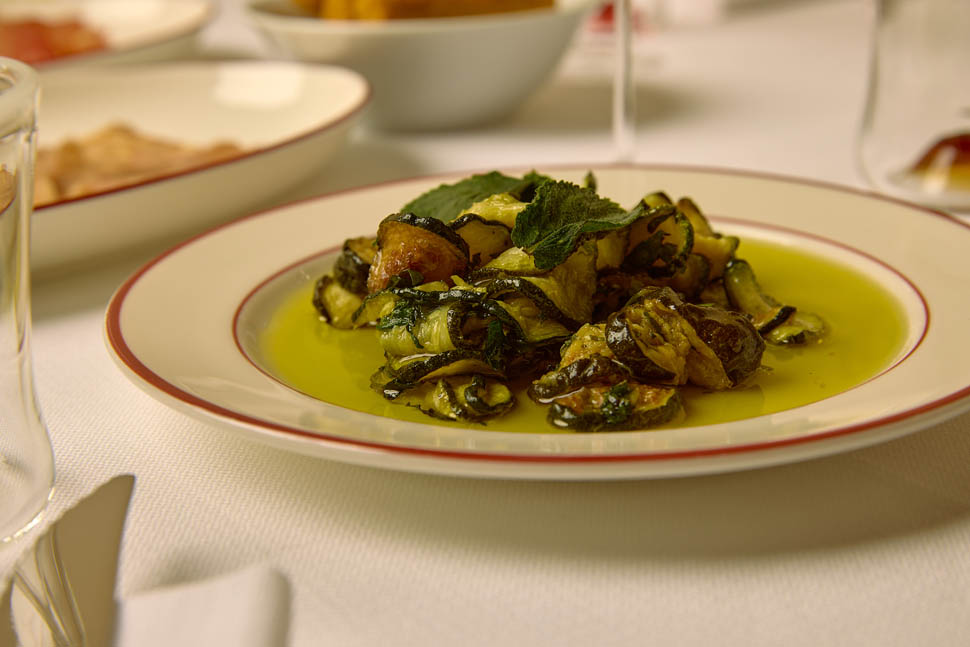
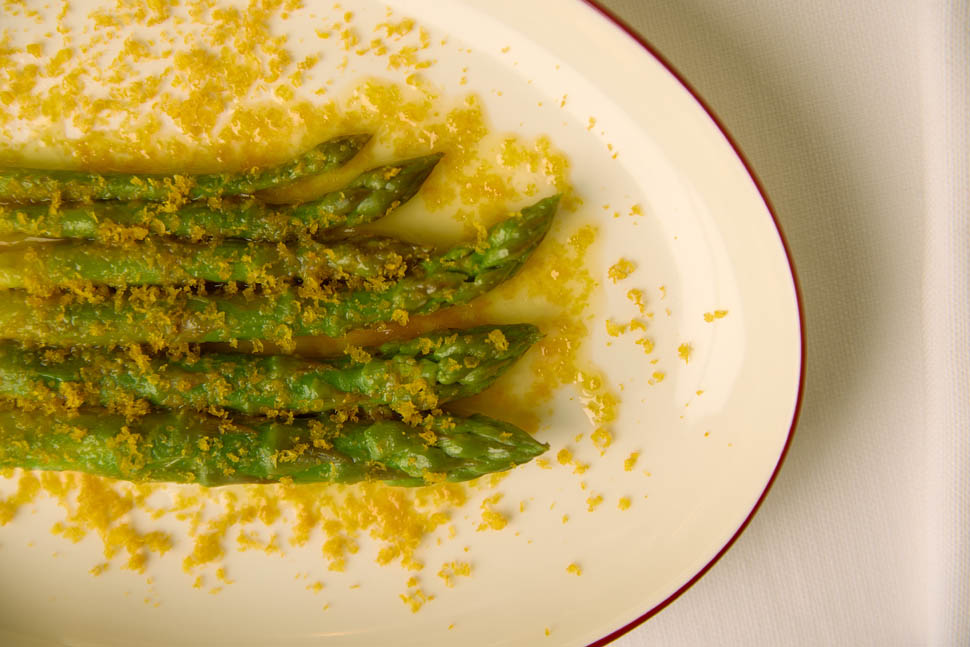
Our lunch took place on a day when the heat was almost enough to kill your appetite. Michele surprised us with a recent Franciacorta project in which the producer, Filippo Bianchi, seeks to recreate the same finesse and backbone as Krug in Franciacorta. We’re not quite sure how, but with his Padron&Co Extrabrut, he comes pretty close. We made a mental note to find out. The second bottle was Stefano Antonucci’s Forouge, a Piceno red best served chilled—crisp and juicy. Summery and unpretentious, it nevertheless made us skip a potential rosé. And we’re glad we did.
Da Panciroli
Via Gaudenzio Ferrari, 1, 20123 Milan, MI
Tel. 02 3826 0809
dapanciroli@gmail.com