The Michelin-starred chef who adopted twelve cows and grinds her own wheat at home: why (and how) Heidi Bjerkan wants to preserve the heritage of Norwegian cuisine.
The first thing Heidi Bjerkan champions isn’t a recipe. Nor is it a rare ingredient or a spectacular technique. What concerns her is the knowledge that is quietly disappearing—knowledge passed down for generations by herders, fishermen, farmers, and artisans who rarely find themselves in the spotlight, yet whose expertise makes every dish served at the table possible. For this reason, when she speaks of her restaurant Credo—now relocated inside the National Library of Oslo—the conversation almost immediately takes a different turn than one might expect from a chef celebrated by the Michelin Guide. The cuisine comes second. First come the land, the people, the animals, and the working hands. “Good cuisine comes from healthy soil, skilled producers, and respect for ingredients”, she told Rossa. Then she adds something that seems to guide every professional choice she makes: preserving and sharing knowledge. Learning from those who came before, passing on that heritage, and helping others understand where their food comes from. For her, curiosity is almost a duty.
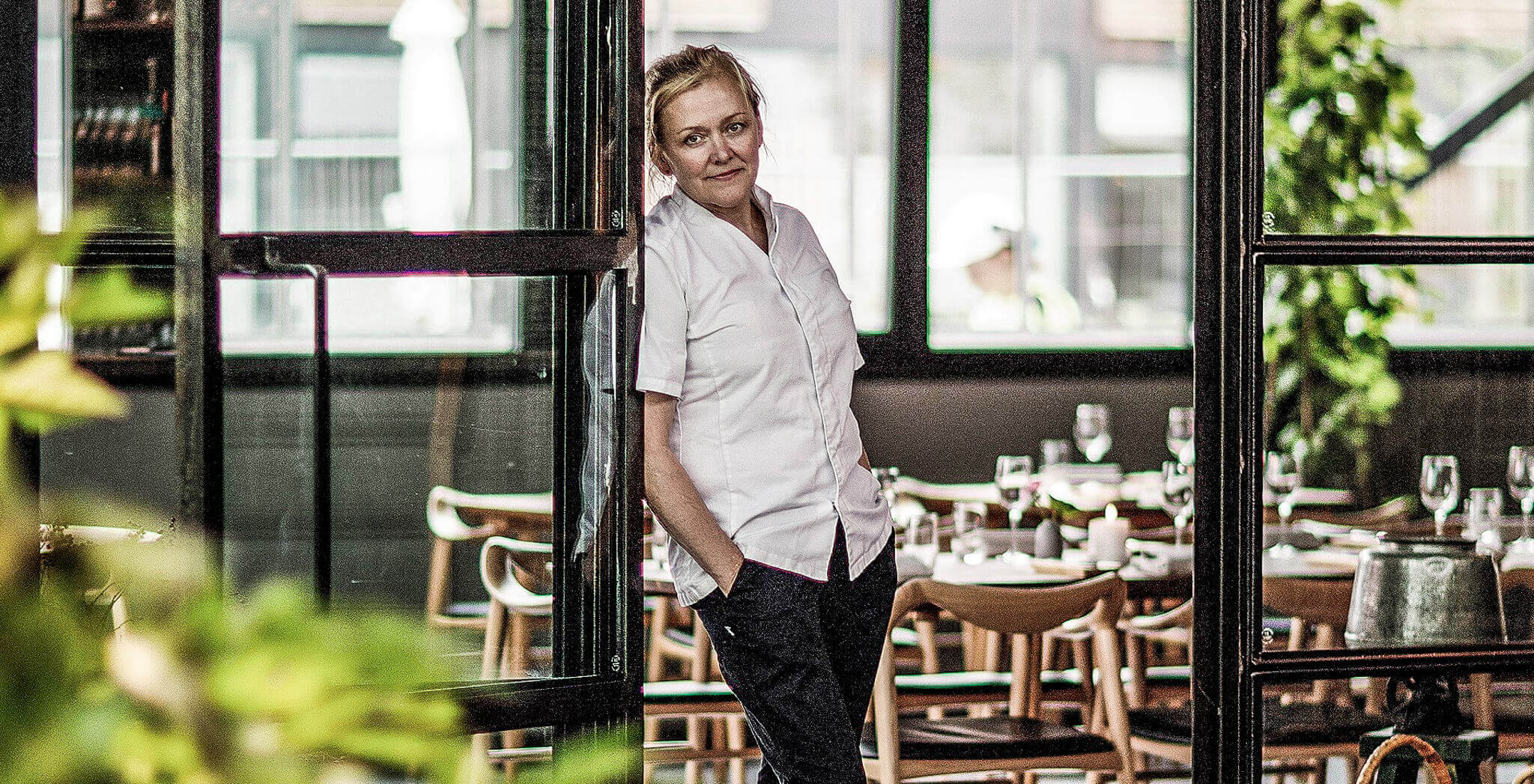
Credo has been part of many people’s lives. Founded twenty-eight years ago in Trondheim, on a small street named after an 18th-century Danish butcher, it has become a leading name in contemporary Nordic cuisine over the years. A restaurant that has reinvented itself several times without losing its character. After its stint in a former industrial area of Lilleby, it moved to Oslo in 2025, finding a home within one of the country’s most important cultural buildings. Here, the project expanded. Alongside the dining room are a bakery, a cafeteria, a food bar, and a summer terrace. A small ecosystem built around a single idea: telling the story of food starting from its origins. Bjerkan has arrived at this point after a long and far from straightforward journey. He studied in Oslo and worked in some of the most prestigious kitchens in Norway and Europe, from the Grand Hotel to Claridge’s in London. In the meantime, he found time to launch Vippa, a gastronomic space dedicated to culinary diversity, and even to take on the role of executive chef for the Norwegian Royal House, overseeing both private dinners and official events. Yet, the impression is that he continues to think like someone who still spends a lot of time on farms. In Trondheim, the restaurant’s walls were adorned with photographs of cows, complete with first and last names. Farmers often entered the dining room to meet the guests. It wasn’t a gimmick. It was a way to bridge the gap between producers and consumers.
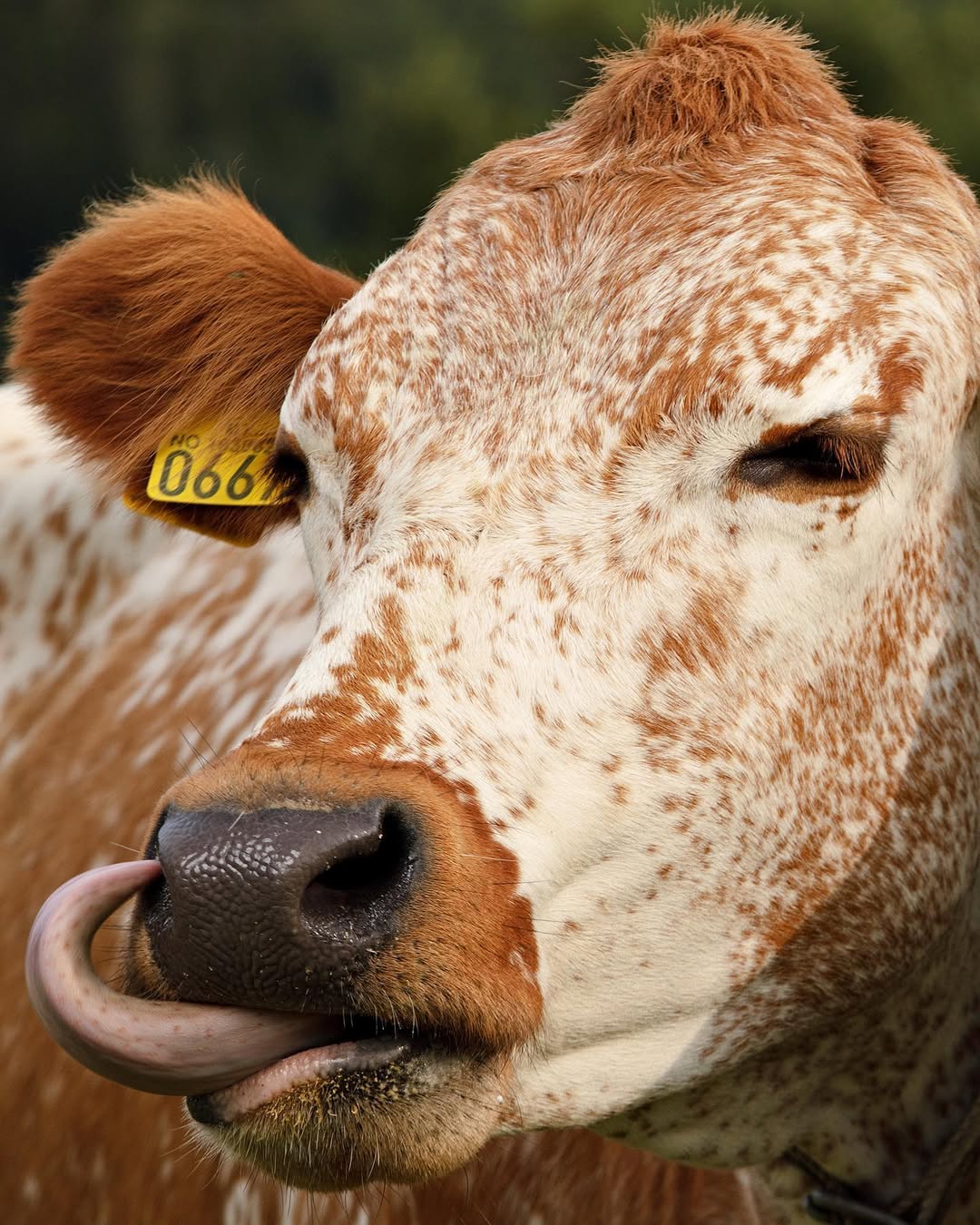
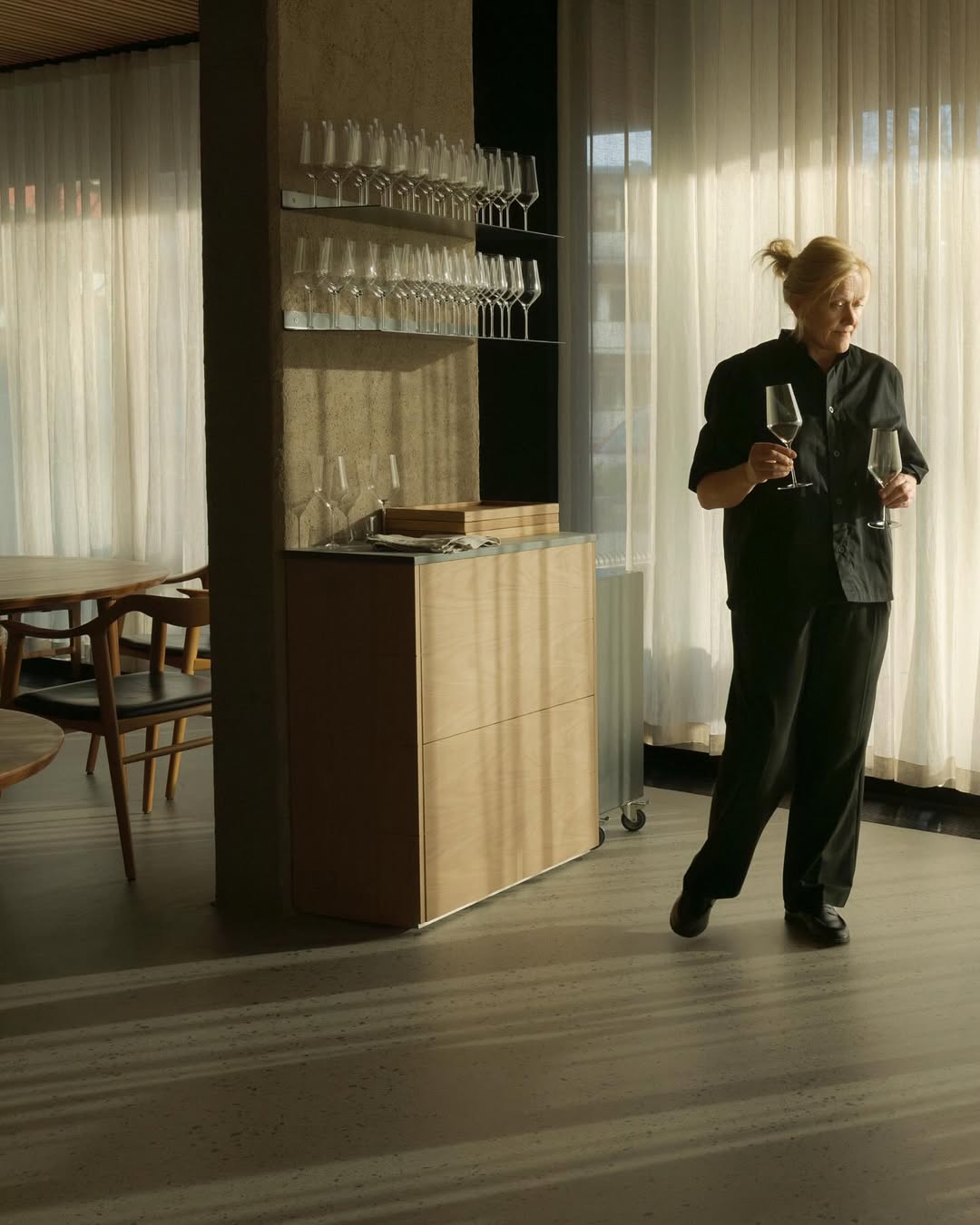
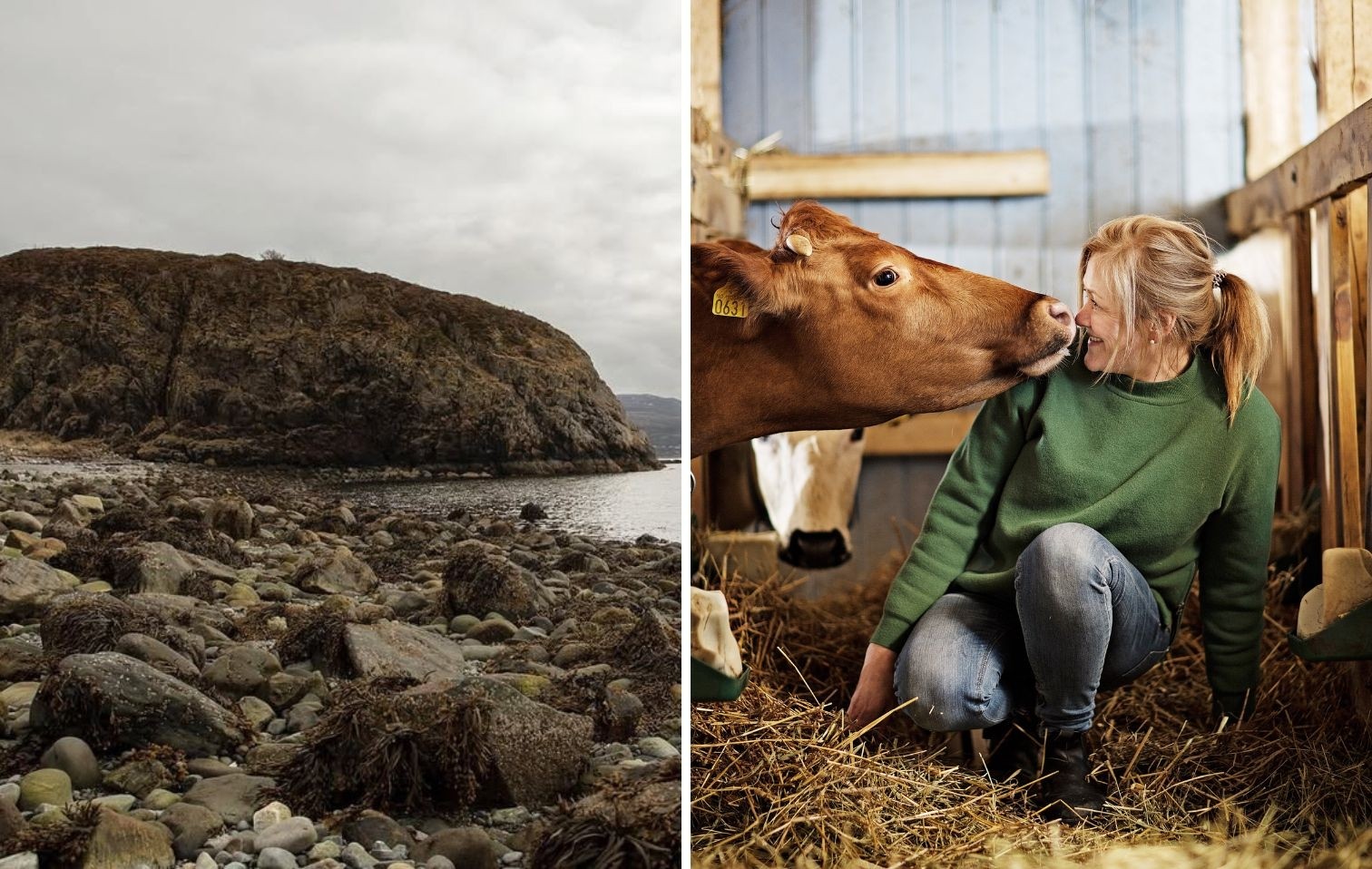
That philosophy lives on at the new location in Oslo as well. Credo has adopted twelve Telemark cattle from Braskerudsætra, the farm that supplies butter and dairy products to the restaurant. The animals have become an integral part of the stories told during service. For Bjerkan, food takes on meaning when you understand the relationships that make it possible. A pat of butter is not just an ingredient. Behind it lie pastures, seasons, farmers, animals, and daily choices. “It’s important to create connections between food, people, and the animals behind what we eat,” he explains. The same approach guides the selection of suppliers. In Trondheim, he had built a close-knit network of producers with whom he spent a great deal of time, visiting farms and closely following the work in the fields. Those relationships, she says, had become just as important as the products themselves. Today she seeks the same harmony around Oslo. She isn’t just interested in buying excellent ingredients. She seeks partners who share an identical sensitivity toward the land and the animals. Among the collaborations already underway, Braskerudsætra stands out once again, a supplier of pultost, a historic Norwegian sour cheese. At the same time, increasingly close relationships are forming with local fishermen and small producers. The bakery at the National Library is perhaps the most obvious symbol of this quest for control and awareness. A mill has been installed inside. The heirloom wheat arrives in grains and is ground directly on site whenever needed. A seemingly simple gesture that changes everything.

According to Bjerkan, bread begins long before the dough is made. Understanding the grain means understanding its character, its aroma, and its potential. Grinding it fresh allows for a greater preservation of its aromas, flavor, and nutritional properties. Whenever possible, the work is done in-house: bread, fermentations, preserves, stocks, and preparations that then come together in the culinary journey. The menu, too, follows a logic far removed from an obsession with signature dishes. When asked what her favorite creation of the moment is, her answer immediately veers away from the realm of rankings. The most interesting part, she explains, is not the individual dish but the collective narrative built by the entire sequence. Each course centers on an ingredient, a season, or a person. Together, they form a broader narrative. The goal is not merely to feed. She wants guests to take the time to listen to what the menu is telling. A dinner at Credo requires attention, openness, and curiosity—just like a book that isn’t read in a hurry. This attention is also reflected in how food waste is managed. Bjerkan belongs to that generation of chefs who consider every ingredient in its entirety. Trimmings, scraps, and less desirable parts are transformed into broths, fermented products, preserves, or meals for the staff. The question that guides the daily work is not what to discard, but what can still be obtained.
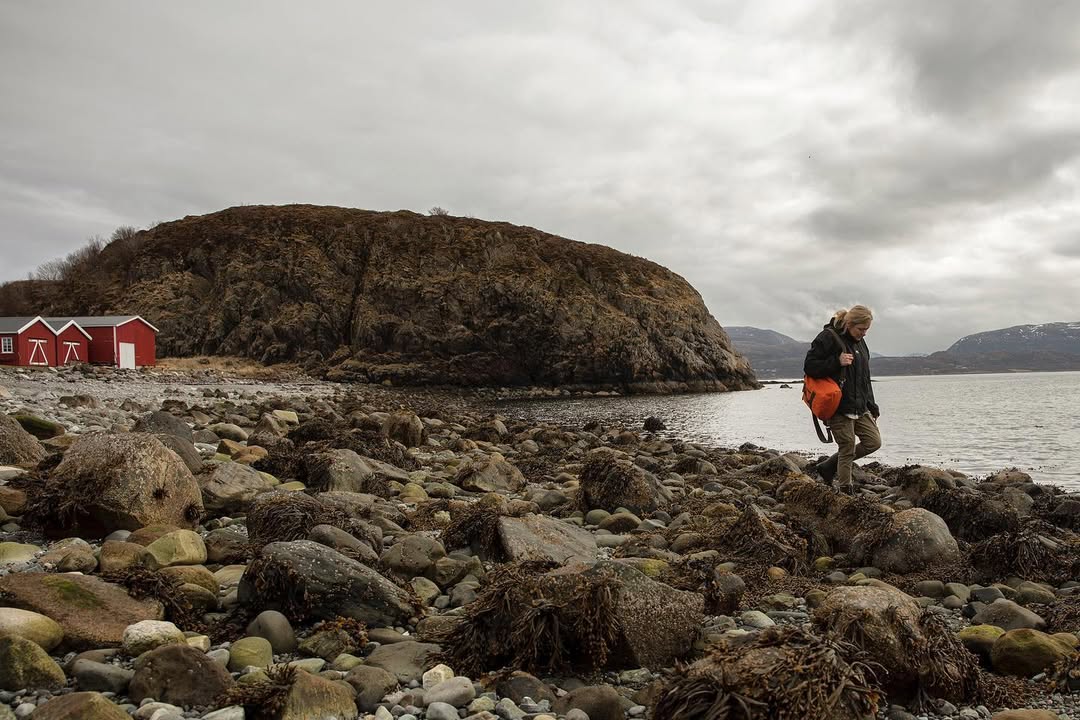
When asked what worries her most about the future of gastronomy, Bjerkan returns once again to her starting point. She fears the loss of skills passed down through generations—techniques, gestures, and knowledge that have shaped entire food cultures and that risk disappearing if no one steps in to protect them. That is why she insists on telling the stories of the producers and the people working behind the scenes. For her, cooking isn’t just about preparing a meal. It’s about keeping connections alive. And some connections, once lost, take much longer than a recipe to restore.