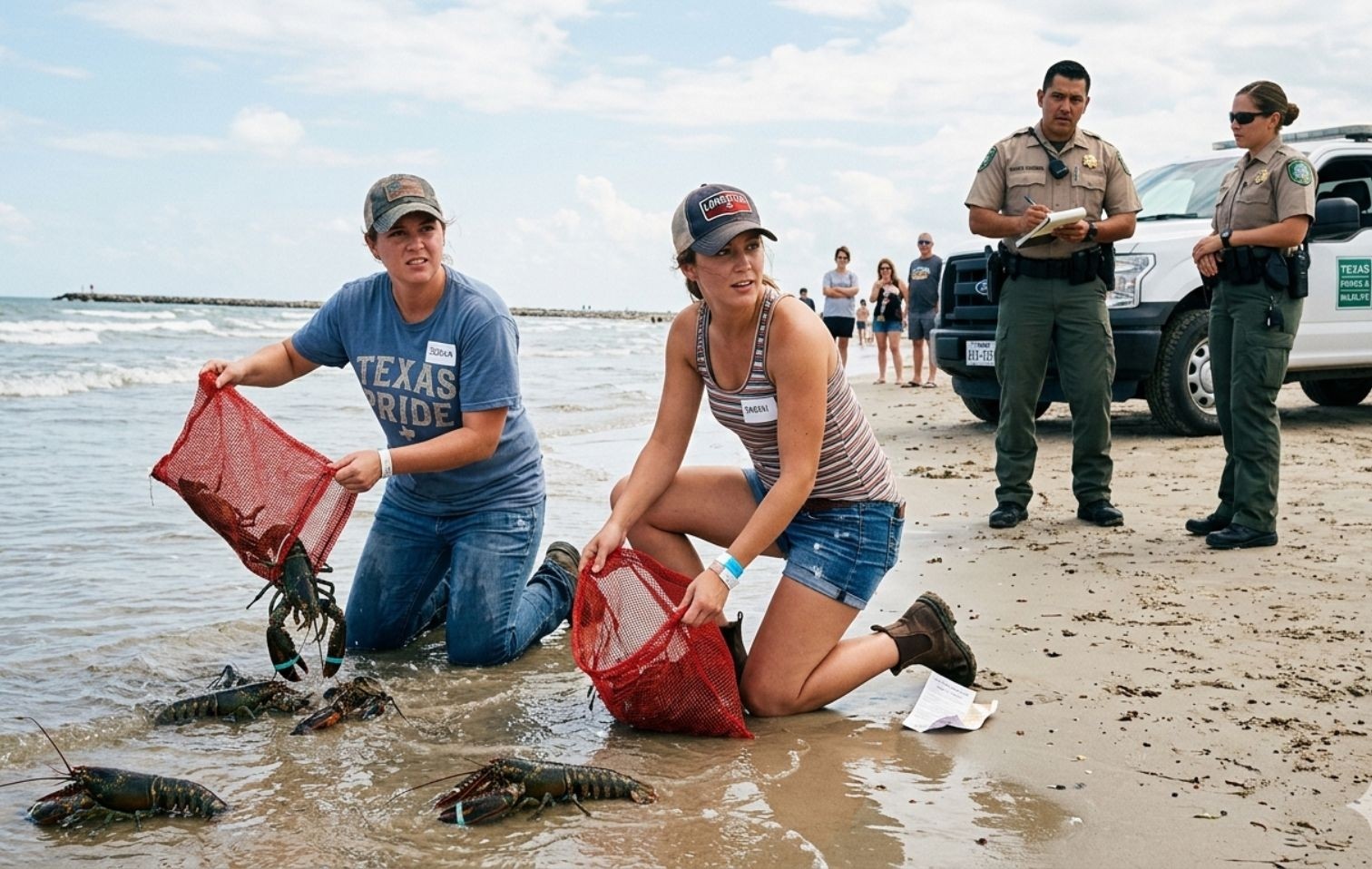
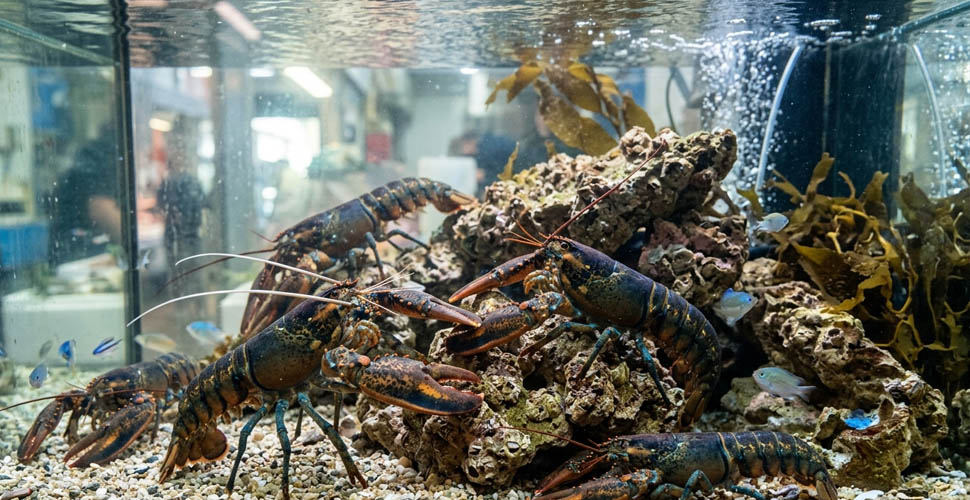
What was supposed to be a noble rescue mission turned into a potential environmental disaster and a legal case. Two tourists from Texas—a mother and daughter—purchased the entire contents of the aquarium at the “Mercato Pompeiano” restaurant with the intention of setting the crustaceans destined for the kitchen free.
What was supposed to be a noble act of rescue turned into a potential environmental disaster and a legal case. Two Texas tourists, a mother and daughter, purchased the entire contents of the aquarium at the “Mercato Pompeiano” restaurant with the intention of setting the crustaceans destined for the kitchen free.
The sequence of events
During lunch, the two women spent a long time observing the tank next to their table. Moved by the animals’ plight, they decided to buy them all: it was the daughter herself who fished out the ten lobsters with a net and transferred them to transport containers. They then took a taxi to the beach at Castellammare di Stabia, where they filmed the release of the lobsters into the waters of the Tyrrhenian Sea. “We gave them one last chance,” they said in the video that went viral on social media.
The biological risk: “alien” species in the sea
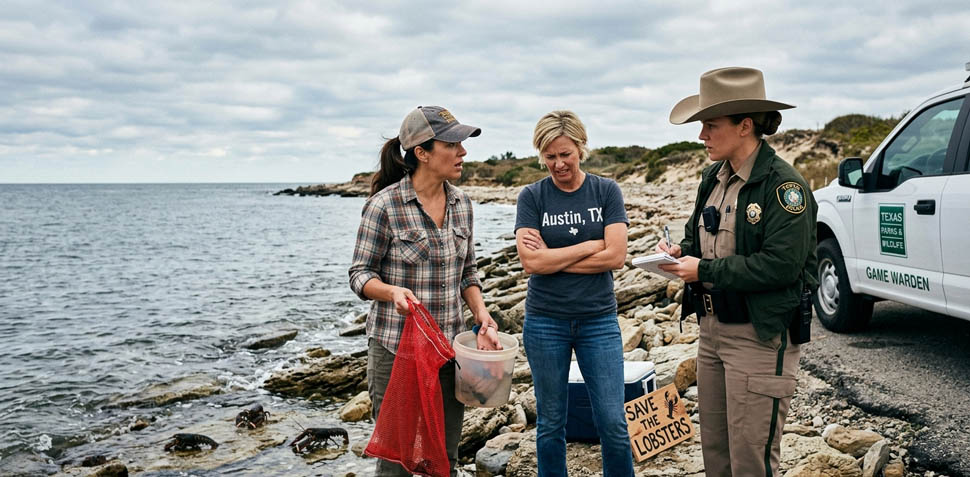
The tourists' enthusiasm clashed with the scientific community's immediate alarm. The released specimens do not belong to the European species, but are American lobsters (Homarus americanus), native to the northwestern Atlantic. The introduction of this species into the Mediterranean poses extremely serious risks: first and foremost, an environmental imbalance. The American lobster is, in fact, considered an “alien” species that can disrupt the fragile balance of our seabeds. Second, disease transmission: these crustaceans can carry parasites and pathogens that are lethal to local fauna. Finally, thermal shock: the transition from the low temperatures of the tanks to the warmer coastal waters is often fatal for the released animals themselves.
Legal Consequences: Arrest and Severe Penalties
In addition to the ecological damage, this act violates regulations on the protection of biodiversity. The release of invasive alien species is strictly prohibited by European Regulation 1143/2014. Those responsible now face extremely severe criminal and administrative penalties, including imprisonment: Italian law provides for up to three years in prison for environmental damage. Fines are also possible: monetary penalties can rangefrom a minimum of 10,000 euros to a maximum of 150,000 euros.

Behind the Scenes
Confirming that the species was non-native, experts noted the brown coloration of the carapace on the released specimens, a characteristic typical of imported lobsters, unlike the deep blue of the European lobster. After the release, the tourists sent a thank-you message in English to the restaurant owner, explaining that the mother had always wanted to do this after seeing “lobsters” in restaurants, concluding that, even if the animals will only live a few more days, “it was worth it.” A statement that contrasts with the opinion of ARPAC and the Ministry of the Environment, which reiterate that any release of wildlife must be preceded by rigorous authorisation studies to prevent irreversible damage.