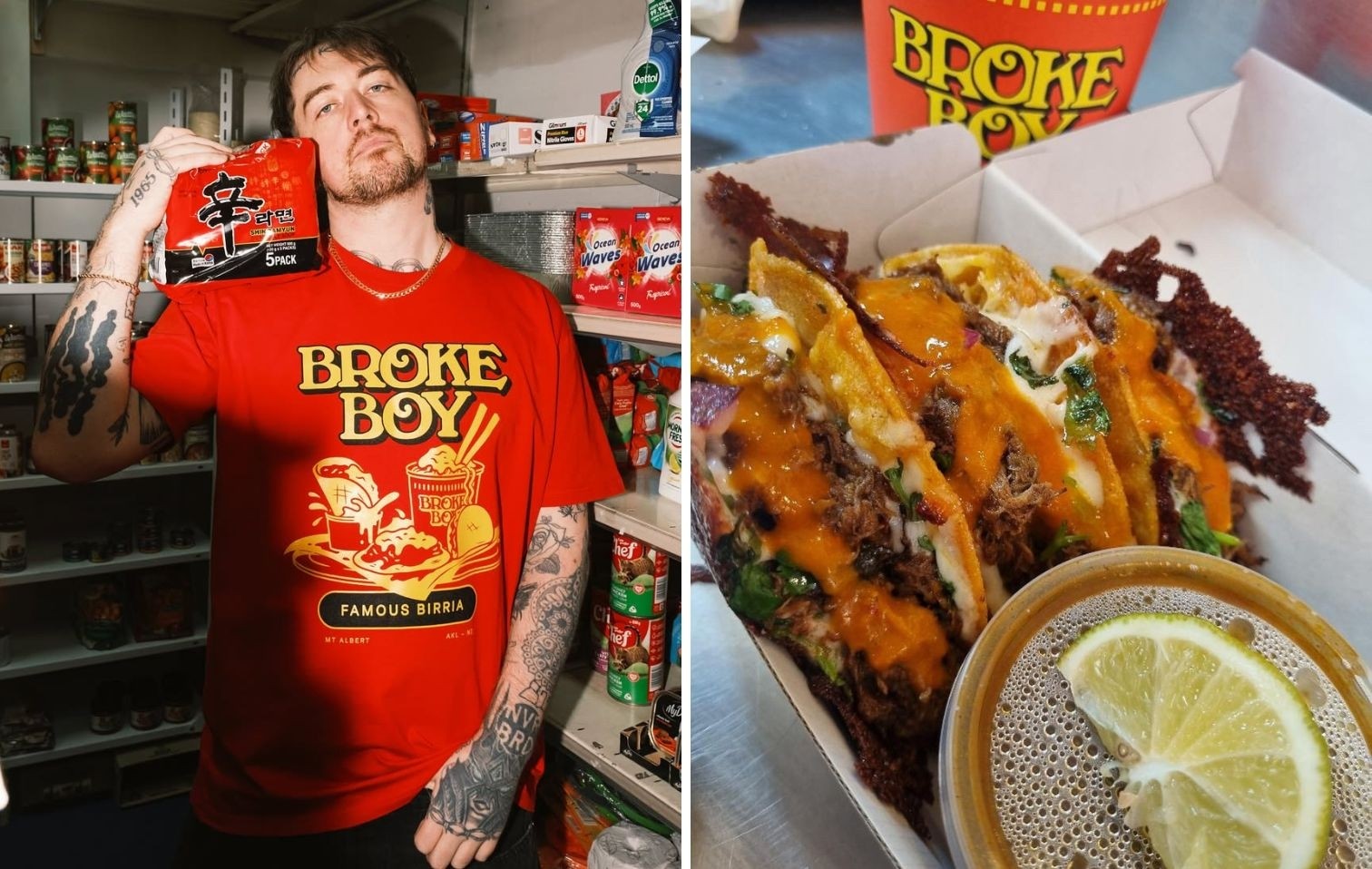
A griddle, a makeshift table, and a specific, almost stubborn longing: for a flavor that can no longer be found. Sean Yarbrough’s story begins this way, without a defined strategy, but with a clear desire that crosses an ocean and turns into a business venture. Today that desire has three locations, three kitchens in full swing, and a line that forms even before the shutters go up, but in the beginning it was just an idea that came to him almost by chance, while he was flipping burgers at a restaurant in New Zealand.
The Story
After moving in 2021, Yarbrough brought with him a simple yet powerful longing: Mexican food. “The thing I missed most about the United States was Mexican food,” he tells Business Insider, and that statement becomes a turning point when the owner of the restaurant where he worked asks him if he knows how to make tacos. His answer immediately opens a door: the next day, he cooks them, they taste them together, and he receives a piece of advice that sounds like a shrewd provocation: quit your job and sell them. There is no business plan, nor any entrepreneurial training behind him. Just a practical tip: buy a griddle, open a social media account, and get started. The name comes about almost by irony and becomes the brand: Broke Boy Taco. “I’ve been broke my whole life, so it seemed right to call it that.” Within that name lies a narrative, one that wasn’t contrived but lived firsthand. The beginning had the scale of real life: twenty people on the first day, forty the next, then numbers growing in an almost arithmetic progression, fueled by immediate word of mouth and a community responding with curiosity. The burger joint where he worked shared his posts, bringing in the first customers, and that initial network became his first audience. When the threshold of one hundred regular customers was crossed, the choice became inevitable: quit his job and devote himself entirely to tacos, transitioning from a sporadic presence to a regular one, three times a week.
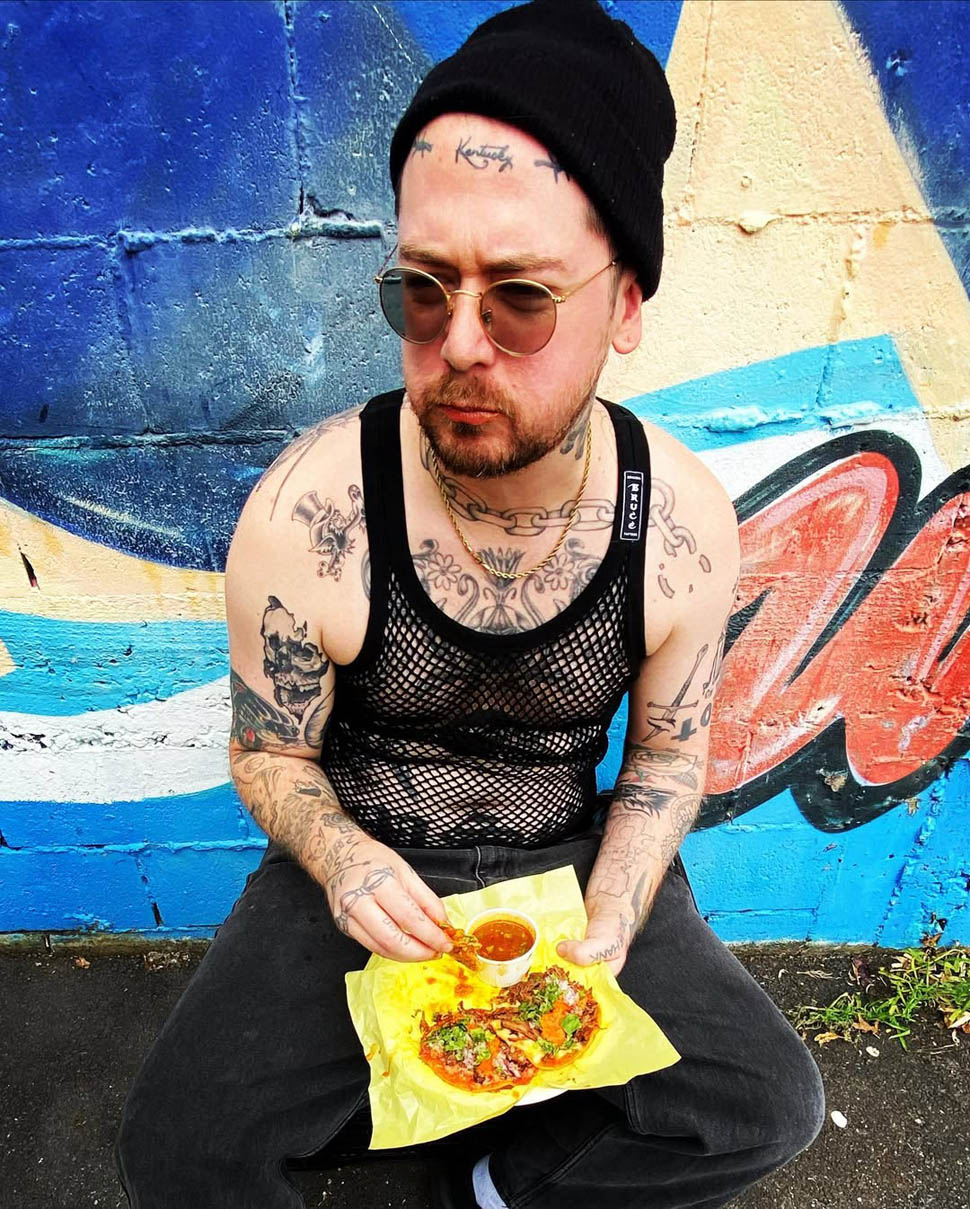
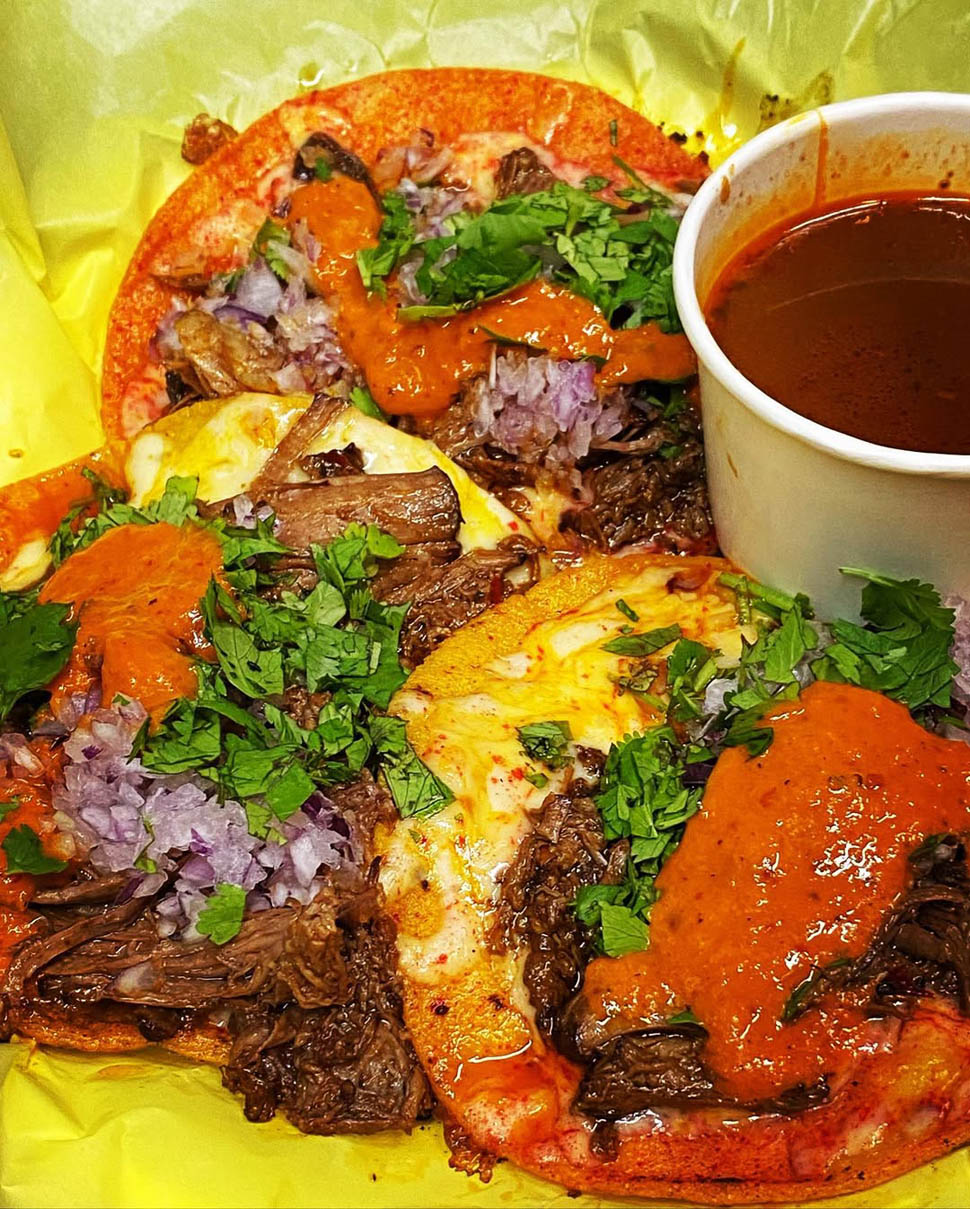
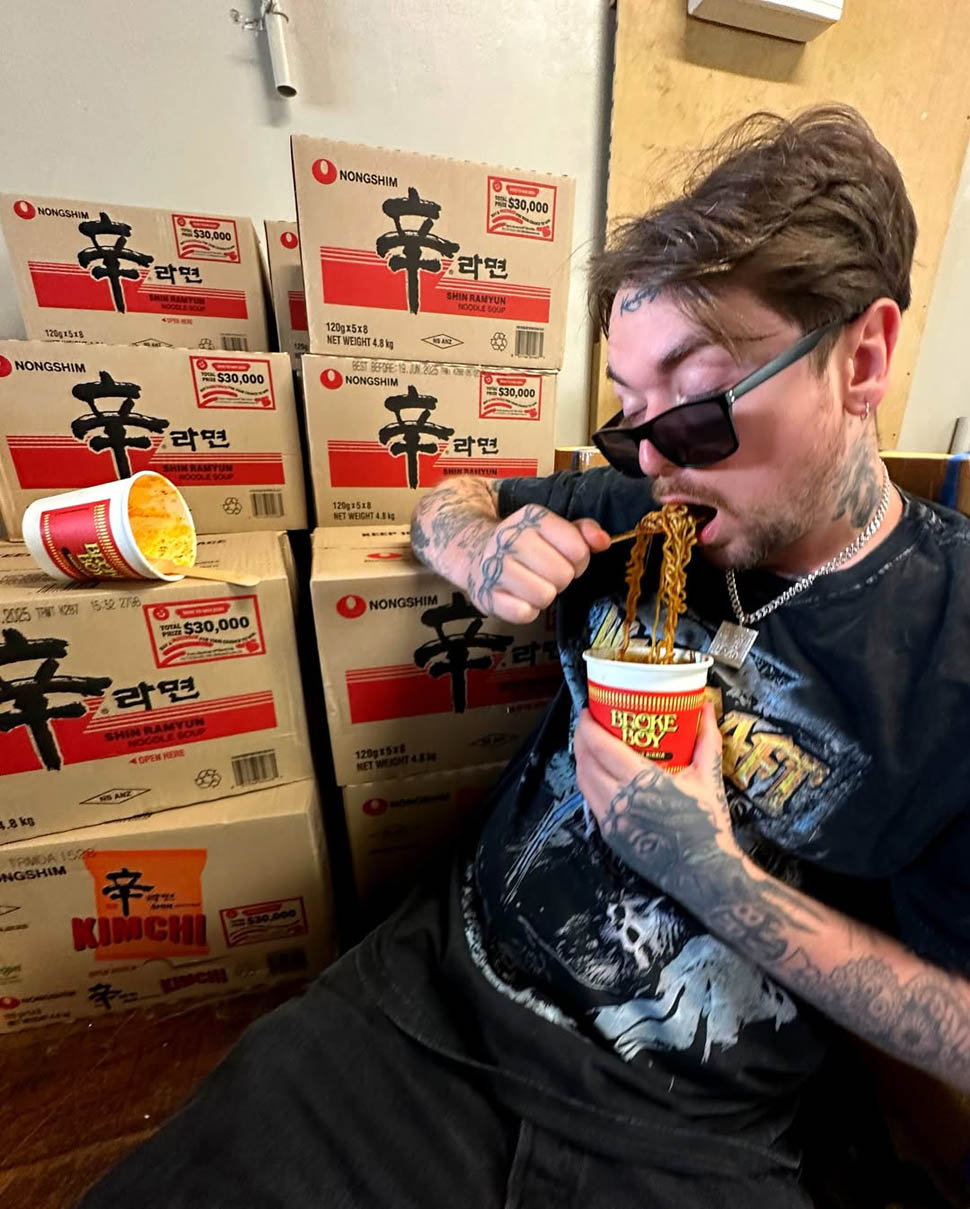
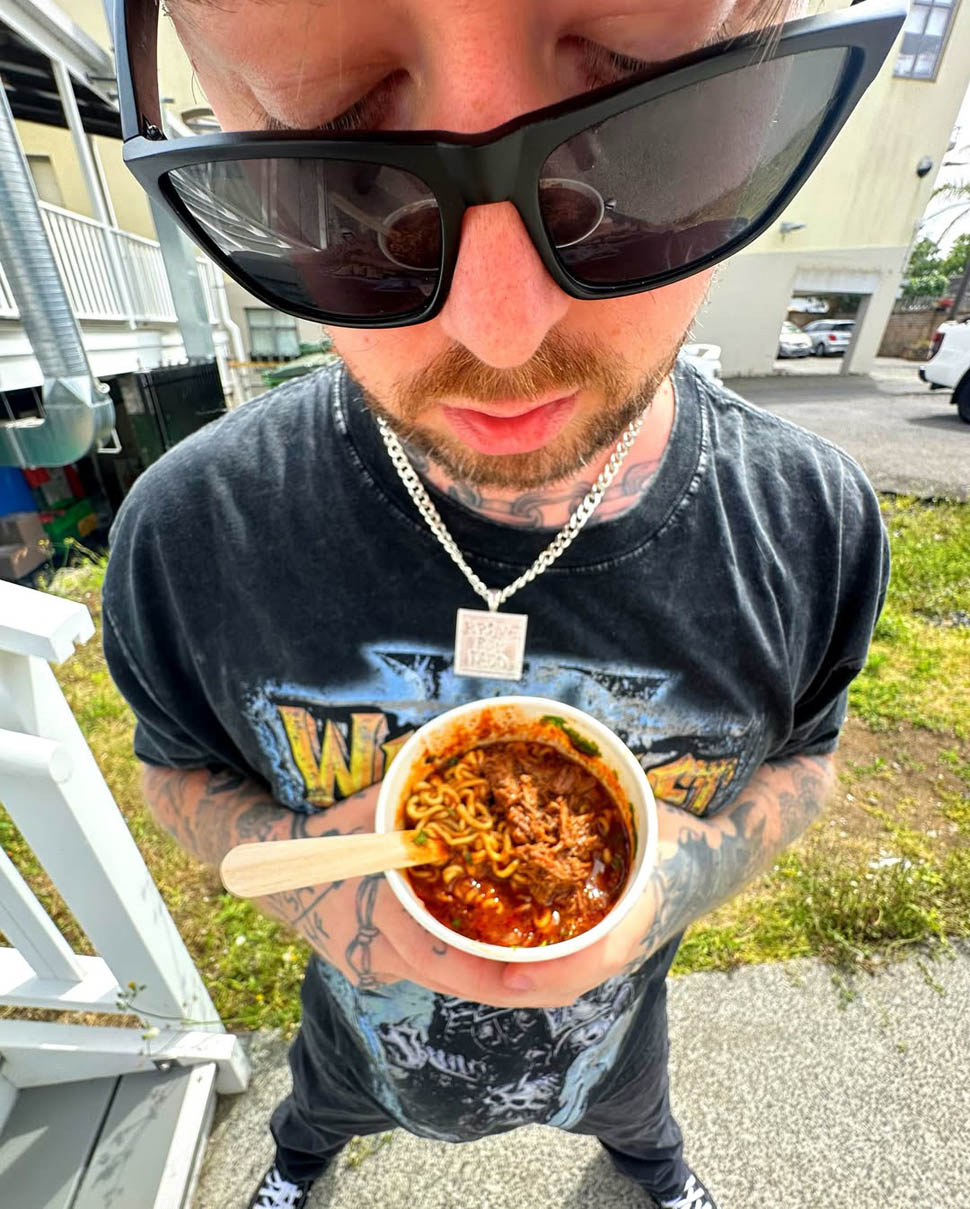
The next step marked an initial structural shift. A restaurant owner offered him the use of an unused kitchen in exchange for a percentage of the takings. Yarbrough accepted and moved in with his essential equipment, transforming an empty space into a temporary hotspot. Six months of intense work, built around a menu deliberately stripped down to the essentials: three items on the menu, no frills, no compromises. Coca-Cola, birria tacos—slow-cooked meat—and birria ramen. “Those were the things I liked best and knew how to make best.” The decision to limit the menu proves decisive, as it allows the project’s identity to be concentrated into a few recognizable, replicable, and consistent dishes. In a culinary landscape often crowded with options, subtraction becomes a form of precision. But the real catalyst came shortly after, through a tool that today is reshaping dynamics and trajectories: social media. A video shot with a smartphone, posted on TikTok and Instagram, suddenly changed the scale of the project. The next morning, followers multiplied, and when Yarbrough arrived on site, hours before opening, he already found people waiting. “As soon as I saw that line, I knew I’d won the lottery. If you can get people to come try your food, they’ll come back”. In that sentence lies an instinctive, almost primal awareness: the quality of the product as the only real lever for turning curiosity into loyalty.
Digital success is intertwined with an even more powerful element: personal history. Yarbrough doesn’t construct a fabricated narrative; instead, he shares his own past, marked by marginalization and difficult comebacks. “I was homeless for most of my childhood in Kentucky, I struggled with drugs and alcohol, and I ended up in jail.” Words that don’t seek pity, but provide context. Those who line up don’t just find a product, but a person, a journey, an identity reflected in the dishes. This authenticity becomes an integral part of the project. “I’m not a wealthy entrepreneur looking to make money. I want to cook good food.” A simple, almost disarming statement, yet one that builds a direct connection with the public. Initial curiosity turns into a relationship, and the relationship into continuity. Within a few months, the project takes on a new dimension. The accumulated savings are invested in the purchase of a first restaurant in October 2023. At the same time, an unexpected figure enters the story: a UFC star, a regular customer, who stands in line like everyone else and ends up playing an active role in the business’s development. The transition from customer to investor happens almost naturally, allowing Yarbrough to expand the project further by purchasing a food truck and opening two more locations.
In less than three years, his journey has unfolded at a pace that even he struggles to comprehend. “It’s all surreal. It’s incredible that people know who I am, that they want to take pictures with me, that they even know my cat’s name.” A seemingly minor detail that actually reveals the depth of the connection he has built with his audience, fueled by a constant presence and spontaneous storytelling. Financial success comes as a consequence, not as a stated goal. The purchase of his first car becomes a concrete symbol of this transformation: “It’s the first car I’ve ever bought in my life.” A milestone marking the transition from a precarious situation to a new stability, built through hard work and consistency. Yet, behind the growth and visibility, there remains a dimension of daily struggle. The days grow longer, sleep is reduced to a few hours, and energy is constantly expended to sustain rapid and continuous growth. “I sleep four or five hours a night; I’m tired, but I’m happy. I have this opportunity and I can’t let it slip away.” A tension that holds together enthusiasm and discipline, vision and practicality.
The story of Broke Boy Taco tells us something that goes beyond a single narrative. It speaks to how a culinary identity can emerge far from its original context and take on a new form in a different setting, while still maintaining a strong emotional connection to its roots. It speaks to how simplicity, when supported by skill and authenticity, can become a universal language. And above all, it illustrates how cuisine today is no longer just a matter of technique and ingredients, but also of storytelling, presence, and the ability to build community around an everyday act like eating. Yarbrough remains focused on this point, avoiding the waste of energy on overly broad projections. “If all this has happened in such a short time, imagine what might happen next”. A statement that doesn’t sound like ambition, but like an observation. The future remains open, suspended between possibility and daily work, with one certainty already established: a hot griddle, when it meets a true story, can change the course of an entire life.