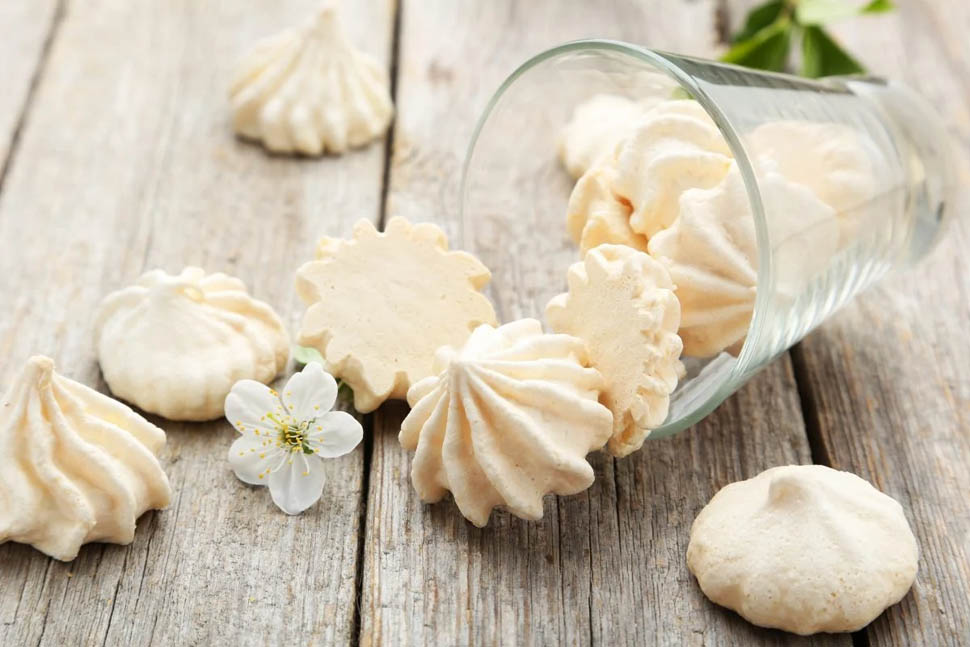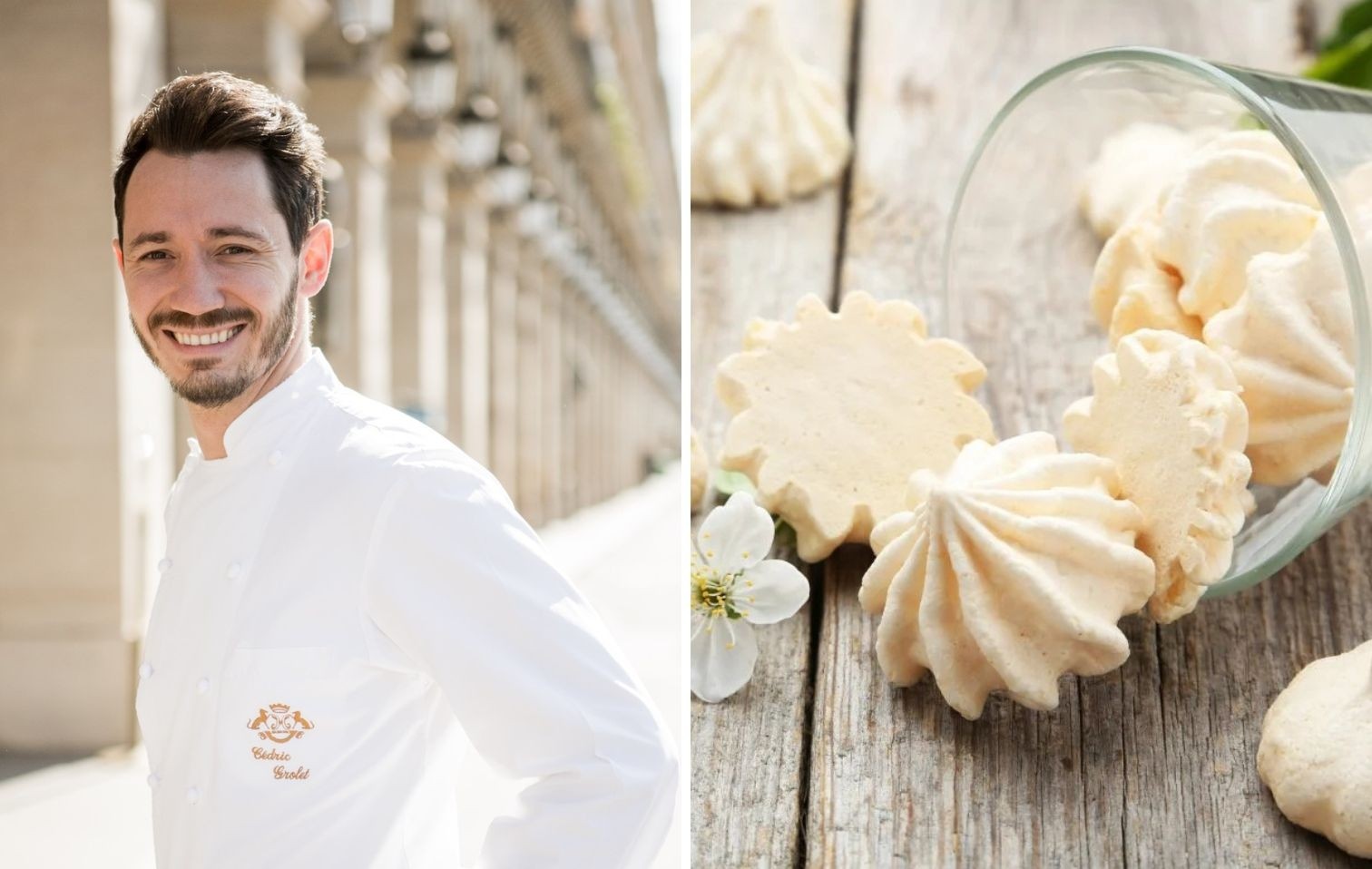
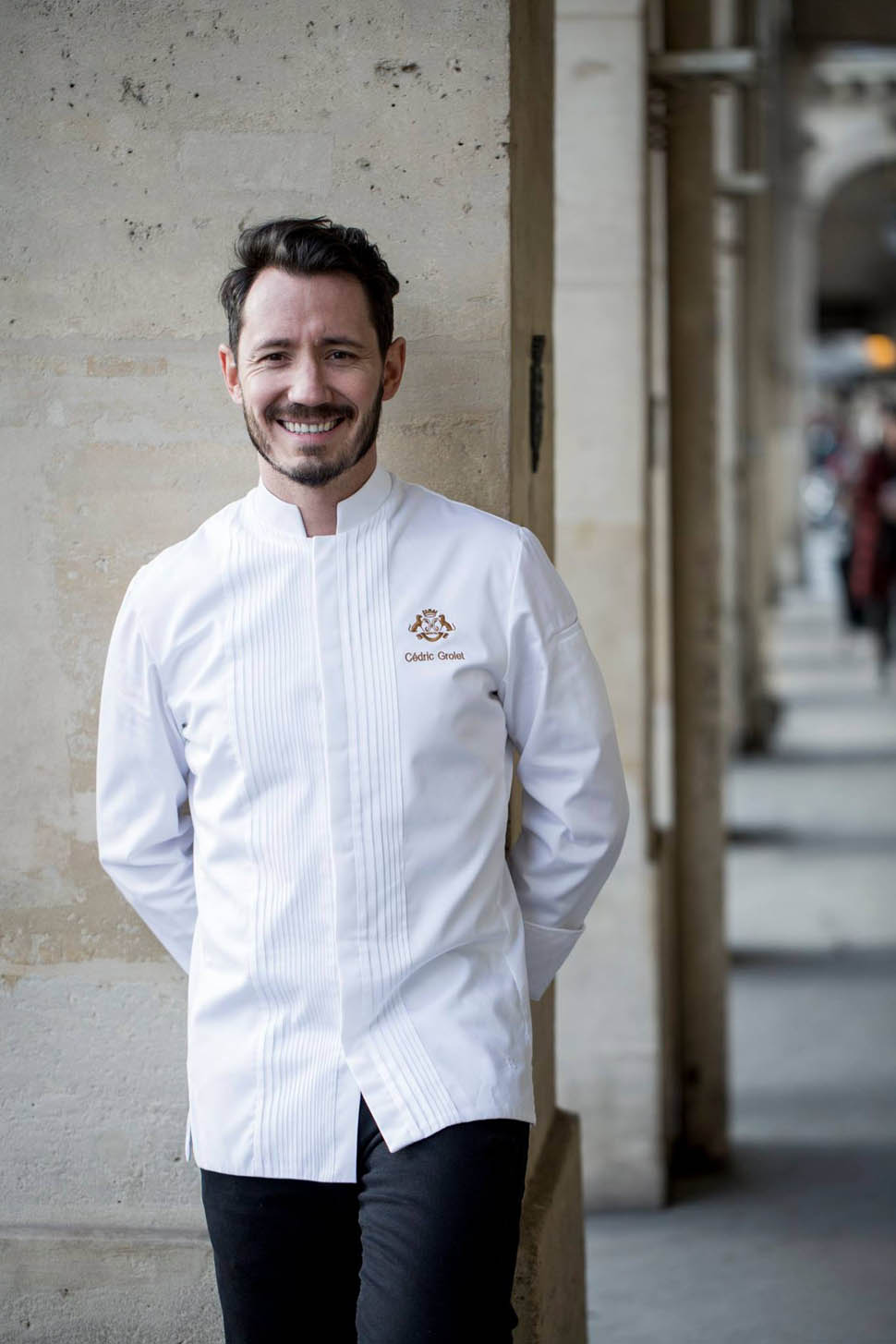
If modern pastry had a rockstar face, it would undoubtedly be that of Cédric Grolet: more than just a pastry chef, he is an artist who has transformed flour and sugar into works of art. His “meringues 3.0” are proof of this—as glossy and striking as a signature cake.
Having trained as an Executive Pastry Chef at Le Meurice in Paris, Grolet is now the driving force behind his Opera boutiques. Yet one thing is certain: this bold innovator in the world of desserts has rewritten the rules of French pastry, infusing it with a dynamism that goes beyond mere technique. With a following of over 13.7 million followers on Instagram (and nearly as many on TikTok), his videos—in which he dissects hyper-realistic fruits or assembles spiral cakes with surgical precision—have gone viral across the globe. But don’t be fooled by the social media aesthetic: behind the allure of these rhythmic videos lies a talent recognized by the industry’s leading figures. Grolet’s creativity has, in fact, been recognized by a slew of international accolades, such as the title of The World’s Best Pastry Chef at the prestigious The World’s 50 Best Restaurants in 2018.
Iconic desserts
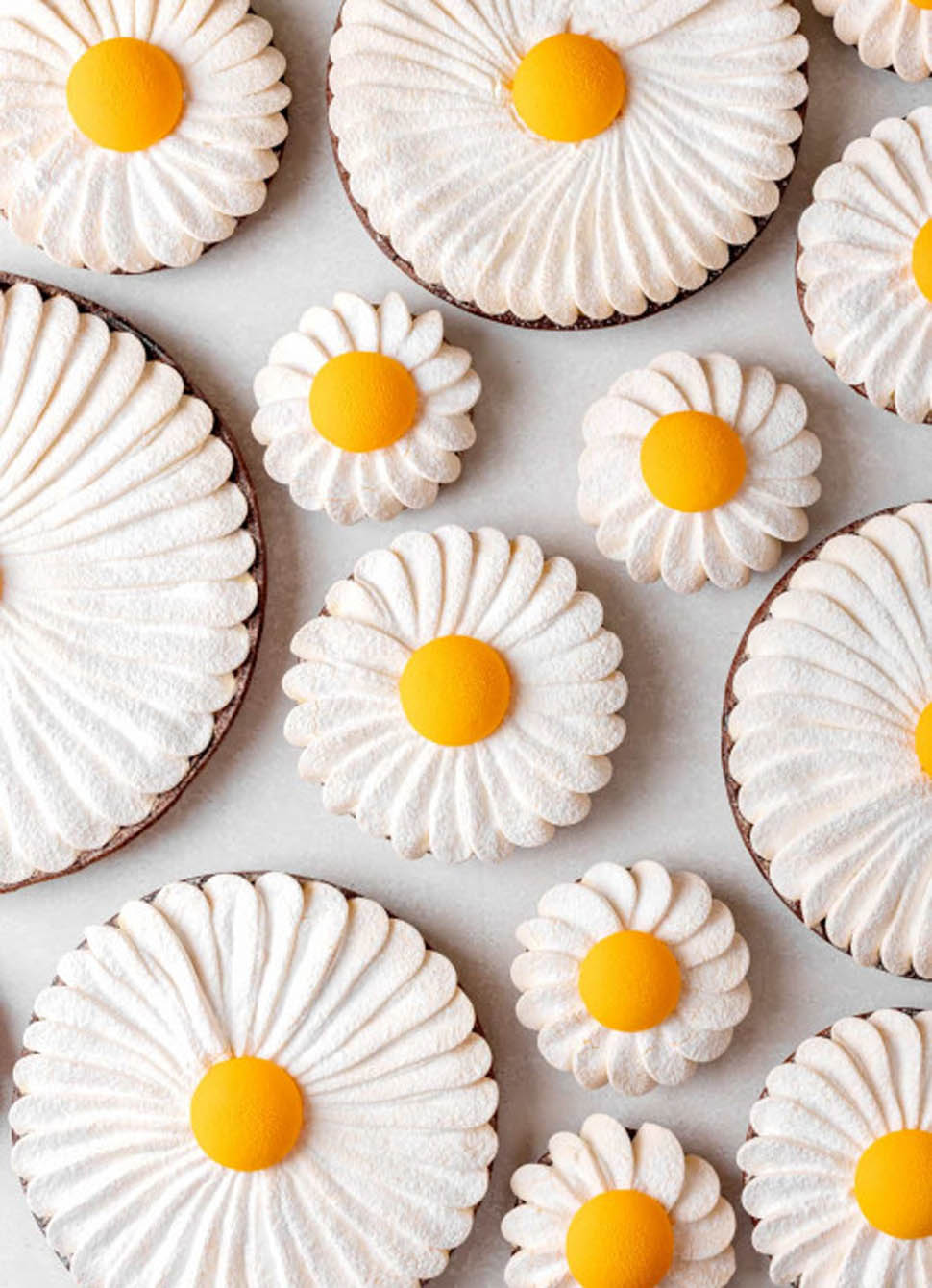
Grolet’s trademark is his line of “Fruits Trompe-l’œil”. These are creations that perfectly mimic the appearance of real fruit—lemons, apples, hazelnuts, peaches—but conceal within them a core of whipped ganache, fresh fruit inserts, and crunchy, textured toppings. An explosion of flavor that plays with visual illusion. Alongside the fruits, his famous Tarte aux Pommes (arranged in a rose shape with meticulous skill) and his flaky croissants, which resemble small architectural sculptures with golden highlights, stand out.
The art of meringue: clouds of sugar
Before we dive into the specifics of the recipe, let’s talk about the foundation of every crispy treat: the meringue. Often underestimated, it’s actually a test of patience and technique. Whether it’s French (like the one we’re about to make), Swiss, or Italian, the secret lies entirely in the balance between air and temperature. Meringue doesn’t “bake,” but rather dries. It’s a delicate balance where the egg whites must trap air within a glossy structure, ready to transform into a crumbly cloud that melts on the palate.
The recipe: perfect French meringue
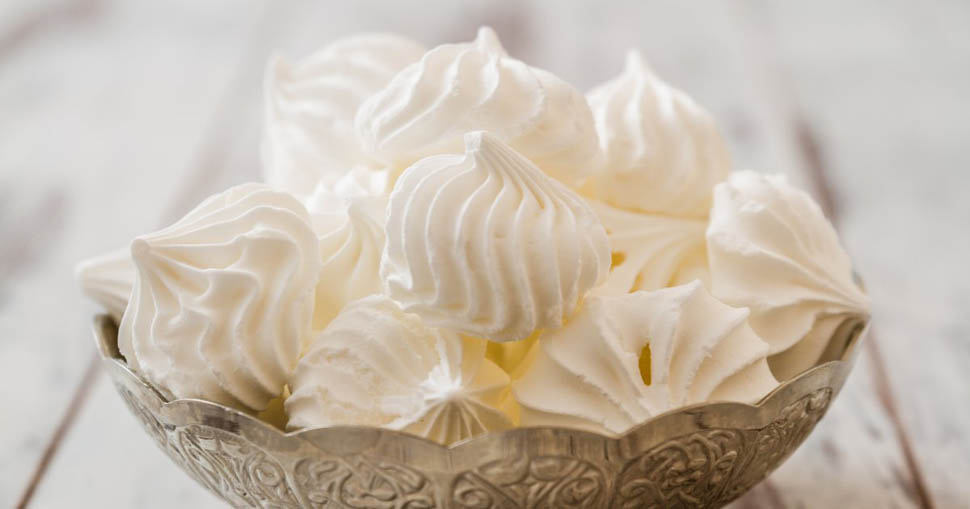
Here’s how to make flawless, firm, and glossy meringues, following Grolet’s professional pastry standards. The recipe was published by Marie Claire- Cuisine et Vins.
Servings: 6
Prep time: 15 minutes
Cooking time: 2–3 hours
Ingredients
- 200 g egg whites (strictly at room temperature)
- 200 g granulated sugar
- 200 g powdered sugar
Preparation
Initial whipping: Pour the egg whites into the bowl of a stand mixer fitted with a whisk. Begin whipping them on medium speed until they start to become frothy and form a light white foam.
Adding the sugar: Increase the speed slightly. Gradually add the granulated sugar in three or four batches, allowing the crystals to dissolve well between additions.
The “bird's beak”: Continue beating until the mixture is smooth, glossy, and very firm. When you lift the whisk, the mixture should form the so-called “bird's beak,” that is, a firm peak that curves slightly back on itself without falling.
The Final Touch: Sift the powdered sugar thoroughly. Fold it in by hand, using a spatula, with gentle upward movements to avoid deflating the incorporated air.
Shaping: Transfer the mixture to a pastry bag fitted with your preferred tip (plain or star). Pipe your meringues onto a baking sheet lined with parchment paper.
Drying: Bake in a convection oven at a temperature between 90°C and 100°C. Let dry for 2–3 hours. The time varies depending on size: the meringue is ready when it feels completely dry to the touch and peels off the paper without resistance.
Cooling: Turn off the oven and let the meringues cool completely inside, keeping the door slightly ajar (you can use a wooden spoon to create a gap). This step will eliminate any residual moisture.
Chef’s tip: For perfect results, use “aged” egg whites: separate them from the yolks the day before and store them in the refrigerator in an airtight container, bringing them back to room temperature before use. This breaks down the protein bonds, making the foam much more stable.