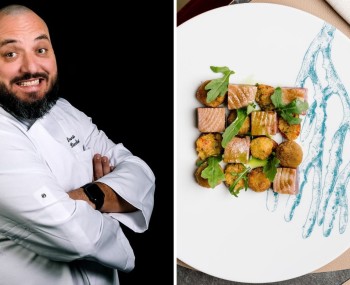
Interview with the chef to popes and Hollywood VIPs: “I’m not a chef; I’m a cook. And I bring my home to the world.”
The Story
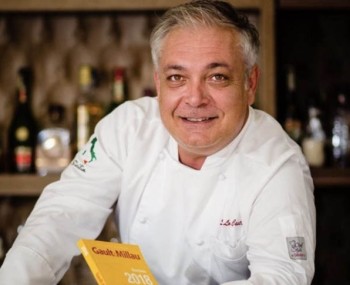
A clear, almost stubborn conviction runs through Salvo Lo Castro’s journey: cooking does not always stem from a romantic calling; sometimes it arises out of necessity, establishes itself as a daily routine, and then, slowly, takes shape until it becomes a language. From Catania to New York, passing through European kitchens, Vatican palaces, and distant capitals, his story unfolds as an irregular trajectory, shaped by discipline, intuition, and a personality that never tries to soften its edges. “Born in Catania on May 5, 1973, I became a kitchen nomad,” he says with a tone that blends irony and self-awareness. His first step began at the hotel school in Giarre, but even during his studies he gained direct exposure to the profession, spending seasons in Liguria, Rome, and other Italian cities. Then Milan, Lausanne—his training broadened and took shape, eventually becoming a method. After military service, the kitchen became his definitive domain: France, between Paris and Montpellier, London, experiences that solidified his technique and rhythm, before his return to Italy.
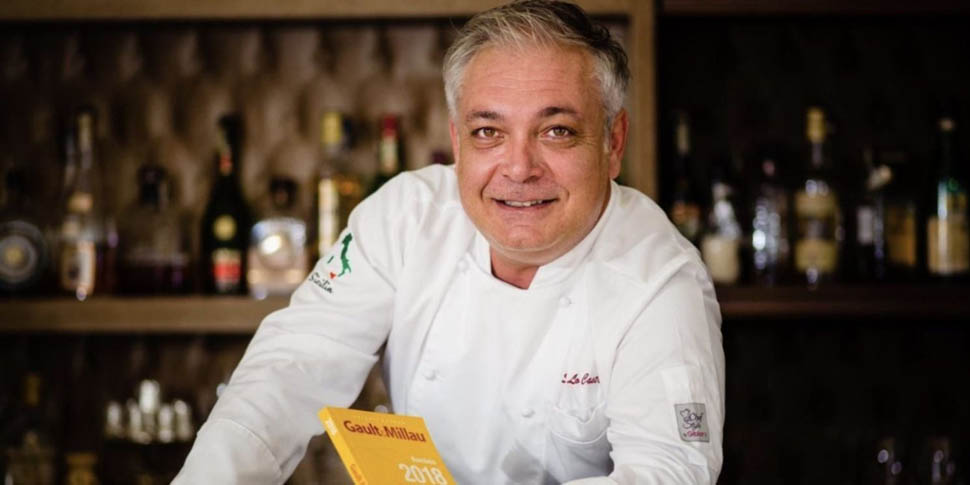
Rome marked a decisive turning point. The five-star Hotel Eden, and then his induction into the Confraternity of St. Charles in the Vatican, where he remained for a decade. A period that Lo Castro describes as a school within a school: “In ten years, I got to know everyone, including the two popes, John Paul II and Benedict XVI.” In those kitchens, another central element of his approach takes shape: family memories that find their way into the dishes without asking permission.His mother’s meatballs and fettuccine with slow-cooked ragù become personal signatures—recipes that stand the test of time and now return to his restaurant as hallmarks of his identity.
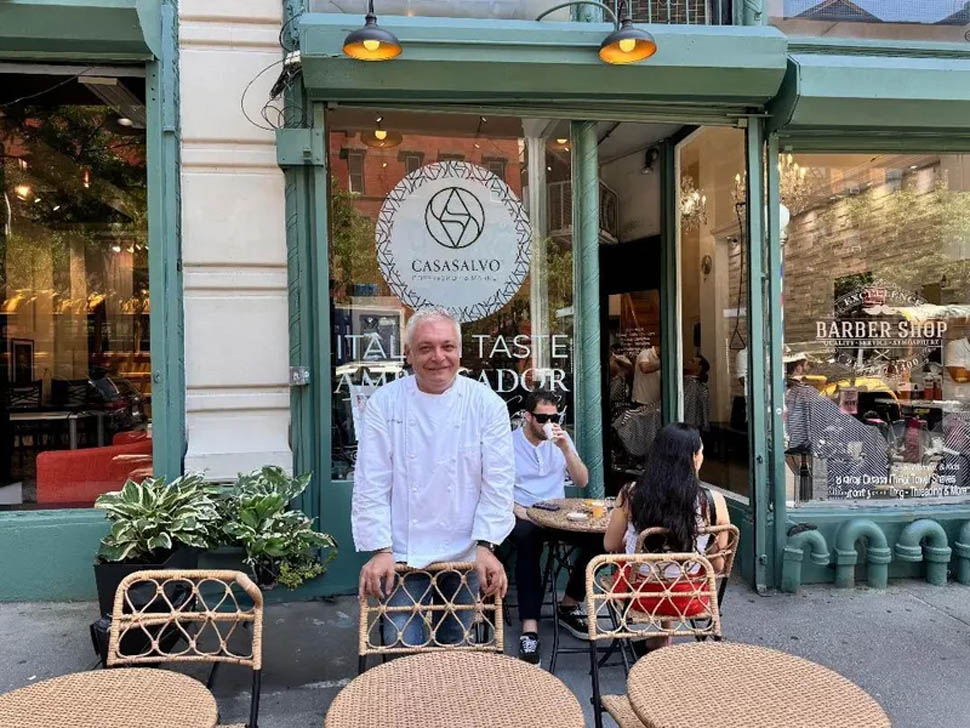
His journey has never followed a straight path. After the Vatican, he embarked on a series of European collaborations, all the way to Romania, where he opened the Pitasso restaurant and earned two Gault & Millau hats, even appearing on local television. The pandemic interrupted that experience but not his need for movement: Saudi Arabia, serving the royal family and institutional events, then Panama, with the opening of two restaurants at a time when the world was slowing down and he was speeding up. New York came almost as a sudden intuition, a trip that became a decision. “I arrived at Christmas, saw the city I knew only from movies, and thought: I have to stay here.” The initial hurdle was bureaucratic; work didn’t come immediately, but after a month he obtained his green card, and from there a new phase began. Not directly with a restaurant, but with a more flexible idea: Italian-style coffee shops, small spaces where coffee and products become an experience. Success was immediate, almost overwhelming, starting in September 2024: lines stretching hundreds of meters every day, three openings in less than a year. “I was making money, but it wasn’t my job. I have to run a restaurant,” he says without hesitation. The turning point came on July 20, 2025, when he opened Casa Salvo in SoHo. A date chosen with a personal logic bordering on superstition: the 13th and the 20th, numbers linked to his family and his history. “I only open on those days; there are no other dates.”
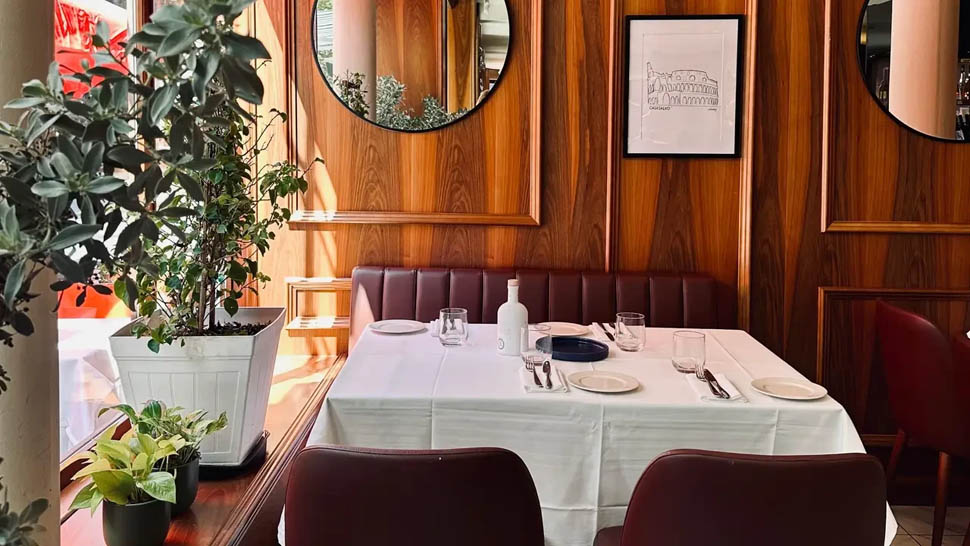
The Concept: Casa Salvo
Casa Salvo is not just a name; it’s a statement. “Sicilian hospitality runs through my veins. I don’t have customers; I have guests.” This concept translates into a precise vision of dining, where every element contributes to the overall experience. Hospitality is the first step—almost more important than the food itself. “ If you’re treated poorly, you could be eating gold, but that’s what sticks in your mind.” From this springs an obsession with detail that borders on rigidity: total control, no room for approximation. “Before every service, I check everything. If I find a bent fork, I make a huge fuss. There’s no margin for error.” His self-definition further clarifies his position in the contemporary landscape: “I call myself a cook. Today, everyone calls themselves a chef after three months. A cook has two colors: black and white. There is no gray.” A clear-cut vision, which is also reflected in the restaurant’s management: no grand openings, just the same approach. “I open the door, you come in, you eat. I greet all my customers, whether they’ve ordered a dish or not.”
The Dishes
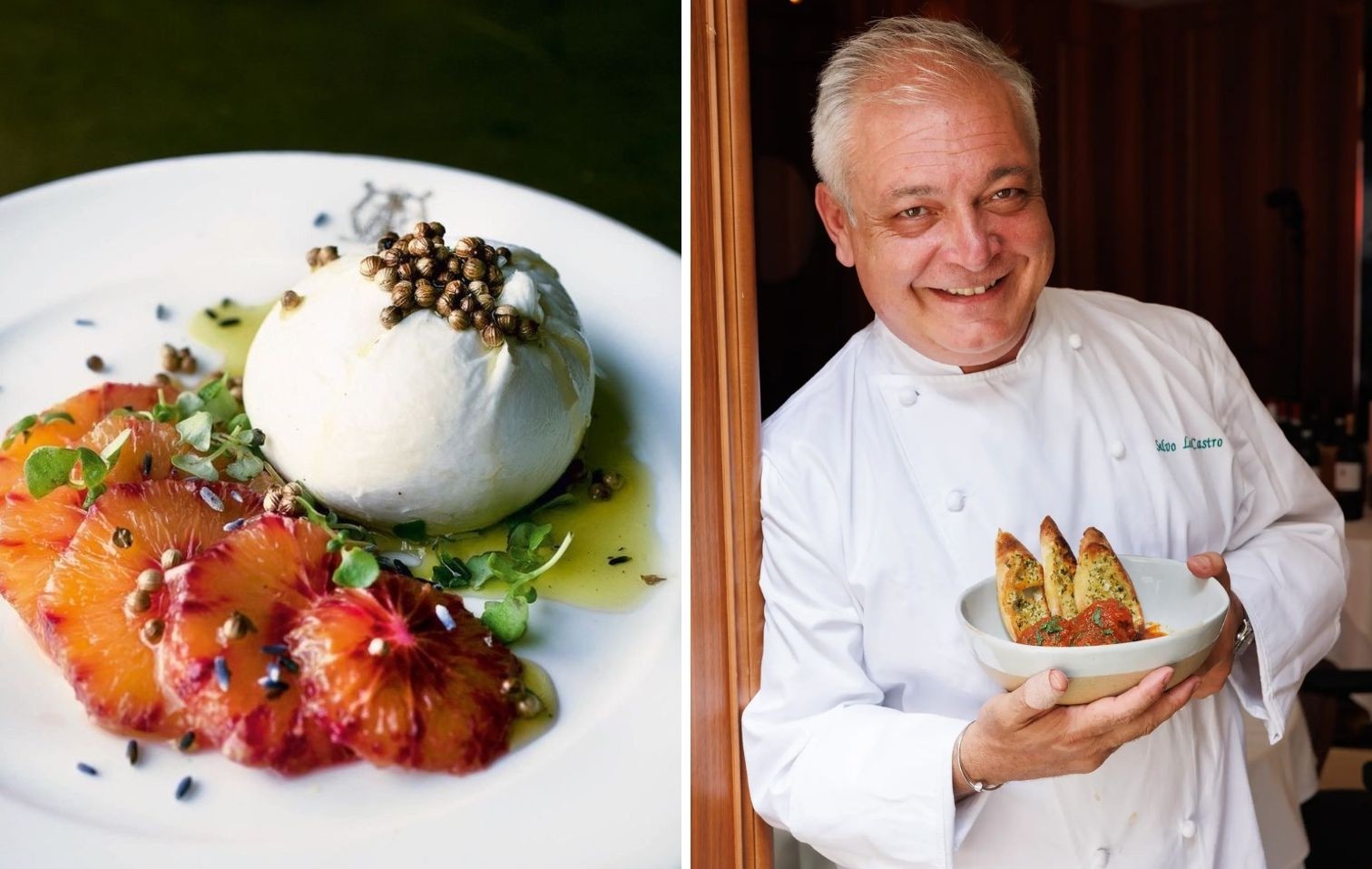
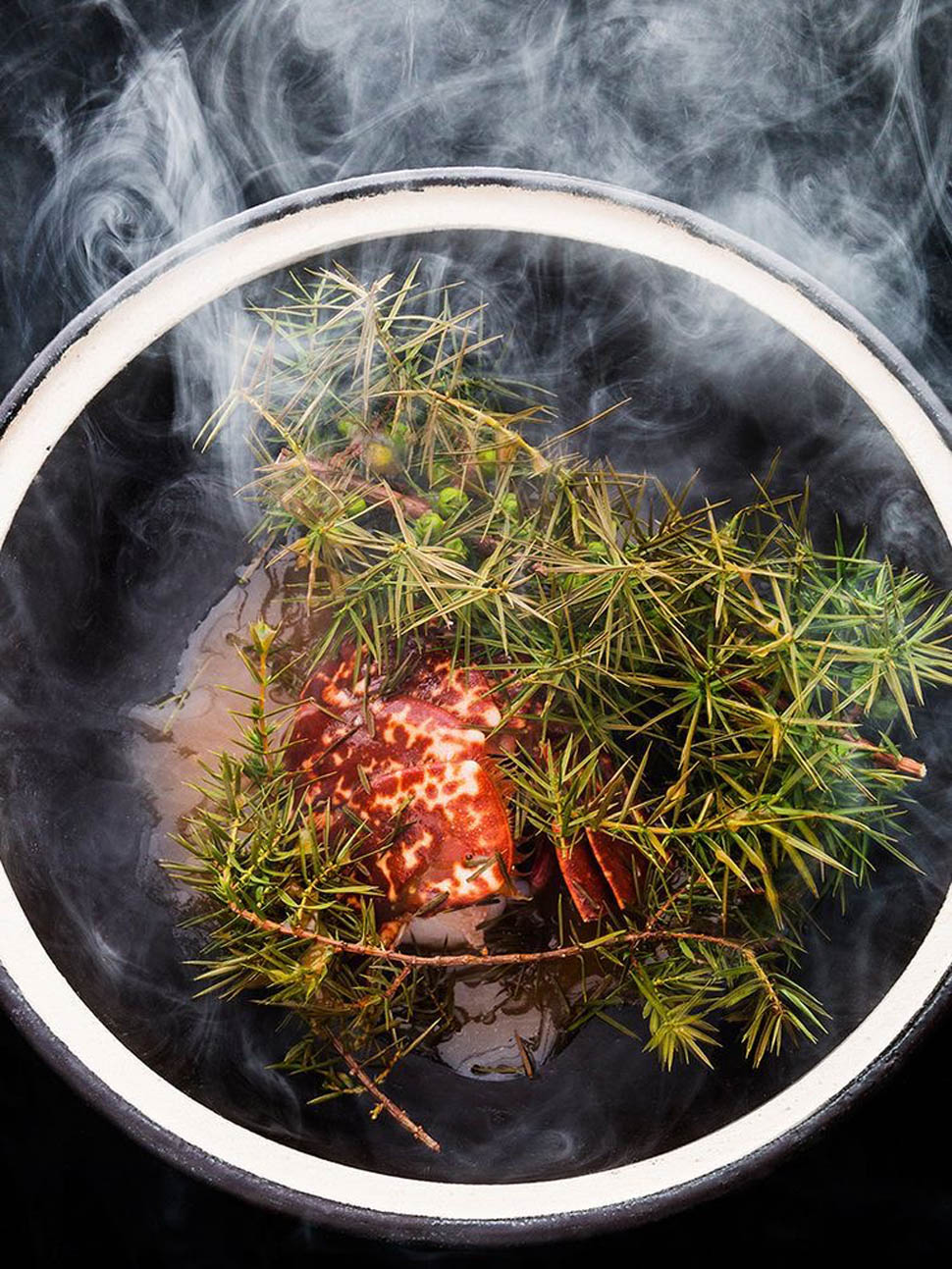
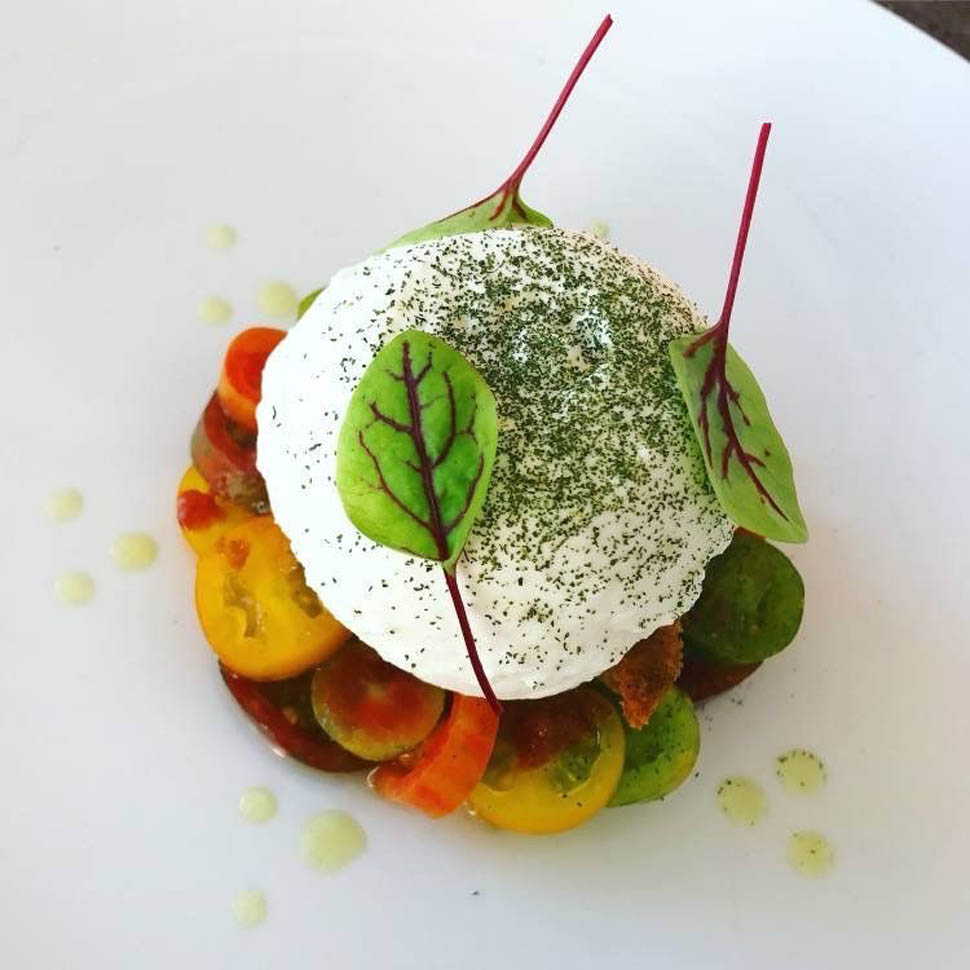
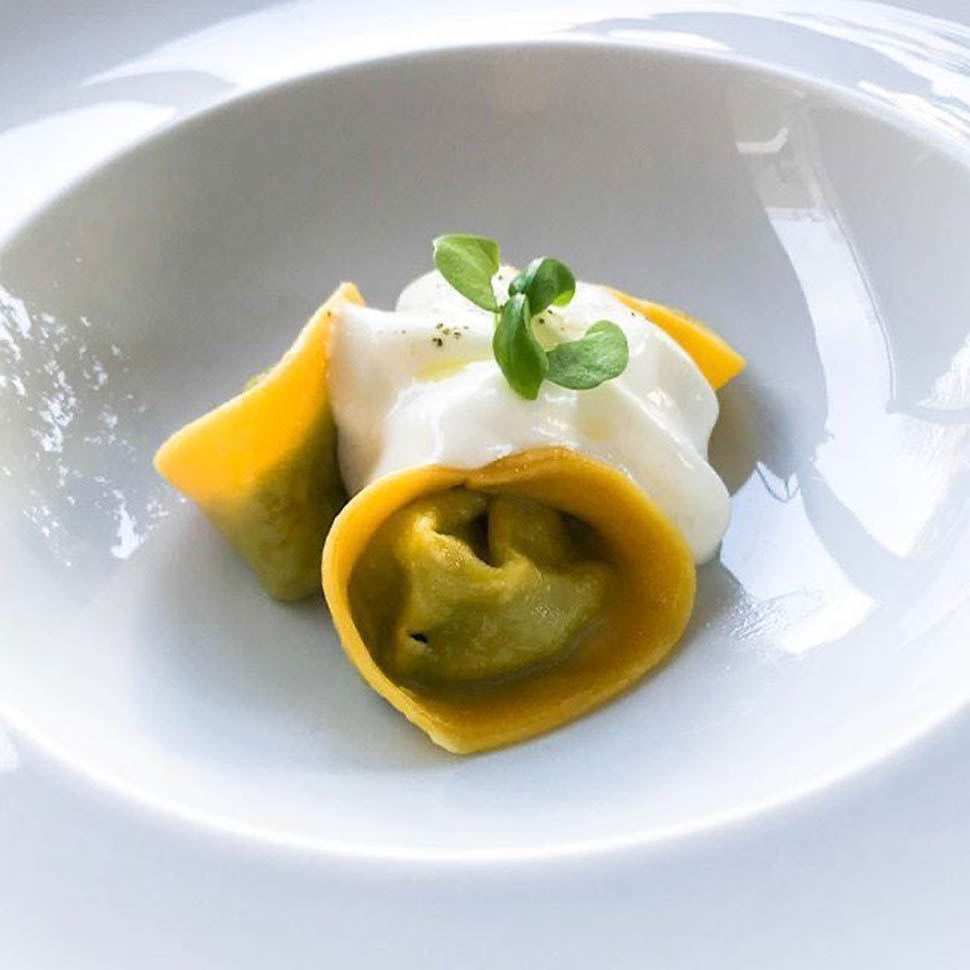
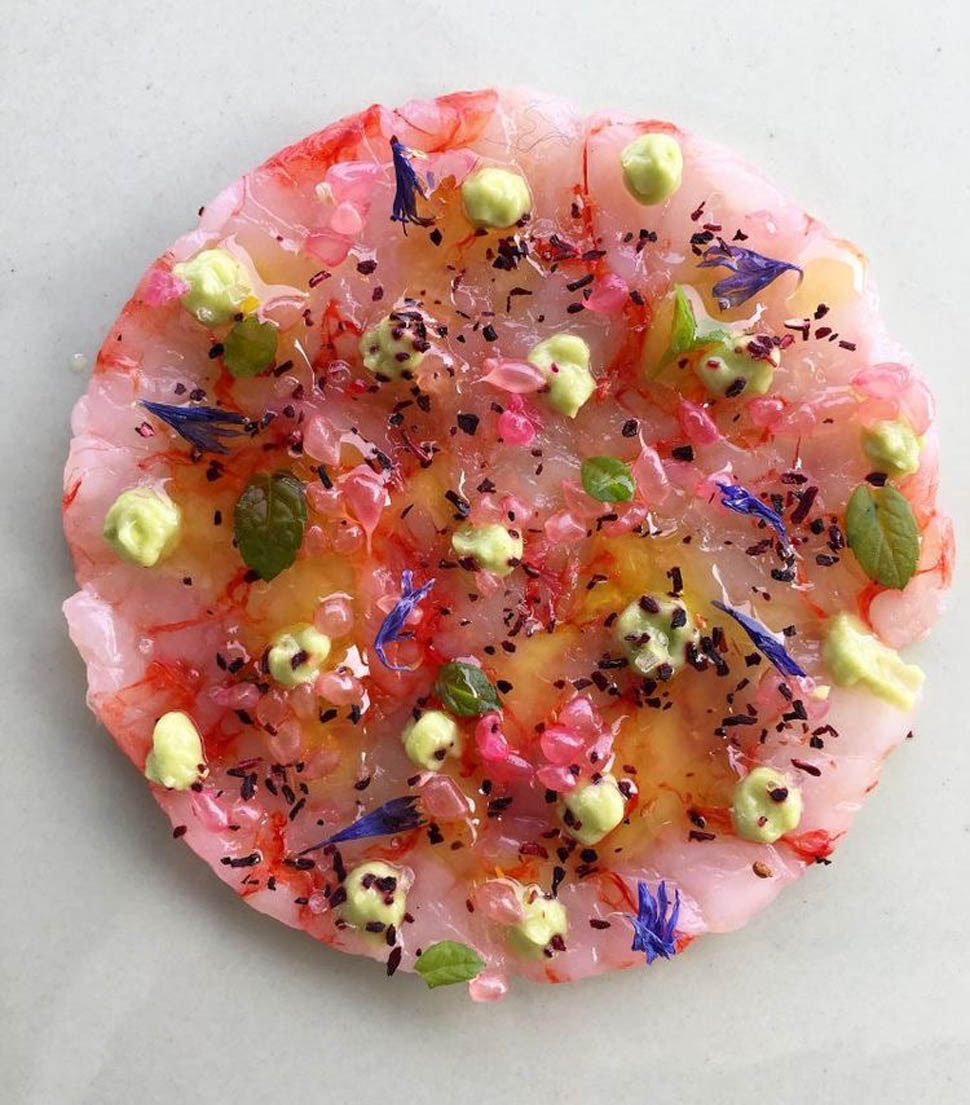
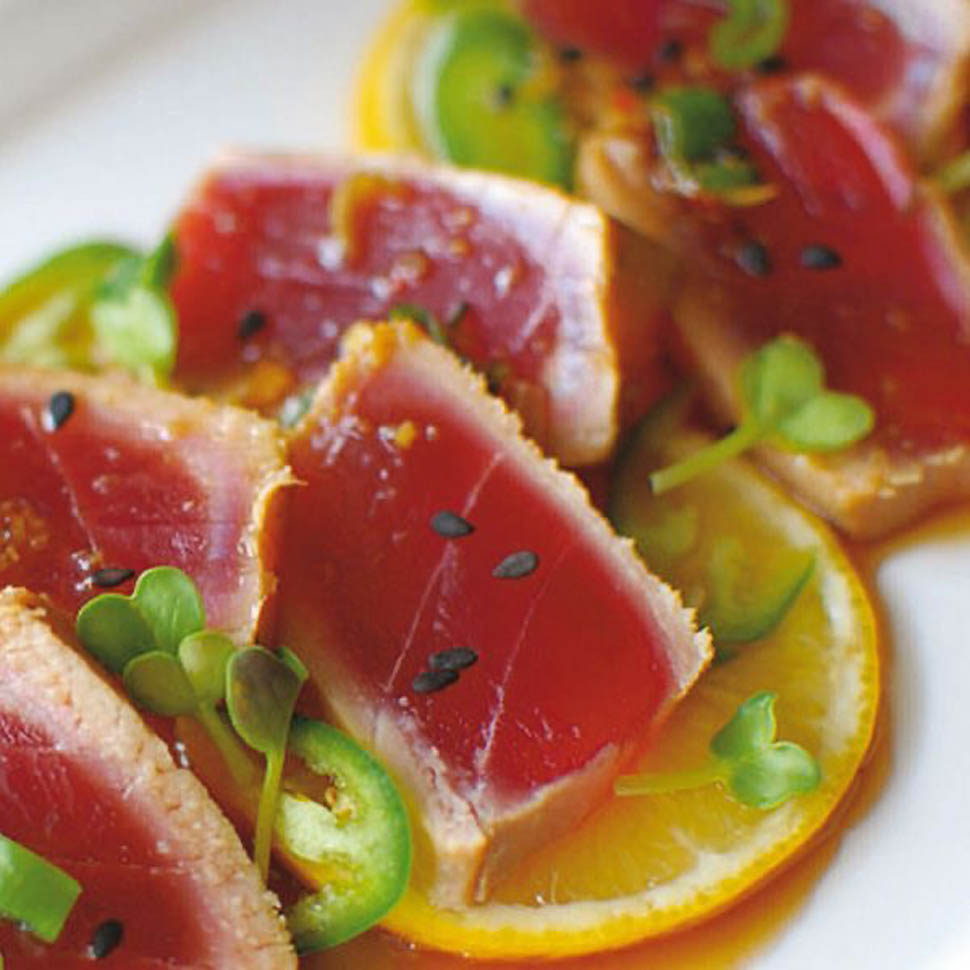
The cuisine follows the same philosophy of clarity: “Sicilian Mediterranean fine dining” that draws on its roots to craft a personal narrative. The menu opens with signature dishes—those he has perfected over the years until they became instantly recognizable. First and foremost, the meatballs. “They’re not just meatballs. Veal, tomatoes cooked for eight hours, a blend of Parmesan and pecorino, garlic bread soaked in milk to mellow its sharpness. It’s a precise composition.” The same rigor is found in the fettuccine with ragù cooked for twelve hours, where each element is prepared separately before coming together, or in the paccheri with slow-cooked guanciale, designed to maintain balance without any bitter undertones. The menu thus becomes a personal map, an archive of travels and influences. “What arrives on the plate is what I have experienced”. The “three lands” salad encapsulates this approach: Canadian tomatoes, Italian elements, and Greek influences in a single narrative. Even the raw fish dish follows a minimalist approach, reduced to its essence: tuna, lemon, and Trapani salt pearls. “I do little, but it must be right.”
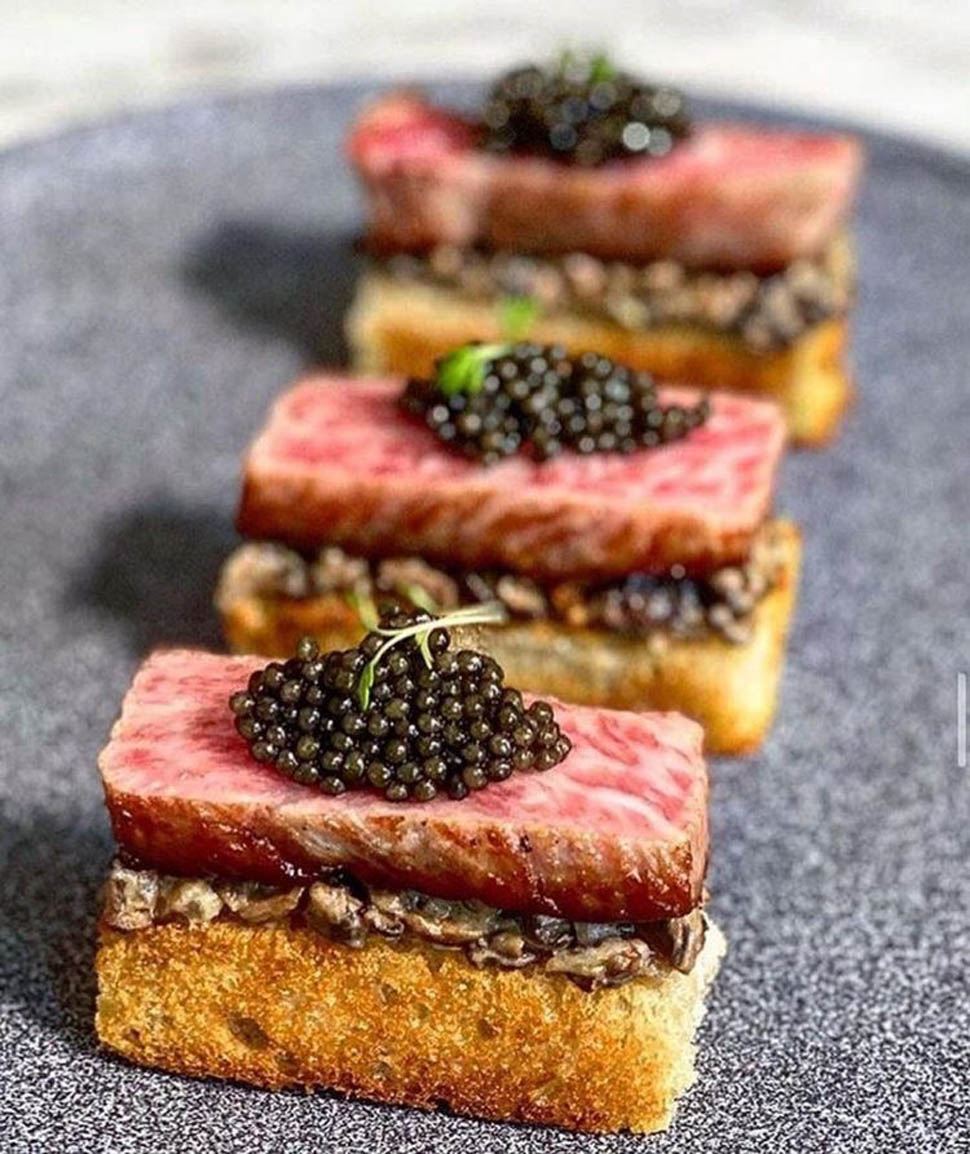
At the heart of it all is a concept that often comes up in his words: umami. Not as a trend, but as a tool for extracting and concentrating flavor. “Umami is the essence. It’s what completes the dish.” When asked which dish is closest to his heart, the answer comes without hesitation: meatballs. “I could eat them from morning till night. I’ve built them on my own story”. A bond that is not just technical, but emotional, rooted in memory and repetition. His relationship with customers follows a precise, almost democratic logic. From institutional figures to big names in cinema, Lo Castro maintains the same approach. He recalls episodes with Gigi Proietti, meticulous in his requests; Anthony Hopkins, attentive and capable of offering a compliment that becomes a memory — “when I eat your dishes, I’m transported back to my grandmother’s flavors” — and Lino Banfi, a constant and lively presence in the kitchen. But beyond the anecdotes, one firm principle remains: “To me, everyone is equal. Whether you’re the Pope or the President of the United States, to me you’re a guest.”
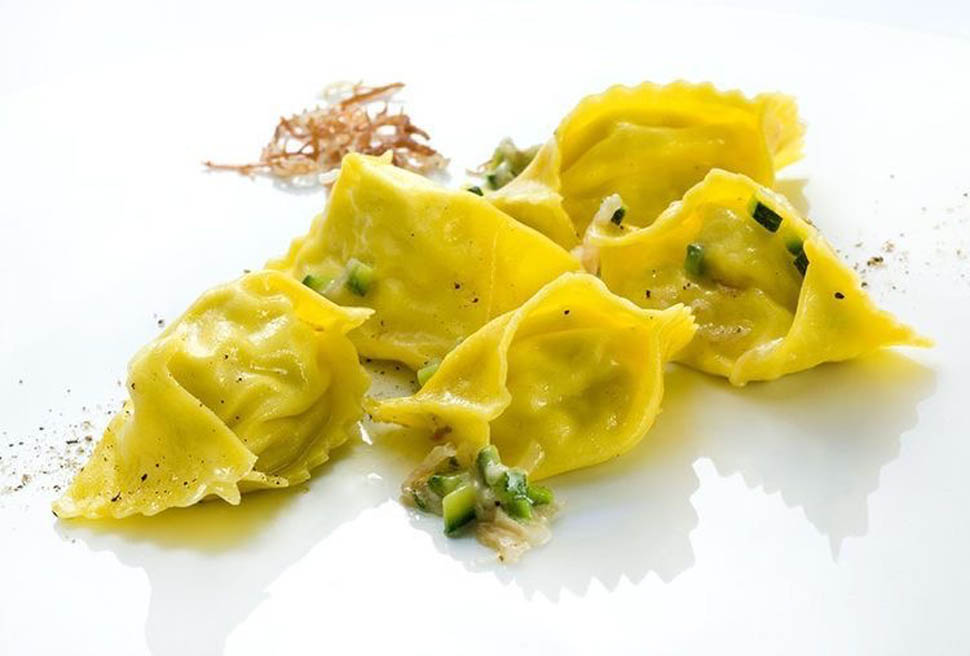
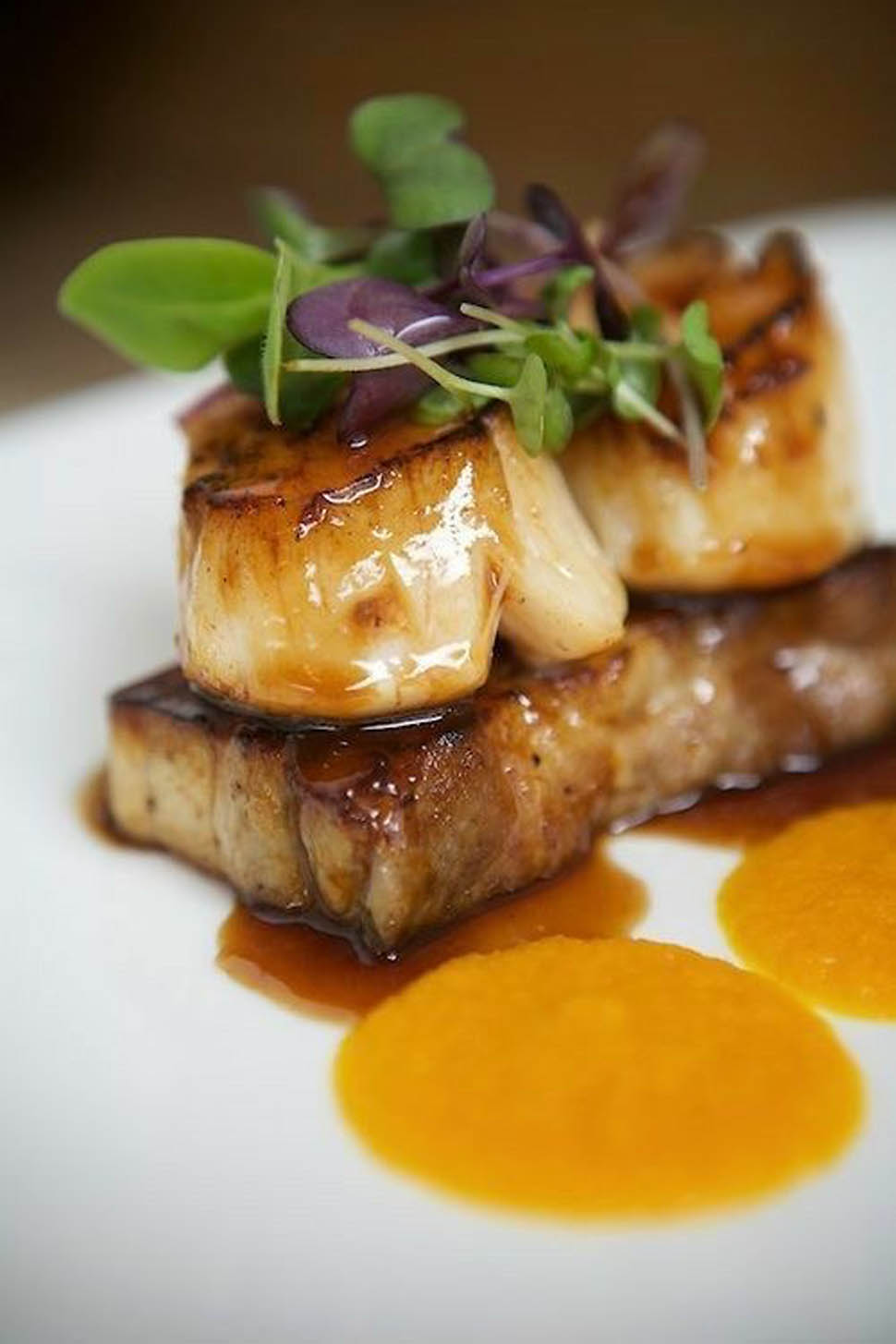
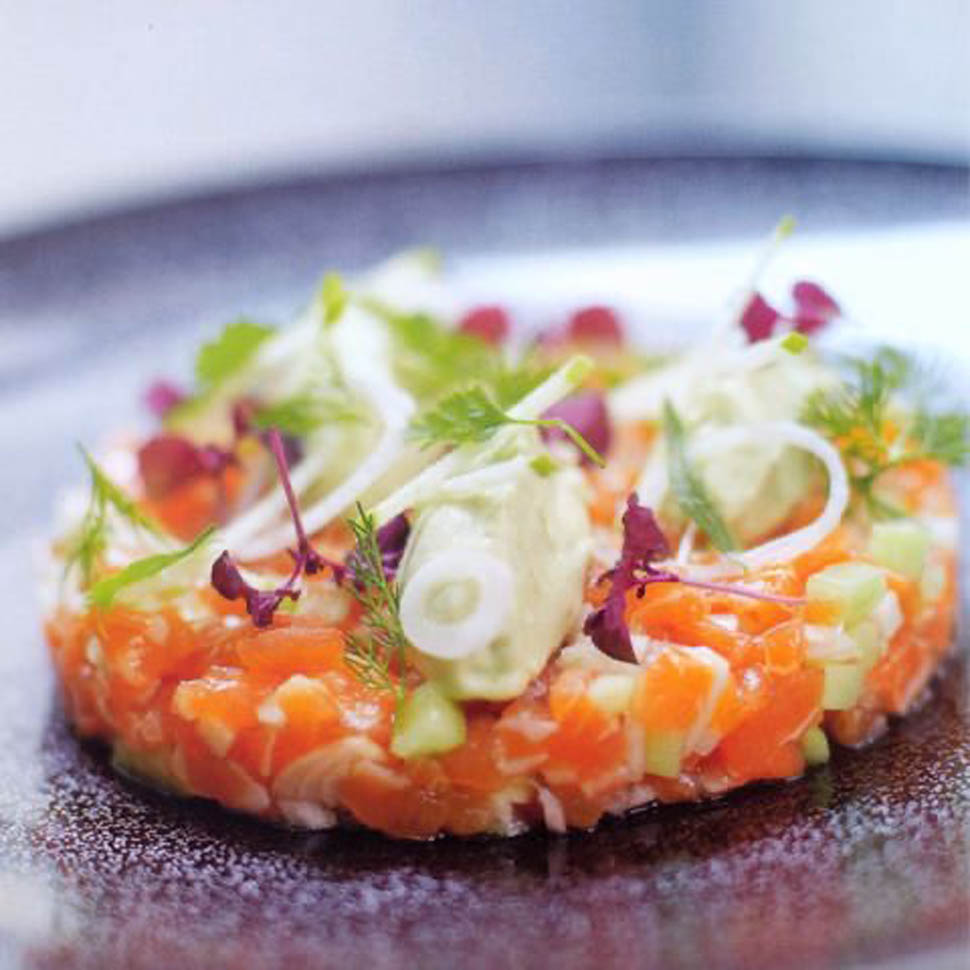
New York amplifies everything. Competition, speed, exposure. “Here, you’re either good or you’re out. You don’t have time.” A city where judgment is immediate—through guides, the press, and word of mouth—and where the bar is always set high. In this context, the quality of the ingredients becomes non-negotiable. “I get everything delivered three times a week from Italy: fish, meat, dairy. If I write that it’s a Pachino tomato, that’s what it is.” Complex logistics, supported by rigorous organization, that alternate between direct imports and local sourcing to maintain a balance between quality and economic sustainability. Lo Castro’s narrative remains anchored to a specific tension: bringing a recognizable identity to a global context without simplifying it. “New York is the capital of the world. Here you find the best, so you have to measure up”. A challenge he tackles with a direct, at times rough, but always consistent personality.
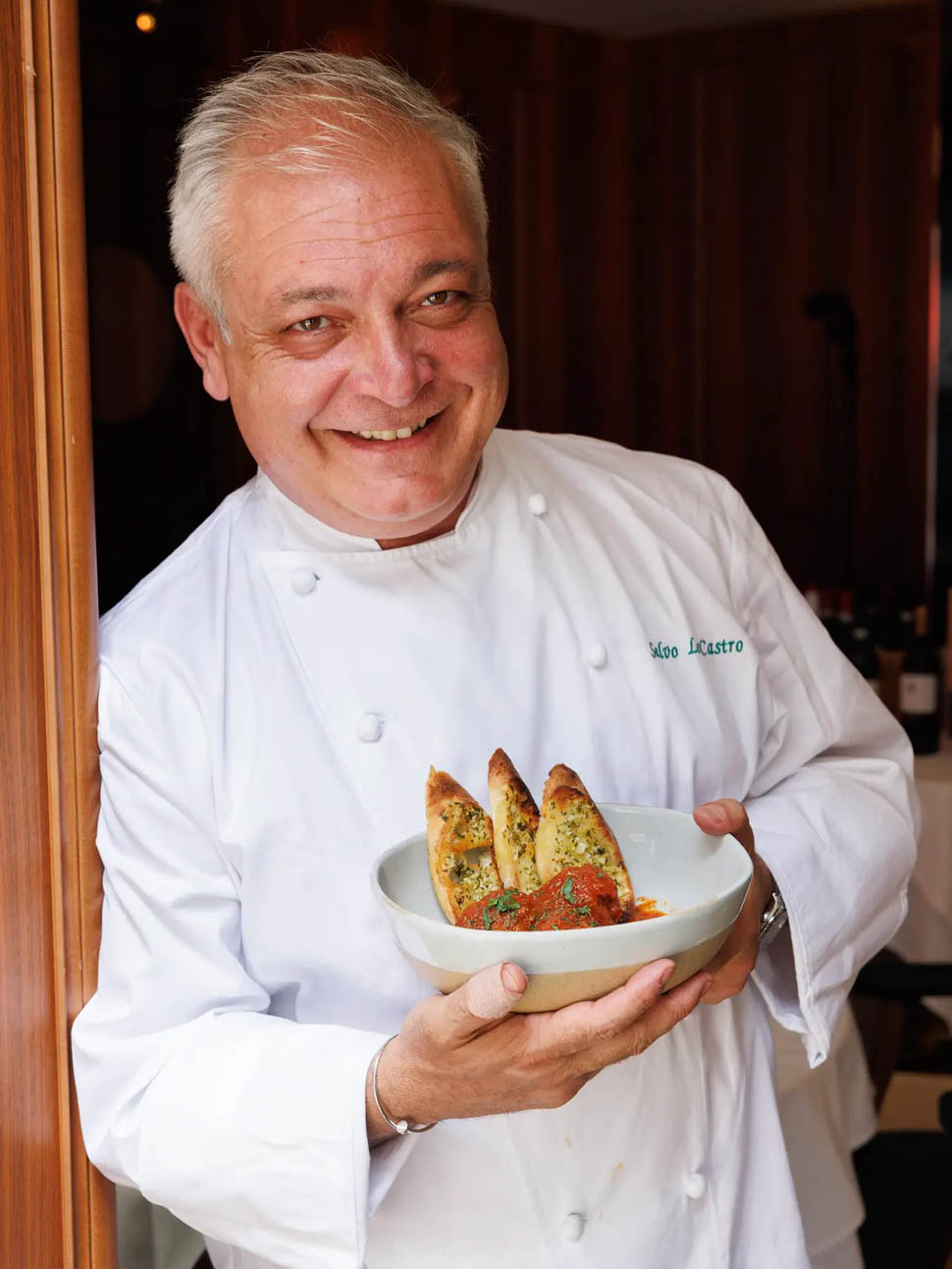
And perhaps it is precisely this consistency that defines his journey: a cuisine that does not seek to please, but to tell a story. An open home, rather than a restaurant. A concept of hospitality that goes beyond service, becoming a continuous gesture, a presence, a sense of control, and a memory. “Casa Salvo is my home. Whoever enters, enters my home.”
Casa Salvo
📍 195 Spring Street, SoHo NYC
📞 +1 212-334-1013