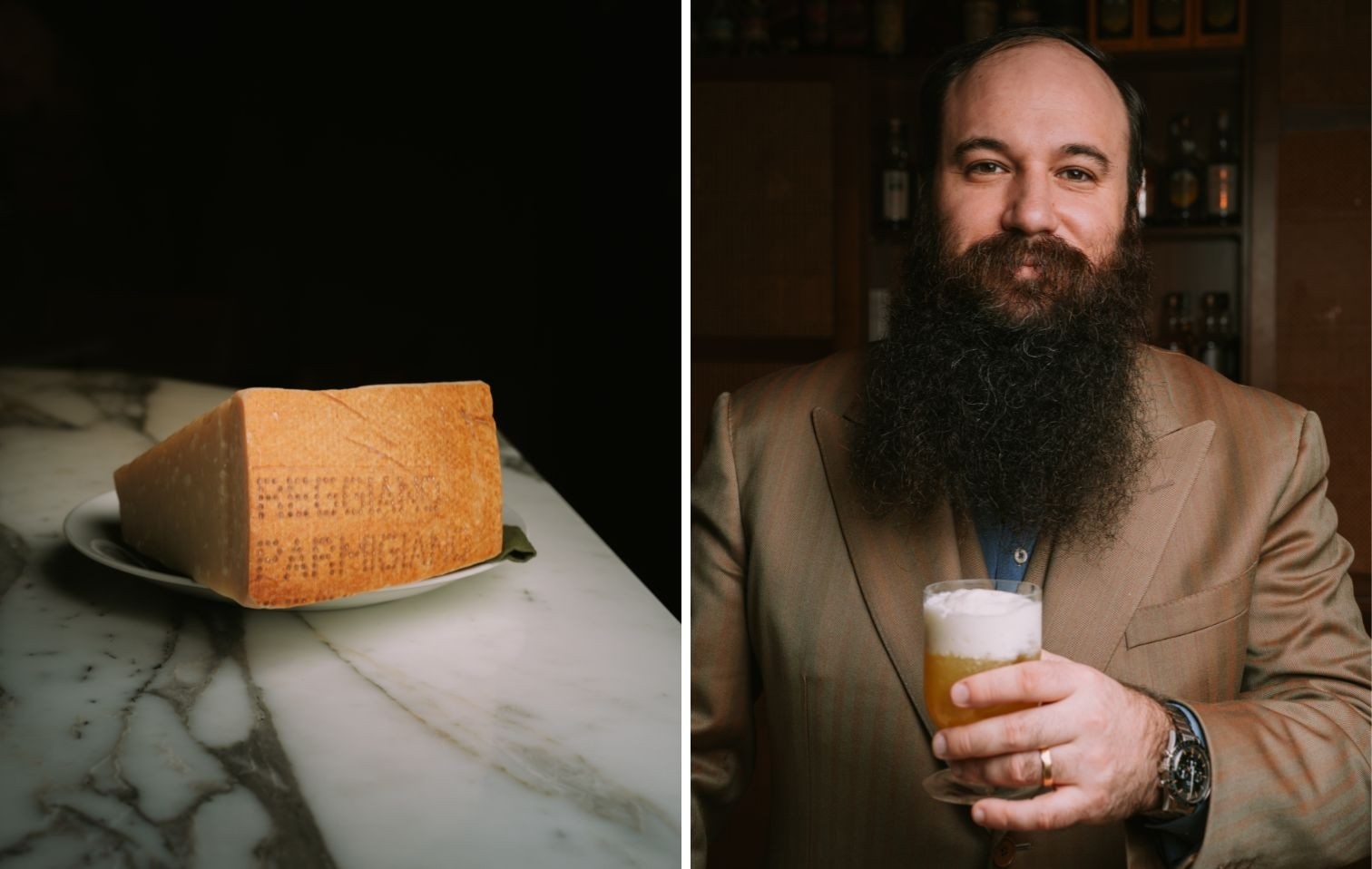
The signature drink? A cocktail in which Parmigiano Reggiano is whipped until it becomes frothy and creamy, effectively replacing the coconut component typical of the original recipe. All the secrets of the “Parmigiano Colada”.
*Content with promotional purposes
Photo: Courtesy of CineFood
The venue
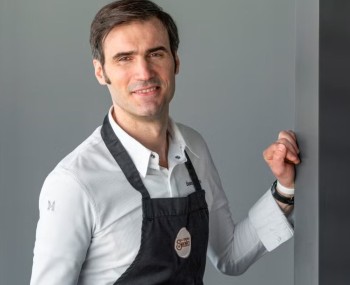
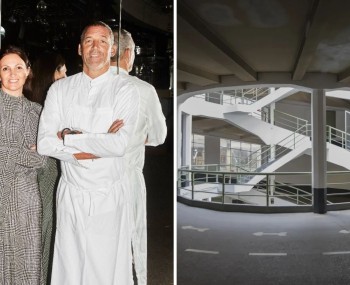
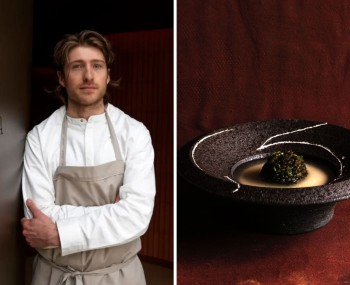
Since 2025, the 1930 cocktail bar has written a new chapter in its history. The atmosphere remains the intimate and reserved one that has made it famous since its opening in 2013, but the concept has changed: no longer a speakeasy, but rather a new location in another part of Milan. The bar is now located at Via Edmondo de Amicis 22, on the lower level of MAG La Pusterla, and perhaps you already knew that. As you likely already know, this place exudes charm, and the staff here are masters at their craft. At the helm is Benjamin Fabio Cavagna, whose reputation certainly precedes him—not just within the industry—and who, together with the young Daniele Di Cataldo, Filippo Sozio, and Gabriele Allotta, opens the doors of his establishment every evening, guaranteeing an hour or an evening of exceptional quality.
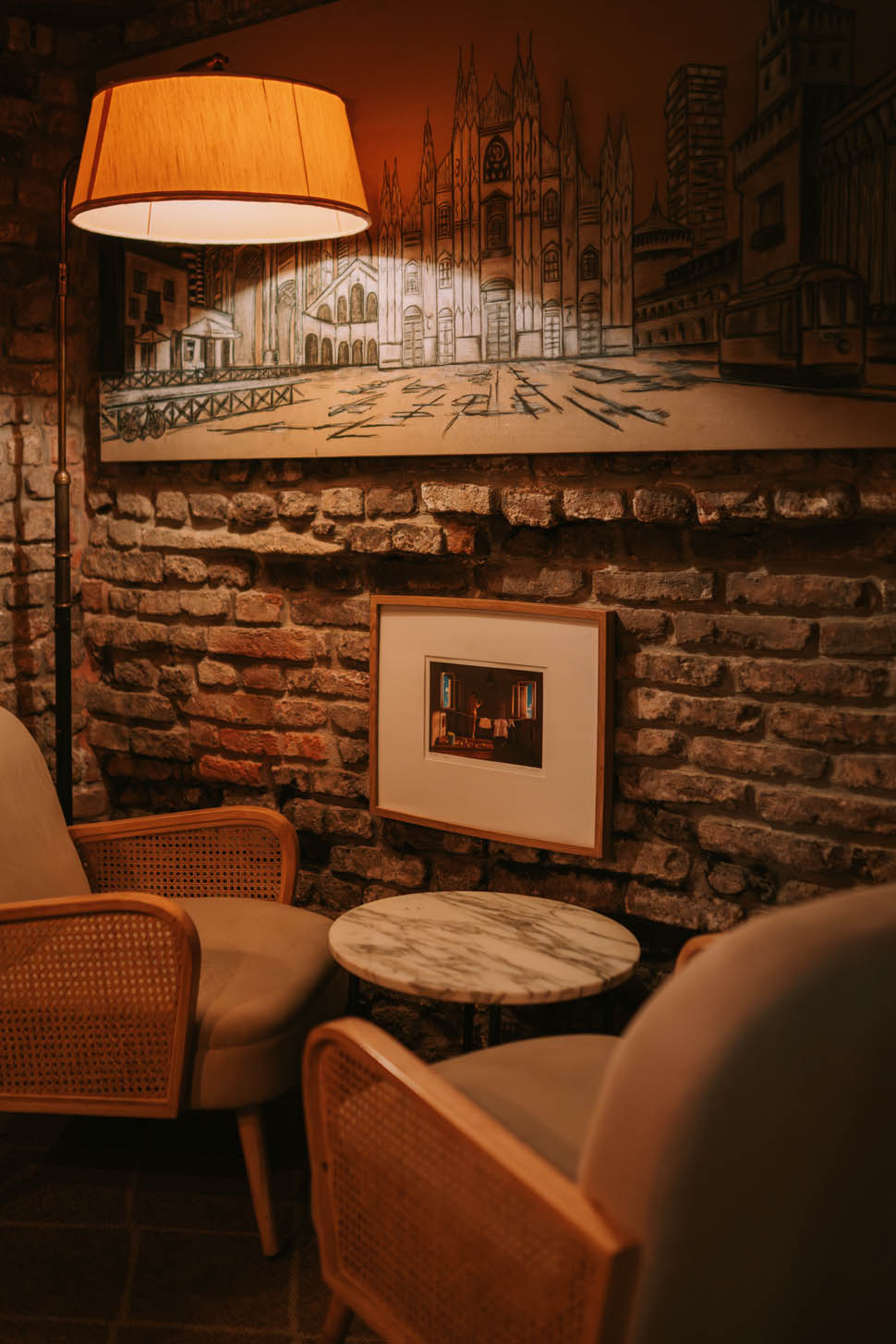
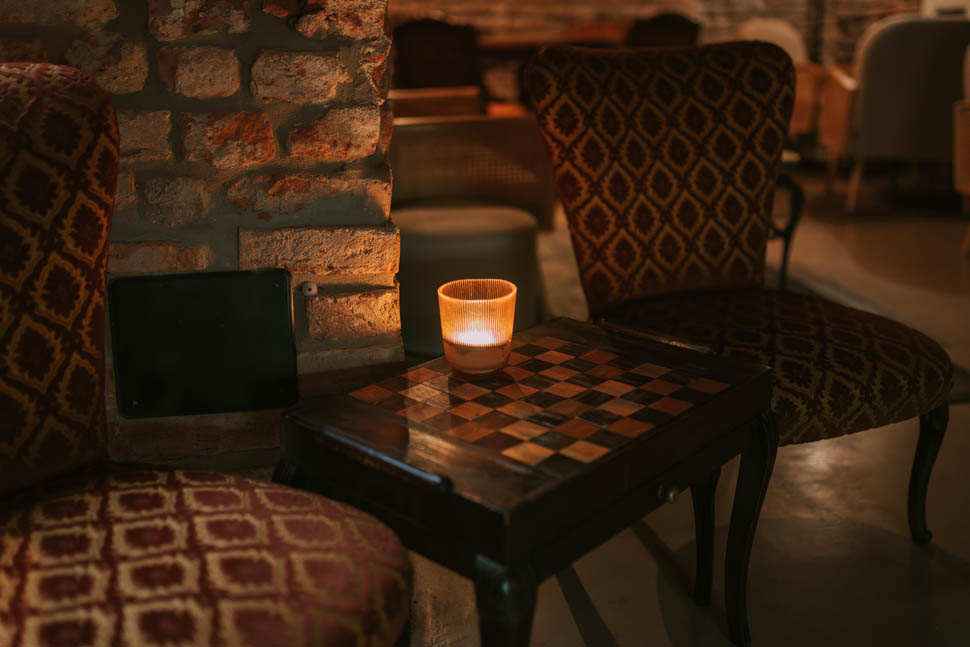
A transition that marks an evolution rather than a break. Some elements of the original furnishings have in fact been salvaged and integrated into the new space as a reminder of the previous location, while the visual identity revolves around materials such as marble and rattan, which define an elegant and warm 1950s aesthetic. At the center of the room stands an island bar, designed and built in-house, which evokes the simplicity of Tokyo’s Ginza bars in both layout and visual impact. The 1930s stylistic signature remains the same, however: research, creativity, and experimentation continue to be the cornerstones of the experience. The à la carte menu is structured like that of a restaurant, divided into appetizers, first courses, main courses, and desserts—but in liquid form. Rounding out the menu are two additional sections:the first, Unforgettable From The Kitchen, features reinterpretations of great classics with a culinary twist, such as the Caviar Martini or the Parmigiano Colada; the second is dedicated to a seasonal selection of wines, spirits, and carbonated beverages.

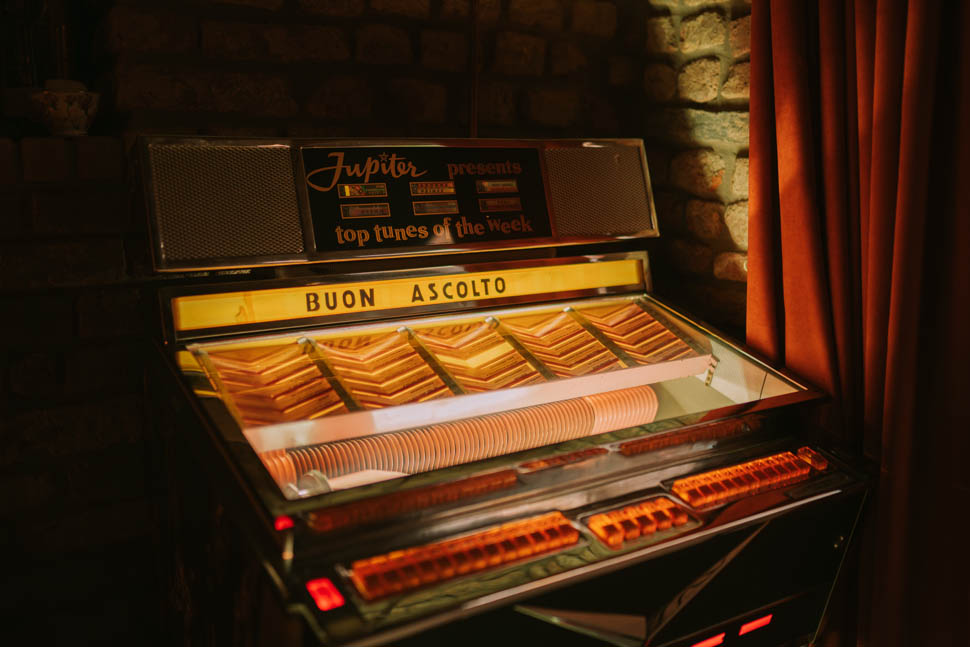
One of the standout features of the new space is the jukebox, which houses a collection of records that can be selected from a list of titles described by brief, evocative phrases. The bar counter also reflects the venue’s technical approach: modular and configurable at the bartender’s discretion, it is flanked by a series of refrigerators and freezers designed to hold pre-mixed and diluted cocktails, ready to be served at the ideal temperature. Fine cigars for lovers of slow smoking and a special energy. But let’s turn to the magic of the drinks that unfolds between a shake and a toast, in the words of owner Cavagna.
Let’s start at the beginning—the origins of cocktails that complement cuisine and gastronomy. Why this choice?
The decision stemmed from a reflection during the 1930 move from the historic secret location to the new venue on Via De Amicis, in the basement of Mag La Pusterla, and from the desire to create a menu that was both sophisticated yet approachable. The cocktail menu is structured like a real restaurant menu: it starts with appetizers, moves through first and second courses, and ends with desserts. The goal is to offer drinks with gastronomic, almost “culinary” flavor profiles, yet ones that remain easy to understand and appreciate even for a non-technical audience. Furthermore, while developing the new menu, the team analyzed data from previous offerings and noticed a very clear trend: the best-selling cocktails were precisely those with a gastronomic twist—that is, drinks that drew on ingredients, techniques, or concepts typical of the kitchen.
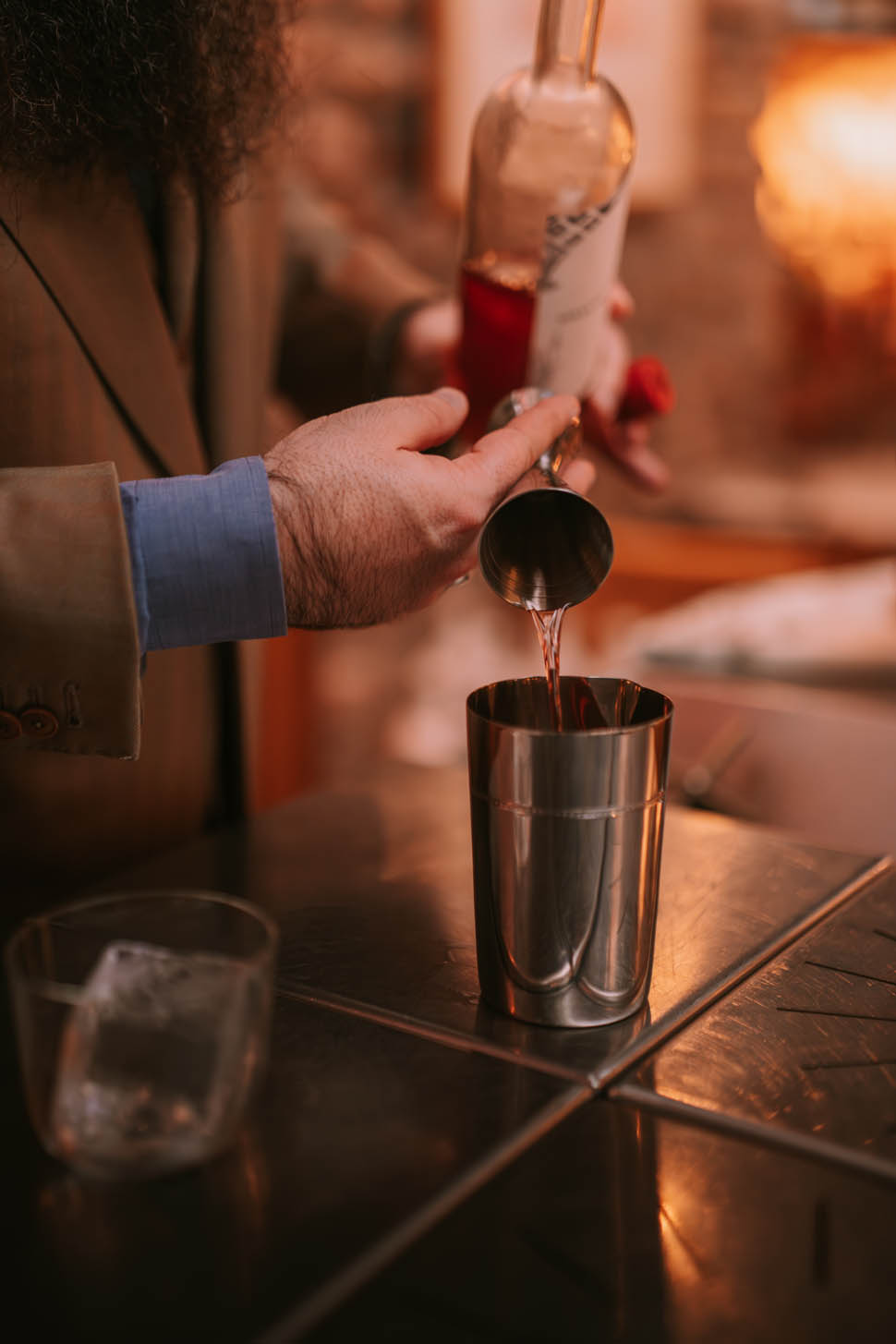
This confirmed that the public is curious about this kind of concept, finds it intriguing, and appreciates it. Hence the decision to develop a concept in which the language of cuisine became an integral part of mixology: more complex ingredients, references to dishes or culinary techniques, but always with the intention of maintaining clarity, balance, and immediacy. In this way, the menu manages to be experimental while appealing to regular customers, and at the same timesurprising those discovering the venue for the first time.
Why was Parmigiano Reggiano chosen, among other options?
The goal is to bring unique Italian products into the glass—products deeply rooted in specific regions and strong traditions, yet internationally recognizable. In this sense, Parmigiano Reggiano is the perfect ingredient: it embodies Italian culinary excellence and helps build an intriguing bridge between tropical imagery and Italian identity.
How did the Parmigiano Colada come about?
The Parmigiano Colada takes inspiration from the Piña Colada, but falls within a menu category called “Unforgettable cocktails from the kitchen” dedicated to classic cocktails reinterpreted with a culinary twist. The idea behind this section is to draw customers in through something familiar, like the great classics of mixology, while at the same time surprising them with ingredients and techniques typical of the kitchen. The decision to use Parmigiano Reggiano stems from two converging directions: on one hand, the desire to create a culinary variation of a great tropical Caribbean classic; on the other, the desire to highlight iconic ingredients of Italian tradition.
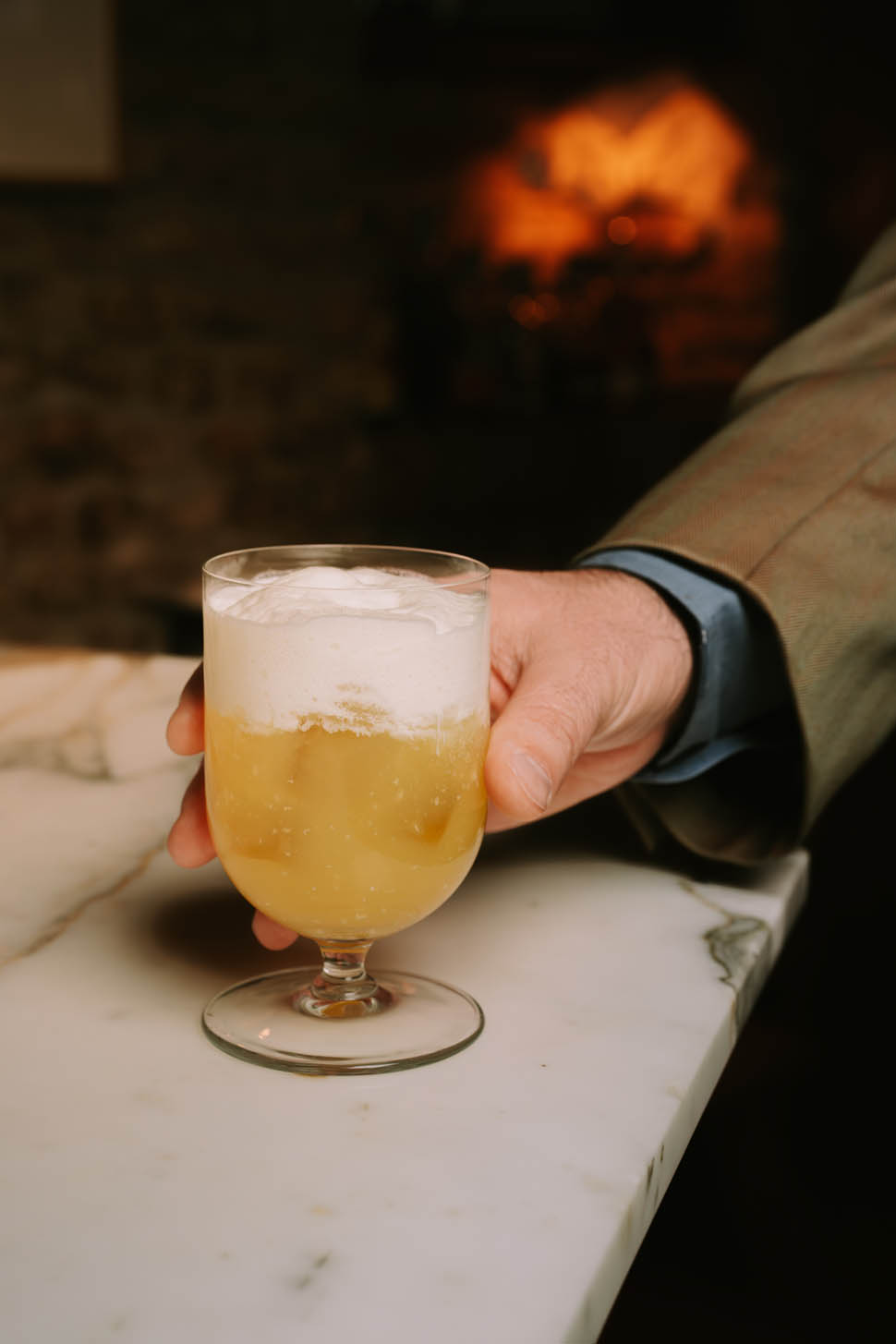
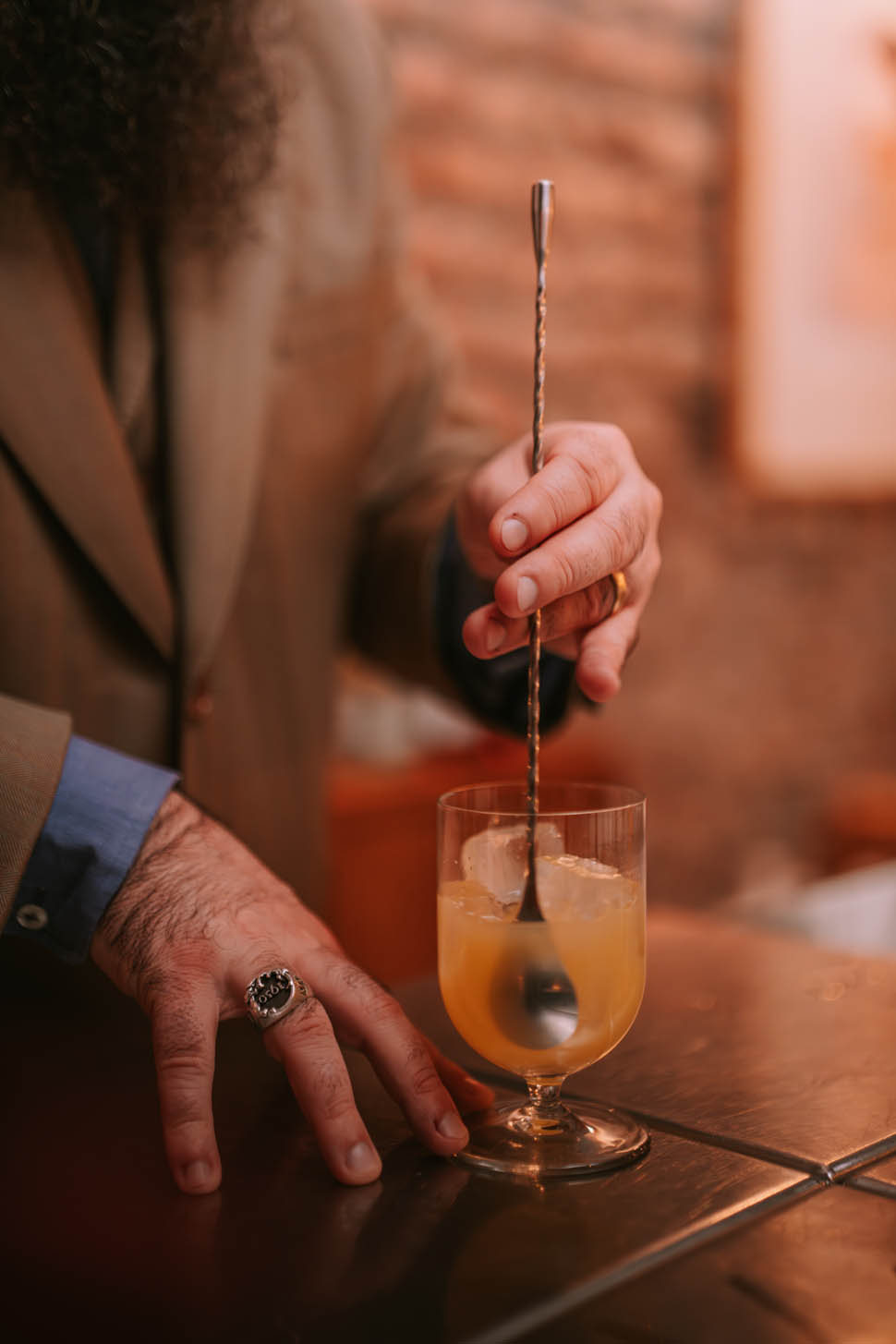
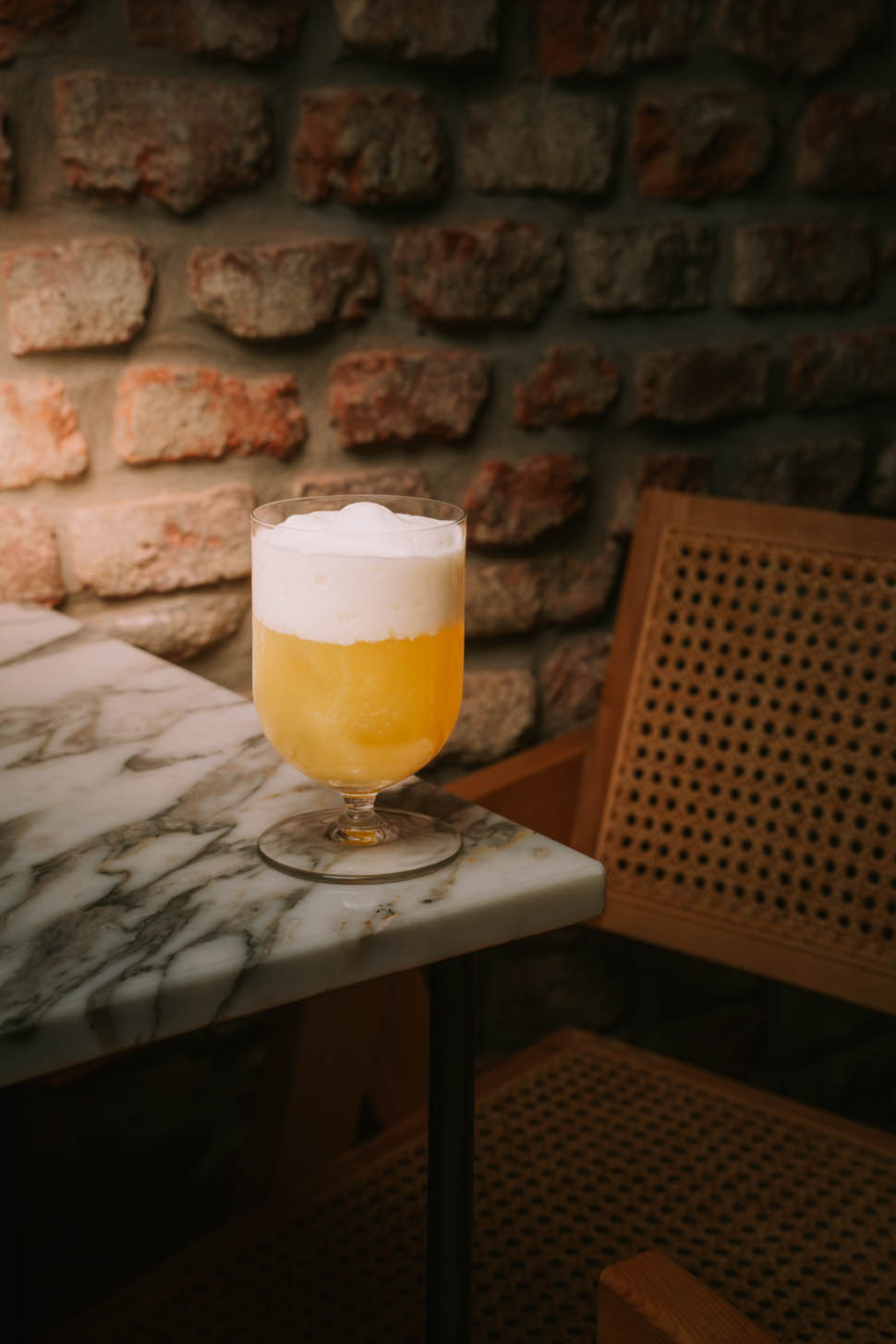
In the case of the Parmigiano Colada, Parmigiano Reggiano is blended until it becomes frothy and creamy, effectively replacing the coconut component typical of the original recipe. This preserves the drink’s smooth, velvety texture while adding a savory, umami depth that makes it feel entirely new. The drink is built directly in the glass: pour in the rum, liqueur, and pineapple juice; add ice to chill and dilute properly; and, once the desired balance is achieved, top it off with a Parmigiano Reggiano foam dispensed from a siphon, which is placed on top.
What is the challenge in making this cocktail?
The Parmigiano Reggiano foam. It must be light yet creamy, stable, and well-balanced, so that it blends seamlessly with the cocktail without overpowering its aromas. If it’s too light, it risks collapsing quickly, while if it’s too dense, it loses that airy quality that evokes the texture of the original Piña Colada. As is often the case with the most successful cocktails, this one has also paved the way for various evolutions and experiments. The team has already tested several variations based on the same principle: for example, transforming the structure of the Piña Colada into a version closer to a Mezcal Margarita, or working with other tropical fruits like mango and papaya, which offer new aromatic combinations with the savory component of Parmigiano Reggiano. The idea is to continue exploring this balance between tropical and gastronomic elements, always maintaining the dialogue between bar techniques and culinary culture.
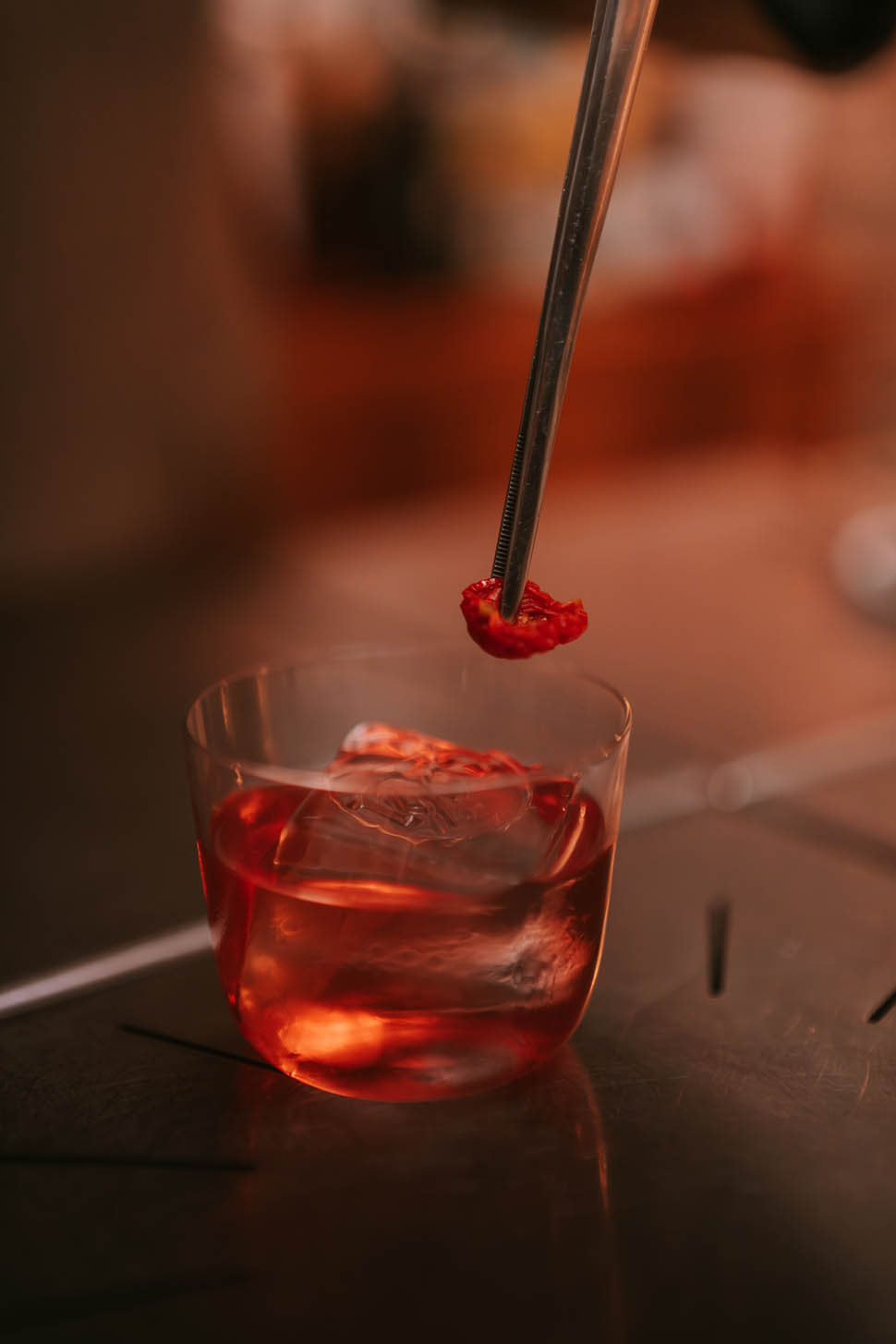
Can you experiment with different ages of Parmigiano Reggiano to create different drinks? Have you tried it?
Yes, absolutely: experimenting with different ages of Parmigiano Reggiano is a very interesting option, because each age brings with it different aromas, textures, and intensities, which can significantly alter the final result in the glass. In the case of the Parmigiano Colada, for example, we use a 24-month-aged Parmigiano Reggiano, which has a balanced profile: complex enough to give depth to the drink, yet still smooth and milky, making it perfect for transforming into a creamy foam that replaces the coconut component of the Piña Colada without being too overpowering. However, we have also experimented with longer aging periods, precisely to explore how the aromatic nuances change.
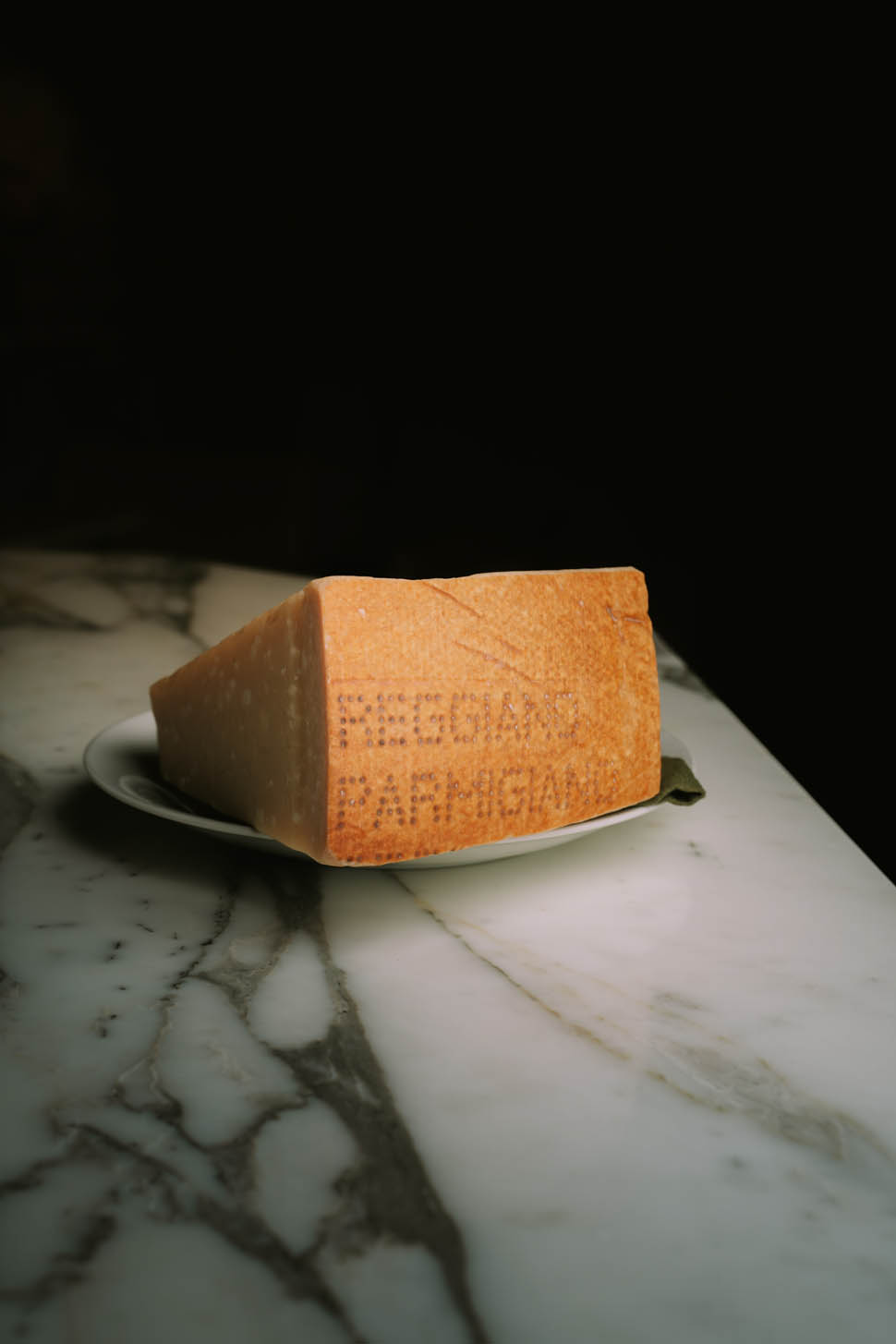
On the à la carte menu, for example, we offer a gourmet cocktail dessert called “Panna cotta”, served in a solid form. Inside, you’ll find mezcal, Sorbole aperitif, and a base that combines coconut milk and 72-month-aged Parmigiano Reggiano. Once the panna cotta is prepared, the dish is finished right at the table: we pour a raspberry coulis over the dessert and finish the cocktail-dish by grating 72-month-aged Parmigiano Reggiano. In this case, the long aging period is essential, because the cheese brings great aromatic complexity and a subtle savory note, which creates a very interesting contrast with the sweetness of the panna cotta and the tartness of the raspberry. So yes, working with different aging periods is a very useful tool: it allows you to adjust the role of Parmigiano Reggiano in the cocktail, making it more delicate and creamy in younger versions or more intense, savory, and structured in longer-aged versions. It’s an area that still offers many possibilities for experimentation.
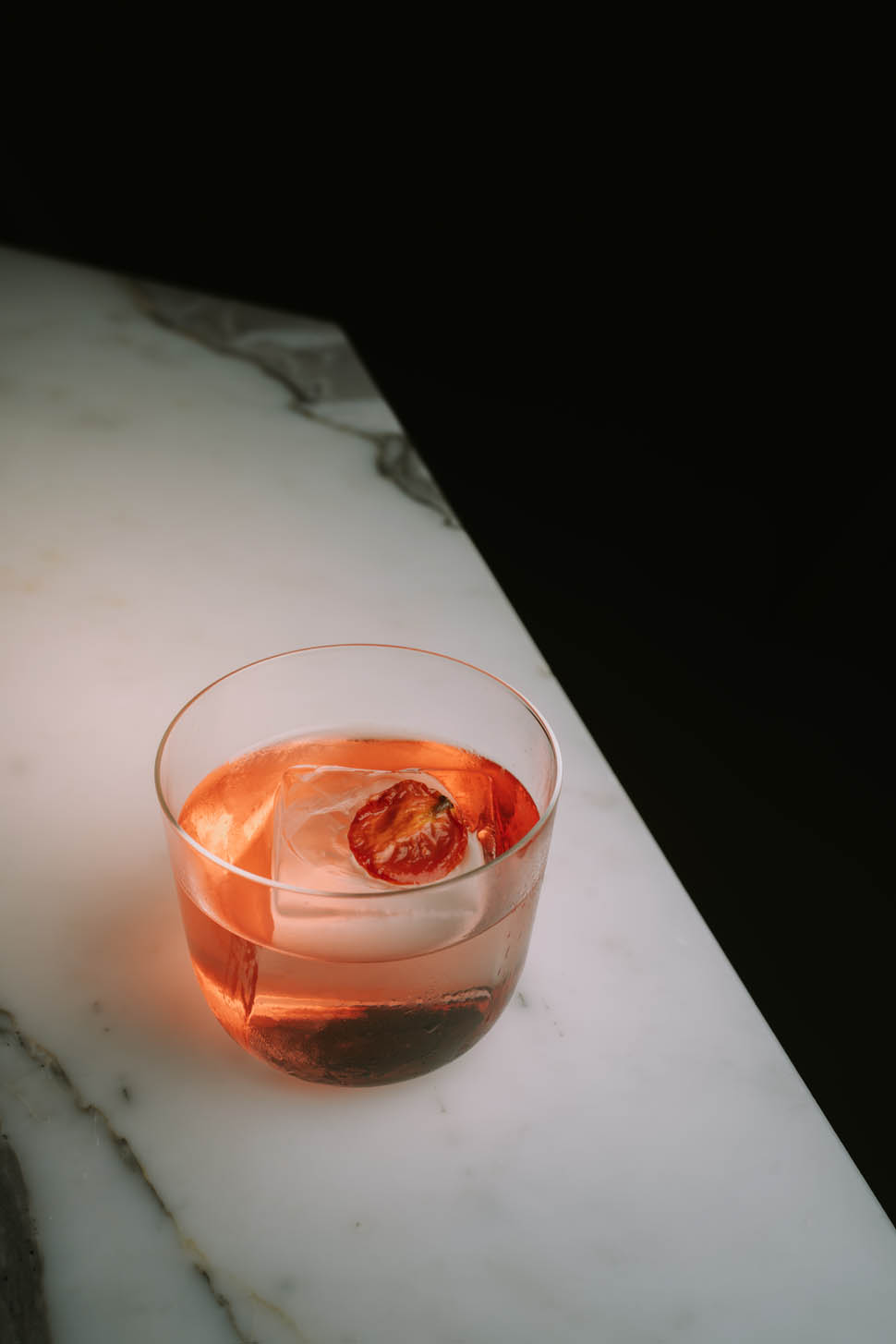
Infusions, fat wash, simple pairing: what are the different uses and techniques for incorporating Parmigiano Reggiano into cocktails?
Parmigiano Reggiano is an extremely versatile ingredient in mixology because it allows you to work on both the aromatic profile and the texture of the drink. It can be used in various ways, depending on the desired effect. One approach is the most direct: gastronomic pairing, where Parmigiano Reggiano serves as a structural element in the cocktail—for example, as a foam, cream, or final grating—as seen in the Parmigiano Colada or the Panna Cotta dessert cocktail. In this case, it primarily enhances creaminess and umami notes. Then there are more “laboratory-style” techniques, such as infusions or fat washing, which allow part of the cheese’s fatty and aromatic components to be transferred to the spirit. Recently, for example, we’ve also experimented with something different: we prepared a broth using Parmigiano Reggiano rinds among the ingredients, and from this broth we developed a gin flavored specifically with the cheese. It’s an interesting way to make use of less commonly used parts, such as the rind, and achieve a very distinctive depth of flavor. In general, Parmigiano Reggiano can therefore be used as a structural ingredient, a flavoring agent, or a finishing touch, depending on the technique chosen and the balance you want to achieve in the drink.
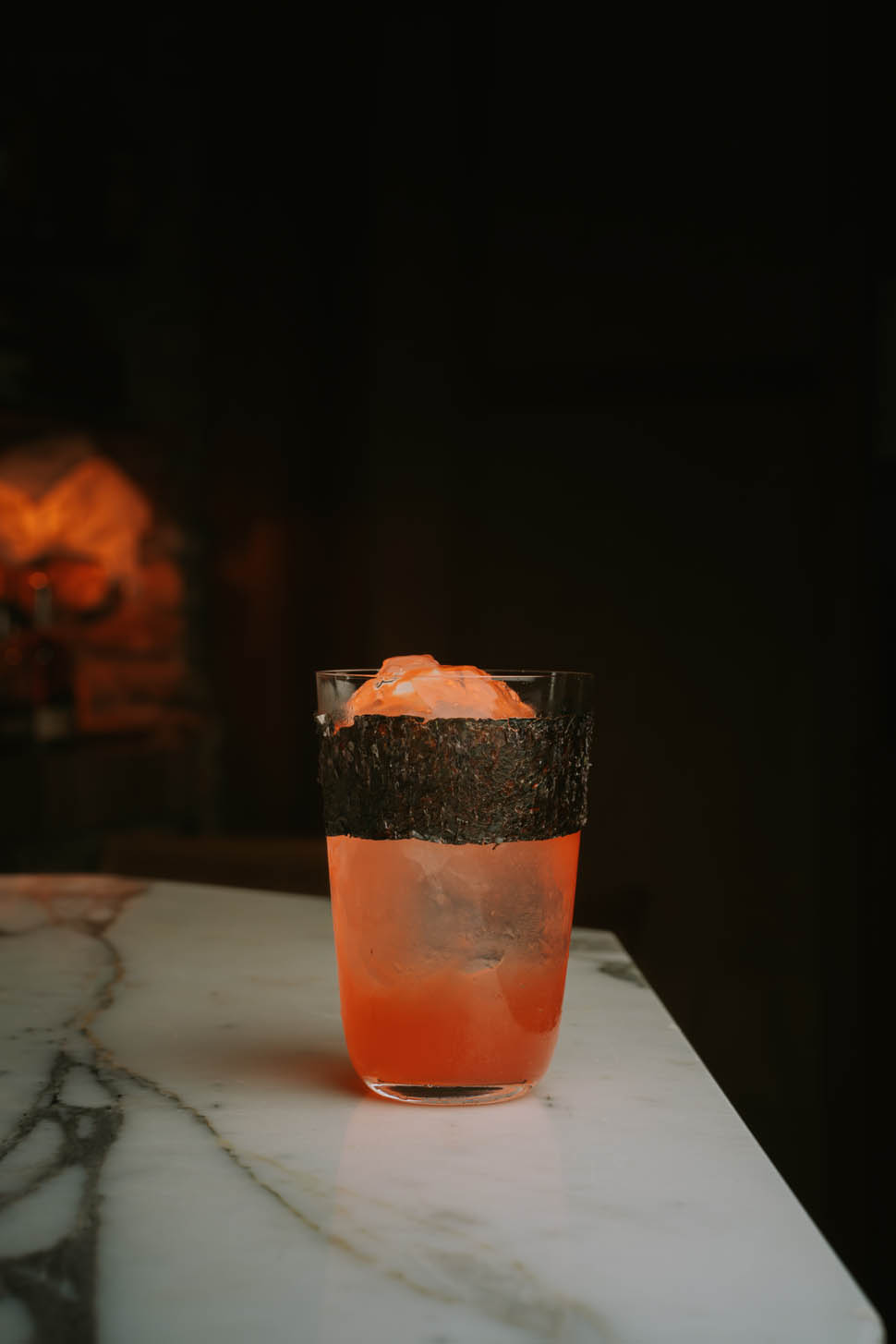
Salt and umami are the hallmarks of Parmigiano Reggiano: in what other cocktails would you see it as the star ingredient or a distinctive element?
Parmigiano Reggiano, thanks to its savory and umami qualities, works very well in drinks with good acidity or a robust structure, because it adds depth without weighing the drink down. Personally, I think it pairs very well with agave spirits—tequila or mezcal—especially in cocktails with an acidic component: the combination of Parmigiano Reggiano’s savory notes and the acidity of lime or other citrus fruits creates a very interesting balance. Another area where it can work well is in more structured cocktails like the Manhattan or Negroni. In these cases, Parmigiano Reggiano could pair well with fortified wines and bitter liqueurs, perhaps even incorporating bitters, such as Fusetti, which allow the drink’s aromatic profile and complexity to shine even more.

In general, Parmigiano Reggiano shines when used to add depth and contrast, bringing a savory note that cuts through sweetness or rounds out acidity, making the cocktail more complex and gastronomic. This research project on Parmigiano Reggiano isn’t limited to mixology but also extends to the food menu: in fact, we find it in dishes like the tartare burger with 24-month Parmigiano Reggiano sauce and in aperitif snacks, where we offer 12-month Parmigiano Reggiano—younger, creamier, and more immediate—perfect for easy enjoyment even in small tastings.
Contact
1930 Cocktail Bar
Location and phone number unknown to most; if you know where to go, then you also know how to make a reservation!