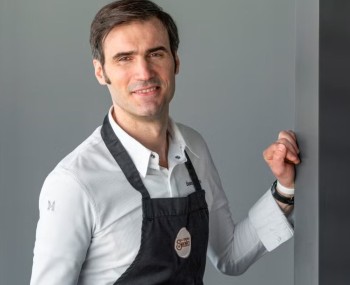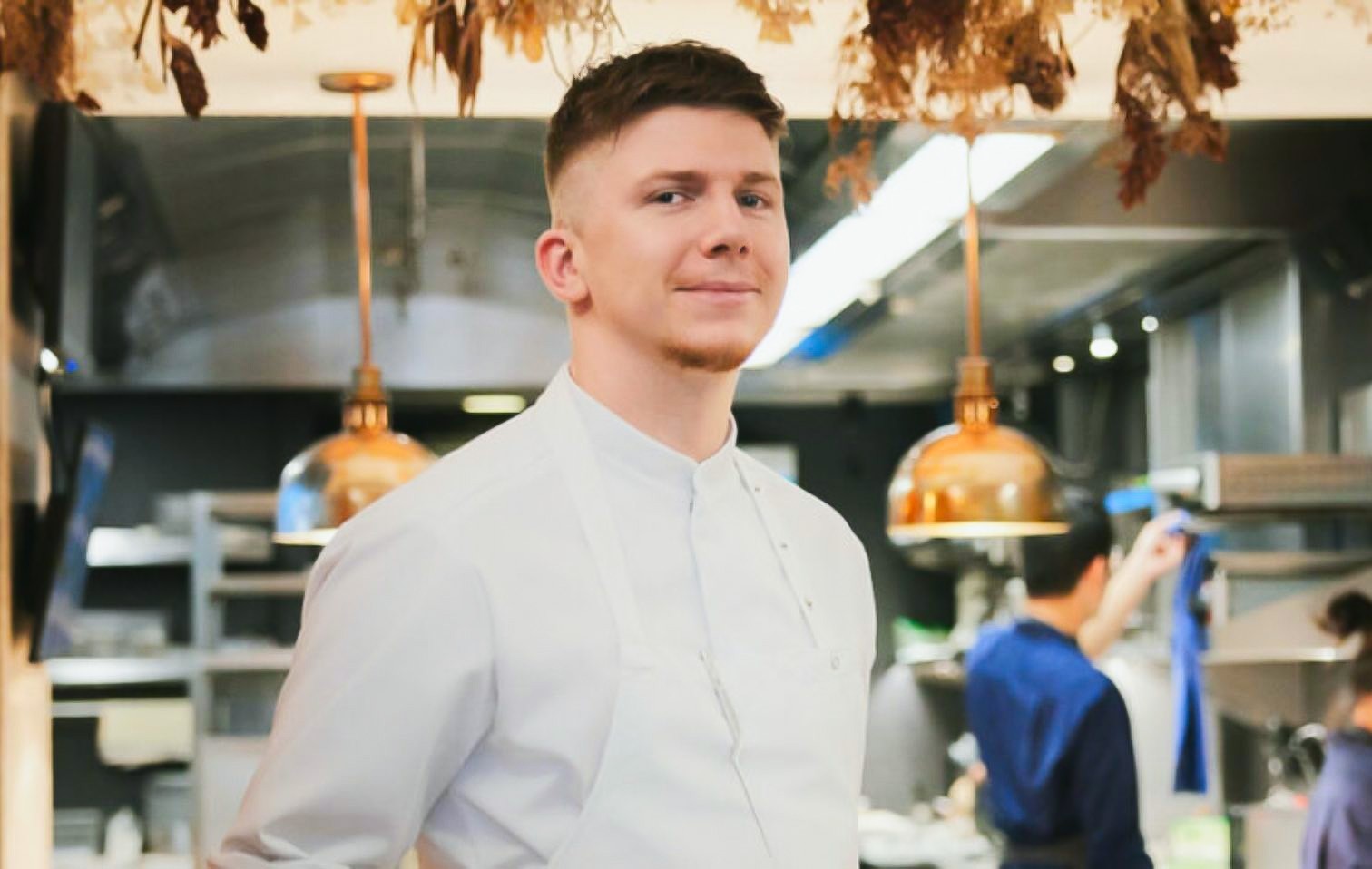
Some journeys don’t end; they simply change direction. And when this happens at the pinnacle of contemporary gastronomy, the move carries the weight of a statement rather than a farewell. Martin Öfner—one of the youngest chefs to have earned three stars and holder of a true “age record” in Austria—has decided to leave the Zén restaurant in Singapore after six years, choosing to bring to a close what he himself calls “the most significant chapter of my career.”
The News
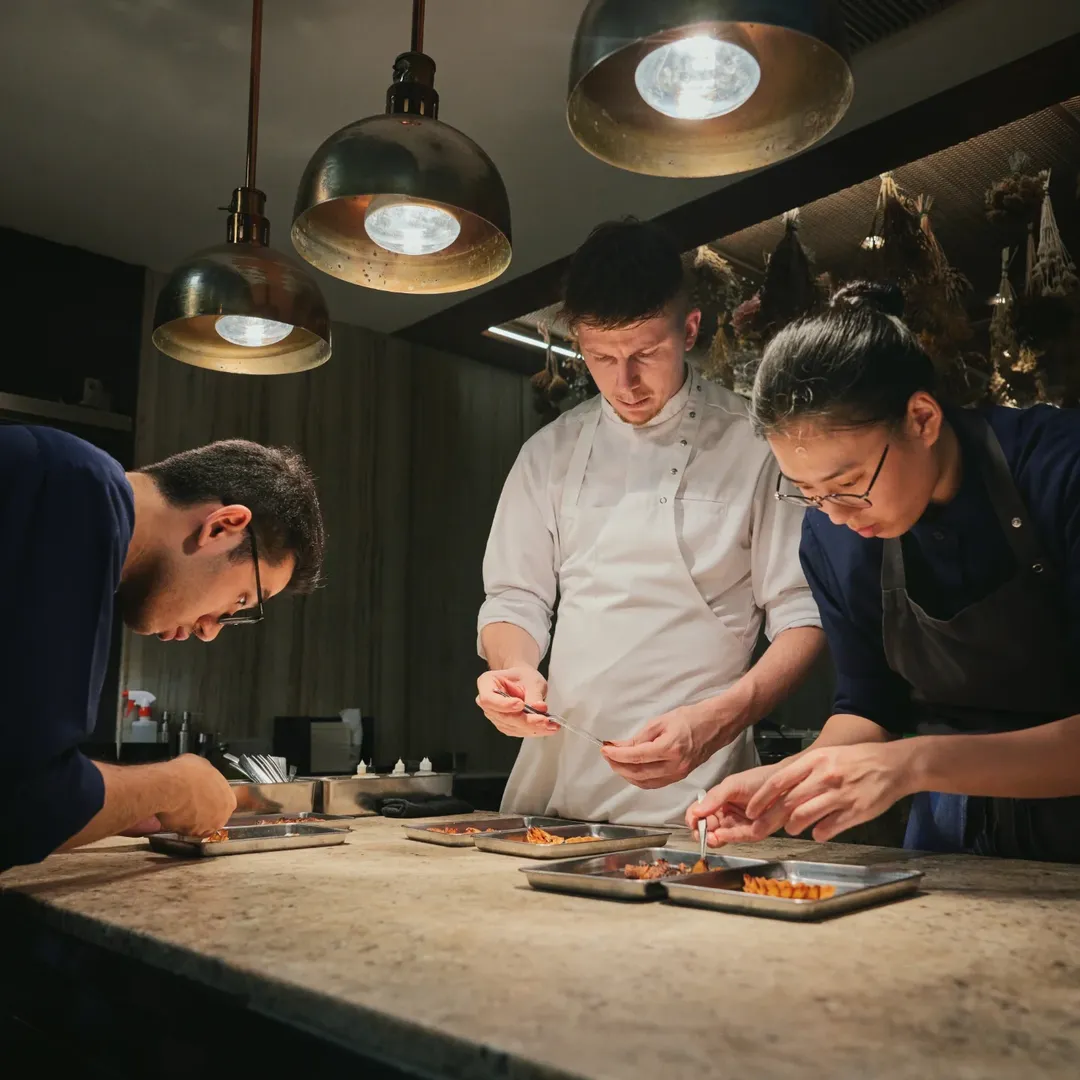
The farewell comes through measured words, shared on social media, yet imbued with a clear sense of awareness. “Six years… without a doubt, this has been the most important chapter of my professional life,” writes the Austrian chef, looking back on a period marked by constant growth, obstacles, bursts of energy, and moments of upheaval. A long journey, built day by day, that finds its true substance in people rather than in structures. Öfner’s account, in fact, steers clear of any rhetoric tied to the physical space or the prestige of the brand. “It is not the walls or the concepts that define a restaurant, but the people who bring it to life every day”, he emphasizes, restoring centrality to that often-invisible dimension of culinary excellence: the quiet work, the repeated precision, the daily discipline. The hands sharpening knives at dawn, the operational lists printed late at night, the meticulous organization that maintains the balance of a complex machine. In his farewell, a key passage is dedicated to Björn Frantzén, a pivotal figure in shaping the chef’s career path. Öfner openly acknowledges the value of the guidance he received, speaking of a mentorship capable of leaving an imprint that goes beyond technique, delving into the deeper realm of vision. A legacy that is not limited to the dishes, but concerns the very way of understanding the profession.
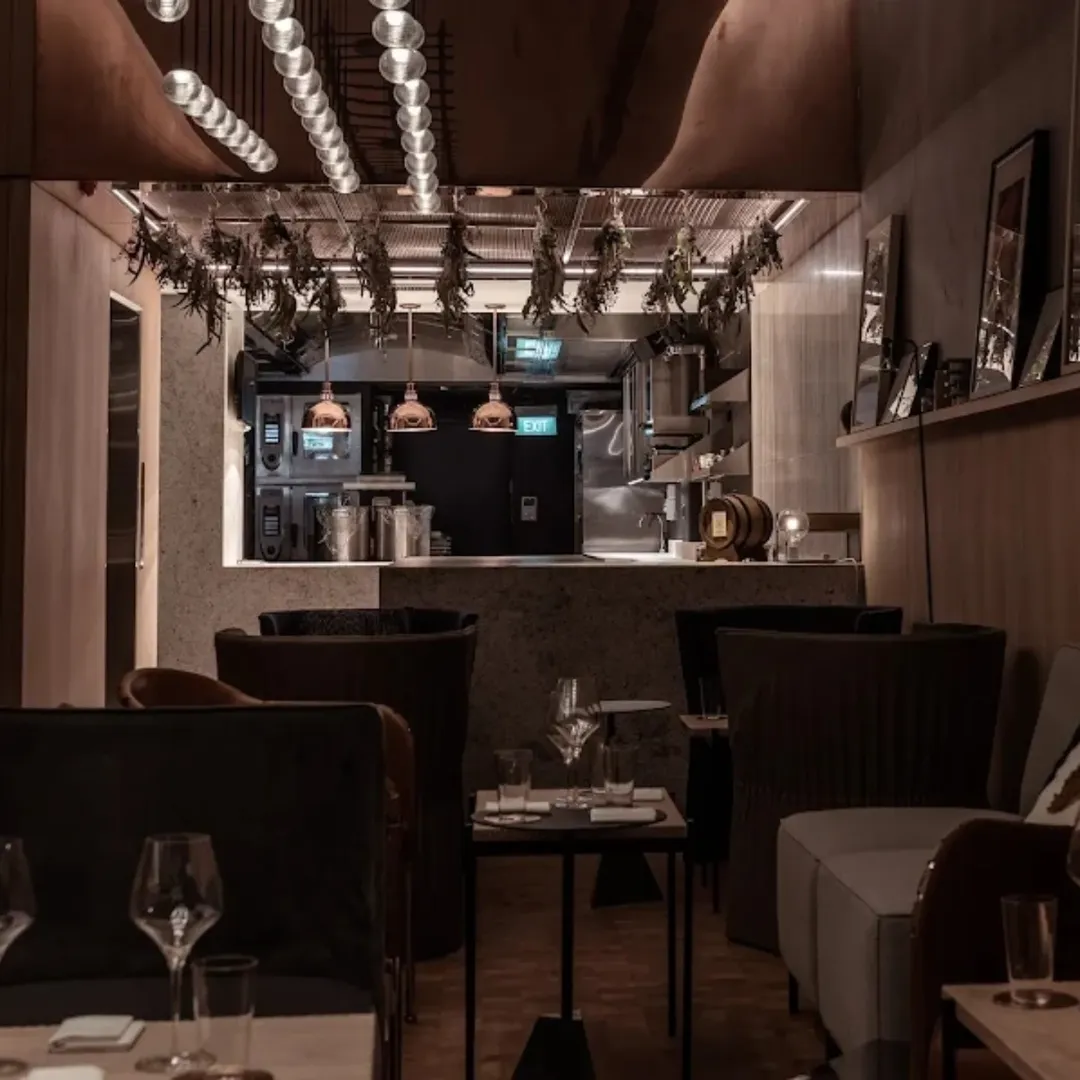
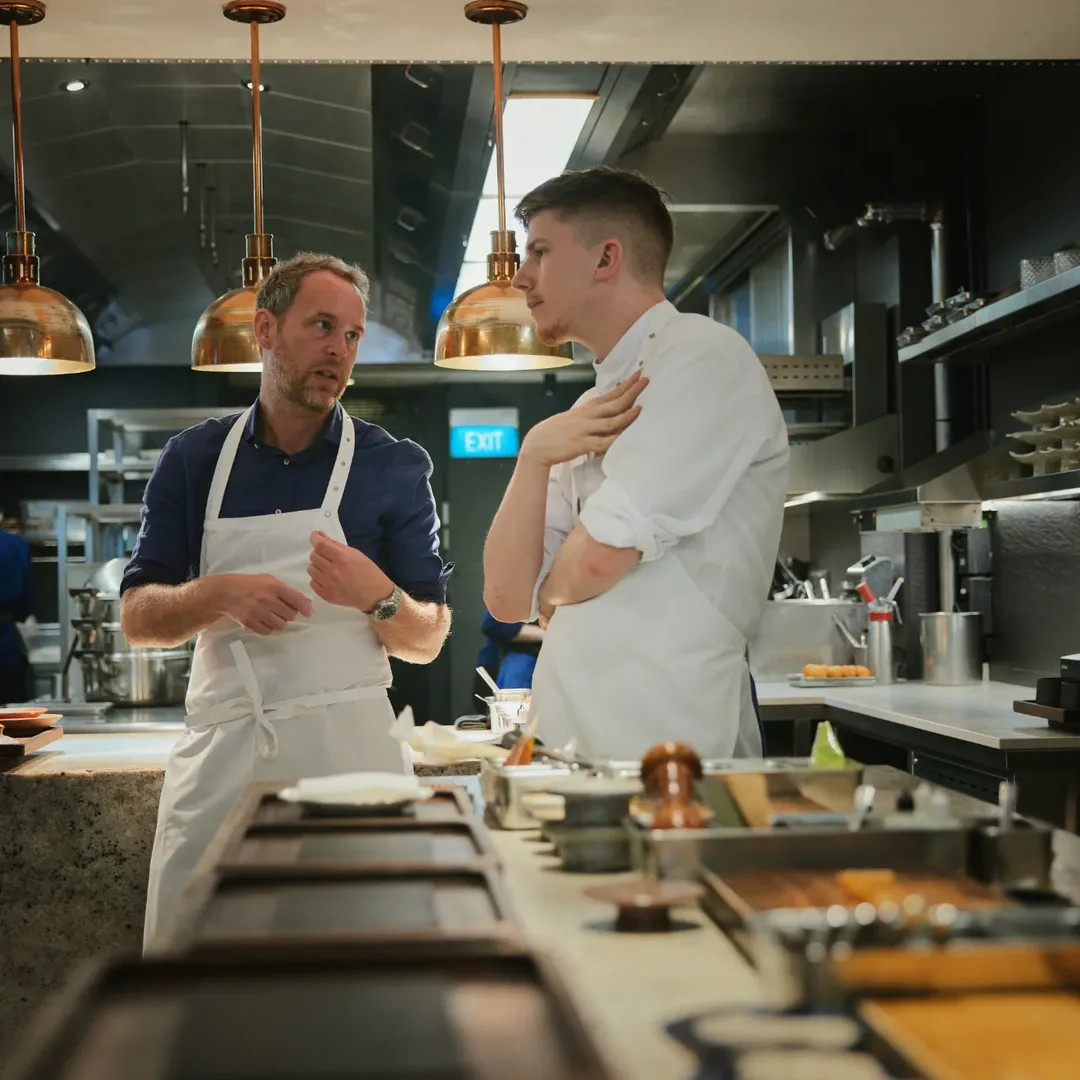
However, the bond with the kitchen team remains the most emotional aspect of the story, suggesting just how much internal cohesion is one of the true cornerstones of contemporary haute cuisine—often more decisive than individual talent. We read in the Instagram post: "This place is defined by the people who make it work: those who arrive early to sharpen the knives, those who stay long after the guests have left and the lights have dimmed. Those who clean the corners, scrub the waffle irons, or print MEP sheets at 2 a.m. with tired eyes. It is their quiet effort and unity that bring the restaurant to life more than anything else. And that is what I will miss the most. So protect it, carry it forward, and let joy guide you as you do so.“ And regarding the song in the post, which you can listen to here: ”The song I chose takes me back to my early days in a kitchen in Stockholm. Back then, I was a very different version of myself: more inexperienced, with far less life experience, unsure even of where I would be staying. But when I realized that The Smiths were blaring from the kitchen speakers, I knew exactly where I was supposed to be. So I suppose it’s true what they say: there’s a moment when you know exactly where you need to be, and another when you know it’s time to move on” .
New Projects
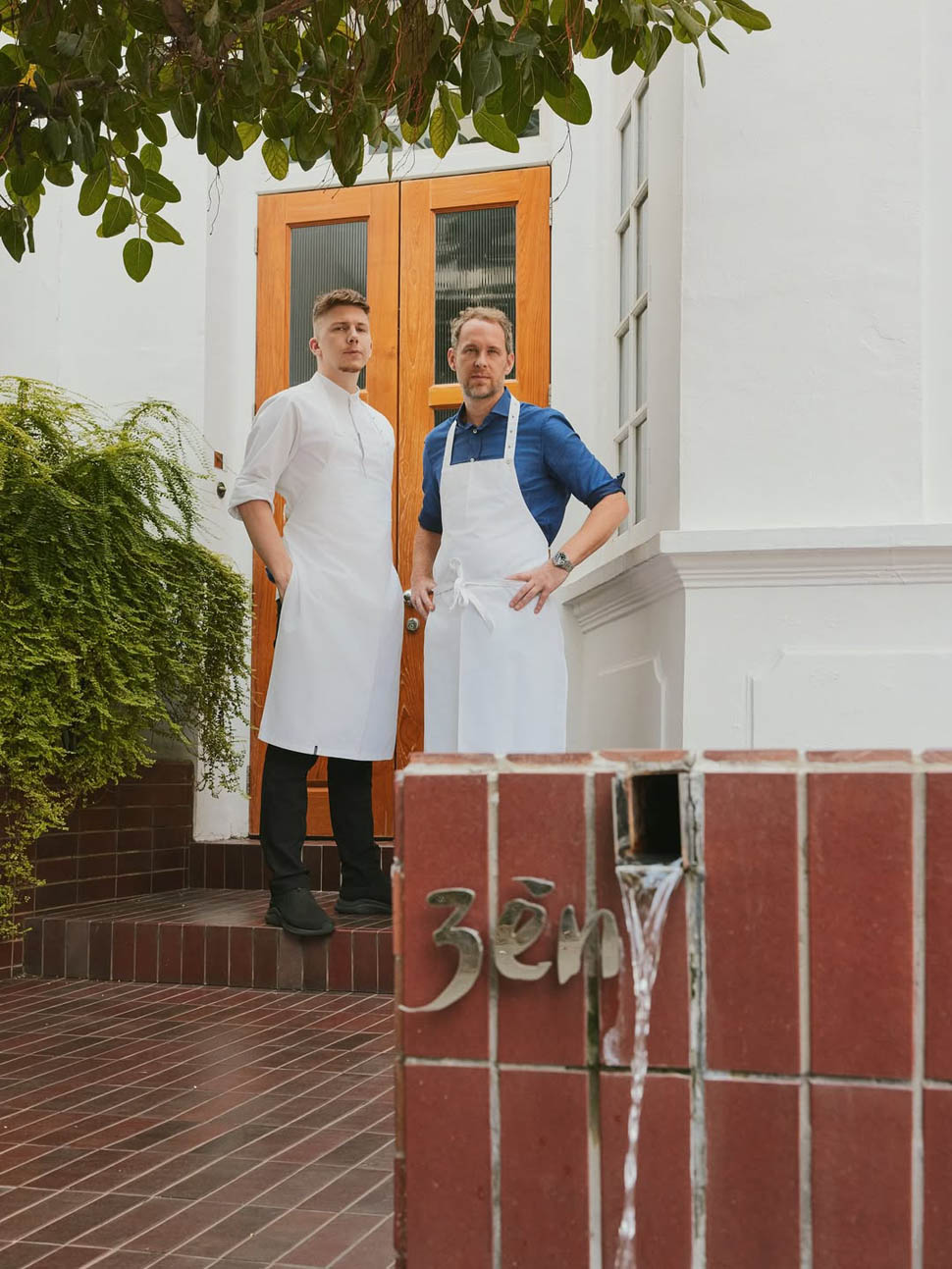
Leaving Zén doesn’t feel like a break. Rather, it feels like an immediate fresh start—one that’s already planned, almost inevitable. The schedule for the coming months traces a clear path: Korea, New York, South Tyrol, Oslo. These moves aren’t random; they seem to map out a journey of constant exploration, an itinerary where each stop adds a new layer of complexity. Even before that, a symbolic stop on the Faroe Islands, with a pop-up scheduled for early April, introduces a more experimental, almost laboratory-like dimension. And in the background, a return to Asia is already glimpsed—not as an exotic destination, but as a well-established field of study. In recent years, in fact, Öfner has systematically explored Asian cuisines, with a particular focus on Japan, its prefectures, and the concept of micro-seasonality. An approach that goes beyond mere aesthetic inspiration, entering into a logic of observation and adaptation, shaped by timing, natural cycles, and an understanding of the territory. The experiences gained in Shanghai and Chengdu have helped shape this sensibility, expanding his culinary vocabulary and making it more nuanced. This heritage is now also a subject of sharing. His announced appearance at the Rolling Pin Convention in Graz is not merely a public appearance, but a moment of giving back, in which accumulated experience is transformed into storytelling, dialogue, and transmission. This dynamic is increasingly central for the new generation of chefs, who are called upon to navigate the worlds of cuisine and communication with equal awareness.
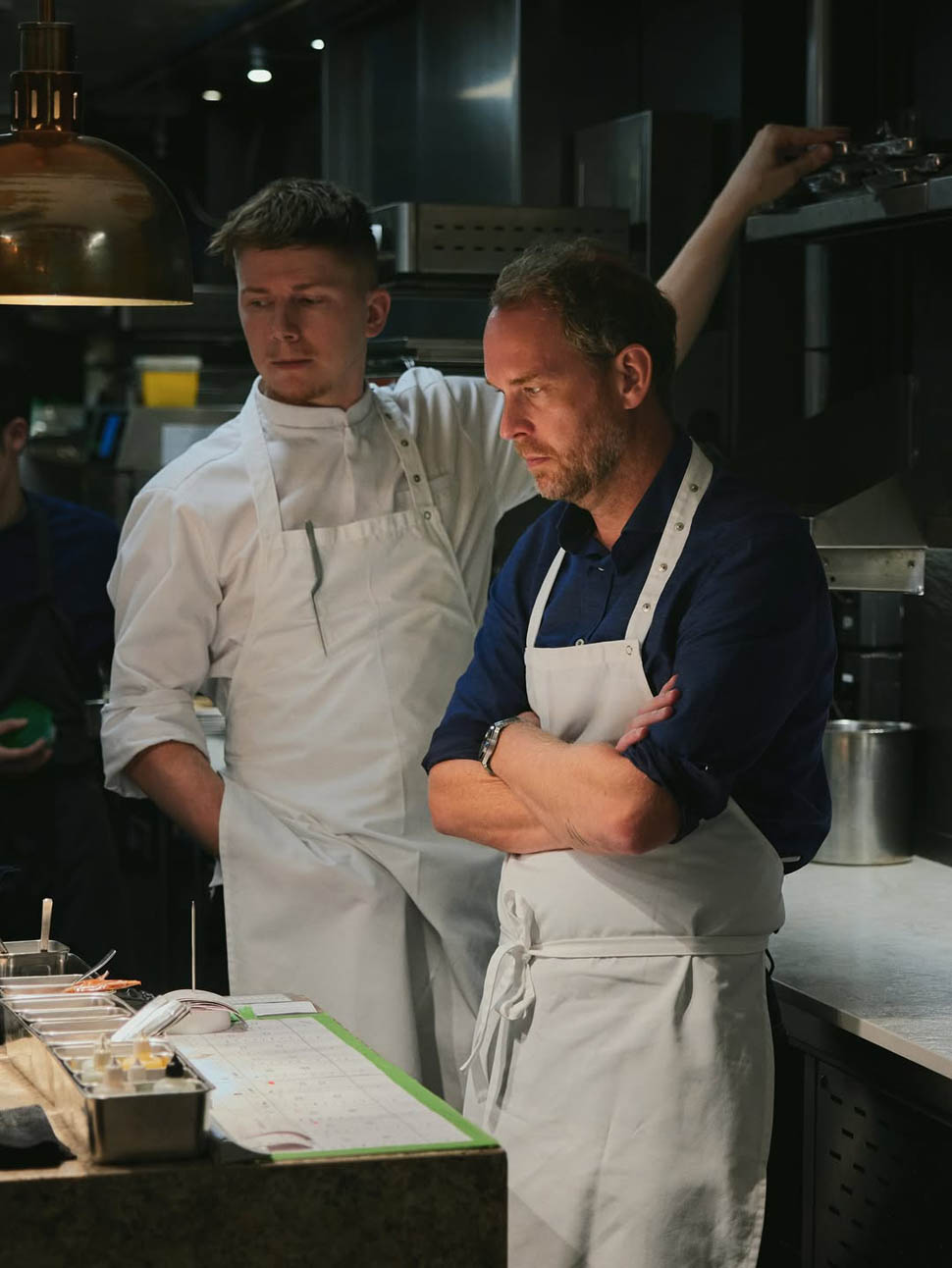
Viewed from this perspective, the decision to leave Zén loses any sense of a rupture. Instead, it takes on the character of a natural transition—almost inevitable for someone accustomed to moving forward. Six years is a long time, especially in a context that demands constant evolution. Staying would have meant consolidation; leaving implies putting everything back into question. And this is precisely where one of the most interesting insights into Öfner’s journey comes in: the ability to inhabit change without turning it into a spectacular gesture. No sensational statements, no forced narrative constructs. Just a single sentence, simple and direct, that sums up the entire movement: “The work continues, just on a different stage.” A line that says much more than it seems. Because it shifts the focus from the place to the practice, from the sign to the process. In this vision, cuisine is never static, but is built over time, traversing different contexts and allowing itself to be shaped by them. Öfner’s move thus marks a precise yet open-ended moment. A turning point that does not interrupt, but rather relaunches. And one that presents an image of contemporary gastronomy less tied to stability and closer to an idea of continuous movement, made up of detours, returns, and new trajectories yet to be defined.