In the heartland of strangozzi and torta al testo, someone has attempted to break away from the confines of traditional regional cuisine. This isn’t your typical “local” fine dining spot, but a restaurant that, in its own way, “Italianizes” the concept of Japanese cuisine, attracting a new wave of enthusiasts to Perugia.
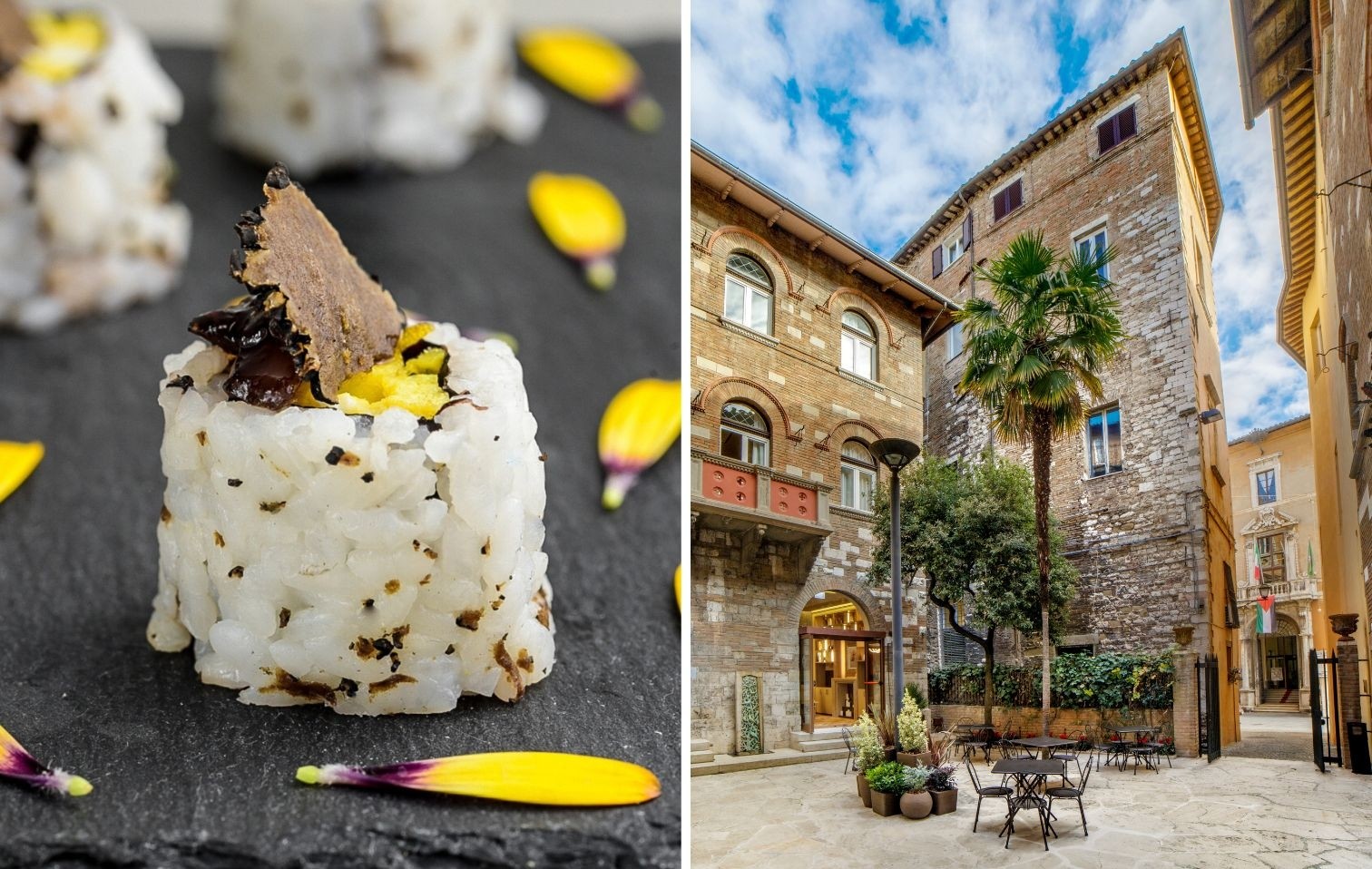
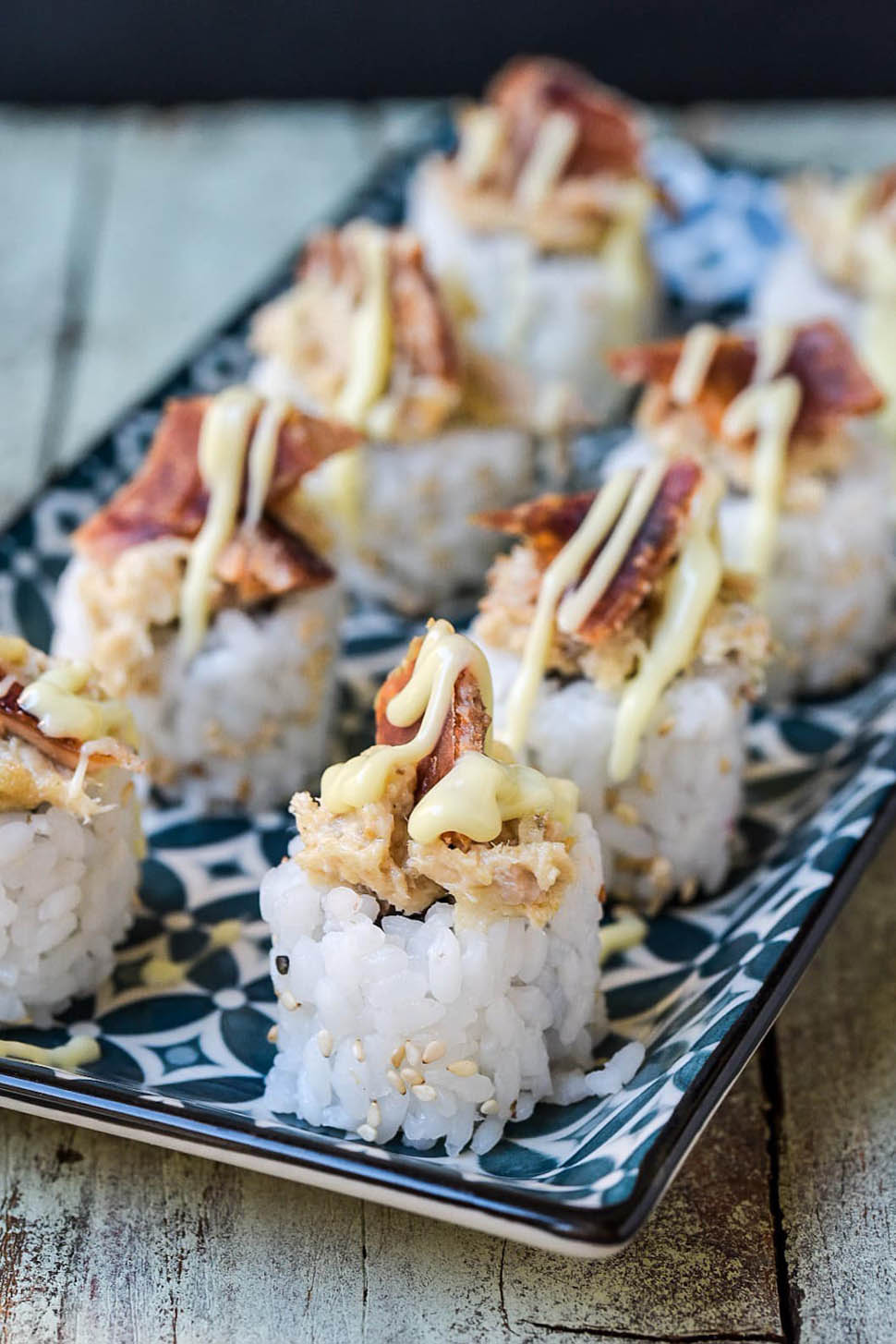
*Photo of Sushi Umbro by Laura Patricia Barberi
Let’s talk about Sushi Umbro at the Rosetta, the first Hilton hotel in the region and an integral part of the Tapestry Collection. It is telling, in this sense, that one of the hotel brands with the most recognizable identity has chosen to focus on cultural fusion, with the specific aim of setting trends rather than following them.
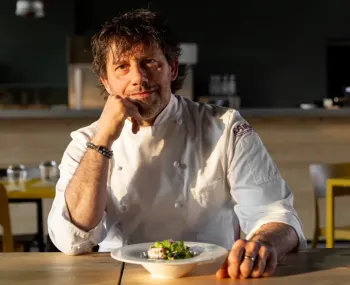
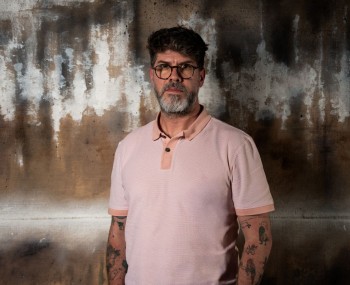
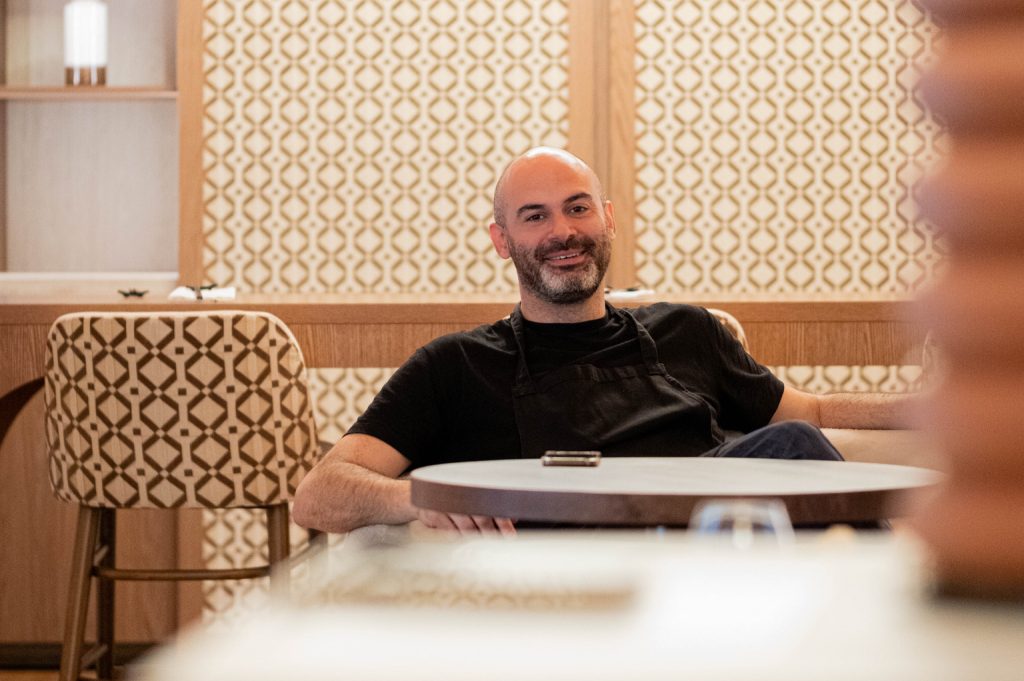
Yes, because you won't find a Japanese menu featuring Castelluccio lentils, porchetta, and scrambled eggs with truffles at any other restaurant in the area. The credit for this idea goes to chef Matteo Brunamonti, who started out studying Political Science at Luiss Guido Carli, established himself as a buyer in the hospitality industry, and landed on the broad path of Asian cuisine after a few “home-cooked” experiments during lockdown.
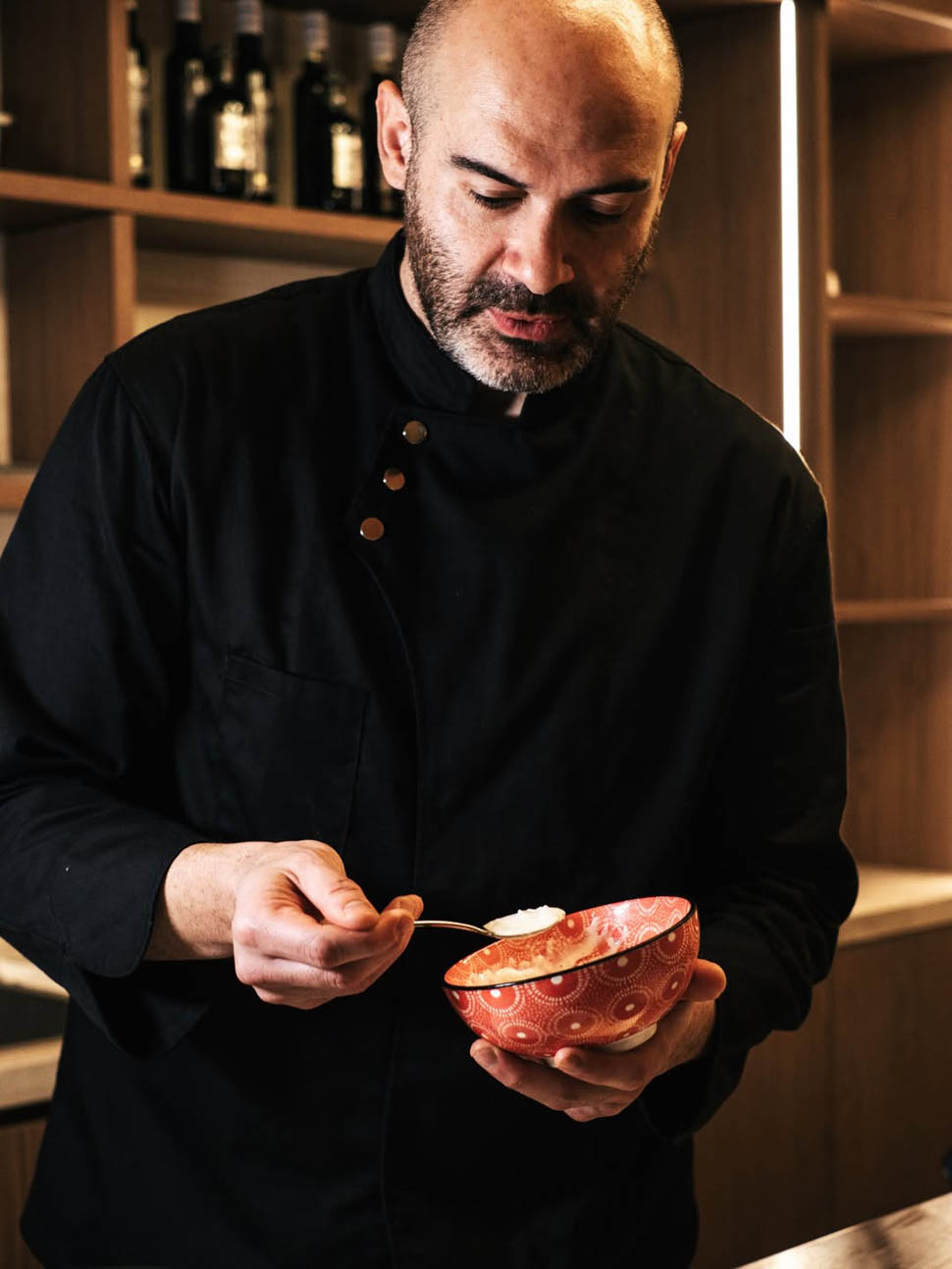
From there, the self-taught chef honed his craft by gradually refining the flavor of the rolls, so that today the selection of ingredients follows strict criteria of geographical proximity. But, as we wait to sit down to a tasting menu where rice meets local ingredients, it’s worth understanding why La Rosetta stands out as a unique gem in the city’s hospitality scene.
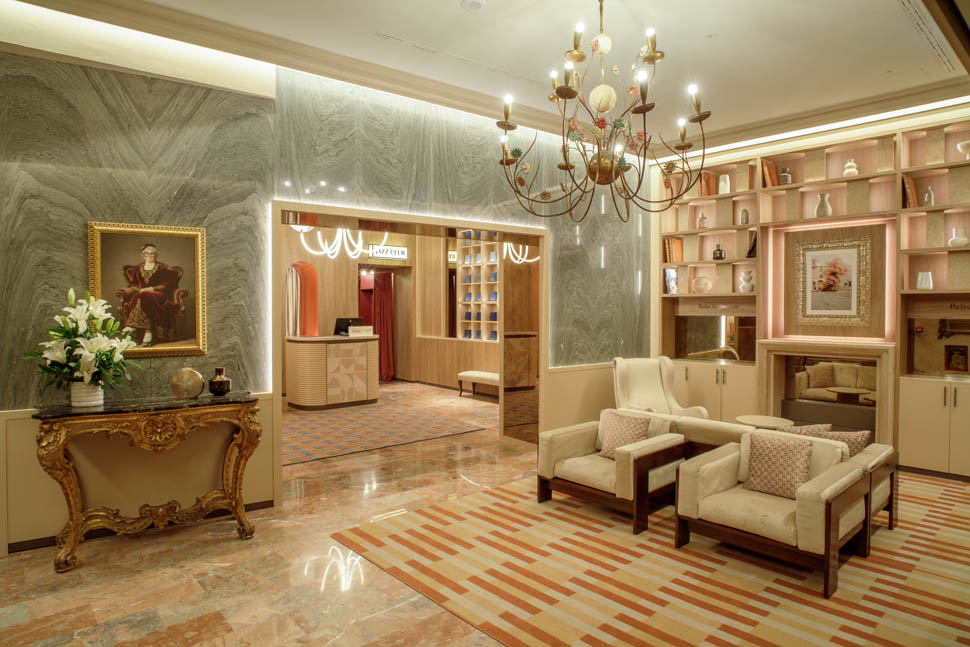
From historic palaces to paintings created with artificial intelligence: the hotel that bridges the ages
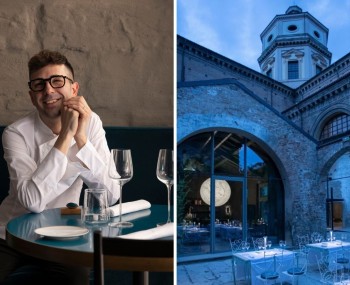
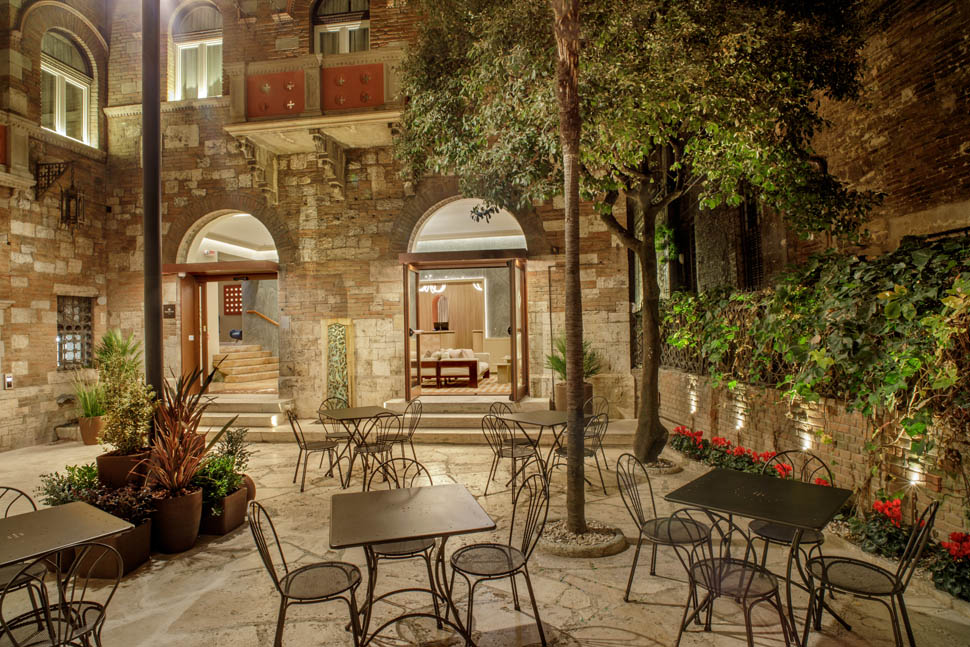
Don’t let the Renaissance-style facade—with its crenellated towers and ivy-covered courtyard—fool fans of modern luxury. Imagine stepping into a 15th-century palace and immediately finding yourself in front of a painting that is, in reality, the “legitimate offspring” of artificial intelligence: this is the never-before-seen portrait of Rosetta, specially crafted by technology to honor the hostess.
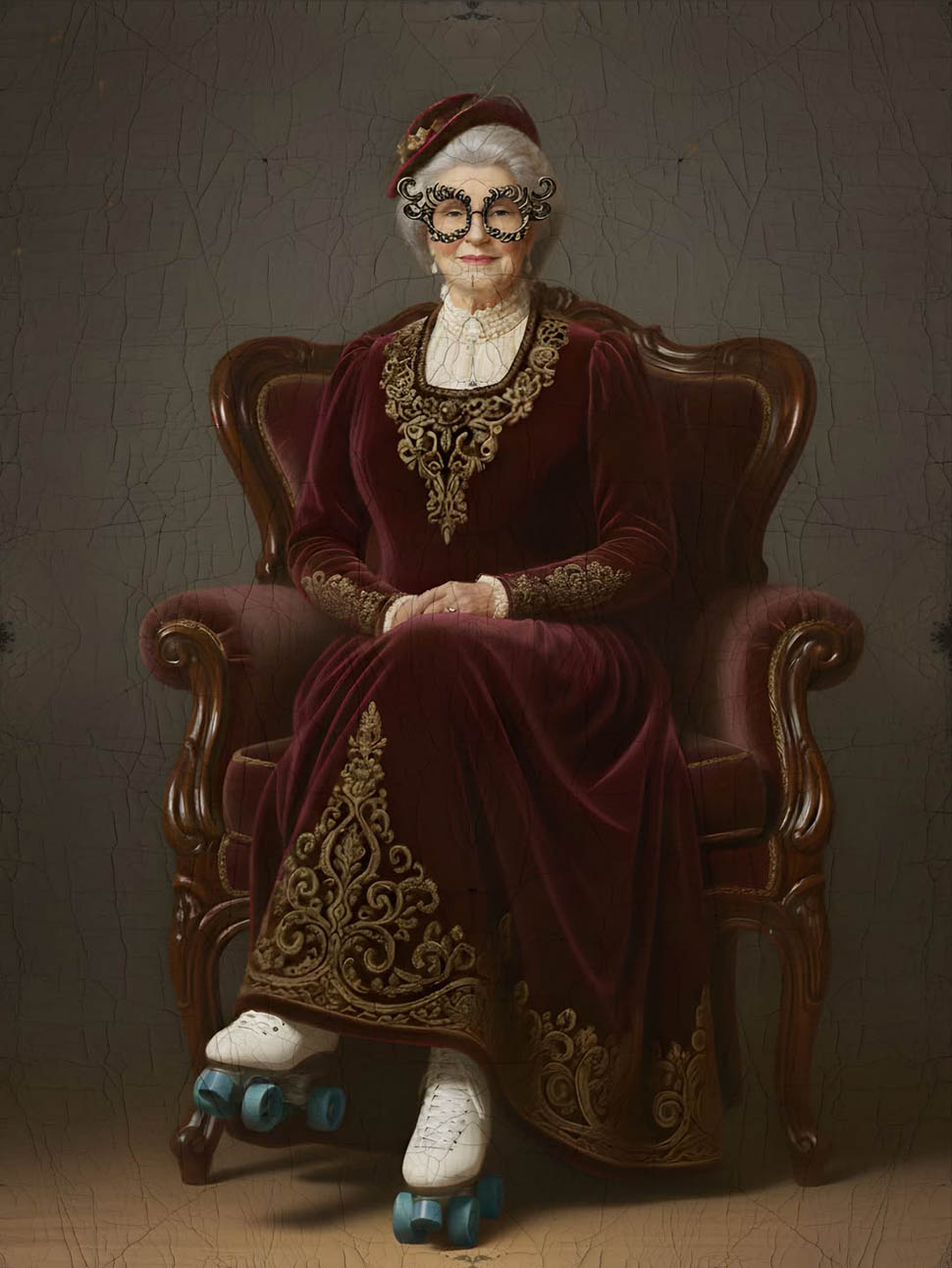
An imaginary figure, then, linked to the name of the establishment and perhaps to Lisetta’s passion for roses (the wife of Egisto Paradisi, who over a century ago opened a small inn with just seven rooms right here). The turning point? The handover to the Fittuccia-Mencarelli business group in 2021 and the subsequent partnership with Hilton, which is now bearing fruit following a bold renovation plan.
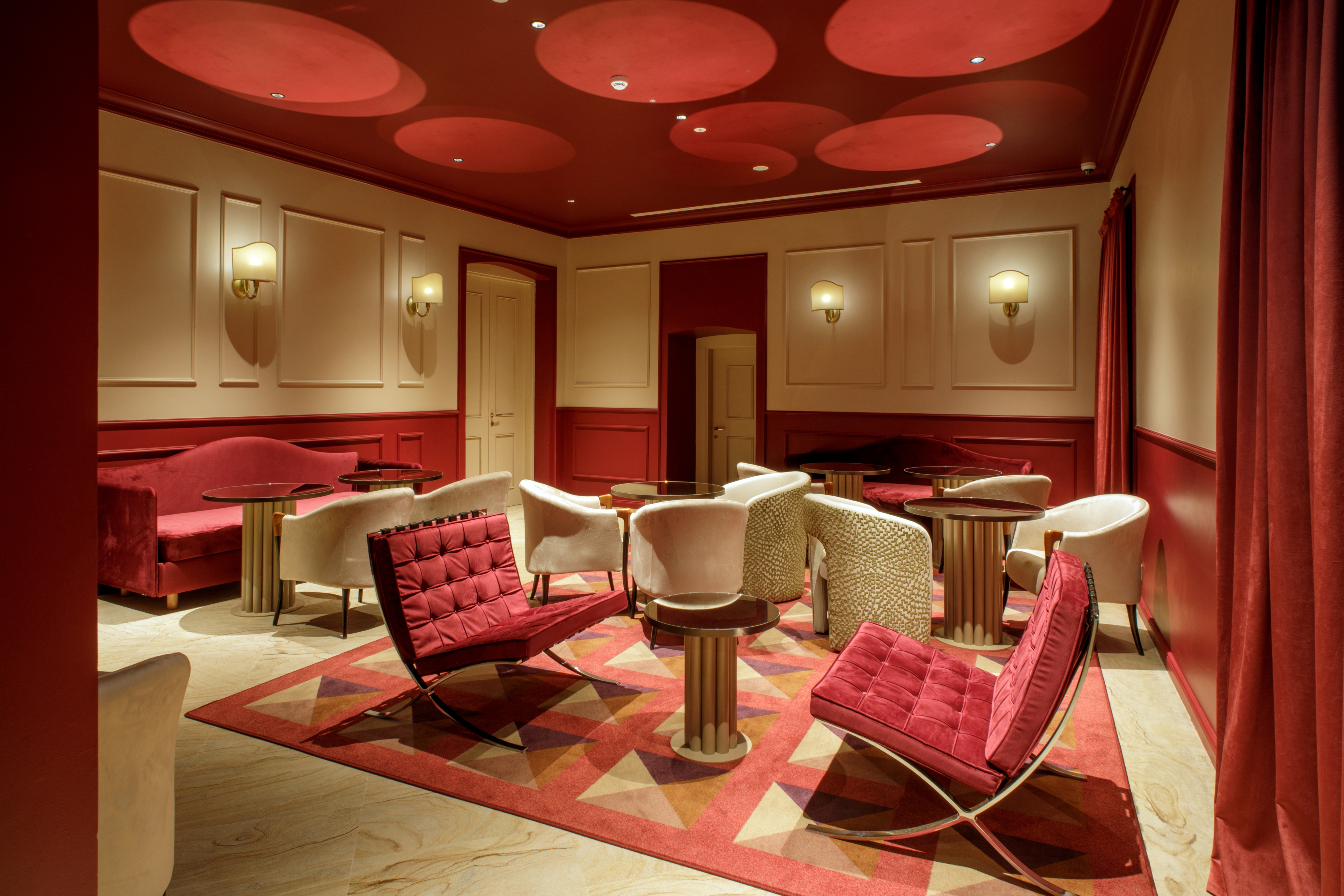
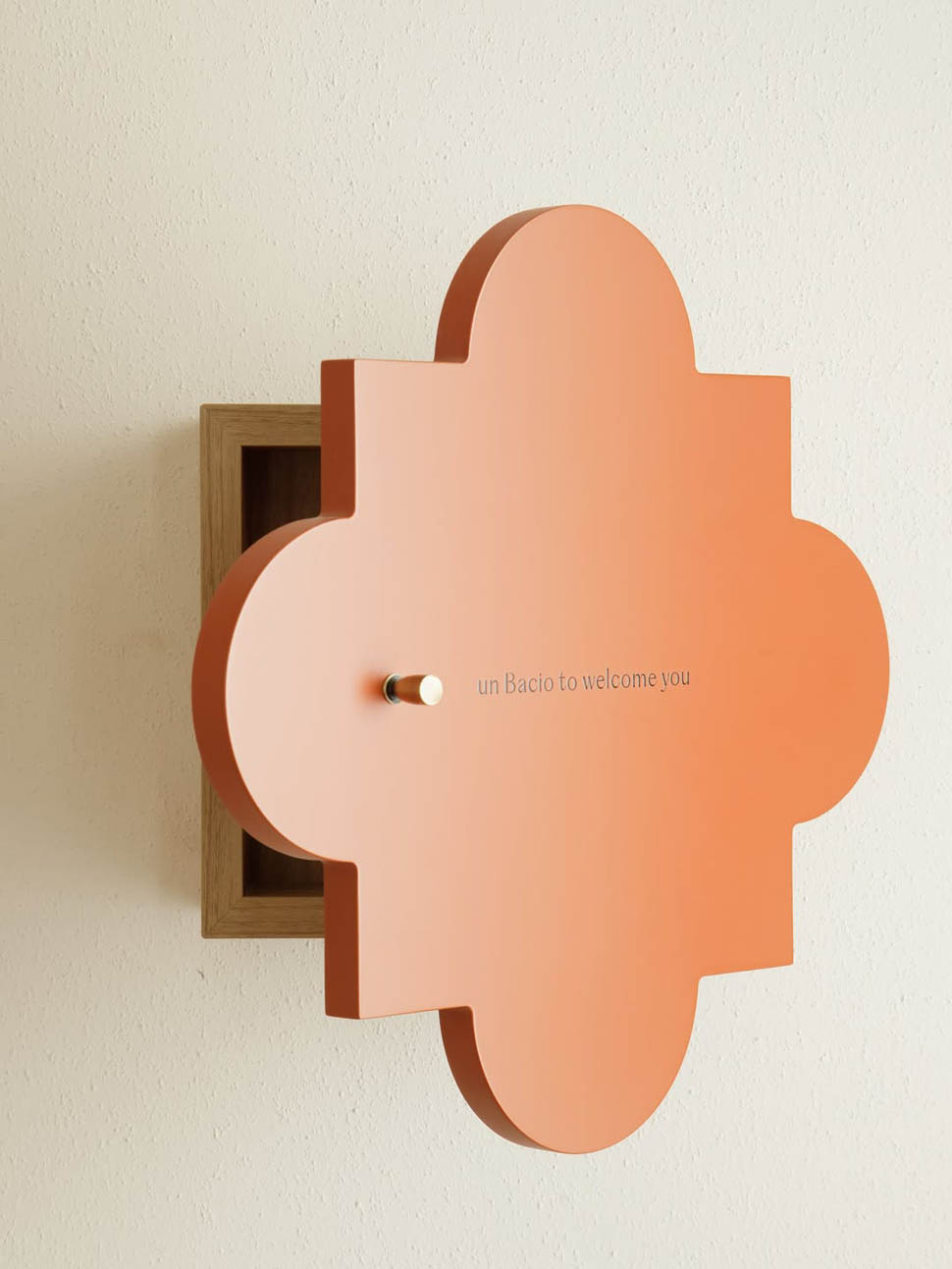
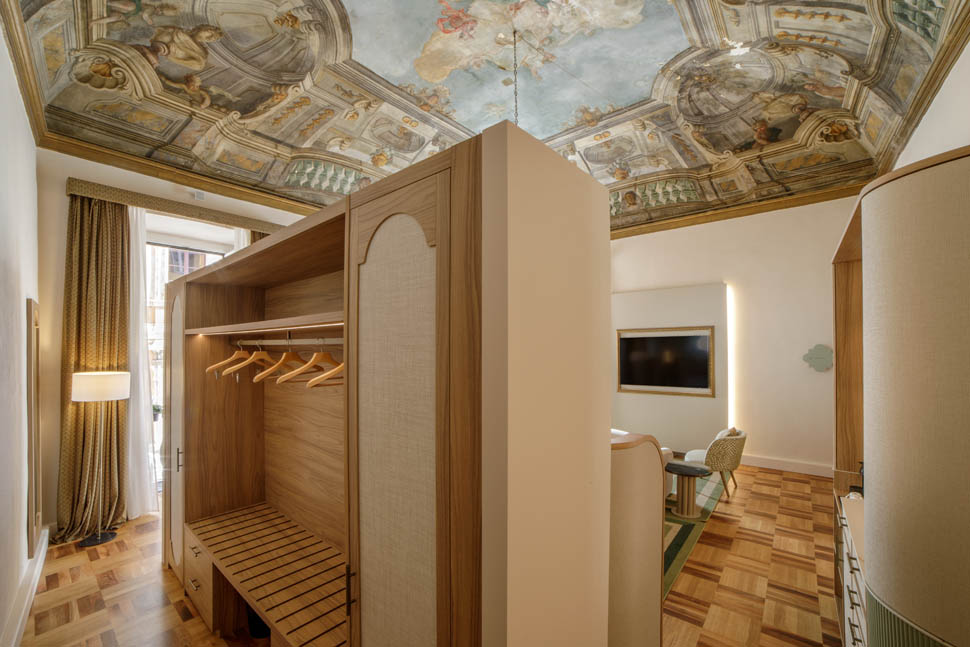
The goal is to restore the historic building just enough to remove its dusty patina without stripping it of its charm (see the GBC Historic Building certification, which confirms an architectural preservation approach that looks toward the future). The result is evident in the details: as soon as you enter the room, the welcome takes the delightful form of a chocolate kiss (presented in a wooden box shaped like Perugia’s Duomo!), while some suites jealously preserve the original wall frescoes and the private balcony views of the noble residences.
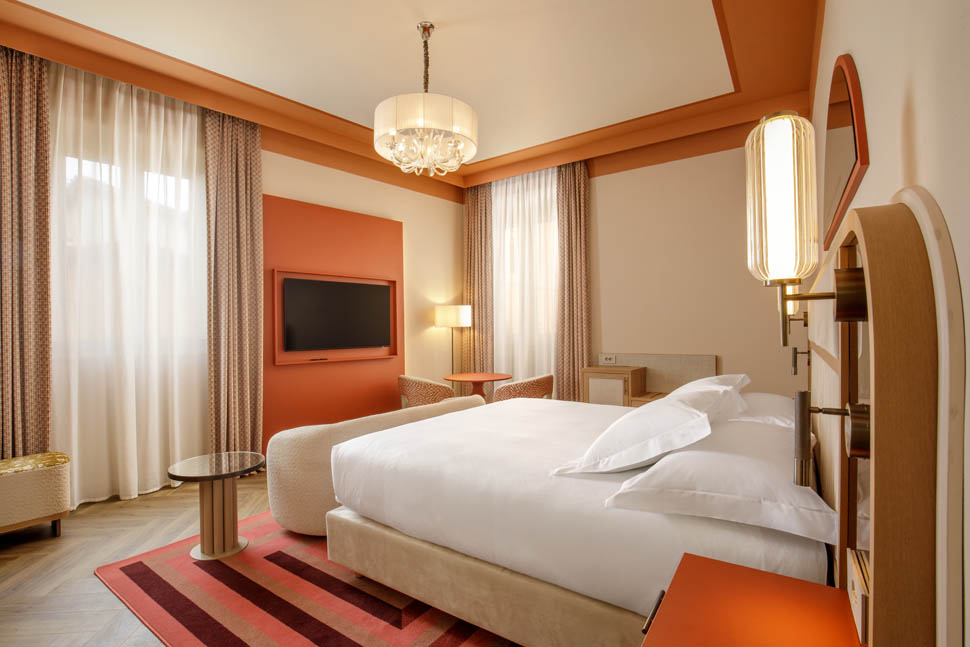
A glance up at the beds is enough to take in the headboards designed by the studio ovre.design and finely crafted by the artisans at the Vitalo woodworking shop, on which the words “Heritage is the root of the future” shine—perhaps the motto that best illustrates the timeline that flows seamlessly before the eyes of new arrivals.
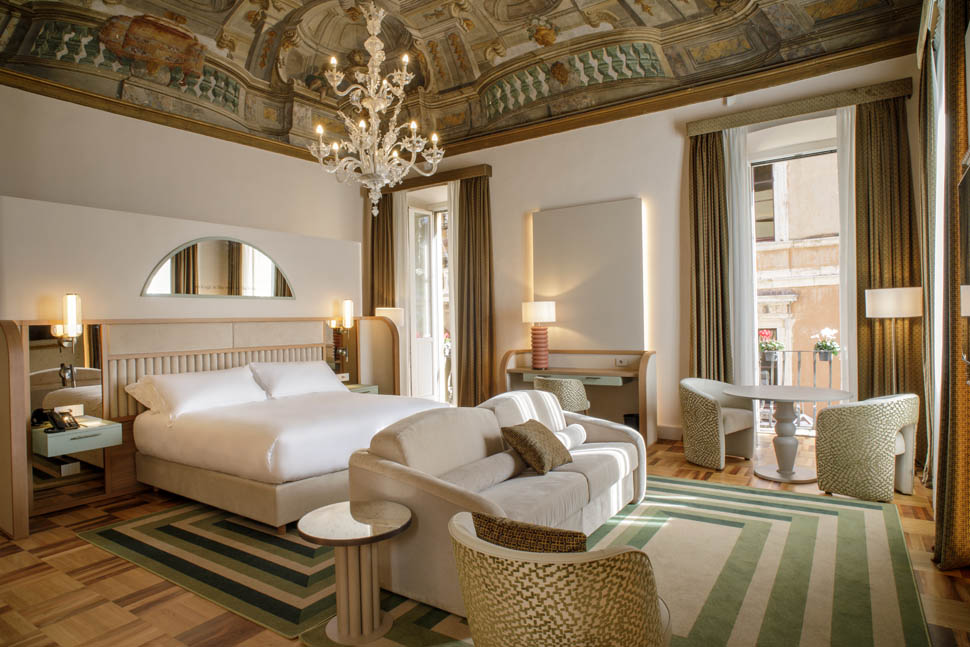
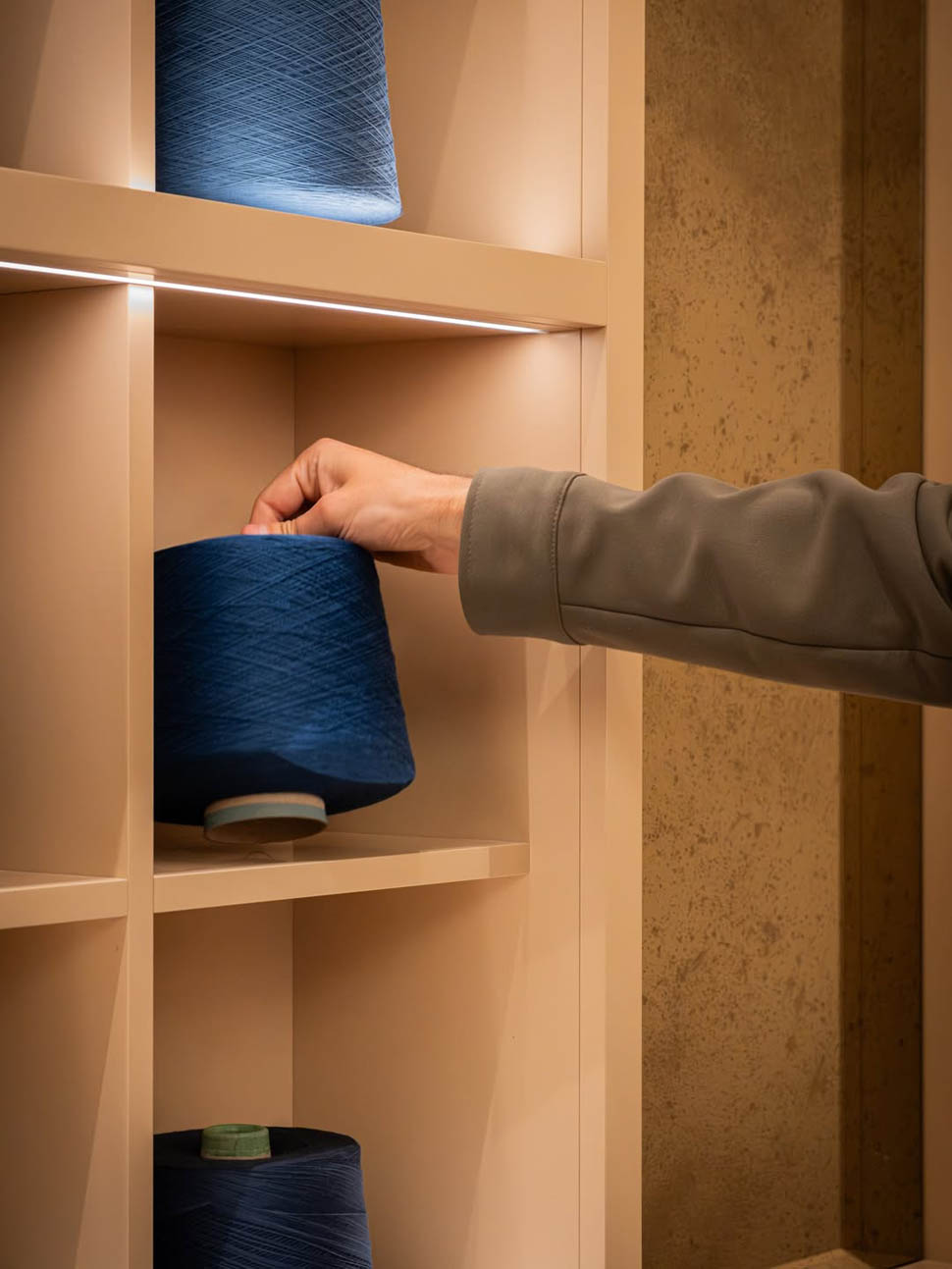
Furthermore: as you explore the common areas, you suddenly come across a collection of vintage keys, exquisite cashmere installations, and a series of paintings—all created by AI—gently weaving modernity into 16th-century motifs.
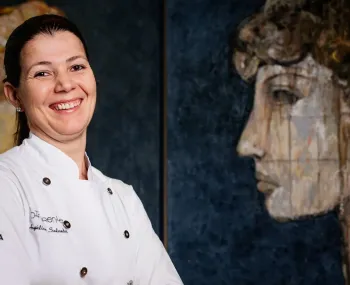
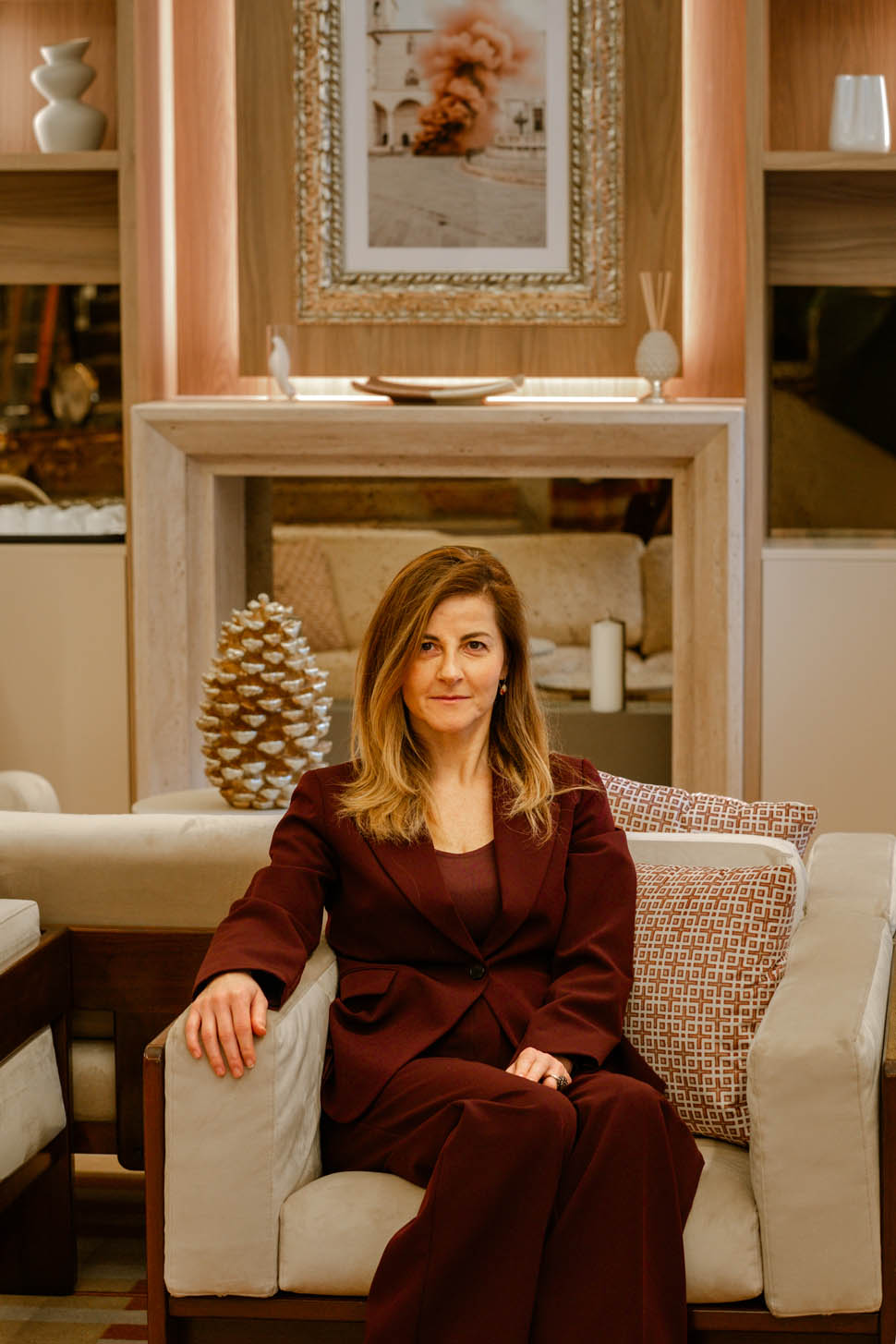
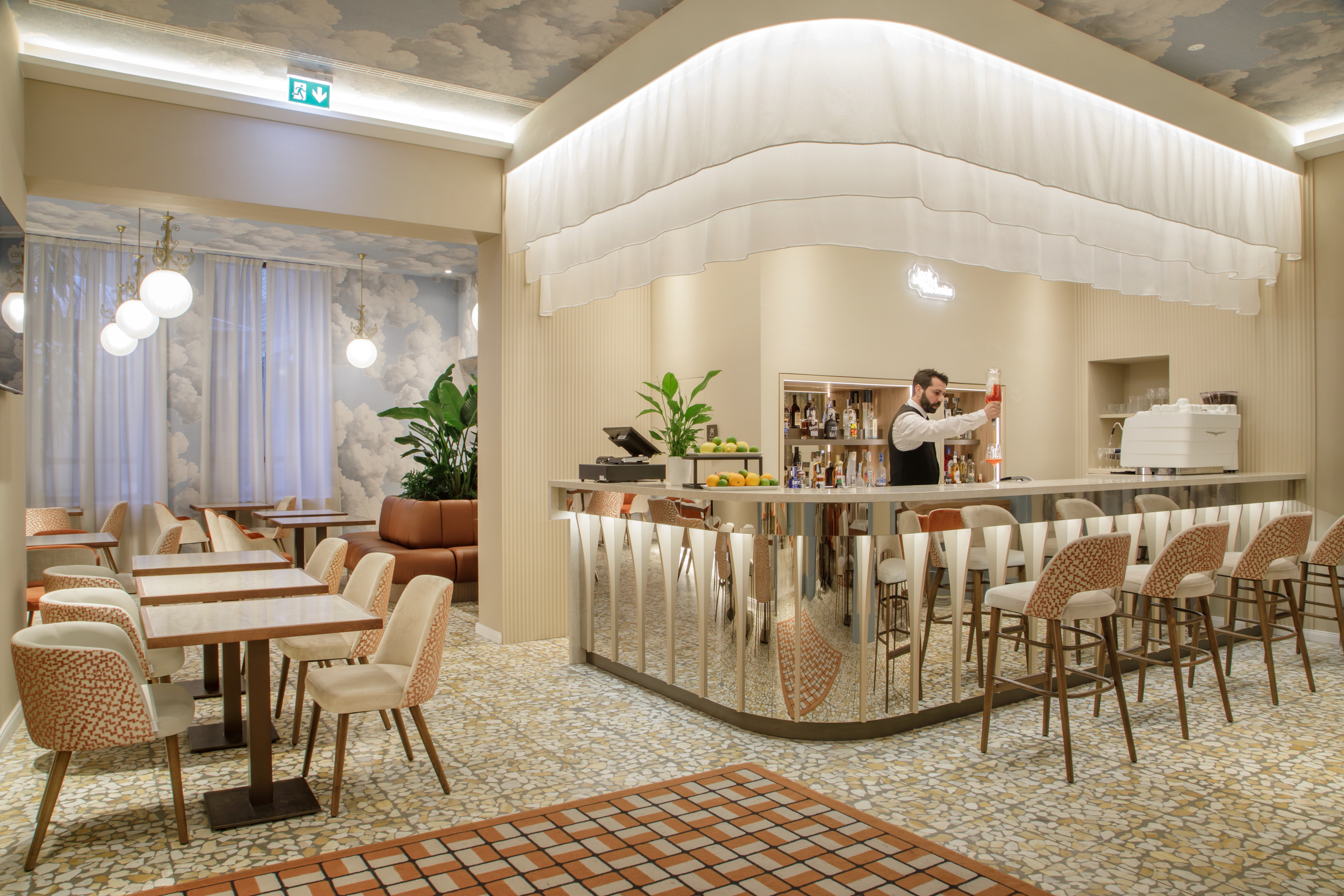
“It’s no coincidence that Rosetta is described as a ‘cool nana’, an elderly lady ready to freshen up her makeup for the occasion (or rather, the grand opening!),” reveals director Angela Lollini, a key figure in this gracious, internationally inspired hospitality. And so the property returns to the urban landscape a building similar to, yet distinct from, the aging prototype, where the seventy or so accommodations spread across three floors coexist with an equal number of in-house dining establishments. While we’ll tell you about the menu and dishes at Sushi Umbro in the following paragraphs, the “menu selection” will soon bloom in full with the debut of Casa Vidaschi, not to mention the sleek format of the Cloud Bar, where you can toast while suspended between one era and the next.
Sushi Umbro: Matteo Brunamonti’s Unconventional Take
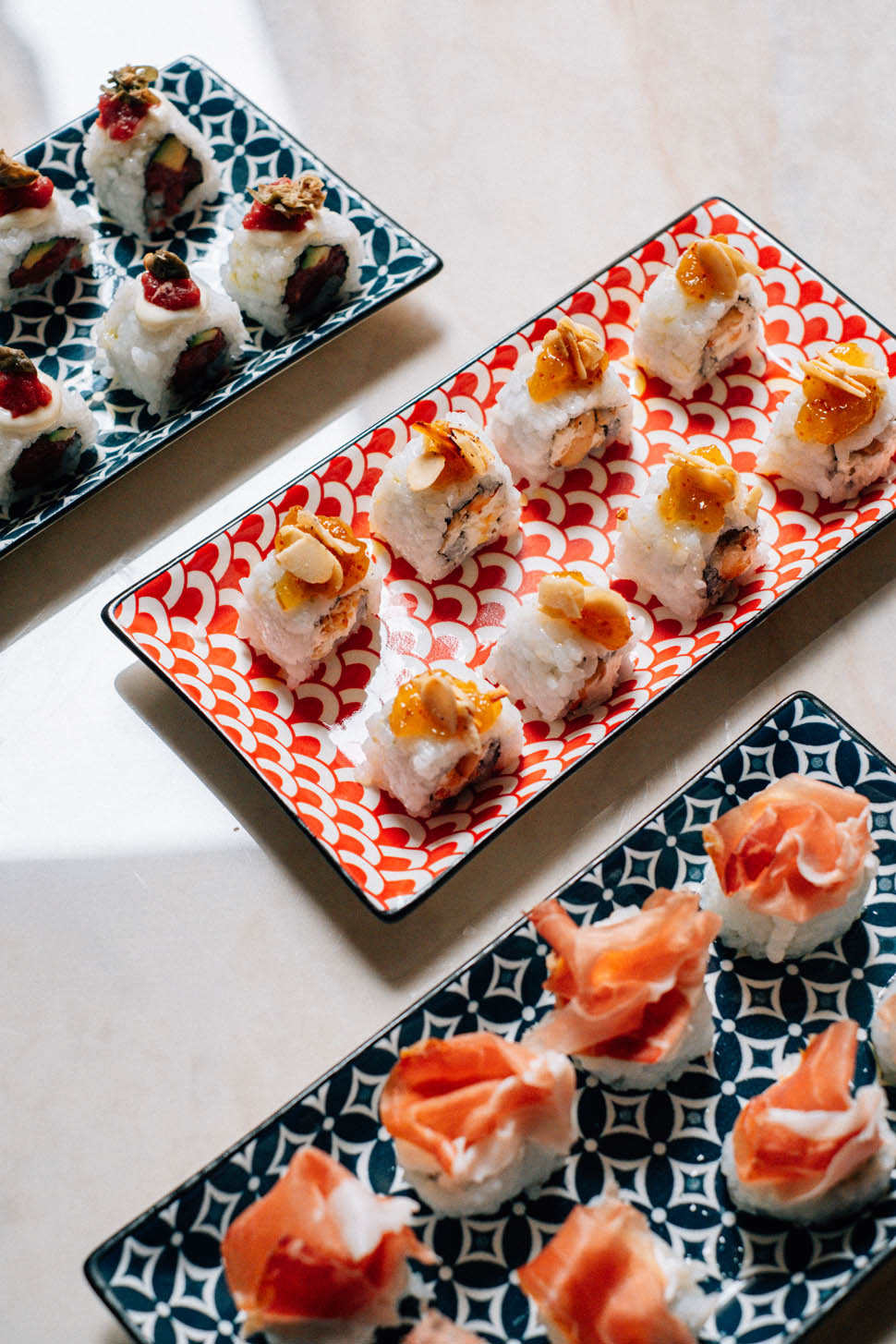
A necessary disclaimer: don’t expect salmon and soy sauce. With Sushi Umbro, Eastern flair and Western know-how meet halfway, in a sort of instant translation for taste buds seeking new sensations. Chef Matteo Brunamonti explains it well, using the dish itself as a point of comparison: "The key is to focus on sweetness and spiciness, rather than the classic ‘seafood’ flavor profiles. For example, I decided not to use rice vinegar to prepare the mirin, replacing it with a less dry and more aromatic apple cider vinegar.“ Not only that: ”Gradually, I reduced the amount of sugar—often high—in favor of the natural roundness of a red onion or a legume: I want the Umbrian identity to fully emerge."
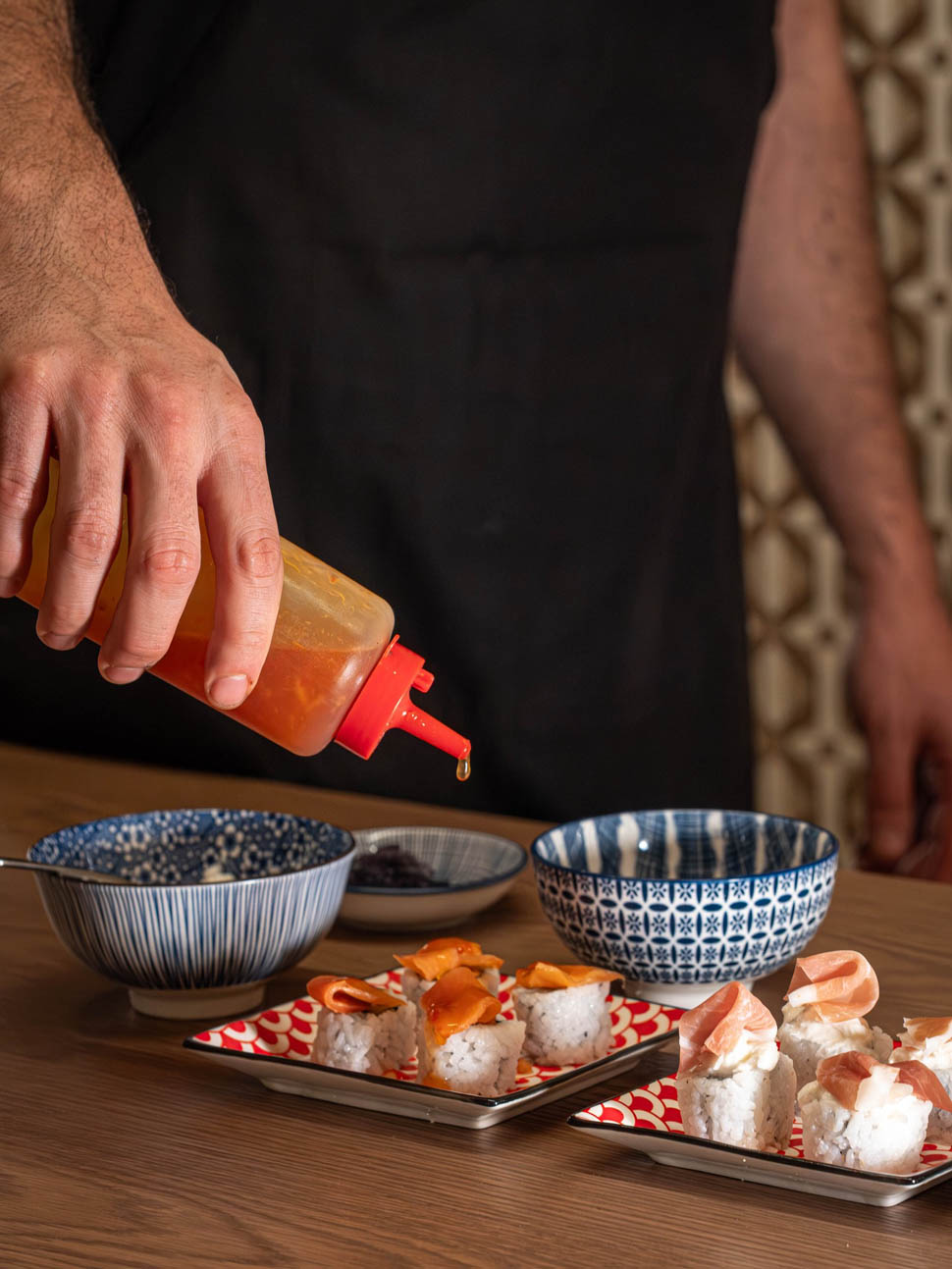
Along the same lines is the omission of soy sauce, “which, while traditionally a perfect match for raw fish, would disrupt the balance built on the finest ingredients from land and lake in the context of a ‘Perugian uramaki’”. Especially since Matteo plays the olive oil card (present both in the lingering aftertaste and on the olfactory level: the scent comes through clearly, despite the dish’s cool serving temperature).
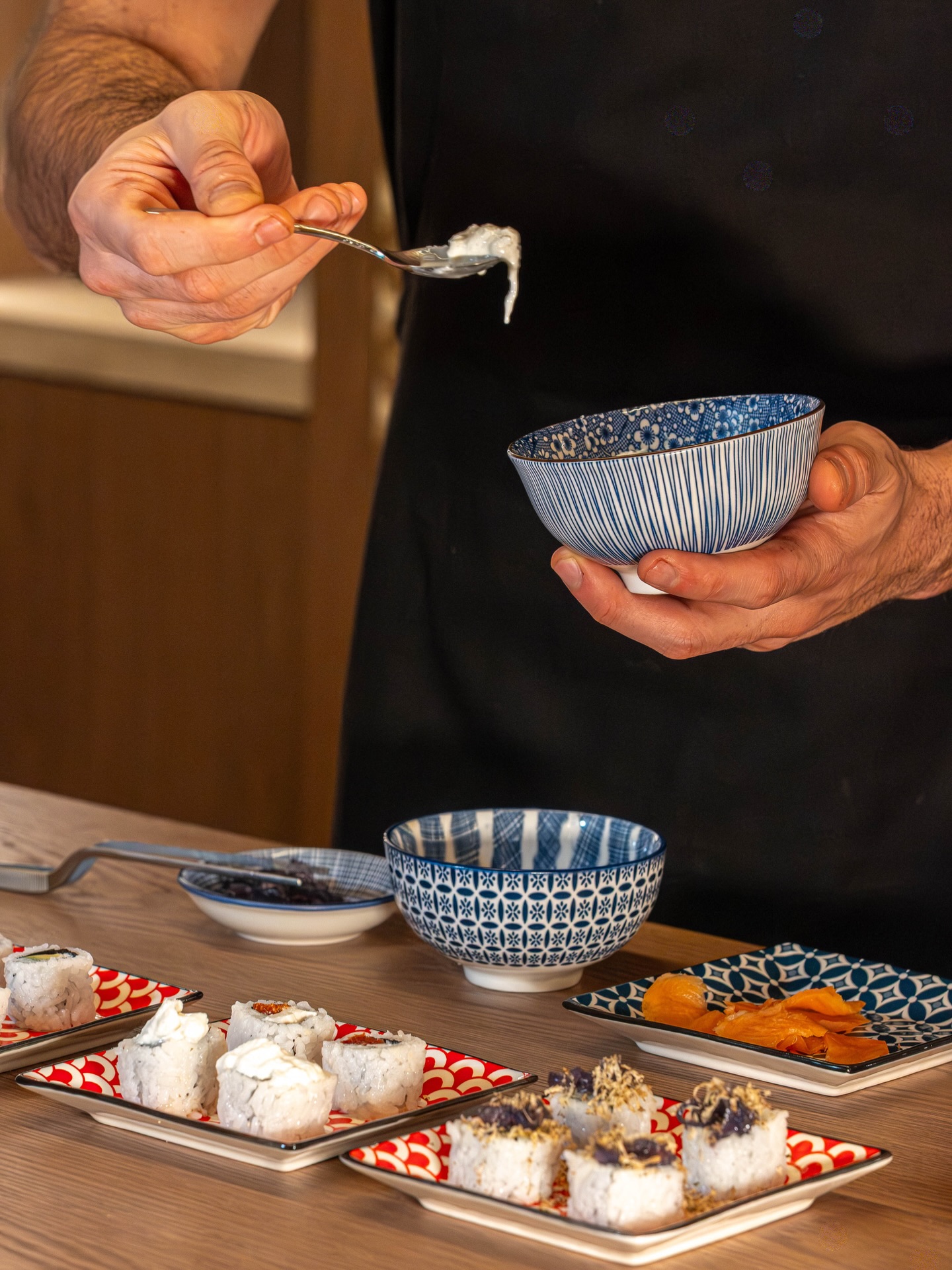
The presentation was also impressive, clearly reflecting the influence of Luca Di Girolamo: "From him, I learned the essential basics for anyone wishing to become familiar with authentic Asian cuisine. Subsequently, I specialized by drawing on the expertise of a buyer who thoroughly studies the subject, having to select ingredients for specific restaurant settings. The format had already taken hold in Terni with excellent results and has now become a full-fledged hotel outlet, with the advantage of access to a ‘premium’ selection in harmony with the property". During our visit, we will discover, in fact, that the truffles are supplied by small-scale harvesters known to Cavalier Mencarelli—a plus both for supporting the community and for the depth of the tasting experience.
The Tasting
The menu follows a few simple yet effective rules: every bite includes at least one Umbrian ingredient and features a distinctive “texture,” where the grain’s sticky consistency and soft core complement structured toppings. At first glance, the 100% plant-based options stand out, such as “50 Shades of Legumes,” made with Castelluccio lentil pâté, Trasimeno green beans, and rosemary oil.
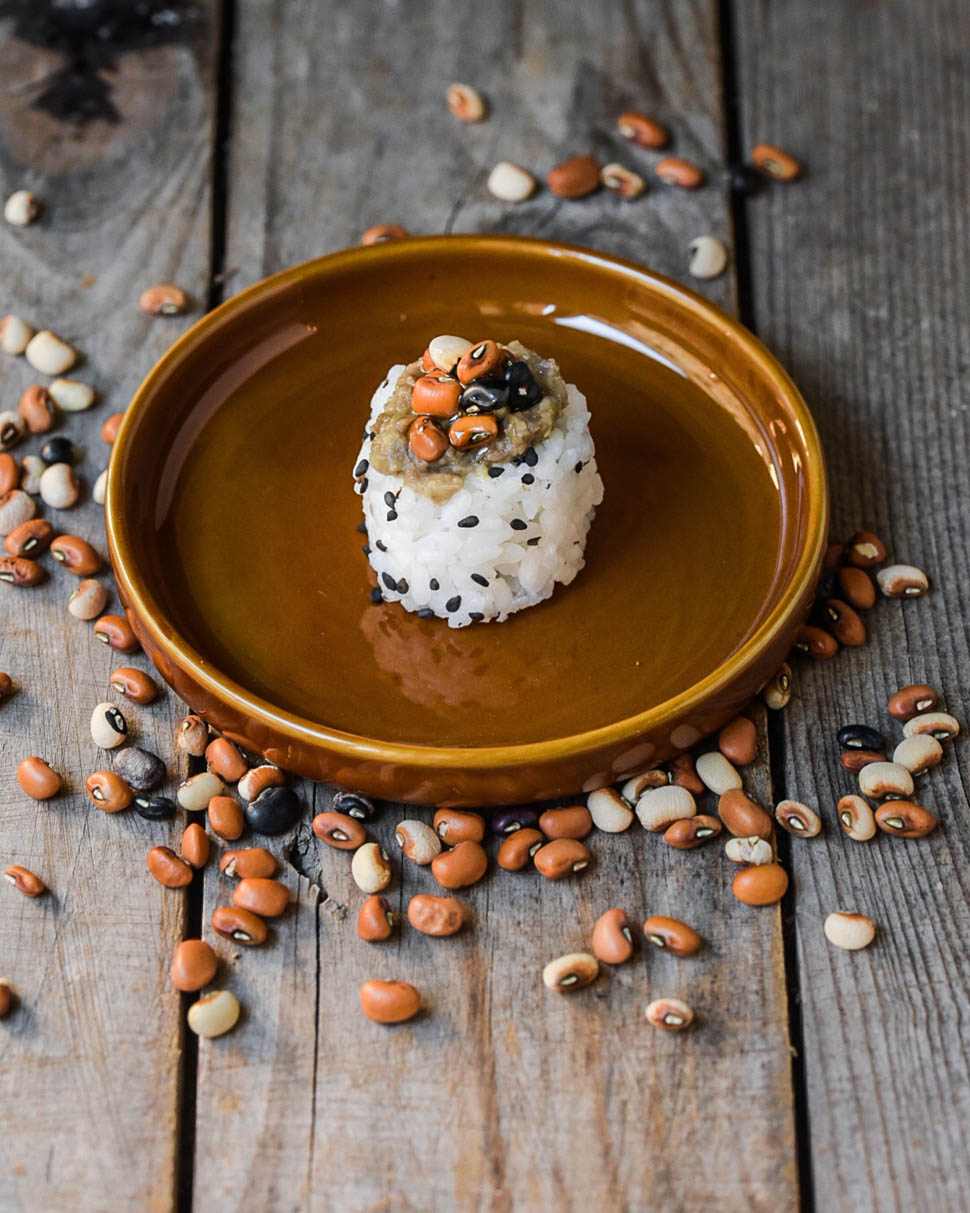
“Here,” Matteo reveals, “the green beans are left slightly undercooked, adding a crunchy contrast to the richness of the lentil cream.” The effect is intriguing, with “rustic” notes that pleasantly disorient the diner due to the contrast between the concept of sushi and its country-style twist. More lingering is the “Spoletino birichino,” which reveals an unexpected elegance as you chew.
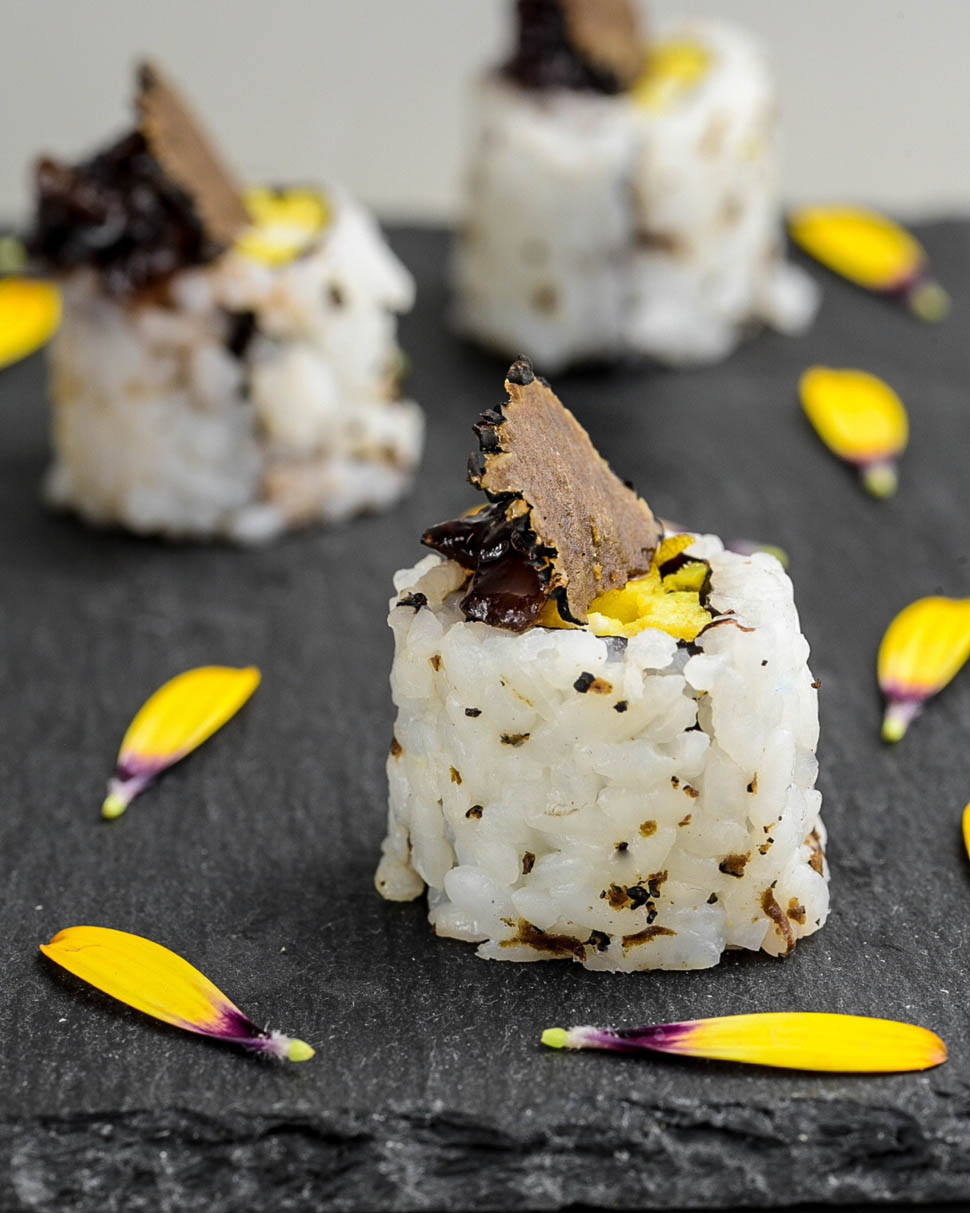
The essentials? Omelette with Cannara red onions and truffle: on one hand, the comforting taste of the mild onion and the perfectly fluffy egg; on the other, the thin slices on top that heighten the earthy flavor with their sulfurous undertones. “Depending on the dish, I try to balance the truffle’s bold character with a fatty and a sweet element”, the chef continues, “to the point where I’ve even paired it with avocado, Colfiorito mozzarella, and sour cherry sauce”.
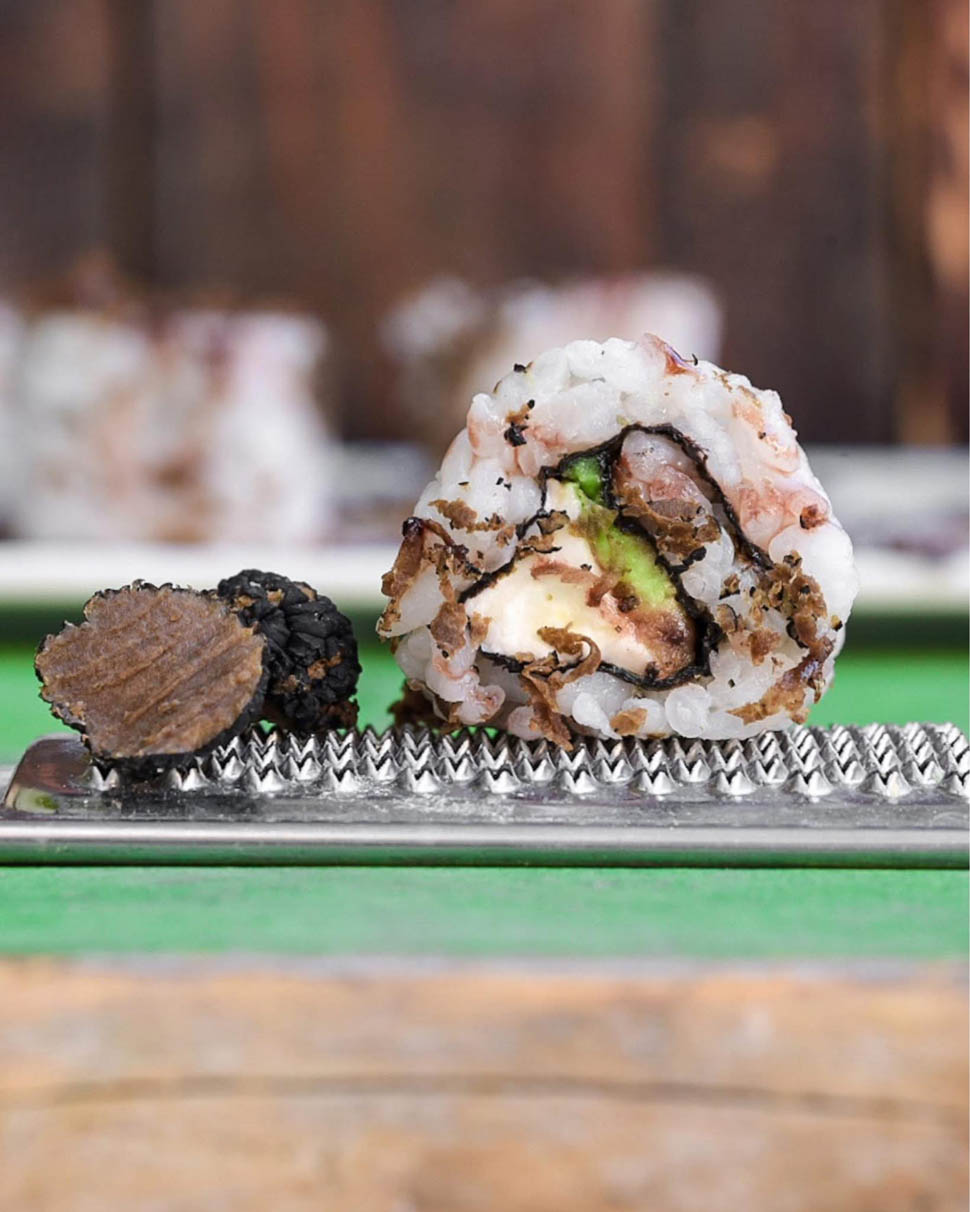
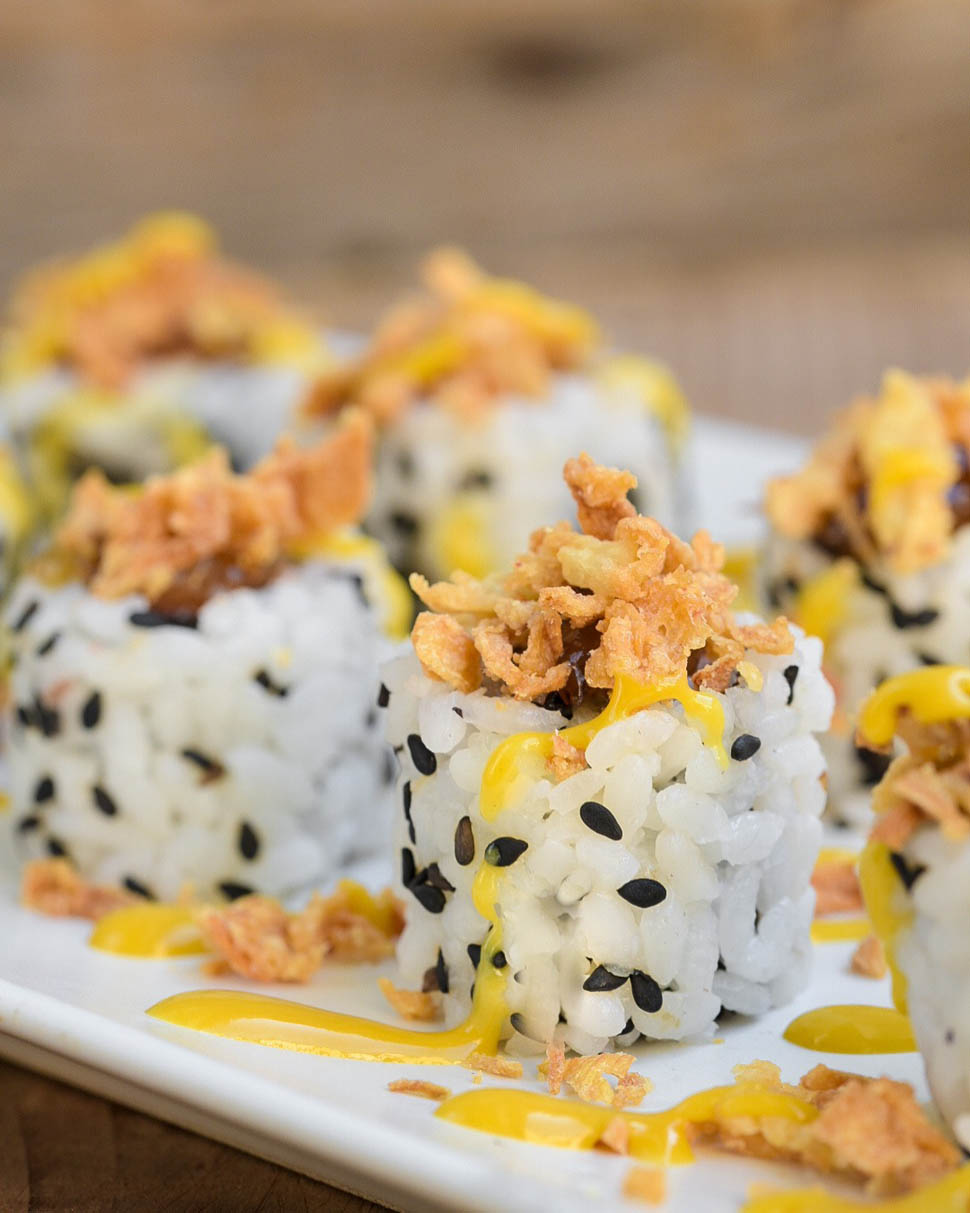
The name (‘Califumbria roll’!) speaks for itself; a recurring theme we’ll see again in the following dishes, such as the excellent “L'oca loca” (smoked goose breast, avocado, chestnut cream, and spicy balsamic vinegar).
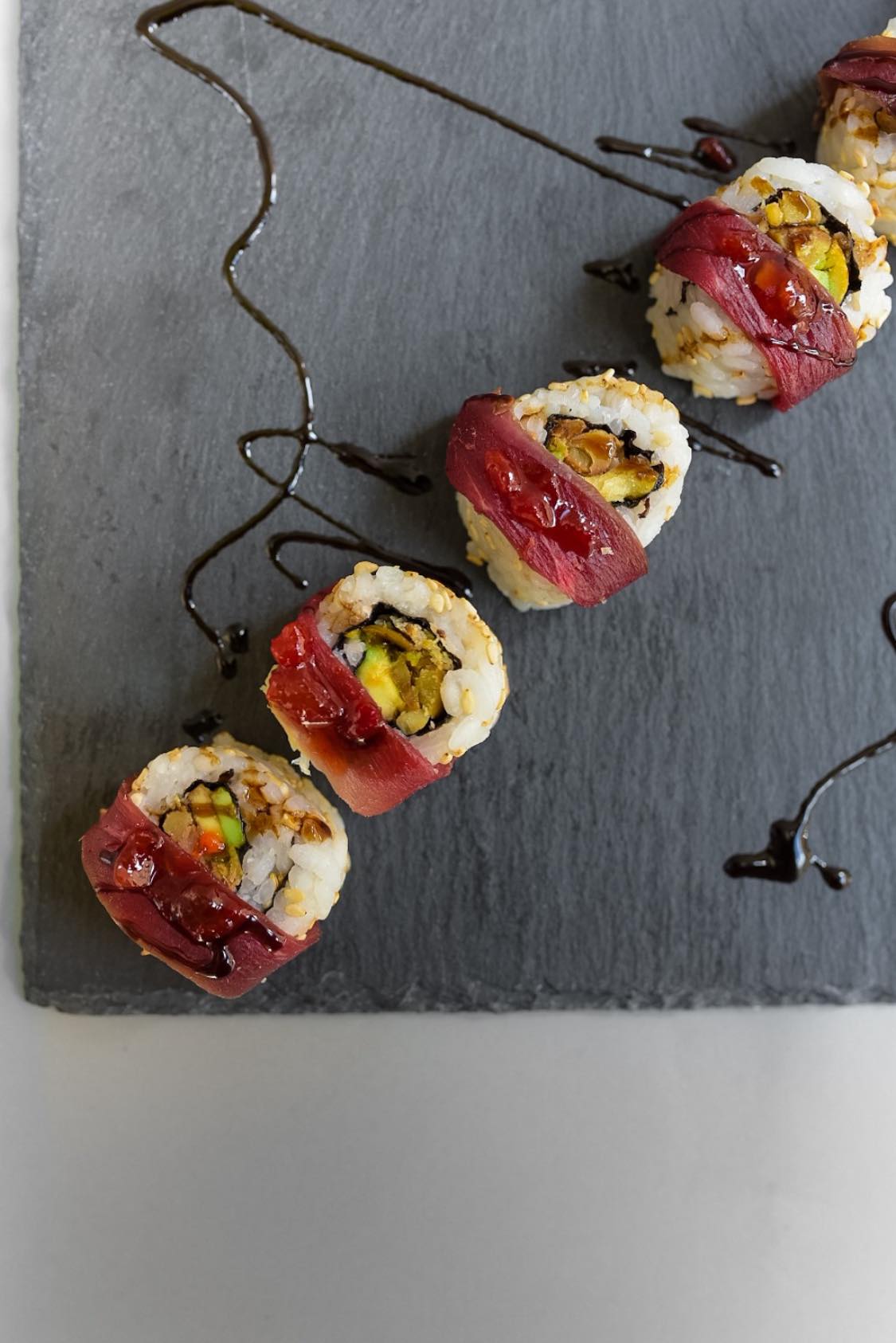
Surprisingly, the depth of the slightly spicy vinegar is “softened” by the cushioning effect of the chestnuts, while still allowing the protein plenty of room to shine. Delicious and clean—a combination that lingers in the memory. At the opposite end of the spectrum of animal diversity, “the fish I work with are all freshwater, thanks to the proximity of Lake Trasimeno,” Matteo explains.
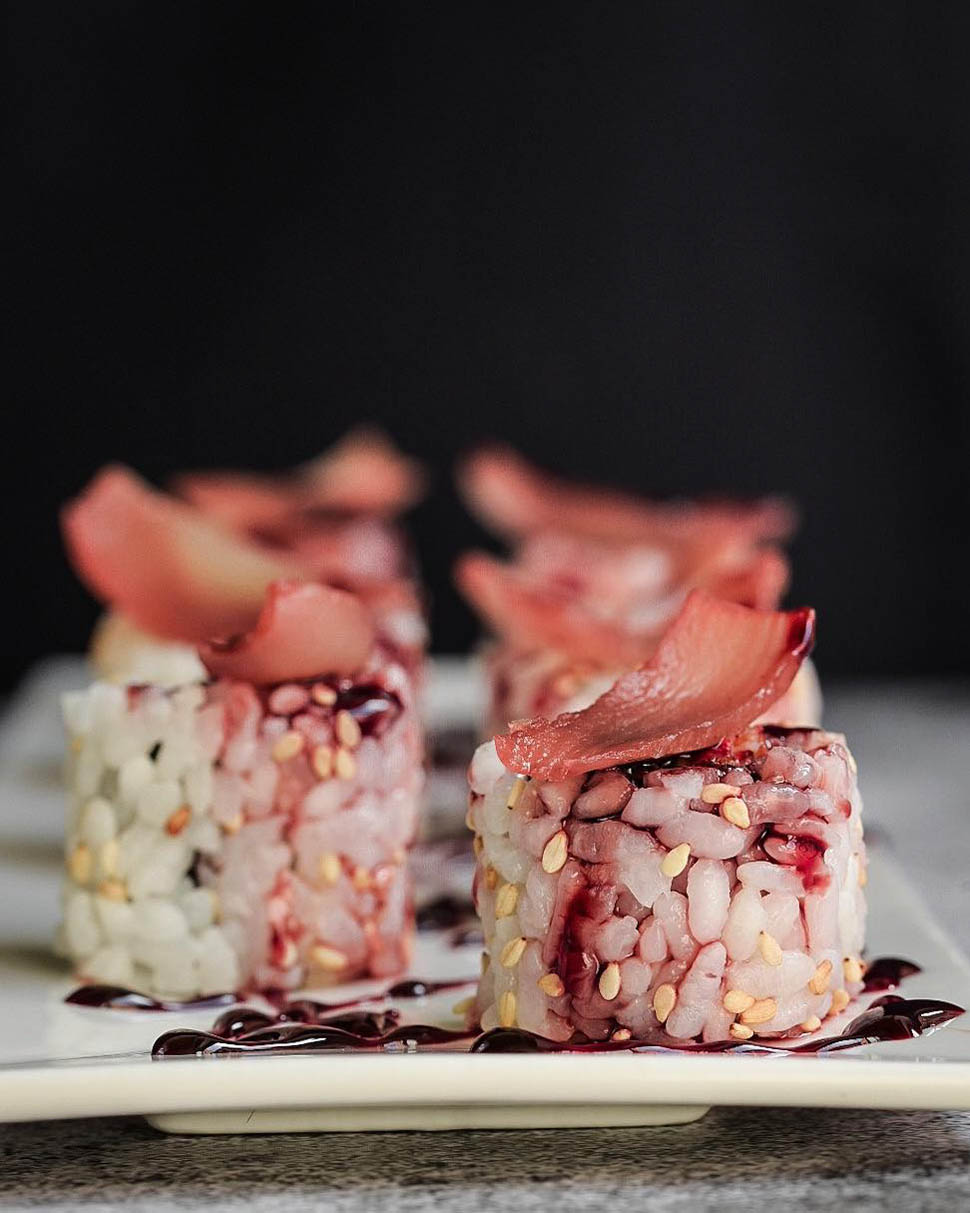
"I love the delicacy of the shrimp and the smoky notes of the salmon-smoked trout—elements that allow me to recreate the composition of traditional sushi, even though mine is cooked rather than raw. So there’s no risk of feeling disoriented if you’re used to the usual “seafood” approach. This is demonstrated, in turn, by “I Was Hoping to Reach the Marmore,” which focuses on the affinity between herb-marinated Nera trout and trout roe, and “Monster of the Lake,” which uses a robust Sagrantino reduction to enrich the trio of Trasimeno shrimp, avocado, and Cannara onion.
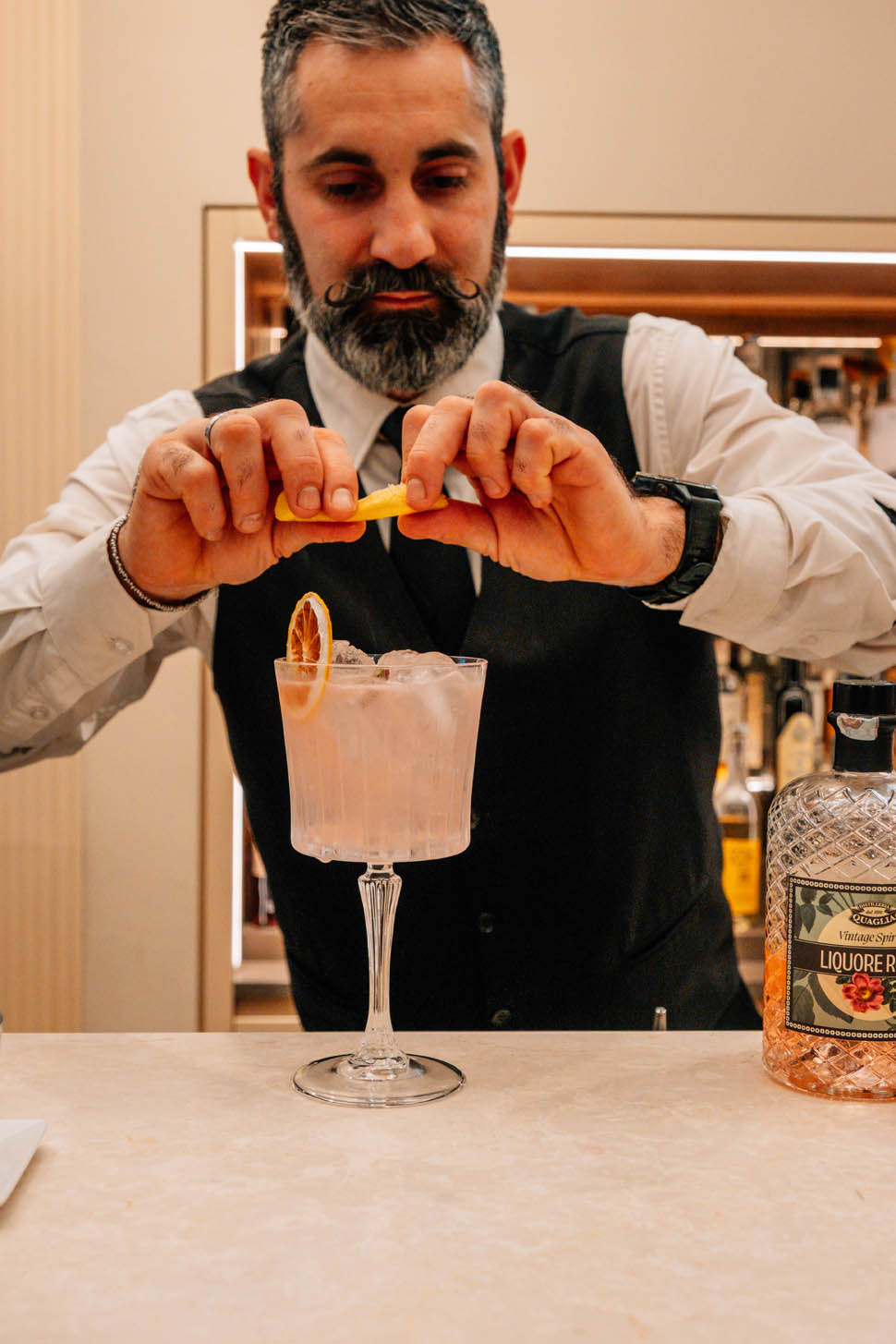
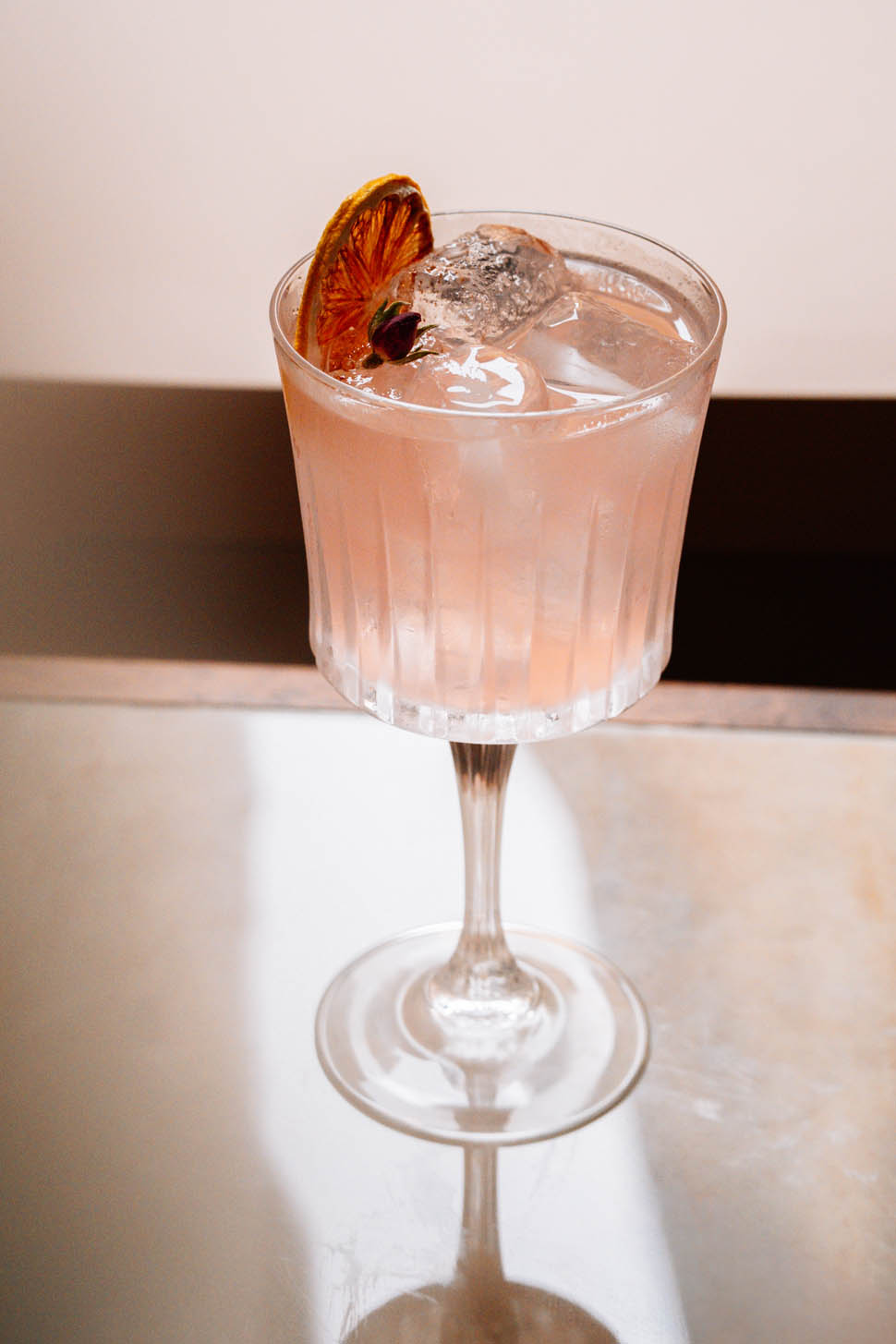
Finally, for adventurous palates, we recommend a street-food-style variation: the one with Costano porchetta cream and wasabi mayonnaise, topped with porchetta crust for a burst of crispy texture. As for drinks, in addition to a decent selection of Umbrian wines and sparkling wines from across the Alps, you can always opt for a pairing cocktail.
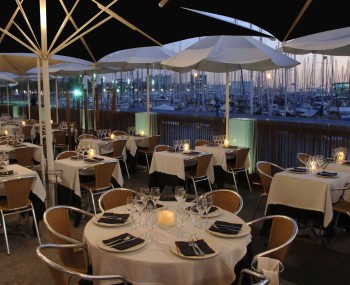
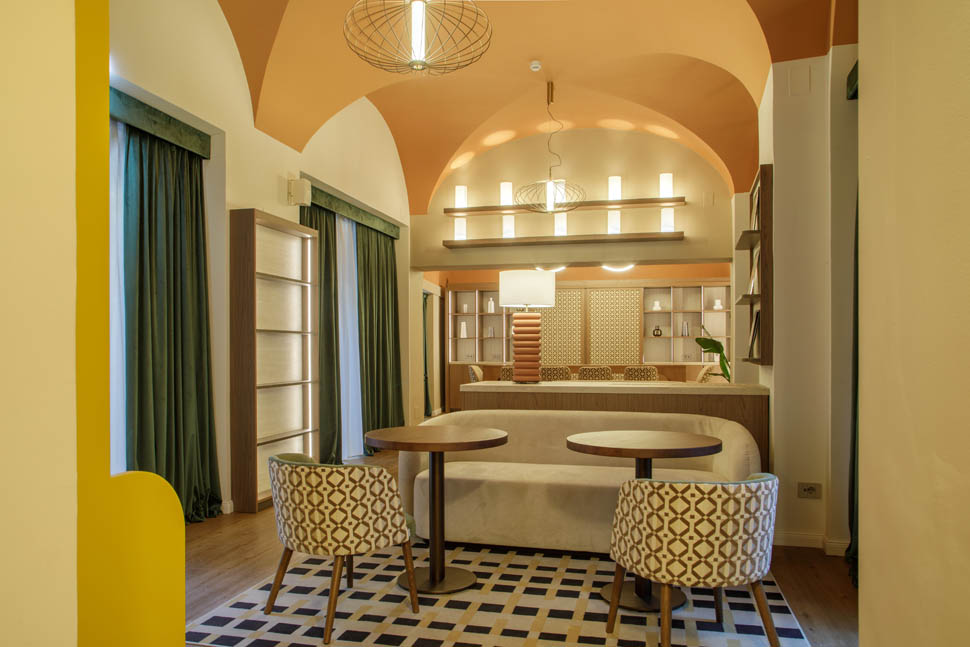
This alternative option seamlessly transitions from aperitif time at the Cloud Bar to dinner at Sushi Umbro, where the dining room splits into a cozy seating area with sofas—perfect for an intimate evening—and the “bar counter” corner, designed for those who love the backstage vibe.
Breakfast at the hotel: a buffet, yes, but authentic and “Tapestry Style”
Nothing in the room appears (or happens) by chance: even if you stay at the Rosetta for just one night, you’ll appreciate both its current design—see the digital key and the choice of a specific color palette for each room type, from pink to sage green—and its timeless luxury, whose most obvious symbols are likely the chandeliers, carefully preserved and expertly reinstalled on the ceilings.
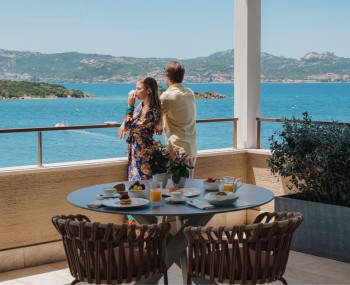
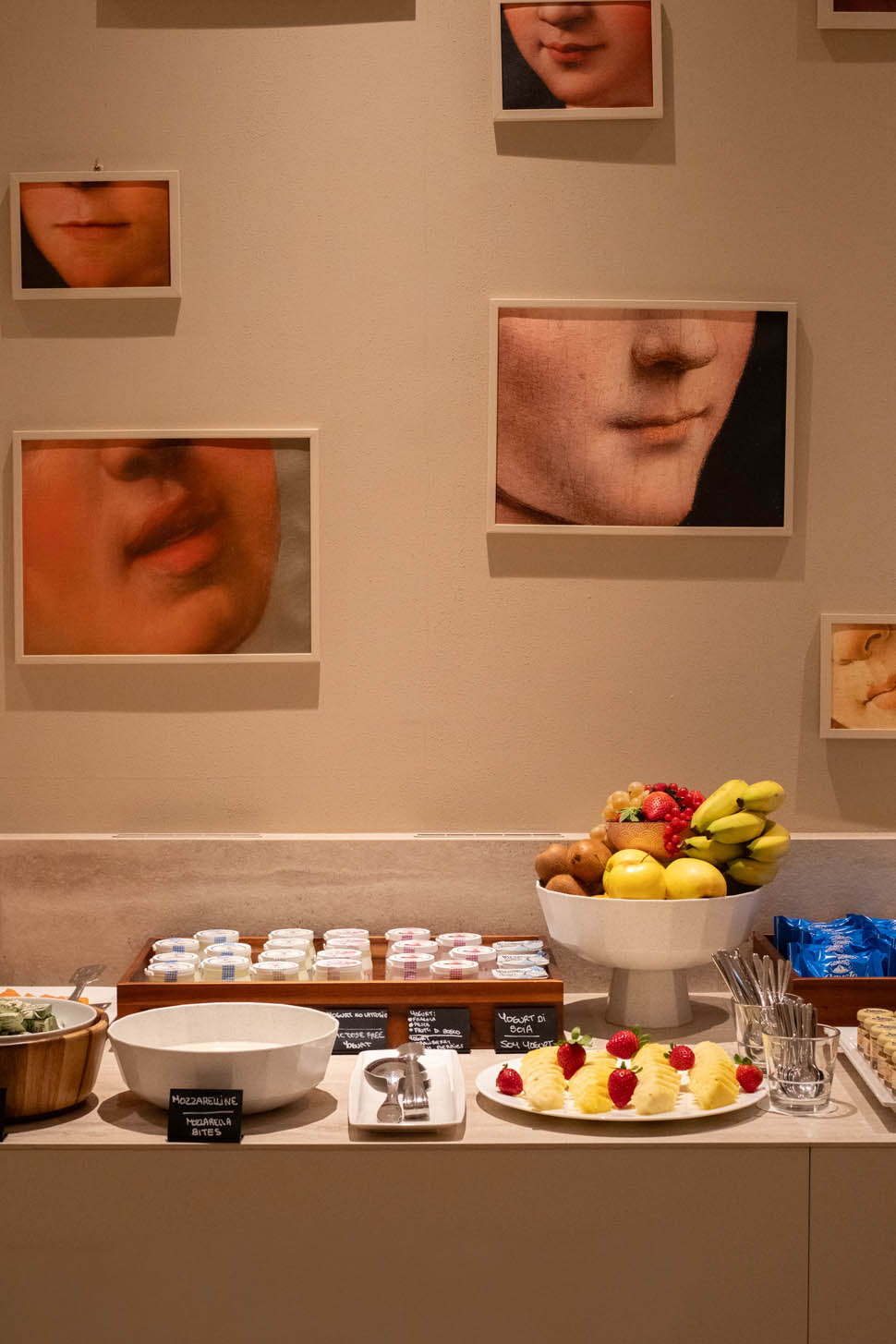
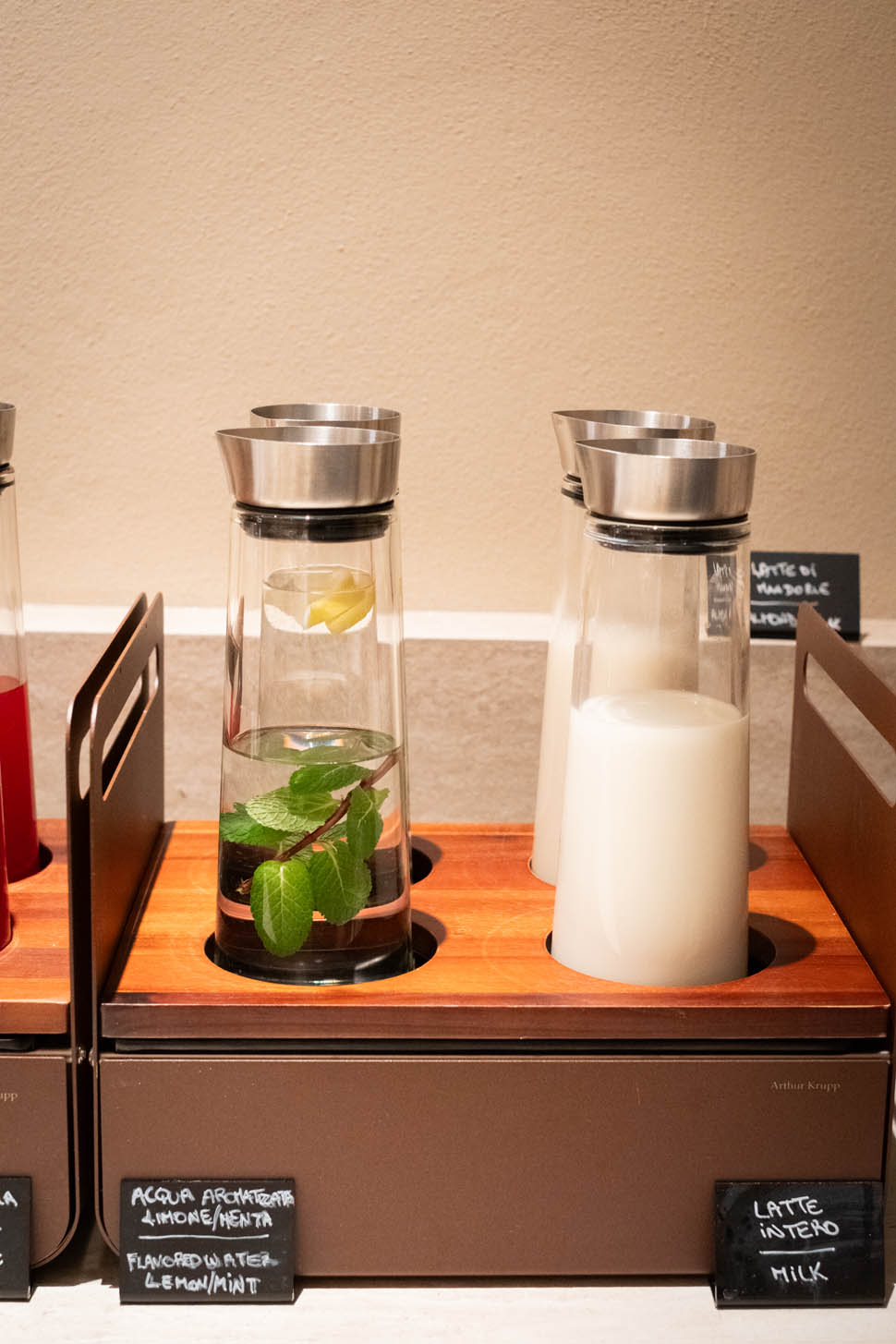
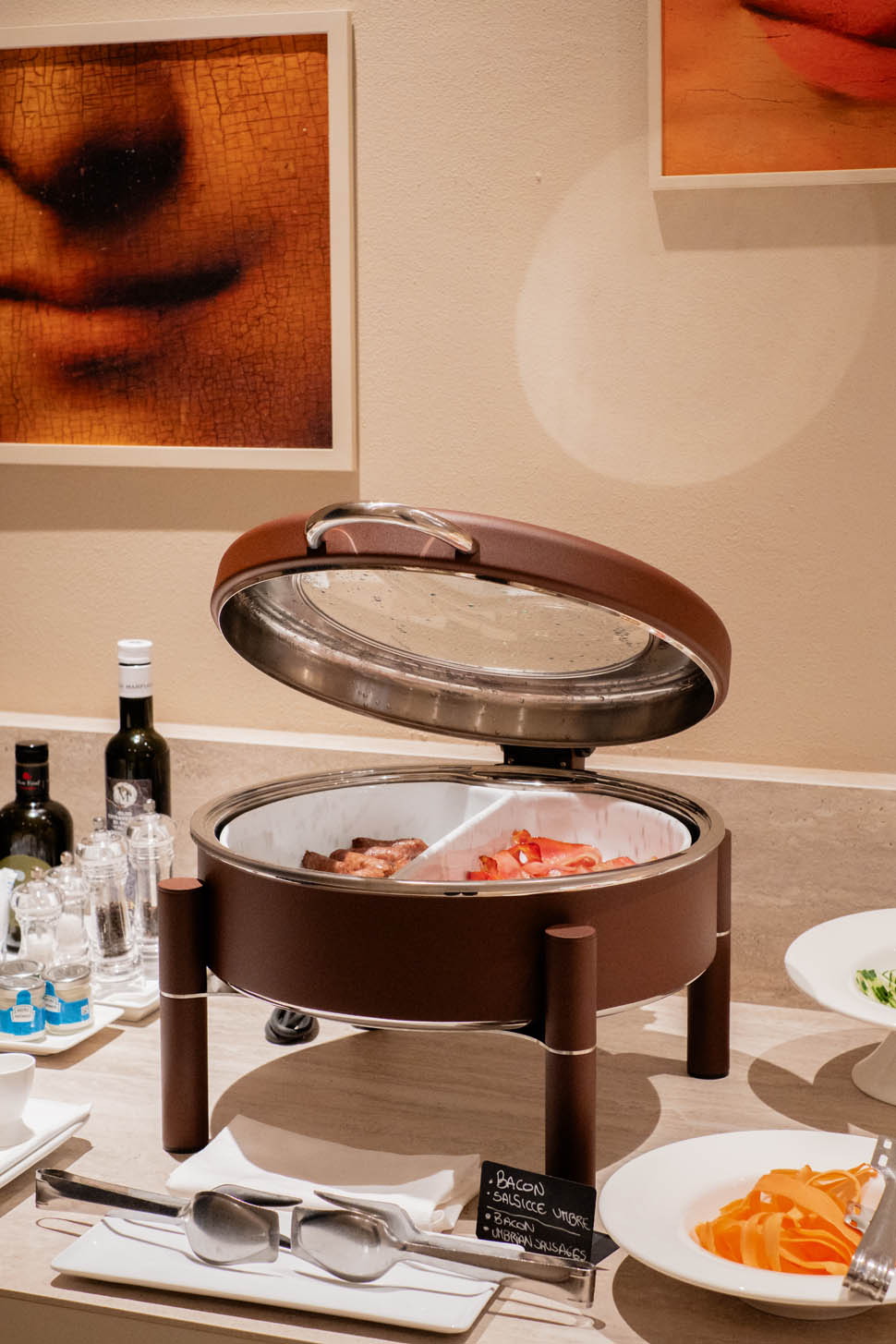
But those who prefer a “sweet ending” will reach the height of satisfaction in the morning, as they wander among the buffet tables offering a vast assortment of classic desserts. The “must-eats”? Shortbread with custard (rich in vanilla) garnished with fresh fruit, carrot cake, dark chocolate torta tenerina, and blackberry tart. There’s no shortage of detox juices, a selection of fine cheeses (including caciotta and ricotta), and Umbrian bread to pair with cold cuts if you’re in the mood for something savory. The best breakfast of 2026, within historic 16th-century walls!
Contacts
Via del Sette, 2, 06121 Perugia PG
Phone: 075 572 0841