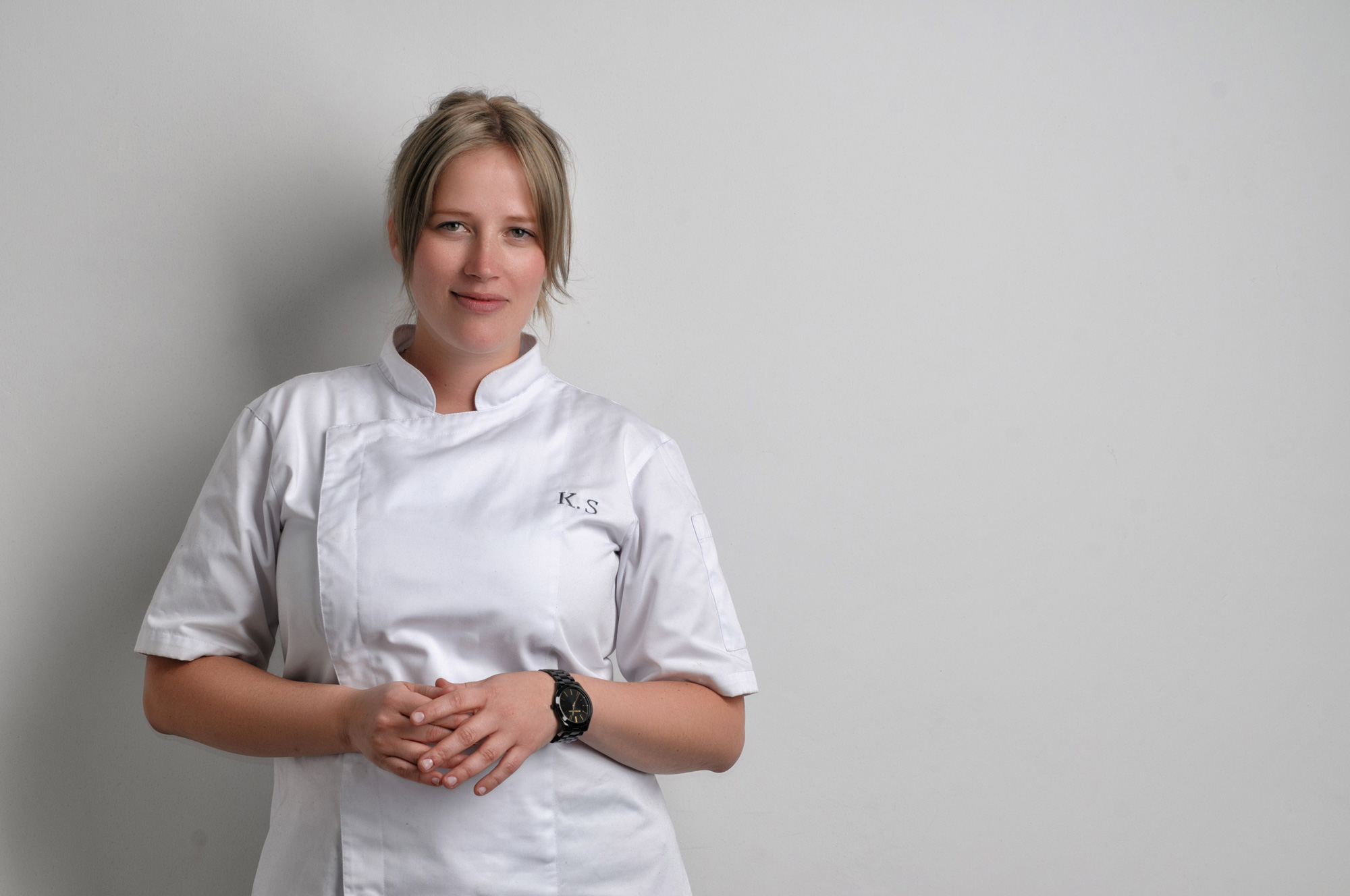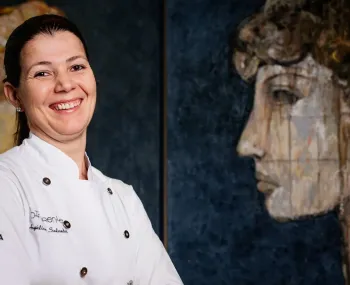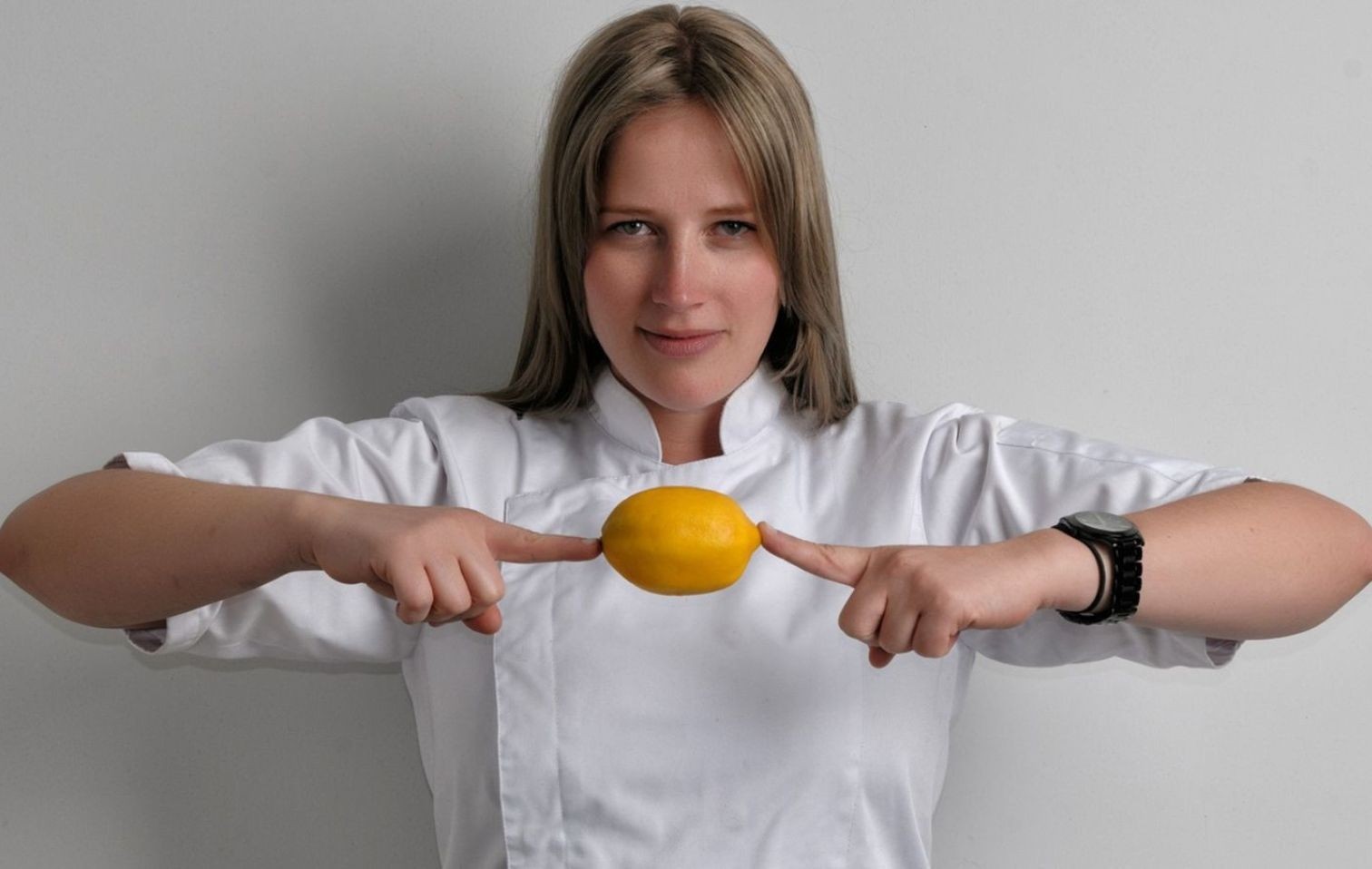
“In an office, at least in Denmark, it’s normal to find an environment where you’re treated well, where there’s no yelling, sexism, or racism. Unfortunately, as we know, that’s not the case everywhere in the hospitality industry,” reflects award-winning chef Kamilla Seidler. “Some people leave because it’s too demanding, they don’t feel comfortable in the work environment, or because they want to have a child and their workplace makes it impossible to balance work and family life... And for all these reasons, I believe we’re losing a lot of talent.”
Photo by Luis Fernandez
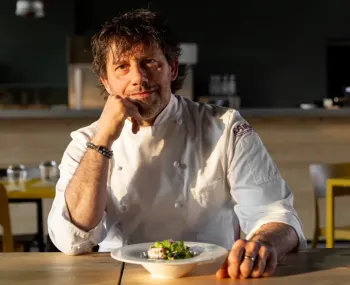
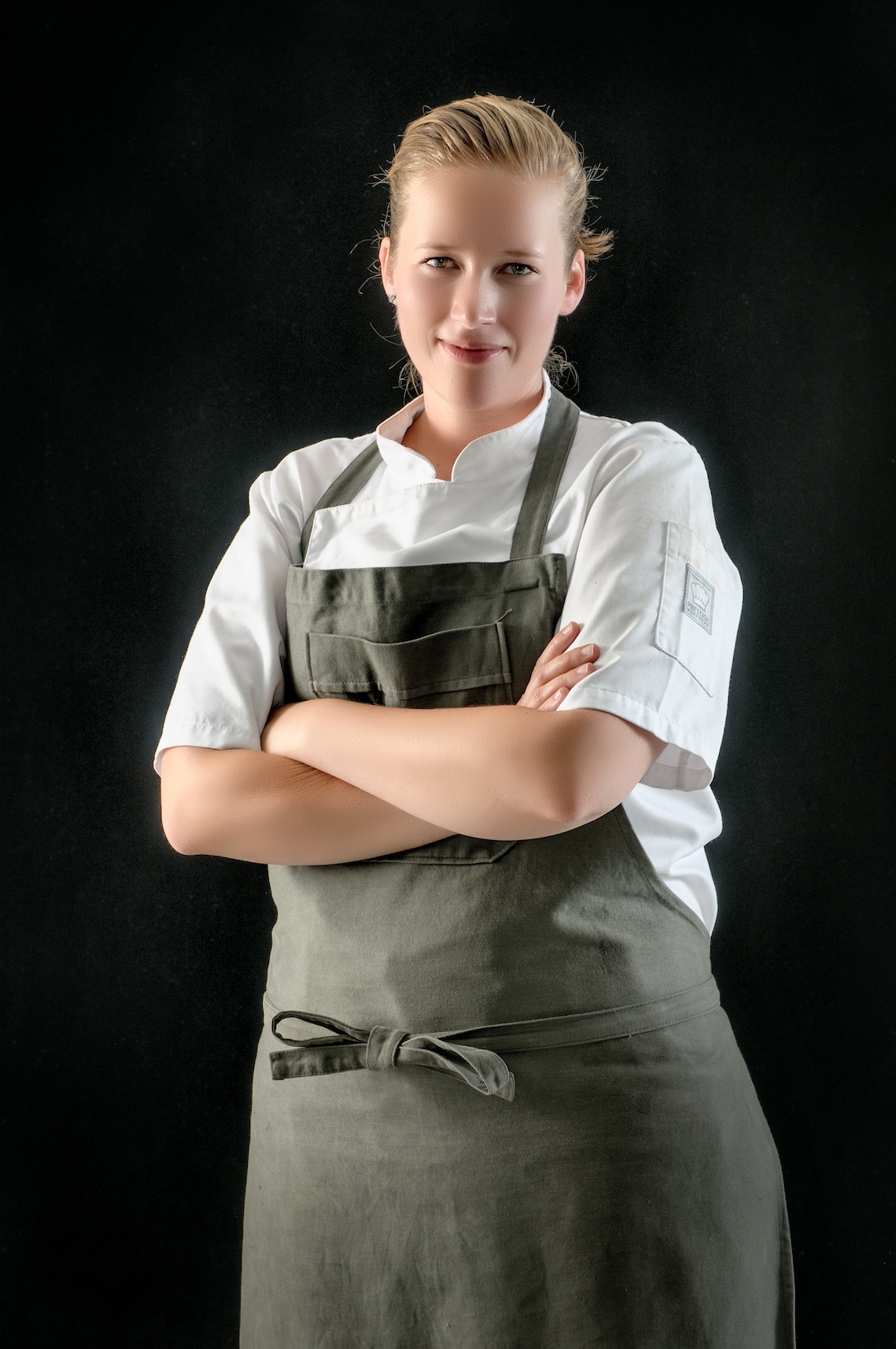
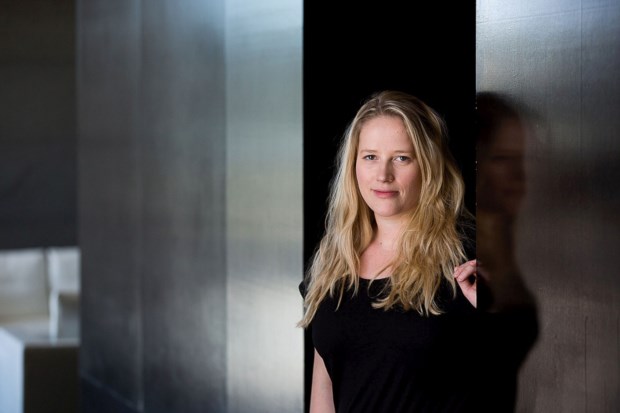
Danish chef Kamilla Seidler has worked in some of the world’s most renowned kitchens, from Mugaritz to Manoir Aux Quat’Saisons, Paustian, Geranium, and Geist. However, it was the Melting Pot in Bolivia project that established her international reputation. Thanks to this experience, Seidler has put Bolivian cuisine on the global culinary map, earning the title of Best Chef in Latin America from The World’s 50 Best Restaurants. Since 2012, her collaboration with Claus Meyer, co-founder of Noma, and Venezuelan chef Michelangelo Cestari has given rise to Gustu: a fine-dining restaurant with an attached training school dedicated to at-risk youth, using exclusively local ingredients.
Gustu: Haute Cuisine and Social Inclusion
Gustu is not just a restaurant, but a true social laboratory. Here, haute cuisine is intertwined with an educational and community project, training young people who now run their own establishments and actively participate in the Latin American culinary scene. Seidler’s formula is simple yet powerful: creating opportunities through cooking by teaching techniques, product management, and the promotion of local ingredients. This approach has led Gustu to be recognized as one of the 20 best restaurants on the continent, confirming the role of gastronomy as a tool for change and regional development.
Replicating the model in other contexts
The Bolivian experience has inspired similar projects in Colombia, where small training schools have been established in local communities. Furthermore, the Melting Pot philosophy has been extended to Morocco, with intensive courses aimed at providing participants with practical skills to find immediate employment. In Somalia, Kamilla collaborates with the Danish foundation Fair Fishing, training local fishermen and promoting a sustainable and profitable seafood supply chain, with a tangible impact on community life: many women have established commercial networks, and local fish consumption has grown by 30–40% annually.
An Ethical and Inclusive Approach to the Restaurant Industry
Seidler doesn’t stop at training. In his restaurants, such as Lola in Copenhagen, he promotes social inclusion, gender equality, work-life balance, and respect for employees. His principle is clear: a happy team produces better results and contributes to the survival of the profession. Regulated hours, paid overtime, mutual respect, and a positive environment are essential for retaining talent and elevating the profession.Particularly striking is his recent reflection shared with 7Canibales: “In an office, at least in Denmark, it’s normal to find an environment where you’re treated well, where there’s no yelling, sexism, or racism. Unfortunately, as we know, this isn’t the case everywhere in the hospitality industry. So, respecting work hours, maintaining a routine, getting paid for overtime, having good communication, being able to talk about art or anything else… these are fundamental elements for ensuring the profession’s survival. Some people leave because it’s too demanding, they don’t feel comfortable in the work environment, or because they want to have a child and their workplace makes it impossible to balance work and family life... And for all these reasons, I believe we’re losing a lot of talent.”
Fine dining and sustainability: a possible balance
Kamilla also debunks the myth that fine dining is incompatible with fair wages or sustainable practices. “If the business isn’t profitable, it means the business is poorly managed”, she explains. In her view, the price of dishes should reflect the quality of the work and the ingredients, without making employees pay the price. Sustainability, ongoing training, and nurturing talent are integral parts of her philosophy, even if they require investment and vision.
Looking to the future of the profession
According to Seidler, the restaurant industry cannot afford to neglect the younger generations: without opportunities and attention to the well-being of teams, the profession risks losing talent, transforming into an exclusively automated or robotized environment. The key, according to the Danish chef, is to create environments where young people can learn, grow, and feel part of a project, while preserving the integrity of the work and gastronomic traditions. Kamilla Seidler demonstrates that cooking can be much more than a trade: it can become a tool for inclusion, development, and social transformation. From the dishes at Gustu to her international projects, her journey combines culinary excellence, work ethic, and a commitment to the most vulnerable communities, charting a model for sustainable and humane dining.