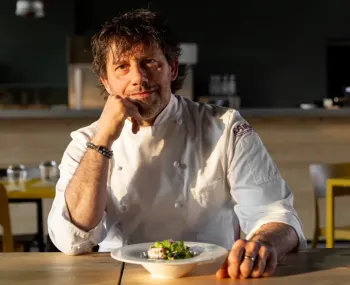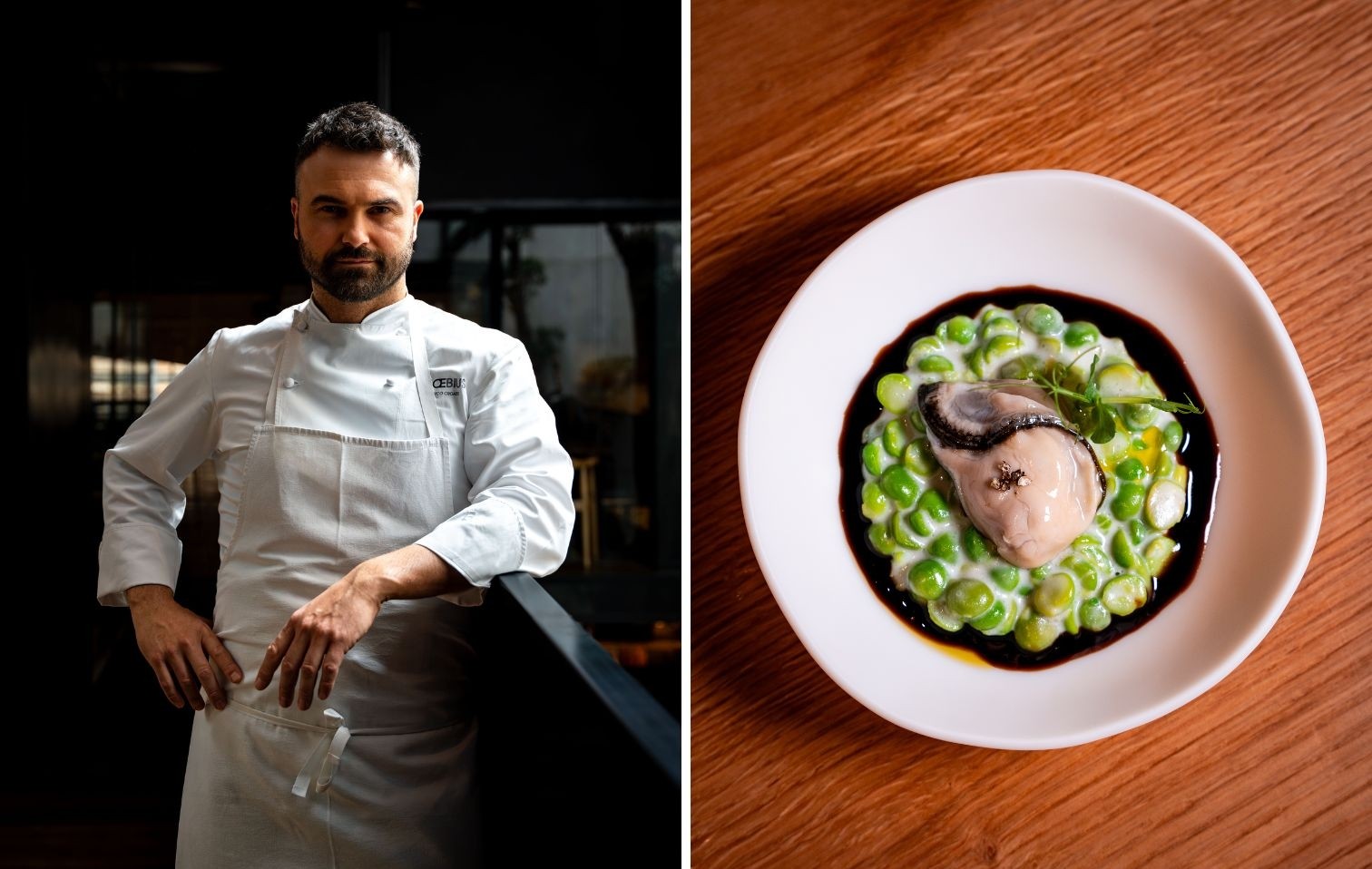
From his formative travels to earning a Michelin star: Enrico Croatti’s Moebius Sperimentale today focuses on roots and freedom, constant experimentation, and plant-based pastries.
Moebius, from 2019 to the present: an ever-evolving project
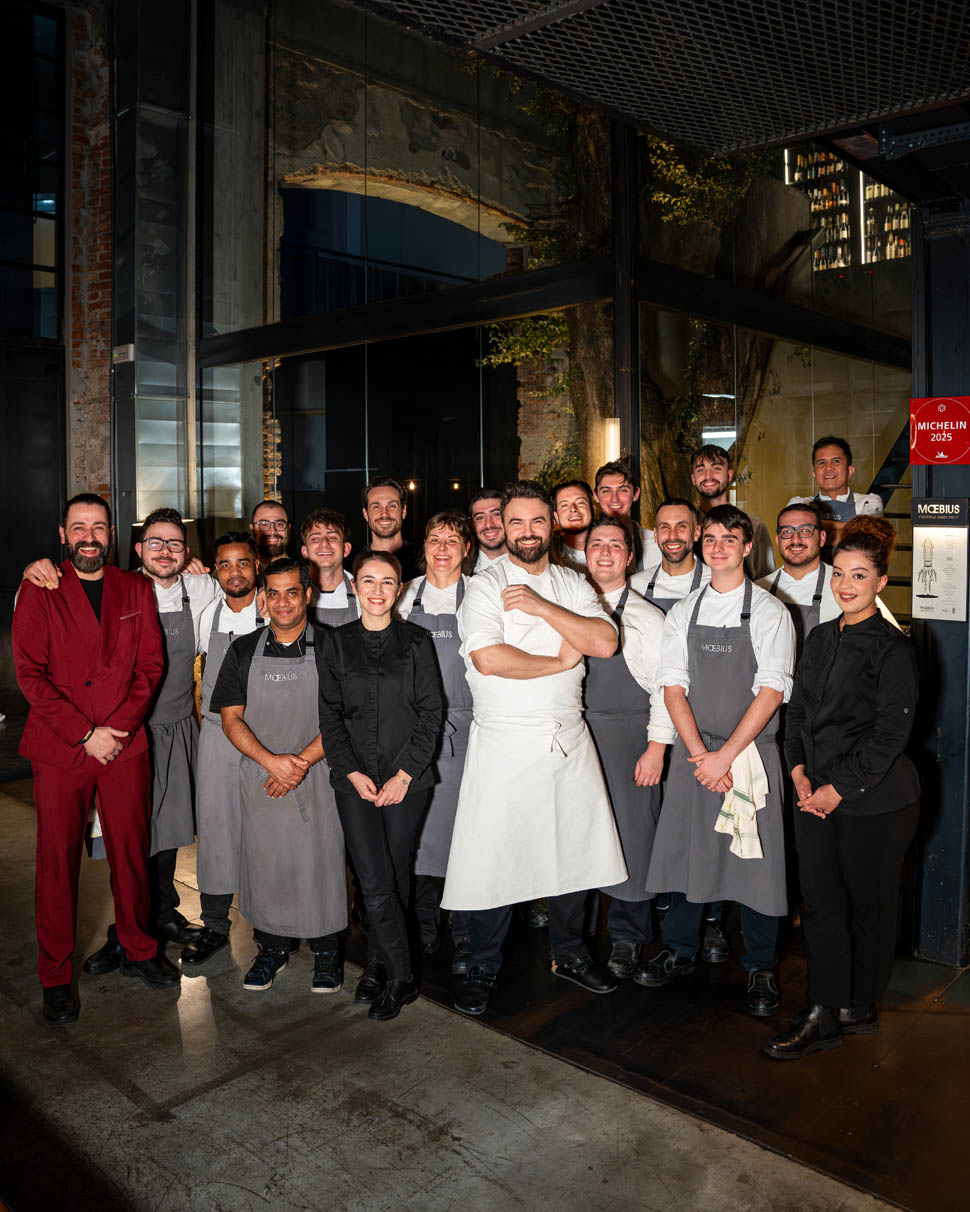
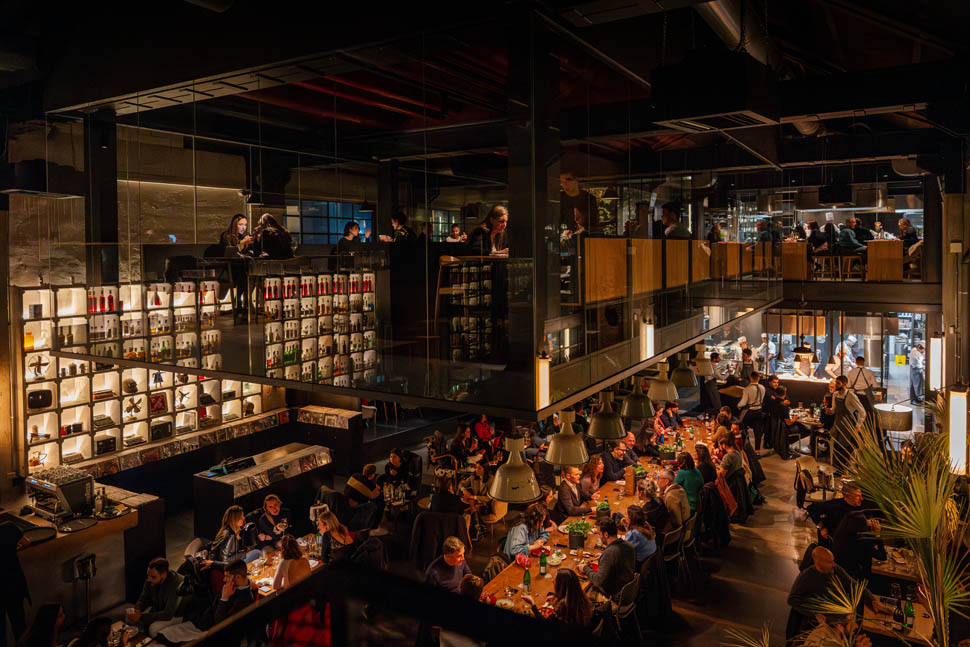
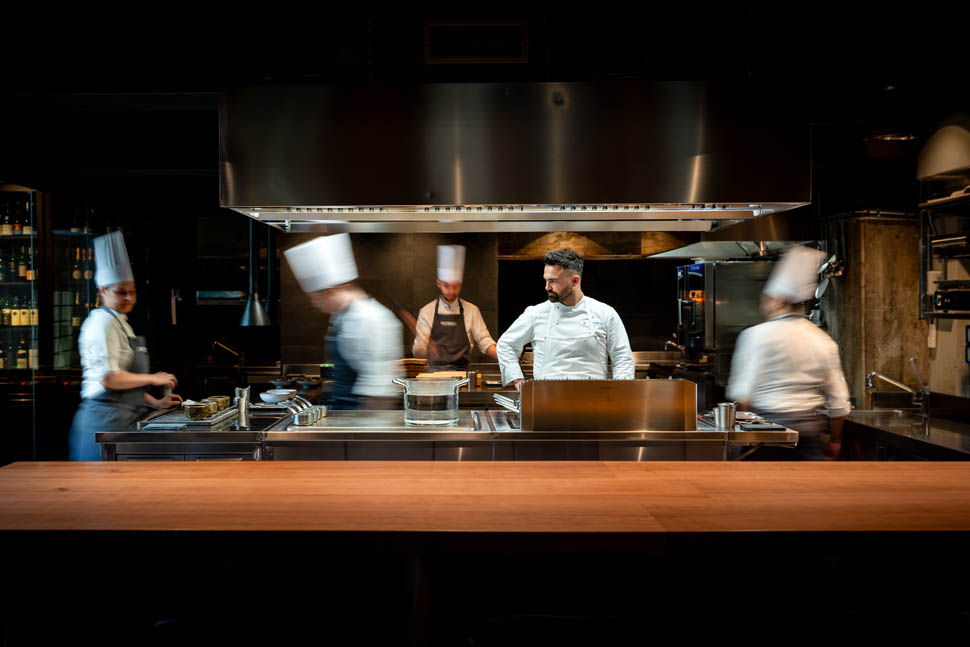
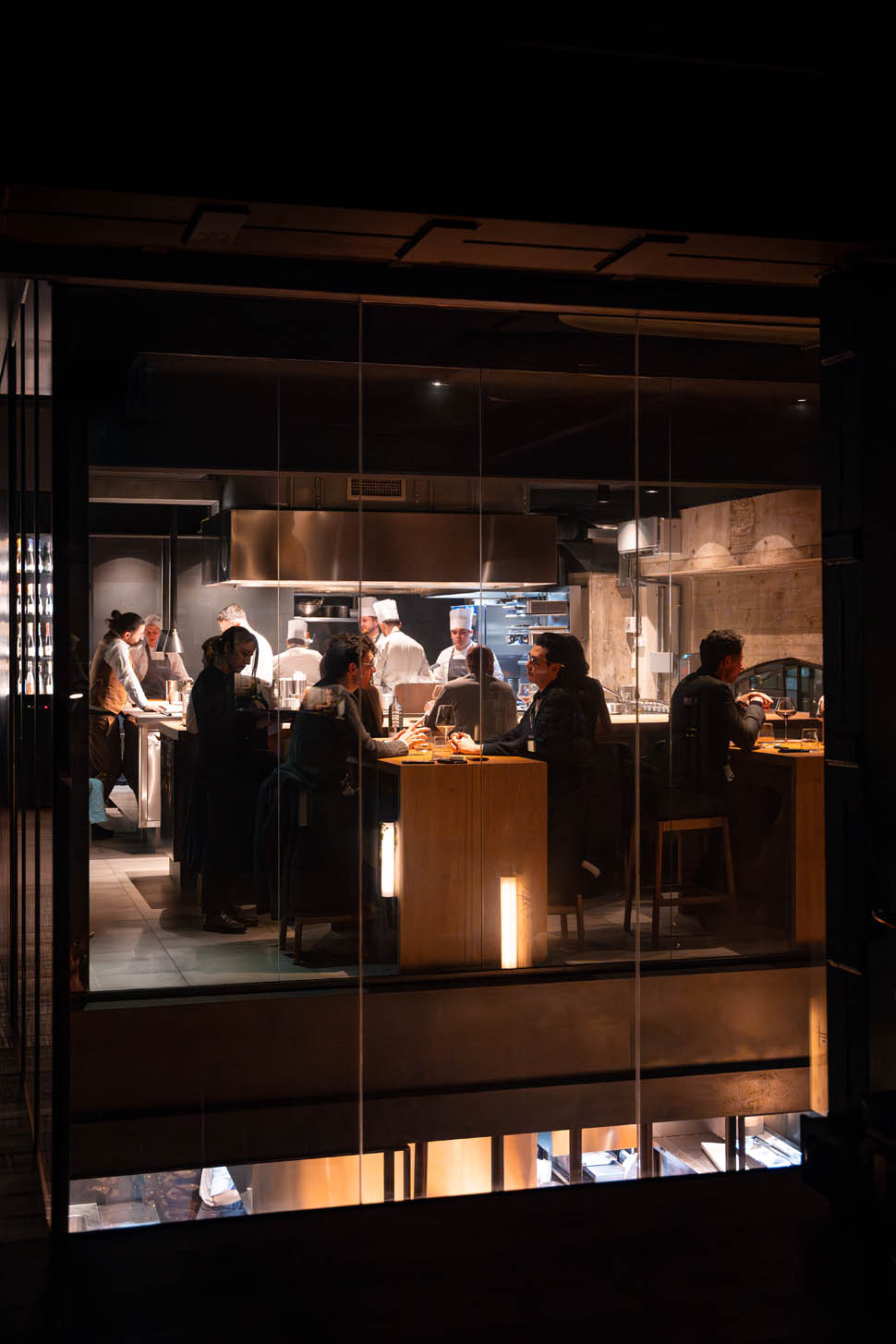
Moebius opened in Milan in 2019 as a multifaceted venue, blending mixology, music, design, and gastronomy. The name is a clear homage to the French illustrator Jean Giraud, known as Moebius, a key figure in science fiction imagery known for visually connecting settings, characters, and dreamlike, futuristic atmospheres. A reference that is not merely decorative but conceptual: the idea of a visionary place, capable of belonging to different worlds. In 2021, Moebius Sperimentale took shape, the gastronomic “capsule” within the project managed by chef Enrico Croatti. An intimate space, with the kitchen counter facing the seating area and a few tables in the back, designed to focus attention on the experience. In 2022, the Michelin star arrived. Today, five years after the birth of Sperimentale, Croatti speaks of evolution rather than change.
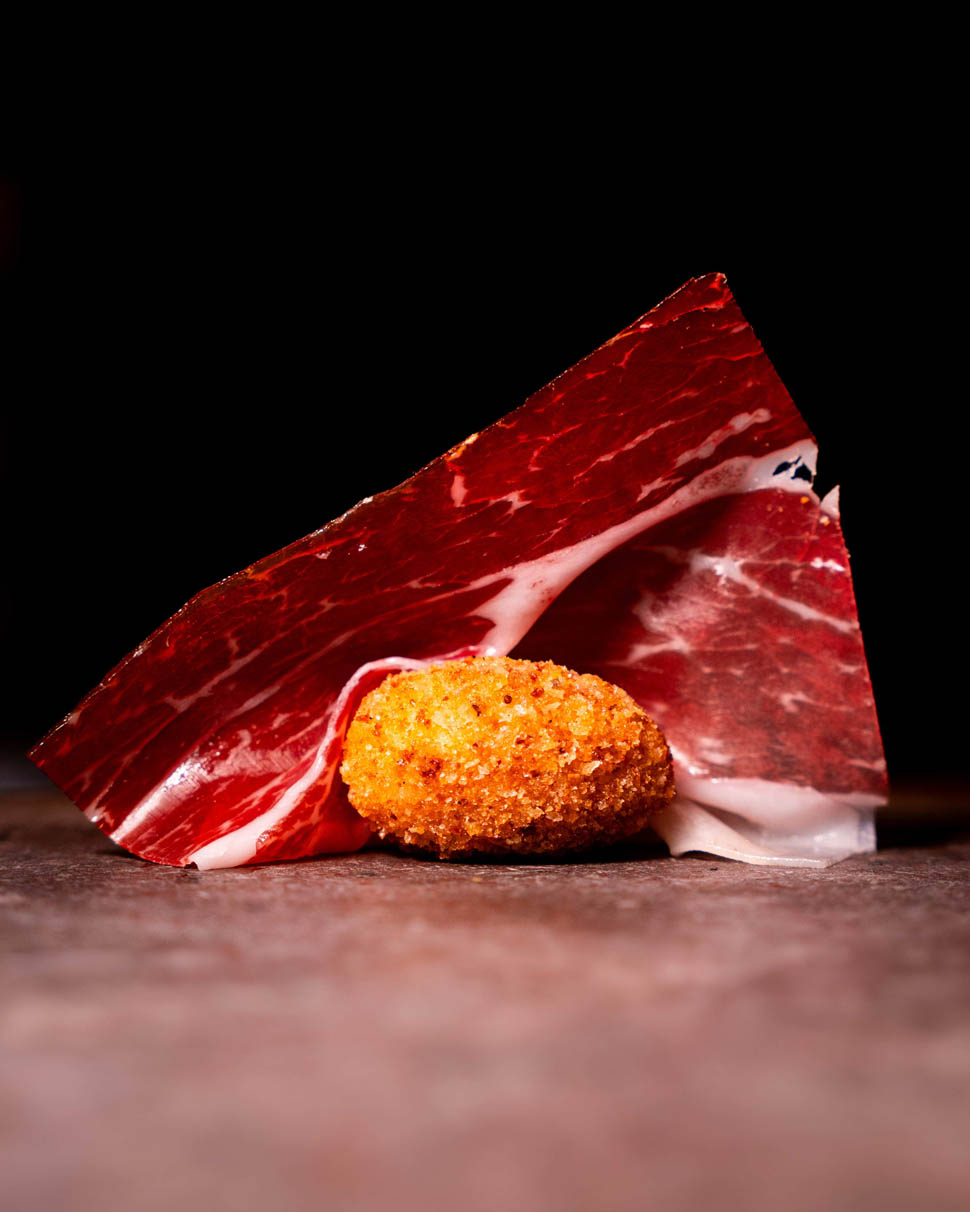
He proudly embraces his roots in Rimini, a farming family where “we really ate well,” where every part of the pig was used, from head to tail. This is also the inspiration behind one of the restaurant’s signature projects: the Riserva Moebius prosciutto, developed in collaboration with a young producer using a specially designed process of selection, fattening, and curing. “I didn’t want a run-of-the-mill prosciutto. It either had to tell a story or it wouldn’t do.” He also introduces the concept of plant-based pastries, where dessert doesn’t interrupt the flow of the meal with an obligatory, overly sweet course.
The Identity of Moebius Sperimentale
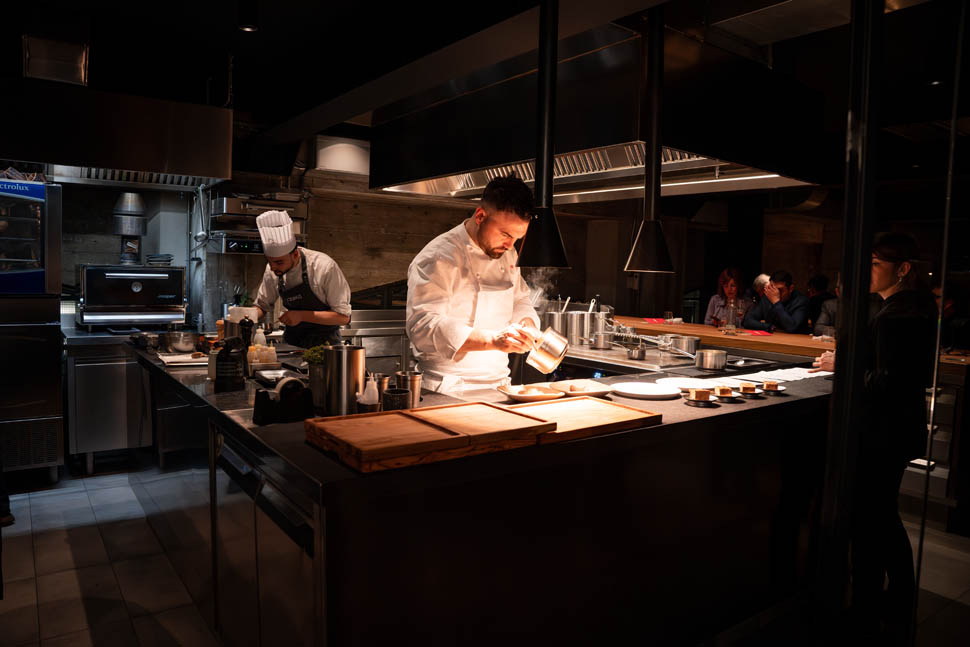
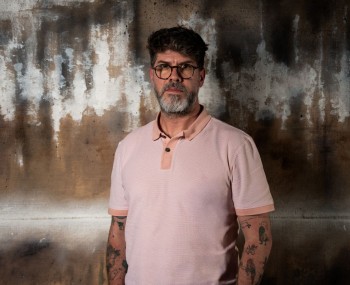
Croatti describes himself as “a simple cook from Rimini,” but his professional journey has taken him through the United States, France, and Spain. “When I went to Spain and saw that incredibly creative approach, I told myself I didn’t want to fall into the trap of copying. I wanted to understand why certain restaurants had become what they were, so I could then express that through my own vocabulary and techniques. If you don’t have a strong personality, all these experiences can confuse you.” Today, Moebius Sperimentale embodies all of this: substance and vision, memory, creativity, and that touch of overwhelming Romagna madness. The iconic dishes remain, such as the risotto or the calamari, which regular guests request even when they choose the “Libertà” menu.
Moebius Sperimentale according to Enrico Croatti
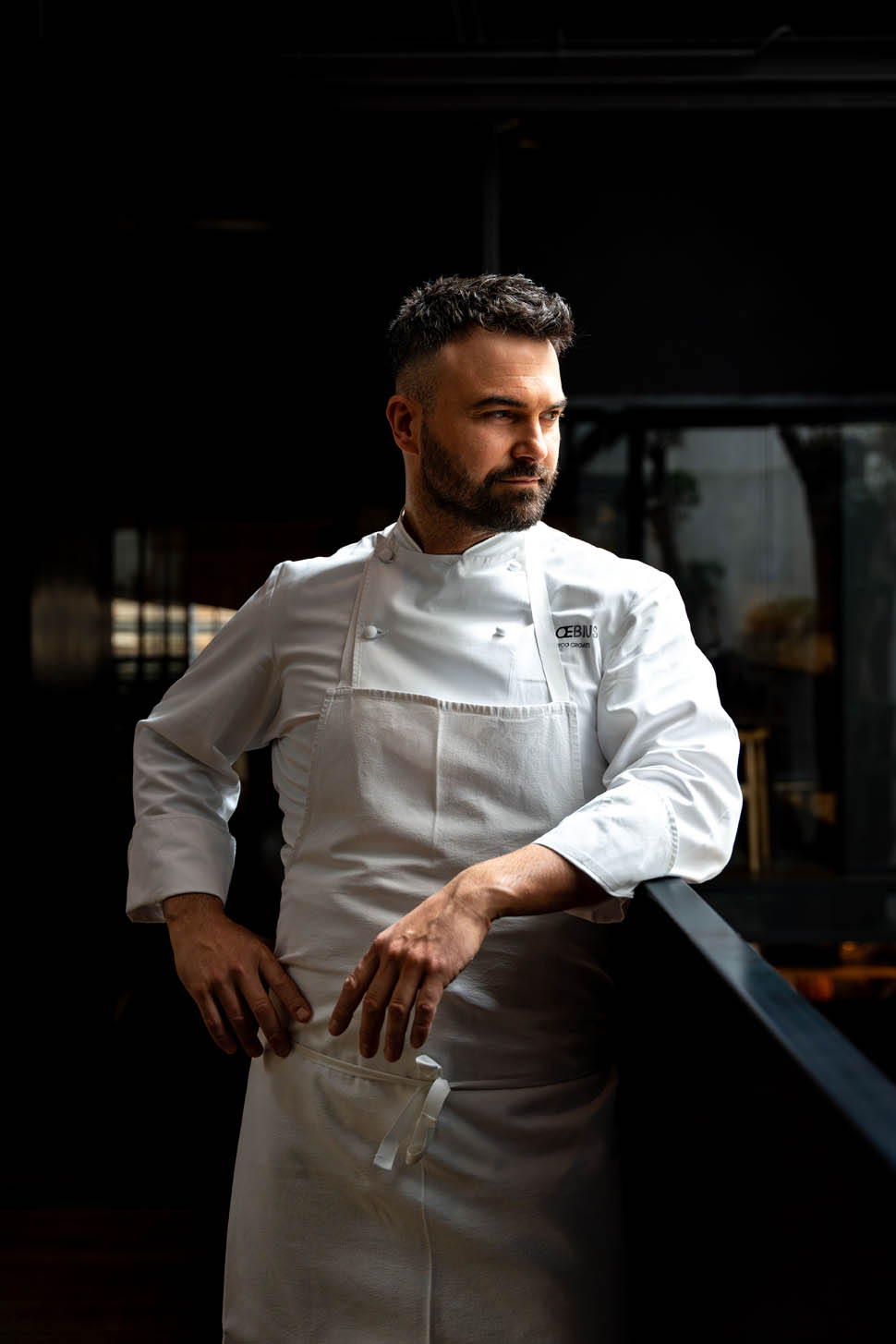
What has changed after five years and a Michelin star?
“The change came about through maturity; we wanted to do something that would return to the roots of who we are. When we opened Sperimentale in late 2021, we wanted to create an experience inspired by the science-fiction world of illustrator Moebius. Sperimentale is the idea of presenting a great ingredient in a small suspended capsule, with the counter in front and just a few tables in the back so that everything is visible to every guest. This initial concept has expanded and solidified, and today I believe it has become an experience rooted in our origins,” says Croatti. “I am a chef from Rimini. In 2026, I just want to be myself, move away from titles or excesses, and tell my story, my roots, my memories. I come from a family where we’ve always eaten well, thanks to my farmer grandparents and the products they treated with care.”
I remember a Cinta Senese prosciutto I ate at your place that tasted just like Spanish prosciutto. I’ll never forget it.
“It’s a perfect example of the concept I want to convey. When you serve prosciutto in a gourmet restaurant, it either tells a story or it’s just ordinary. From this idea, an experiment with a young producer was born: selecting a larger, fattier leg, aging it longer, and working together on the investment. Today it’s our ham; you can only eat it here—it’s branded Riserva Moebius. This is an experiment that connects to my roots, because in my family we used to slaughter the pig and process it from head to tail.”
For work, you’ve been to some of the countries that have the most to offer in terms of gastronomy. What have you taken away from these experiences?
“In the United States, I realized what it means to cook with a forward-thinking and creative vision. In France, I learned rigor, respect, and the celebration of local ingredients. In Spain, freedom and the courage to take risks—but only after thoroughly studying the ingredients and the process. These three phases have enriched my vision, but they haven’t changed who I’ve always been.”
What dish best represents you today?
“There are iconic dishes that are always with us, like risotto or calamari. Guests come back and ask for them even on the Libertà menu. When a customer wants them again, it’s a goal. It means they really want that dish back.”
It seems that one of the trends for 2026 is smaller portions and a return to à la carte dining. What do you think?
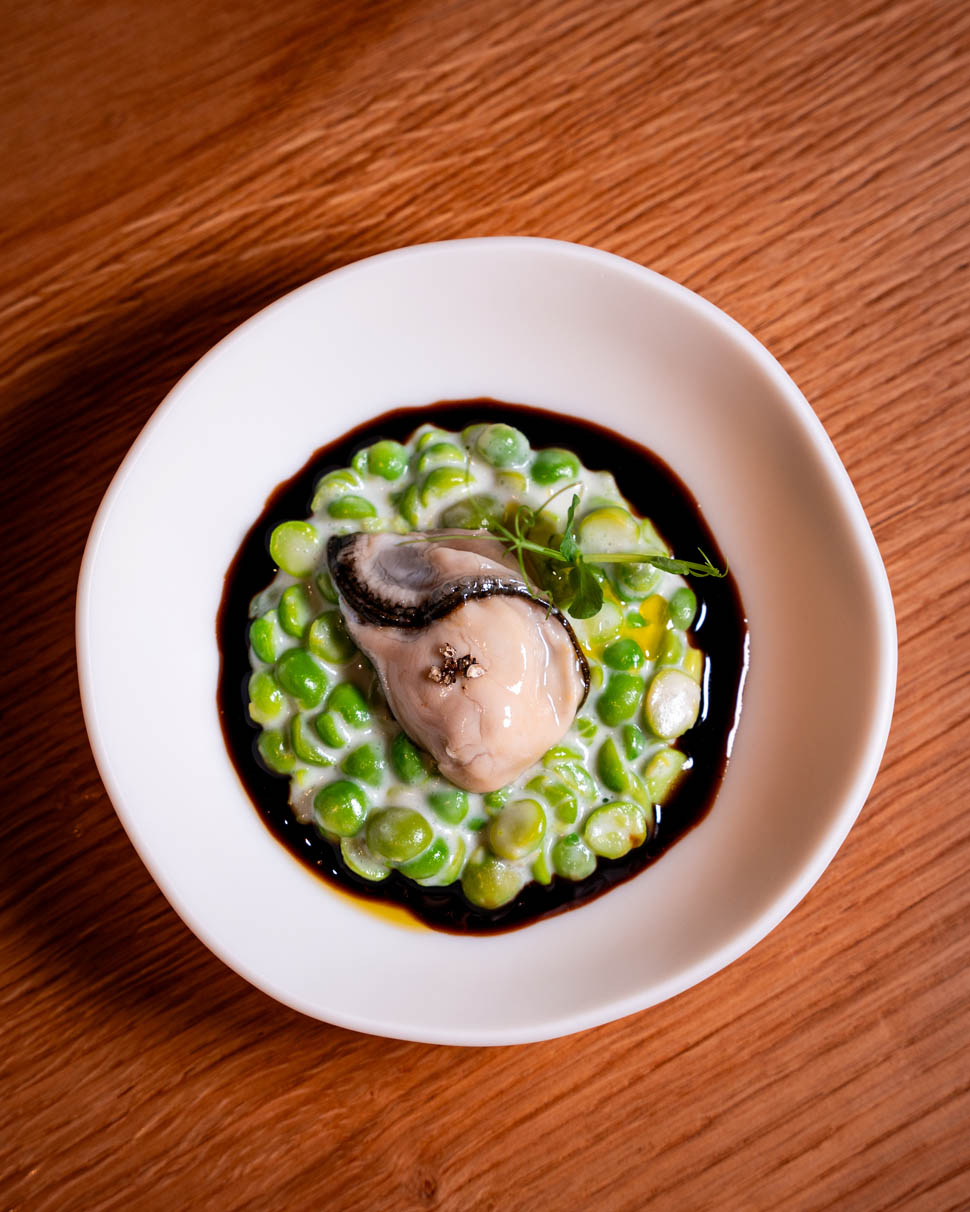
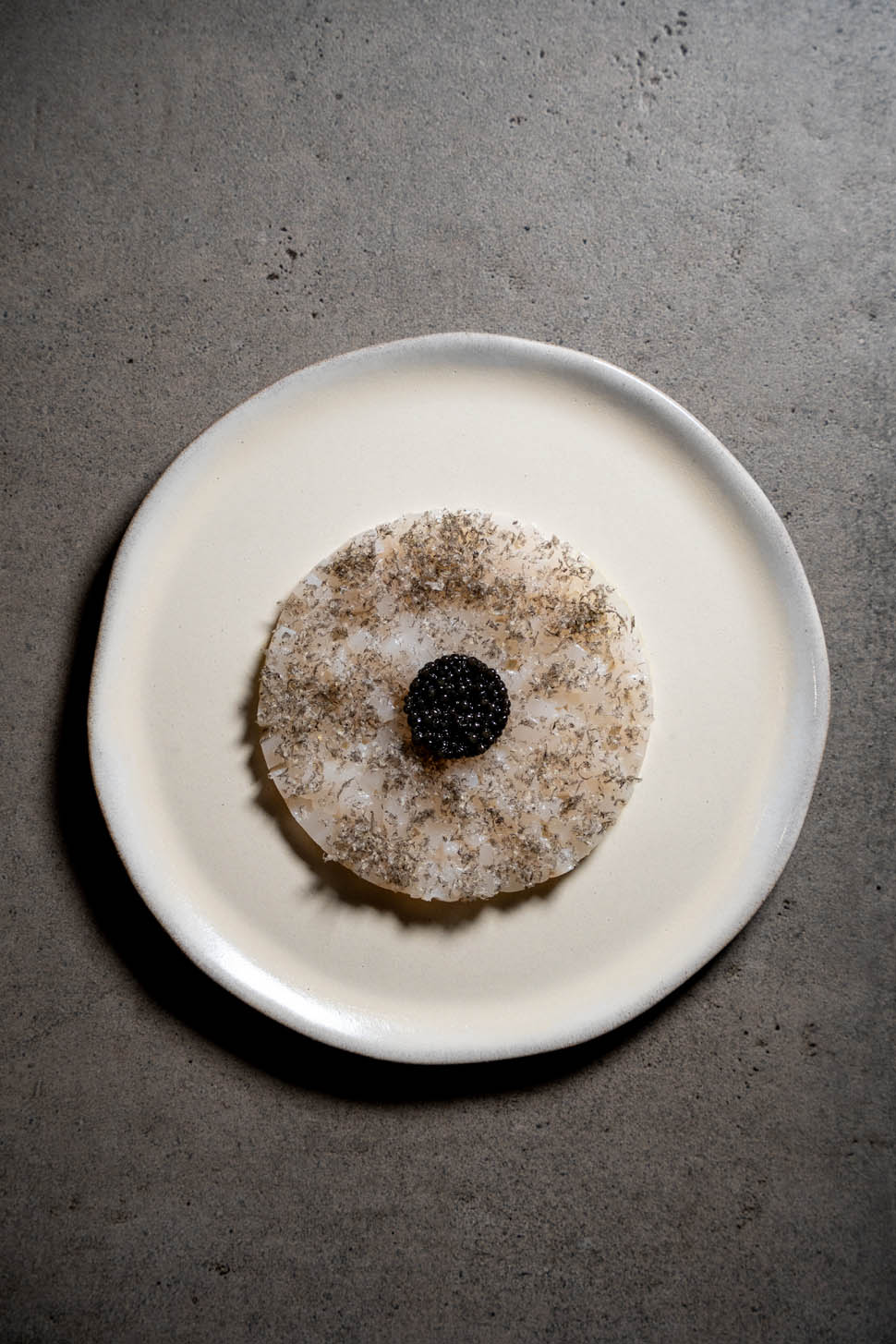
“I wouldn’t want to spend more than three or four hours sitting tied to a table. I agree with what Ferran Adrià said in response to those who claim that the tasting menu is dead, outdated. The wrong kind of tasting menu is dead—the one built on psychological criteria will never die. Our menu aims to tell a story in an hour and a half. The portions must be just right, perfectly calibrated. Only a few minutes pass between one course and the next. You need to reach dessert still feeling that rush of excitement because there’s also a physiological factor: after three hours, hunger fades, so we must maintain a constant balance of presentation, flavors, and timing. We cook ingredients that are meant to be eaten by other human beings. We can never forget that.”
What does Moebius Sperimentale offer now?
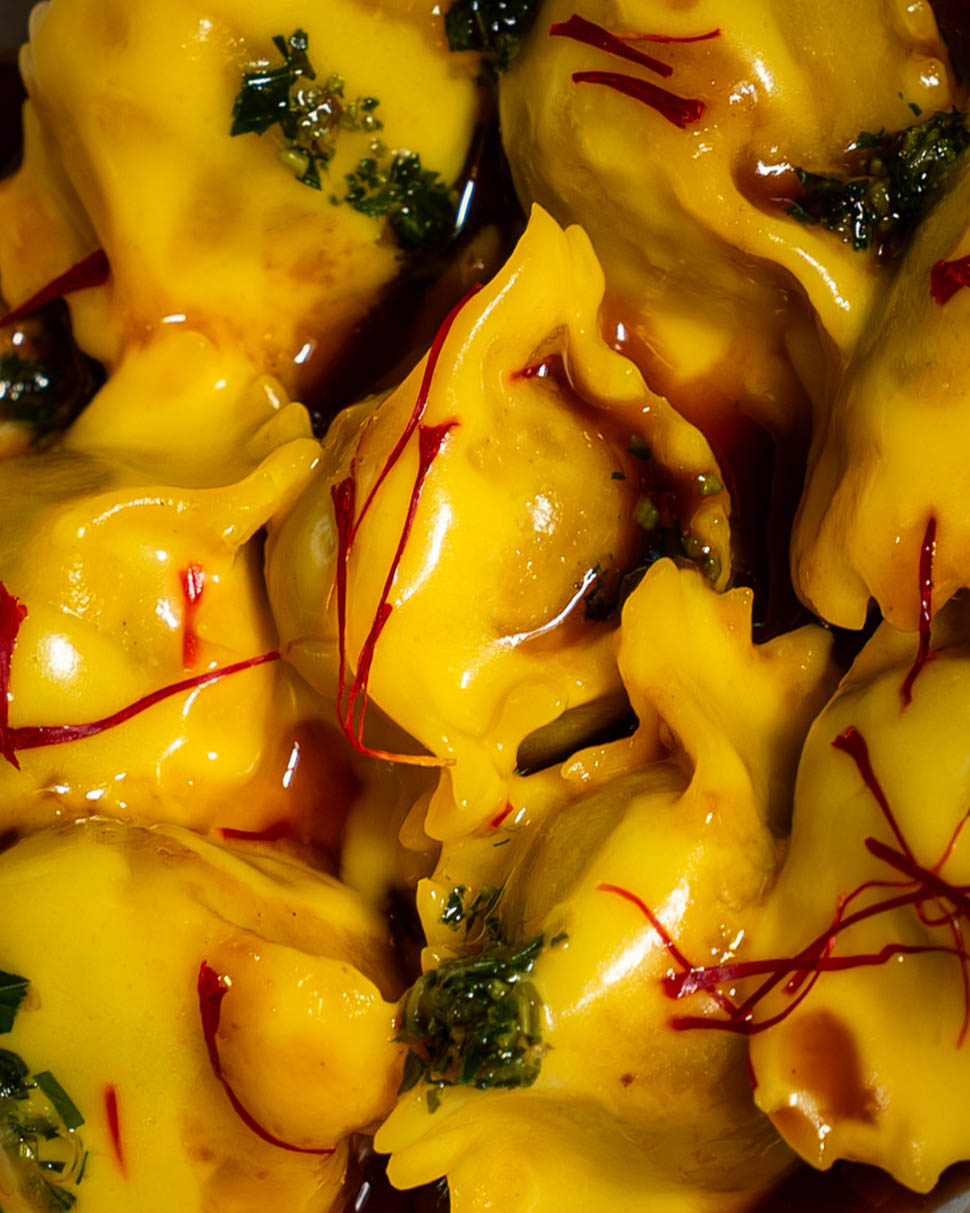
«We have a Sea menu, a Land menu, and a Freedom menu. Sea and Land are five- or six-course meals. Freedom is impromptu, as if friends were coming over to my house and I were whipping up a dinner for them. It includes a bit of seafood and a bit of meat. The next change will be to provide a clearer theme: guests will be able to choose between vegetables and fish or vegetables and meat. You have to leave the customer wanting to come back. You can’t make them taste everything in one evening.”
Plant-Based Pastries According to Enrico Croatti
Plant-based pastries: more fruit, more vegetables, less sugar. How do you create a dessert with these characteristics?
“First of all, you need an open mind. In recent years, I’ve sought to bring a different vision to pastry-making than the traditional one. I have a young pastry chef, Stefano, who starts from a traditional foundation. I love pastry and believe that a good chef must have a well-rounded background. But I wanted cooking and pastry to interact more. I don’t want a clear-cut distinction between savory and sweet,” says Croatti, who reminds us that he also had a brief professional stint in pastry.
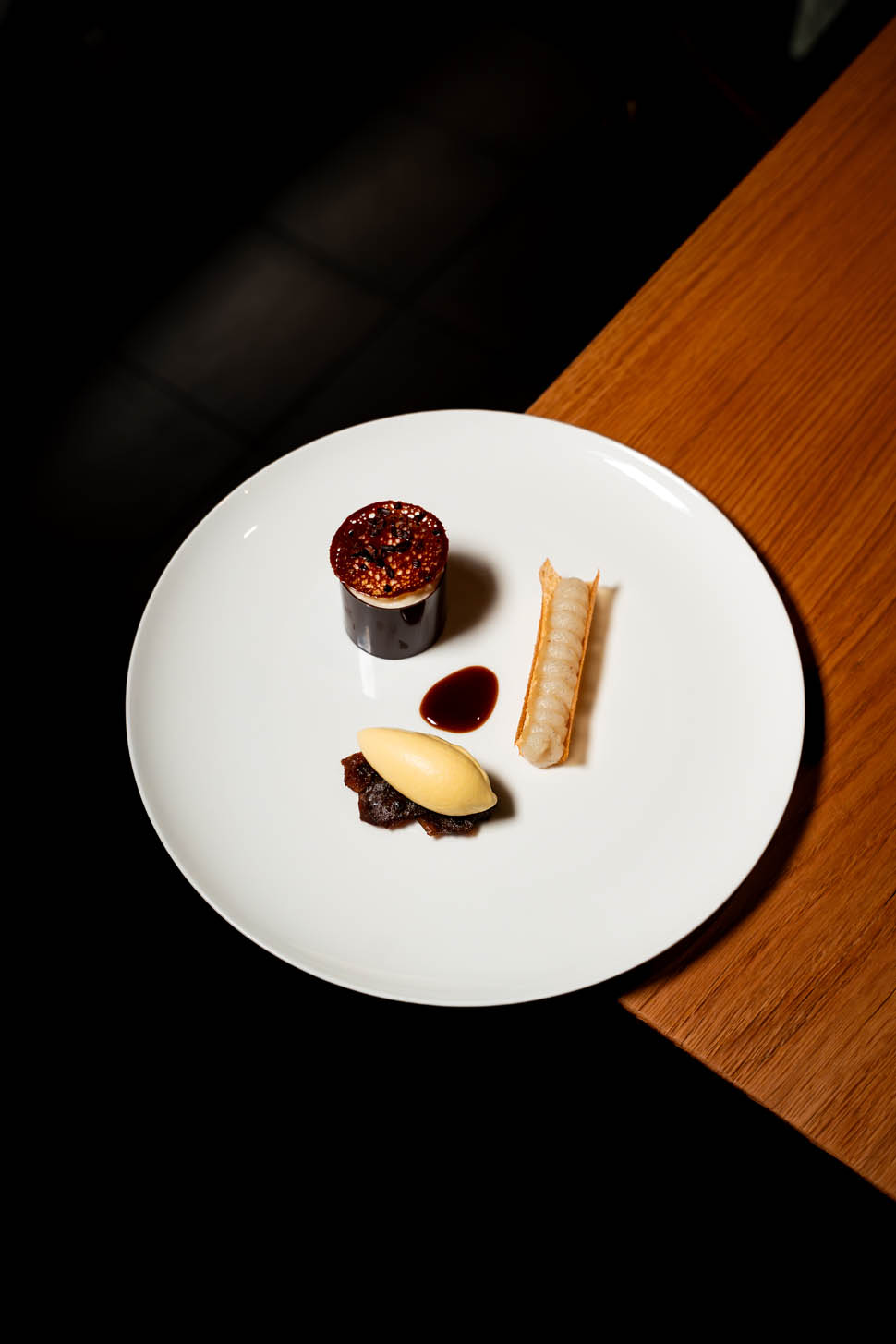
“I started incorporating vegetables into desserts using the same techniques applied to cream, butter, eggs, and flour in classic pastry-making. For example, Jerusalem artichoke, which you’ll also find as a dessert on the Terra menu. We made a cannolo with Jerusalem artichoke pastry filled with Jerusalem artichoke custard—the same texture as a classic vanilla version—a chocolate cylinder, caramelized cocoa butter, coffee-candied peels, and Jerusalem artichoke ice cream. It’s like eating coffee mascarpone. I start with the flavor I love—tiramisu, the creaminess, the cocoa, the coffee—and bring it to life through a tuber.
You have a blueberry and beet dessert on the menu (find the recipe here to recreate it at home, ed.). Can you tell me about it?
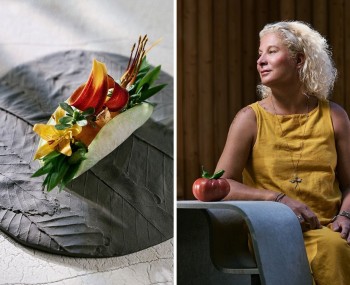
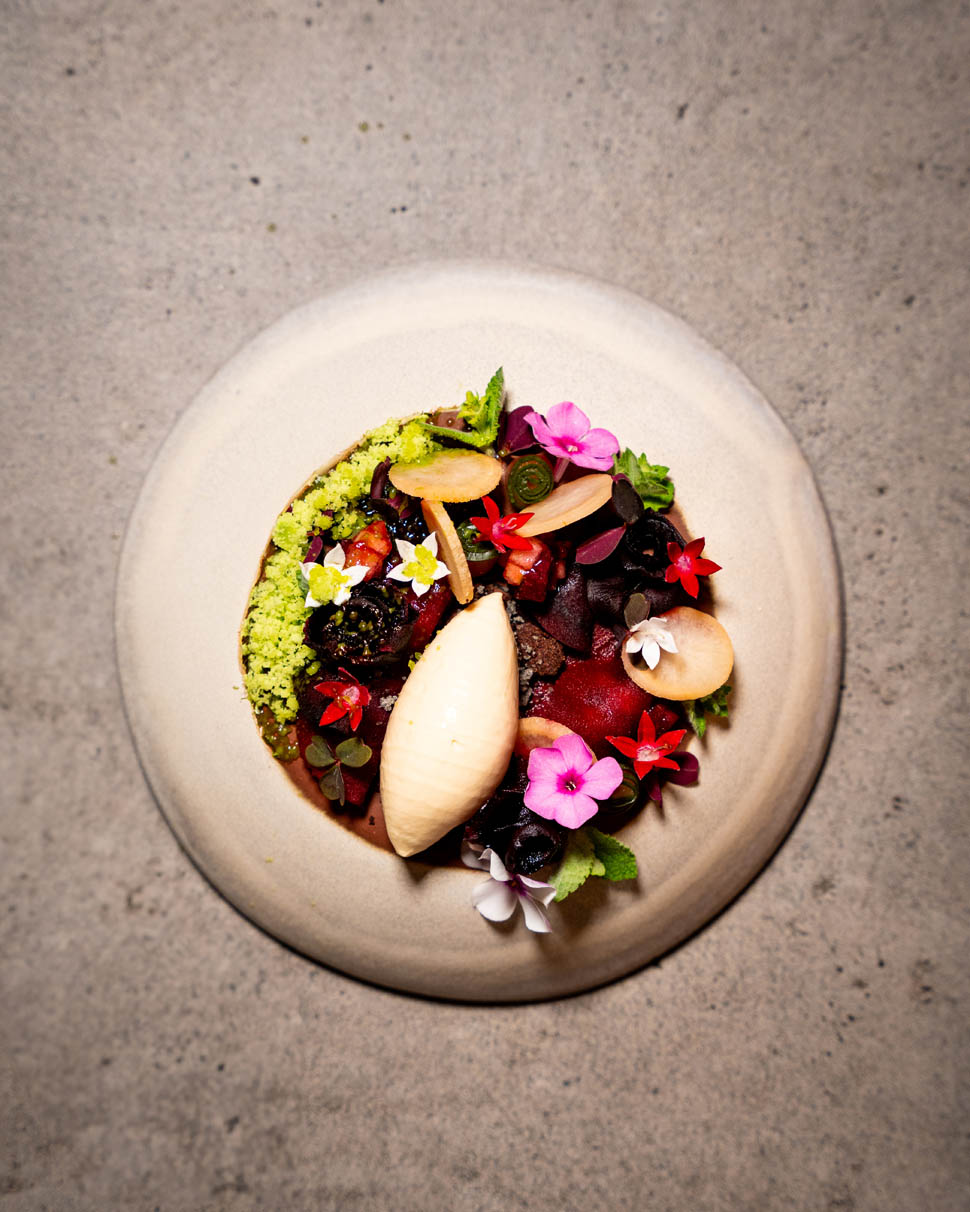
“It starts with a wild blueberry picked in 2025. We preserve it throughout the winter. The base is panna cotta and blueberry sorbet. We make little ravioli with beet leaves filled with blueberries and candied beets, as if they were tiny roses. We use candied radish pickled in vinegar, which is slightly sweet and tart, along with various leaves with herbaceous notes. Visually, it features shades of purple and crimson. We season it with a drizzle of extra-virgin olive oil and salt just before serving. We serve it on both the Sea and Land menus. It breaks down the strict separation between savory and sweet.”
And what about the seaweed dessert?
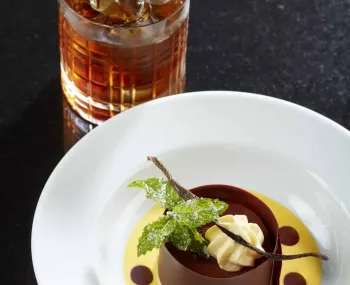
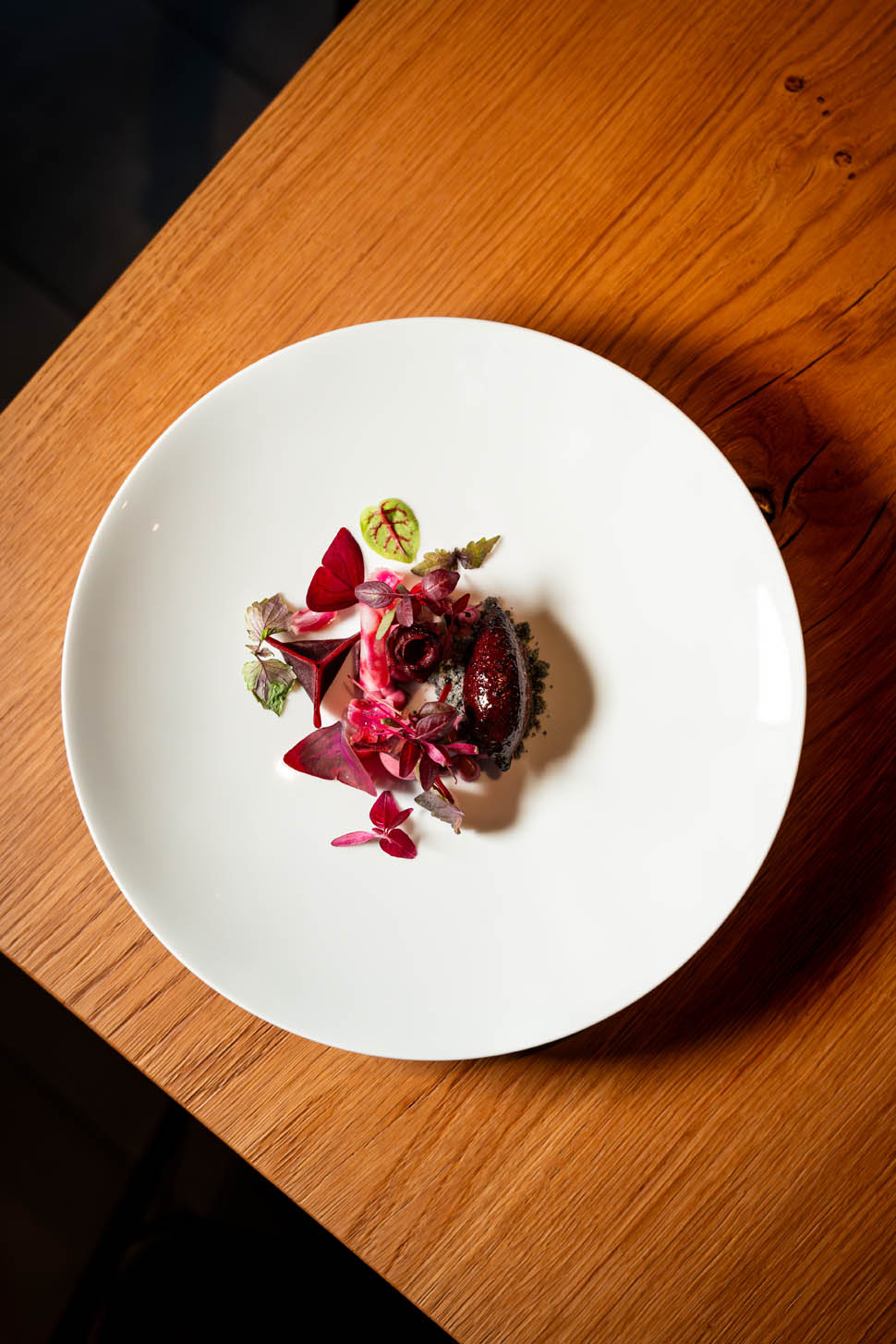
“It’s the finale of the Mare menu. We wanted to bring the meal to a cohesive close. I thought of seaweed, paired with white chocolate, lemon, and celery, recalling the lemon sorbet served at seaside trattorias after a grilled fish meal eaten with your feet in the sand. There’s a sorbet, a white chocolate and seaweed cream, and a ‘sand’ made with charcoal biscuit, freeze-dried seaweed, and cocoa butter blended with seawater. On top, we add salicornia, kombu, and other seasonal seaweeds; Koppert Cress is a supplier that helps me immensely in discovering products of this kind. In the mouth, certain seaweeds burst and release that savory marine note. We serve it with lemon sorbet or, in the latest version, celery sorbet.(You can recreate it by following the procedure illustrated here by the chef).
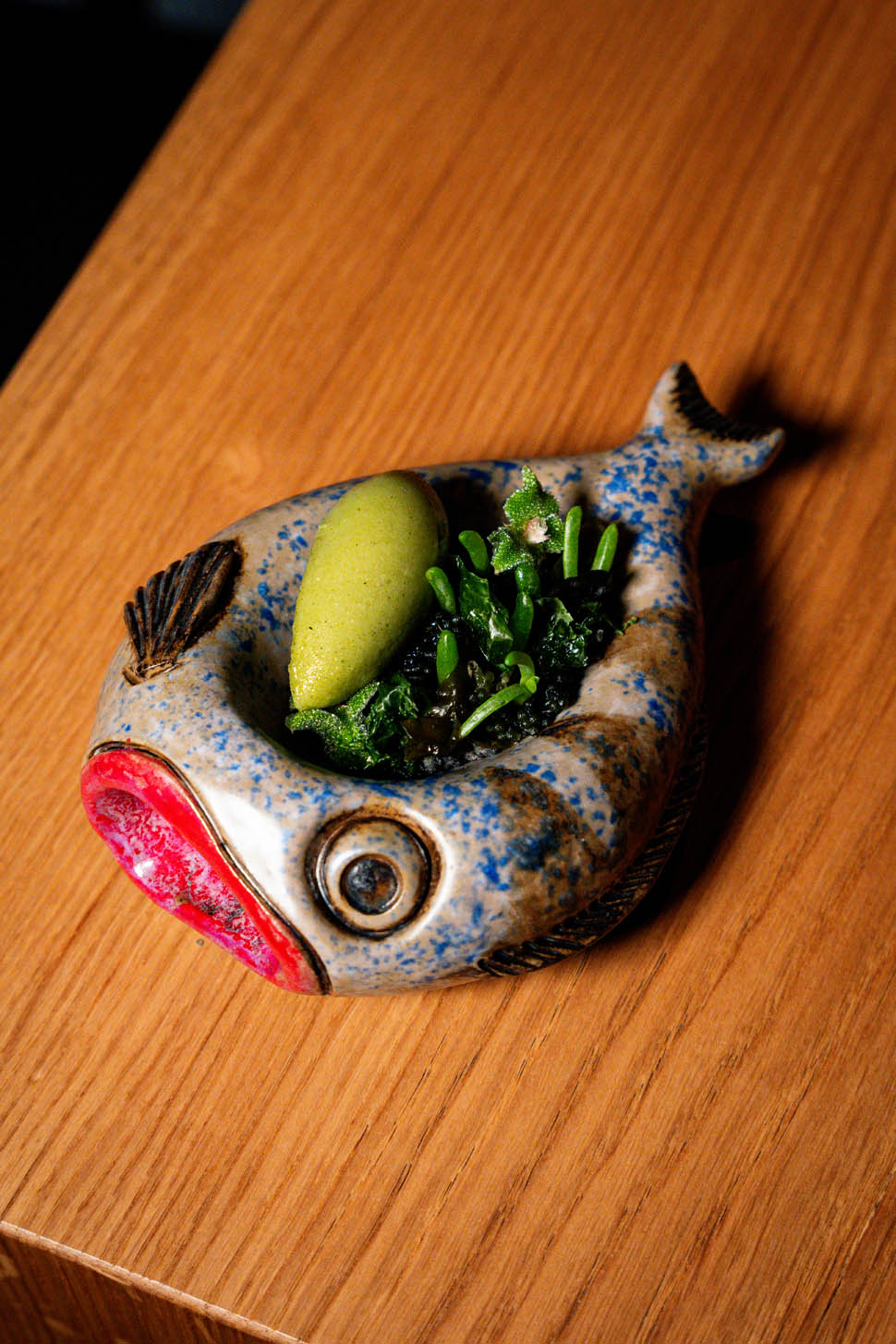
Five years after the opening of Sperimentale, Moebius is not a restaurant frantically searching for ideas that are impossible to grasp; it is not a game of egos. It is a project that has decided to narrow its focus: less dispersion, more concentration on the dish, on timing, and on the dining experience. Three distinct menus, a clearer identity, and a dessert menu that is not separate from the dinner but forms a continuous thread that entices you to return.
Contact and info
Moebius Milan
Via Alfredo Cappelini, 25 - Milan
Tel: +39 02 3664 3680
Email: info@moebiusmilano.it
Website: https://moebiusmilano.it/