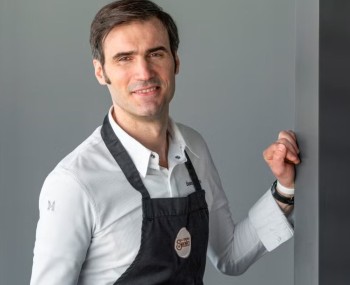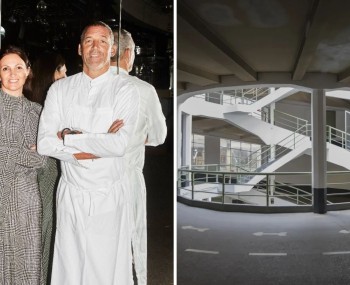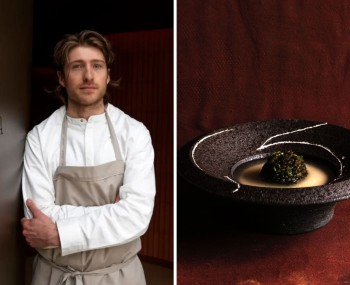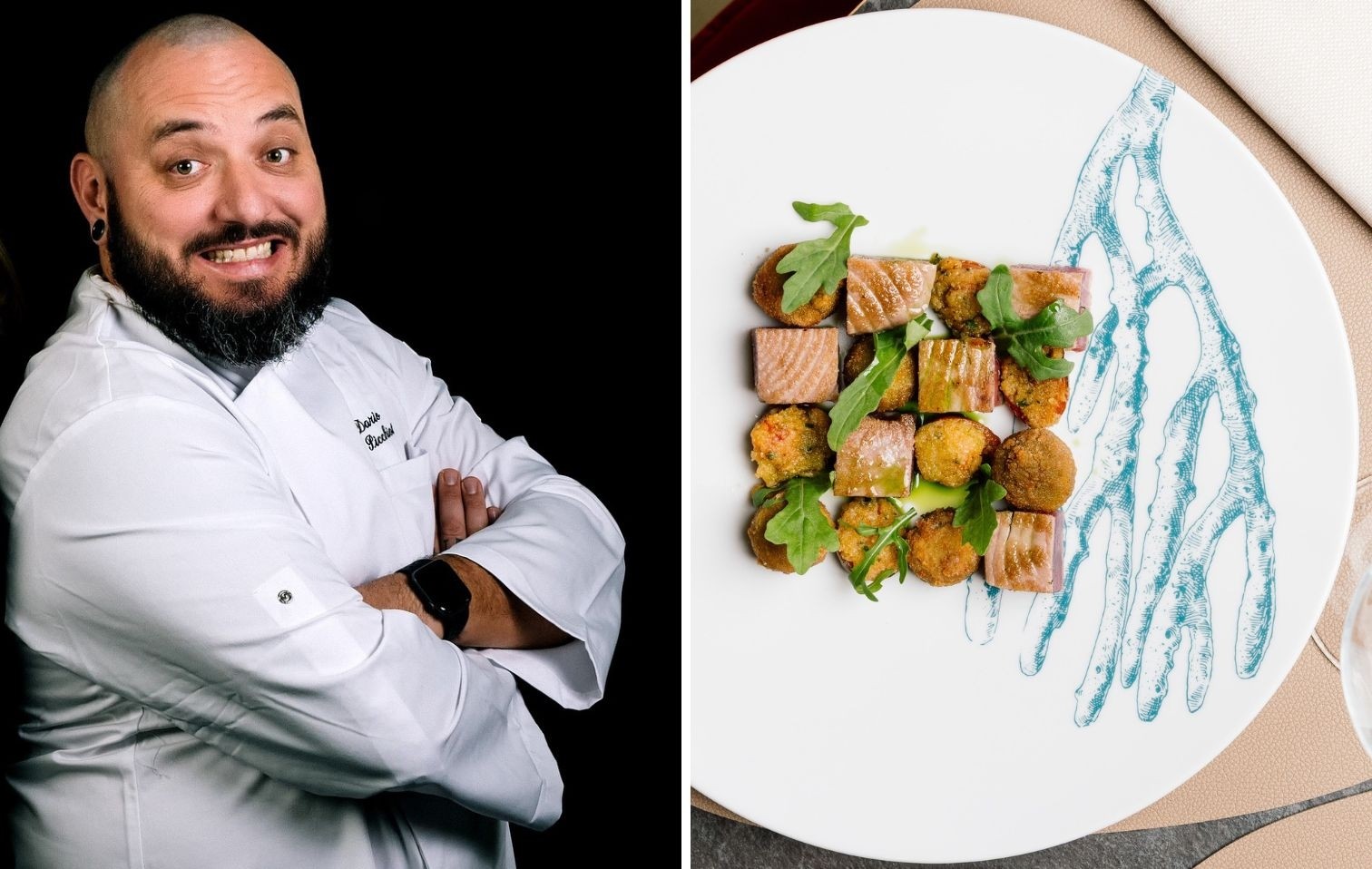
A chef who decided to do something simple yet daring: serve fish in Bologna. A challenge to Il Re Maiale. A duel without swords, only forks. Dario Picchiotti isn’t the type to cook to prove a point; he cooks to tell a story.
The Sea Beneath the Porticoes: Da Sacerno and the Fish Uprising Against Il Re Maiale
In Bologna, my friends, we eat and celebrate. Bologna sits, chews, and grows plump with an ancient calm, like a city that has nothing to prove. History passes beneath the porticoes in the form of sfoglia. Here, food is not mere sustenance; it is a rich sacrament. Tortellini are small stuffed planets that have been orbiting for centuries in the same galaxies of broth. Lasagna has layers like medieval chronicles. Mortadella is a pink monument, an edible dome. A true collective ritual in which the tortellino becomes the host, the lasagna the gospel, and the mortadella a pink relic enshrined in the temples of gastronomy.
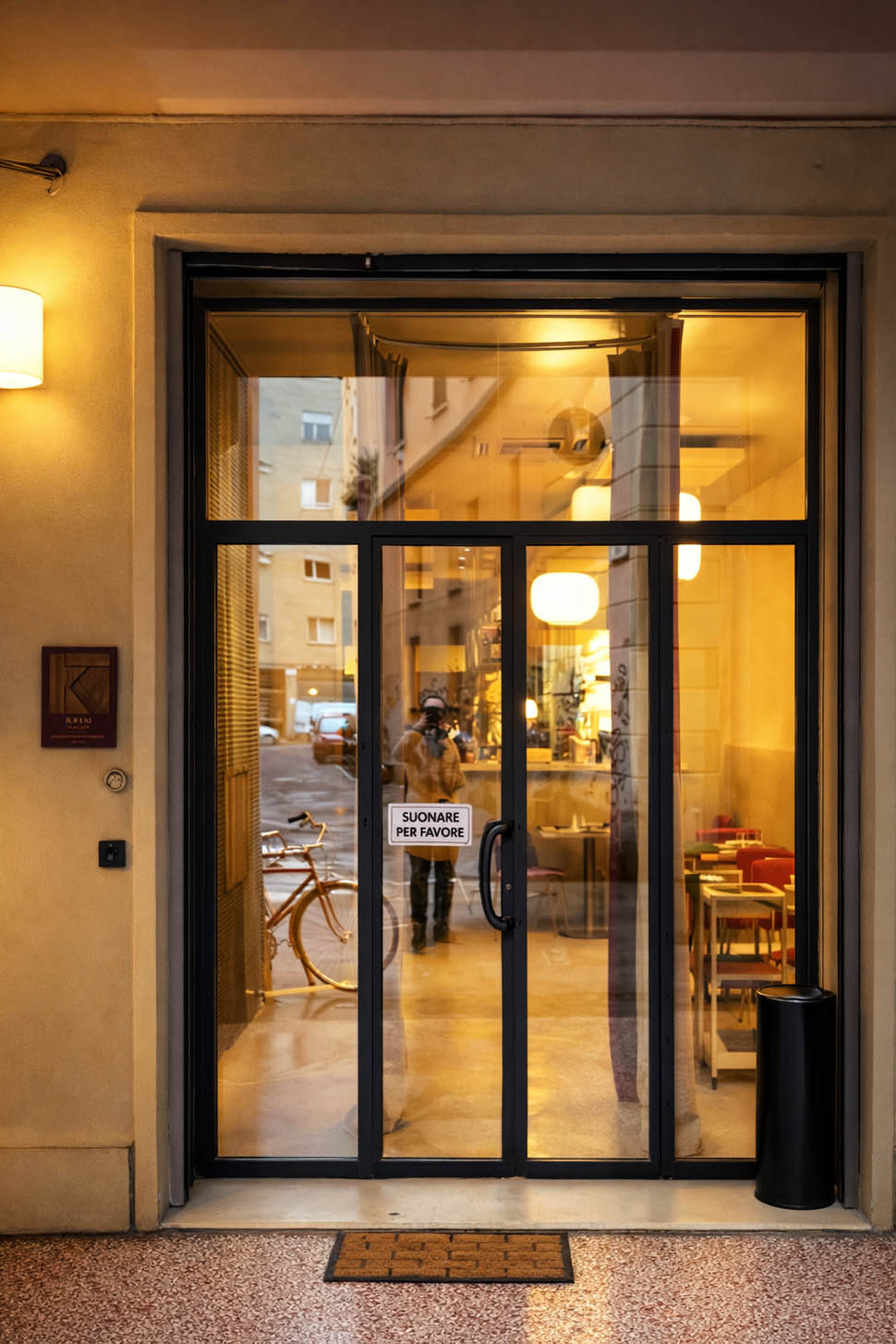
Bologna is known as “la grassa” (the fat one)—it’s not just a nickname: it’s a destiny. It’s a kind of atmosphere, a humid heat that seeps into your bones. And reigning over it all is He. Il Re Maiale. An absolute sovereign, with a crown of pork rinds, a cloak of prosciutto, and a throne made of ragù that has been simmering for centuries. Every now and then, in the alleys, you hear him grunting with satisfaction: it’s the city digesting. Bologna is his court. Then, in a corner of the city, something strange happens. Something almost improper. The sea arrives, but not the postcard kind—the real one, salty, restless, full of blue creatures and deep silences. It arrives without permission, like an illegal immigrant. From Sacerno. The name already sounds like a made-up place, a village that could be in a Benni novel, with a bar, a distracted priest, and a smoking fish. Inside, the direction is by Dario Picchiotti.
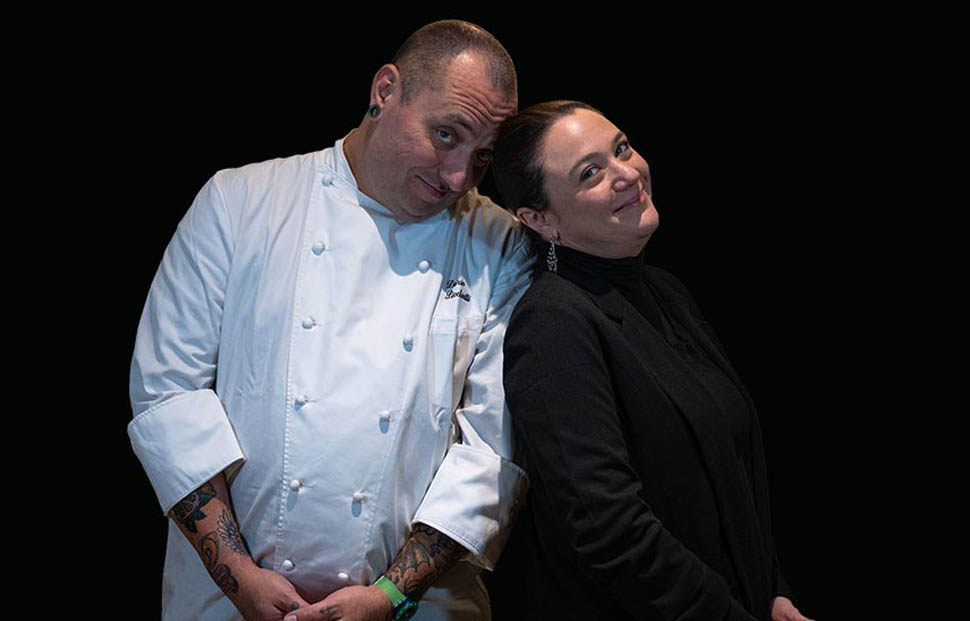
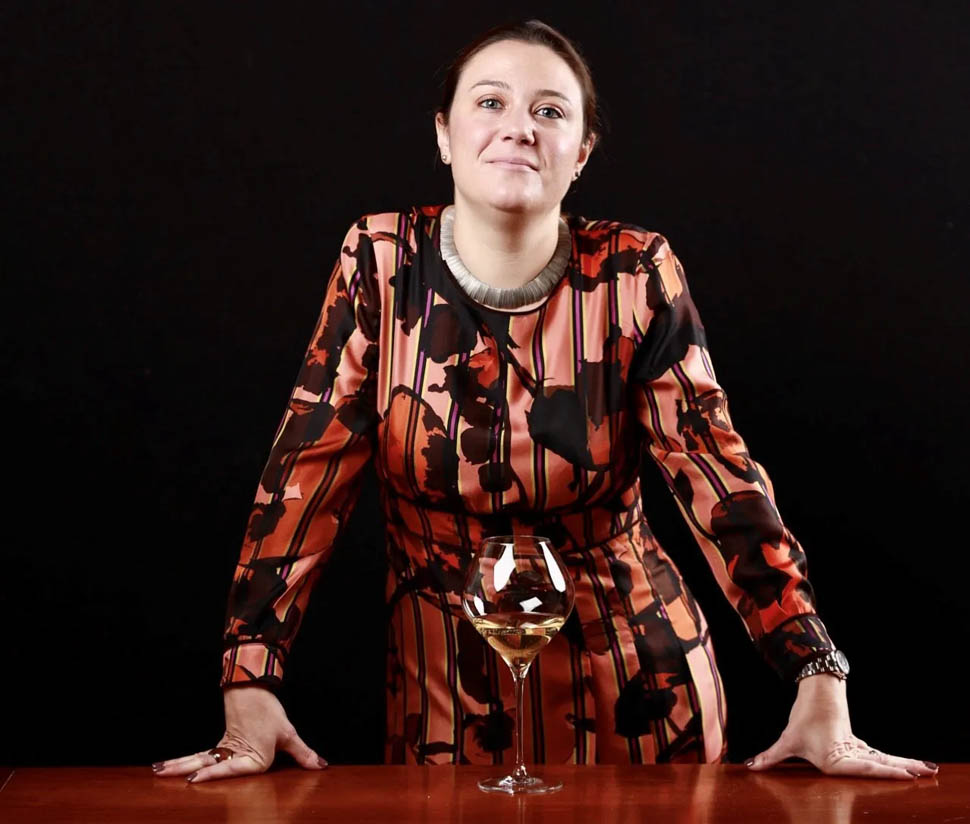
His business decision is one of intelligence and foresight in today’s climate, where the economic crisis is ravaging the industry. He is joined by his wife, Giada, and his partner, Francesco Tonelli. Three people who decided to do something simple yet daring: serve seafood in Bologna. A challenge to the “King of Pork.” A duel without swords, only forks. Dario isn’t the type to cook to prove a point; he cooks to tell a story. Years ago, the cuisine was more extreme, more edgy; there was even the “fifth quarter” of fish—stuff from the depths that took courage, marine offal, territories that don’t end up on reassuring menus. Now the harbor is different, warmer, more familiar. Raw ingredients come first, reigning supreme, and simplicity follows behind, like a faithful servant. Inside, like a cassette tape forgotten in the car, an echo of ’80s pop: shrimp cocktails, pink sauce, dishes that seem like memories but aren’t anymore, because Dario bends them, turns them, remakes them.
The Dishes
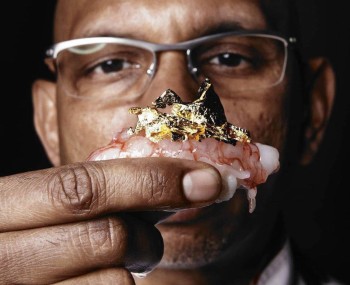
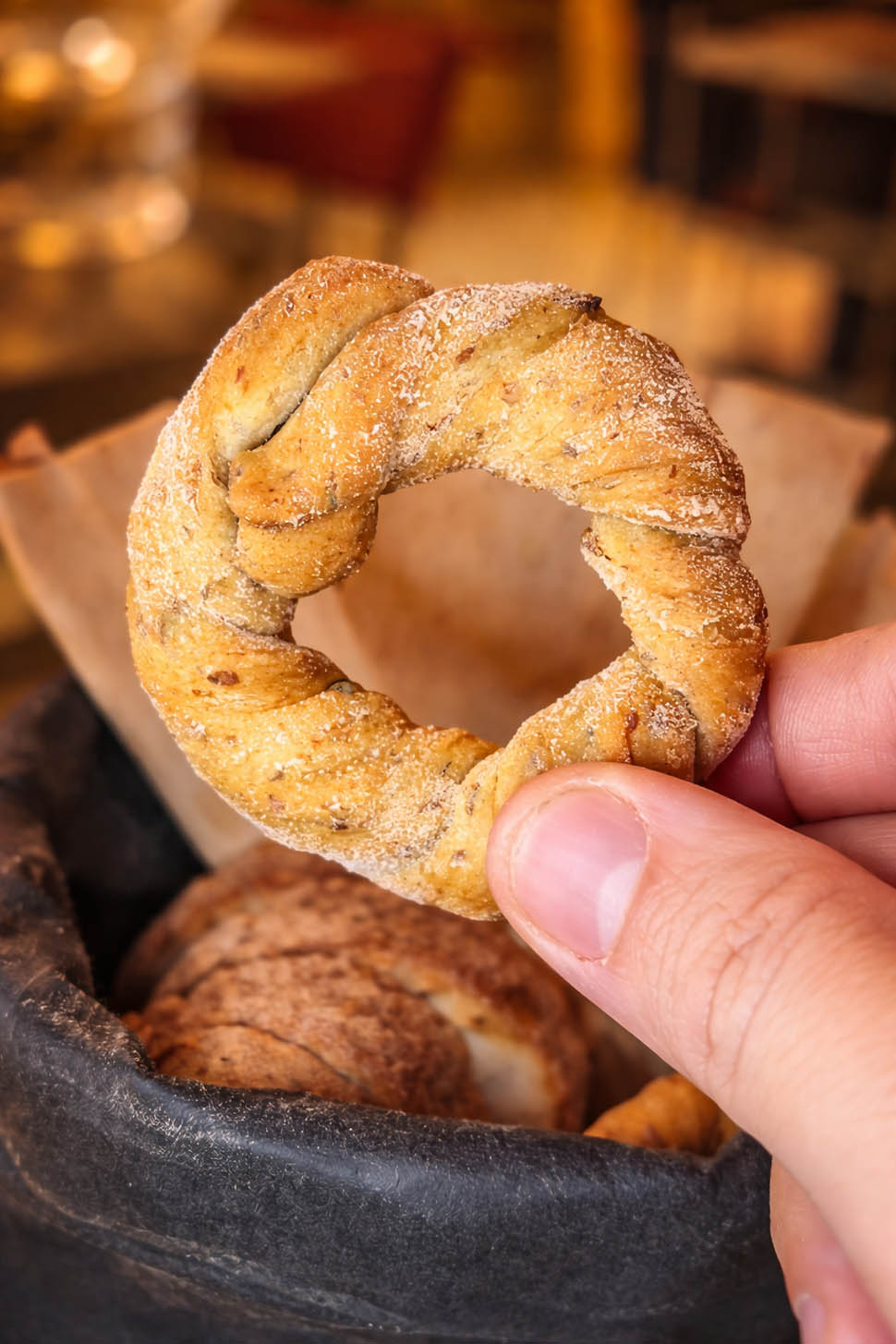
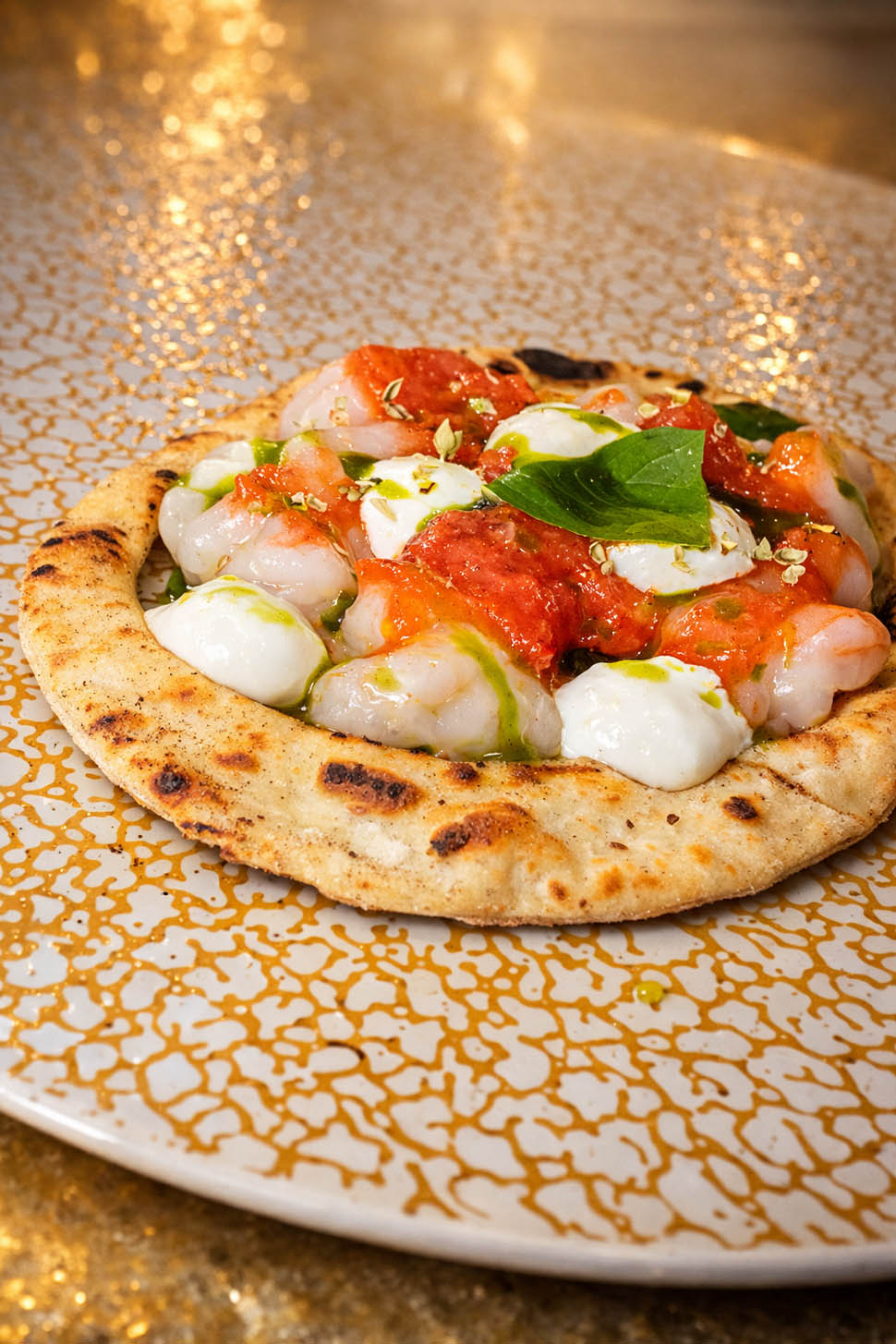
Here come the appetizers. Crispy focaccia, seaweed butter that tastes of cliffs, of the wind drying the nets. Seafood fried rice, grains separated, crispy, little salty firecrackers. A sharp cannon blast, the breach at Porta Pia opening up in your stomach. Olive tarallino, homemade, small, perfect. Something that needs no explanation. It’s a minimalist gesture, a pocket-sized treat. You could savor it while watching a movie at the theater, with wooden chairs and hushed laughter. You eat it and feel an imaginary Puglia passing by on a train beneath Bologna. Then the shrimp pizza. Here the kitchen has fun and your mouth smiles. A raw, glossy, vibrant dish of pink-hued shrimp, arranged like a real pizza, with a bread-like crust—a perfect illusion, a respectful parody—tomato, mozzarella cream, basil oil. Naples and the Adriatic making peace, perhaps, for one evening.
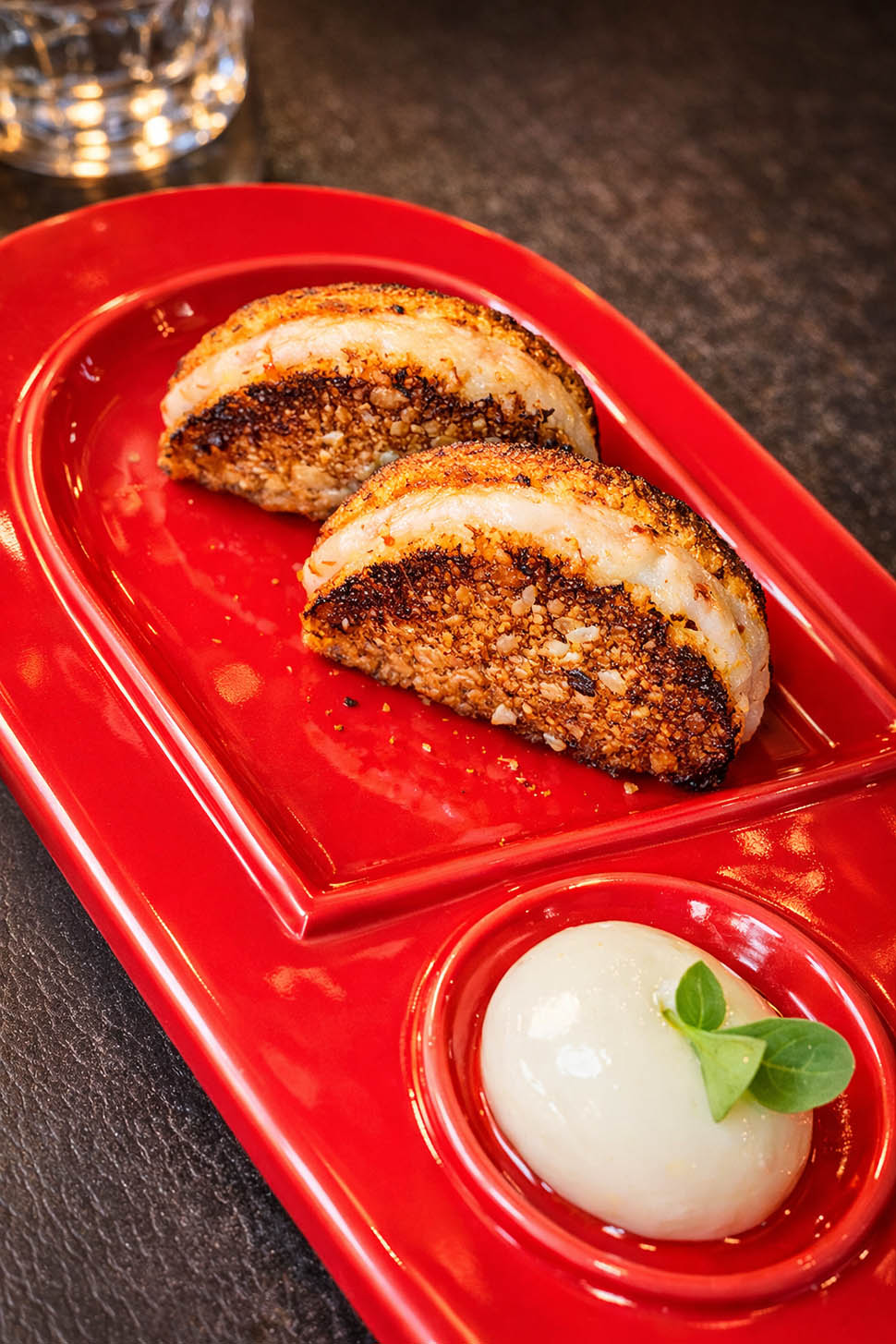
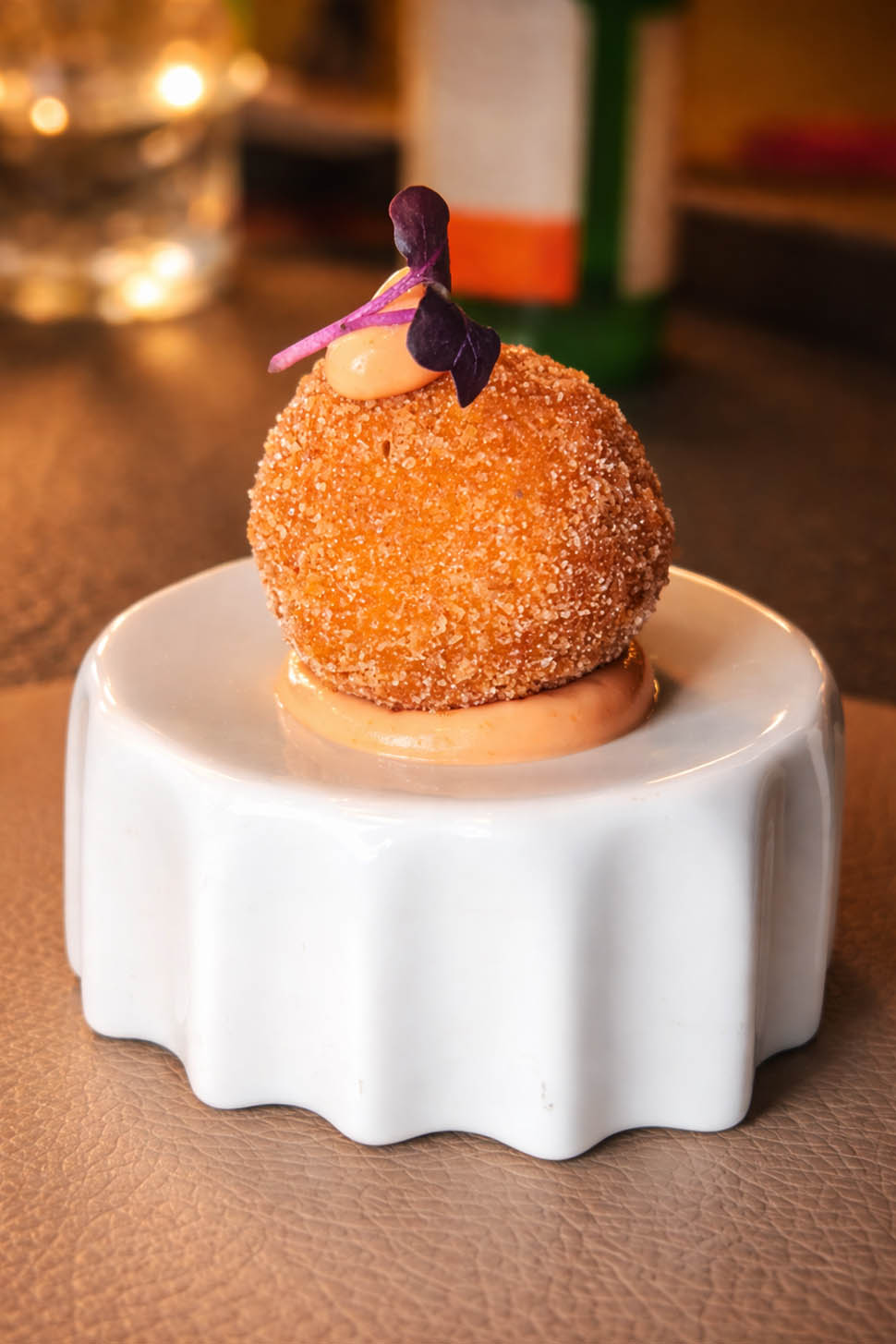
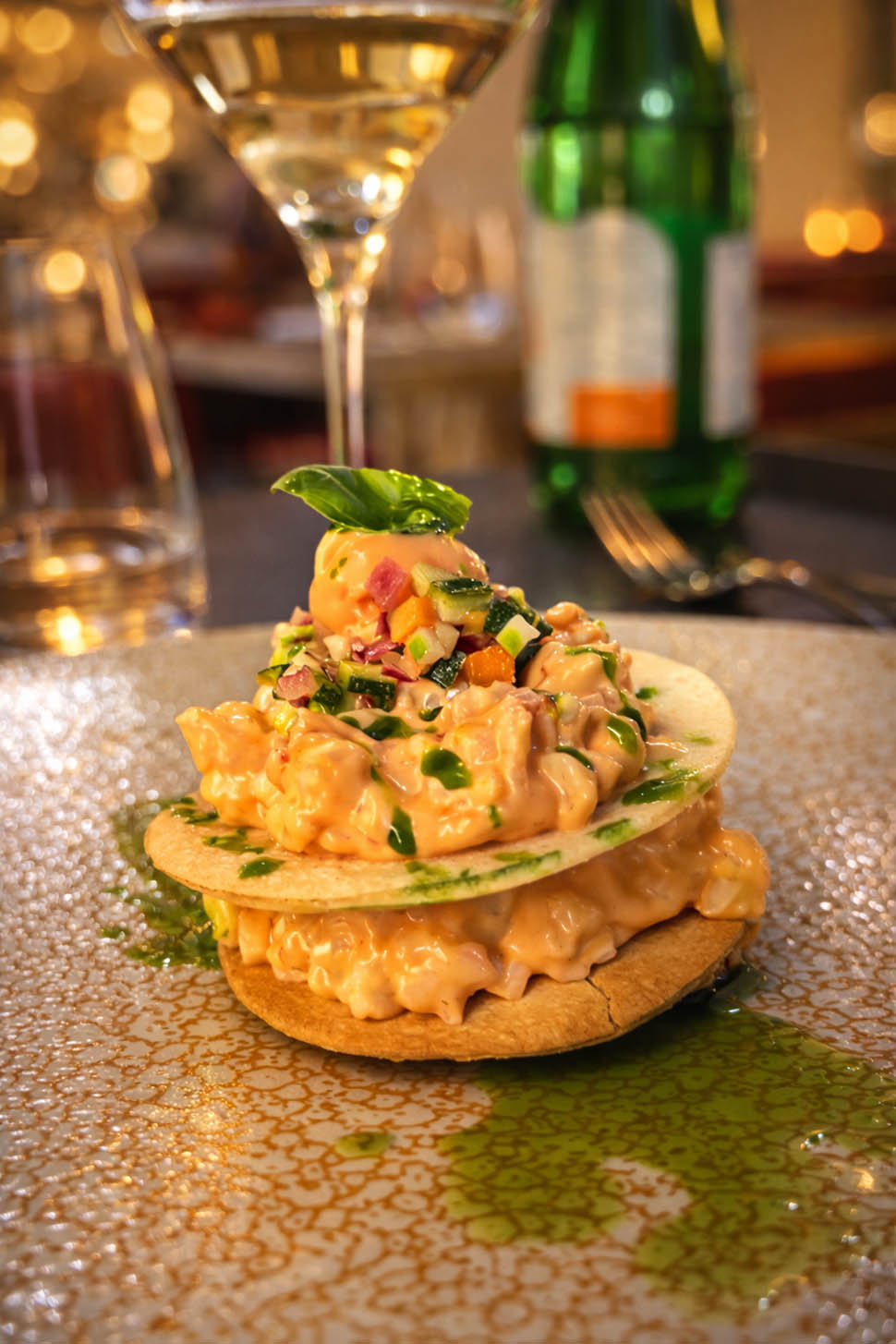
The blue crab toast. It’s a mini-lesson disguised as a snack. The blue crab has caused trouble, disrupted the balance of nature, and given fishermen and experts a run for their money. This invasive crab, the bane of the lagoon ecosystem, is transformed into a trendy dish that pays homage to Cantonese shrimp toast. A dish that becomes an act of responsibility, transformed into pleasure. A way of saying that cuisine isn’t blind. Baked in the oven, crispy on the outside and soft on the inside, with lime and ginger mayonnaise—fresh and tangy, as irresistible as a summer hit that sticks in your head—a clever dish, a dish that ends too soon. Shrimp cocktail in phyllo dough, pink sauce, and mixed pickles that cuts through the richness and goes “all in,” an endless loop, bite after bite, as if the dish never wanted to end. The phyllo dough makes a “crack” like a vinyl record, the pink sauce is an old friend, the pickled vegetable medley enters like an ironic aunt who opens the windows, cuts through the richness, reignites the palate, cleanses. The parsley oil adds a flash of green. The dish creates a gentle addiction; one forkful calls for another. The mind says “enough,” the hand says “more” .
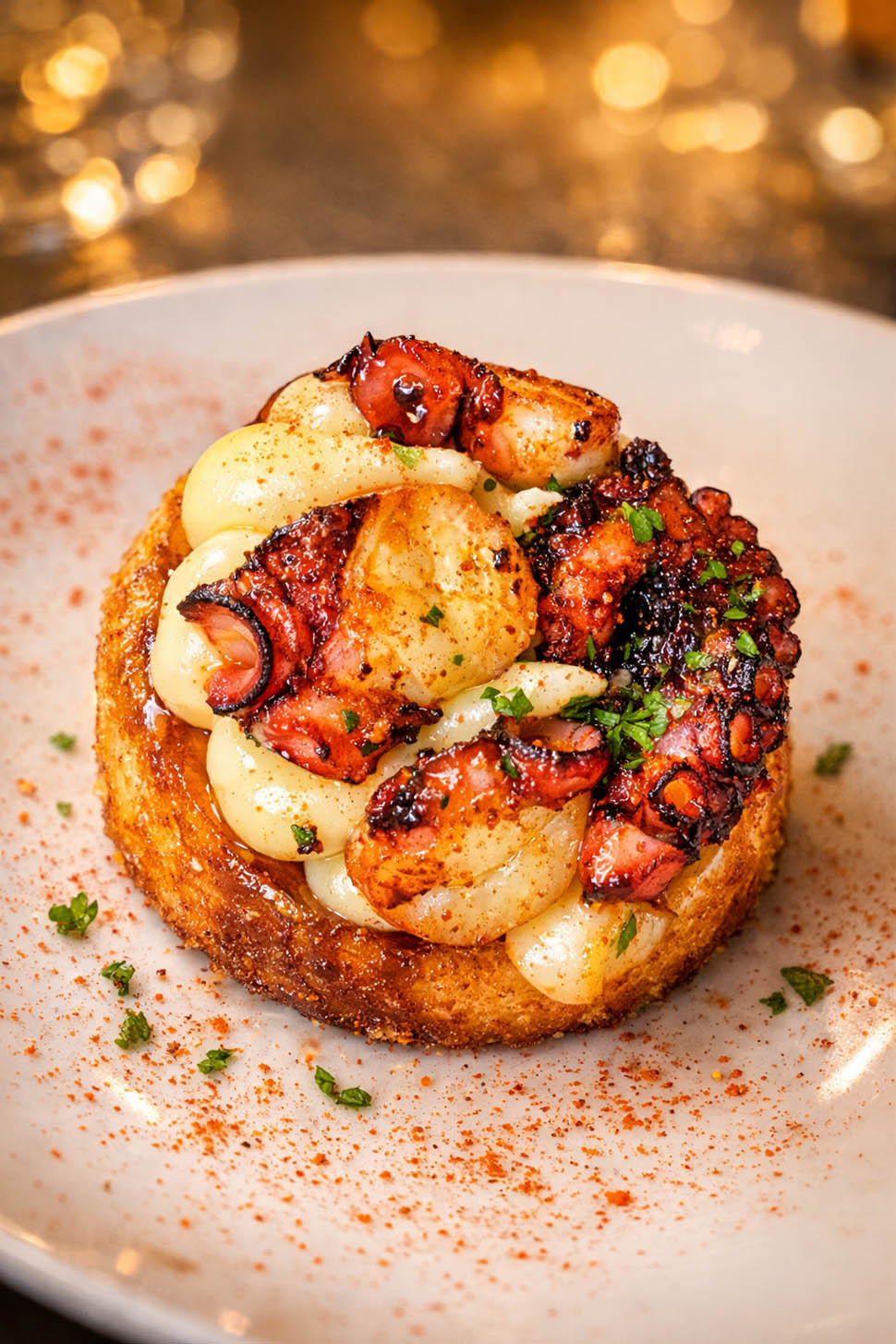
Octopus and Potatoes. Octopus and potatoes is a more serious dish. There’s a basket of fried potatoes—a small work of art. The octopus is served “Bolognese-style,” a phrase that sounds like a joke. Then you get it. Here, Bologna puts its stamp on the sea. The paprika sauce is reminiscent of Galician-style octopus. The Robuchon-style cream sauce is a buttery trap, fifty percent potato, fifty percent butter. A sinful proportion that makes guilt tremble. The dish doesn’t apologize; it just demands that you surrender. The waiter carries away the empty plates like a gentle undertaker; the room remains filled with the scent of seaweed, butter, paprika, and the sea outside.
Bologna, meanwhile, carries on being Bologna; inside, a different geography takes shape. The tables speak in hushed tones, the cutlery makes a sound like a telegraph, every clink sends a message: “the pig doesn’t rule here.” Somewhere, in the city’s symbolic underground, Il Re Maiale receives the news; a servant runs, stumbles over the rind, and comes back up. “Your Majesty, they’re eating fish in Sacerno.” Il Re Maiale widens his lard-filled eyes and lets out a long snort, the kind that makes the hanging cured meats tremble. He doesn’t order a war; he orders a spoonful of ragù, he orders an inspection, a tasting, an understanding.
Dario Picchiotti works like someone who has seen both the coast and the inland, who has approached cooking as an extreme sport, who has sought out the hidden depths of seafood, and who has thrown the entire alphabet of marine offal into the pot. He has practiced his craft as a chef like a tightrope walker—without a safety net, without guaranteed applause. Now he has chosen a different path, one that brings more people along, a path bearing the same signature but with fewer sharp edges and a warm embrace of more moderate views. Today, the project takes the form of a family lunch and also sports a pop-inspired jacket, 1980s-style like a poster in the kitchen: pink sauce as a useful nostalgia, pasta rolls like sequins, shrimp like pop stars. This is how the sea in Emilia is interpreted: no Riviera-style disguises, no seashells hanging on the walls to seek forgiveness. Just raw ingredients and pure flavor, simplicity on a leash, without letting it run free.
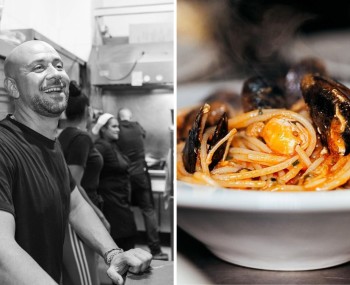
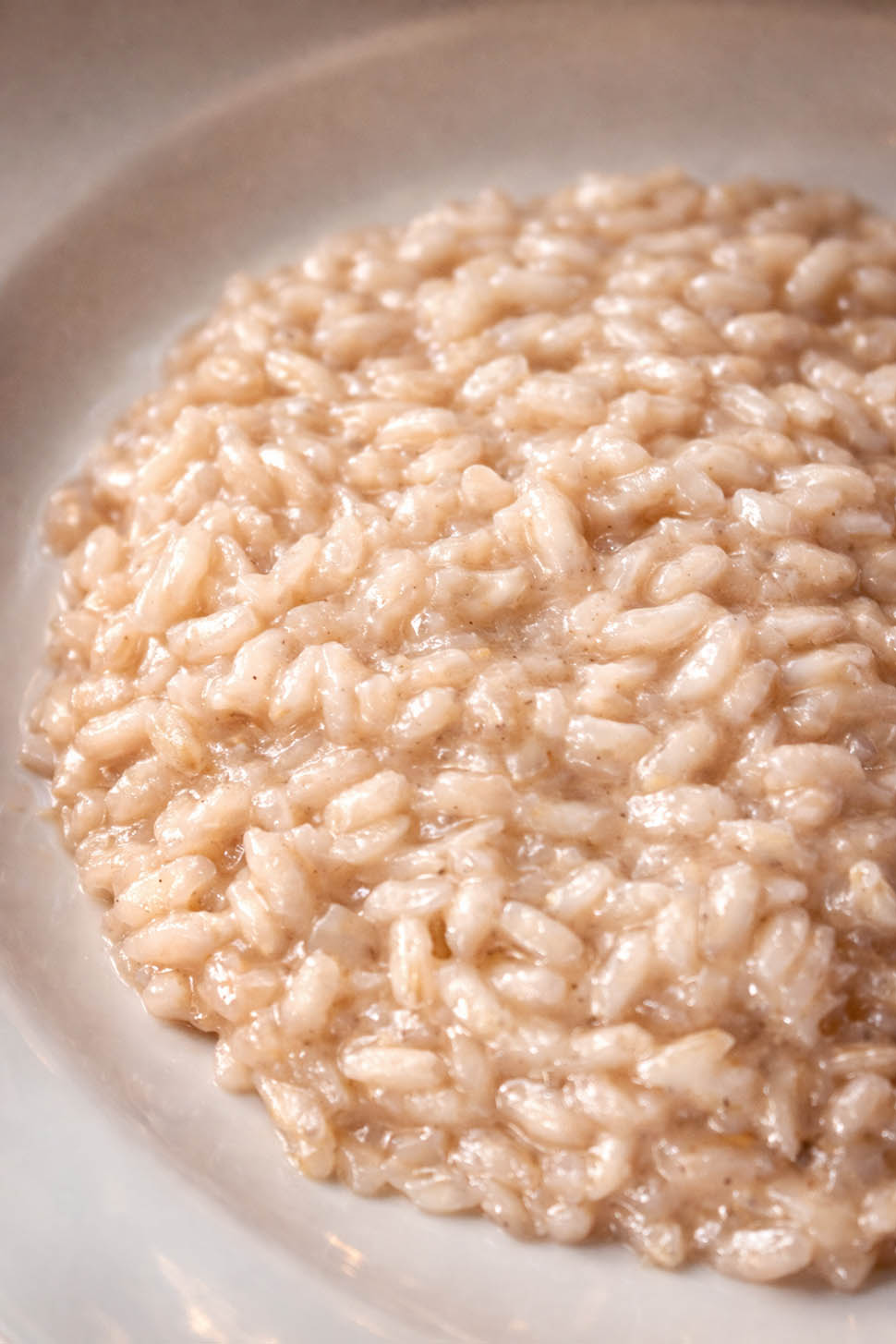
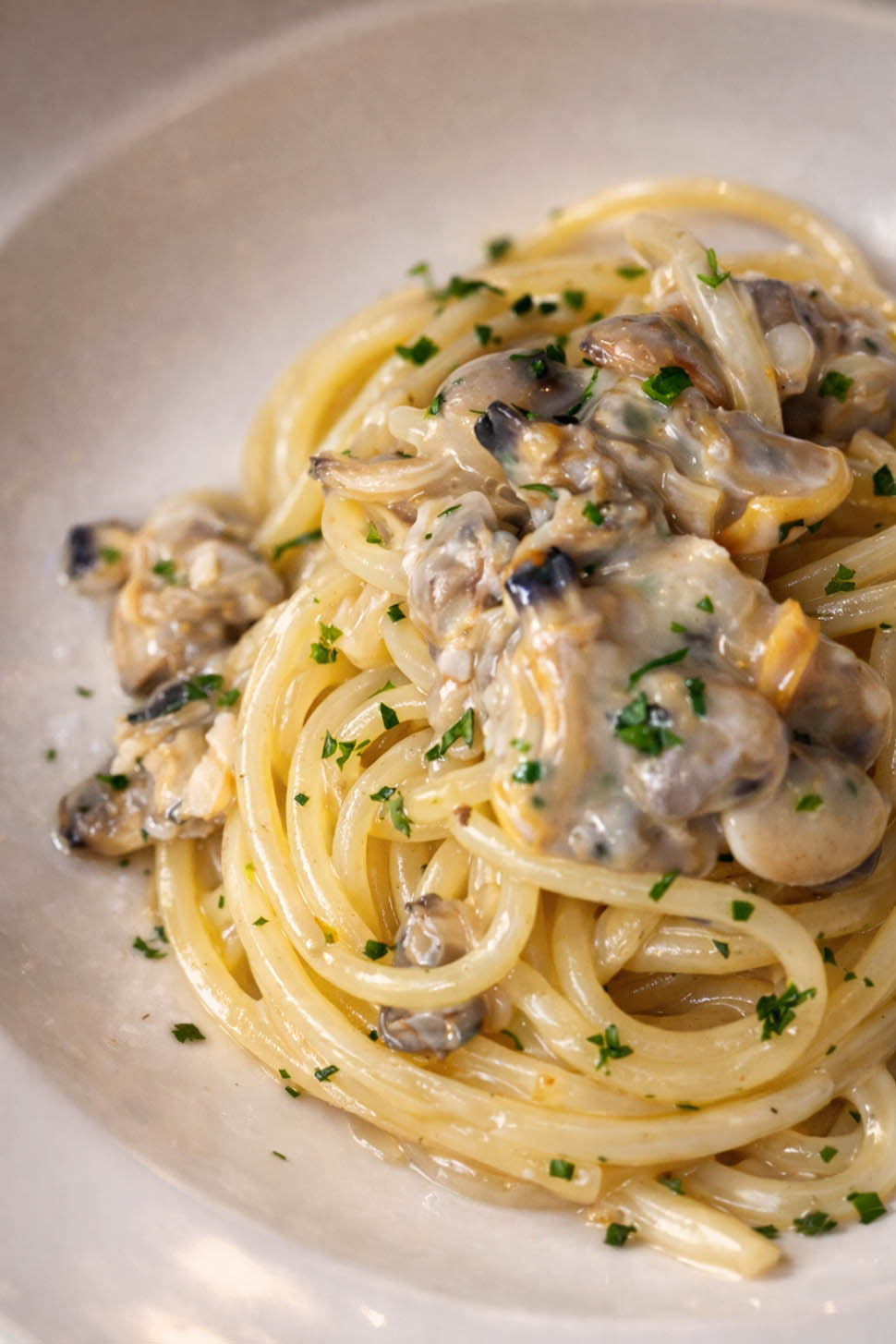
The first courses arrive. Risotto with mantis shrimp. A risotto that seems made to bring peace—creamy, rich, with a subtle sweetness and a hint of sea salt that slowly rises. The rice remains perfectly al dente, firm and resilient, just the way I like it—for those who want it to be alive. One forkful and the mouth understands: mantis shrimp is no poor substitute; mantis shrimp is delicacy and a whisper that leaves footprints on wet sand. Spaghetti with clams. A great dish, great in the truest sense—no theatrical flourishes, no excess salt, oil in just the right place, a clean, smooth creaminess. Al dente with discipline; here, the sea speaks in a classic dialect—it doesn’t shout, it doesn’t put on airs. The dish is a textbook without pedantry. Real clams, garlic present but not overpowering, parsley as a quick signature, oil that binds, a finish that shines. The sea here isn’t a bombshell; it’s a coherent line.
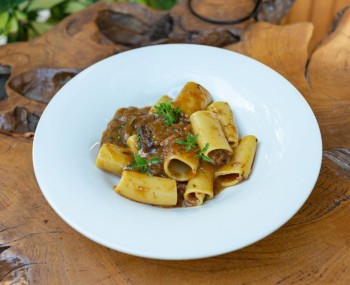
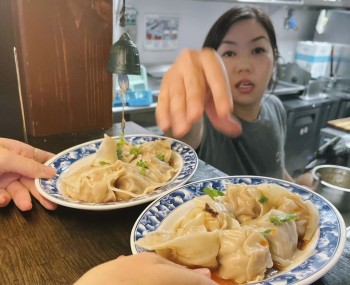
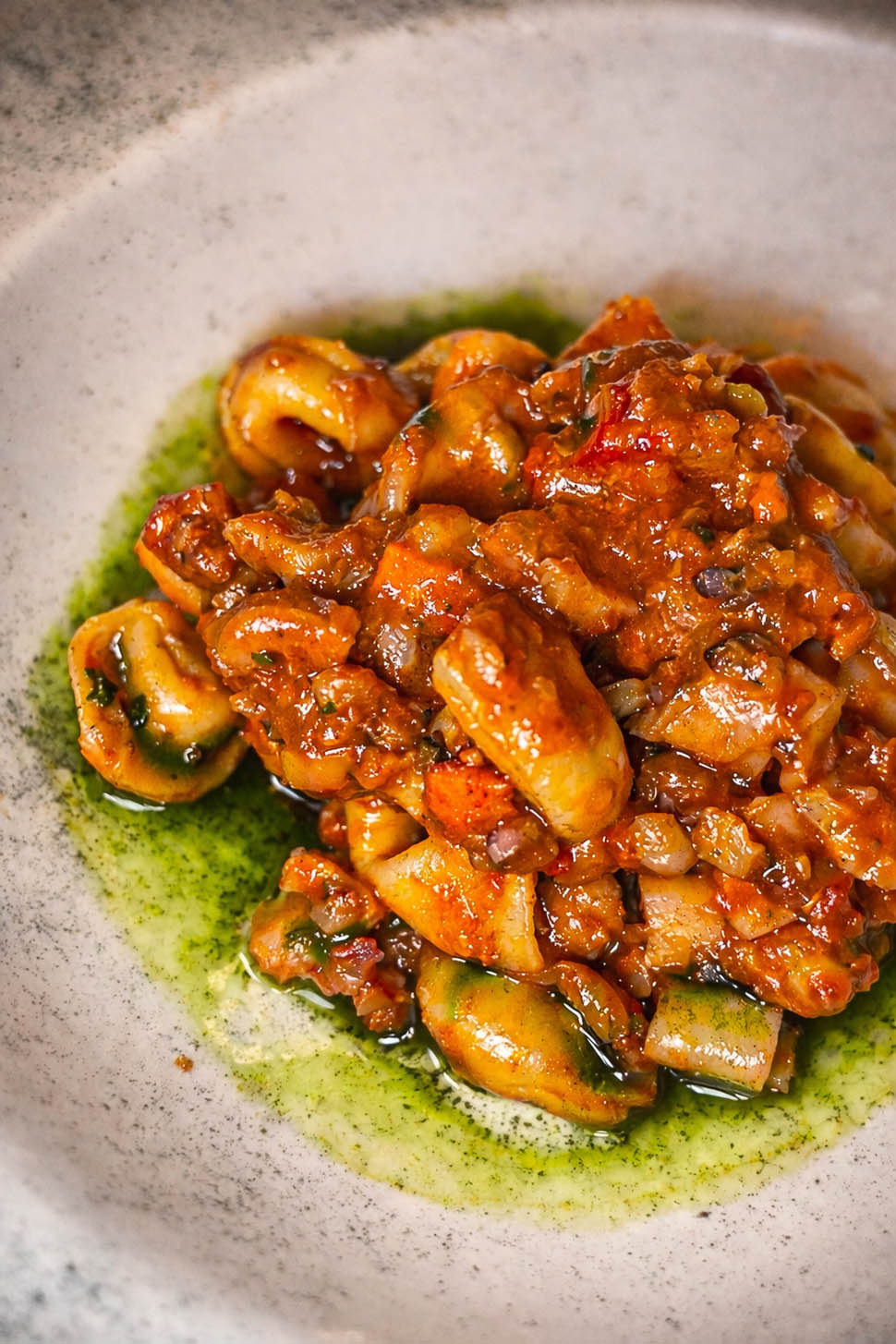
Then there’s the Romagna-style strangolapreti with seafood ragù. Strangolapreti is a hollow tortellino with ridges; it has knots, it has calluses, it has the texture of a promise that won’t slip away. That kind of pasta that grabs you by the collar and shakes you while the seafood ragù arrives like a village band—mussels, clams, rockfish, the sounds of the surf inside the plate. The calloused knottiness snares, seduces, and binds you from here to eternity. Meanwhile, Giada moves among the tables with the air of someone keeping the lighthouse lit. Her gaze brings order without scolding; she holds an invisible map, knows where every dish belongs and where wine glasses must be poured; she knows when a dining room is about to shift in mood—she senses it. Dario, from the kitchen, appears and disappears; he doesn’t strut like a peacock, he acts as captain, calls the shots, checks the cooking, adjusts a sauce, listens to the oil speaking—a chef listens.
Here come the main courses. Deep-sea red mullet cutlet, fried artichoke, lemon gel. The red mullet has the skin of the deep sea, a memory of sand; the cutlet is crispy; the fried artichoke sings; the lemon gel cuts through like a laugh. A “liffо” dish, as a food-loving Bolognese would say, invoking that tavern saying: “it’s stuff you’d lick the plate for.” Here the city betrays itself; here Bologna licks the sea. It even relishes being proven wrong: fish in Bologna works, it’s good, it makes sense, it’s convenient. It’s even Emilian!
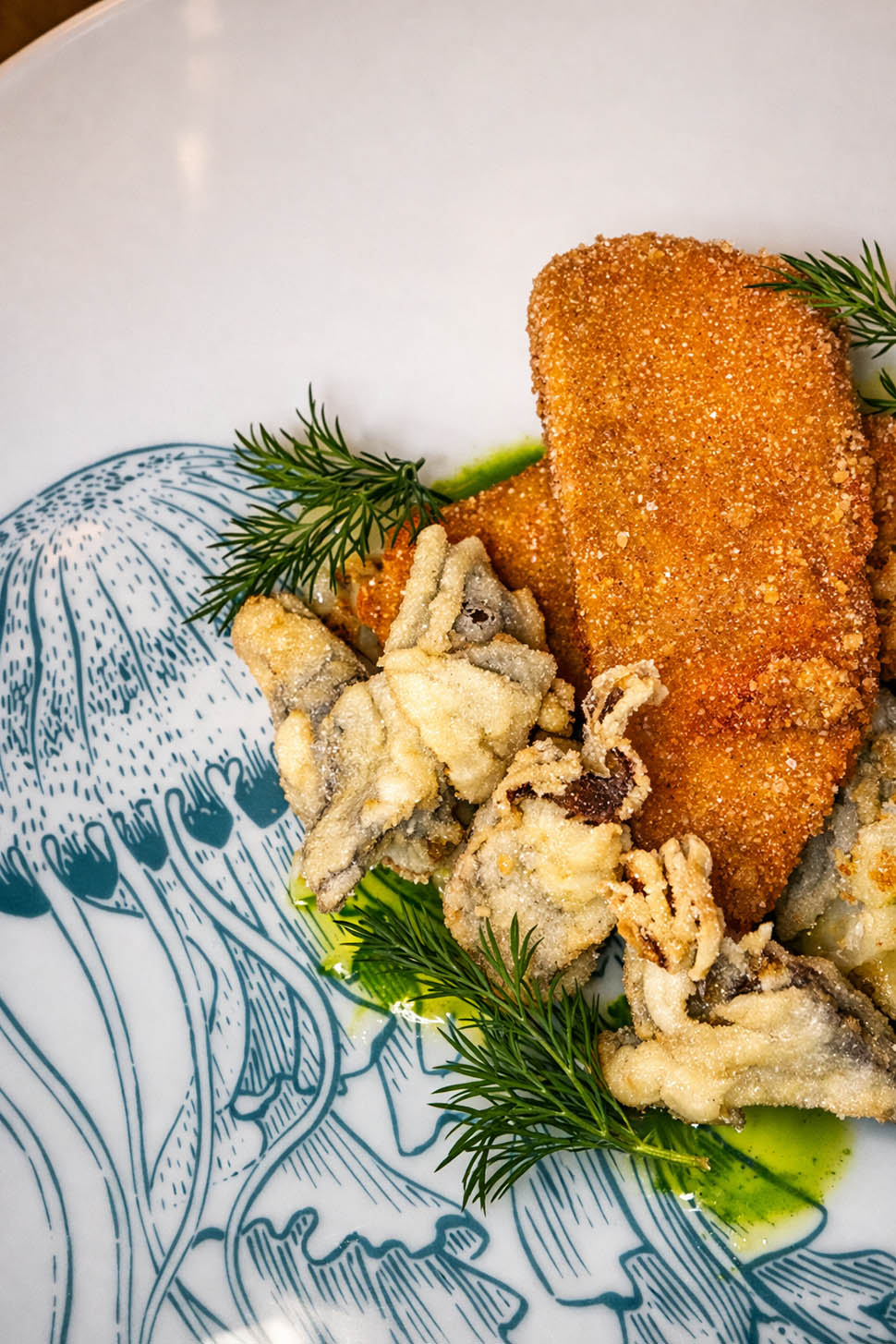
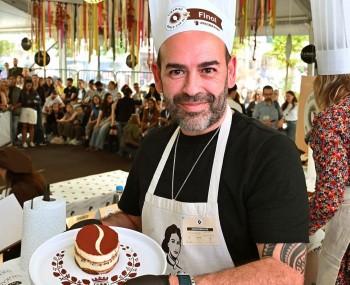
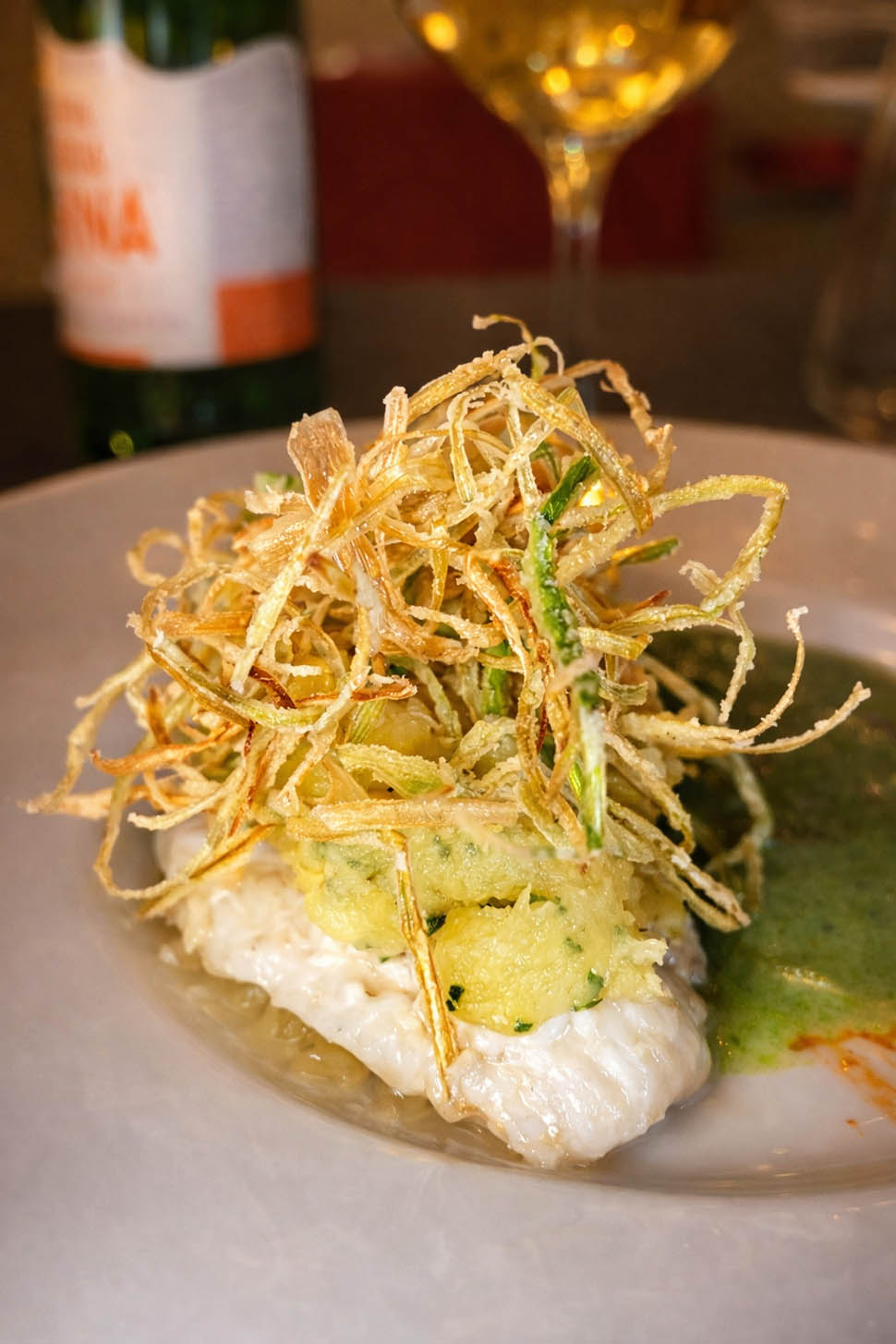
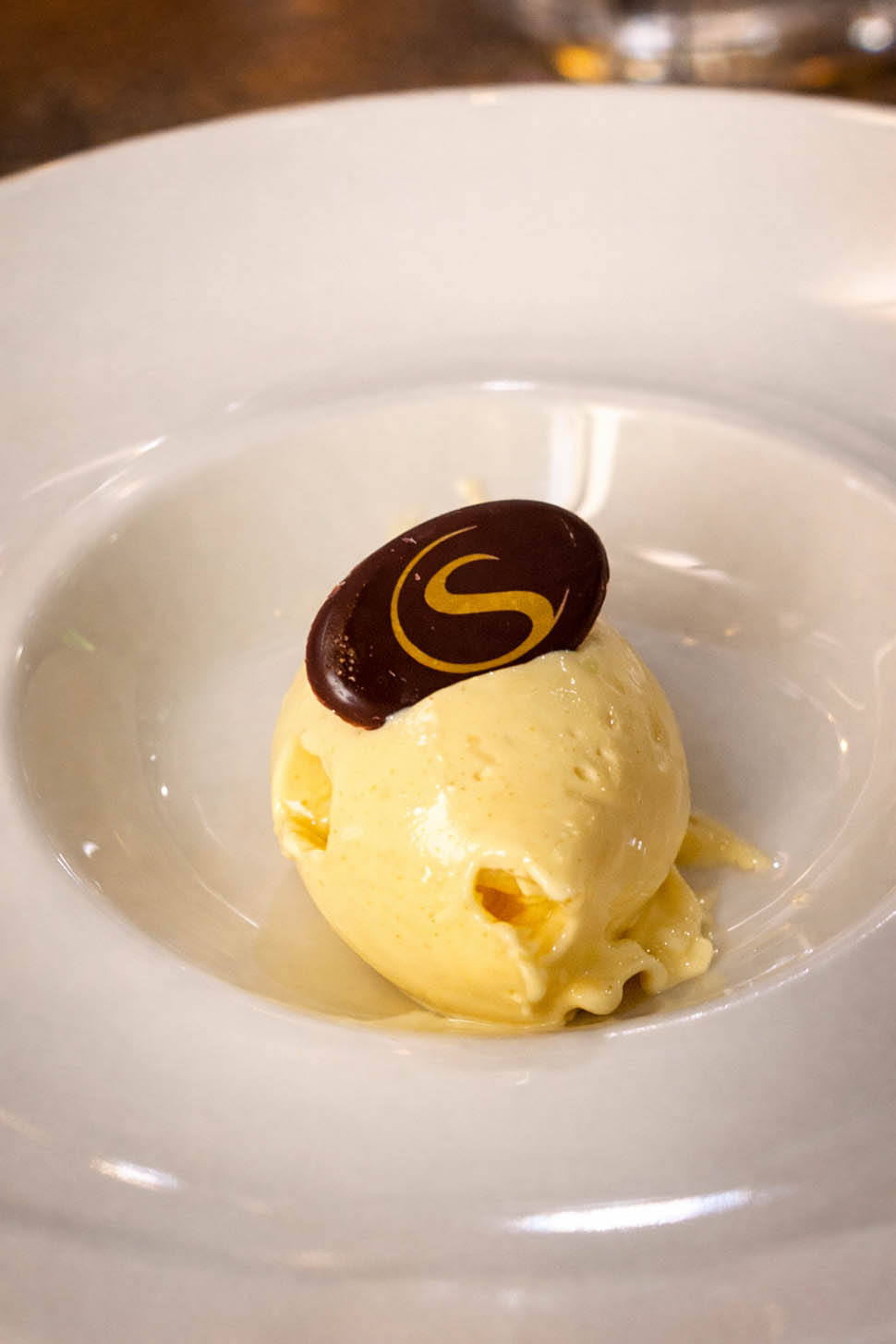
Turbot, mashed potatoes, fried leek, Mediterranean sauce. The sauce is a community of mussels and clams, parsley, capers, and sun-dried tomatoes. A successful community gathering: no one argues, everyone contributes something; the turbot sits in the center like a shy president, the mashed potatoes provide the foundation, and the fried leek is the life of the party. The Mediterranean enters without knocking, sits down, pours himself a glass. At this point, King Pig sends an emissary—a ham with legs, an ambassador of fat—who arrives at the door and takes his seat. He orders silently, tastes, and makes a face he didn’t know he had: a face of doubt, of curiosity, an almost youthful face. For a moment, the sovereign feels something strange. Not hunger. Not dominance. Respect. The dessert arrives like a curtain call. Vanilla ice cream. The ice cream says: “I am not an idea, I am matter.” It deserves a technical and poetic reflection. Here you can feel the difference between classic churned ice cream and one made with a Pacojet: the Pacojet version is velvety, ethereal, almost a cloud. But traditional churning gives matter, body, presence. And substance, in these creams, is memory. The adventure ends without needing any special effects. At Sacerno, they don’t pretend to be a northern seafood restaurant; they run a seafood restaurant in Bologna. Which is different.
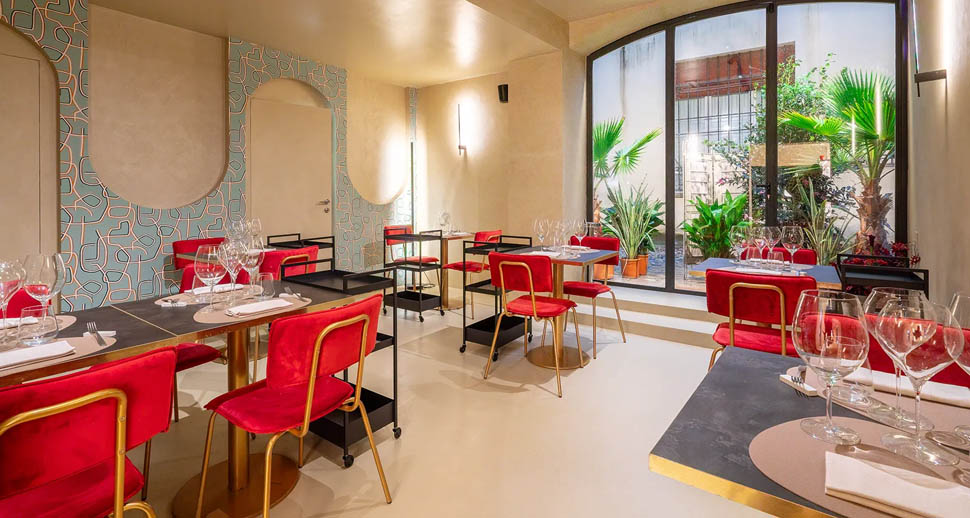
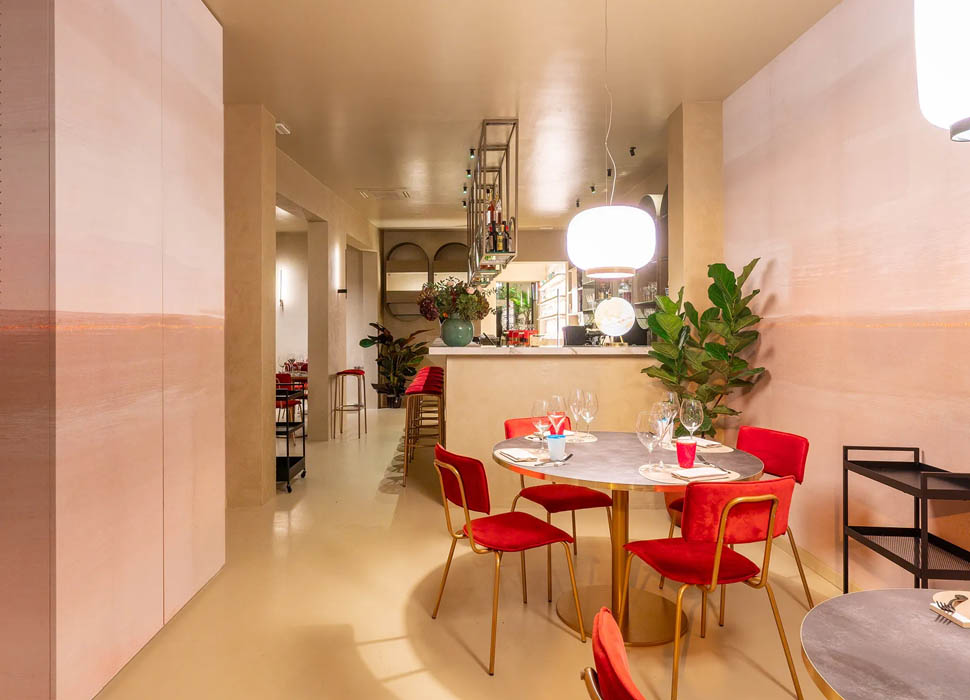
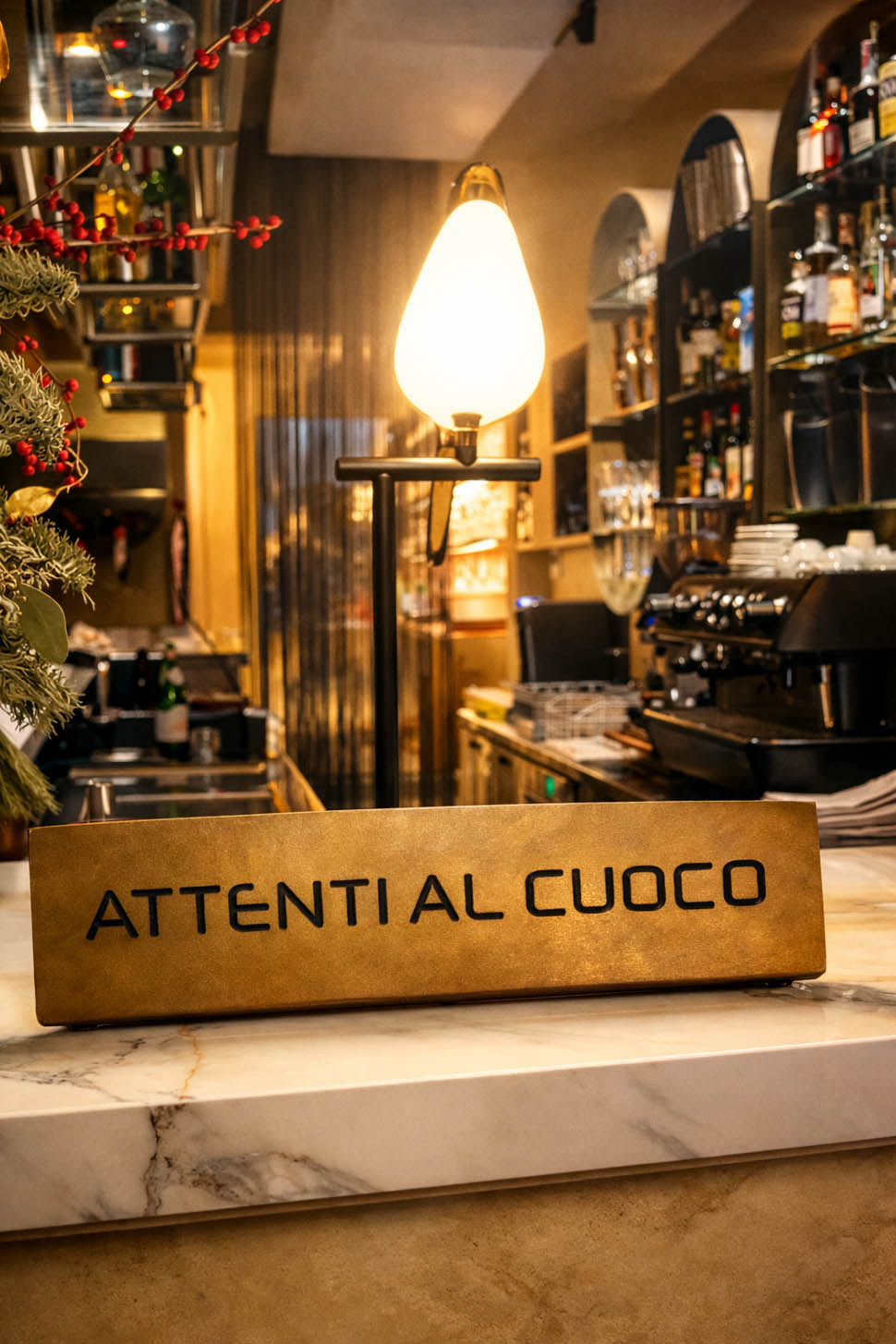
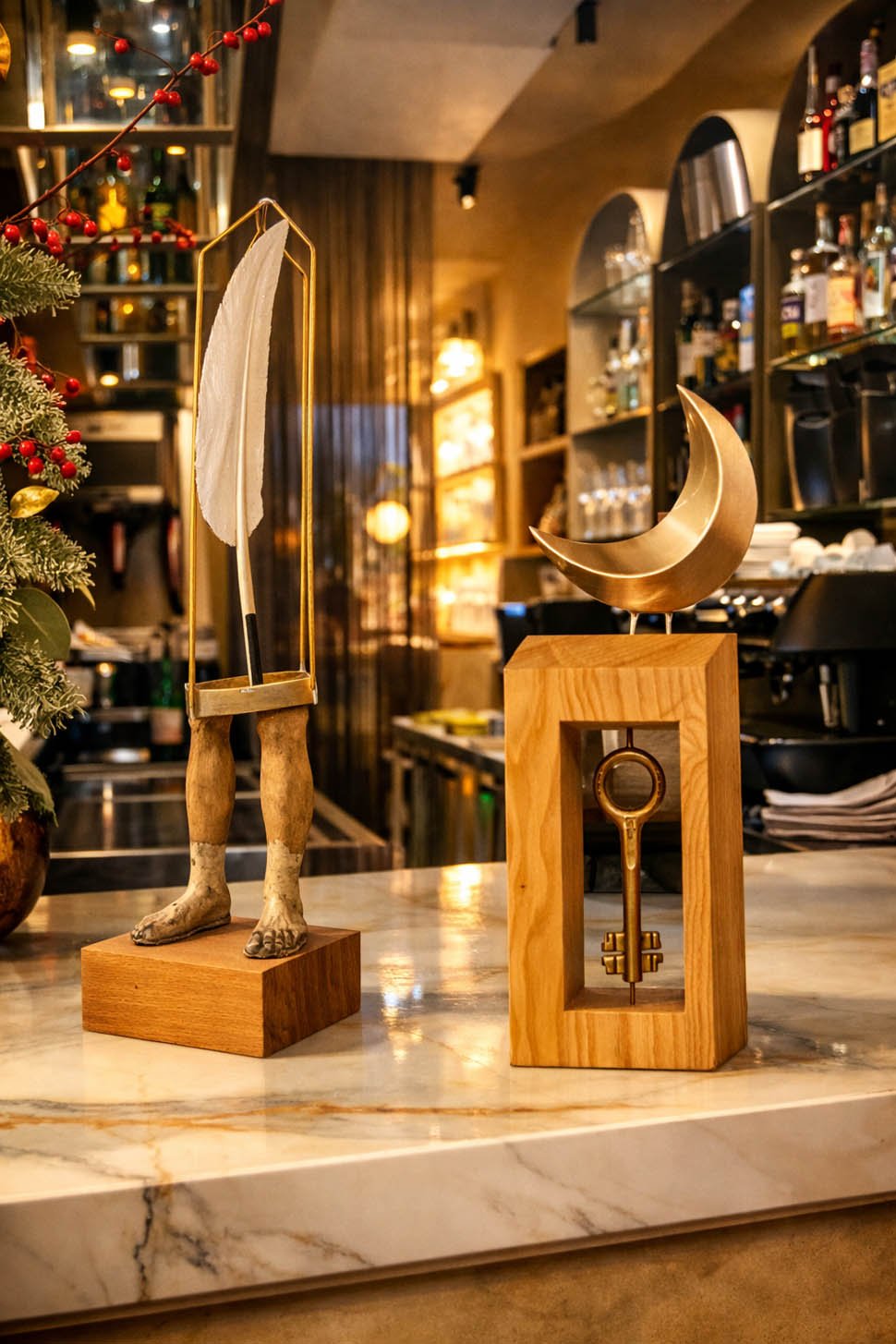
It’s a culinary statement made with parsley. Some restaurants simply feed you. Others put on a show. Da Sacerno does both. The dining room is a simple stage, without any heavy-handed embellishments. The light falls on the dishes as if on family photographs. The noise is that of conversations between people who care for one another. You can tell that people come back here, not out of habit, but because they feel at home. After all, this is the story of Da Sacerno. A place that has weathered the extremes. A place that has chosen comfort without losing dignity. A place that sells simplicity without selling it short. A place that uses pop nostalgia as a spice, not as a crutch. A place that brings the sea to Bologna without apologizing to the pig. Il Re Maiale doesn’t sign a truce; there’s no need. It remains the city of ragù, it remains the city of broth, it remains the city of sfoglia. Then he adds a thought, a salty thought, a thought that resembles a mantis shrimp, a thought that resembles a lime, a thought that lingers between his teeth. And Bologna, when he returns home, carries the scent of waves in his pockets. The next day, Bologna acts as if nothing happened; the trattorias continue to churn out sfoglia as always. Il Re Maiale receives subjects, grants blessings, distributes fat.
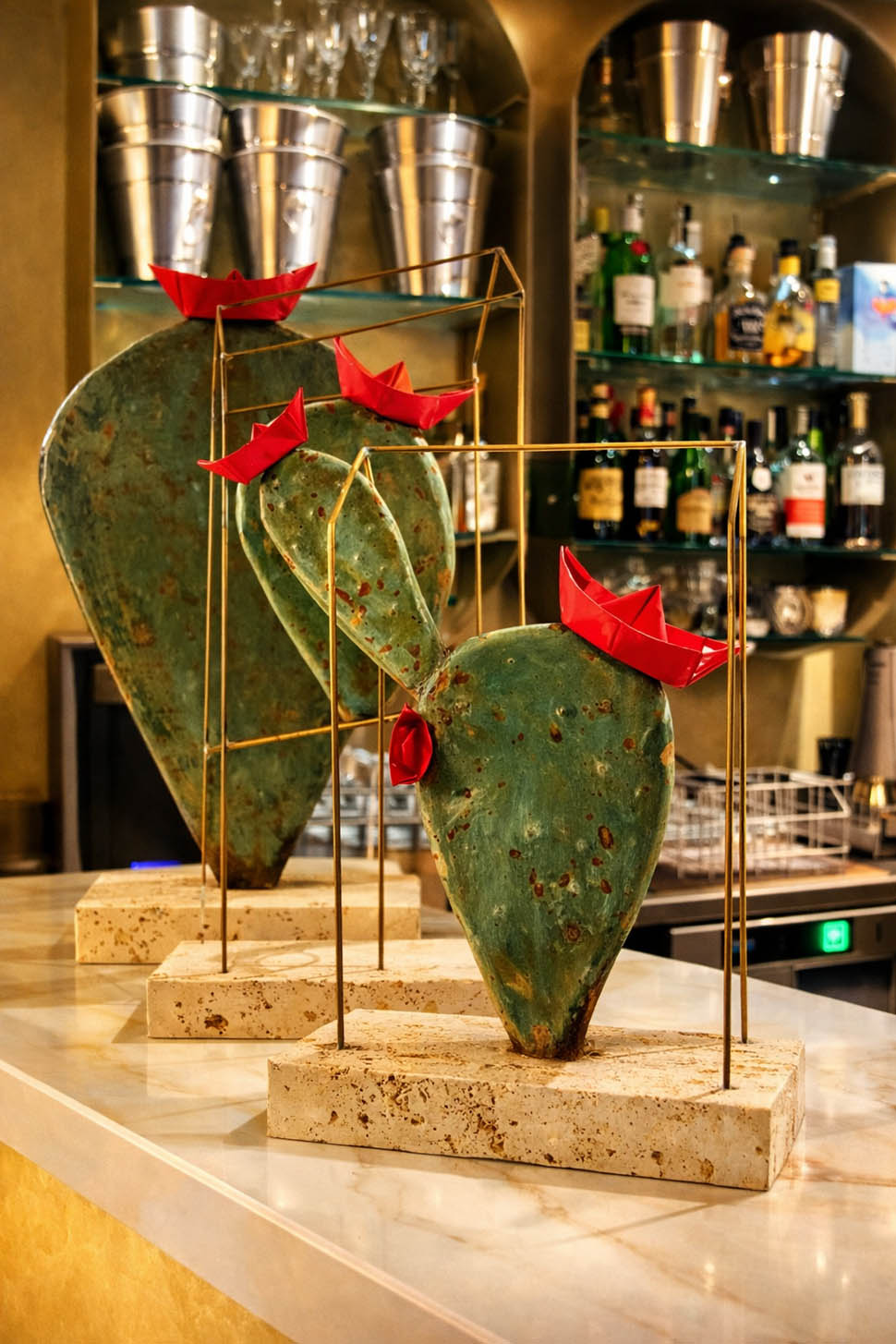
Meanwhile, Sacerno reopens; Dario lights the stoves, Giada oversees the dining room, Francesco adjusts the fittings. Three actions, three roles, one shared vision. The sea returns, graces the plates, remains refined, remains true. The blue crab becomes a treasure, the shrimp becomes pizza, the pink sauce becomes poetry, the strangolaprete becomes a lasting union. In Bologna, it takes courage even for simplicity; it takes courage to say: “Here, fish is home.” Those who leave Sacerno take away a quiet certainty. The sea needs no beaches. All it needs is a table, a knife, a bit of seaweed butter; all it needs is a city willing to listen. At night, Il Re Maiale dreams. He dreams of a wave polishing his crown, he dreams of a fried artichoke applauding, he dreams of a mantis shrimp explaining patience to him, he dreams of a lemon gel placing the word “light” in his mouth—a word he never uses. He wakes up, shakes off the rind, and calls his court chef. “Make me some broth.” The cook brings the broth. King Pig drinks it, then, unseen, adds a drop of lime. Bologna doesn’t tell the newspapers; Bologna knows. Beneath the arcades lies a harbor, a small harbor, a stubborn harbor, a harbor that smells of basil and rocks. From Sacerno, it remains there, creating the sea on the plain, evening after evening. Those who pass by, enter. Those who enter, understand. The fish asks no permission; it works, seduces, consoles. And when the door closes behind you, a slight saltiness lingers, like a sweet secret, like a promise that makes no sound. The sea, in Bologna, is not a guest: it is a neighbor who has learned the Emilian dialect. And chuckles to itself. Today.
Contact
📍 Address
40127 Bologna (BO) – Via di Sacerno 2, Italy
📞 Phone
+39 051 322 550
info@ristorantedasacerno.it
🌐 Website