The restaurant industry is facing one of its most complex challenges: a shortage of staff. This trend began with the pandemic and continues to grow, creating difficulties for restaurant owners and chefs. In Spain, as reported by El País in a recent survey featuring statements from chefs, approximately 70,000 people have left the industry. This is no longer a temporary setback, but a structural shift that calls for reflection on the future of the profession: here is what industry insiders, interviewed by the well-known Spanish network, have to say.
A job must offer much more than just a paycheck
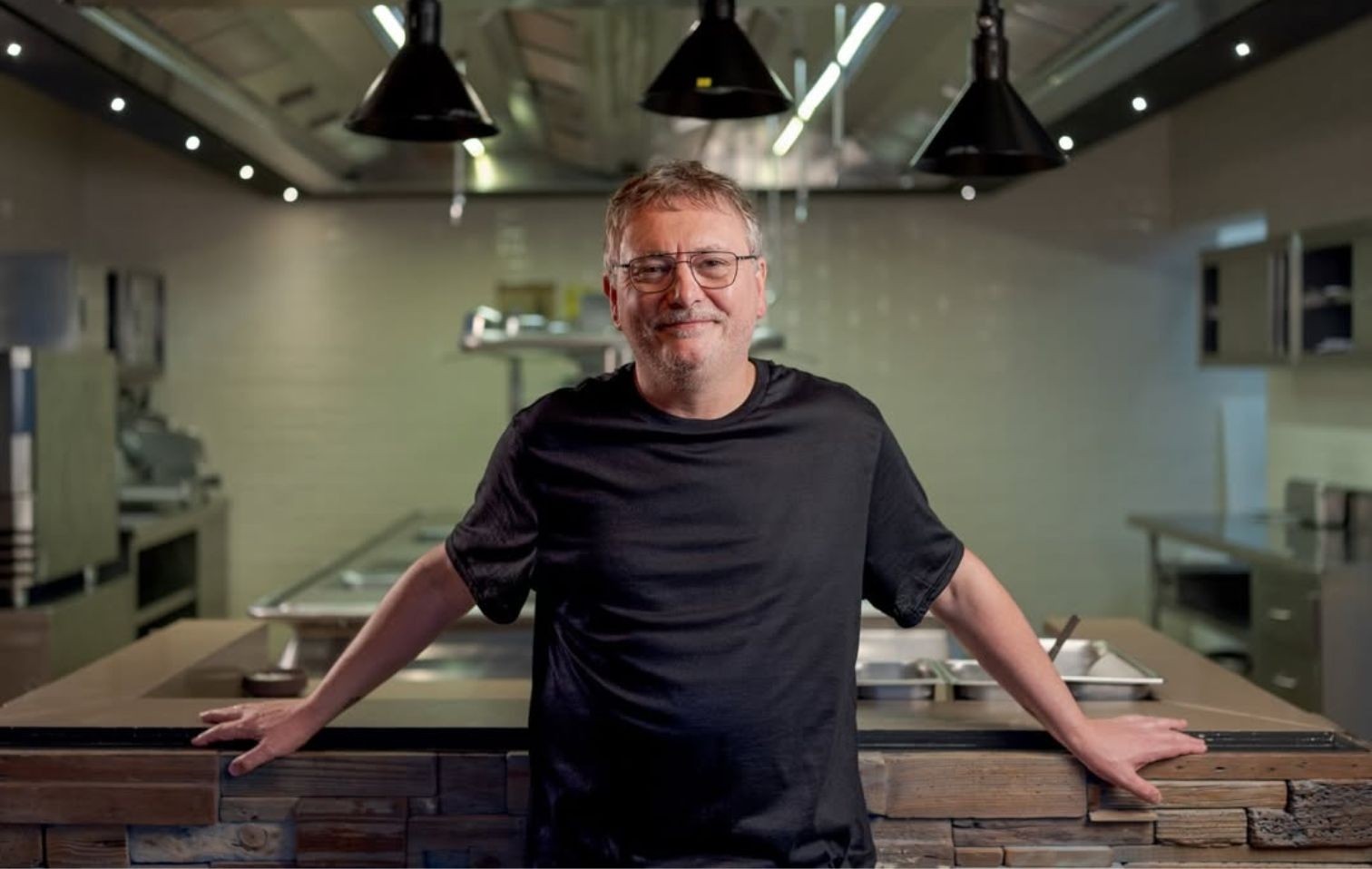
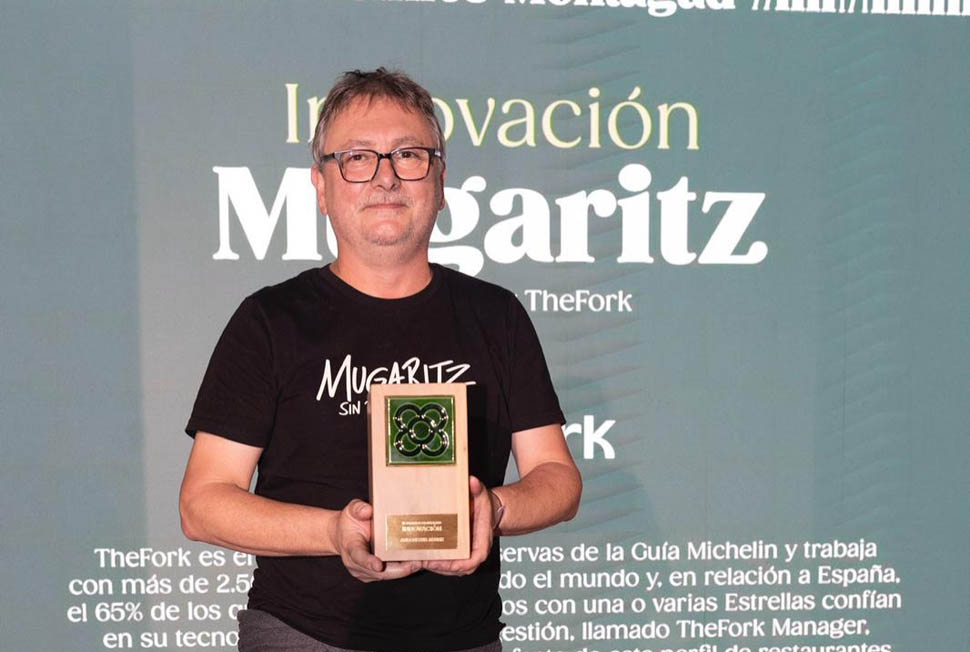
For Andoni Luis Aduriz, head chef at Mugaritz, the issue goes far beyond salary: “If a job only gives you a paycheck at the end of the month, it’s turning you into a slave.” The real challenge is to create environments where people can grow. “A job must give you so much more”, the chef emphasizes, highlighting the importance of decent working conditions, work-life balance, and opportunities for personal growth. It’s no coincidence that “some staff members have been with us for over 20 years.” But what do the other colleagues think?
Training, even knowing they’ll eventually move on
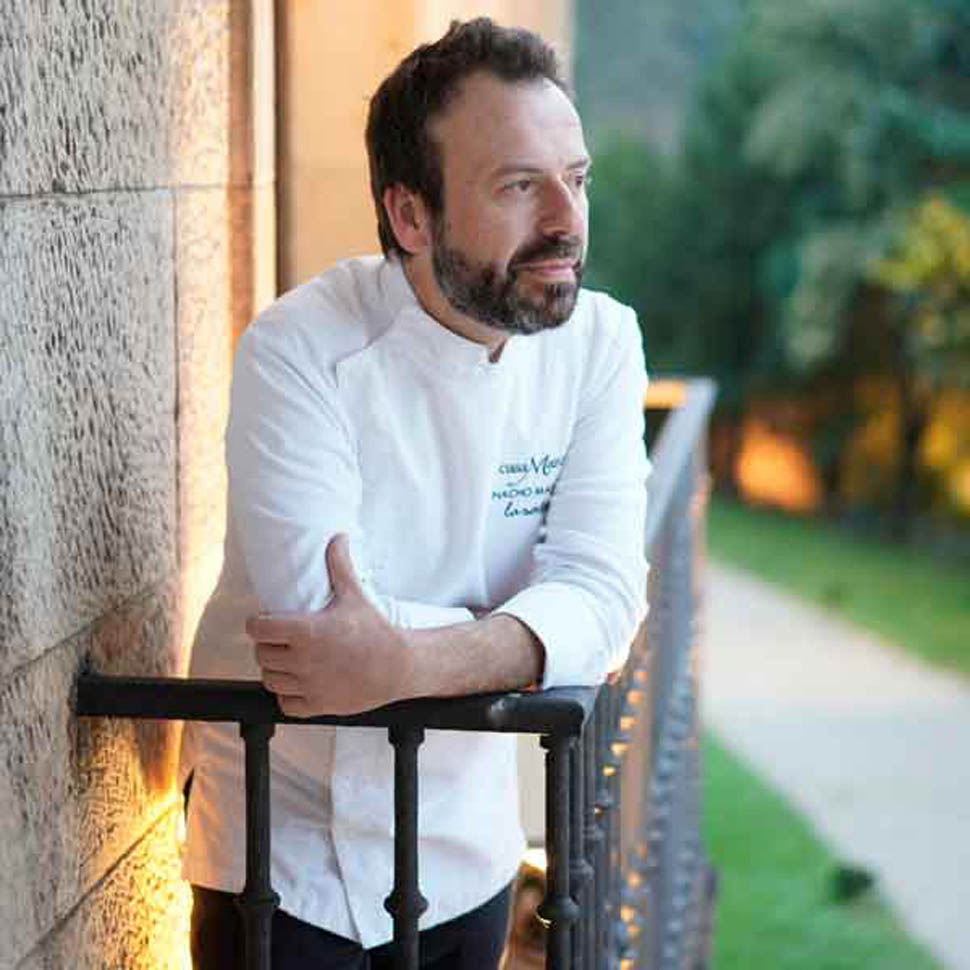
Aduriz’s perspective is shared by Nacho Manzano, who has seen generations of young chefs come and go during his time at Casa Marcial: “We know people come to train and that they’ll only stay for a short time, but I like teaching what I consider important.” In less attractive settings, retaining talent is difficult, but training remains central. And something has changed: “We’ve made a giant leap forward regarding schedules and work-life balance.”
Valuing an Underrated Profession
Furthermore, for Pedro Sánchez, it is necessary to restore dignity to the profession: “We must value a trade that we have denigrated in vocational training.” For years, the idea spread that without an academic background, one could not succeed. Today, however, it is essential to reevaluate work in the restaurant industry as a conscious and qualified choice. Susi Díaz also advocates a different approach, based on in-house training and patience: “What we want is to have committed people. Teamwork is the only way.” It is not a matter of waiting for already trained professionals, but of building skills and motivation over time, creating solid and cohesive teams.
Motivation and Environment: The New Priorities
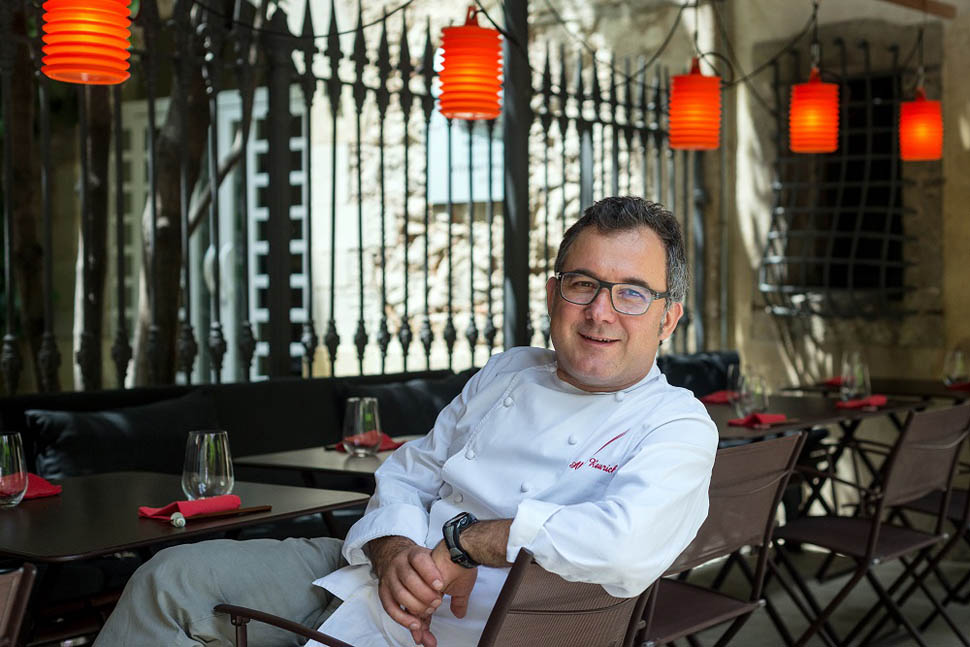
Yet, a restaurant’s mission does not always align with a training objective. Some examples? For Albert Raurich, motivation cannot be taught: “I don’t have to instill passion: I have to choose people who already have it.” The restaurateur’s role is then to create a stimulating and attractive environment where staff can grow professionally. The quality of work life is also becoming increasingly central: respect, dialogue, and well-being are now decisive factors in retaining talent.
A New Model of Hospitality
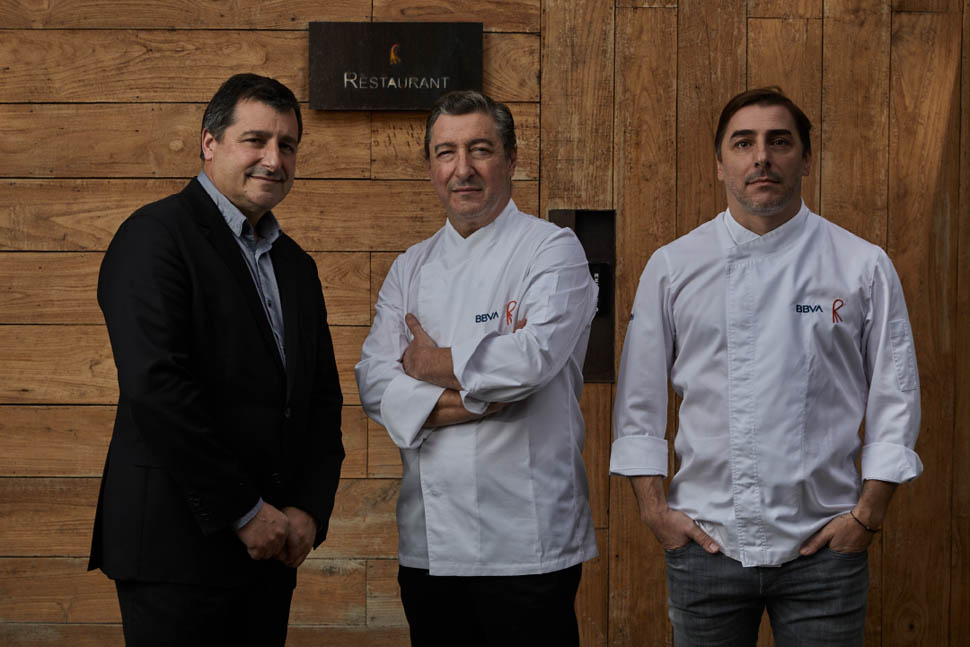
Even established establishments like El Celler de Can Roca demonstrate that another model is possible. As Joan Roca states: “We continue with the same creative spirit and by doing what we love.” An approach that, combined with investments in research and a focus on people, helps attract and retain talent.
The future depends on people
The staffing crisis in the restaurant industry is not just a matter of numbers, but a cultural one. The industry must evolve by putting people first. Only then will it be possible to build a sustainable future for a profession that, now more than ever, needs balance, vision, and humanity.