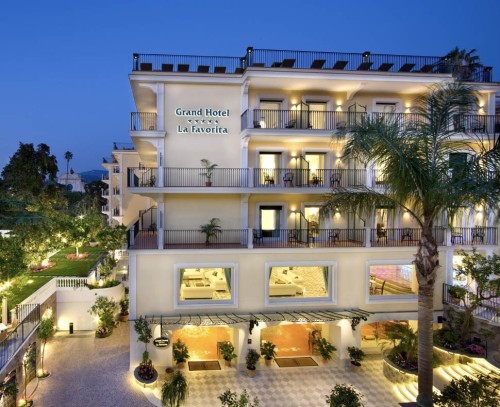
A five-star boutique hotel that combines Venetian elegance with the charm of the Amalfi Coast. With 27 rooms, a family history, and locally sourced cuisine, it’s one of the places to keep an eye on, just a short walk from Positano.
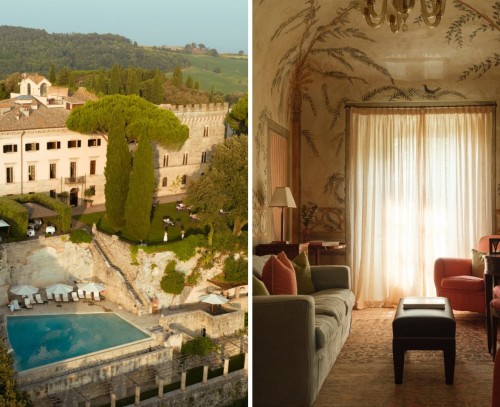
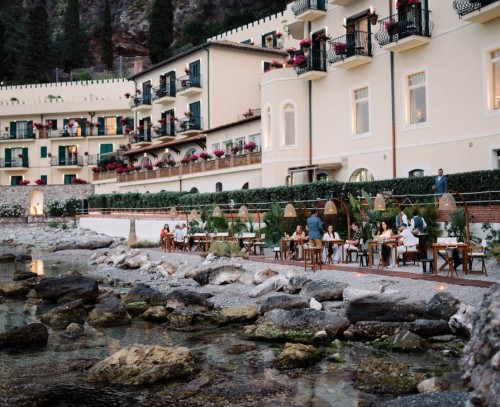
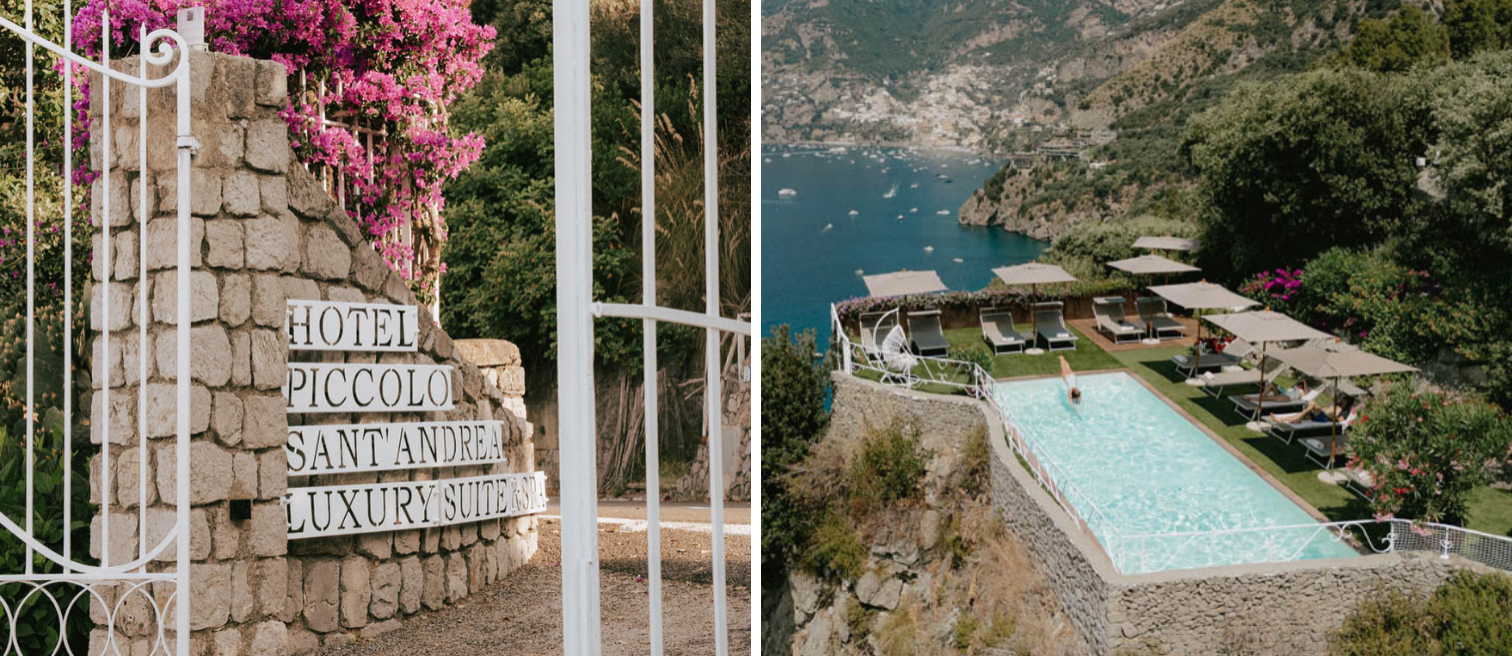
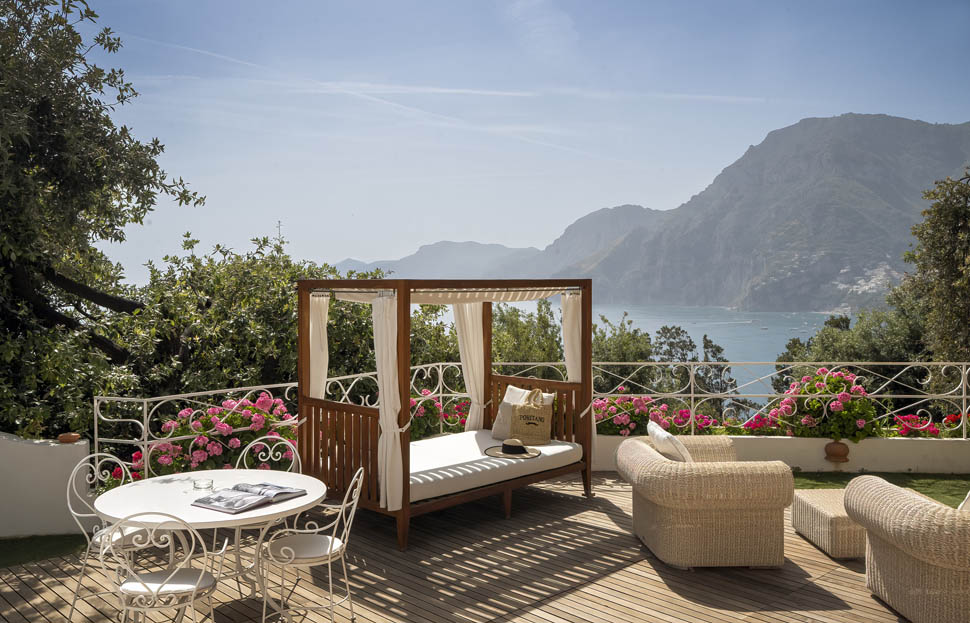
The Piccolo Sant'Andrea can be reached by leaving the hustle and bustle of Positano behind, even though, in reality, only a single narrow street separates the boutique hotel from the coast’s most famous postcard view. It is here, in Praiano, that the Amalfi Coast offers a different perspective. On one side, the white stone, the scent of the Mediterranean scrub,the blue that stretches as far as the eye can see toward Positano and Capri; on the other, exquisite fabrics, works of art, refined furnishings, and a family history that begins in the Venetian lagoon and ends among the rocks of Praiano. It is a hotel whose name embodies its very essence: “Piccolo” because it has just twenty-seven rooms, but above all because it chooses to make intimacy its defining feature, far removed from the spectacle that often characterizes the Amalfi Coast.
A Family Home Turned into a Hotel
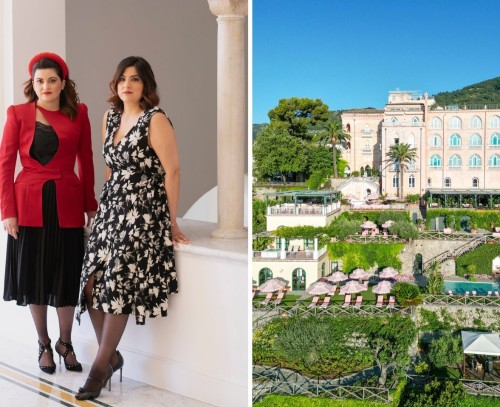
Today it is a 5-star boutique hotel carved into the rock, yet there was a time when Il Piccolo Sant'Andrea was simply a home. It belonged to the Venetian entrepreneur Odino Sartori and his wife Romana, who, during a trip along the Amalfi Coast, were so captivated by a promontory called Pietra Piana that they made it their private residence. Only later was that residence expanded and transformed into a hotel, while still preserving the home’s original character. Today, their children Igea, Bruno, Elvio, and Francesco carry on that vision, continuing to manage the hotel with the same almost homely care they extended to their very first guests.
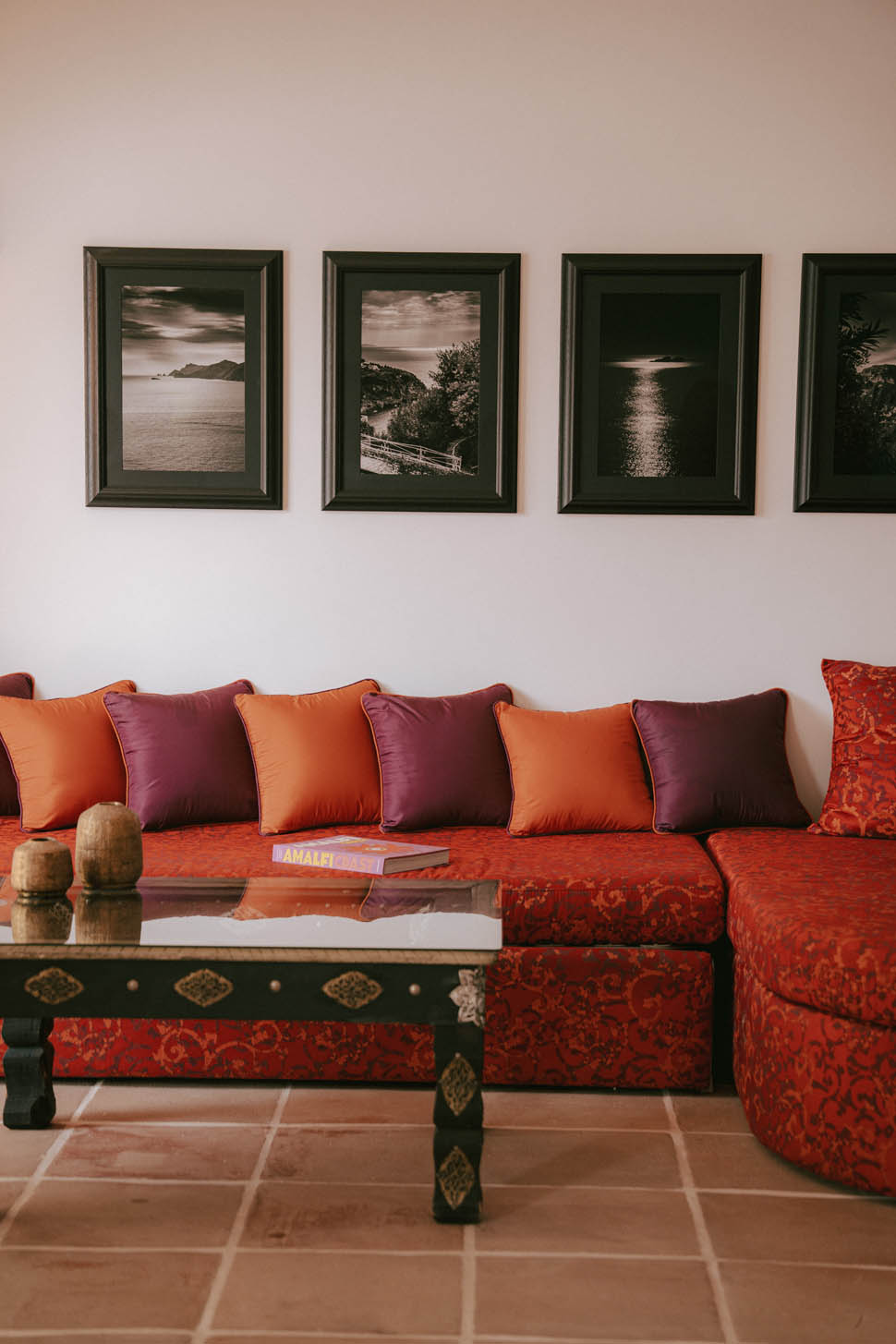
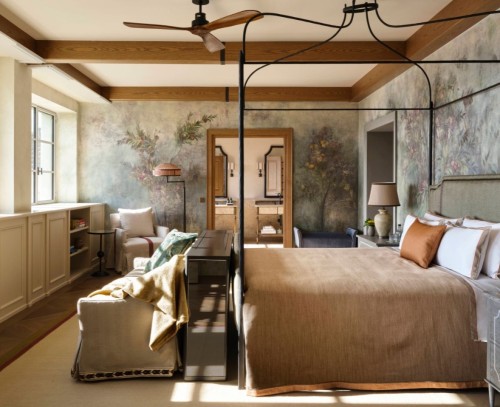
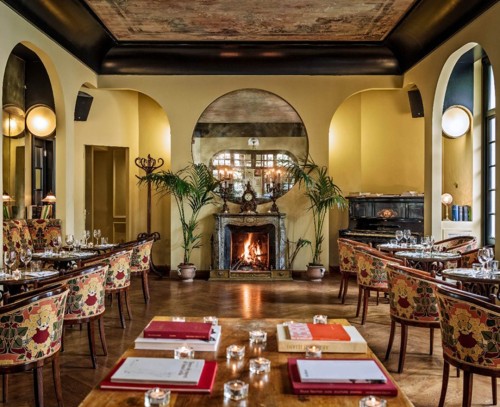
The 27 rooms and suites are spread over five floors and open onto panoramic terraces, private gardens, and open-air showers, while the two flagship suites—Odi and Igea—each offer a unique interpretation of the connection between the Sartori family and the Mediterranean landscape. The Venetian spirit shines through in the Rubelli fabrics that adorn the headboards, in the references to lagoon craftsmanship, in the furnishings, and above all in the works from the Venetian Ravagnan Gallery scattered throughout the common areas. Guests can even purchase the paintings and sculptures, transforming their stay into a blend of hospitality and art collecting.
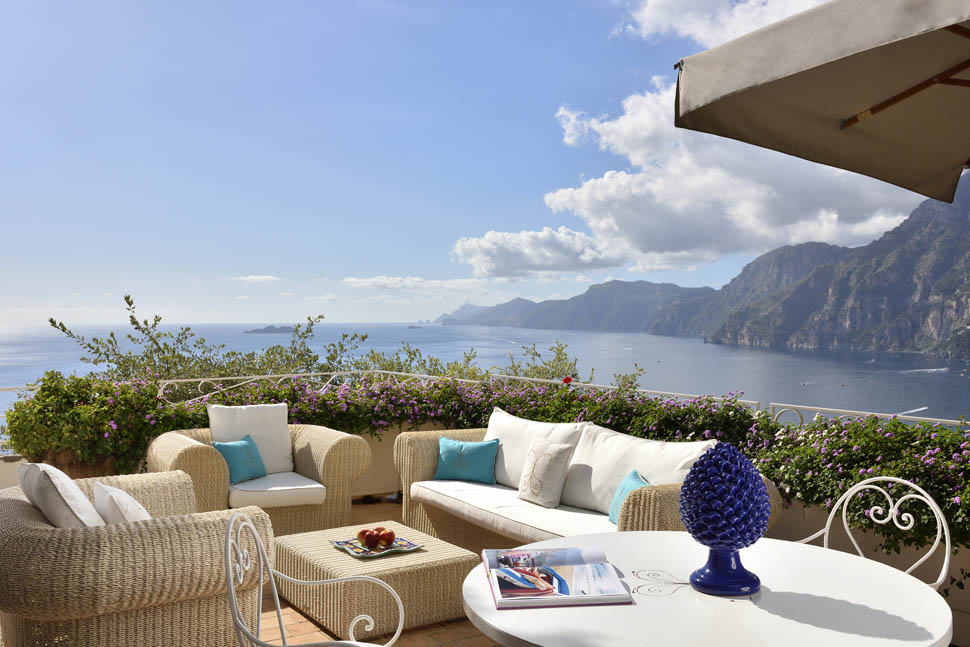
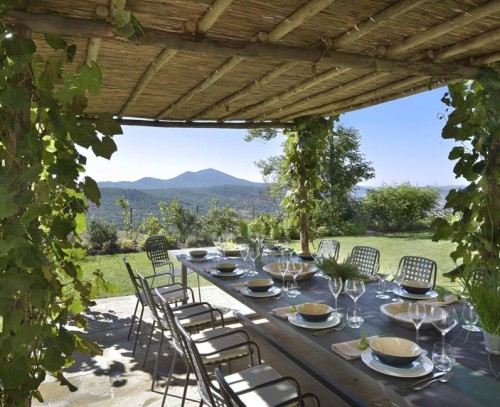
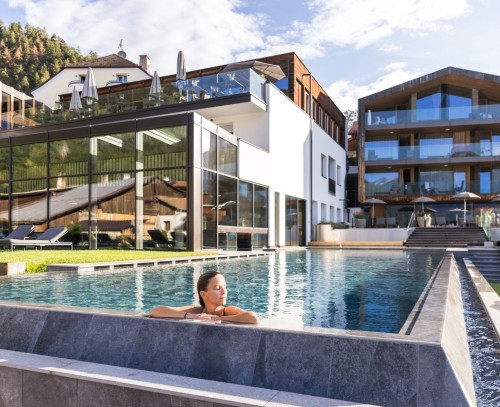
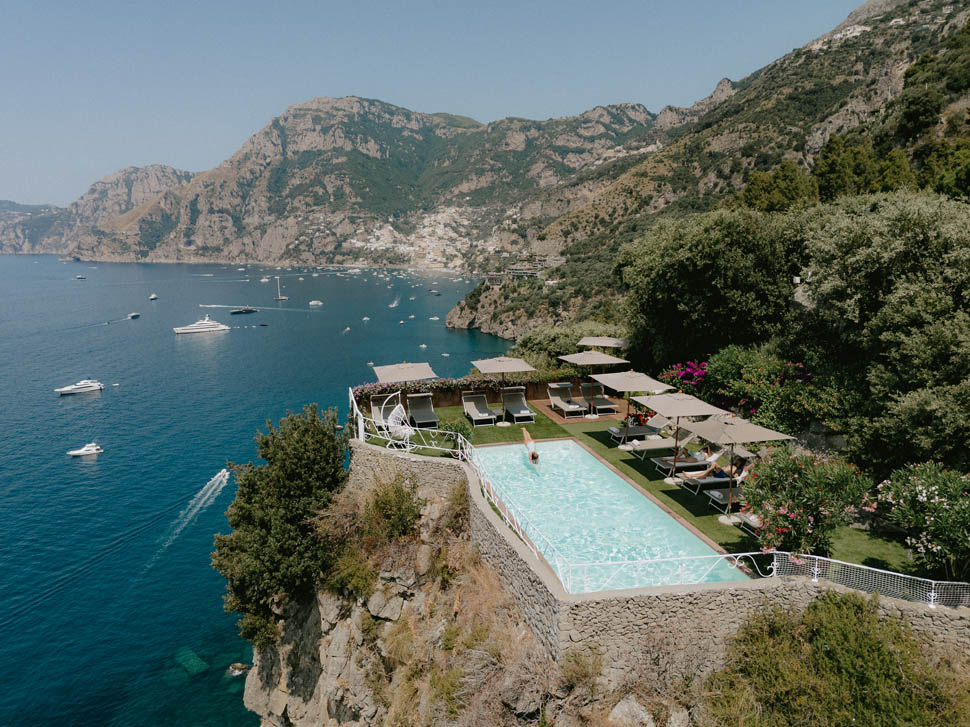
The wellness experience at the Piccolo SPA also follows the same philosophy: a heated indoor pool with a waterfall and hydromassage jets, a sauna, a Turkish bath, a sensory shower, treatment rooms, and a massage room come together to create an intimate and peaceful retreat, designed to complement the slow pace of your vacation. Outside, however, the Infinity Pool opens onto the Amalfi Coast landscape, offering a view that takes in the Isola dei Galli and the Faraglioni of Capri; while the Vitality Garden provides a space dedicated to physical activity, nestled amid the greenery of the Mediterranean scrub. At 110 meters above sea level, the Piccolo Sant’Andrea is the highest hotel on the Amalfi Coast—so much so that Positano seems to lie right at guests’ feet, while Capri appears in the distance on the clearest days. Yet, despite its proximity to one of Italy’s most photographed destinations, a surprisingly peaceful atmosphere reigns here. Few guests, a personal connection with the staff, and the constant feeling of staying in a home overlooking the Mediterranean rather than in a traditional five-star hotel.
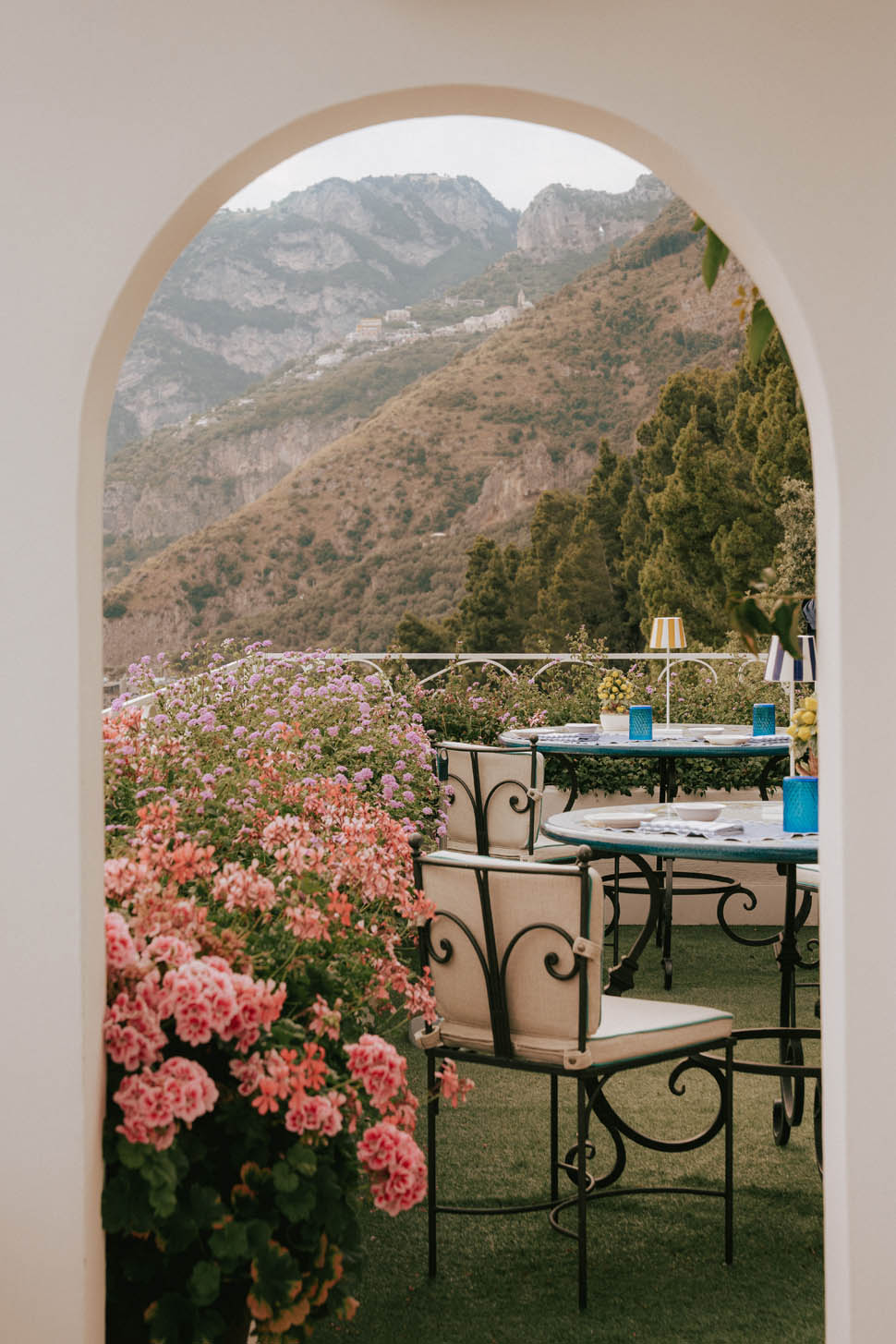
Pietro Rossi’s Cuisine: Campania Tradition, Technique, and a Table Overlooking Positano
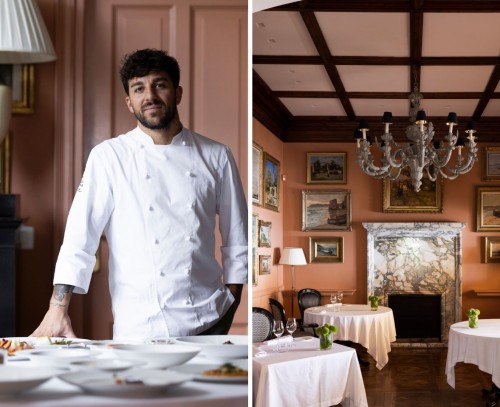
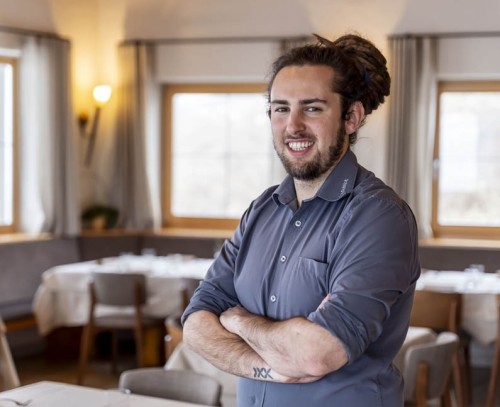
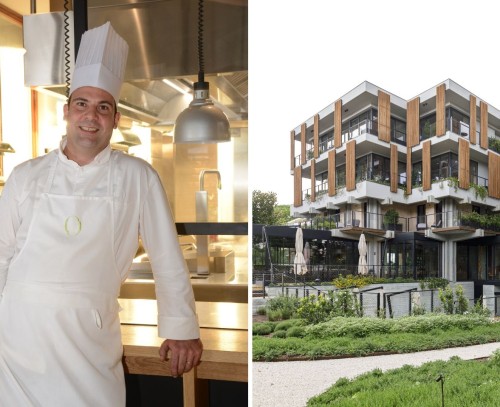
While the hospitality at Piccolo Sant’Andrea stems from a family history, its culinary offerings seek to do the same with the heritage of the Amalfi Coast. At the helm of the Pietra Piana Restaurant—open for dinner and boasting a breathtaking view at sunset—is Pietro Rossi, a chef who, over the past fifteen years, has forged his own path by working alongside professionals such as Luigi Tramontano and Fabrizio De Simone, refining a cuisine rooted in the region yet grounded in the present. His work follows three distinct principles: highlighting the quality of the ingredients, respecting their seasonality, and lightening the traditional approach without stripping it of its identity. The sea, vegetable gardens, citrus fruits, and aromatic herbs of the Amalfi Coast thus become the common thread of a menu that avoids unnecessary showmanship and instead lets the ingredients speak for themselves. Alongside the fine-dining restaurant are two other venues: the Garden Bistrot, nestled in the greenery, offers a more casual lunch experience with light dishes that reinterpret traditional local recipes, while the Panorama Bar is the perfect spot for an aperitif, featuring cocktails inspired by the scents of the Mediterranean scrub.
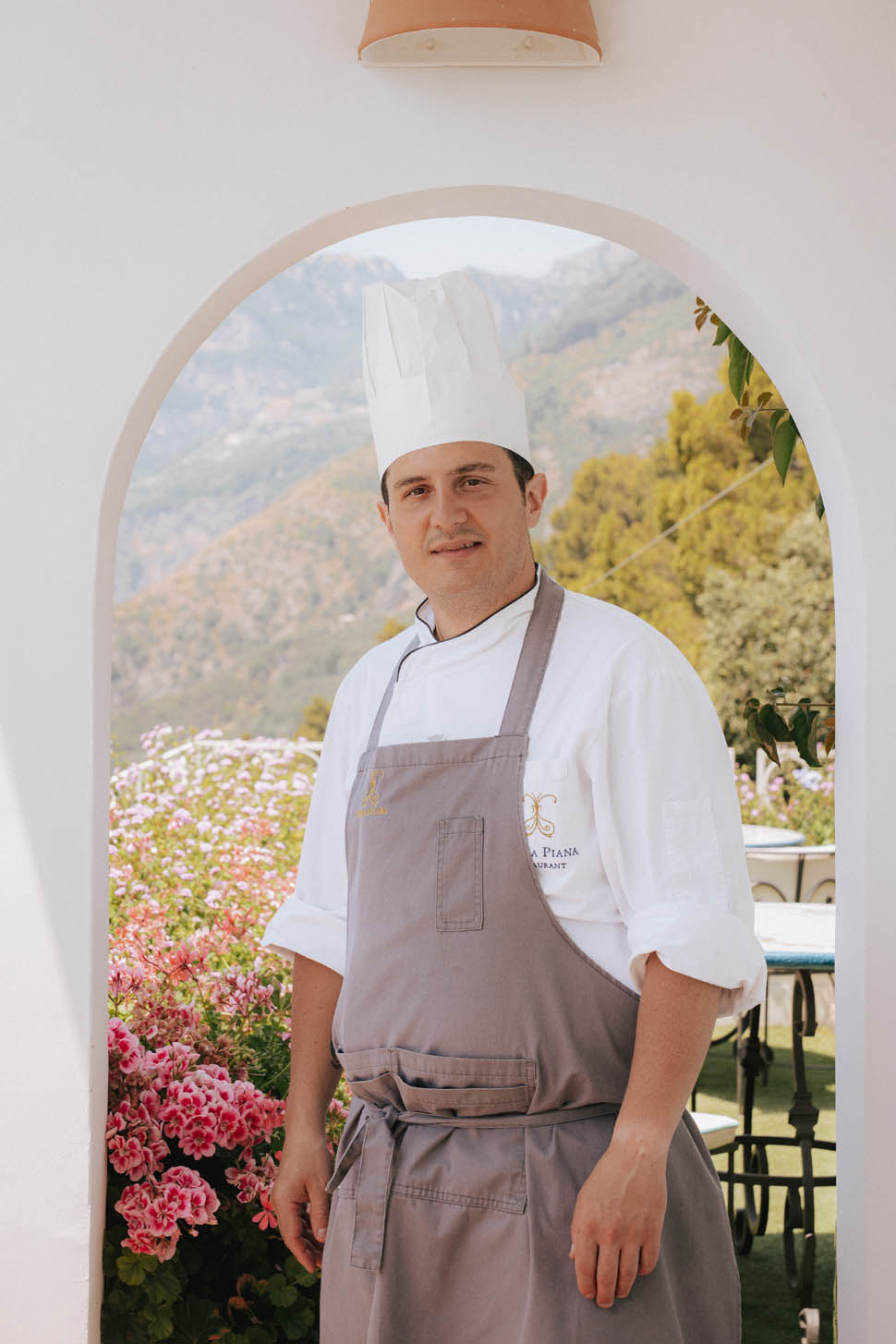
Rossi arrived at Piccolo Sant’Andrea just two years ago and recounts his journey with great candor. “Today, people are tired of sitting at the table for hours on end. Two or three courses at most—then they want to go out, explore the area, and enjoy the evening,” he explains. It’s an observation that aptly captures the shift in the dining scene in a destination like the Amalfi Coast. That’s why the cuisine at Pietra Piana strives for balance even more than for amazement: moderate portions, clean flavors, and service that complements the meal without being overwhelming. The chef doesn’t shy away from acknowledging the challenges of working in one of Italy’s most competitive culinary regions. “Here on the Amalfi Coast, there’s a lot of competition, and we’re a young establishment. Next year we’ll celebrate our tenth anniversary, and we’re striving to do our very best every day.” This journey also involves Pastry Chef Alessio Maresca, who is responsible for both the restaurant’s desserts and the breakfast menu—another central part of the experience. “The goal,” Rossi reiterates, “is to convey a sense of familiarity to our guests—the same atmosphere that characterizes the rest of the hotel and that becomes the defining memory of their entire stay.”
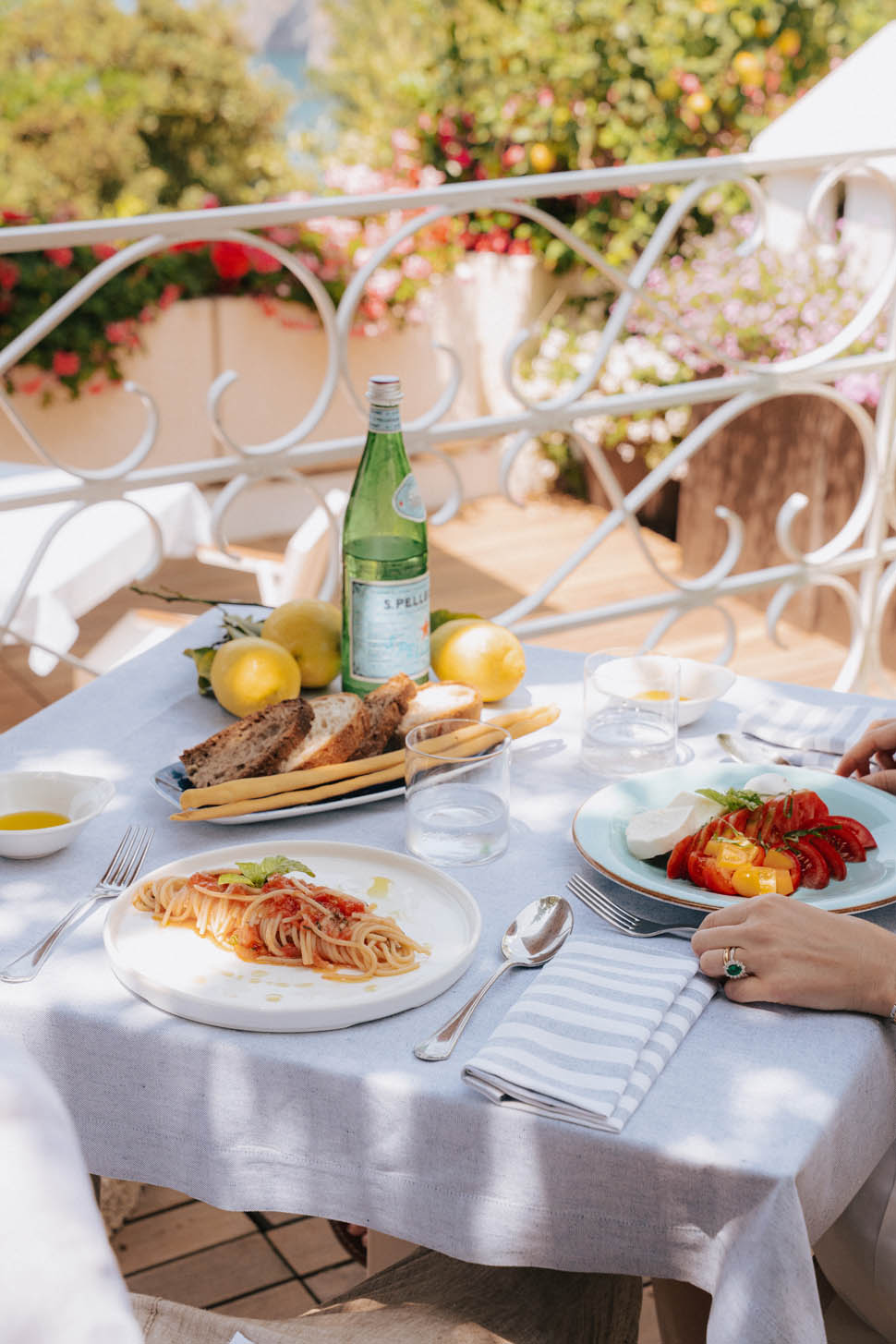
Dishes that reflect the region, with simplicity and restraint
Dinner begins with a series of small tastings that immediately introduce the restaurant’s culinary style. A steamed bread roll with tuna sauce, fried capers, and red pepper powder kicks off the meal, alongside an arancino lightened with yogurt sauce and lemon. Next come amuse-bouches that play with textures: mantis shrimp croquettes, a mock tomato-stuffed provola, a personal take on bruschetta, and a surprising arugula sorbet, culminating in jasmine-scented napkins that evoke one of the most common scents in the garden that surrounds the restaurant. Among the appetizers, the reinterpretation of the tomato stands out: a crispy tartlet with brunoise of tomato, celery, and onion; a mousse that evokes the flavor of a summer salad; and a mozzarella ice cream that adds freshness without being overpowering.
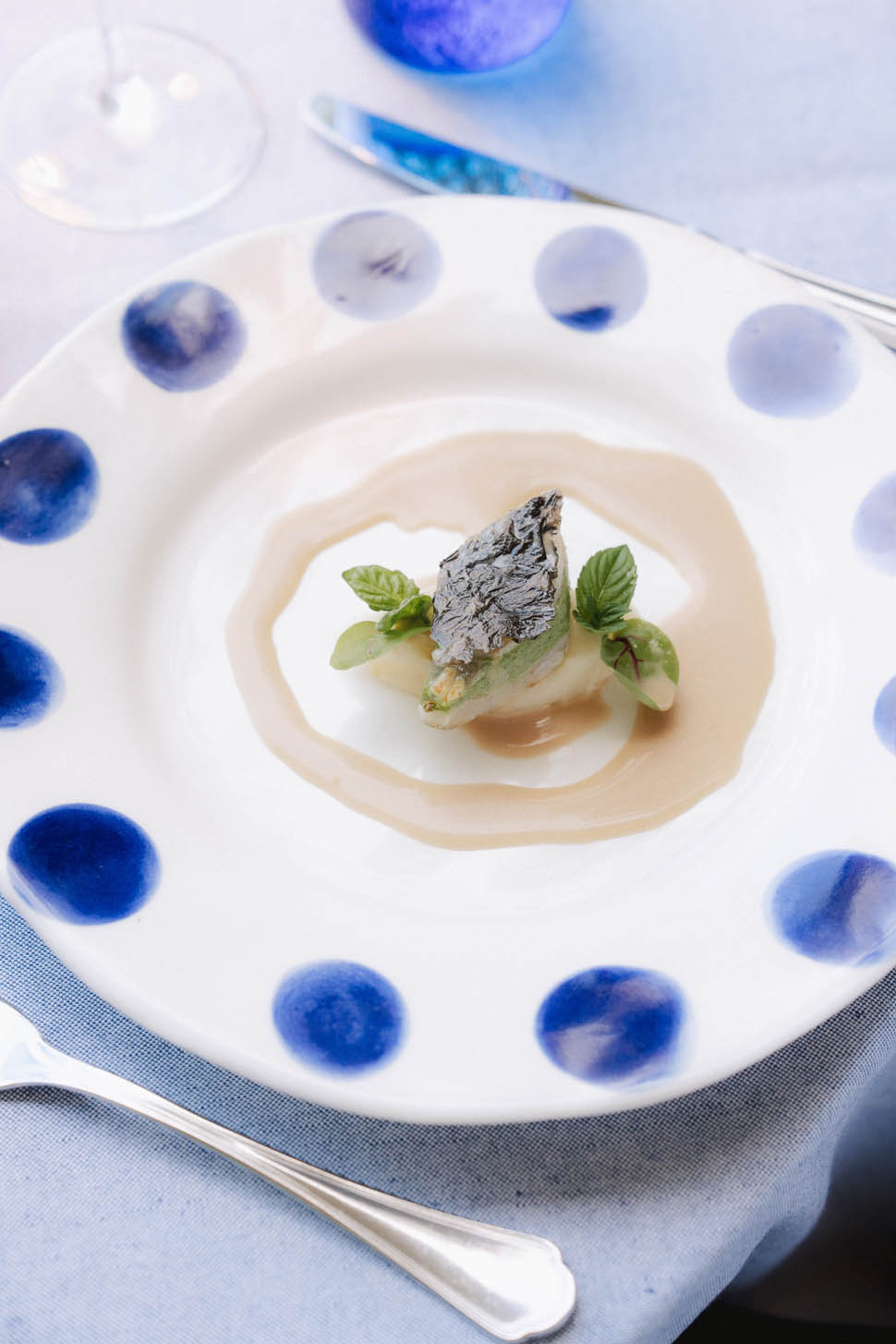
Also interesting is the reinterpretation of the Genovese, transformed into a dish that reverses the roles of the main ingredients: the pasta, in the form of dried chips, takes a back seat to a tender bite of meat and a fried croquette, served with a Genovese reduction. The highlight, however, comes with the fusillone from the Gragnano pasta makers. The cuttlefish ragù—featuring both cooked and raw cuttlefish—is paired with julienned strips reminiscent of tagliatelle di mare, while the burnt lemon powder adds depth without overpowering the delicacy of the cuttlefish; rather, it complements the bold chewiness of the fusillone, cooked al dente. It’s a balanced, straightforward dish that captures the essence of the region with simplicity. Next comes the tuna ventresca, with marinara sauce and a black garlic reduction, followed by a series of desserts centered around citrus fruits—including sorbets and semifreddi—with balsamic notes that bring the meal to a light and airy close. On one hand, a cuisine still in full evolution, defining its boundaries with personality; on the other, a view that seems to steal the show without ever overshadowing what arrives at the table. And it is perhaps precisely here that Piccolo Sant’Andrea finds its most authentic identity.
CONTACTS
Via Campo, 15 84010 Praiano (SA);
info@hotelpiccolosantandrea.com
Tel: +39 089 813087
Website