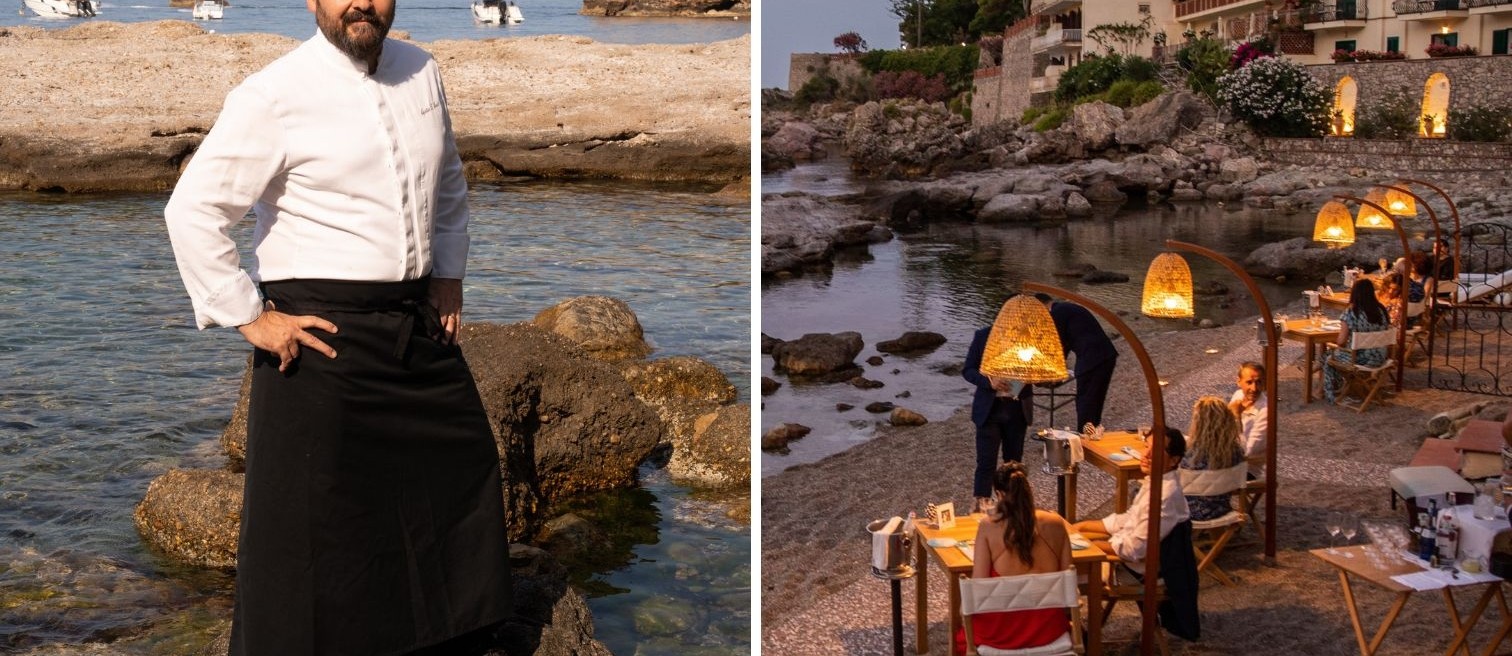
In addition to a setting that is sure to captivate and amaze, the restaurant offers a down-to-earth fine-dining experience, where the chef’s Sicilian roots blend with aesthetic innovation and exceptional ingredients. Discover the hospitality and culinary offerings at Belmond Sant’Andrea.
The Hotel
Arriving in Taormina is always a fresh thrill, because this Sicilian town, perched on the slopes of Mount Tauro and overlooking the Ionian Sea and Mazzarò Bay, is a destination with a charm all its own. This has been the case since the days of the Grand Tour, especially between the late 18th and 19th centuries, when Sicily became, for many European travelers and aristocrats—from writers like Goethe to painters like Otto Geleng—the crowning achievement of their formative journey.
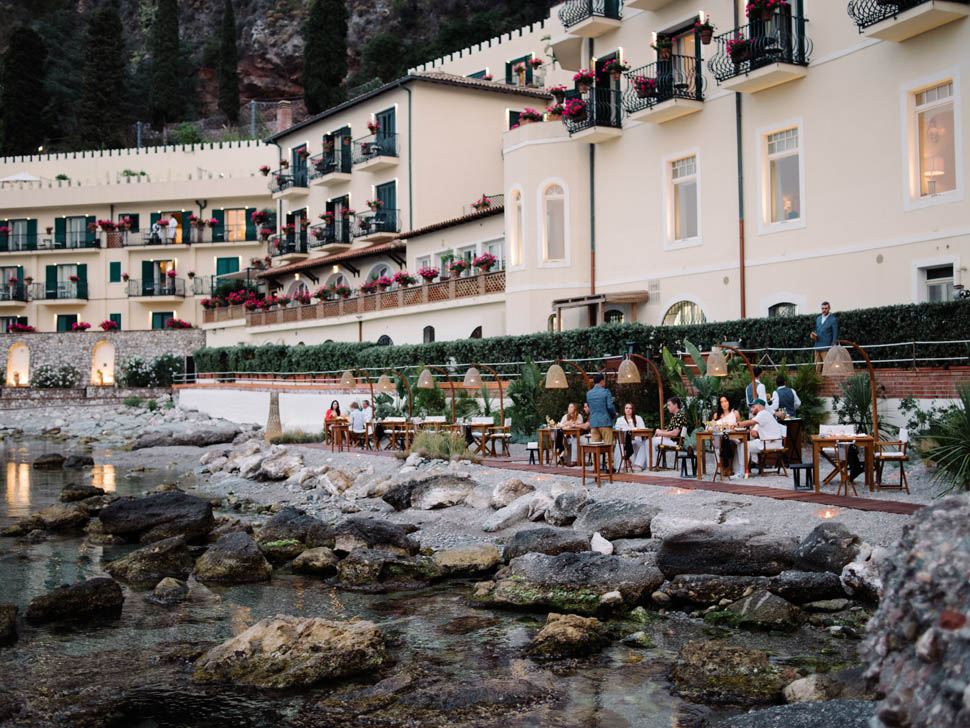
The history of Villa Sant'Andrea is intertwined with that of Taormina: the villa’s origins date back to the late 19th century, when the English engineer Robert Trewhella—after working on major railway infrastructure projects in Sicily—fell in love with Mazzarò Bay and had the family residence built there, which was completed in 1919 by his son Alfred Percy. After World War II, the villa was converted into a small hotel. It subsequently became a gathering place for prominent figures from the worlds of cinema and culture of the time; among others, Burt Lancaster, Richard Burton, Elizabeth Taylor, and Peter O’Toole stayed there. The connection to Francis Ford Coppola is attested to by the words of Richard Manley, Alfred Percy’s grandson and owner of the villa since 1965: “He wanted to stay in Sicily to shoot some scenes from *The Godfather*. For about six weeks, we hosted several members of the cast, including Al Pacino, who was still unknown at the time.”
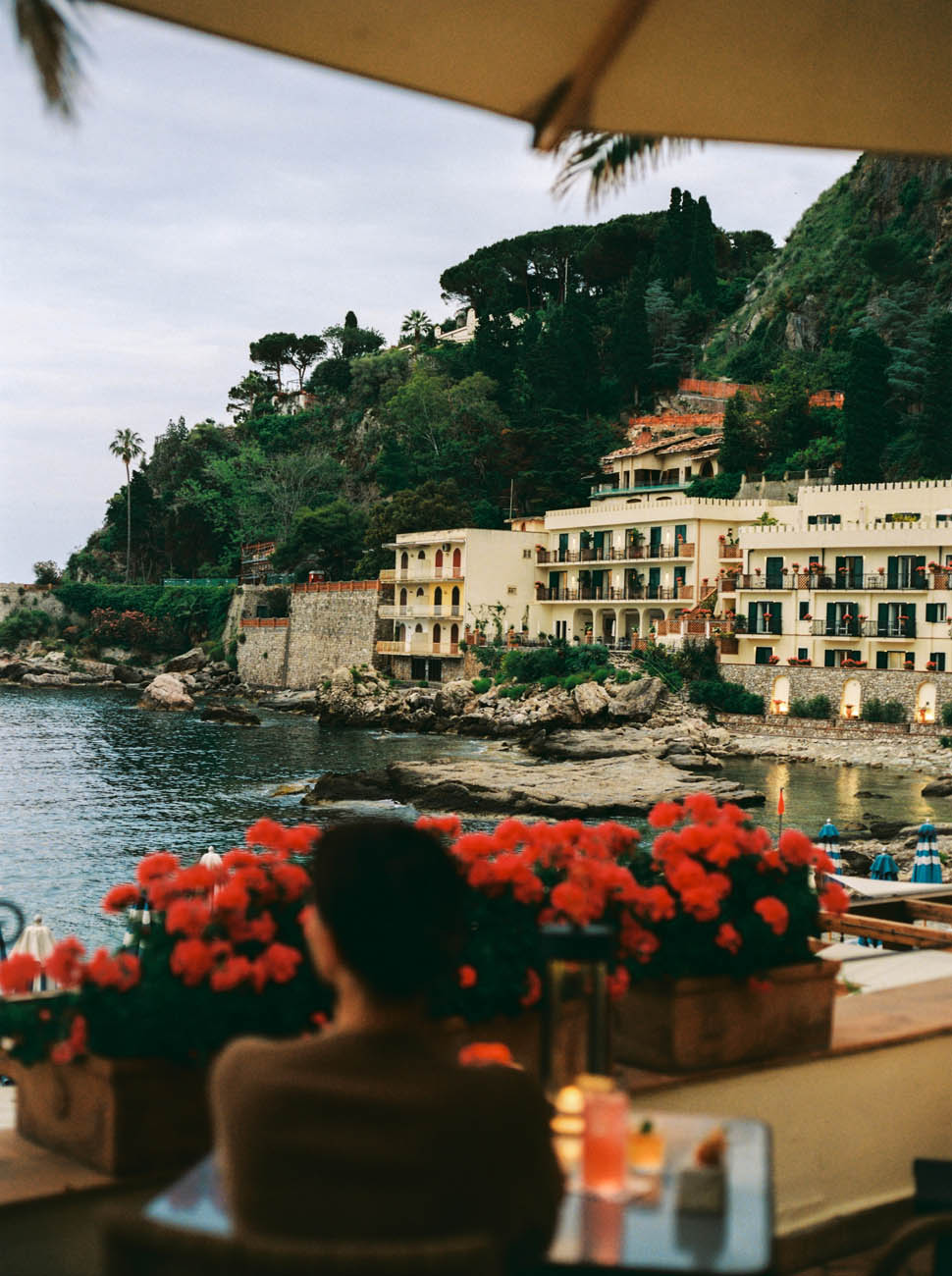
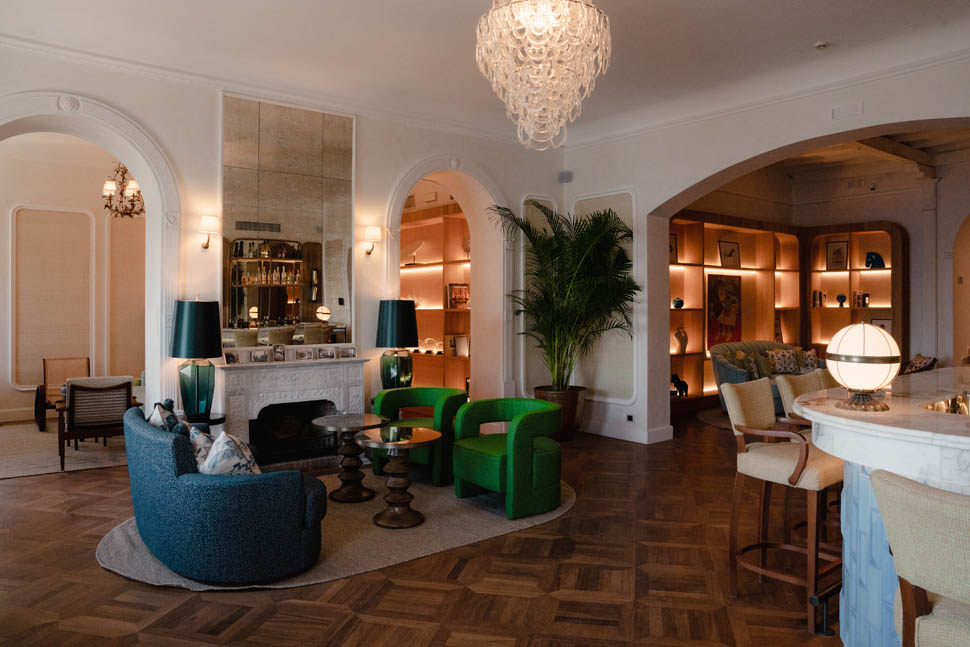
Since 2010, the property has been part of Belmond and, since 2019, of the LVMH group, undergoing a renovation process that has transformed the interiors—inspired by mid-20th-century design—and the hotel’s offerings. Today, Villa Sant’Andrea, overlooking Mazzarò Bay, boasts a stunning private beach and beautiful subtropical gardens, as well as spacious areas dedicated to relaxation, and also offers guests a wide variety of activities, including an interesting tour of the Ganzirri lagoon, one of the iconic sites of Italian mussel farming: Here, for centuries, mussels and clams have been farmed using traditional techniques in the brackish waters where the Ionian and Tyrrhenian Seas meet. It was a captivating experience that we enjoyed, culminating in a dinner at the fisherman’s home who had accompanied us on our journey to discover the secrets of mussel farming.
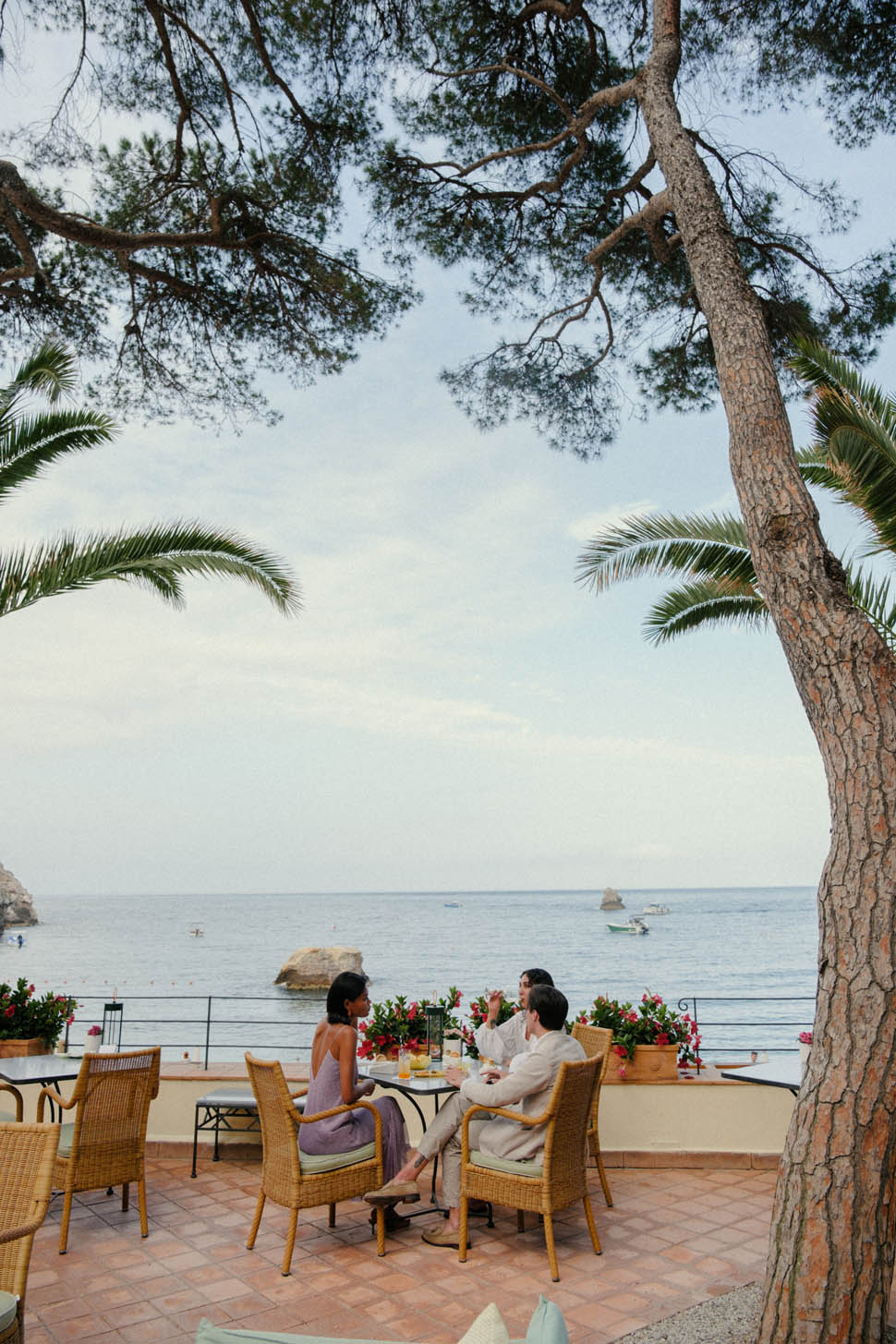
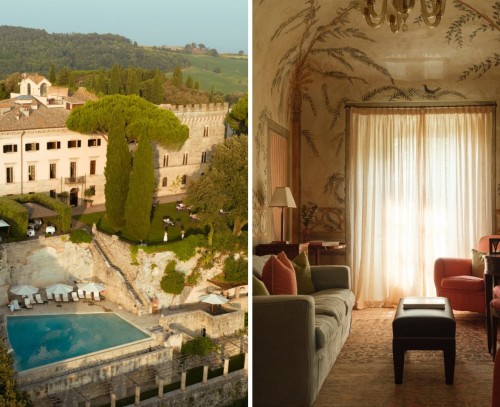
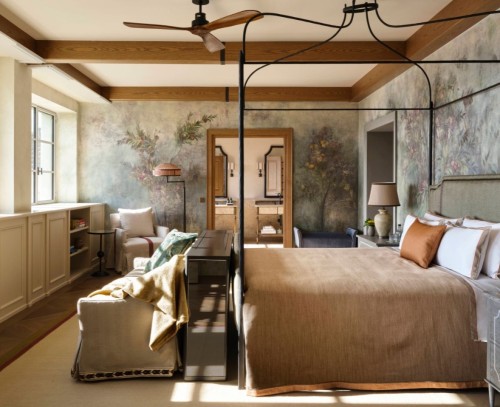
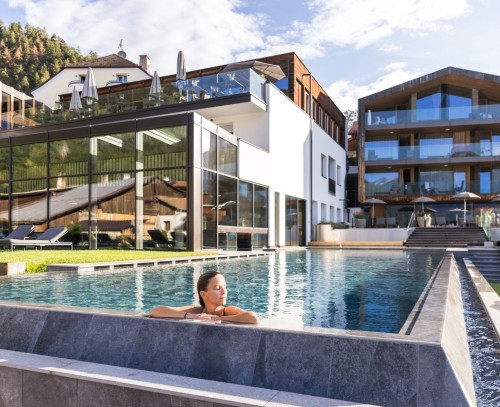
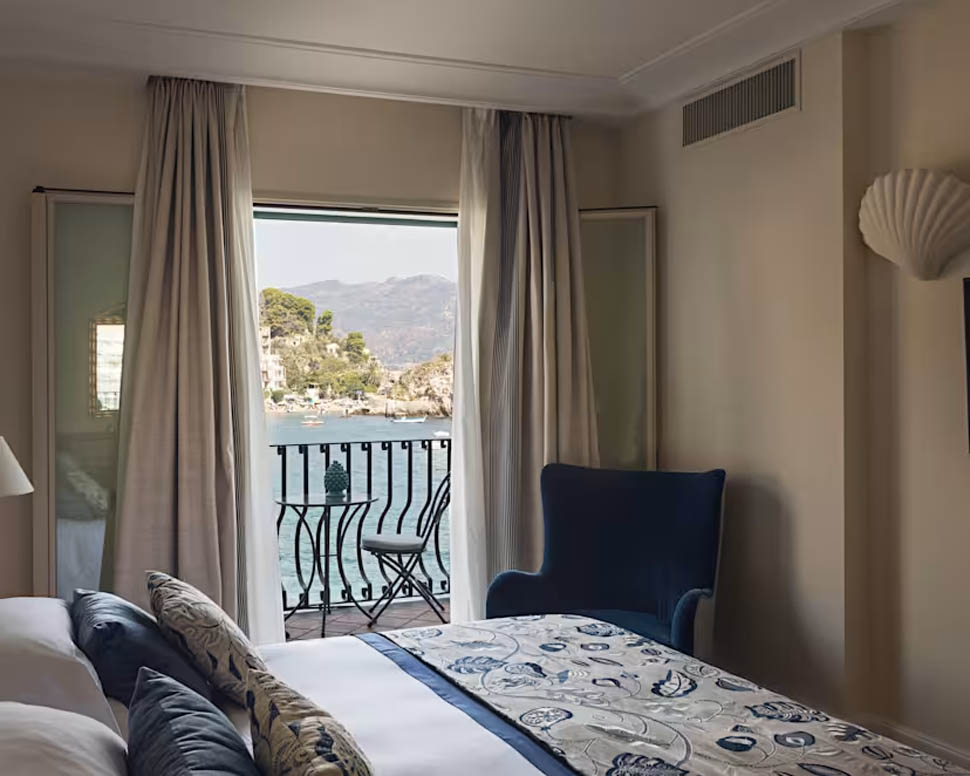
The hotel features 66 rooms and suites, many with balconies or terraces overlooking the bay, all with a unique character. The interiors feature primarily natural materials—marble, wood, and touches of Sicilian craftsmanship—much like a grand seaside home. The infinity pool is particularly beautiful; the hotel also offers a wellness center, a gym, and a shuttle service connecting it to the Grand Hotel Timeo, part of the same group, in the historic center of Taormina.
Dining and the Chef
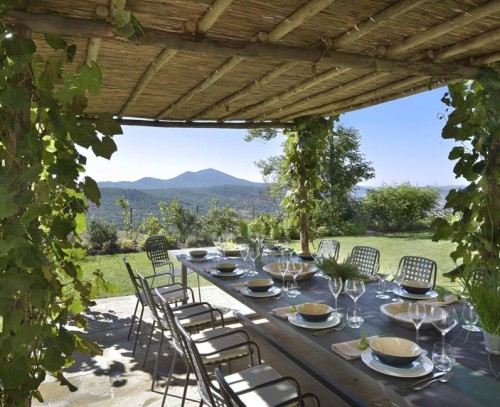
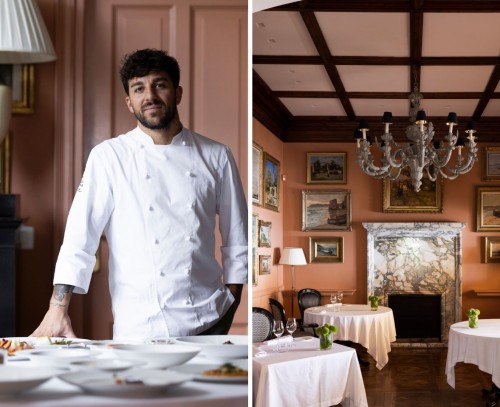
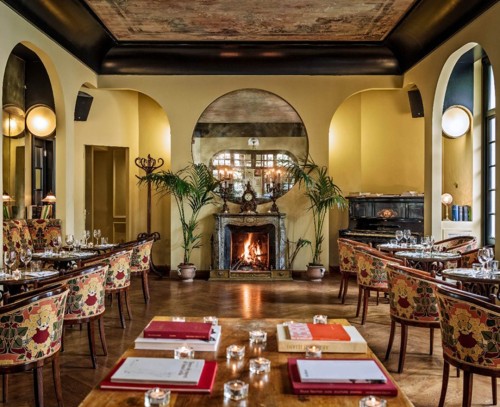
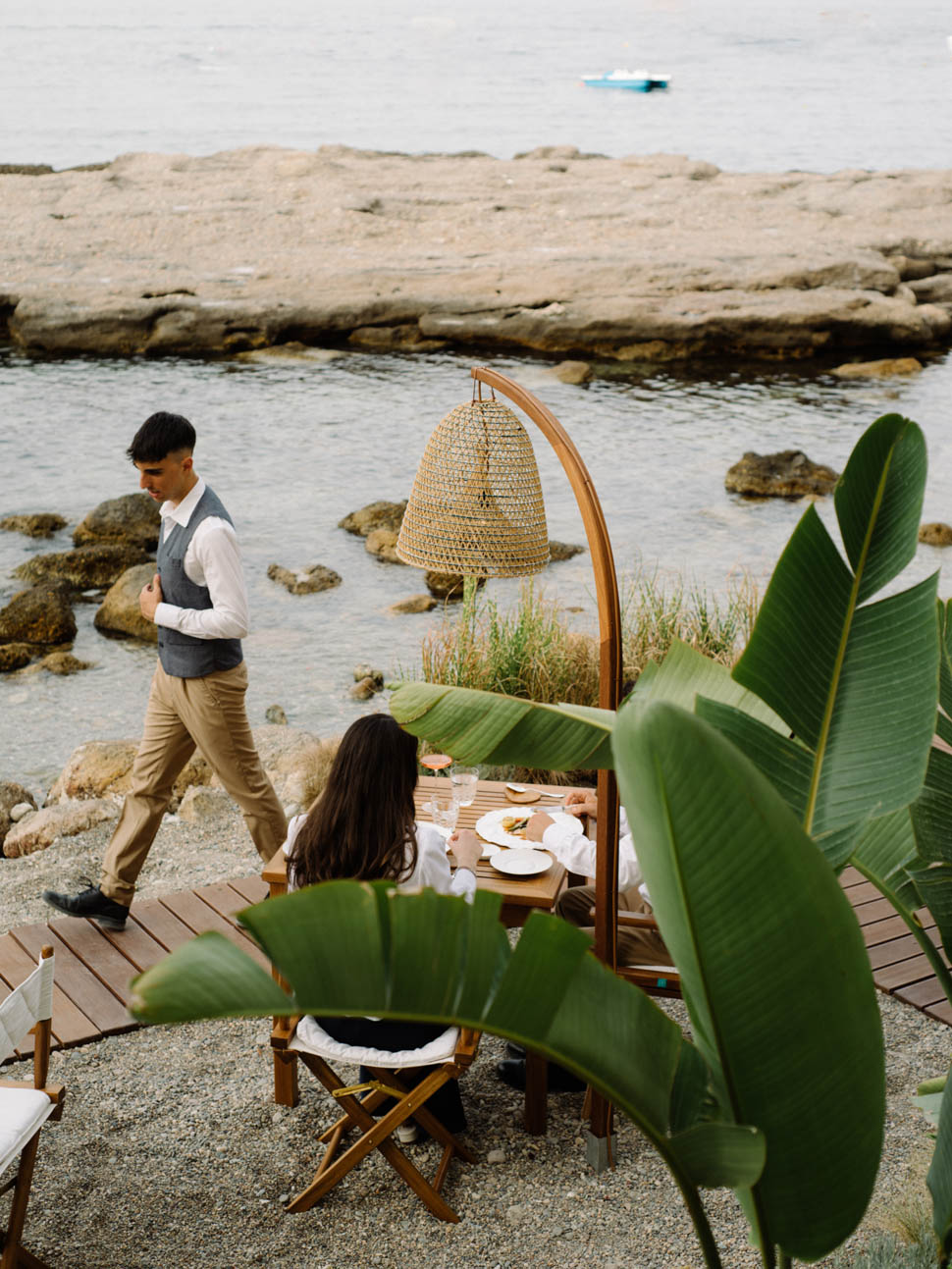
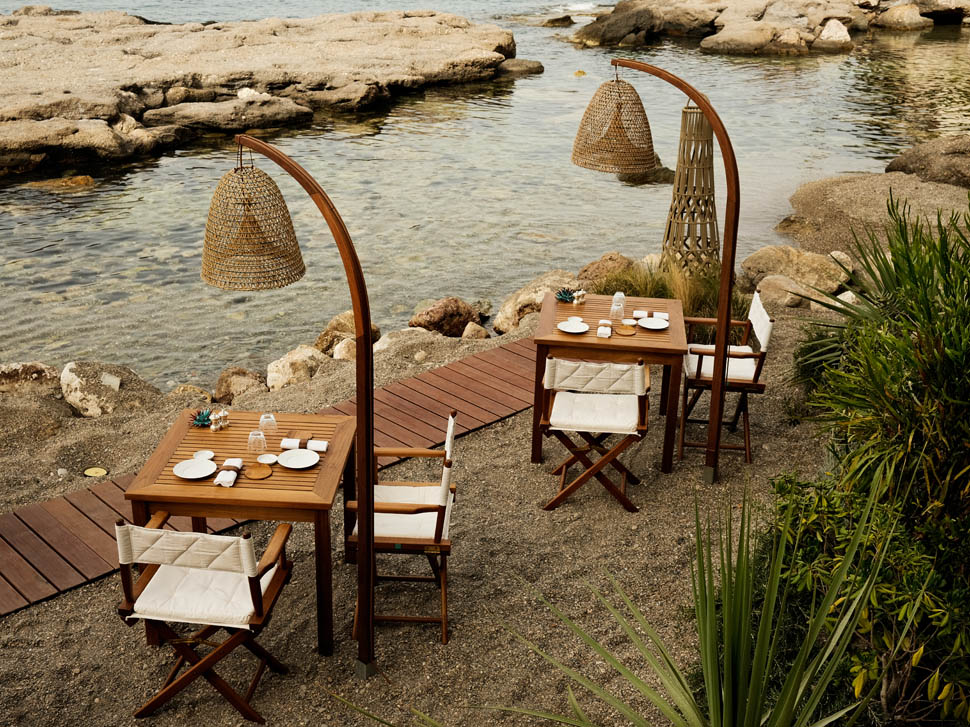
The dining offerings, of course, are very comprehensive and span several areas: two restaurants—Sant’Andrea, dedicated to Mediterranean cuisine featuring local seafood and regional produce, and the fine-dining Brizza, with sixteen romantic seats literally right on the water. These are complemented by the Brace grill concept at the Bar Sant’Andrea, the Pool Bar, and the Beach Bar at Lido Villeggiatura. The executive chef in charge of all culinary operations is Agostino D’Angelo. His career began early in hotels across Sicily and later continued within the Belmond Group. He joined the Grand Hotel Timeo as a sous chef, then moved to Villa Sant’Andrea, where he worked from 2007 to 2012. He subsequently chose to gain experience abroad, spending about six years in the United Kingdom. His international experience was primarily in London, where he worked at the Four Seasons Hotel Ten Trinity Square, then home to Anne-Sophie Pic’s restaurant—a pivotal stage in his training.
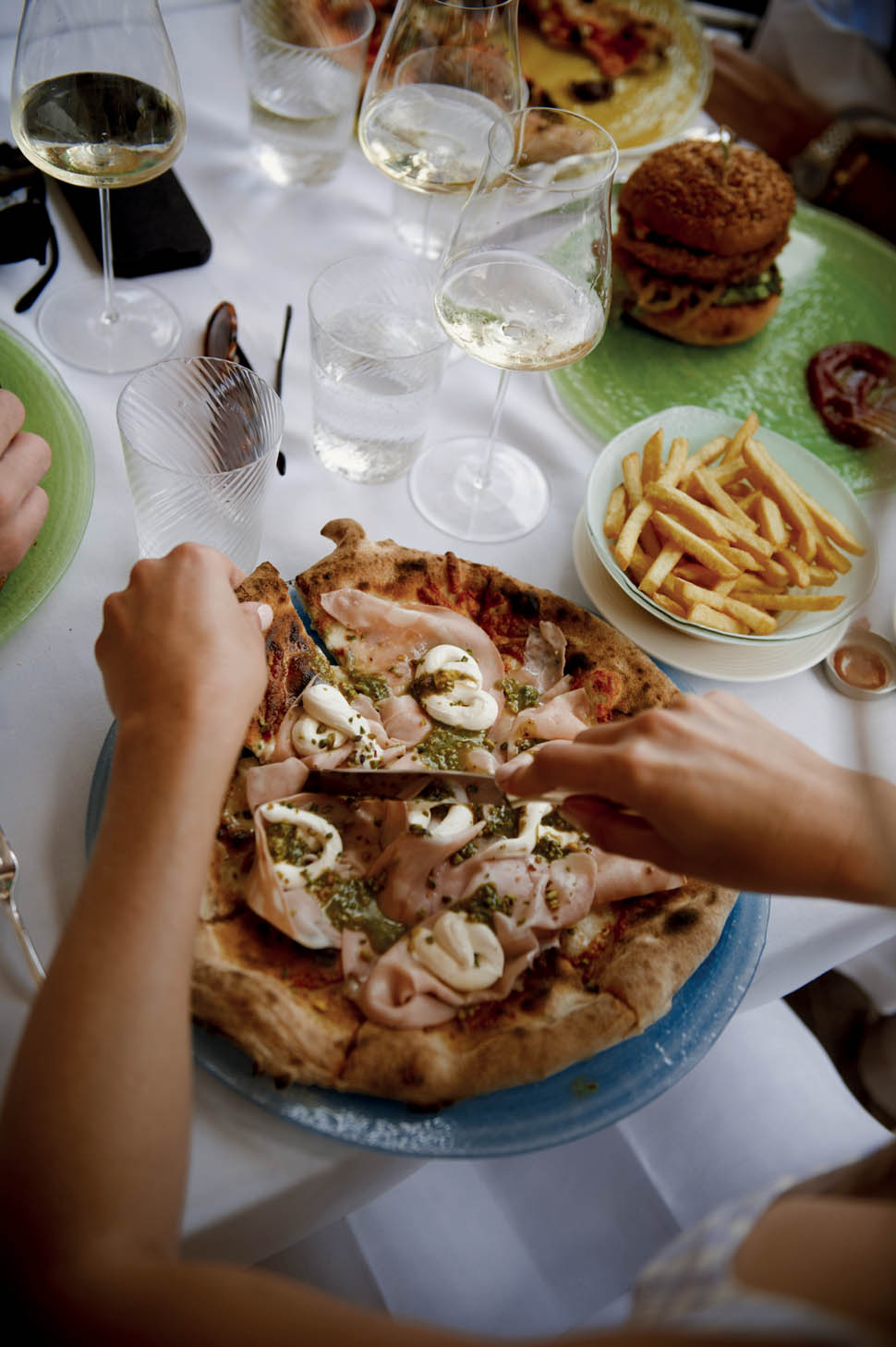
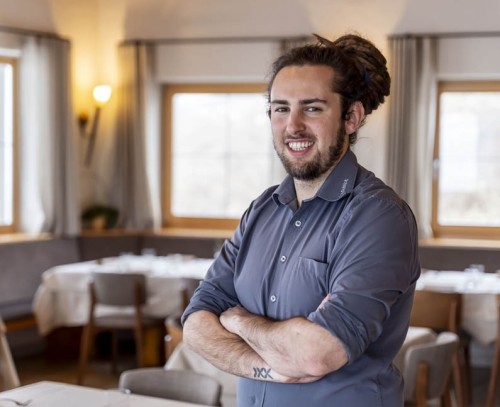
We asked him—an enthusiastic chef—to tell us what it means to work here: “Having continuity—I’ve been here since 2018—allows you to grow. Thanks to feedback from our customers, we understand what they really want and how to tailor our culinary offerings. We strive to express our own culinary style, but listening to those who come to dine with us is essential. Today, we have well-defined identities. Brace Grill is our all-day dining spot—casual and focused on grilled dishes. Ristorante Sant’Andrea is deeply rooted in Sicilian tradition. Brizza, on the other hand, is our fine-dining restaurant: we realized we were missing a true gourmet restaurant, so we moved in that direction. It was a winning choice.”
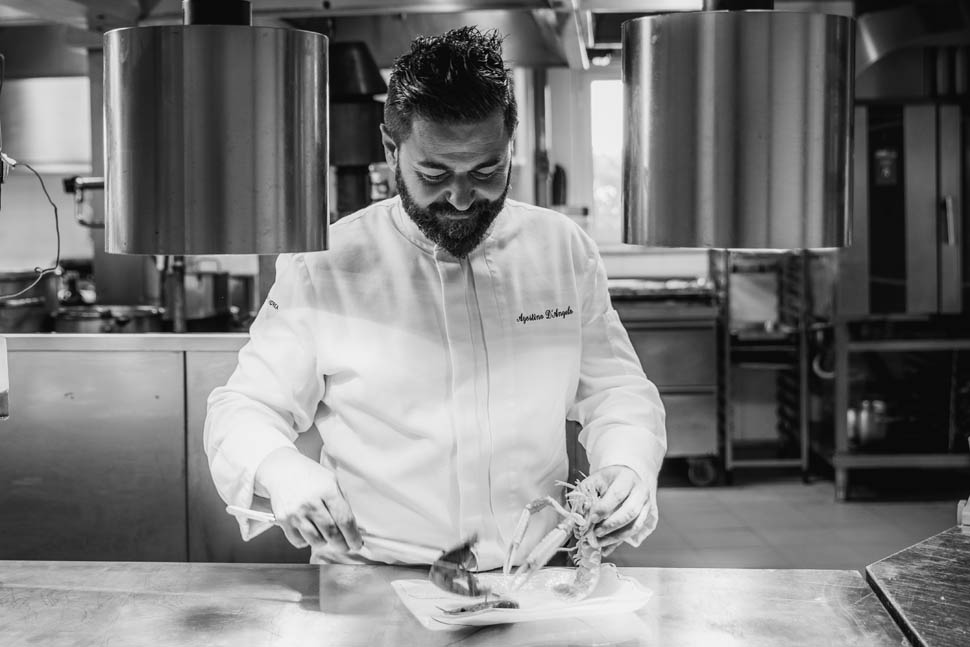
The bond Agostino has formed with Belmond is fundamental: “I’m really happy here. The company continually invests in training. It’s a constant process of growth, and this allows me to pass on what I learn to my team as well.” When it comes to the roots of his cuisine, D’Angelo is firmly rooted in his local heritage: “As a true Sicilian and native of Trapani, I consider myself lucky. I grew up in a family where cooking was almost everything: homemade tomato sauce, fresh olive oil, and big family gatherings. That’s where my desire comes from—to let our guests experience something that’s authentically ours.” But that’s not all, because the chef is convinced that a dish, in addition to tasting good, must also be a pleasure to look at: “I’m a very meticulous person. Geometric shapes give me a sense of order. I always stop to look at a plate and ask myself what the best angle is. My dishes often start with a pencil sketch, which we then develop together with the team.” Team cohesion is also fundamental to him: “There are 45 of us working across three kitchens. I’m lucky because I only lose ten percent of my staff—which is very little for a seasonal hotel. Many people have grown with me, and my greatest satisfaction is hearing my colleagues talk about our cuisine as something that belongs to all of us.”
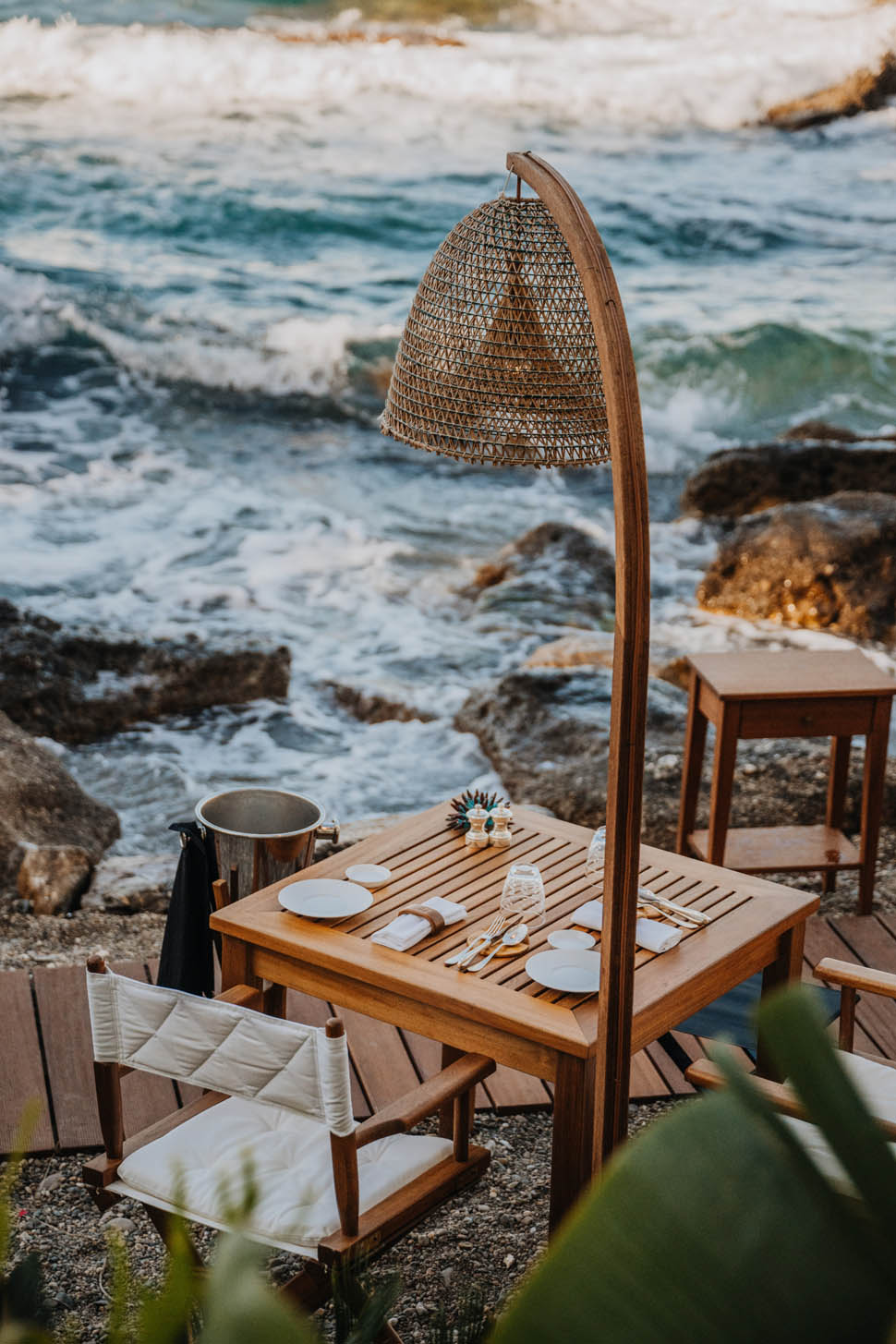
In addition to a location that can’t help but fascinate and amaze, Brizza boasts a cuisine of great substance: “Many people think that fine dining means serving small, colorful dishes. I always say: it’s pretty, but it doesn’t pack a punch. If a dish is beautiful but doesn’t have the flavors you expect, it ultimately disappoints. You can use the same ingredients, but if they aren’t balanced in acidity, sweetness, and umami, the result changes completely”. And the pursuit of perfection never stops when it comes to his entire cuisine: “Every dish has changed over time. When I look at the photos from 2018 and those from today, I see a continuous evolution. The Sant’Andrea seafood salad (delicious, ed.) has changed year after year until reaching its current version. This is only possible when you have continuity, a stable team, and the time to let a project grow.”
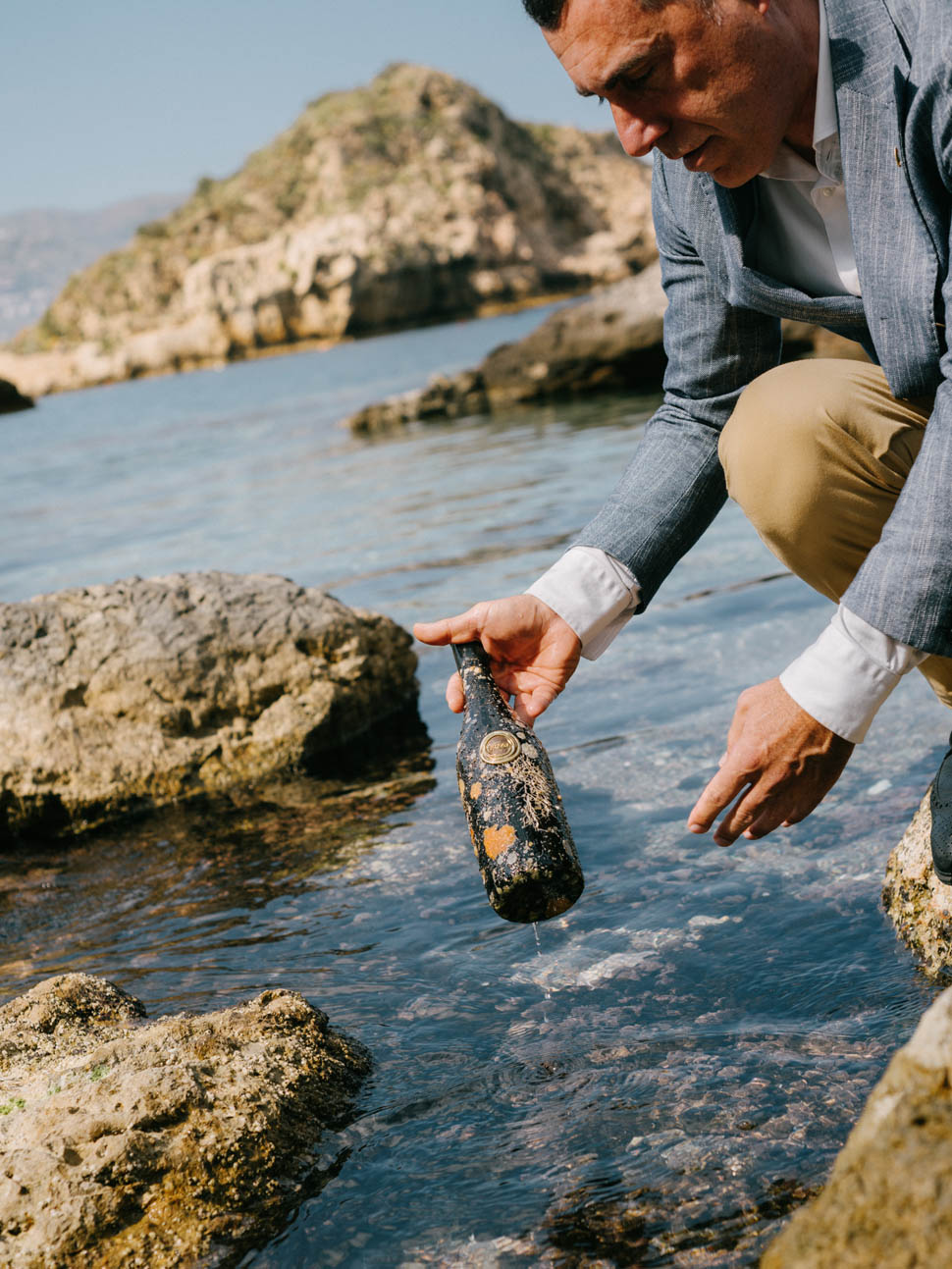
When it comes to ingredients, D'Angelo has also taken an unconventional approach: “Eighty percent of the vegetables come from local producers. We also have a plant-based menu that changes constantly based on what the land has to offer: if a particular variety is only available for fifteen days, it’s on the menu only for that period”. And again, still on the subject of his native Sicily: “We chefs have an important task: we must be advocates for what our region has to offer. It’s right to support small producers and explain to young people why we choose that particular pasta, those anchovies, or those pistachios. In my dishes, there’s always something that takes me back to where I grew up. The foundations are extremely important: they’re what allow you to build an identity». The wine selection follows the same philosophy, with a particular focus on Sicilian wines and those from Etna. Among the most interesting projects is one dedicated to Etna wines aged at sea.
The Dishes
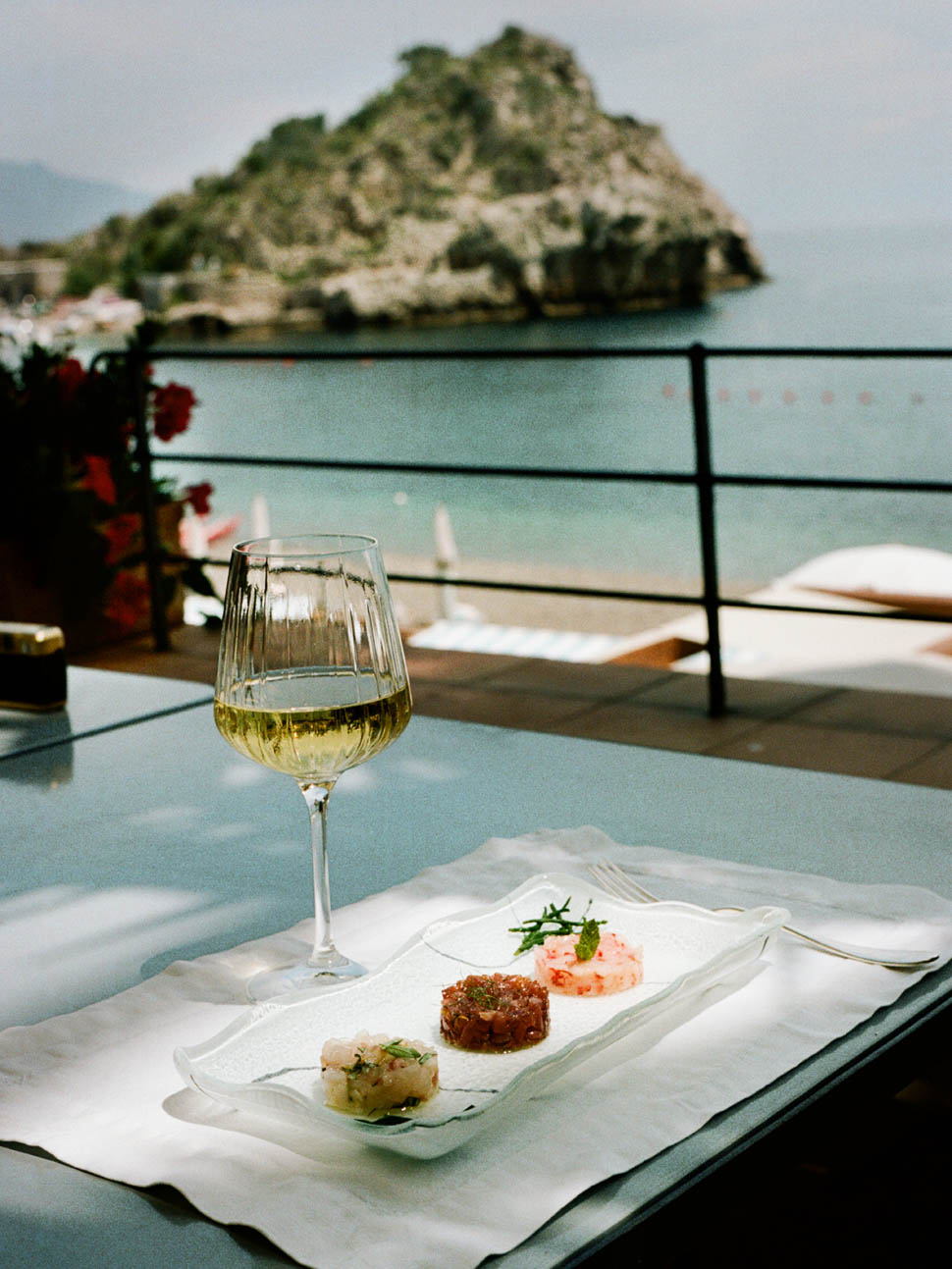
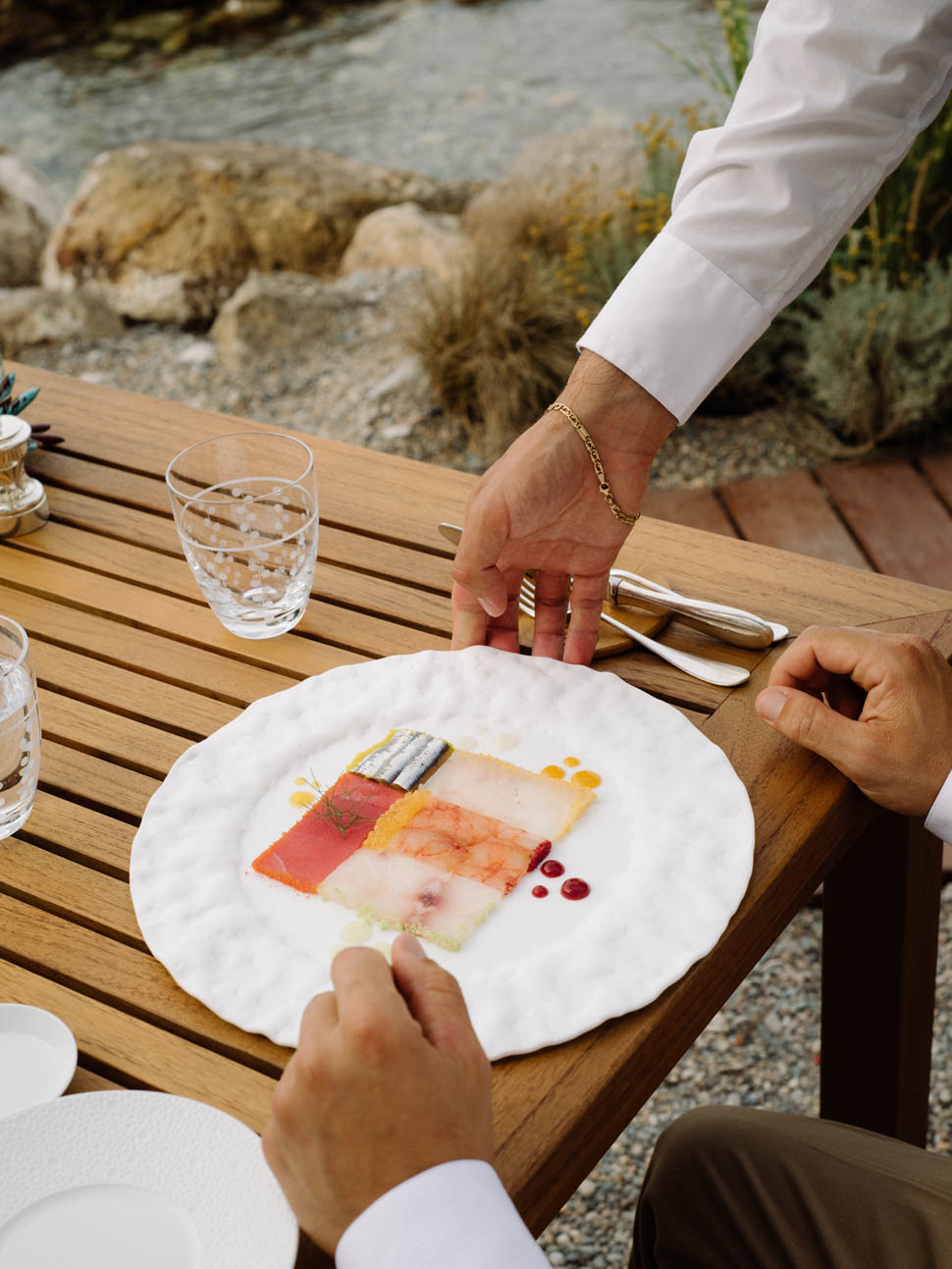
Among the dishes we tasted, a few of the chef’s signature creations are worth mentioning, starting with the scamp with shellfish emulsion, lobster coral, sour onion, tartare, and tubers. D’Angelo presents it upside down, showing the belly rather than the back. Both beautiful to look at and equally delicious to eat is Mosaico, featuring lightly marinated fish and shellfish, citrus and fruit in zests, dried forms, and gel form—probably his most personal dish. It was created after a Belmond workshop dedicated to the crafts of excellence: “I was inspired: what if I made a mosaic with many types of fish?” Agostino also specializes in dry-aging and takes pride in it: “We have a refrigerator dedicated to aging. We treat the fish as if it were meat. It ages for one week to fifteen days, and we serve it completely natural, in its purest form.”
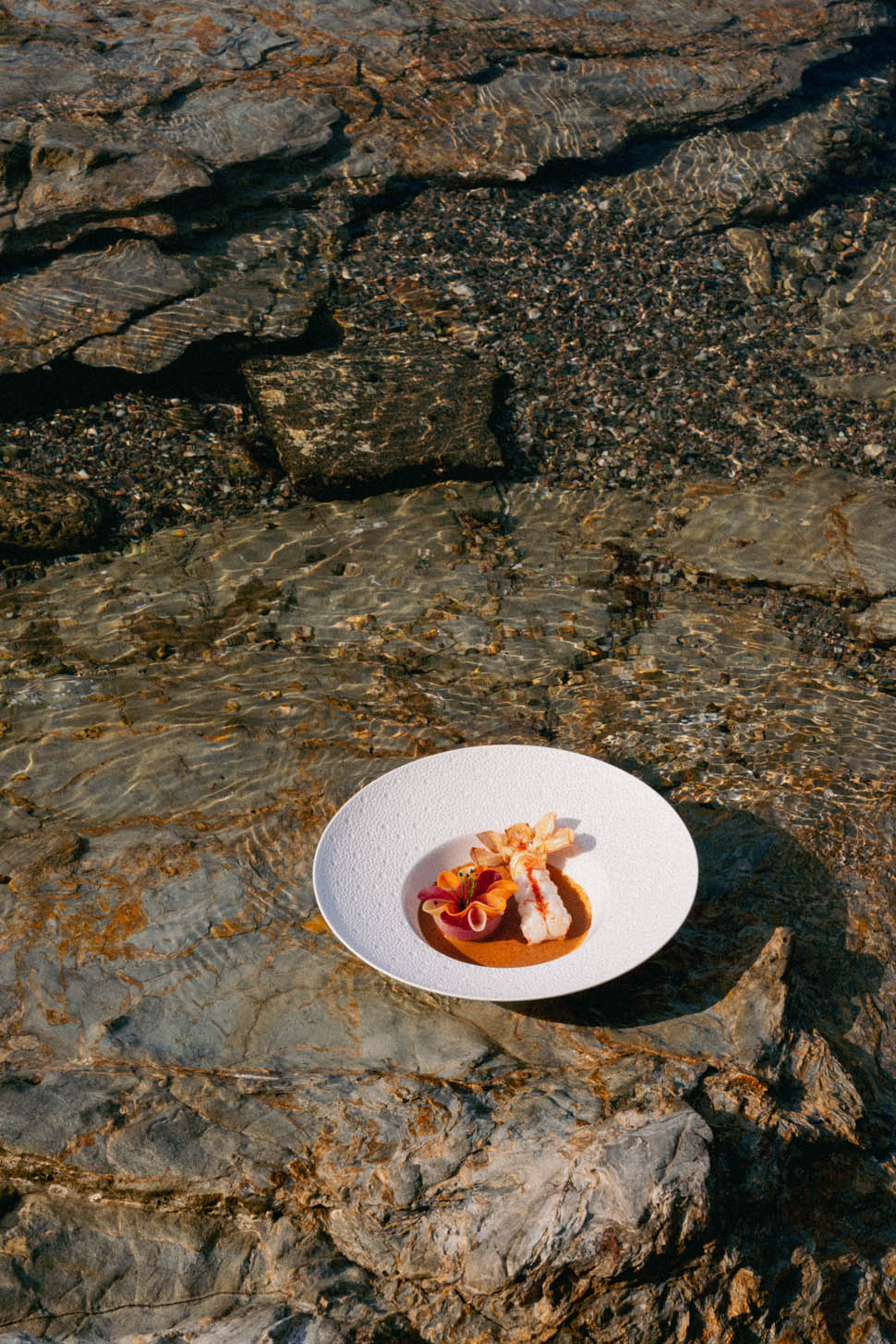
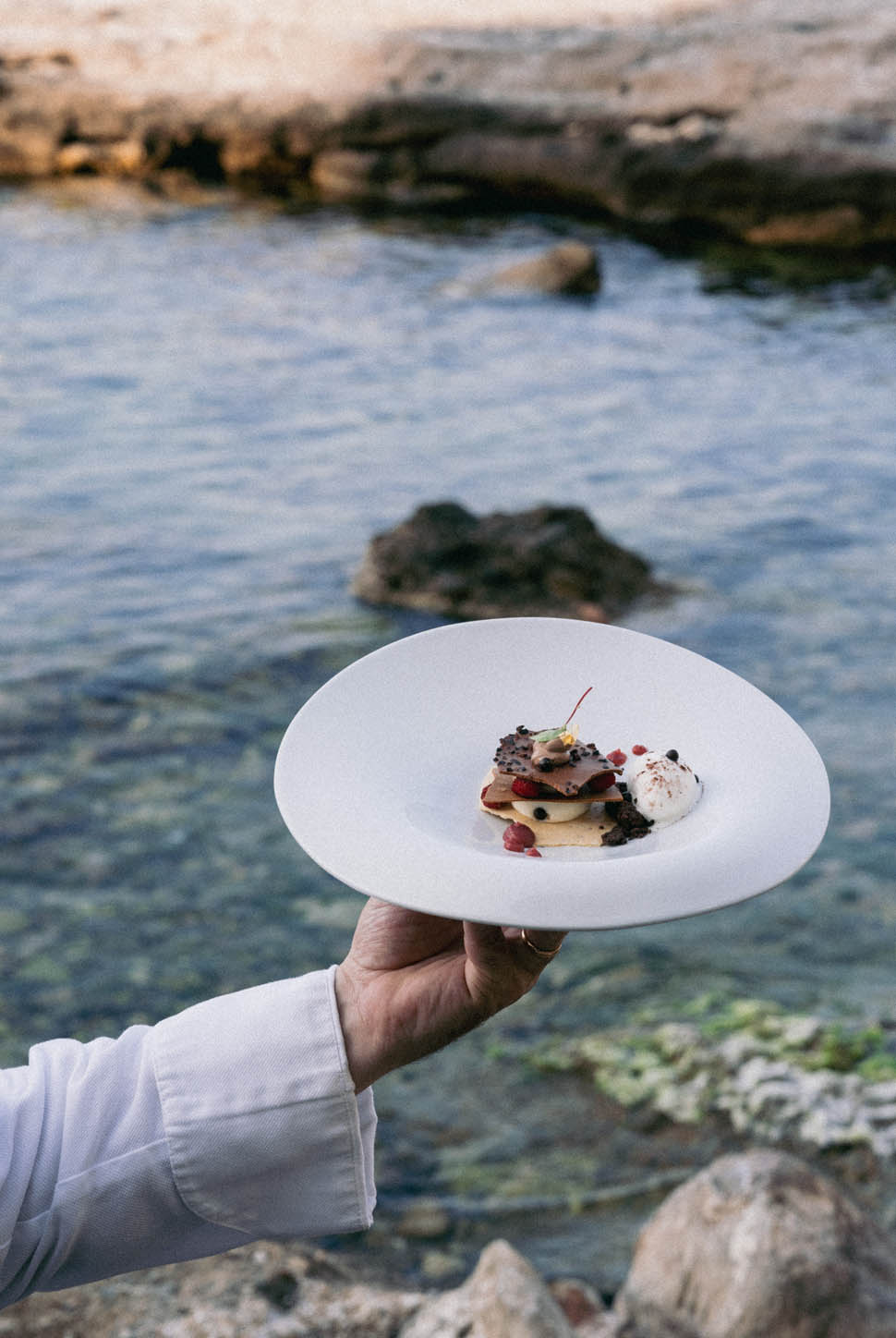
“Emozione di ricci di mare’ is, in some ways, an autobiographical dish, in which the Trapani influence on his cuisine really comes through. In this regard, D’Angelo recalls: “It reminds me of couscous soup. There’s always something that takes me back to where I came from.” The meal ends on a sweet note with the three-chocolate mousse, Sichuan pepper ice cream, and fermented wild strawberry sauce. And an irresistible urge to come back and taste something else.
Belmond Villa Sant'Andrea
Via Nazionale, 137, 98039 Taormina ME
Phone: 0942 627 1200