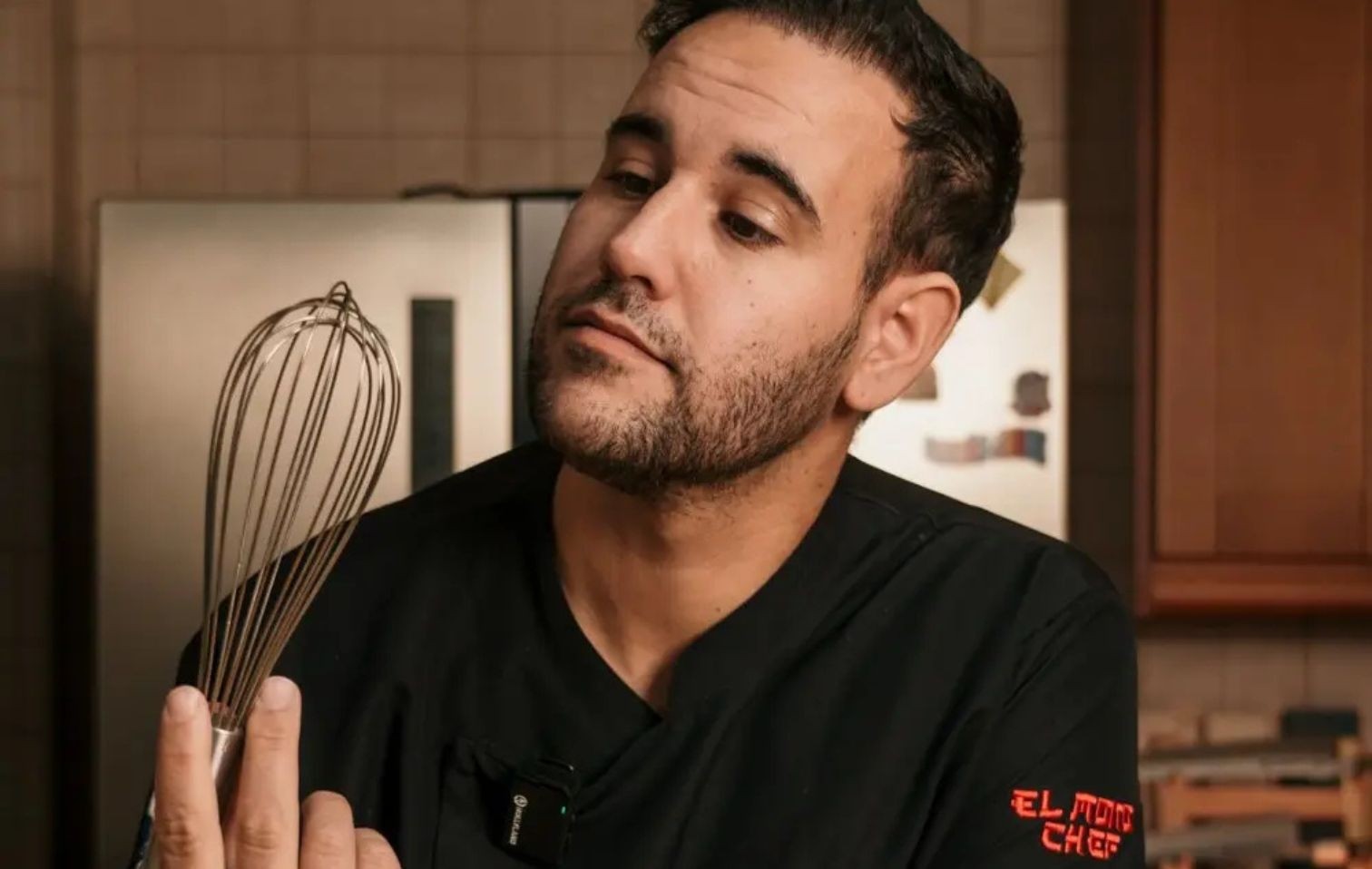
Amid the stark lines and gleaming steel of large professional kitchens, a silent paradox often unfolds. Gastronomy, by its very nature inextricably linked to artistic expression and spontaneous creativity, risks becoming the most gilded—yet no less rigid—of boundaries. “Our profession is our personal prison,” reflects Pedro Venteo, known to international audiences by the pseudonym El Mono Chef.
This reality becomes clear when the lights in the dining room come on and the pressure of service demands a relentless pace, with shifts that can stretch from twelve to fourteen consecutive hours. A perpetual motion within four walls where error is not an option and the identical repetition of each action becomes an all-consuming mantra.
The chef’s choice
It is precisely from this alienation—from this feeling of being automatons confined to rhythms that leave no room for affection or life outside the kitchen—that Venteo’s revolution took root. His journey, he tells La Vanguardia, did not begin within the pages of rigid school textbooks—toward which he showed an impatient disposition, preferring drawing and the fluidity of the visual arts—but rather in the empirical world of food preparation. There, formulas and techniques found immediate meaning, translating into a dazzling series of academic successes and an early debut, at just eighteen years old, in the professional culinary arena. But the reality of daily life proved to be a stark contrast: the enthusiasm of his early days had to contend with meager wages and a psychological subjugation inherited from an old-fashioned concept of the kitchen brigade, where leadership resembled blind authoritarianism more than enlightened guidance.
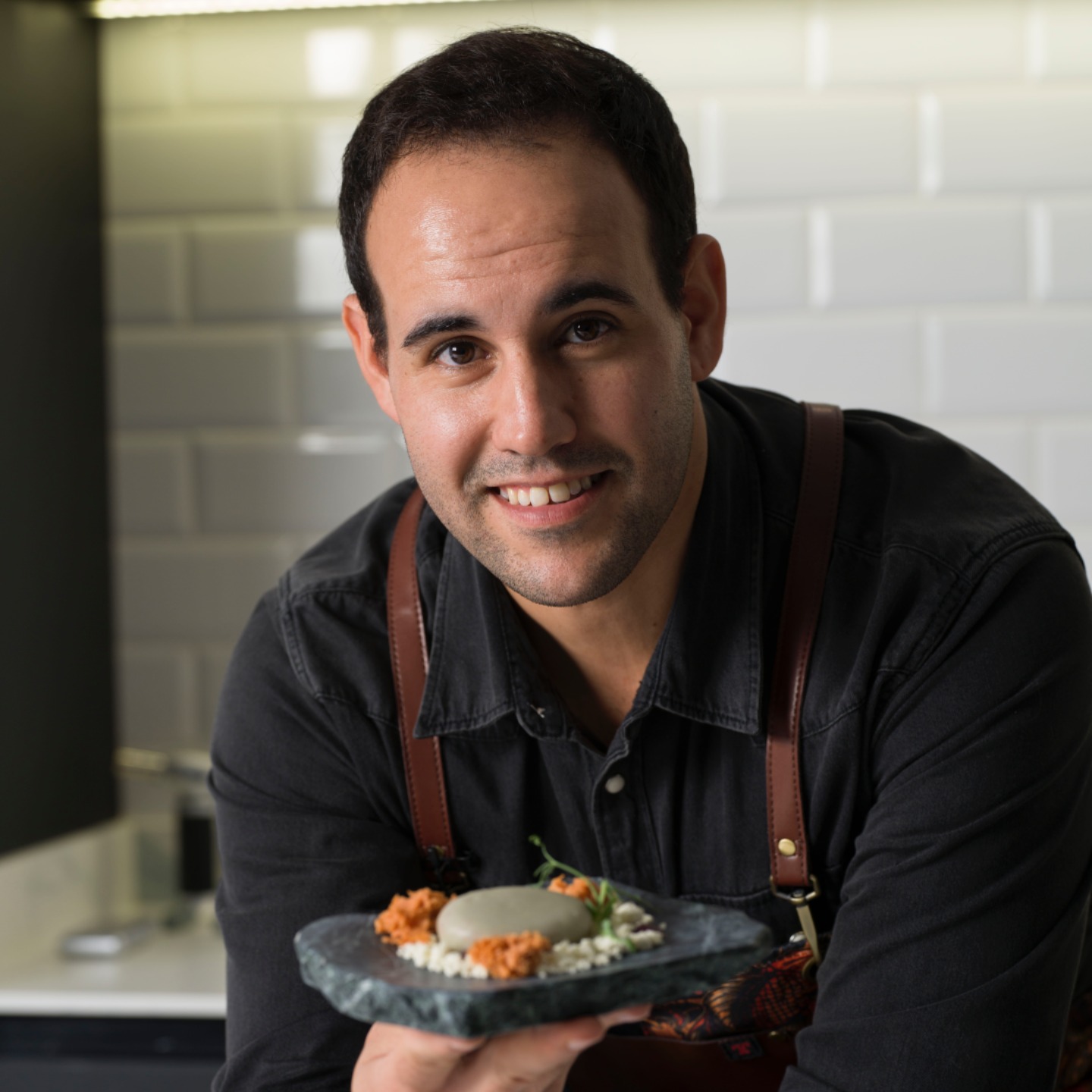
Today, the chef has chosen to break free from that structural confinement to found Monochef, an online culinary academy conceived as a laboratory for intellectual and aesthetic liberation. It is not merely a matter of conveying the complexities of molecular cuisine or decoding the use of contemporary textures; Venteo’s goal is to break down the isolation of the modern chef, offering a space for sharing where anxiety and performance stress are sublimated through dialogue.
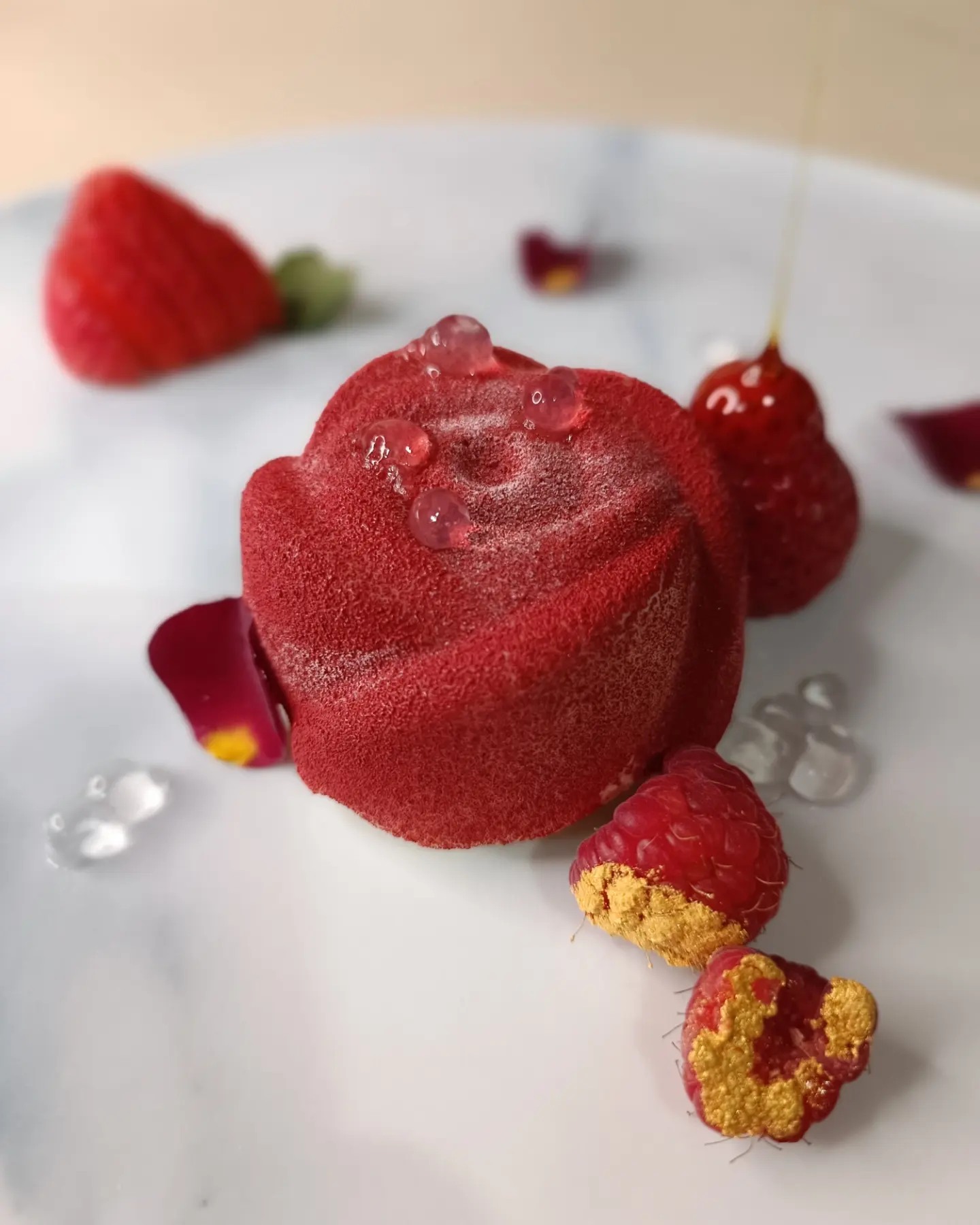
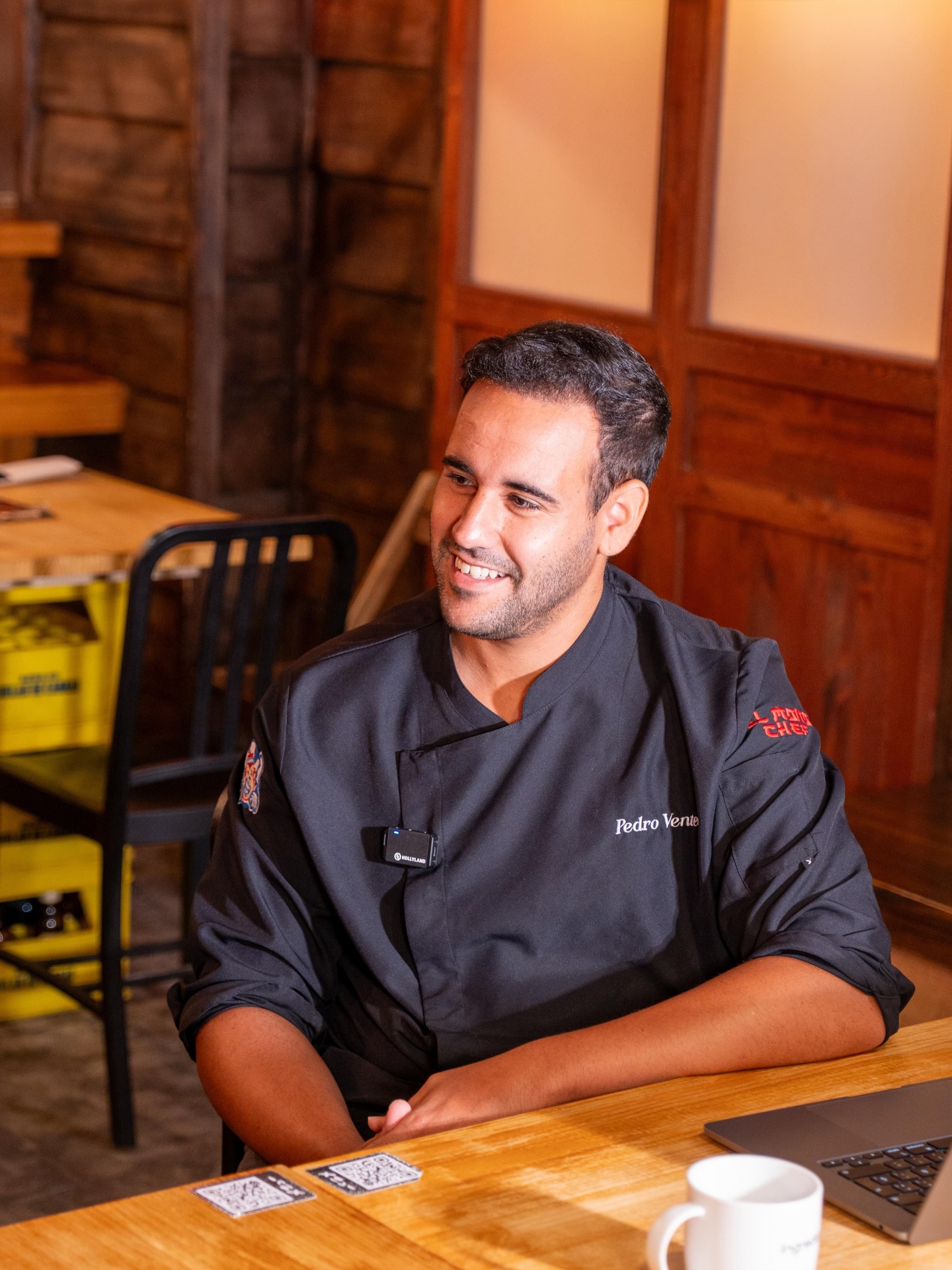
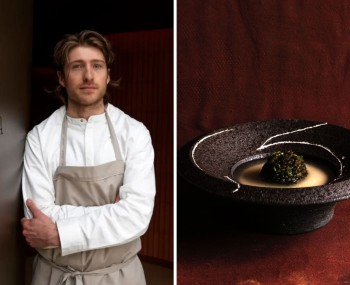
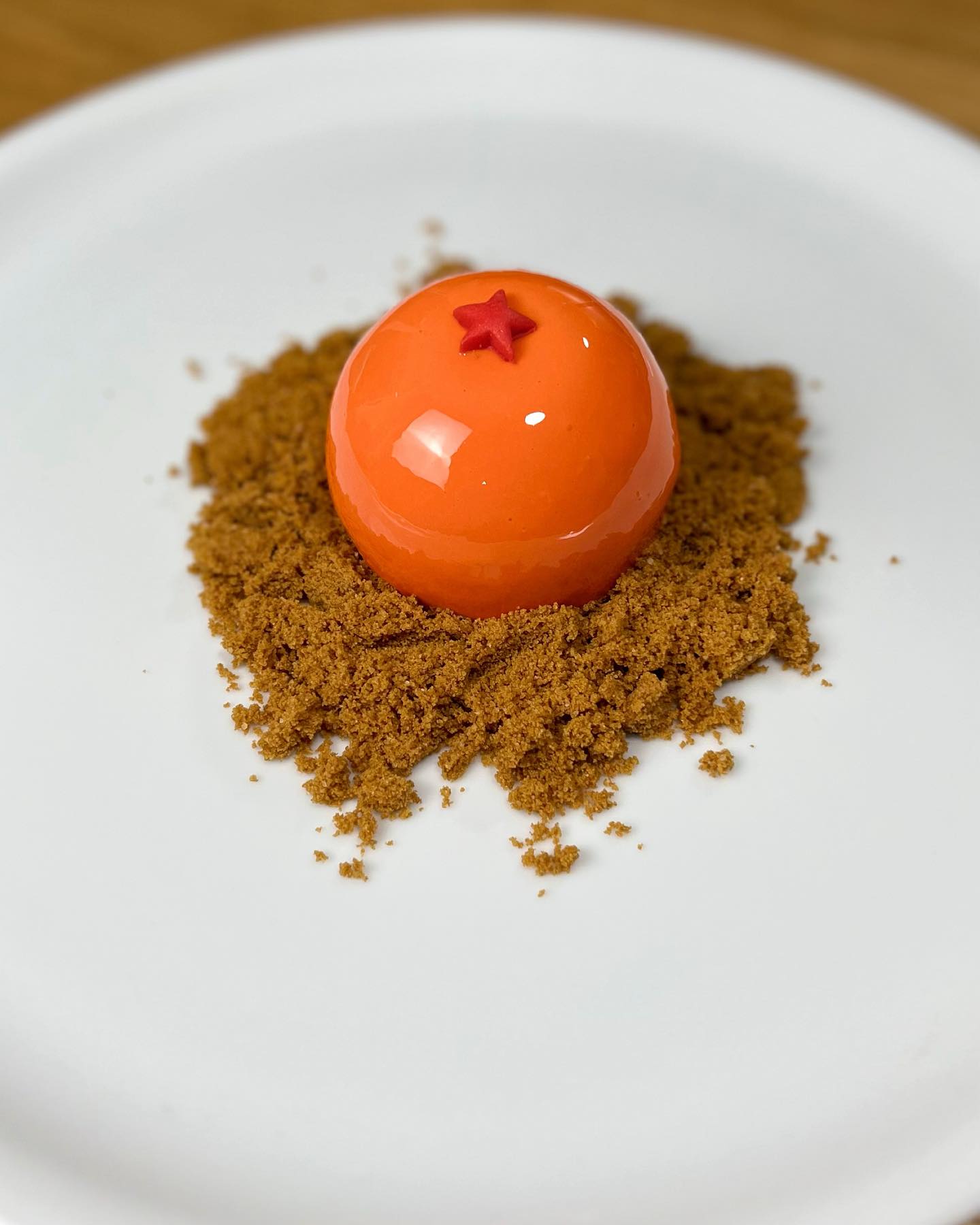
In this new ecosystem, failure takes on a new meaning: it is no longer a fault to be punished, but the very heart of the avant-garde. “If you don’t make mistakes, you don’t learn,” argues Venteo, speaking to the renowned Spanish publication—and restaurants that aspire to authentic innovation must make mistakes their primary ally, lest they fall into the trap of mindlessly repeating what has already been done. In his creations, minimalist aesthetics meet purity:dishes with vibrant colors where molecular techniques do not distort the essence of local ingredients, but rather enhance their form and texture according to the principle of “less is more.” For the chef, the perfect dish is one capable of conveying the personality of its creator.
The future of cuisine, however, is moving in a circular motion. While celebrating the primacy and extraordinary creativity of contemporary Iberian gastronomy—studded with international accolades and Michelin stars—Venteo senses a latent loss of ancestral values. While the avant-garde has managed to claim its own stage, he believes that tomorrow’s gaze will return to seek the pure emotion of a masterful sauté or the comforting richness of a stew from days gone by. The true challenge of contemporary cuisine lies precisely here: knowing how to balance technique and creative freedom without ever forgetting the scent of memory.