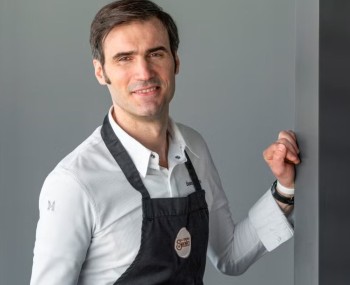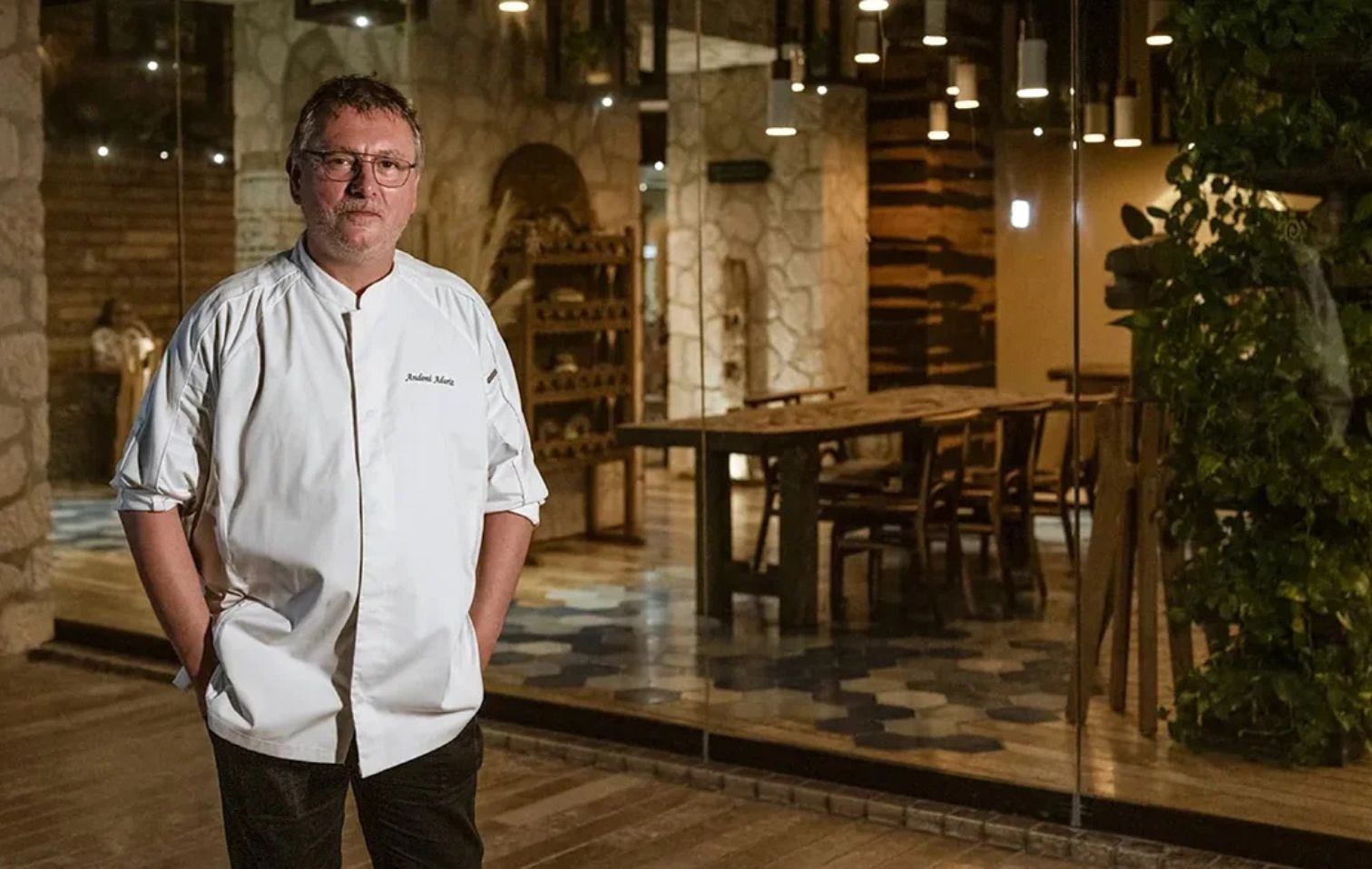
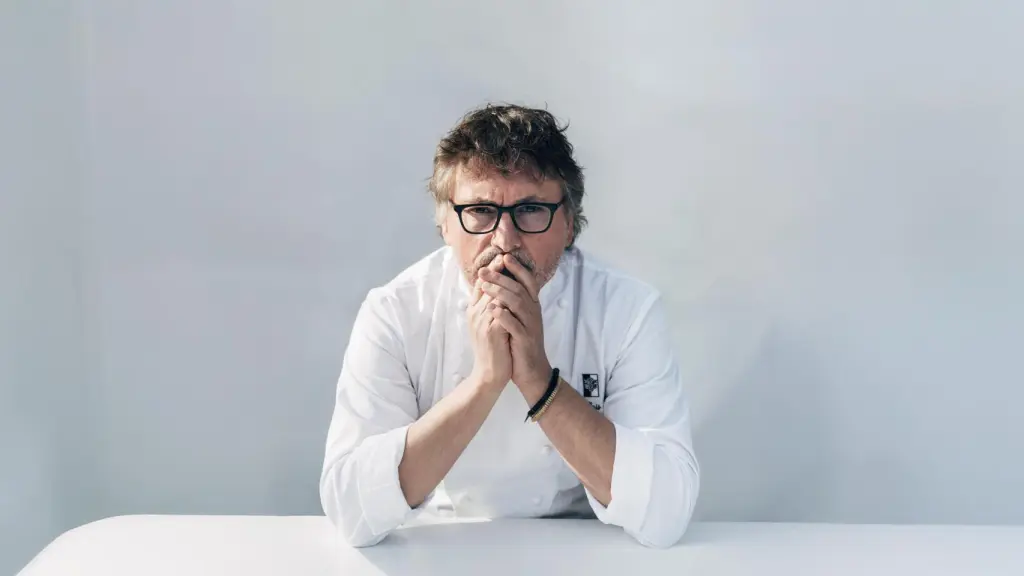
Those who know him well describe him as a beacon of the global culinary avant-garde, but also as one of its most provocative figures. In an era devoted to instant gratification, simplification, and mass consumption, Andoni Luis Aduriz chooses to inhabit the realm of doubt and intellectual provocation. For three decades, at the helm of the two-Michelin-starred Mugaritz, he has been dismantling the dogmas of traditional dining with a radical mantra: food must not simply please the palate; it must possess meaning. Even convivial meaning.
Today, the Basque chef translates this vision into a work of an almost philosophical nature, I Don’t Know and Other Certainties (Planeta Gastro), a book that shakes the very foundations of our relationship with food. Don’t expect a cookbook: it is a ten-point manifesto that explores cuisine as a political, social, and moral ecosystem, where even a hamburger can become an ideological statement.
The Great Danger: Isolation on the Plate
In Aduriz’s analysis, the act of eating transcends biological value to become a matter of cultural survival. The crux of his warning centers on contemporary consumption habits: “At this moment in history, I never tire of repeating one concept: what we put into our bodies is crucial, but how we do it is even more so. In the United States, we are witnessing a worrying trend: four out of ten people eat every single meal in total solitude. This phenomenon is devastating psychological well-being and collective mental health,” he stated here at InfoBae. The chef evokes a titanic clash between anthropological models. If the Anglo-Saxon paradigm—which reduces food to a mere utilitarian function and biological fuel—were to definitively colonize Europe,the effect would be the loss of our deepest identity. For Aduriz, the table remains the last outpost of human sociality.
Haute cuisine as a political laboratory and unfiltered activism
In an industry often numbed by sponsors and sugarcoated narratives, Aduriz claims the right to get his hands dirty. From his firm demand to ban the consumption of European eels (a species on the brink of extinction that has earned him veiled threats) to his geopolitical stances on international conflicts like Gaza, the chef refuses to remain conveniently silent. Avant-garde restaurants are not just temples of luxury, but “small oases of imagination and social laboratories.” According to the Basque chef, haute cuisine today enjoys a media paradox: a chef’s voice carries more weight than that of a scientist. When gastronomy becomes the voice of an ecological or social emergency, the message penetrates the public consciousness, influencing collective behavior, just as the culinary techniques born in the 1980s have redefined the way we dine today.

The Genesis of a Work Conceived After Dinner
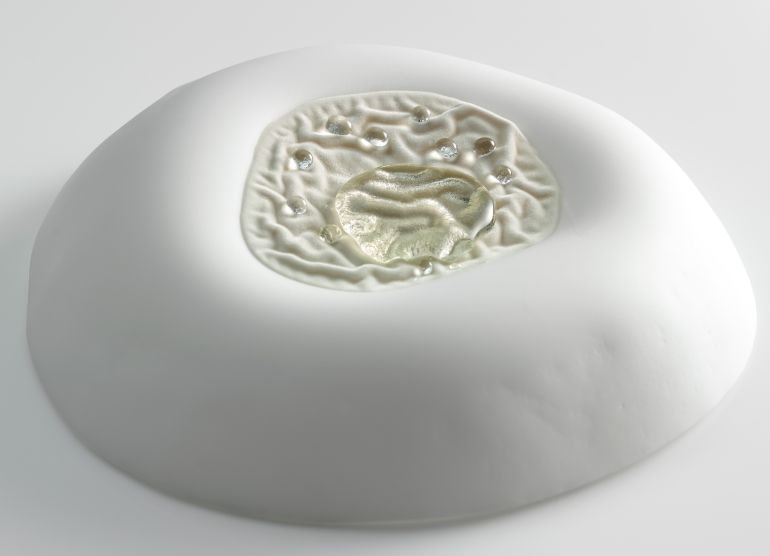
The book is the culmination of a ten-year intellectual journey, born from a philosophical epiphany during a post-dinner conversation with the thinker Daniel Innerarity. To decode the complexity of iconic and unsettling dishes—such as his famous “Edible Stones” or the controversial “Origine,” which evokes the shape of a human embryo—Aduriz did not shut himself away in the kitchen, but engaged in dialogue with biologists, neuroscientists, and anthropologists. The underlying thesis, shared with Innerarity in the book’s prologue, is that cuisine is the mirror in which humanity stakes the future of the planet, water resources, and human relationships. To understand the state of health of a civilization, the chef suggests, one need only look at the shelves of culinary literature in bookstores. *I Don’t Know and Other Certainties* reflects precisely this sense of wonder: a journey connecting the earth to the stars, reminding us that sitting together around a table is, first and foremost, an act of profound human resilience.