In Santarcangelo di Romagna, a young tavern is putting a new spin on classic dishes using locally sourced ingredients, top-quality local produce, and a contemporary take on traditional village cuisine
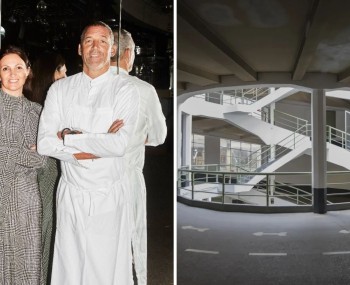
In four-handed dinners, a restaurant’s kitchen opens its doors to a visiting team, and the two engage in a friendly competition featuring dishes from both sides. It’s an interesting way to experience a non-local cuisine, though it doesn’t always result in a match with memorable highlights. Then there’s another approach: bringing an entire operation—kitchen, service, and wine cellar—to another city. This happened in Milan when Davide Longoni’s Il Circolino del Pane handed over the keys to the team at Osteria da Oreste in Santarcangelo di Romagna for one evening.
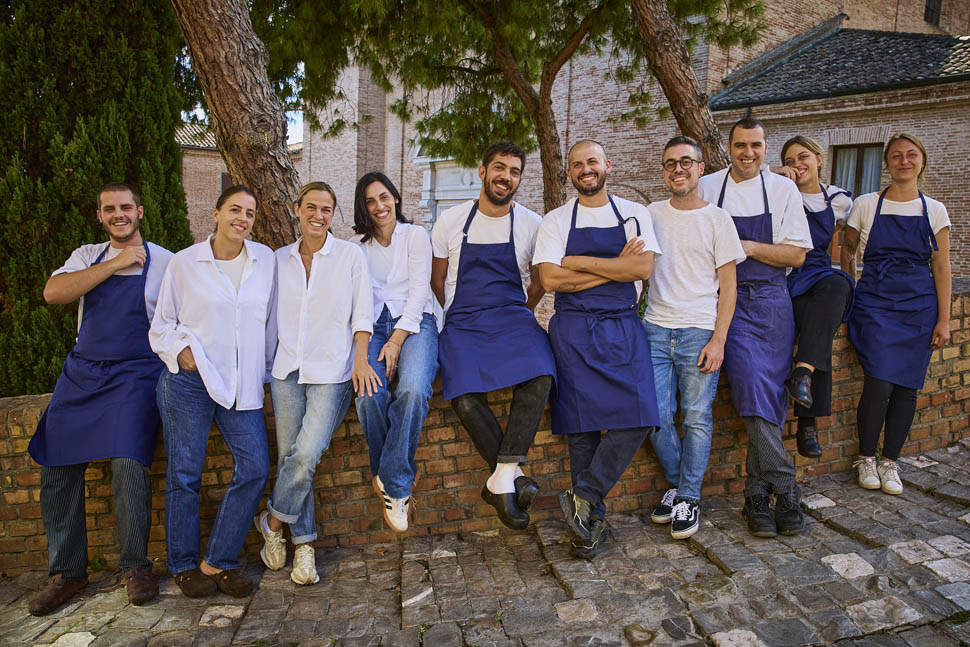
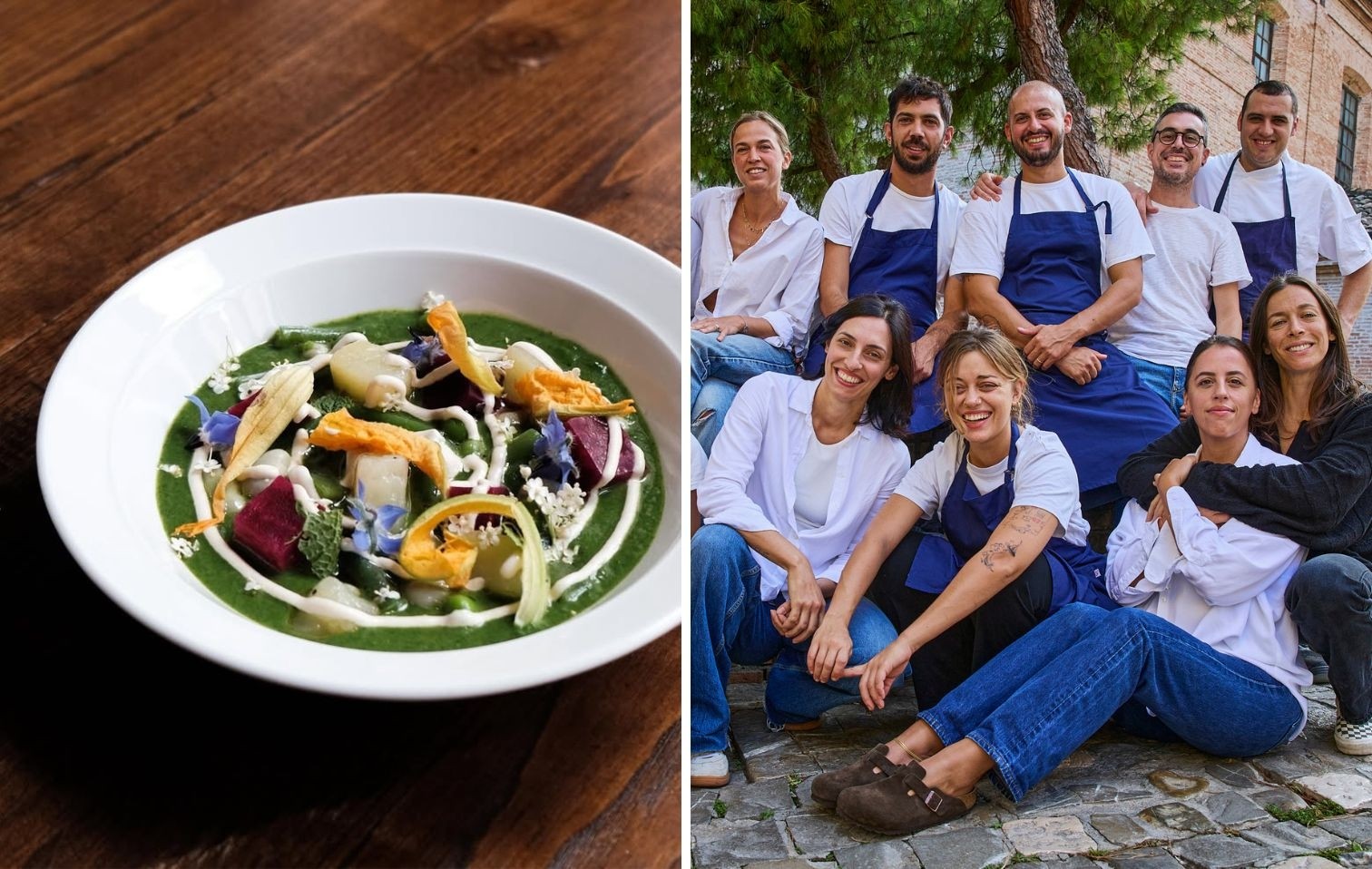
A dozen seats around the open fires, chef Giorgio Rattini cooking right in front of the diners, his staff welcoming guests and serving them, and wines selected by the sommelier from Osteria da Oreste. A clever way to introduce a cuisine beyond its usual boundaries. But what exactly is Osteria da Oreste?
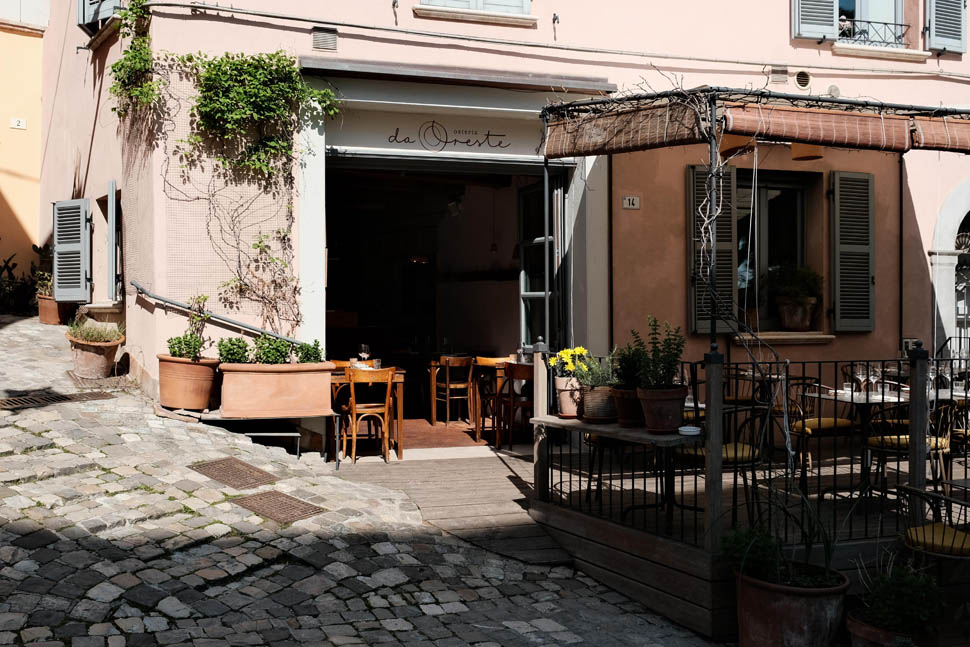
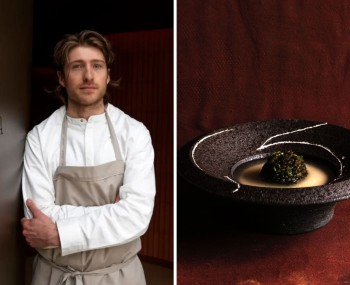
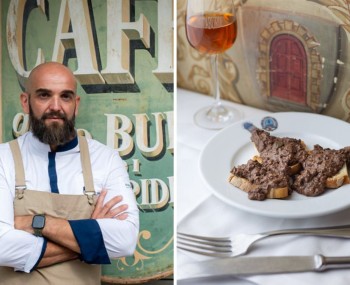
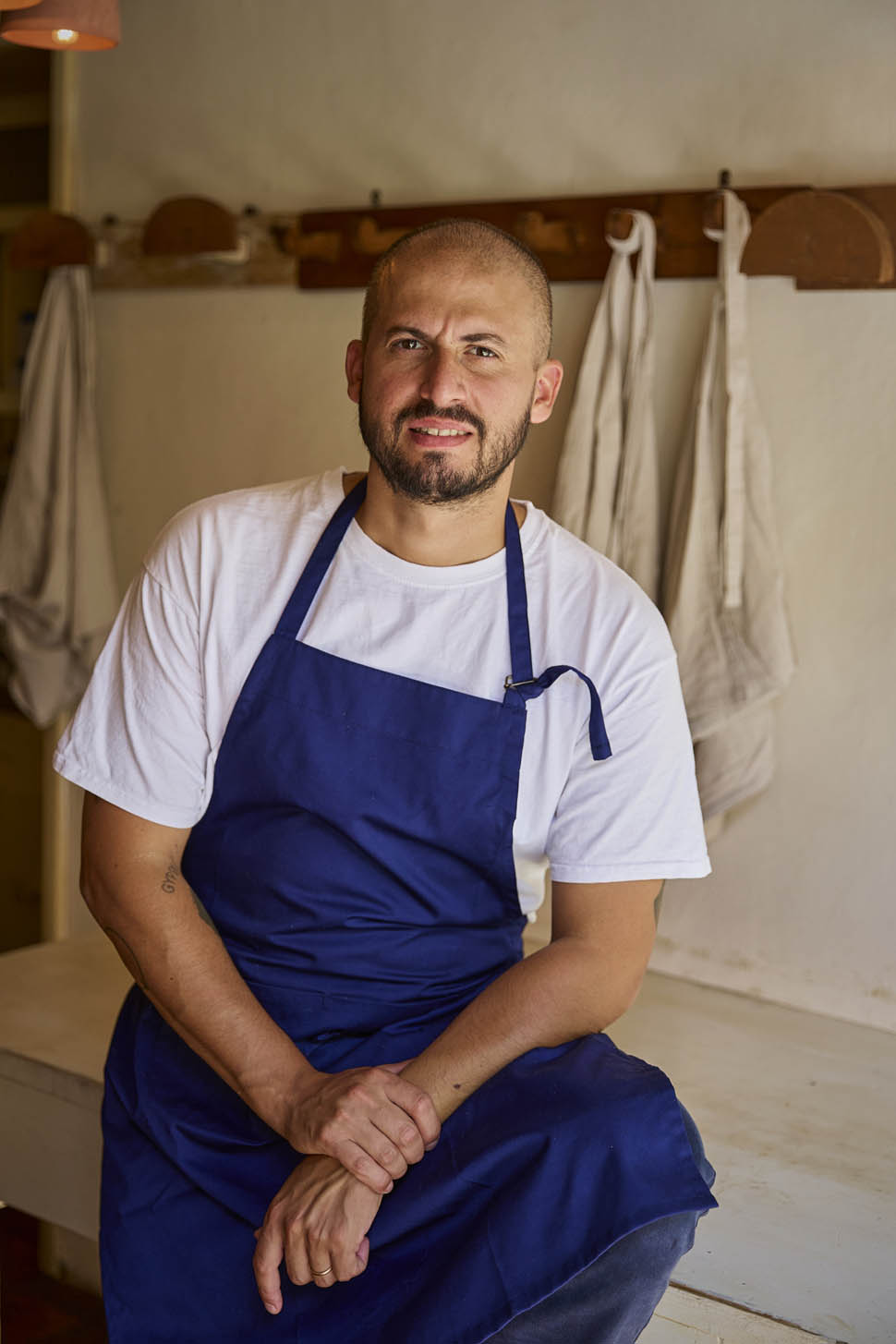
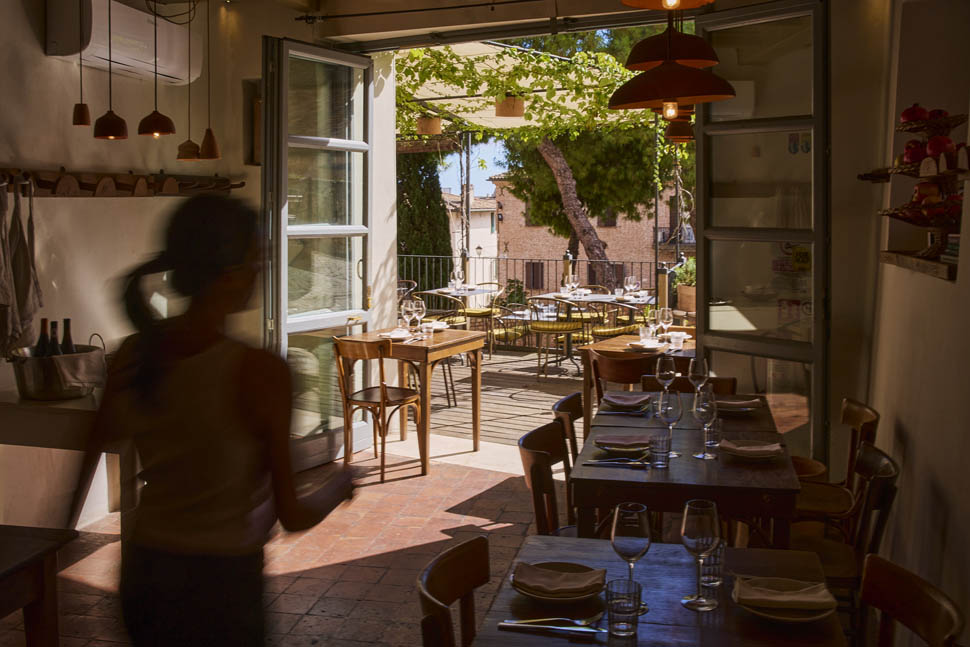
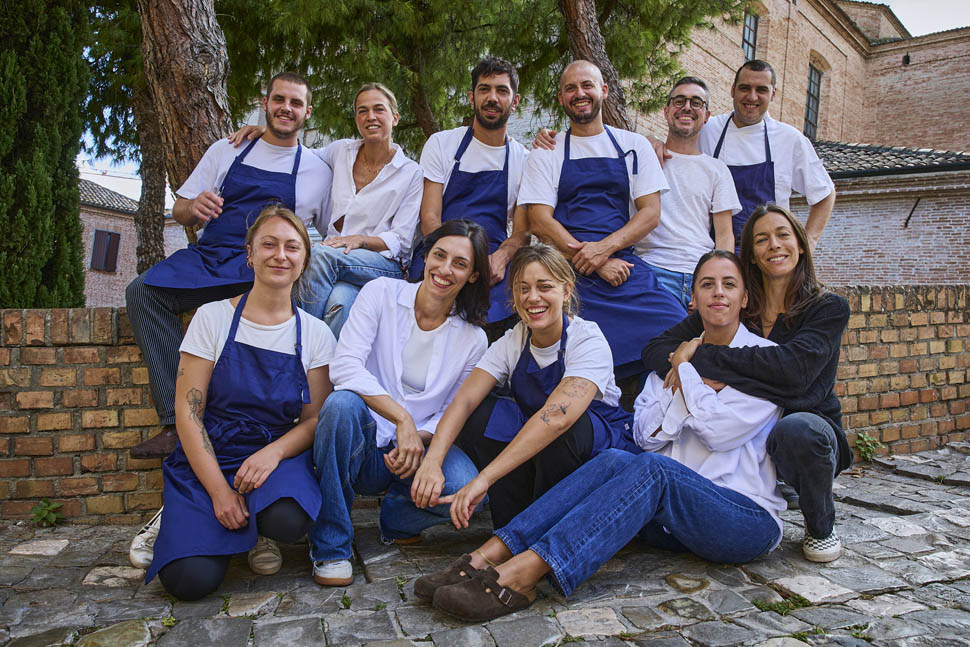
In Santarcangelo di Romagna, among the cobblestone streets that wind up toward Monte Giove, Osteria da Oreste was born from the idea of bringing the traditional Romagna tavern back to the forefront of contemporary dining. The restaurant, which opened in 2020 and is led by chef Giorgio Rattini, offers a cuisine rooted in the local region but interpreted with a more modern and youthful spirit, shaped by experiences gained working with top Italian culinary teams, French cuisine, and international gastronomy.
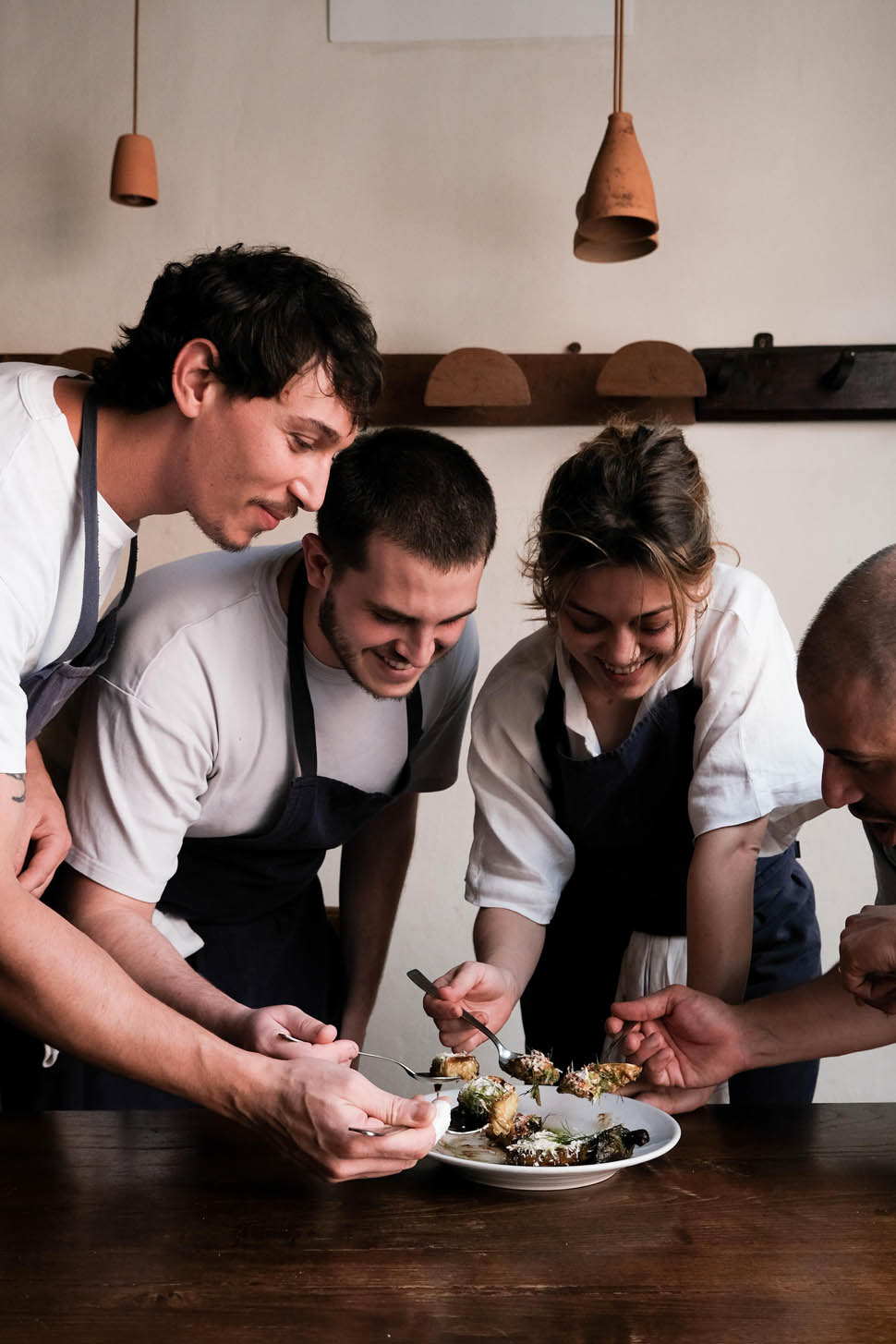
The concept of an “osteria” was chosen for its human touch; at Oreste’s, it is an accessible, lively place where culinary technique remains firmly at the service of the pleasure of dining. Behind the project lie years of study and research. Rattini, born in Rimini in 1987, chose to delve deeper into haute cuisine by attending Alma in 2012, following his early experiences on the Riviera. This was followed by years working in the kitchens of Vincenzo Candiano and Ciccio Sultano in Ragusa, Matteo Baronetto in Turin, and Carlo Cracco in Milan. In 2018, he returned to Romagna and helped open the Santabago club, leading up to the launch of Oreste two years later.
The cuisine at Osteria da Oreste constantly draws inspiration from both the Adriatic Sea and the Montefeltro hills. The dishes draw on Romagna’s culinary heritage—particularly in terms of ingredients—reimagined through a fresh sensibility that clearly echoes the approach of the Marchesi school. The result is a dining experience that avoids creative exercises as an end in themselves, remaining grounded and deeply rooted in the quality of the ingredients.
A taste of Romagna past and present: manfrigoli, water-grown onions, and Romagnolo chicken
One of the central themes of Osteria da Oreste’s cuisine is its relationship with the local supply chain. Ingredients are selected not only for quality, but also for regional authenticity, seasonality, and sustainable production. This approach is clearly evident in one of the restaurant’s signature products: the Slow Food Presidium Pollo Romagnolo. Rattini showed me a bird marinated in water and salt, ready for cooking. Lean and muscular, with dark, firm meat.
A rustic breed traditionally raised in the Romagna countryside, the Romagnolo chicken faced extinction with the rise of intensive farming. Only about ten birds remained, but today the breed has been revived thanks to the efforts of small-scale farmers who act as custodians of this breed, keeping alive a rather virtuous artisanal supply chain. The birds are raised outdoors, fed natural feed, and develop meat that is firmer, more flavorful, and richer—a far cry from contemporary industrial standards.
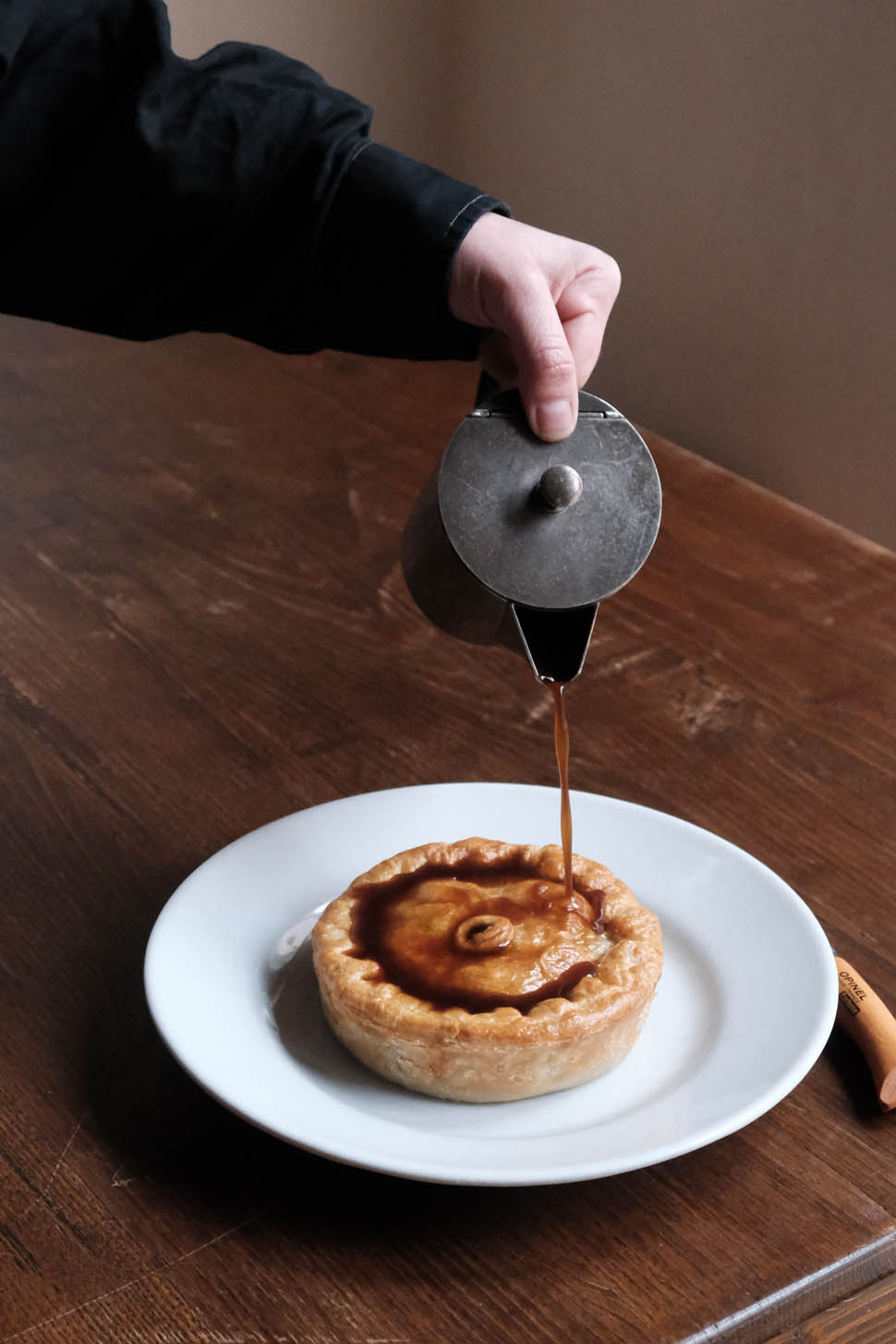
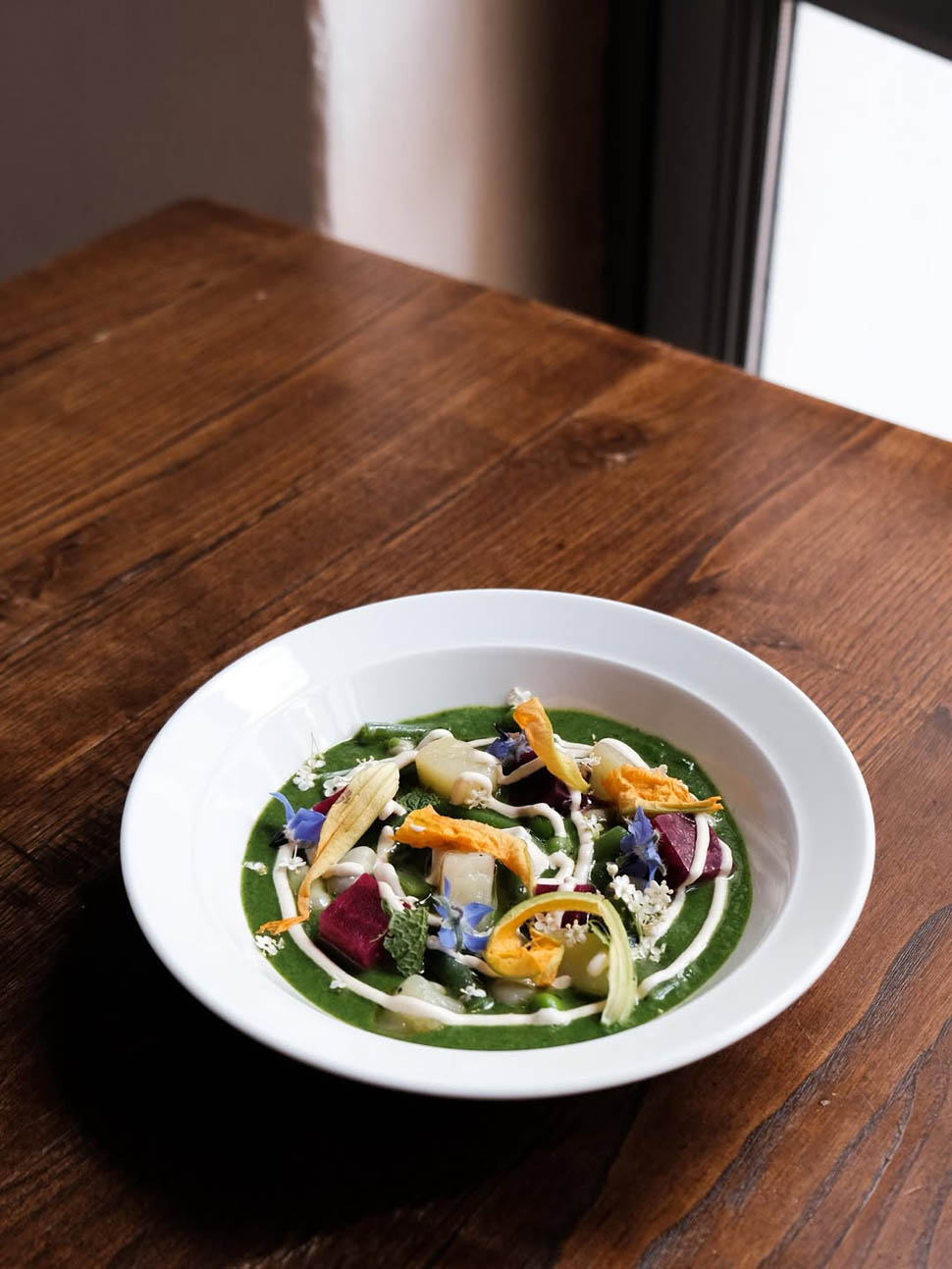
At Osteria, this product is treated with great respect and a touch of healthy pride. Rattini focuses on intensifying the flavor, perfecting the cooking process, and striking a balance between rustic simplicity and technical skill, allowing the authentic character of this meat to shine through. He grilled it over charcoal and served it with a deeply reduced cacciatora sauce, which in turn accompanied his cappelletti stuffed with the same chicken. A complete circle that showcased this ingredient with great intelligence and culinary skill.
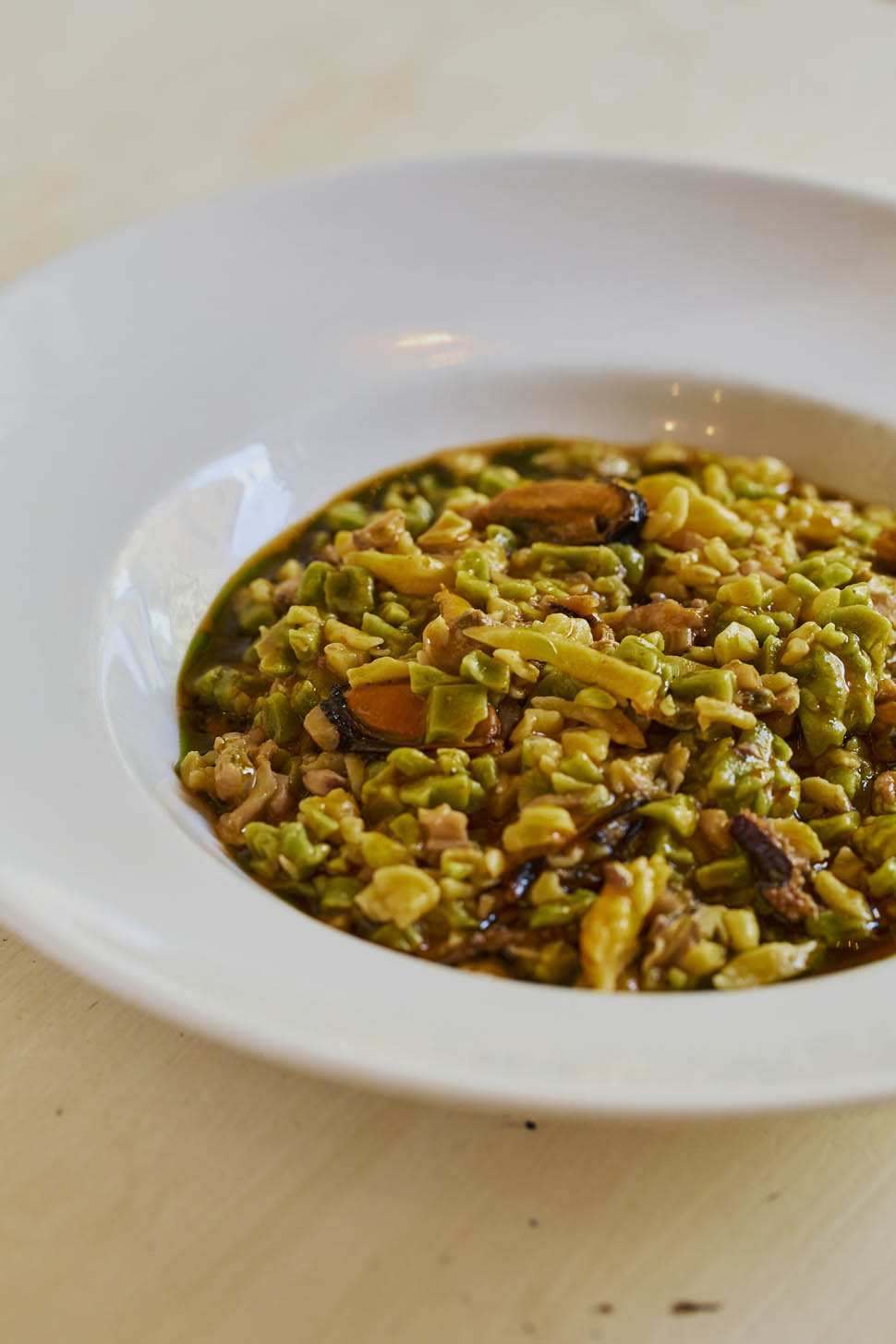
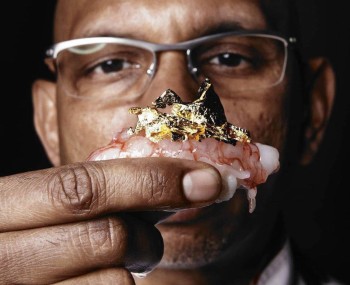
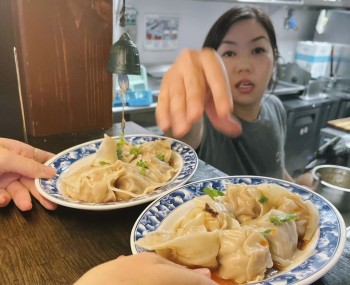
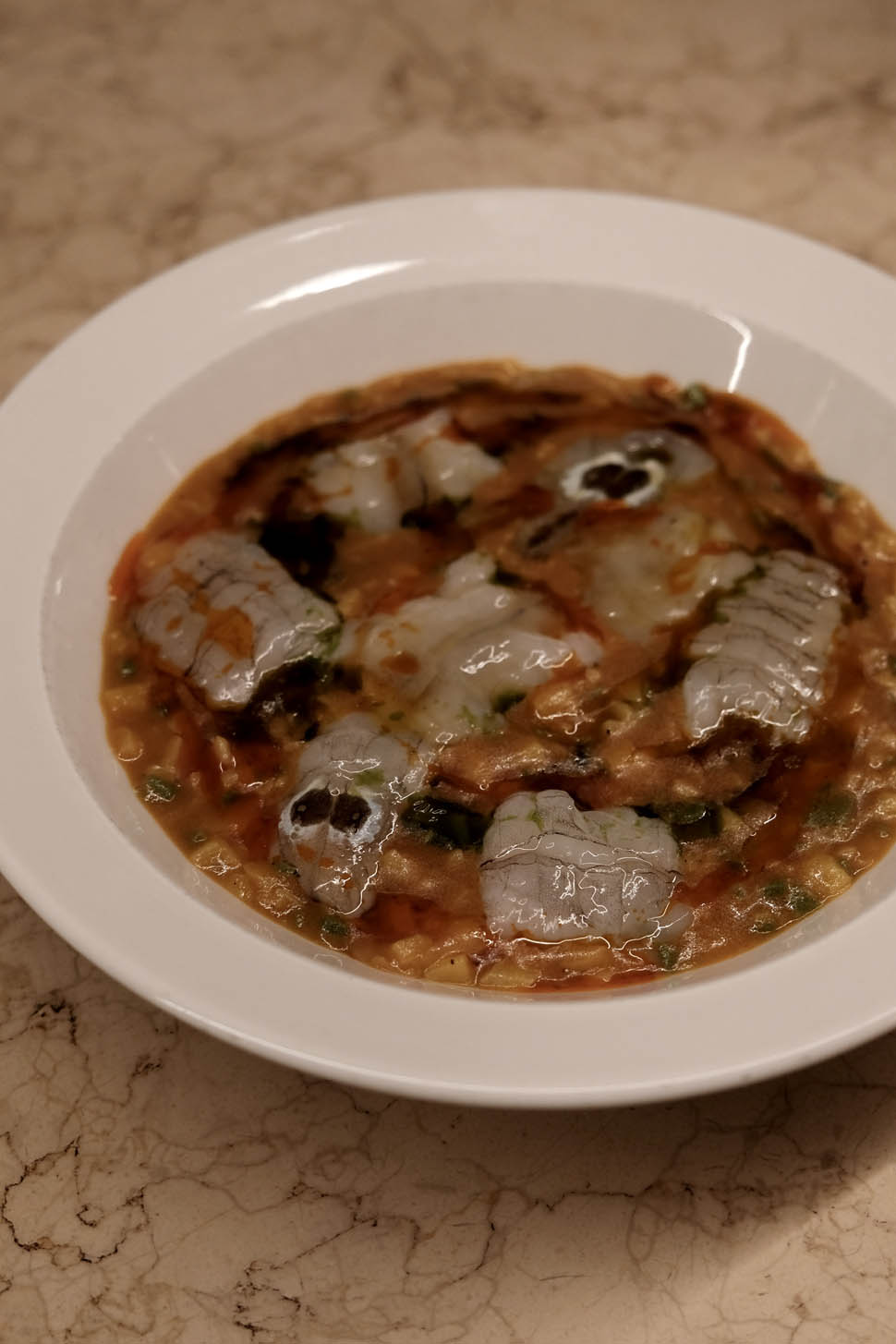
Another signature dish is manfrigoli, a traditional dish from the Cesena area that historically originated from the reuse of scraps of fresh yellow and green pasta dough. The scraps from tagliatelle, ravioli, and lasagna are finely chopped into small, irregular pieces, which are then cooked with legumes, lard, or fish broth. Rattini prepares manfrigoli like a risotto. The pasta is cooked and stirred into the mantecato-style sauce made from mantis shrimp broth and served with a raw purée of the same crustacean. This dish perfectly embodies the restaurant’s philosophy of reviving ancient techniques and reinterpreting them without erasing their original identity. To be eaten with a spoon in a simple, home-style manner, this dish boasts an intense, deep-sea flavor and a remarkably appealing creaminess.
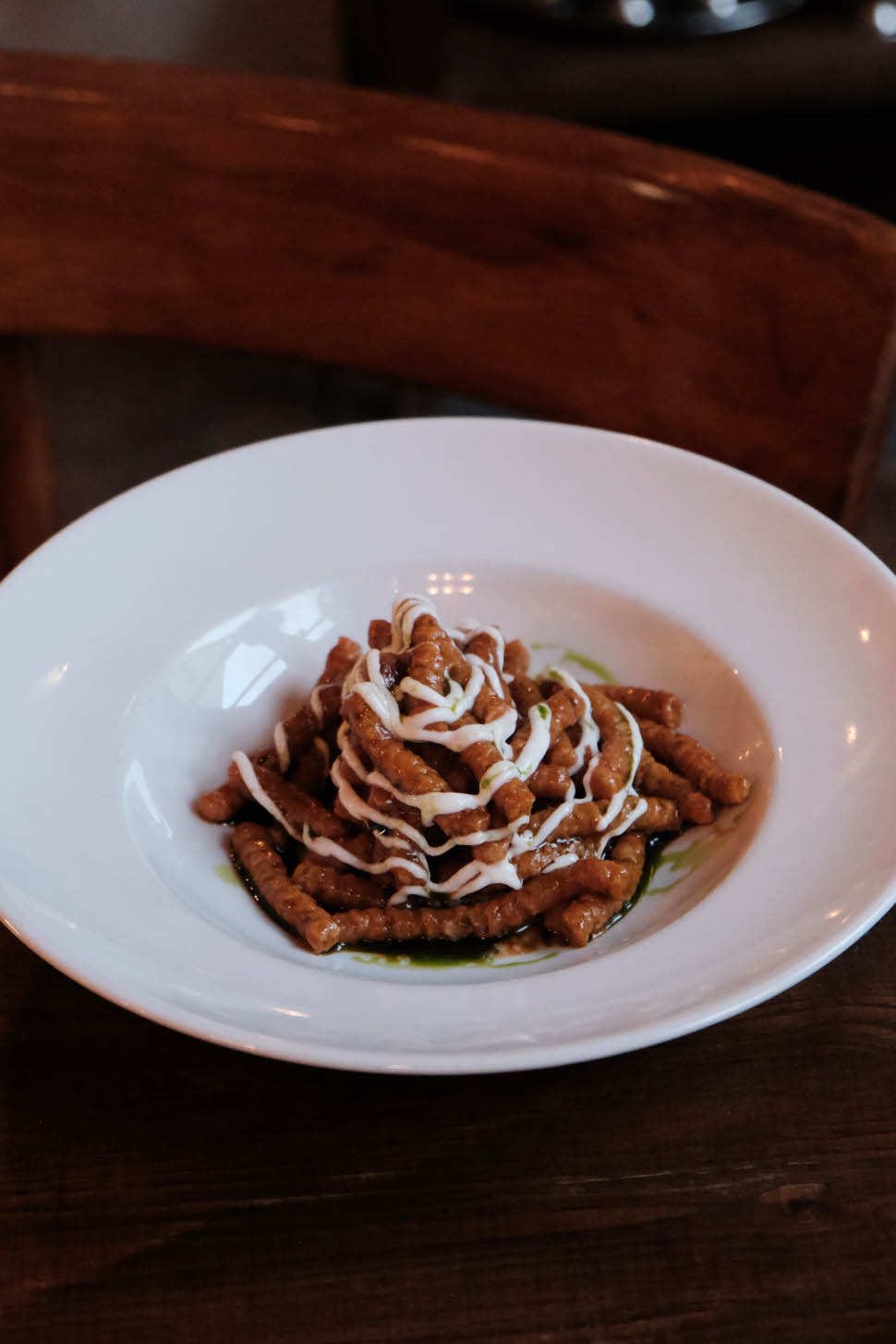
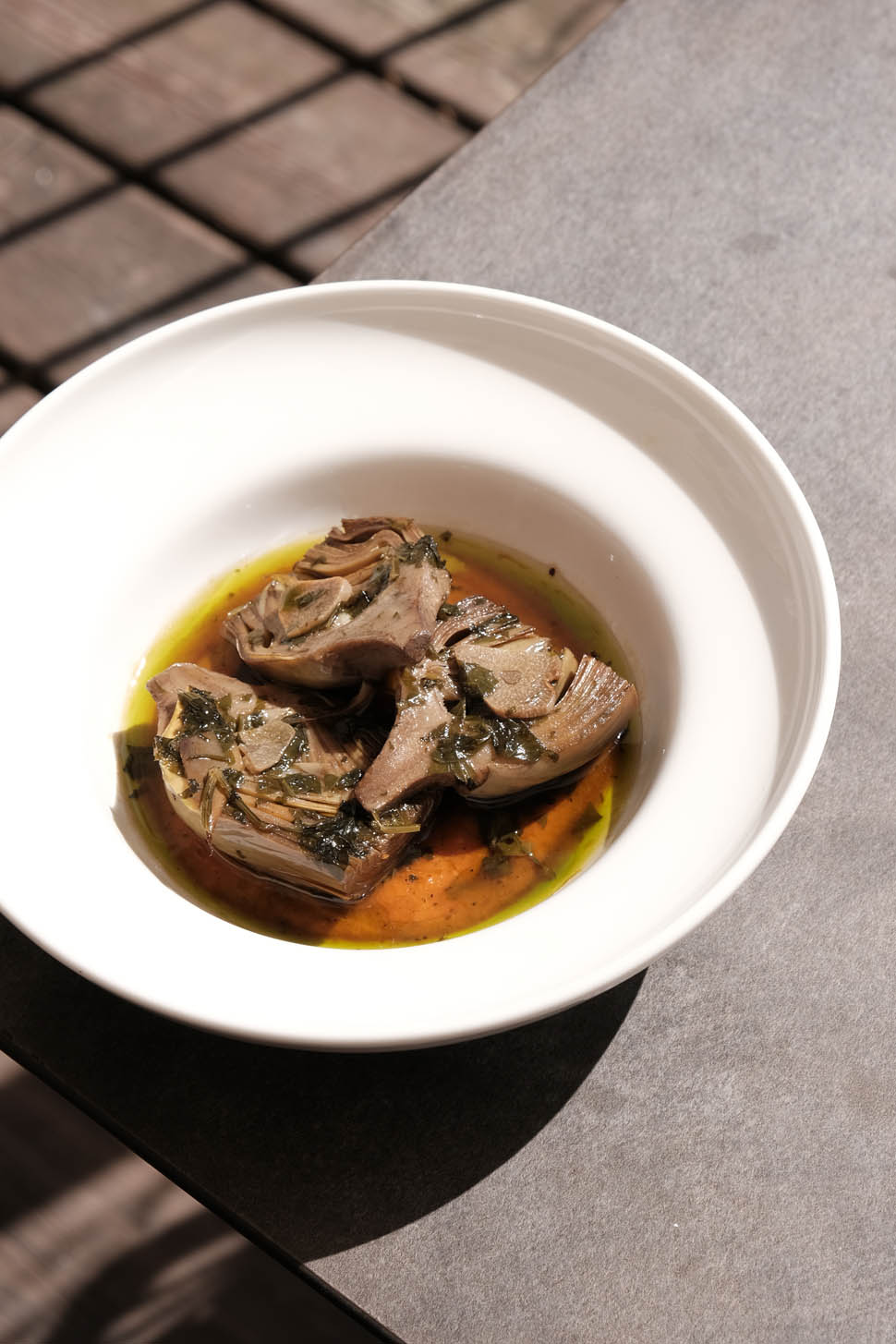
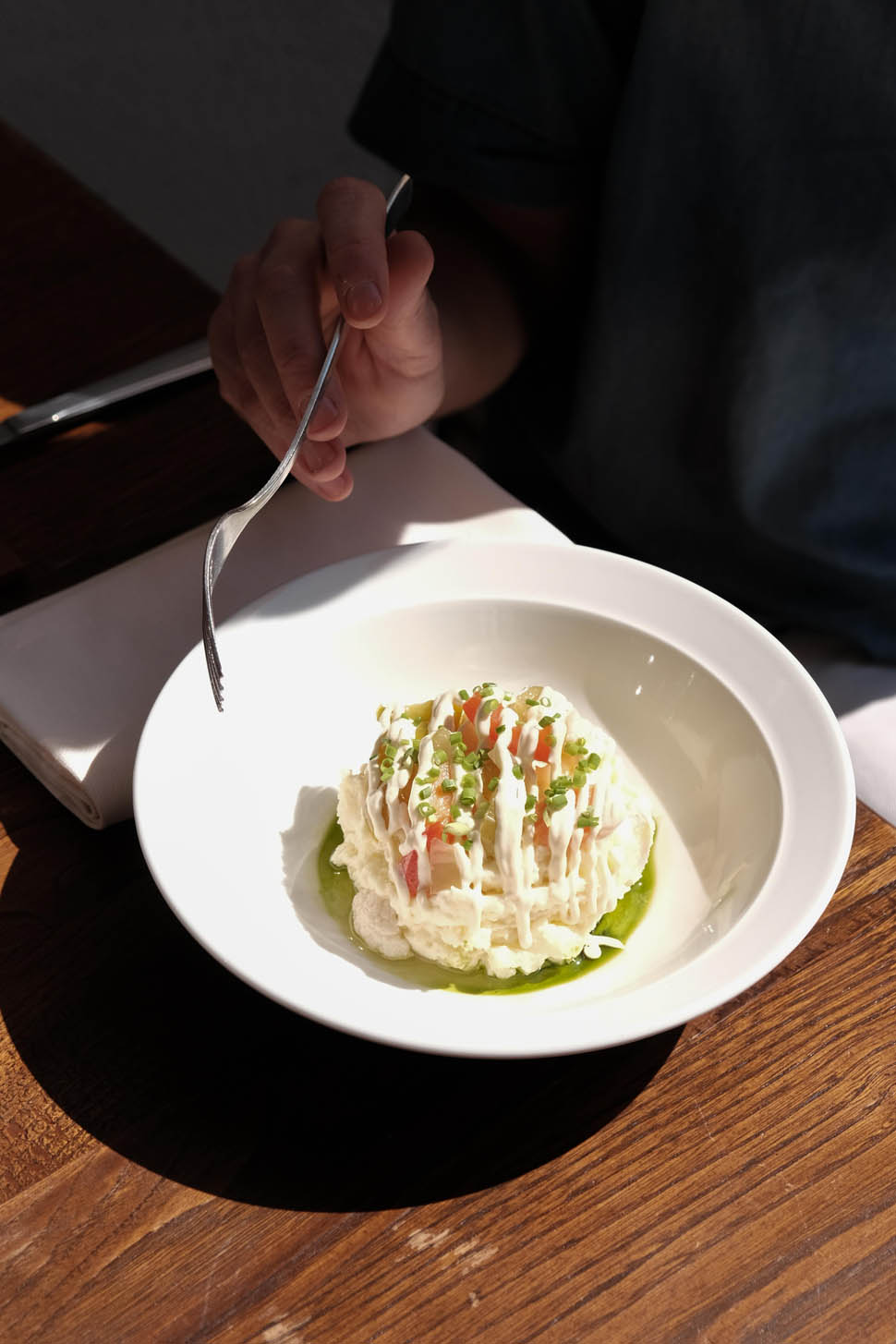
Even the first course offered a remarkable culinary experience. The Santarcangelo water onion salad with robiola cheese and macha sauce is a dish that plays on acidity, creaminess, freshness, and herbaceous notes. The Santarcangelo water onion, known as zvòla da aqua, is another Slow Food Presidium selected by Rattini. It is grown in the Marecchia River area and is quite large (weighing up to 1 kg). Its layers have a tender texture and an extremely sweet flavor.
Giorgio Rattini: “It’s not the ingredients that adapt to the menu, but the menu that adapts to what’s available”
What kind of cuisine do you serve at Oreste?
My cuisine draws inspiration from the local area and offers a modern take on our traditions. It’s shaped by the experiences I’ve had in the kitchen and those of my colleagues in the dining room, since we’ve all worked at some very prestigious establishments in Milan, Turin, and even abroad. We therefore sought to reinterpret tradition to give a more contemporary perspective to the Romagna-style tavern, which we felt needed a refresh. When we opened, there weren’t many young people willing to do something new in the province, so we made that choice ourselves.
Speaking of the local area, what does it really mean to cook with locally sourced ingredients?
It’s difficult, because you don’t have the same ingredients every day. You need constant support from suppliers, who often tell you what they have available, and you have to use what’s there—what’s in season, what’s left over, or what’s just arrived. So it’s almost the opposite of the traditional approach: it’s not the ingredients that adapt to the menu, but the menu that adapts to the supplies. That’s why we change things up often.
Your manfrigoli are a culinary delight: can you tell me about this dish?
It’s a traditional dish, especially from the Cesena area. It’s made from the scraps of pasta dough—both yellow and green—such as trimmings from tagliatelle, ravioli, and lasagna. All these scraps are finely chopped, almost like chopped parsley. Traditionally, there are several versions: some make them with legumes, others with lard, and others in liquid fish-based preparations, like a soup. We prepare the manfrigoli like a risotto using mantis shrimp broth.
On the night of the dinner, we had Romagnolo chicken cooked over charcoal. What do you think of this ingredient?
Romagnolo chicken is a Slow Food Presidium and represents an important part of our rural culture. It is a rustic breed raised outdoors, with slow growth and characteristics completely different from those of industrial chicken. Its meat is more flavorful, firmer, and more authentic, if you will. For us, this means working with farmers who truly respect the animals and the land.
Menus that change constantly or iconic dishes that stand the test of time: what do you think?
I believe that when you first start a business, especially in big cities, you need to put yourself to the test and also gauge customer interest across a very wide range of ingredients and dishes. So, in my opinion, a wide variety makes sense, especially in the beginning. But then there comes a time when you have to pause and figure out what customers really like, which is exactly what we do. There might be different off-menu items each week where you can try out new ideas and let your creativity run wild between menus, but the actual menu changes roughly every three months, and the main dishes stay on the menu for the entire period. We keep some iconic dishes on the menu both in winter and summer. Here’s how I see it: after a while, a restaurant needs to establish itself around signature dishes, partly to survive in today’s climate. At first, it’s good to vary things a lot, but then you have to figure out what the customer is really looking for when they come to you.
Contact and Info
Osteria da Oreste
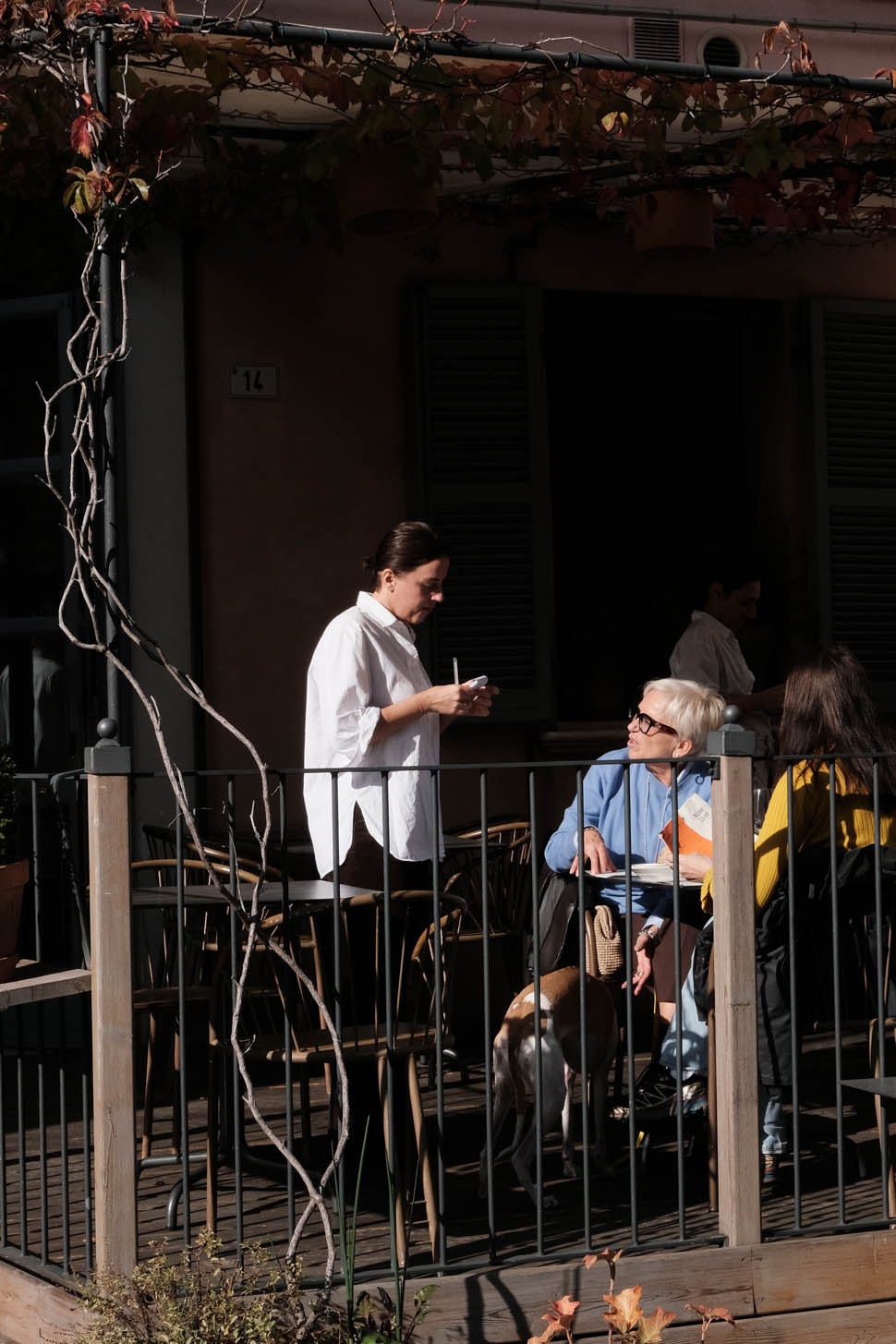
14 Via Pio Massani – Santarcangelo di Romagna (RN)
Tel. 347 770 3624
Website: https://www.osteriadaoreste.it/