The icon of Catalan cuisine, in an intimate interview with the podcast Stay for Lunch, breaks his silence on the dark side of the hospitality industry and champions the value of time, respect, and professional freedom.
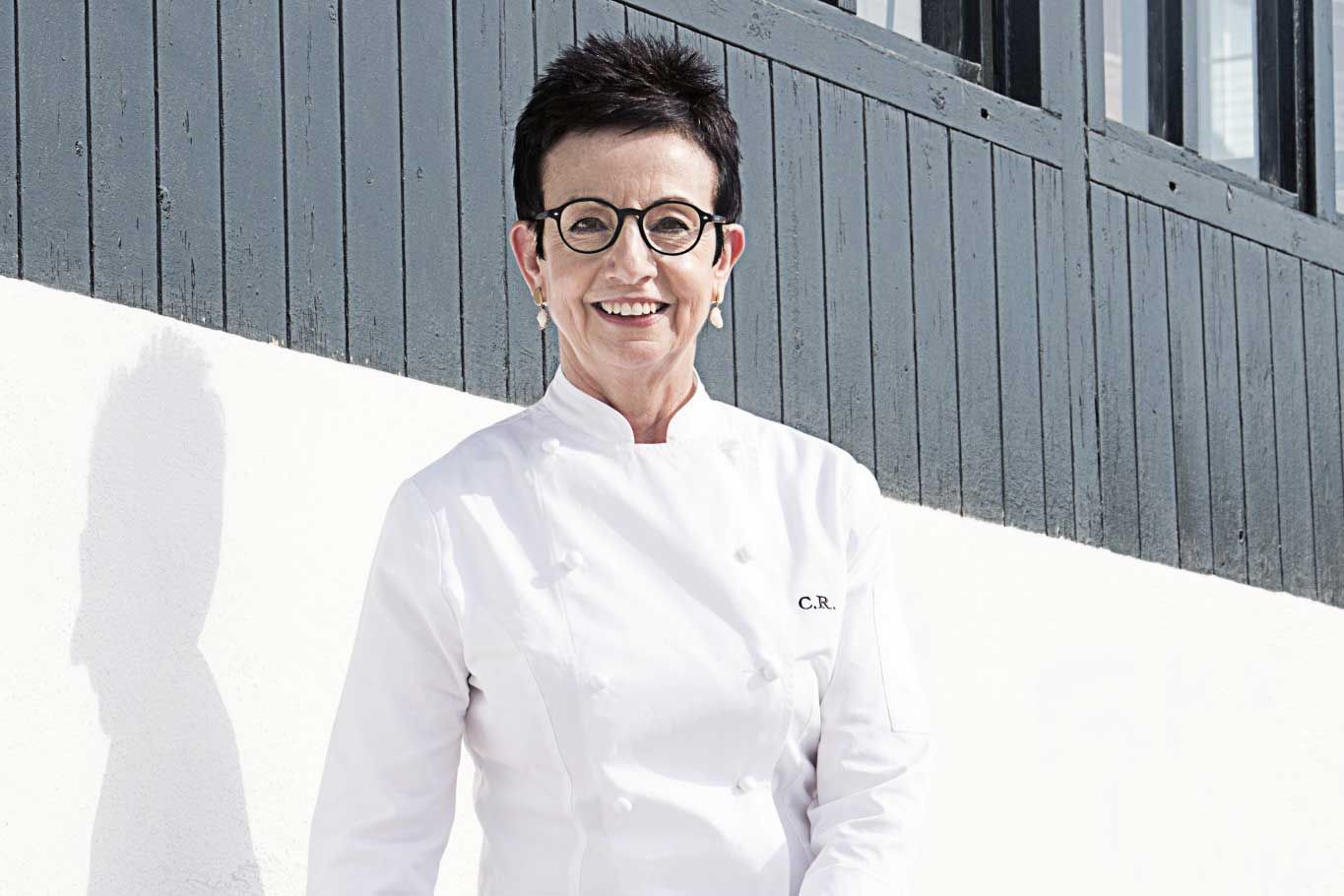
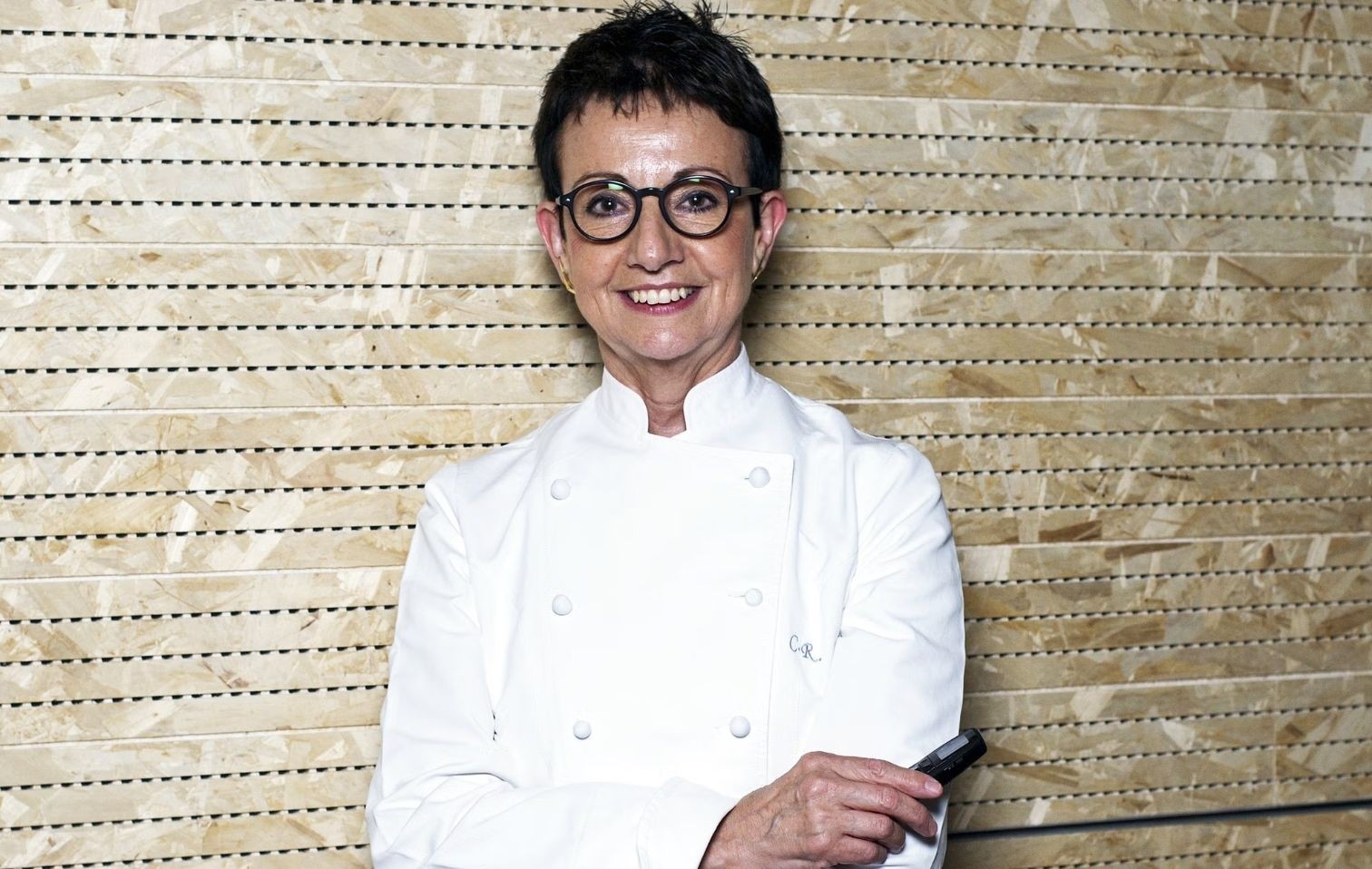
“No one should ever be forced to endure slavery in a restaurant. If you're not happy, leave. There are other places waiting for you.” These words by Carme Ruscalleda, recently reported by La Vanguardia in this article, come as a much-needed wake-up call, a lesson in dignity that shakes the very foundations of an industry often celebrated for its stars but silenced regarding its dark side. Nearly eight years after the historic closure of her three-Michelin-starred Sant Pau in Sant Pol de Mar, the “Grand Dame” of world cuisine is making her voice heard once again, and it is a voice that brooks no compromise.
The Courage to Say “No”
Speaking in the latest episode of the podcast Quédate a comer, the chef addressed the issue of abuse and toxic pressure in international kitchen teams without holding back. “Respect must be applied to everything: to the product, to suppliers, to customers, and, above all, to the staff”, she declared with the firmness of someone who has built an empire on ethics. “Anyone who feels they are a victim of mistreatment or slave-like management has a duty to themselves to leave. The world is full of opportunities; don’t stay where your professionalism is being trampled on.”
The Ethics of Pricing and the “New Slavery”
For Ruscalleda, however, the concept of slavery is not limited to the confines of a kitchen. Her outrage shifts forcefully toward the production chain: "How is it possible that a liter of milk is paid less than its cost of production? This is economic slavery. Who would want to work in the dairy sector under these conditions? If I couldn’t give my work the value it deserves, I’d change professions tomorrow.” It is an indictment of a system that crushes small producers—the guardians of flavor—in the name of profit that disregards human labor.
A “Germanic” life of order and beauty
Today, Carme Ruscalleda dedicates her days to noble causes, such as introducing food education in schools, maintaining a discipline she describes as “almost Germanic.” “I need a rigorous structure,” she confesses. “An orderly, peaceful, and beautiful environment is what gives me the energy to look ahead.” It is a realization that comes with maturity—that ability to “learn to understand the time one no longer wishes to waste.” In her childhood home in Sant Pol, the chef has rediscovered the value of contemplation: “Today I pause to watch a plant grow. I admire my sanctuary while I drink tea. It is a simple joy that I once, overwhelmed by work, did not allow myself.”
The weight of the past and the strength of one’s roots
There is no shortage of deeply personal moments, where the woman takes precedence over the chef. Ruscalleda speaks openly about the guilt that has accompanied her for years as a mother: “My children weren’t doing well in school, and I blamed myself for not sacrificing my afternoons to help them with their homework. I was working in the shop, building a future, but I felt I was falling short.” A burden she overcame only with time, observing how men often approach their work commitments without the social stigma of “neglecting the family.” Hers is a story of ingenuity born of necessity—“as a child, I made my own toys from scratch”—and of a passion for art sacrificed to the family dynamics of the past. But it is also the story of a rock-solid partnership with her husband Toni Balam, the partner who has always supported her, even when her ambitions seemed too grand for a small seaside village.
A warning for the future
Today, Carme Ruscalleda is no longer afraid to speak out. While in her youth silence was a form of prudence, today her voice is a weapon of awareness. “If I bring something to light, it’s because I’ve thought it through and I believe someone is forgetting it”. Her message is clear: the gastronomy of the future will either be ethical, respectful, and humane, or it will have no reason to exist. And for those who don’t understand, the door is open: “Go away, there’s another world out there”.