At Portrait Milano, casual dining becomes a manifesto of contemporary Italian style. A direct taste that speaks to the world through Parmigiano Reggiano.
*Content with promotional purposes

Photo credits: CineFood
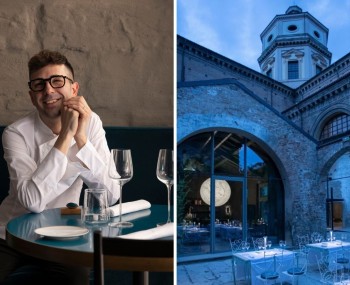
In the heart of the Fashion District, inside the large square of the Portrait Milano, the 10_11 Bar, Garden, Restaurant is the manifesto of great Italian hospitality that chooses simplicity as its stylistic signature and nuance of elegance. The name indicates the point of connection between two symbolic addresses (Via Sant'Andrea 10 and Corso Venezia 11), but above all the meeting point between two souls of the city: the more intimate one and the one open to the world. The project was conceived as a fluid space: bar, restaurant, garden, and portico coexist within the former Archiepiscopal Seminary, now transformed into an international location.
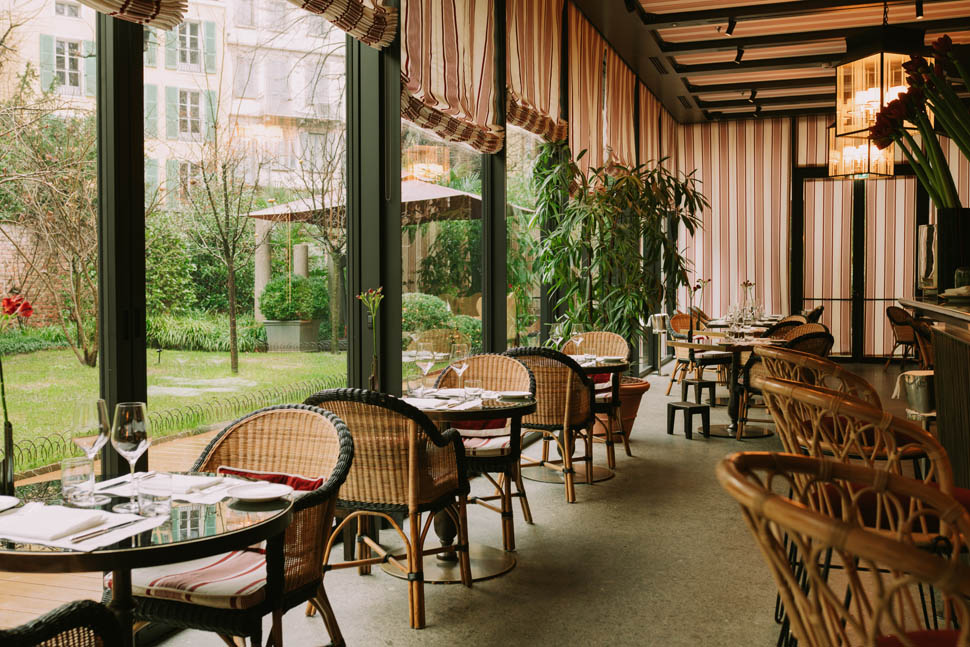
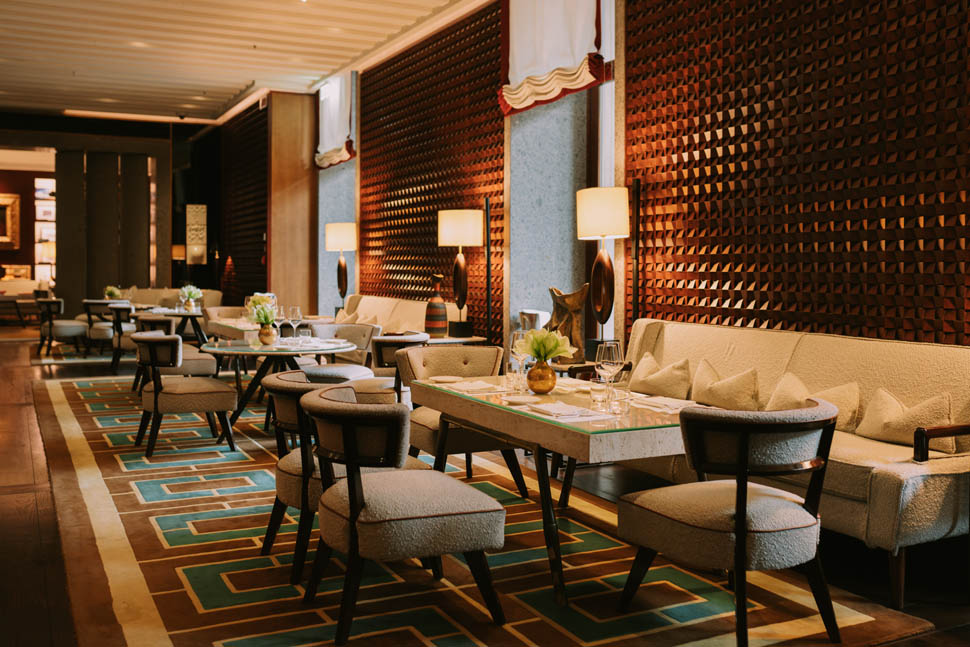
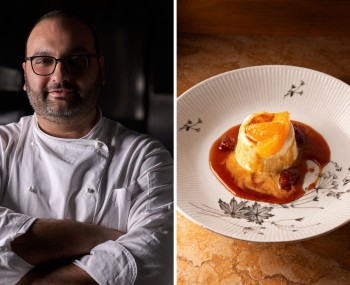
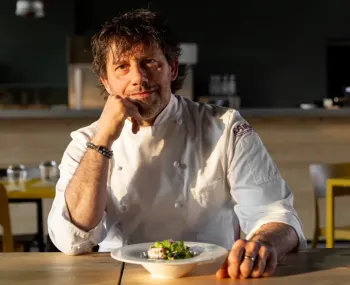
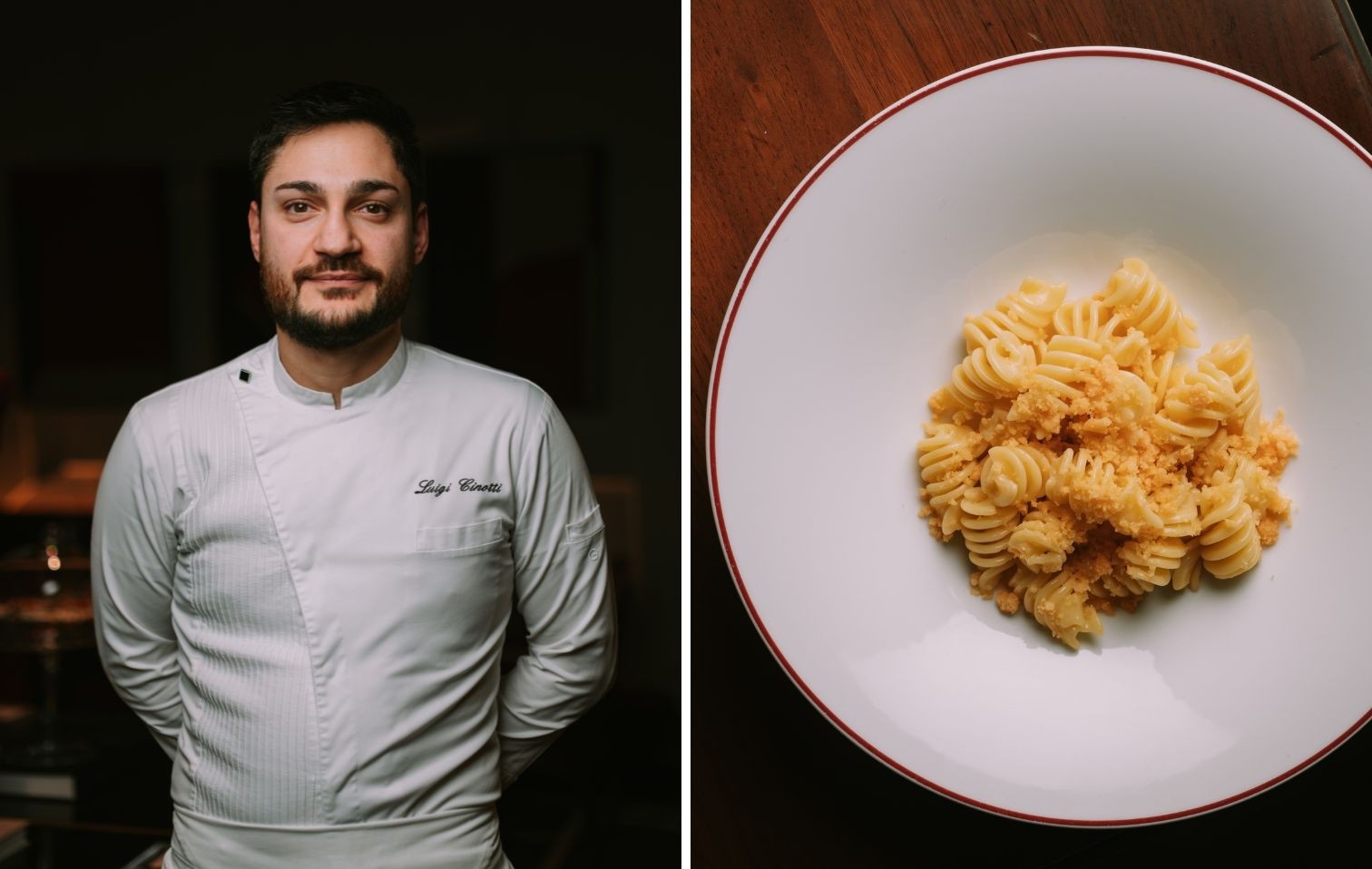
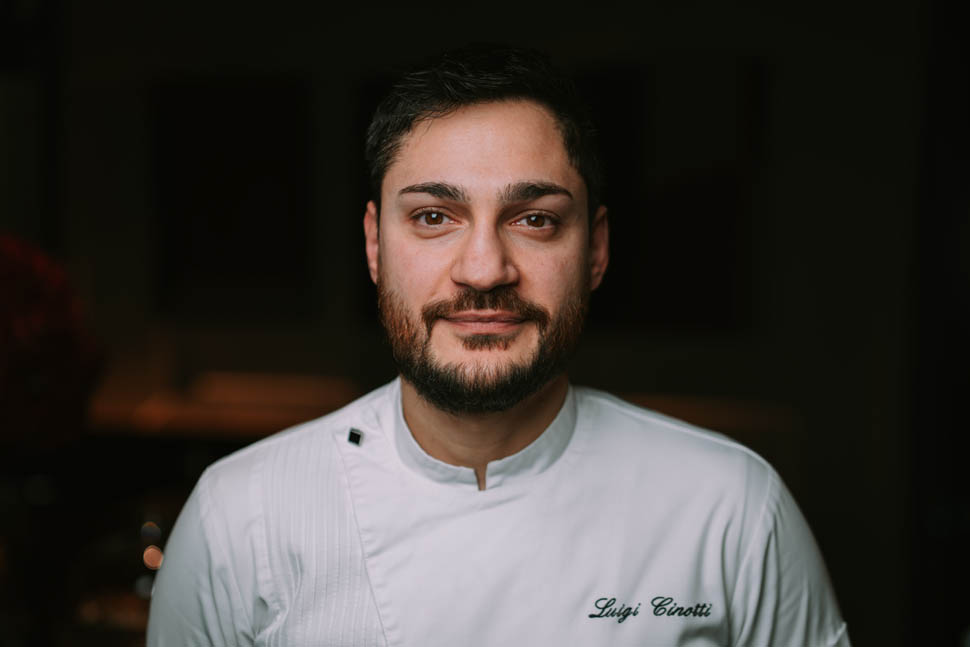
10_11 is neither a niche restaurant nor a classic fine dining establishment. It is a place frequented by Milanese locals and an international clientele seeking an authentic Italian experience. From breakfast—awarded Best Breakfast in Italy 2024 at the Best Luxury Hotel Awards and Best Hotel Breakfast at the Food&Wine Italia Awards 2025—to midnight spaghetti, everything is designed to be a gastronomic ritual. In the kitchen, leading a team of around 37 people between the kitchen and pastry department, is executive chef Luigi Cinotti.
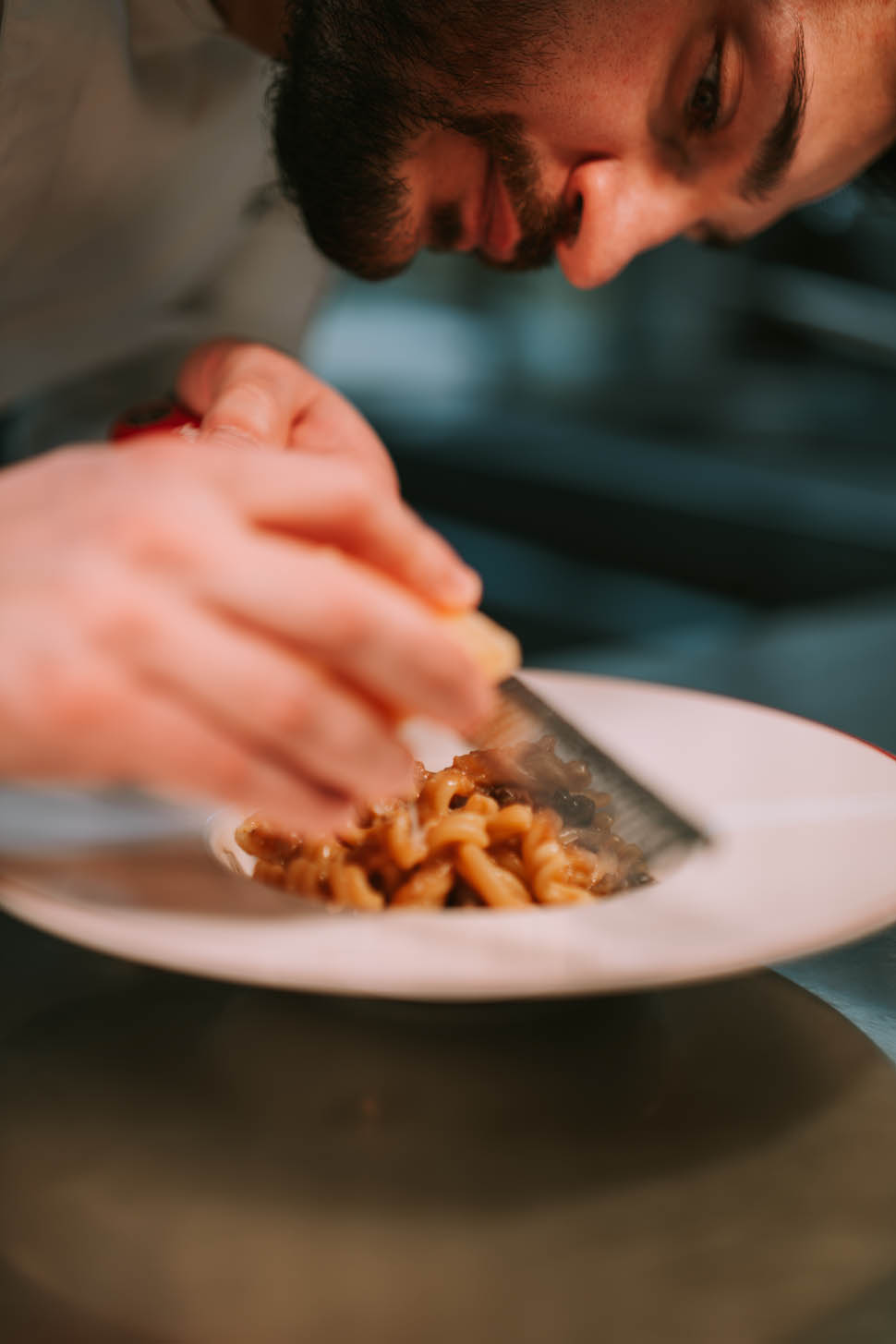
Pasta in bianco and casereccia alla genovese: two first courses that tell the story of Italy
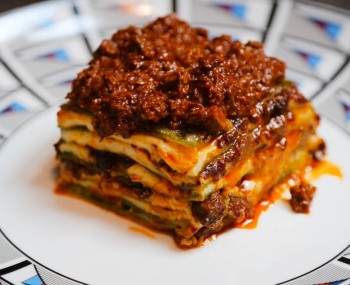
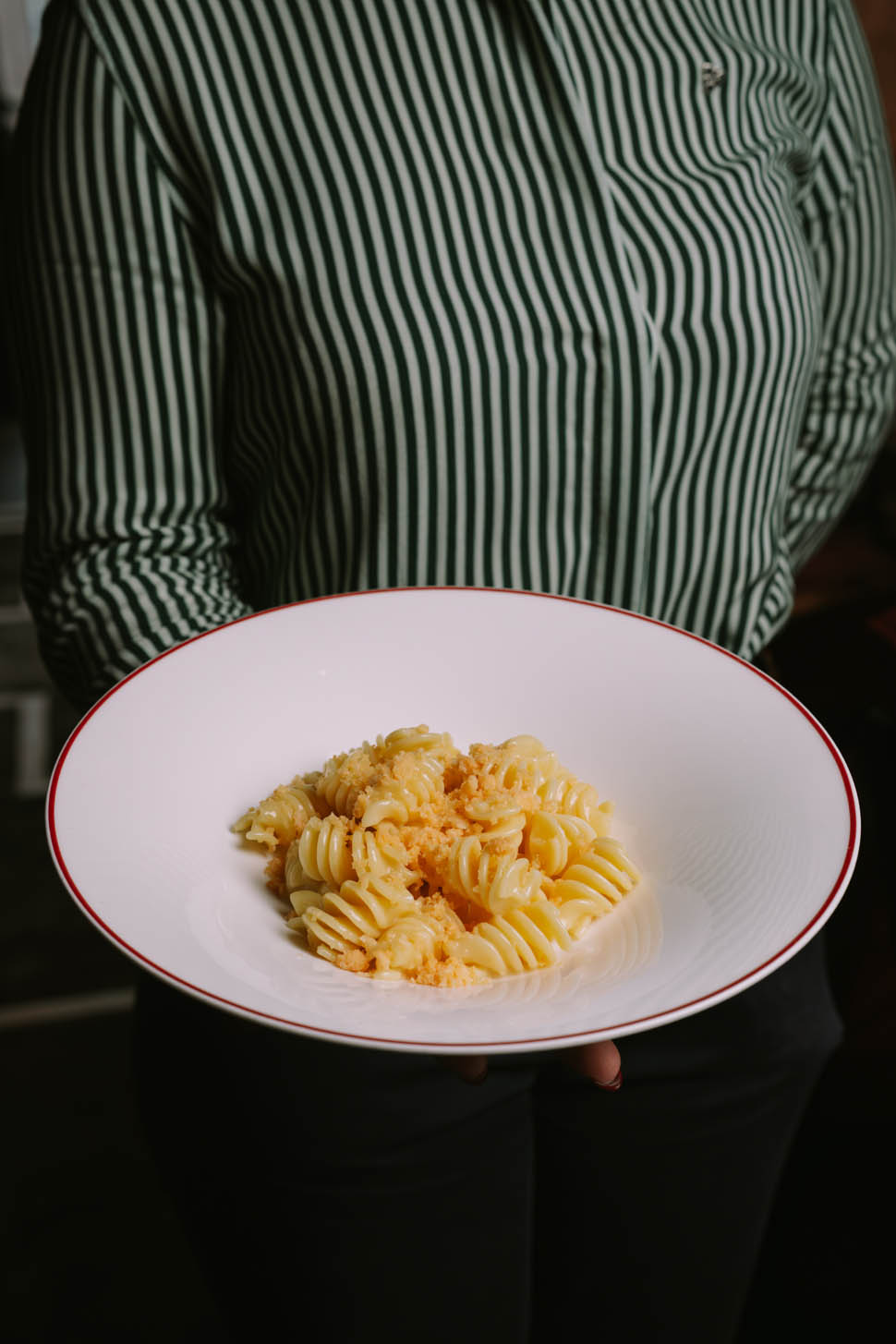
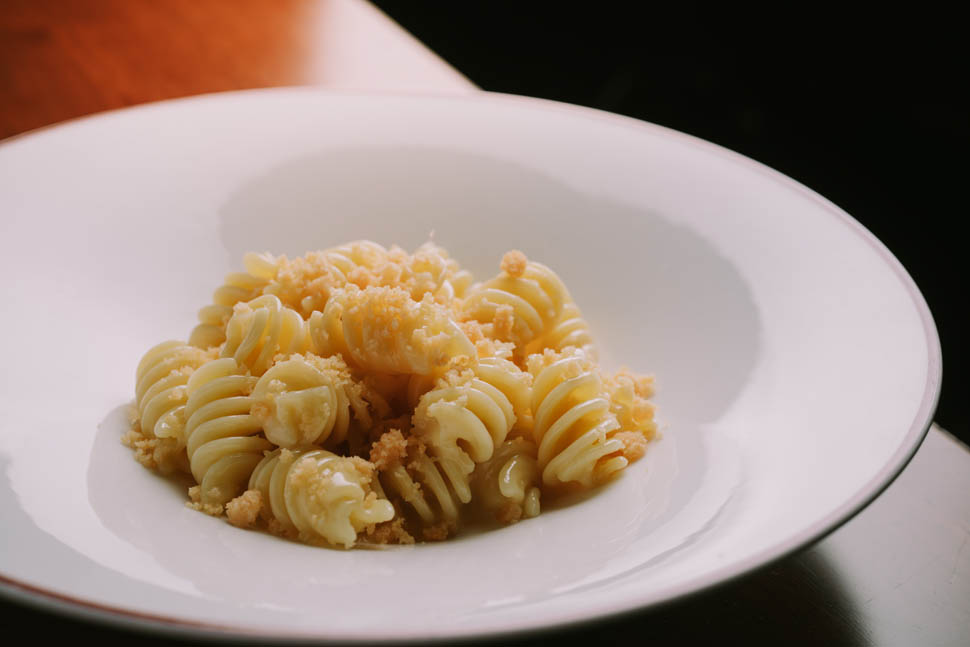
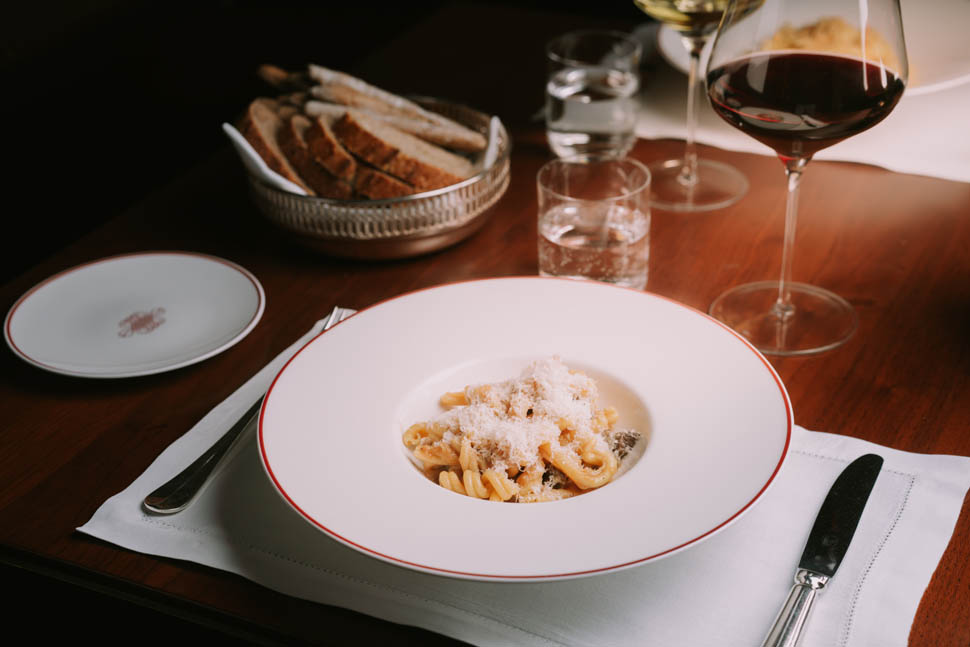
Among the dishes that best convey the identity of 10_11 are two seemingly simple first courses: Pasta in bianco and casereccia alla genovese with Parmigiano Reggiano. Casereccia alla genovese stems from a personal memory of the chef. It is a Sunday dish, linked to family memories. In the version offered at Portrait, the ragù is prepared in the traditional way: slow cooking, two kilos of onions for every kilo of meat. The pasta is homemade, like all the pasta at the restaurant except for the fusillo used for Pasta in bianco. The shape chosen is casareccia, which is easier to eat than traditional broken ziti.
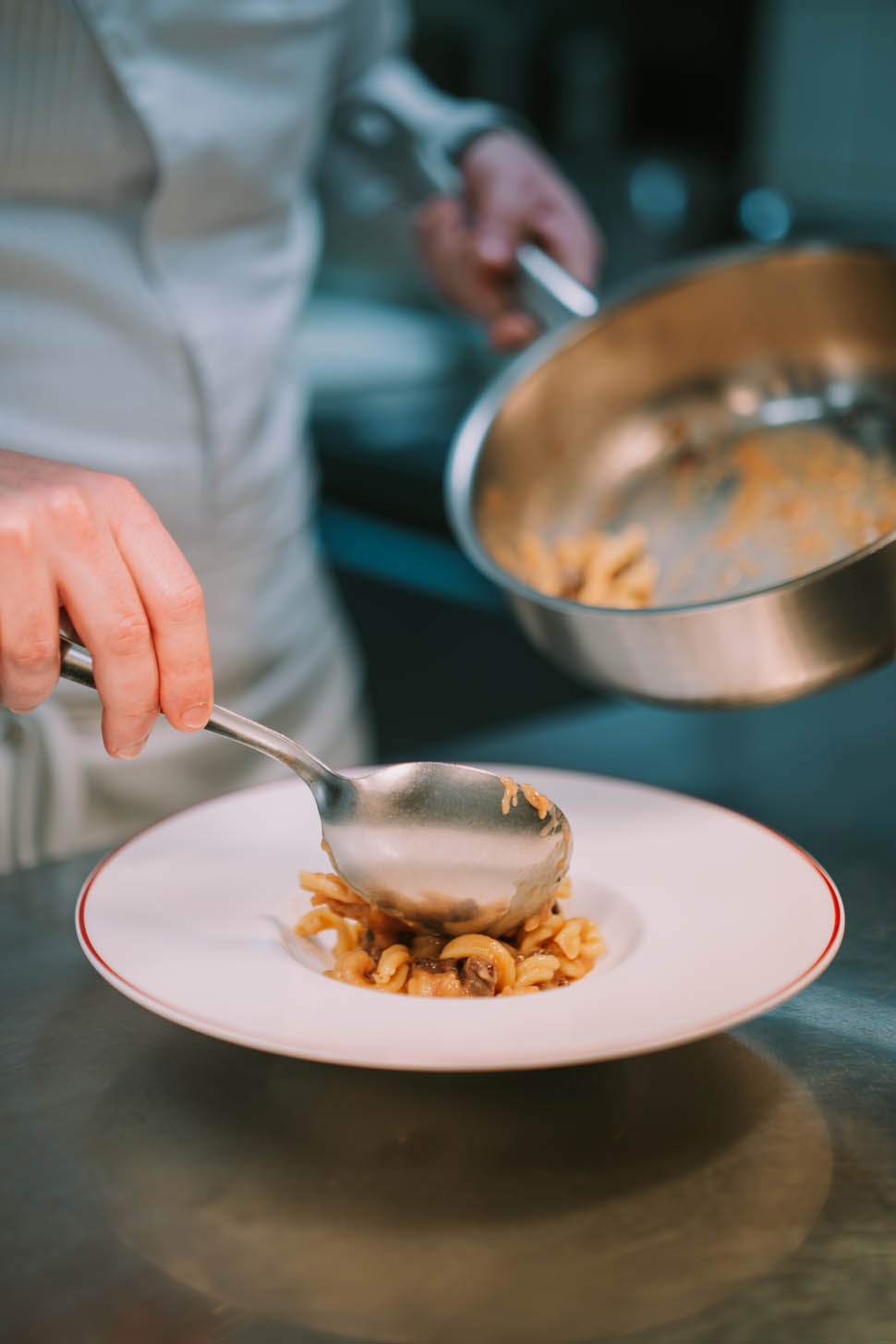
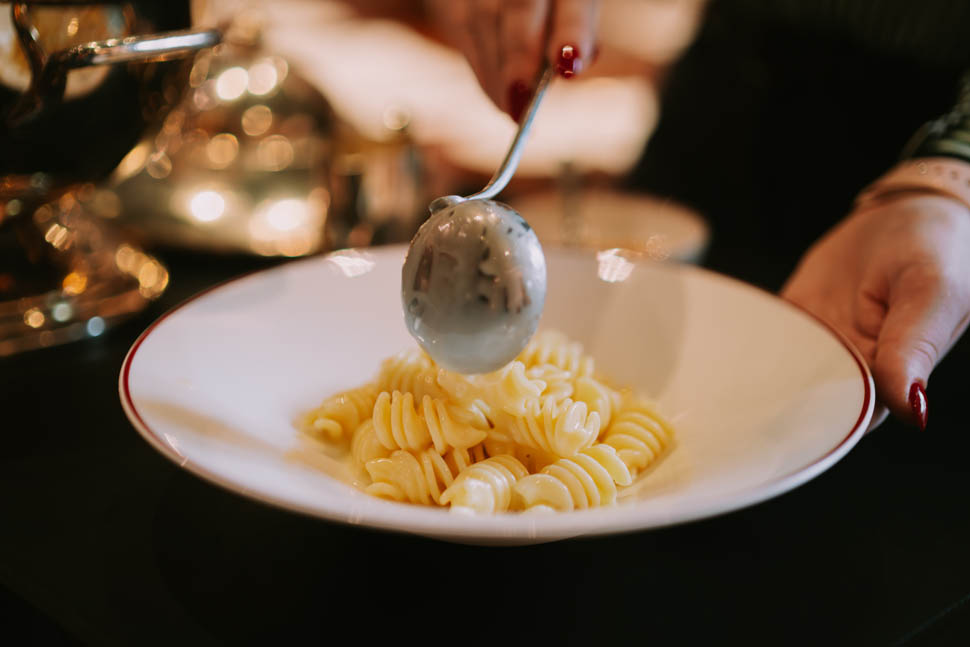
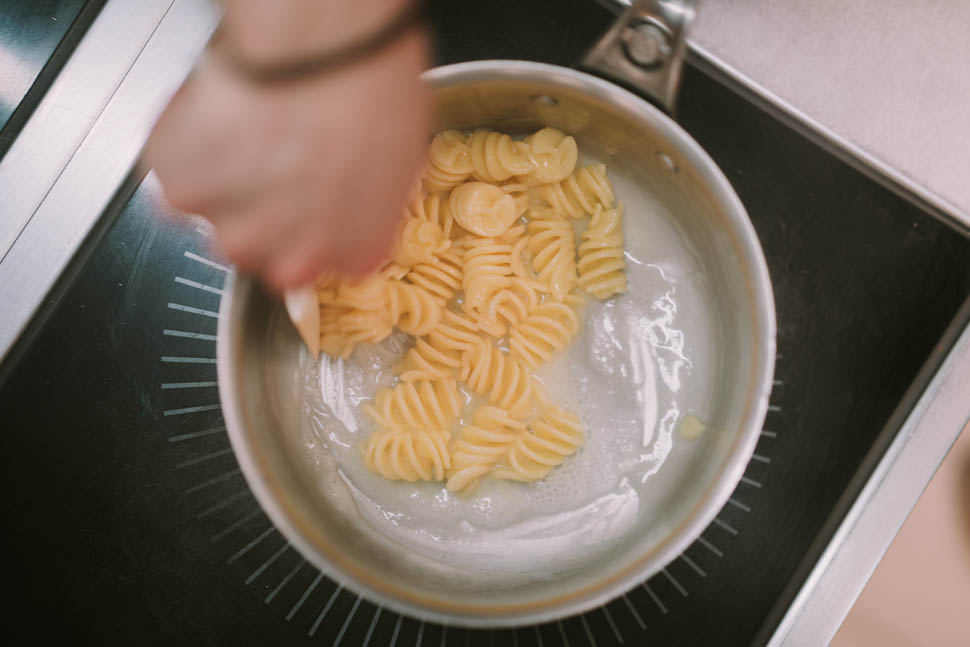
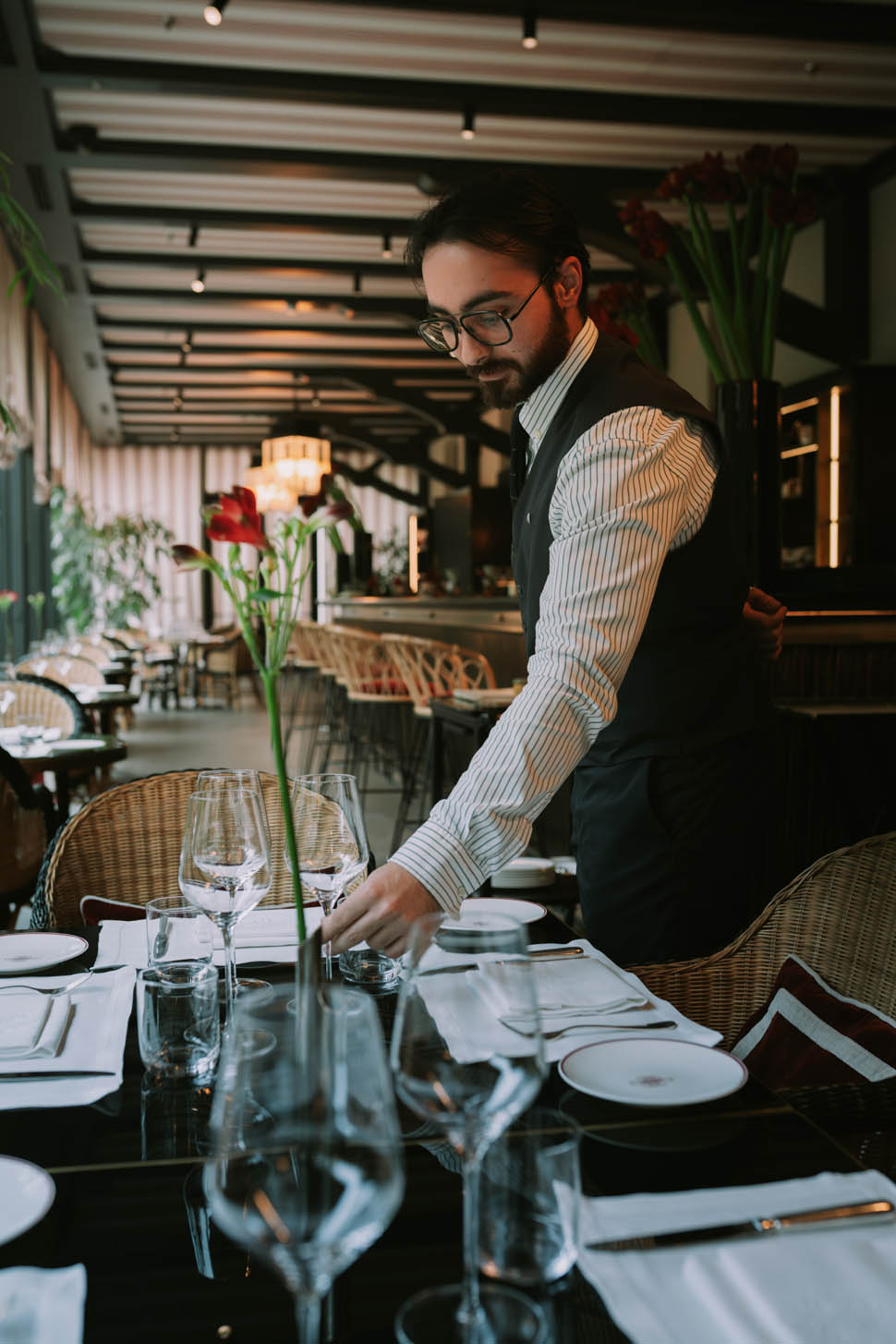
For international diners, Genovese pasta is not immediately recognizable. It is not spaghetti with tomato sauce or Milanese risotto. It is a dish that needs to be explained. And this is where the dining room service comes into play: explaining the origin, the preparation time, the technique. Parmigiano Reggiano, used to finish the dish before serving, becomes an element of balance and depth. Pasta in bianco has become a symbol of this place. The current recipe uses only water and Parmigiano Reggiano, without the addition of salt, oil, or butter. Parmigiano Reggiano aged 12 months and 24 months are mixed to find the right balance of flavor. The water is brought to a boil, the heat is turned off, the grated cheese is added, it is left to rest for two hours, filtered, and stored in the refrigerator for at least 12 hours. The next day, the broth and fat are separated: the former is used to cook the pasta, the latter to cream.
From Caserta to the Madonnina: interview with Luigi Cinotti
"I am originally from Campania, specifically Caserta, about thirty kilometers from Naples. My family always had big parties, with twenty or thirty people at my grandparents' house, so getting together and cooking was natural. Cooking was not a passion of mine as a child; I was close to my grandmother more out of necessity than anything else. I finished my studies and went to England to gain life experience and learn English. I was supposed to stay for six months, but I ended up staying for eight or nine years. I worked in Michelin-starred restaurants and large hotels, which was an important learning experience. During Covid, I started thinking about returning to Italy. I had little experience in Italian cuisine, mainly just family memories.I returned to Rome, where I opened the Marriott chain's Hotel W. There I met our current pastry chef, who told me about the Portrait project in Milan. Milan wasn't in my plans, but when I saw Portrait, I accepted. I arrived as a chef and then they gave me the opportunity to lead the team.
How many people are there in the team today?
“Between the kitchen and pastry department, there are about 37 of us. When we first opened, there were 17. We have grown exponentially and every year we try to raise the bar.”
What is the identity of Portrait's cuisine today?
"We make traditional Italian cuisine. I say Italian because we cover a wide range: I bring something from Campania, we make recipes from Piedmont, Lombardy, and even Sicily, such as caponata, for example. The important thing is to remain faithful to the tradition of Italian classics. We use the highest quality products and make straightforward, simple cuisine. But simple does not mean easy.
We try to revisit recipes while remaining faithful to the original. These are dishes that appeal to everyone. We also have dishes for sharing because conviviality is part of our philosophy. Simple dishes with few ingredients that even international customers can understand.
Is there a dish you are particularly fond of?
"For some time now, casareccia alla genovese has been on the menu. For me, it's a childhood memory. My grandmother used to make it, then my mother. It's prepared on Sundays and takes a long time to cook. My mother would wake up at six in the morning, put the ragù on at seven, and continue until two in the afternoon. She used broken candles. Here we make casareccia, which is easier to eat. The ragù is traditional: onion, meat, long cooking time. Two kilos of onions for every kilo of meat. We make the pasta ourselves because we have the machine."
How has the public responded?
“This dish is more difficult for foreign customers; you have to explain it to them. On the menu, they see plain pasta, spaghetti with tomato sauce, and Milanese risotto: they already know those. Here, the explanation makes all the difference. The dining room is fundamental.”
Let's talk about pasta in bianco.
"Currently, we only use water and Parmigiano Reggiano. A mixture of 12- and 24-month Parmigiano Reggiano. We bring the water to a boil, turn off the heat, add the grated Parmigiano Reggiano, stir, and let it rest for two hours. We filter it and refrigerate it for at least 12 hours. The next day, we separate the fat and the broth: the broth is used to cook the pasta, and the fat is used to cream it. No salt, oil, or butter is added."
Do you use Parmigiano Reggiano in other dishes too?
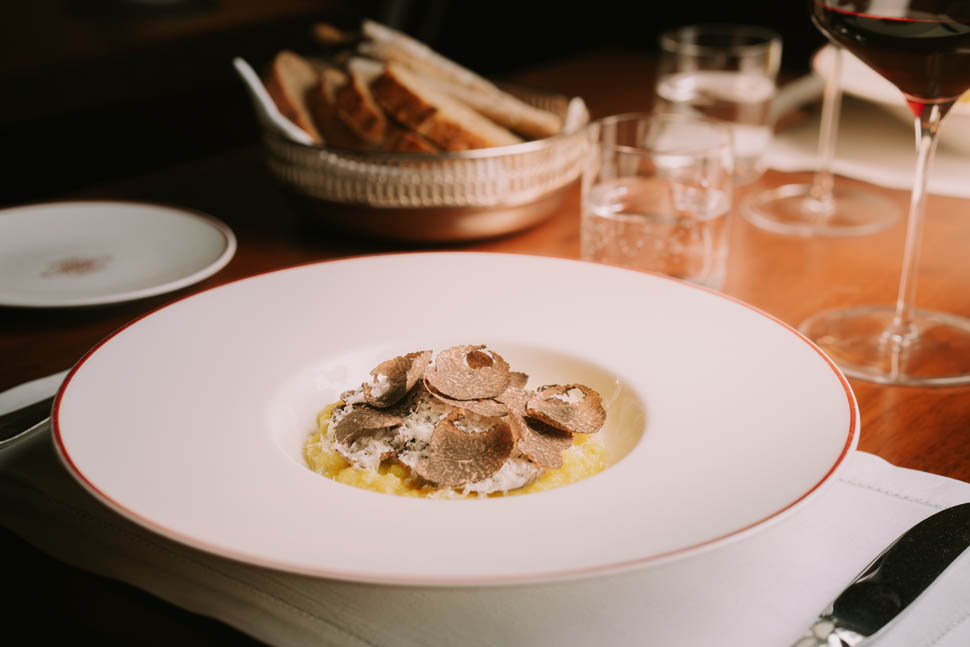
"We use it a lot. Sometimes even unconsciously. To cream, to correct the flavor, to give a dish a boost. I use it in soft-boiled eggs with potato cream and black truffle, in Genovese sauce to finish the dish. We were born with this cheese, it's part of our palate. I order about 150 kilos of Parmigiano Reggiano a week, of various ages. I also use it for breakfast and brunch."
How does Parmigiano Reggiano feature in breakfasts?
We have a buffet for both breakfast and brunch. We put 24-month Parmigiano Reggiano on the buffet, and customers can taste the shavings with our baked goods. We also use it in some egg dishes.
Parmigiano Reggiano as a common language
In the 10_11 project, Parmigiano Reggiano is not a side ingredient but a structural element. It is present in iconic first courses, in brunch eggs, at the breakfast buffet, in creams, and in traditional dishes. The decision to work with different ages, mixing 12 and 24 months in Pasta in bianco to achieve balance, demonstrates precise technical attention. The volume used—about 150 kilos per week —shows how central this cheese is to the menu.
Milan, an international city by definition, speaks to a global audience. On the 10th and 11th, it does so through recognizable Italian dishes, gastronomic rituals, and an ingredient that represents Italy around the world. Parmigiano Reggiano thus becomes a shared code, understandable to those arriving from abroad and reassuring to those at home. It is in this balance between local identity and international openness that Portrait builds its idea of all-Italian casual dining.
Contacts and info
Portrait Milano
Corso Venezia, 11 – Via Sant’Andrea, 10 - Milano
Website: https://portraitmilano.com