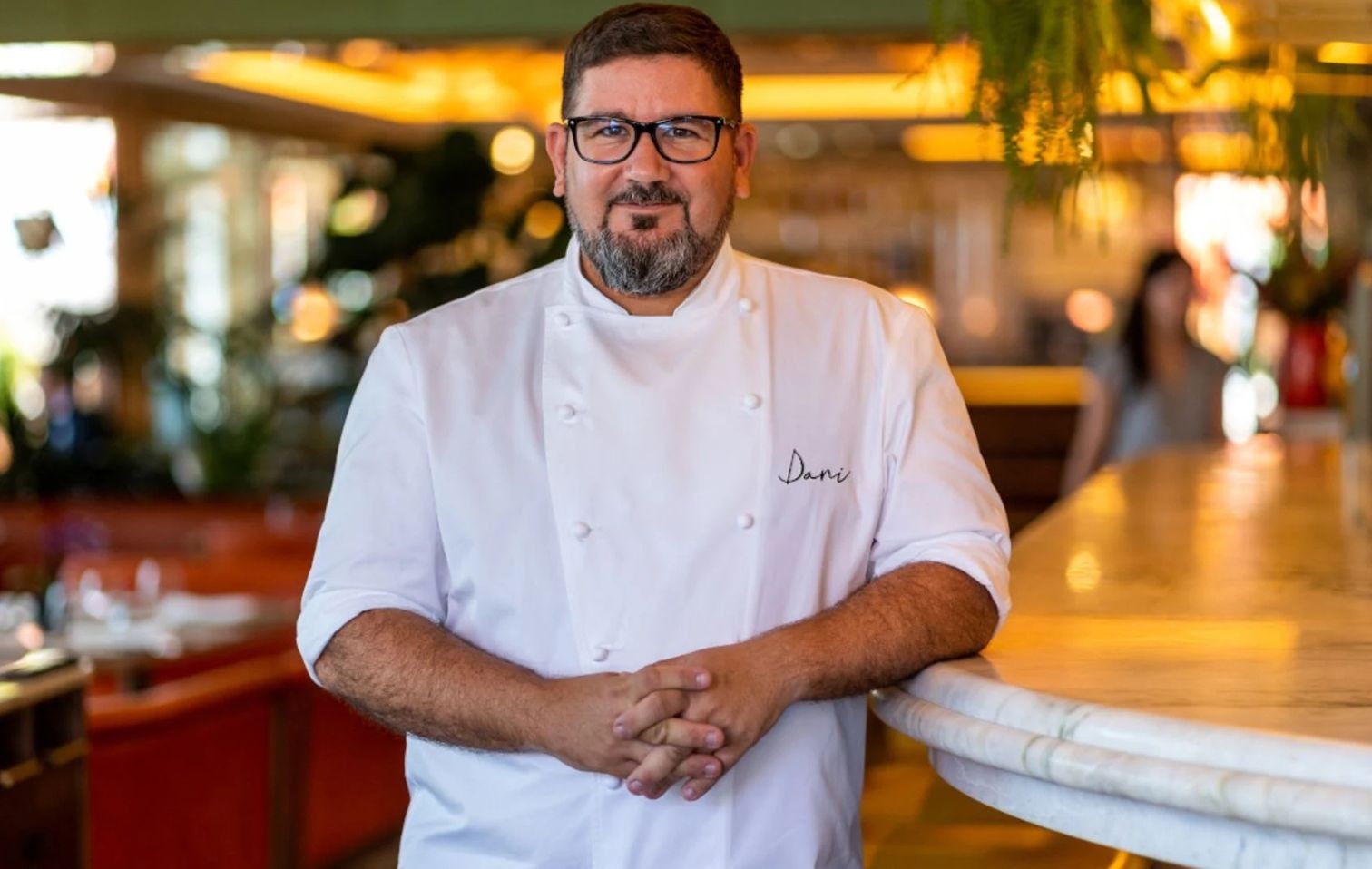
Nowadays, booking a table is increasingly becoming a carefully considered decision. The issue of restaurant prices has entered the public debate with unprecedented force, and it was Dani García who brought it to the forefront of television conversation when he appeared on El Hormiguero with a proposal that was as simple as it was destabilizing for the sector: to apply a dynamic pricing logic to the restaurant industry, similar to that used for movie tickets or airline flights.
The opinion
The Andalusian chef does not speak as an outside observer. His comments are based on direct experience, gained while leading various gastronomic projects, and on a clear awareness of the structural difficulties currently facing the sector. During his interview with Pablo Motos, García addressed the issue without rhetoric, starting from a concrete fact: for many people, eating out at a restaurant is no longer a habit but has become an exception. This transformation affects not only customers but also those who work behind the scenes. The final price of a dinner does not depend solely on what arrives on the plate. The cost of raw materials has risen significantly, especially for those who choose fresh, selected ingredients, often from local or specialized suppliers. Added to this is an item rarely considered by the public: waste. Not everything that is purchased finds an immediate place in the dining room, and that part must still be absorbed by the restaurant's budget. A combination of factors that makes the economic balance fragile, especially in periods of high demand. García explained this with a direct example, referring to the previous Christmas period: “I can't raise prices because we would go bankrupt.” A sentence that captures a little-known reality, that of restaurants forced to close during the holidays, especially in the seafood sector, because the increase in costs cannot be sustainably reflected in the price to the customer. “Many seafood restaurants closed last Christmas. It's complicated,” he added, highlighting an obvious contradiction: the time of peak demand often coincides with the highest risk.
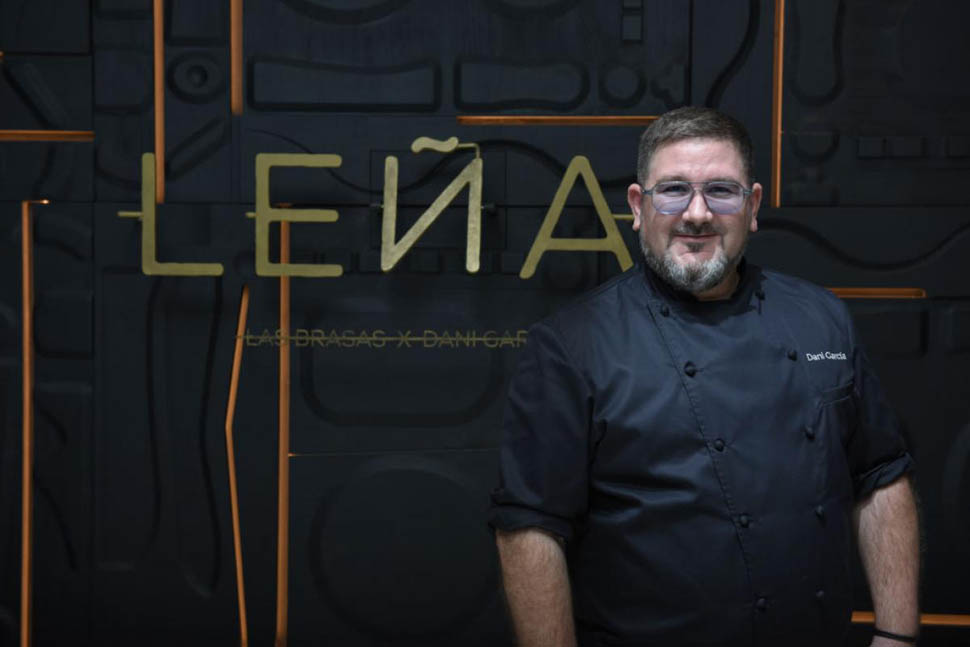
This gave rise to the idea of dynamic pricing, which García illustrated with an immediate comparison. “Everyone takes it for granted that they will buy it,” he says, referring to the daily experience of those who check a price, walk away, and find it has changed shortly afterwards. This happens with flights, trains, and hotels. “The same trip costs more at seven than at nine in the morning,” observes the chef, pointing out that the market has already internalized this logic in many other areas. Applying this model to the restaurant industry would mean accepting that not all days have the same value. García puts it bluntly: “I have too many customers on weekends, but not enough on Mondays, Tuesdays, and Wednesdays.” The proposal takes shape around a key idea: differentiating prices based on demand, making some days more affordable and others more expensive. “Mondays cheaper and Saturdays more expensive,” he summarizes, comparing the mechanism to discount days at the cinema or theater. The reference to “Discount Day” is not accidental. In the entertainment industry, the public knows the rules of the game: there are days when tickets cost less, and others when the price goes up. No one is surprised, because the information is clear and provided in advance. García envisions a restaurant industry capable of adopting the same transparency, transforming price into a tool for managing flow, not a taboo. This policy, often associated with the concept of happy hour, has clear advantages for both parties. For restaurants, it means better distribution of work throughout the week, reducing the pressure concentrated on weekends and improving economic sustainability. For customers, it opens up the possibility of enjoying the dining experience on traditionally less crowded days, at more favorable conditions. An implicit agreement, based on clarity.
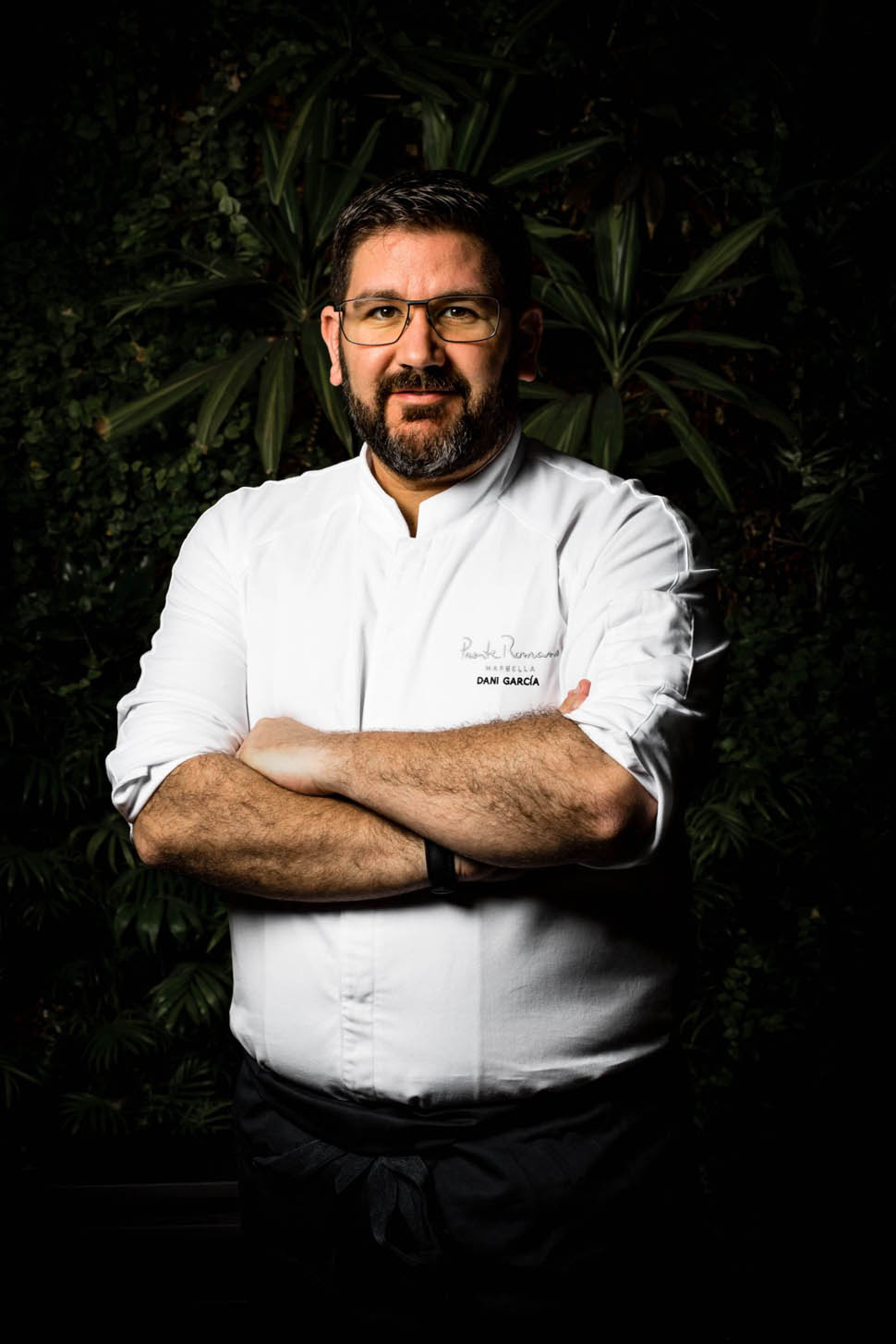
However, there is no shortage of resistance. Many consumers express a legitimate concern: knowing the price in advance. The fear is that they will be faced with sudden changes, with a cost that changes at the last minute. García indirectly addresses this issue, emphasizing that the success of these strategies depends precisely on their predictability. They work when the rules are clear, when the discount has a beginning and an end, and when the customer can make an informed choice. The debate raised by the Andalusian chef also touches on a cultural issue. The restaurant industry, especially in countries such as Spain and Italy, is still linked to the idea of price as an immutable value, almost an identity. Questioning this means rethinking the relationship between restaurants and the public, shifting the focus from a single evening to the overall balance of the system. This is not a provocation for its own sake, but a reflection on how the market works. During the same interview, García was in the studio to present Cocina en casa como Dani, his new book dedicated to everyday cooking, designed for stress-free enjoyment. This is not a minor detail: while offering accessible recipes that can be replicated at home, the chef reflects on how to make the restaurant experience more accessible as well. Two sides of the same coin, united by the idea that food should once again be a shared pleasure, not an occasional privilege.
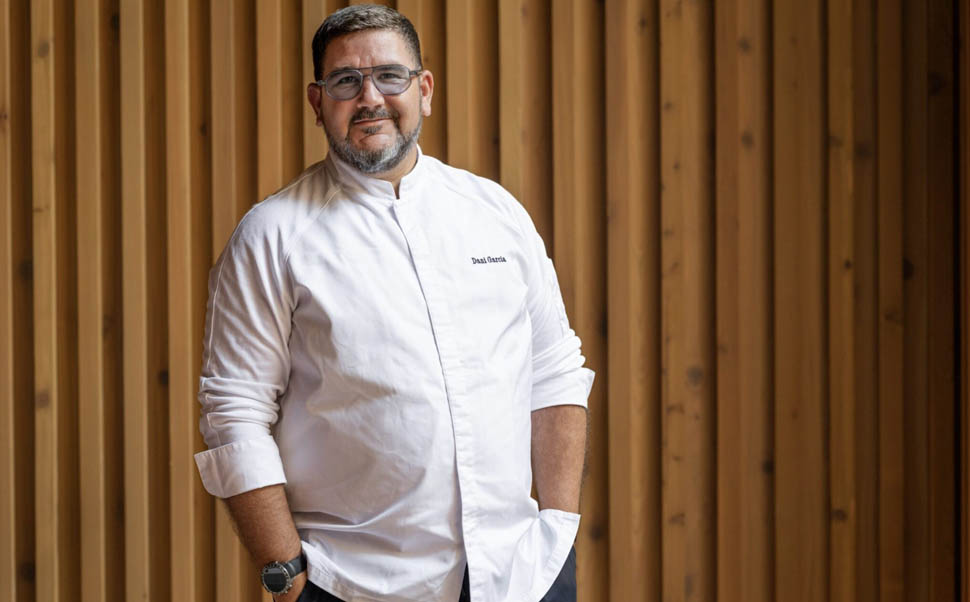
The proposal for dynamic pricing is not a miracle solution, nor does it claim to be. Rather, it opens up a space for discussion on how the restaurant industry can adapt to a rapidly changing economic context without losing its identity. García suggests this with pragmatism: supply and demand also exist in the kitchen, and ignoring them does not make them disappear. Governing them, on the other hand, could offer new possibilities. At a time when eating out requires increasingly careful planning, the idea of more affordable days and more expensive days introduces a new but understandable variable. The public, long accustomed to these mechanisms in other sectors, may be more ready than we imagine. The restaurant industry, for its part, is faced with a choice: stick to rigid models or experiment with solutions that reflect the reality of contemporary flows, costs, and expectations. Dani García's proposal, launched from a television couch, has already achieved its first goal: to spark a discussion that the industry can no longer postpone.