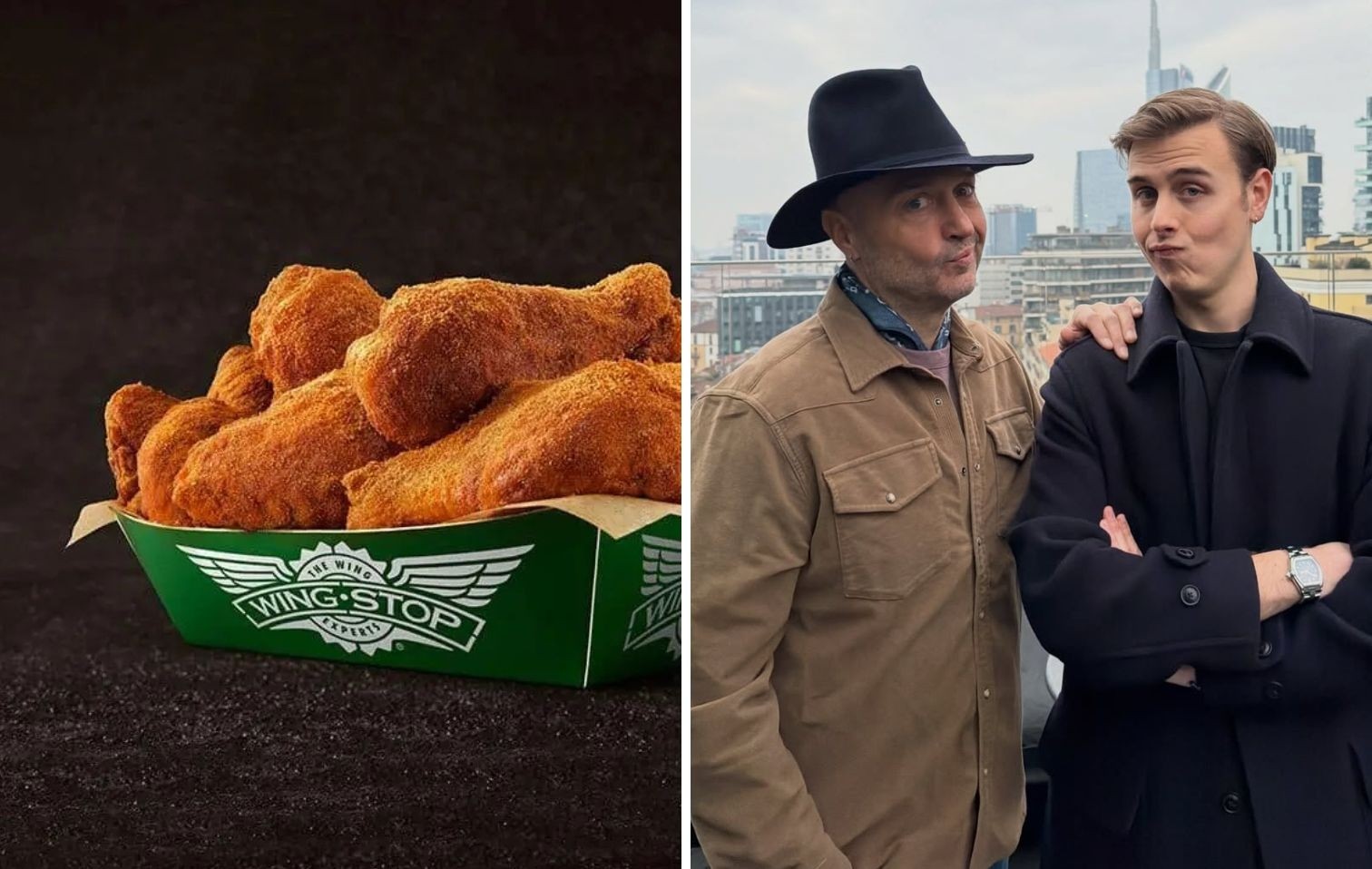
“We are thrilled to introduce these iconic wings to fans. What’s more, bringing Wingstop to Italy has a meaning for me that goes beyond business, because I am collaborating with my son Ethan on this exciting opportunity.”
The news
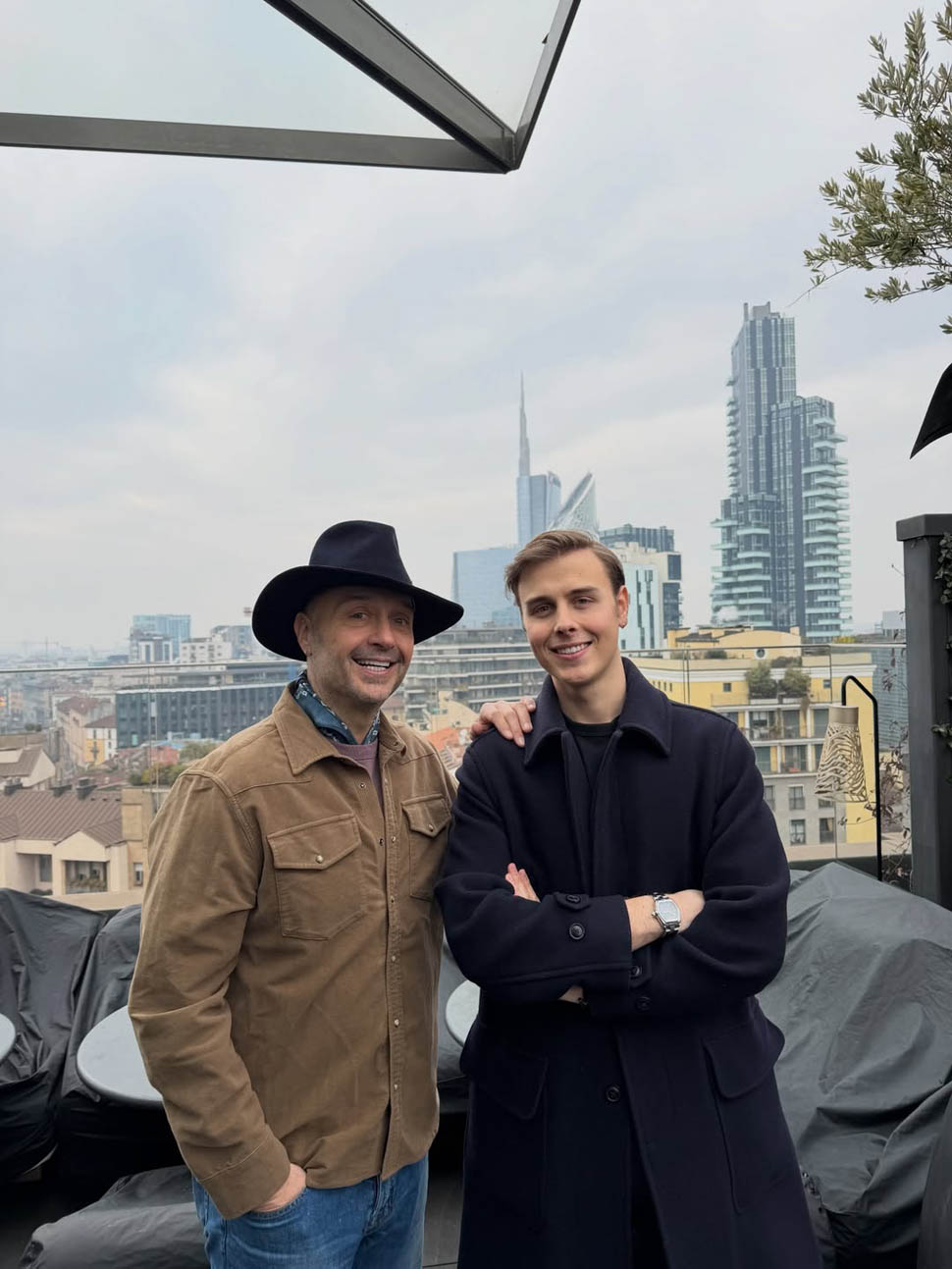
Milan has a talent for absorbing global trends, with a new brand, format, or gastronomic concept appearing every year in search of an audience, scale, and language. This time, the invitation comes from Texas, bearing the signature of Wingstop, and arrives like a pop and spicy push that prepares the city for a two-stage arrival: first the story, then consolidation. The Italian entry of the US chicken wings brand begins on the banks of the Navigli, an area accustomed to acting as an antenna for what is about to become a trend. On February 7, the House of Flavor takes shape, a pop-up that does not simply intend to sell food, but to explain a gastronomic identity that began in 1994 and has built a loyal community in the United States based on intense flavors, fresh products, and comfort food rituals. Supporting this venture is not an unknown face, but a name well known to the Italian public: Joe Bastianich, who is involved as a partner and is supported by his son Ethan Bastianich in the operational management. The choice is not accidental: Joe Bastianich has a gastronomic sensibility that moves between the United States and Italy without superficiality, while Ethan represents the generational bridge between international fast casual culture and the Milanese audience, which in recent years has developed a curiosity for American, South Korean, Japanese, and Middle Eastern formats.

Bastianich Sr. describes the operation as follows: “Wingstop is a brand built on taste, passion, and a strong connection with fans: values that resonate deeply with Italian food culture. We are excited to introduce these iconic wings to fans. What's more, bringing Wingstop to Italy has a meaning for me that goes beyond business, because I am collaborating with my son Ethan on this exciting opportunity.” The subtext is clear: the Italian debut is not an anonymous franchise, but a project linked to figures who understand the local audience and know how to communicate with a city that takes gastronomy very seriously, even in its most popular forms. Wingstop arrives in Italy with a clear message, linked to the words of its president and CEO Michael Skipworth, who states: “After entering six new international markets in 2025, Wingstop continues to see extraordinary demand for our bold flavors and irresistible chicken wings loved around the world: Italy represents another exciting milestone in our growth. Thanks to the contribution of partners who have a deep understanding of the Italian culinary landscape, we are ready to expand in a thoughtful and authentic way in this market.” The point is not just expansion, but how to do it. The first phase does not involve a traditional restaurant, but a temporary location that showcases the Wingstop universe without immediately locking it into a rigid format. In the meantime, delivery will be activated as a tactical tool to begin building affection and managing real feedback from the Milanese public.
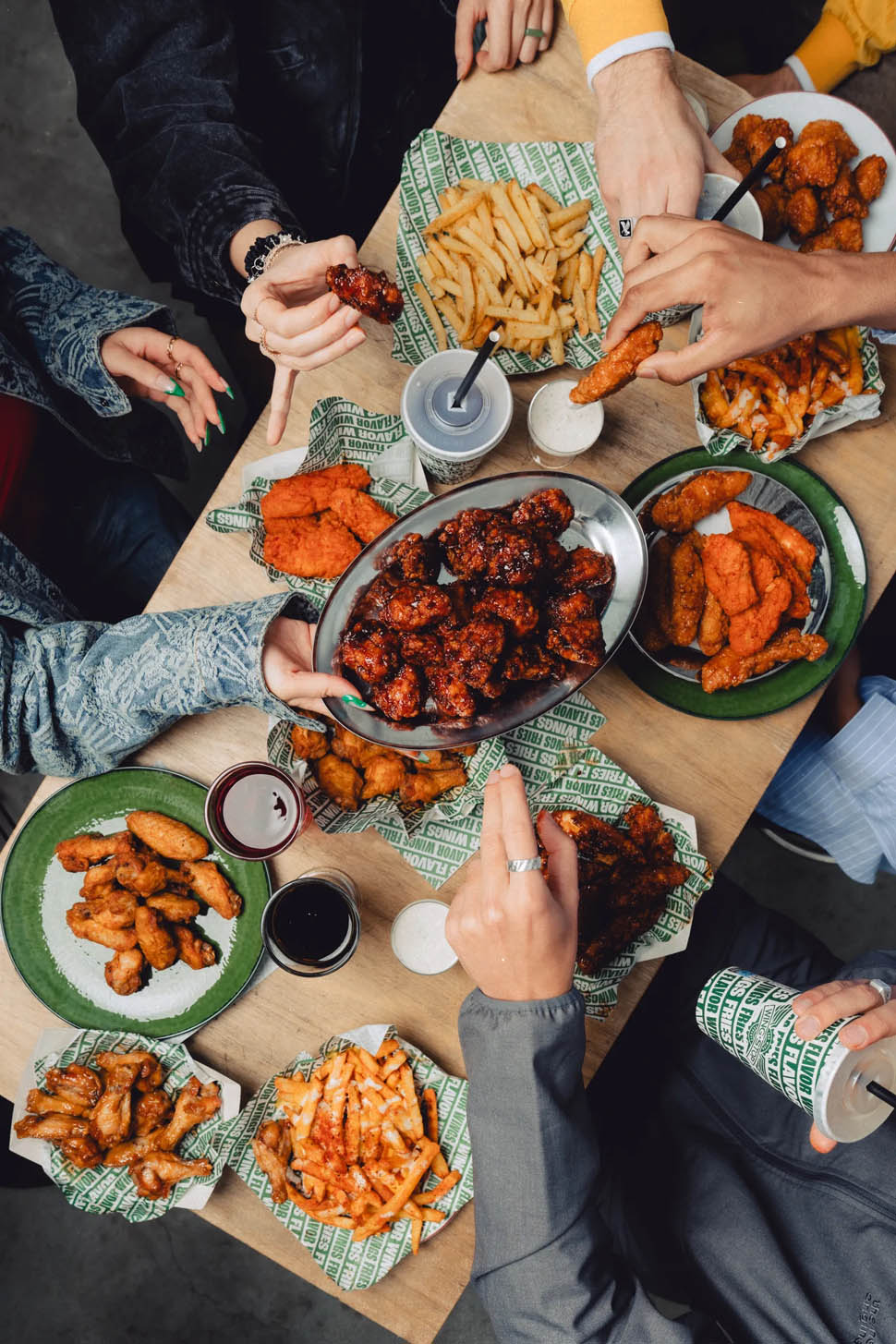
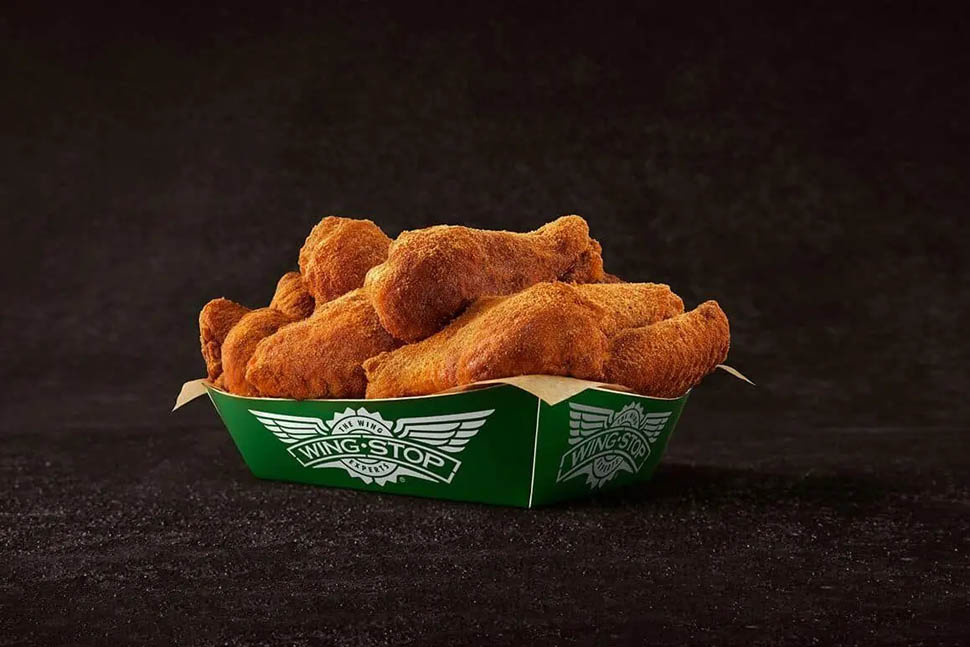
Alongside the pop-up, the brand has announced a flagship store in the city center, designed to permanently translate an American food culture that thrives on sauces, crunchy textures, spicy chips, and ranch dressing. Wingstop was founded in Texas in 1994, at a time when chicken wings were becoming hugely popular in the United States, becoming a sporting, urban, and family ritual. Unlike many chains in the segment, it has built part of its recognition on its method: fresh wings, prepared to order and seasoned by hand, rather than standardized through industrial processes. The brand plays on a menu of iconic sauces, a central element of its story. The Italian offering includes ten sauces, chosen to cover levels of spiciness, sweetness, acidity, and smokiness: from Lemon Pepper to Hickory Smoked BBQ, from Garlic Parmesan to Louisiana Rub, passing through Mango Habanero, Original Hot, and finally Atomic, the most extreme variant dedicated to those who are not afraid of capsaicin. In the menu's architecture, the wings represent the base, while two elements that are almost untouchable in America enrich the experience: spicy chips and homemade ranch sauce, a sauce that in the United States is not limited to accompanying wings but is considered an aromatic counterpoint that mitigates the spiciness and amplifies the flavor of fried meat. This is a gastronomic lexicon that is far removed from the Italian one, which is why Wingstop is betting on the pop-up phase: explaining, educating, creating habits, understanding the tolerance threshold for spiciness, and measuring the appreciation for sauces that are not part of our everyday culture.
The arrival in our country is part of a medium- to long-term international development plan which, for Italy, envisages 40 openings distributed throughout the country. It confirms a very American idea of controlled scalability: first, a pioneering urban market is identified, then processes are consolidated, and finally a network is developed. Milan is clearly the city chosen for the first step, not only because of the volume of demand, but also because of its familiarity with delivery, the presence of a mobile and international public, and its ability to assimilate gastronomic influences without prejudice. What makes Wingstop's entry interesting is not only the commercial aspect, but also the cultural context in which it fits. The city is experiencing a moment in which food consumption patterns are changing rapidly: demand for quality fast casual is growing, specialized operators are increasing, and concepts dedicated to a single dish (fried chicken, bao, ramen, smash burgers, tacos, gyoza) are multiplying. Milan is attracted to vertical formats when they have a clear grammar and an authentic offering. Wingstop taps into this trend by offering an experience that does not pretend to resemble anything Italian: it is not Italian-style chicken, it is not a local reinterpretation, it is a coherent fragment of American gastronomic culture that arrives here in its original form.
From a marketing perspective, Wingstop uses language that is very different from the premium rhetoric of the gourmet sector: it talks about flavors, fun, community, fan base, and experience. This language is reminiscent of American sports, evenings in front of the TV, colleges, diners, neighborhood parties, and takeaway restaurants with lines outside on weekends. For a European audience, particularly in Italy, this imagery exists mainly through movies and TV series. The arrival of Wingstop allows it to be transformed into a concrete experience, and this is a factor that many international chains intend to exploit in the coming years. The House of Flavor on the Navigli will play a strategic role: it will be a space for listening as well as offering. Here, the brand will observe the behavior of the public, their preferences for spiciness, their response to sweet and smoky flavors, their consumption patterns, and their response to delivery. This is not a permanent location, but a social and gastronomic laboratory that paves the way for phase two: the flagship store in the city center. This step will be the real test for Italy: to see if Wingstop can become part of everyday life, not just a curiosity. The 40 planned openings represent an ambitious projection that will require a different geographical and cultural adaptation than in the United States. Milan is preparing to observe and taste. Wingstop will start with the pop-up, make a name for itself with delivery, consolidate itself in a flagship store, and then, if the public responds, expand. Italy thus enters an international map that has already welcomed six new markets in 2025 and looks to 2026 with growing demand. The coming months will tell whether the Milanese will like the hand-seasoned wings, whether ranch dressing will become a habit, and whether the synergy between American culture and Italian sensibility will work, not because of fashion but because of genuine acceptance.